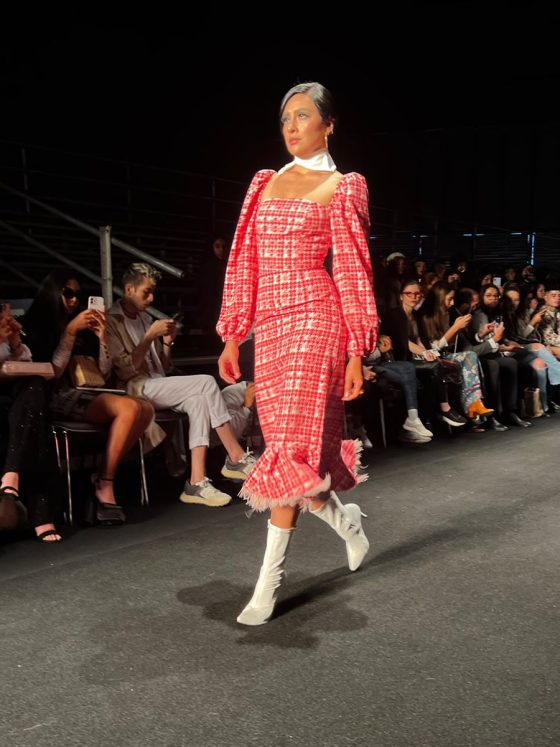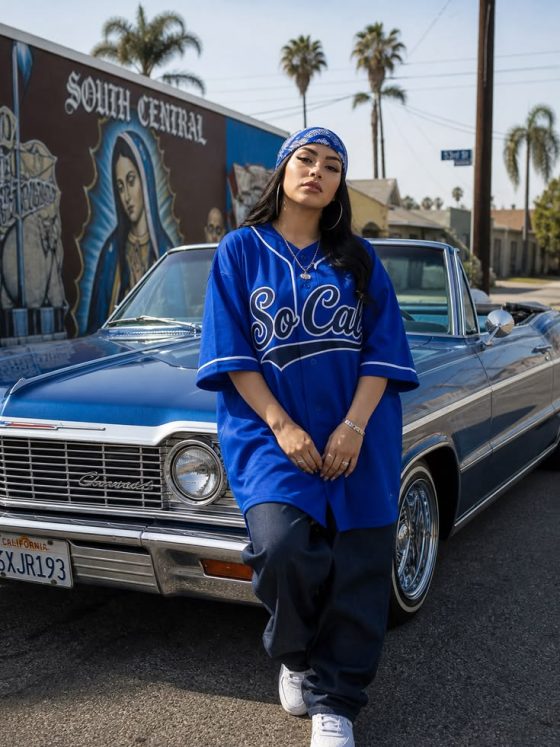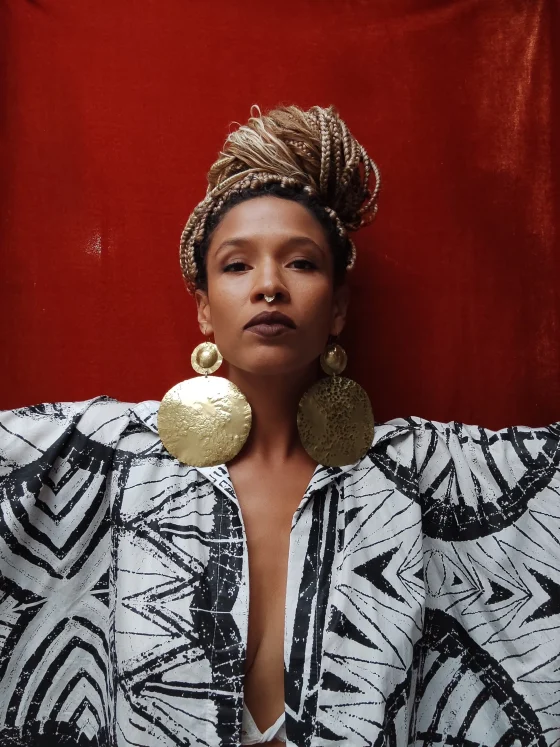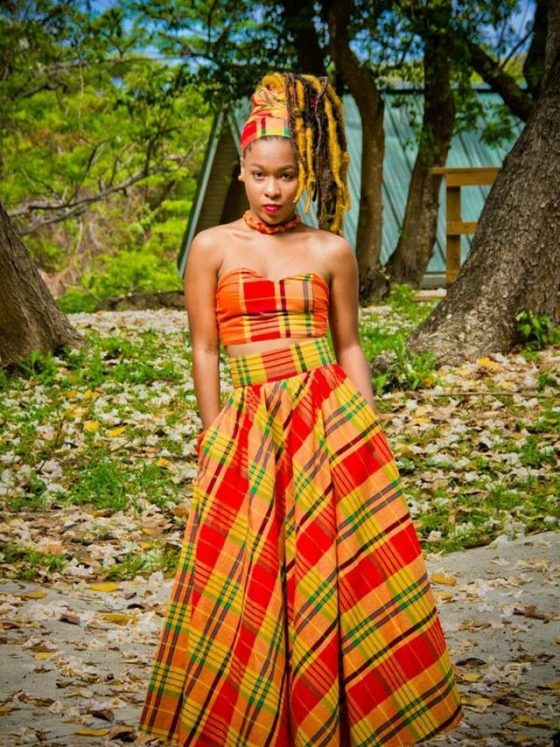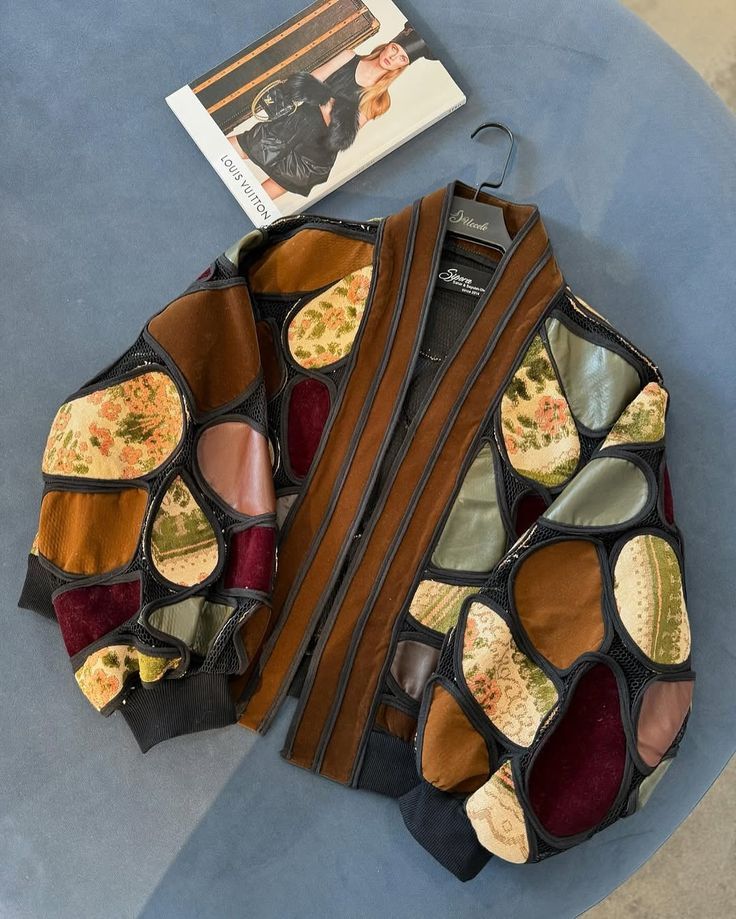
Fashion often presents itself as an aesthetic choice. The dress is beautiful. The bag is well-made. A jacket fits well. Yet behind the surface of every garment sits a production system, and that system determines who earns, who is erased, and whose knowledge survives.
Choosing handmade clothing is, therefore, not simply a matter of choosing craft. It is necessary to choose a different economic structure.
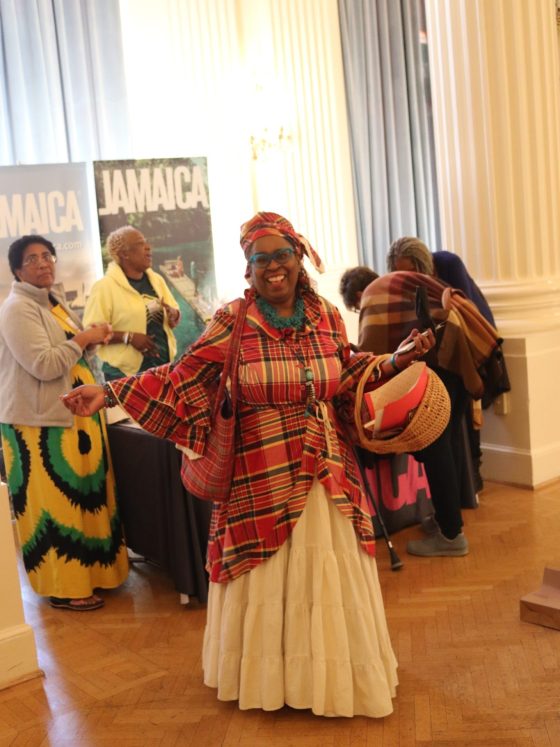
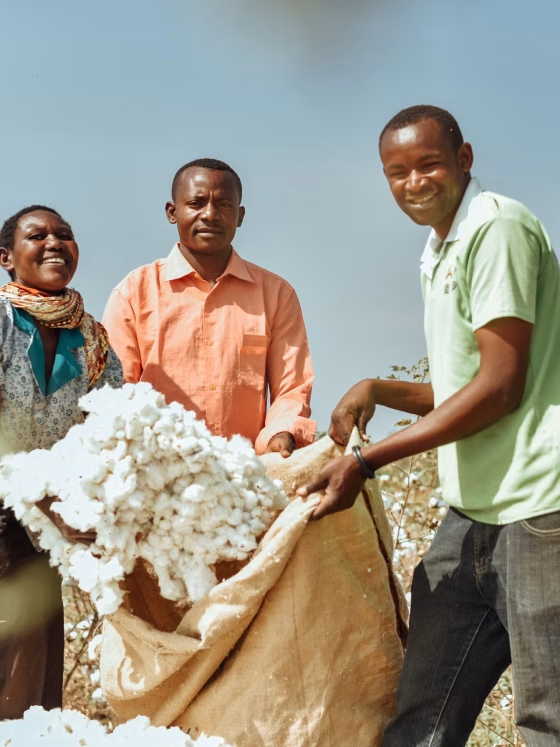
Across Africa, the Caribbean, and Black Latin America, artisan production sustains local economies built on specialised knowledge passed through families and communities. Tailors, beadworkers, leatherworkers, dyers, and embroiderers operate within systems where skill is the primary currency. The value of the garment reflects time, mastery, and cultural continuity rather than the speed of mass production.
When a consumer chooses handmade over factory output, they are participating in a redistribution of power within the fashion economy.
Buying handmade fashion supports artisan economies across Africa and the diaspora. Craft preserves culture, labour dignity, and local wealth.
Craft as Knowledge Infrastructure
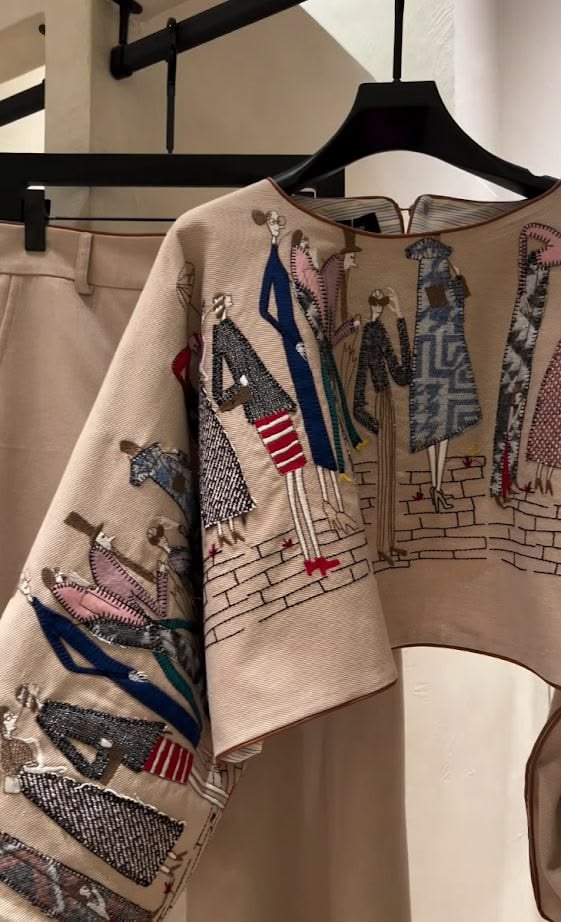
Artisan craft is frequently romanticised as heritage, yet its true significance lies in the transmission of knowledge. In beadworking communities across East Africa, for example, colour placement, pattern logic, and symbolism are taught through observation and apprenticeship.
Each piece carries information about age, marital status, regional identity, and ceremony. The craft is therefore not just decorative labour. It is a language system expressed in material form.
When global fashion markets replicate bead patterns without acknowledging their cultural grammar, they extract aesthetic value while disconnecting it from meaning. Supporting artisans directly preserves the system that gives those patterns their significance.
Handmade fashion protects knowledge that cannot be automated.
Leatherwork and the Geography of Skill
In cities such as Fez and Marrakech, leather artisans work within workshop networks that have existed for centuries. The tanning process, dyeing techniques, and hand-stitching methods used today still reflect processes refined long before the advent of industrial machinery.
These workshops operate as micro-economies. Apprentices learn through years of observation and repetition before mastering the craft. The finished bag or pair of sandals, therefore, reflects a chain of labour that includes raw material preparation, dyeing, cutting, and stitching.
Mass manufacturing collapses these roles into automated production lines. Craft economies distribute value across many hands.
Buying handmade leather goods keeps that distribution intact.
Tailoring as Urban Infrastructure
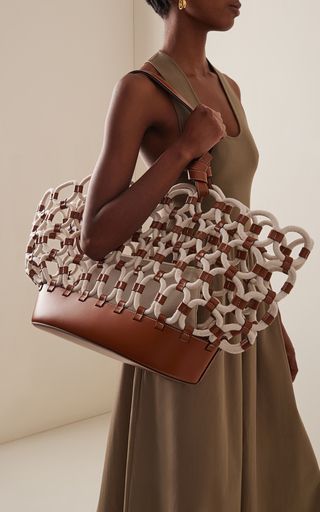
Across African cities, tailoring operates as an essential form of urban infrastructure. Local tailors do more than produce garments. They adjust clothing to fit individual bodies, repair worn pieces, and reinterpret fabrics into contemporary silhouettes.
This system reduces waste while maintaining local employment networks.
Unlike global fast-fashion supply chains that separate production from consumption, tailoring keeps both processes within the same community. The person wearing the garment often knows the person who made it. Feedback travels instantly. Adjustments are possible. Craft evolves in response to real bodies rather than abstract size charts.
When consumers bypass this system in favour of mass-produced imports, they weaken a vital layer of local economic resilience.
Supporting local tailoring keeps skills embedded within cities rather than outsourced beyond them.
ALSO READ:
- Reclaiming the Narrative: How Cultural Resistance Shaped the World’s Most Powerful Style Movements
- What Ceremony Teaches Us About Dressing: The Sacred Origins of Our Most Everyday Choices
Why Handmade Purchases Are Political
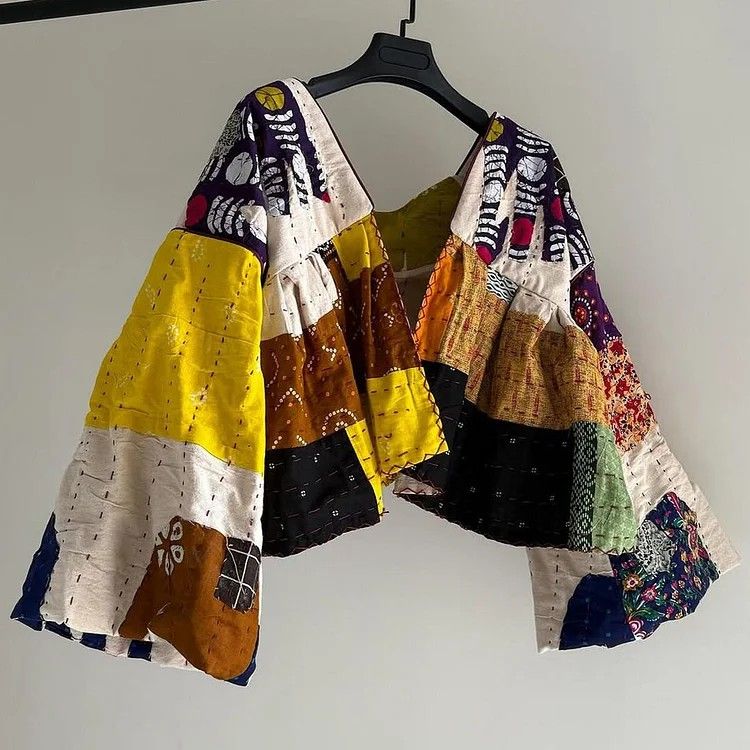
The political dimension of handmade fashion becomes clearer when we examine what the alternative represents. Industrial fashion production depends on low wages, compressed timelines, and large volumes. Profit emerges from scale.
Craft economies operate differently. They prioritise time over speed and skill over volume. As a result, handmade garments cost more upfront. Yet that cost reflects labour dignity rather than inflated branding.
When consumers intentionally buy from artisans, they are resisting a system that undervalues manual skill. They are choosing transparency over anonymity and relationship over distance.
Every handmade purchase, therefore, acts as a vote for a different fashion economy.
Protecting Cultural Authorship
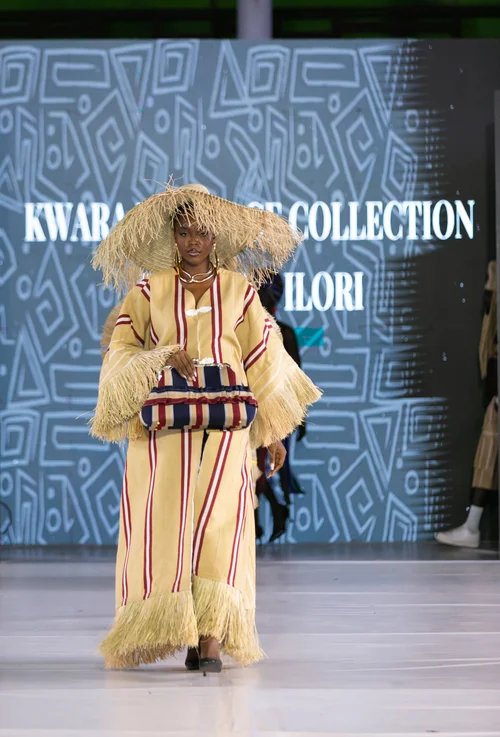
Artisan crafts are often the first elements of African and diasporic fashion that global luxury houses adopt. Beading appears on couture gowns. Hand embroidery informs runway collections. Leather tooling becomes inspiration for accessories.
What is often missing is recognition of origin.
When artisans remain invisible while their techniques circulate globally, cultural authorship is diluted. Supporting artisan economies directly helps correct that imbalance. It ensures that the communities that developed these techniques benefit from their continued relevance.
Craft is intellectual property expressed through material.
The Future of the Artisan Economy
The next phase of African fashion growth will depend heavily on how artisan systems are integrated into modern markets. Digital platforms now allow craft producers to reach international buyers without relying entirely on intermediaries.
However, scale must be approached carefully. Expanding demand should not force artisans into industrial production models that undermine the very principles that make their work valuable.
The goal is not to transform artisans into factories. It is to elevate craft as a central pillar of fashion’s future economy.
If done correctly, the artisan economy can provide employment, preserve culture, and offer an alternative to the environmental and ethical challenges facing global fashion.
Conclusion
Handmade fashion is often framed as luxury because of its price. In reality, its true value lies elsewhere. It protects knowledge, distributes economic opportunity, and maintains cultural authorship.
To buy handmade is to recognise the human intelligence embedded in craft.
In an industry built on speed and scale, that recognition is one of the most political choices a consumer can make.
FAQs
- Why is buying handmade fashion considered political?
Because it supports artisan labour, protects cultural knowledge, and diverts money away from exploitative mass-production systems.
- How does the artisan economy benefit African communities?
It sustains skilled employment, preserves traditional crafts, and keeps economic value within local communities.
- What makes handmade clothing different from mass-produced fashion?
Handmade garments involve skilled labour, slower production, and cultural knowledge that cannot be replicated by automated manufacturing.
- How do artisans contribute to sustainable fashion systems?
Artisan production limits overproduction, values repair, and prioritises durability over seasonal disposal.
- Why is cultural authorship important in handmade fashion?
Recognising artisan origins ensures communities receive credit and economic benefit when their craft techniques influence global fashion.