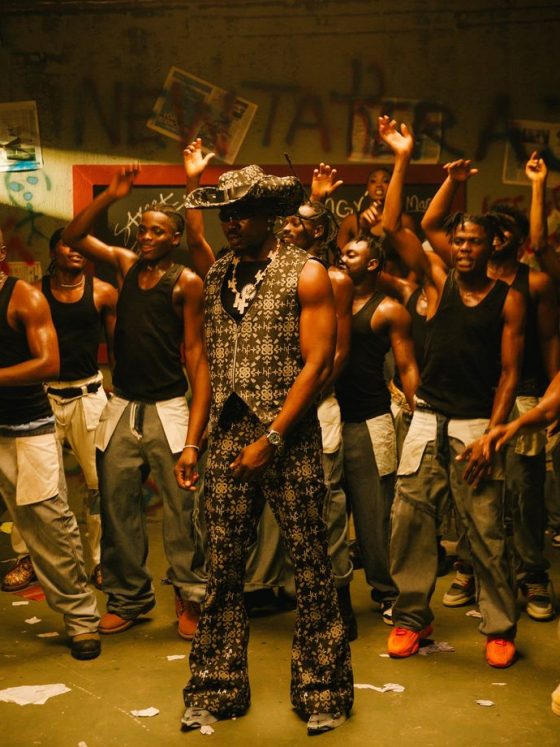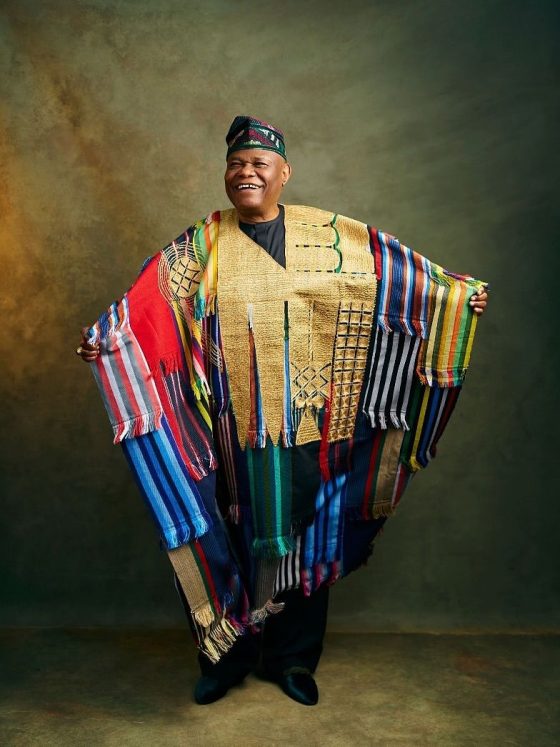
Archive as a creative catalyst is where African creativity meets its own history. These are the patterns, the fabrics, the shapes, and the stories that have been passed down for generations.
When designers, artists, and makers turn to the archive, they are not looking backwards. They are finding sparks. Every fold, stitch, and print carries a question: how can what came before become something entirely new?
When this is asked, it challenges, provokes, and pushes African creativity to places it has never been. Keep reading to learn more about the archive as a creative catalyst.
The archive as a creative catalyst shows how heritage and practice inspire African and diaspora creatives to innovate with purpose and culture.
The Archive Did Not Begin in Museums. It Began in Practice.

Knowledge has never just lived in books or filing cabinets. Kuba weavers in Kinshasa keep geometric patterns alive, each stitch carrying family and community memory.
Barkcloth makers in Uganda pass down their beating and felting techniques from one generation to the next. Kanga and Kikoi artisans in East Africa preserve traditional designs that show identity and meaning.
In the Caribbean, Haitian cotton weavers turn every thread into a story of ritual, heritage, and skill. The archive as a creative catalyst isn’t about looking back for nostalgia. It’s about learning from what came before to make stronger choices today.
When a tailor, weaver, or dyer follows ancestral methods, they are consulting an archive, shaping designs that are meaningful, grounded, and full of cultural authority. Memory here is a guide, not a museum piece.
Cultural Memory Shapes Identity And Meaning
Archives aren’t just records; they are living stories that shape who we are and how we show it. In African and Caribbean creative systems, patterns, colours, and techniques carry meaning.
A specific motif in a Kikoi or Kanga can signal age, status, or community role. Haitian cotton designs often tell stories of ritual and ancestry. These are not just decorations; they are memories in motion.
For designers, understanding this is crucial. Drawing on these living archives isn’t copying the past. It’s making choices that carry weight and meaning.
The Archive as a Creative Catalyst helps designers make intentional decisions about proportion, colour, and form. It turns history into guidance, ensuring that every piece communicates identity, lineage, and purpose.
The Archive Guides Creative Choices
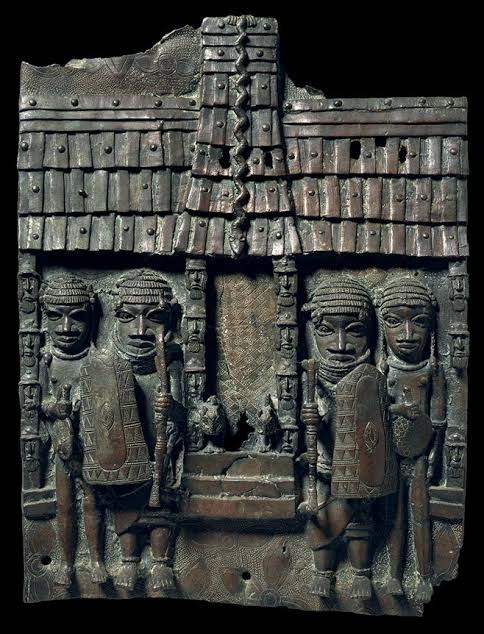
The archive is a roadmap, not a museum exhibit. Every stitch, pattern, or fold carries lessons from the past that can guide what comes next.
A Kikoi print isn’t just decorative; it shows balance, proportion, and cultural meaning. A Kuba pattern isn’t just a motif; it encodes lineage and identity.
Using the Archive as a creative catalyst means learning from these lessons to make decisions with purpose.
Designers don’t need to replicate the past; they use it to inform colour, cut, and construction, creating pieces that are rooted, intentional, and culturally aware. When creativity is guided by memory, every garment tells a story, one that honours history while shaping the present.
Why Africa Has Always Practised Archival Fashion
Long before museums or trend reports, African and Caribbean communities treated fashion as living memory. This history shows how the archive as a creative catalyst guides designers in making intentional, meaningful creations that carry both heritage and purpose.
Key ways Africa and the diaspora have practised archival fashion:
Community Coordination
Traditions such as ceremonial garments in the Caribbean or coordinated Kikoi attire in East African communities help ensure that patterns, colours, and styles are recognised across gatherings.
These shared visual codes act as living archives. It teaches the generation what communicates belonging, status, and cultural meaning.
Family Transmission
Techniques like Kuba weaving in the DRC, barkcloth creation in Uganda, and huipil embroidery in Mexico are taught from parent to child.
Every lesson passed down is not just about making a garment. It preserves knowledge of proportion, rhythm, and symbolism that guides future creativity.
Daily Craft As Record
Artisan workshops function as living libraries. Every day, weavers, dyers, and tailors reinforce methods that have survived centuries.
This keeps practical skills, technical precision, and design judgement alive. Each fold, stitch, or pattern carries lessons that designers can reference when making new work.
Cultural Meaning Embedded
In every fold, motif, or colour choice, there is a story about lineage, ritual, or social identity. A barkcloth design in Uganda or an Andean aguayo weave is never purely decorative. It communicates meaning, instructs behaviour, and preserves memory, turning clothing into both archive and narrative.
Also Read
- The Invisible Thread: How African Oral Tradition Shapes Fashion and Heritage Textiles
- When Dressing Becomes Declaration: Clothing as Cultural Identity
- The Biography Of Indigo: From Colonial Currency To Blue Gold
- African Print as Modern Armour: Identity, Belonging, and Cultural Authority
The Archive As Inspiration For Innovation

Archives are not just about preserving the past; they are launchpads for creativity. African and diaspora designers don’t study textiles, patterns, or techniques to repeat them. They study them to see what’s possible, to push boundaries while staying rooted in meaning.
Reimagining Patterns
A Kuba motif or Kanga print can inspire a modern silhouette, colour combination, or texture. Designers take what already carries identity and transform it into something fresh.
Informed Risk-Taking
When artisans understand the reasoning behind a fold, stitch, or motif, they can experiment confidently. They know which elements are flexible and which carry cultural weight, letting creativity flourish without erasing heritage.
Connecting Generations
Using archives as a creative catalyst bridges the past, present, and future. A piece may reference centuries-old Adire or huipil techniques while speaking to contemporary style, connecting communities across time.
Global Dialogue, Africa-Rooted
Innovation inspired by archives allows African and diaspora creators to participate in global conversations on fashion, craft, and design, not as followers, but as custodians and leaders.
The archive as a creative catalyst shows that the past is never static. It is alive, instructive, and full of possibility, giving every designer the tools to create work that is meaningful, intentional, and unmistakably African in vision and voice.
Conclusion
Creativity thrives when it is guided by memory, practice, and ritual. The Archive as a Creative Catalyst teaches, preserves meaning, and sparks innovation across generations.
For designers, artisans, and creatives, engaging with these archives is not about copying the past. It is about learning from it, respecting it, and letting it inform what comes next. Every choice, colour, pattern, proportion, or technique becomes intentional, rooted in culture, and full of purpose.
Africa and its diaspora have always understood this. Archives are not just storage; they are instruction manuals for creativity, waiting to be read, interpreted, and brought to life in every new creation.
Frequently Asked Questions
-
What Does Archive As A Creative Catalyst Mean?
The Archive as a Creative Catalyst is the idea that historical knowledge, patterns, techniques, and traditions can actively guide creativity today. It’s not just preservation; it’s learning from the past to make intentional, meaningful designs.
-
How Do African And Diaspora Archives Influence Modern Design?
Archives in Africa and the diaspora exist in living practice, from textile techniques to ceremonial clothing. Designers study these traditions to inform colour, pattern, proportion, and form, creating work that is rooted in culture and identity.
-
Is Using The Archive The Same As Copying Traditional Designs?
Not at all. Engaging with archives means learning principles and meaning, not replicating exactly. Designers reinterpret techniques and motifs to create new, intentional, and culturally aware creations.
-
Can Archives Inspire Innovation in Global Fashion?
Yes. African and diaspora archives are rich with lessons in proportion, rhythm, and visual storytelling. Creatives worldwide can use them as inspiration to innovate while respecting cultural significance.
-
How Can Young Designers Start Using The Archive In Their Work?
Start by observing living practices, visiting artisan workshops, and learning from weavers, dyers, and tailors. Study the meaning behind patterns and techniques, then experiment with those principles in your designs. Memory becomes guidance, not limitation.