Barkcloth is not meant to be fashionable.
For centuries, it existed entirely outside fashion systems, ceremonial, utilitarian, and spiritual. Made from the inner bark of the mutuba tree, it carried meaning before it carried a silhouette. Its value was cultural, not aesthetic. Its presence was fixed.
Jose Hendo is not interested in preserving barkcloth as an artefact. She is interested in what happens when it is allowed to move.
Working between Kampala and London, the Ugandan-British designer treats barkcloth not as heritage to be protected but as material to be interrogated. Her practice asks a more complex question: What does this fabric become when it is permitted to behave like fashion?
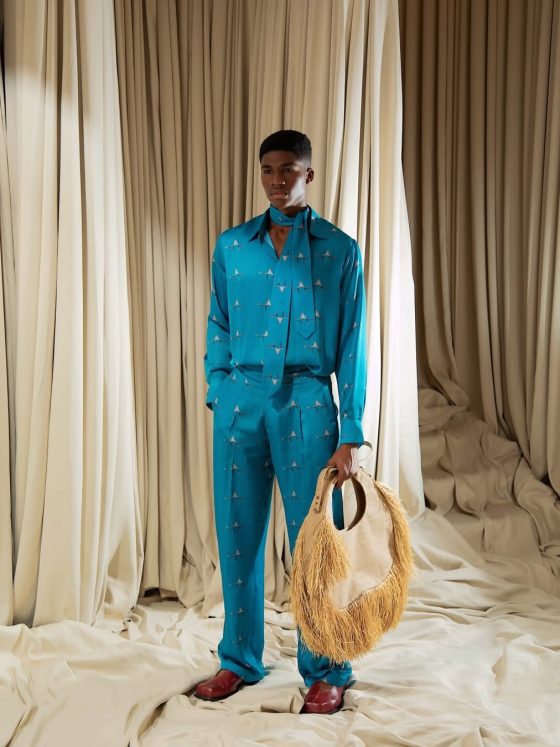
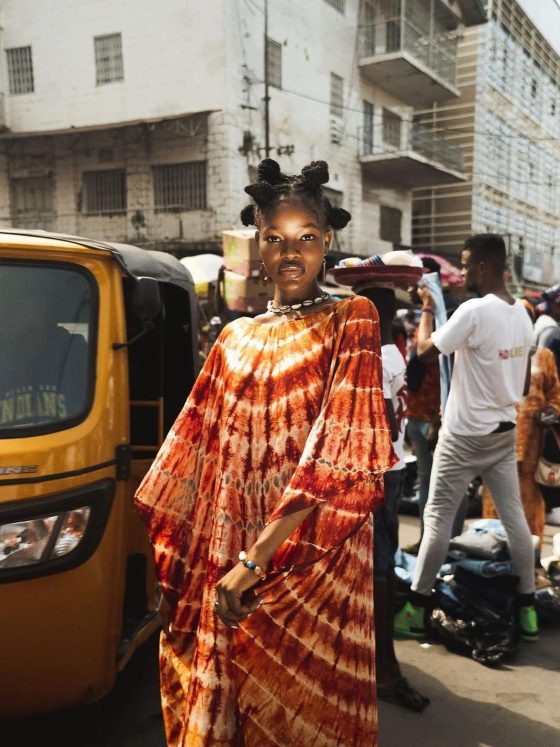
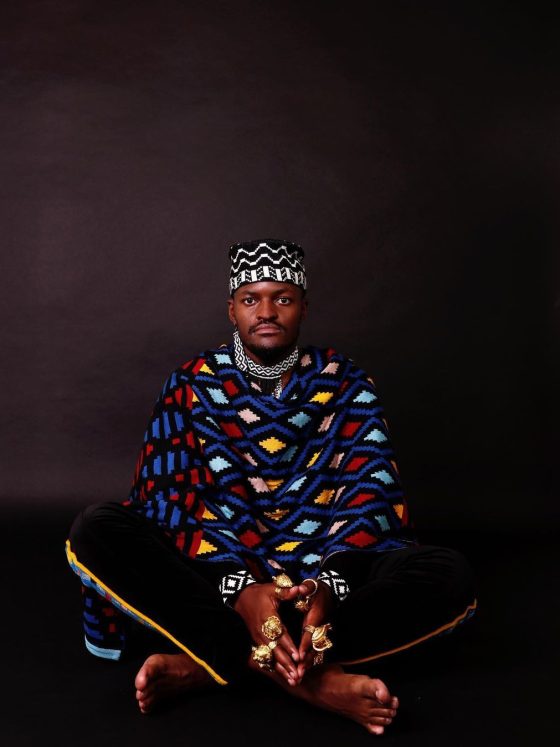
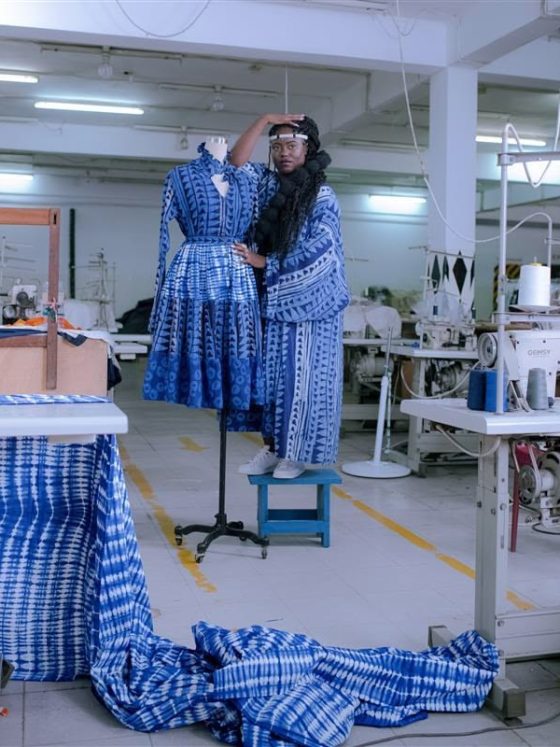
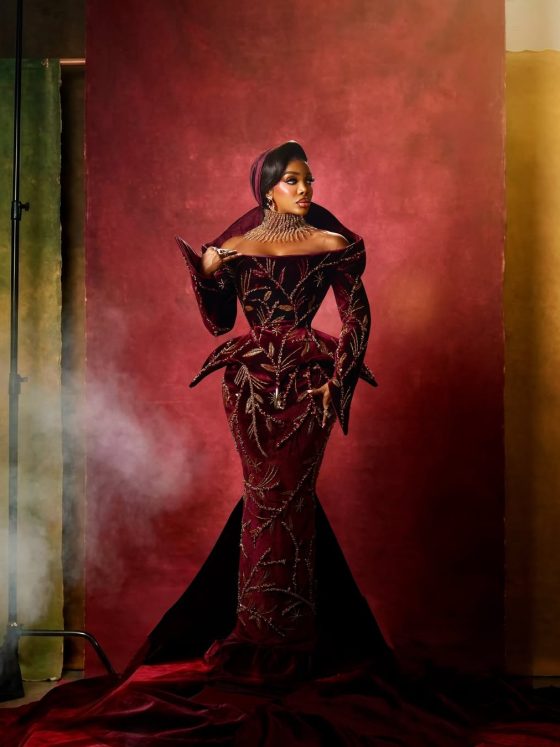
Jose Hendo reimagines Uganda’s barkcloth as modern couture, reshaping how African textiles function within global fashion systems.
A Textile With Memory
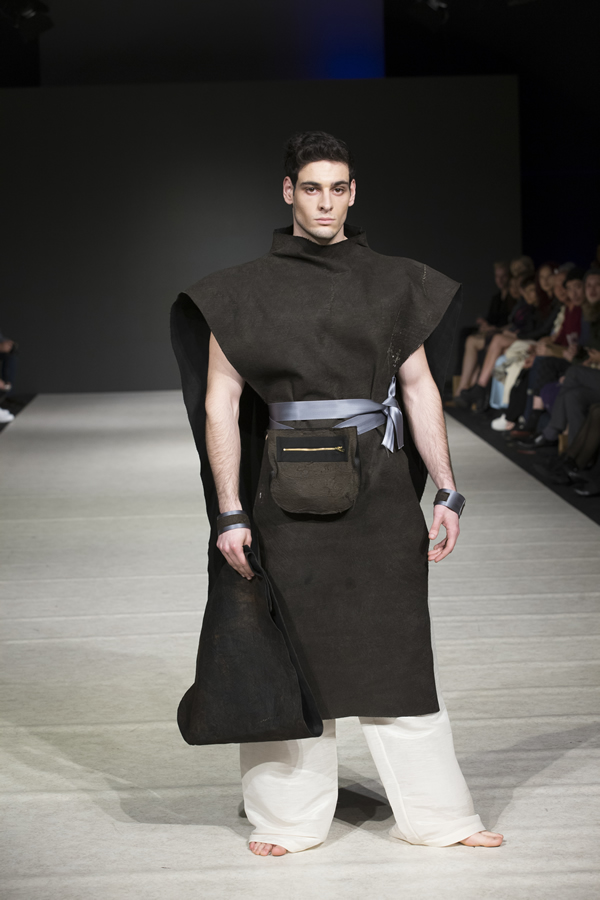
Barkcloth is one of the world’s oldest known textiles, recognised by UNESCO for its cultural significance. Traditionally, it is beaten, softened, and shaped by hand, a process that leaves the material with visible marks, tonal irregularities, and an unmistakable tactility.
In Jose Hendo’s hands, these qualities are not corrected or concealed. They are structural.
Rather than forcing barkcloth into conventional fashion expectations, she designs silhouettes that respond to its resistance, its stiffness, and its tendency to crease rather than drape. The result is clothing that feels architectural rather than decorative, garments that hold their shape, assert presence, and resist fragility.
This is not about nostalgia. It is about respect through use.
Eco-Couture Without Performance
Hendo is often described as a sustainability pioneer, but that framing only captures part of the picture. Sustainability in her work is not a messaging strategy. It is an outcome of material choice.
Barkcloth does not require weaving. It does not rely on synthetic processing. Its production is inherently low-impact, slow, and deliberate. By choosing it as a primary material, Hendo sidesteps many of the environmental trade-offs inherent in modern textile production.
Her additional use of recycled silk and organic cotton serves a similar purpose, not as a statement, but as a matter of compatibility. These fabrics coexist with barkcloth without competing for attention, allowing construction and silhouette to remain central.
The clothes do not announce their ethics. They behave responsibly.
Designing Between Worlds
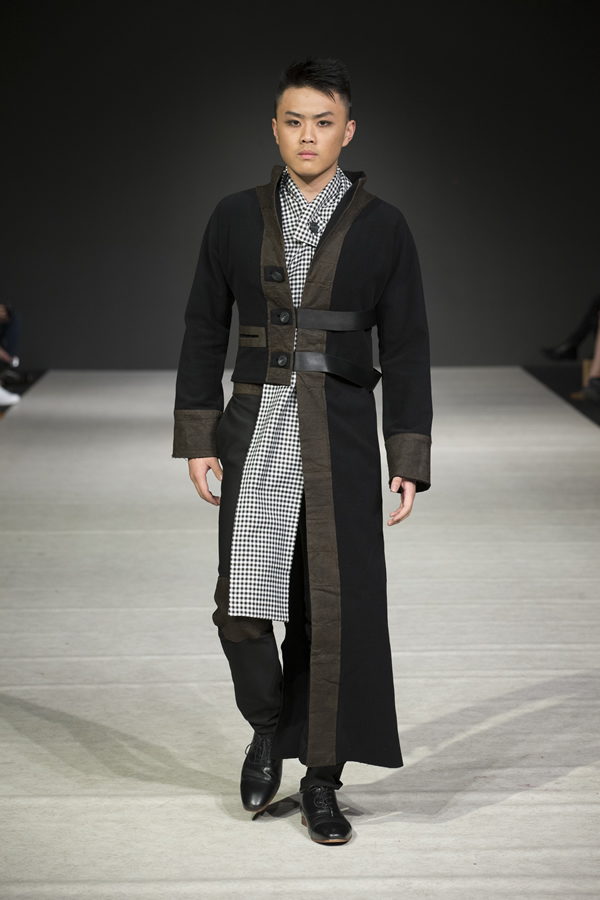
Operating between Kampala and London gives Hendo a dual vantage point. She understands the weight that barkcloth carries in Ugandan cultural contexts and how it is perceived, or misunderstood, in global fashion spaces.
This tension becomes productive.
Rather than diluting the material to meet Western standards of softness or luxury, Hendo challenges those expectations outright. Her avant-garde gowns, sculptural jackets, and accessories assert that luxury need not be smooth, lightweight, or ornate.
They require attention. They ask the wearer to engage.
When Craft Becomes Structure
One of the most striking aspects of Hendo’s work is how little it relies on embellishment. There are no excessive prints and no decorative narratives imposed on the garments. Texture does the work. Construction does the talking.
Barkcloth’s natural irregularity creates visual depth without pattern. Its surface absorbs light unevenly, giving garments a quiet dimensionality that photographs struggle to flatten.
This quality aligns Hendo’s work with a broader shift toward material-led fashion; the cloth itself carries meaning, and design decisions follow its behaviour.
Beyond Cultural Translation
African textiles are often presented to global audiences through translation, explanation, contextualisation, and softening. Hendo resists this impulse.
Her garments are not accompanied by instruction manuals. They are not framed as educational tools. They exist as fashion objects first, cultural objects second.
This order matters.
By allowing barkcloth to function at a couture level without apology, she reframes African textile heritage as intellectually equal to any European archive. This is not because barkcloth emulates Western fashion languages, but rather because it actively resists doing so.
The Body as Collaborator
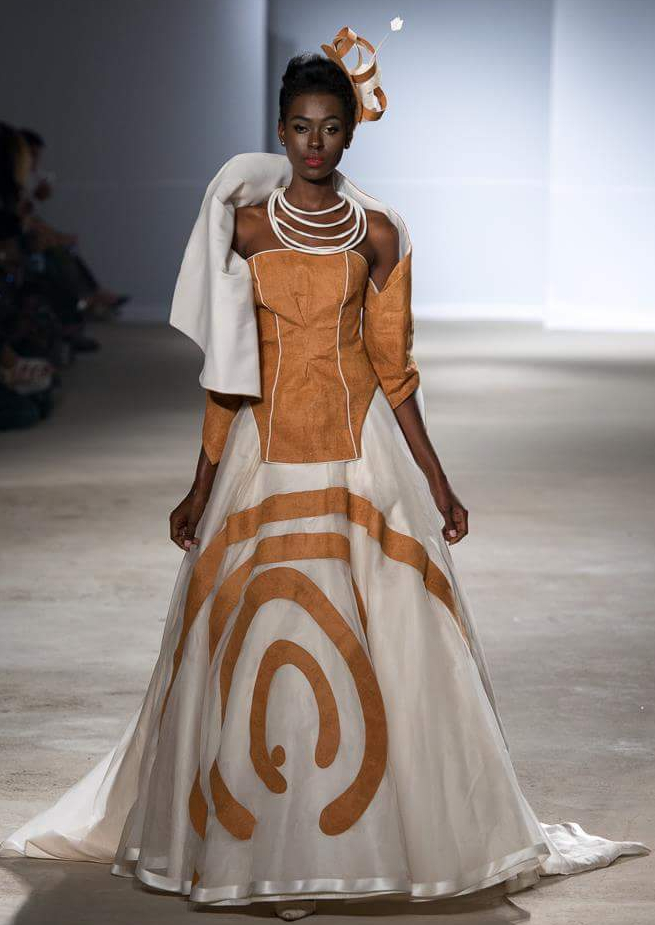
Hendo’s silhouettes demand awareness. These are not passive garments. They shape posture, deliberately restrict movement, and redefine how the body occupies space.
Their purpose is not discomfort as provocation, but intention.
The wearer becomes a collaborator in the garment’s expression. Movement is considered. Presence is heightened. Clothing becomes an extension of bodily discipline rather than decoration.
In this way, Hendo’s work aligns with performance as much as fashion, garments designed to be inhabited consciously.
RECOMMENDED:
- Awa Meité: The Malian Designer Defining Quiet Authority in African Fashion
- Harare Haute: Zimbabwe’s Afro-Minimalist Revolution
Kampala as Origin, Not Reference
Although much of Hendo’s work circulates internationally, Kampala remains central to her practice. It is where barkcloth is sourced, understood, and respected as a living material rather than a museum object.
This grounding prevents the work from drifting into abstraction. The garments may appear on runways and in galleries, but their logic remains anchored in place.
Kampala is not an aesthetic inspiration here. It is of structural origin.
Rewriting African Luxury
Jose Hendo’s work contributes to a necessary redefinition of African luxury — one that is not dependent on gloss, polish, or trend validation.
Luxury, in her practice, is time. Labour. Material honesty. The refusal to rush.
Her garments do not compete for attention. They command it slowly.
Why This Work Matters Now
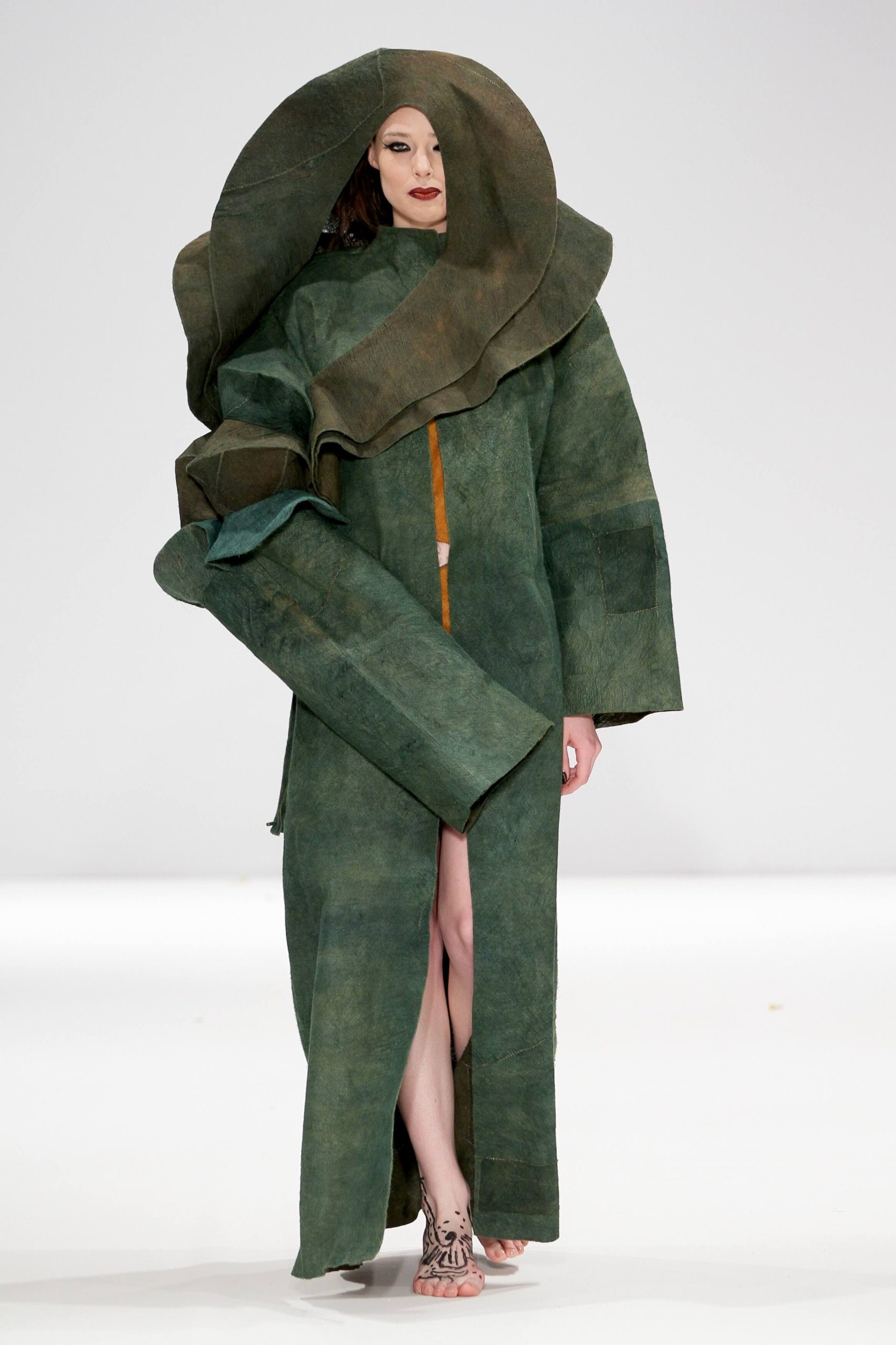
In an industry increasingly exhausted by overproduction and aesthetic repetition, Hendo’s practice offers an alternative rooted in patience and material intelligence.
She does not ask barkcloth to become something else. She allows it to reveal what it can already do.
And in doing so, she positions African fashion not as a site of innovation reacting to global trends, but as a source of design logic capable of reshaping them.
Celebrate innovative design rooted in culture — browse African Fashion Designers on OmirenStyles
Frequently Asked Questions
- Who is Jose Hendo?
Jose Hendo is a Ugandan-British fashion designer working between Kampala and London, known for transforming barkcloth into contemporary couture.
- What is barkcloth, and why is it significant?
Barkcloth is a traditional Ugandan textile made from the mutuba tree, recognised by UNESCO for its cultural and historical importance.
- How does Jose Hendo use barkcloth in fashion?
She designs silhouettes that respond to barkcloth’s stiffness and texture, treating it as a structural material rather than a decorative surface.
- Is Jose Hendo considered a sustainable designer?
Yes, though sustainability in her work is inherent to material choice and production methods, not branding or messaging.
- Why does Jose Hendo’s work matter globally?
Her practice reframes African textiles as future-facing design infrastructure, expanding how luxury and couture are defined internationally.