The first time I understood the power of Arabian culture on African fashion was 2 years back; I was standing in a fabric souk in Muscat just after Fajr prayer. The air was still cool, heavy with the scent of frankincense and wool. Rolls of cotton and linen were stacked like silent witnesses to centuries of movement and memory. A middle-aged man beside me wrapped his turban slowly, deliberately, with the confidence of someone who had done it a thousand times. When he adjusted the final fold, he caught my eye and smiled, not proudly, but peacefully, as though the cloth on his head anchored him to something far older than language.
At the time, I believed I was witnessing an Arabian tradition in its purest form.
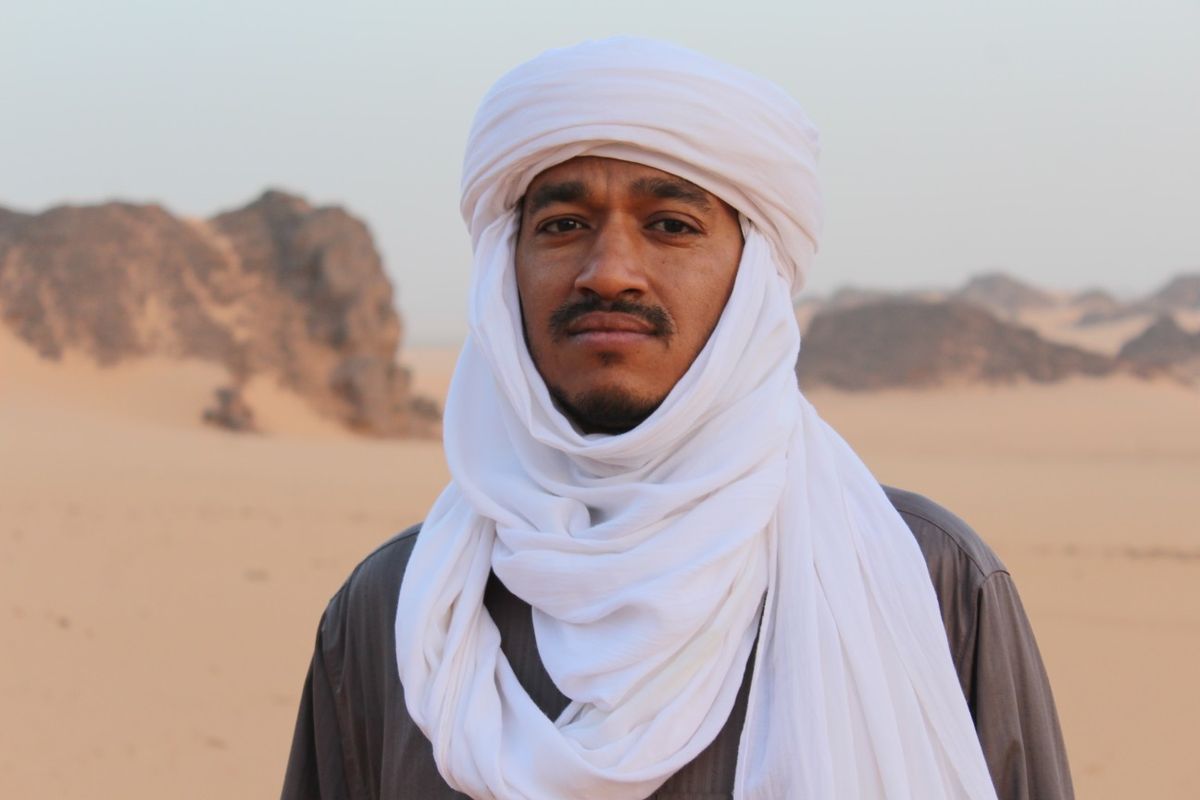
Years later, standing under the unforgiving sun of the Sahel, watching Tuareg men pull deep-indigo cloth across their faces as sandstorms approached, I realised the truth: the turban does not belong to one geography. It belongs to the desert. The desert does not recognise borders.
As a writer who has spent years documenting Middle Eastern, Arabian, and African fashion and lifestyle, I have come to understand that turbans and headwraps are not accessories. They are living archives. They carry climate intelligence, spiritual symbolism, political authority, resistance, and identity, wrapped into fabric that moves with the body and the land.
This is not a story about fashion trends.
It is a story about continuity, exchange, and transformation.
It is the story of how an Arabian headpiece crossed into Africa and how Africa made it its own.
Tracing the cross-cultural journey of the turban, from Arabian deserts to African skies, and how Africa transformed a borrowed headpiece into a lasting symbol of identity, memory, and resistance.
Born of the Desert: Survival Before Symbol

Long before the turban became a marker of faith or status, it was a tool for survival.
Intense heat, vast expanses of sand, and scarcity shaped life in the Arabian Peninsula and across North Africa. The turban emerged not from aesthetics but from necessity. Wrapped correctly, it protected the scalp from sunburn, shielded the face from sandstorms, absorbed sweat, and regulated body temperature. Elders understood something modern designers now call ‘climate-responsive fashion’ centuries before the term existed.
In Oman, Yemen, and parts of Saudi Arabia, men still demonstrate wrapping techniques that create airflow channels around the head. In the Sahara, African communities further refined these methods, adapting them to harsher terrains and longer journeys.
A Tuareg guide once told me, his face half-covered in indigo cloth:
“If you fight the desert, you die. If you dress like it, you survive.”
Africa did not learn the turban passively. It recognised its intelligence and improved it.
How Cloth Crossed Continents
The turban’s journey into Africa followed ancient trade routes that predate colonial maps.
Arabian merchants moved across the Red Sea to the Horn of Africa, through the Sahara to West Africa, and down the Swahili Coast. They carried spices, salt, gold, manuscripts, and methods for dressing that made survival possible. But what travelled fastest was not goods; it was ideas.
African traders, scholars, and nomads observed the turban’s practicality and symbolism and integrated it into their systems of dress. Over time, the headwrap became deeply embedded in African societies, not as a foreign item but as a natural extension of desert life.
In Mauritania, Mali, Niger, Chad, and Sudan, turbans became essential to nomadic identity. In coastal East Africa, they merged with Indian Ocean influences, producing distinct Swahili styles. Each region reinterpreted the wrap based on climate, culture, and social structure.
As one Mauritanian trader once said to me over mint tea:
“Cloth travels faster than armies. People copy what they respect.”
Islam, Knowledge, and African Authority
With the spread of Islam across Africa through trade and scholarship, not conquest, the turban acquired new layers of meaning.
In centres of learning such as Timbuktu, Kano, Agadez, and Sokoto, turbans became visual markers of knowledge and moral authority. Scholars, judges, and teachers wrapped their heads not for decoration but to signal responsibility and discipline.
White turbans were associated with spiritual clarity and religious learning. Indigo and darker tones reflected protection, lineage, and leadership. The size and complexity of a turban often reflected years of scholarship rather than wealth.
Unlike European crowns, which symbolised dominance and separation, African turbans emphasised humility. They were soft, adaptable, and human, reflecting Islamic values that prioritised wisdom over spectacle.
A historian in northern Nigeria once explained it simply:
“Before a man spoke, the turban told you whether to listen.”
Therefore, the turban served as a symbol of modesty and dignity in various parts of Africa.
The Tuareg and the Sacred Veil
No African community embodies the turban’s power more distinctly than the Tuareg.
For the Tuareg, the tagelmust is not optional; it is sacred. Men veil their faces from adolescence, believing the mouth holds spiritual vulnerability. The indigo-dyed cloth protects against sand and sun, but it also shields the soul.
Over time, the dye stains the skin, giving rise to the name “The Blue People of the Desert”. This was never about appearance. It was about belonging, protection, and identity.
Colonial forces misunderstood the tagelmust, viewing it as exotic or threatening. But for the Tuareg, removing the veil was a form of exposure, cultural and spiritual nakedness.
In this way, the turban became a quiet form of resistance, preserving dignity in the face of disruption.
Women, Headwraps, and the Language of Cloth

While history often centres on men, African women have always been the master storytellers of headwear culture.
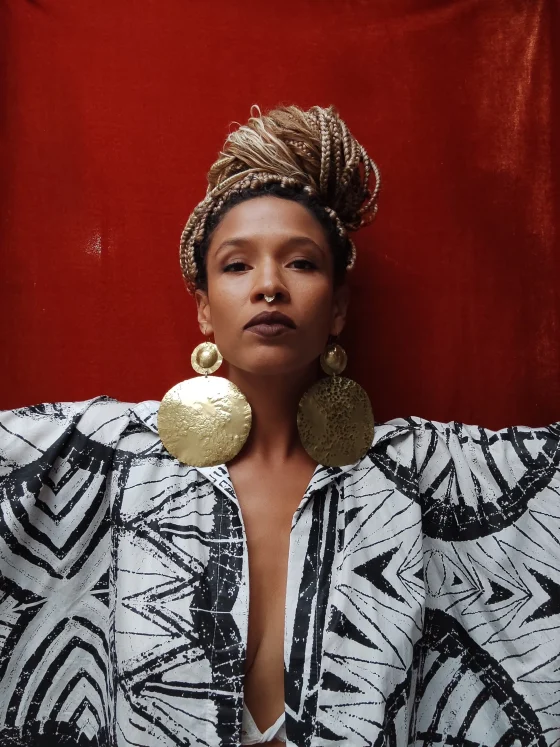
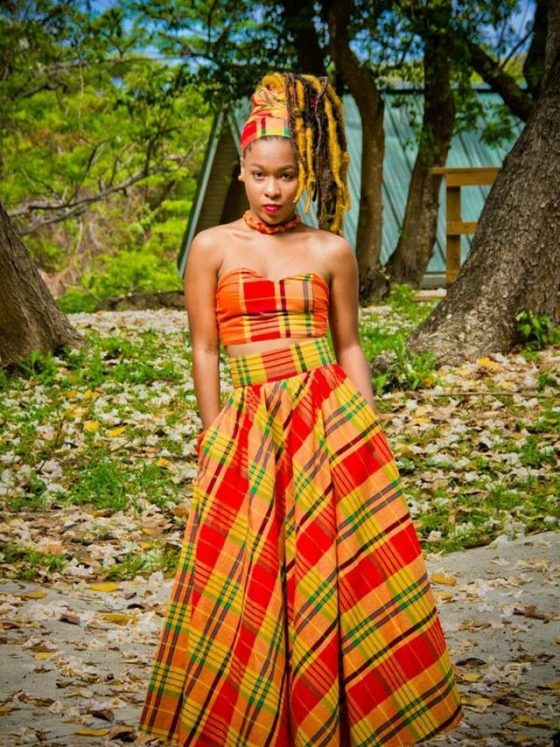
Influenced by Arabian wrapping techniques but deeply rooted in African aesthetics, women across the continent developed complex systems of communication through cloth. The gele in Nigeria, the dhuku in Southern Africa, the moussor in the Sahel, and the ichafu in East Africa all carry layered meanings.
A woman’s headwrap could signal:
- Marital status
- Mourning or celebration
- Social rank
- Political defiance
In many periods of African history, when women were excluded from formal power structures, fabric became their voice.
In Zanzibar, an Omani-descended African woman once showed me her grandmother’s headwrap style and said:
“She could say everything without opening her mouth.”
Through slavery, colonialism, and displacement, African women preserved memory through cloth. Headwraps became vessels of resilience, dignity, and quiet authority.
Colonial Disruption and Cultural Survival
Colonial rule attempted to dismantle African identity, including traditional dress. European administrators often labelled turbans and headwraps as backward or uncivilised. In some regions, they were discouraged or banned.
Yet cloth proved impossible to erase.
African communities adapted, sometimes shrinking the wrap, sometimes wearing it indoors, and sometimes transforming it into new forms. The turban survived not because it was fashionable, but because it was functional, spiritual, and deeply personal.
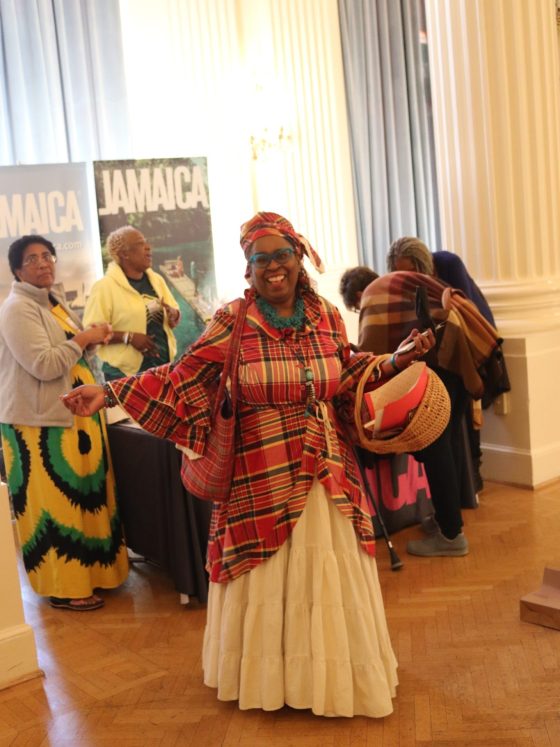
Even in diaspora, African-descended communities carried headwrap traditions across oceans, planting them in the Americas and the Caribbean as symbols of memory and resistance.
RECOMMENDED:
- How Bakhoor and Frankincense Are Defining New Wellness Trends in the world
- Keffiyeh Scarf: A cultural identity that became streetwear fashion
- How the Shayla Scarf Influences Global Modest Fashion
From Heritage to Global Influence
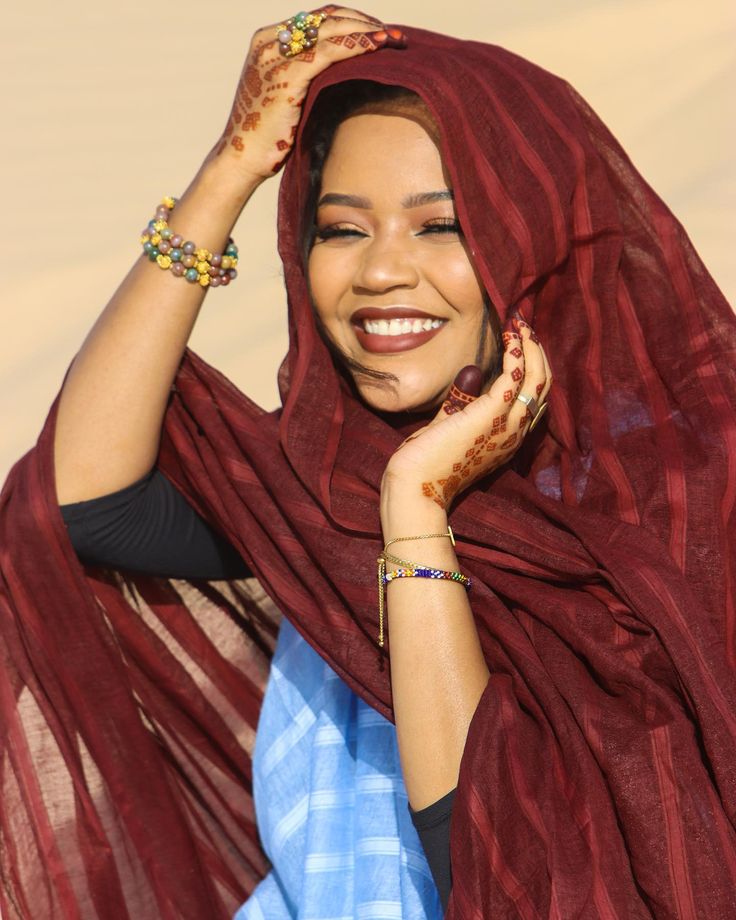
Today, African turbans and headwraps dominate global fashion imagery.
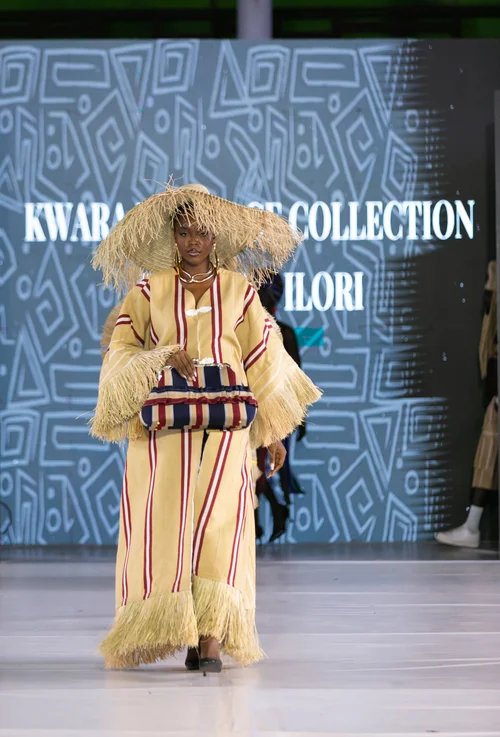
From Paris runways inspired by gele silhouettes to street-style headwraps worn by Black women reclaiming identity, the influence is unmistakable. Social media has amplified these visuals, but it has also raised questions about appropriation.
The difference lies in intention.
When turbans are stripped of context, they become costumes.
When worn with understanding, they become continuity.
A West African designer once told me backstage at a fashion show:
“I don’t modernise the headwrap. I remember it.”
Africa’s influence is not about nostalgia; it is about presence.
That morning in Muscat, I believed I was witnessing an Arabian tradition; standing later beneath the vast African sky, I understood the more profound truth. The turban did not arrive in Africa to teach—it came to be transformed. Africa absorbed it, reshaped it, and infused it with new meaning until it became inseparable from African identity itself. Turbans and headwraps endure because they remember: the scholar beneath desert stars, the trader crossing endless sand, the woman who spoke through folds of cloth, the community that refused to forget. Wearing a turban is not following a trend; it is carrying history on your head—and Africa remembers everything.
Explore more stories where fashion, memory, and culture intersect. Visit Omiren Styles and join the conversation on heritage that lives, evolves, and endures.
FAQs
1. Did turbans originate in Arabia or Africa?
Turbans originated in several regions, including Arabia, and were later adapted and transformed by African cultures.
2. How did turbans arrive in Africa?
They came through trade routes, Islamic scholarship, migration, and pilgrimage across the Sahara.
3. Why did Africans adopt the turban?
Because it aligned with existing headwrap traditions and was adapted to local culture and identity.
4. Are African headwraps different from Arabian turbans?
Yes. African headwraps often carry stronger symbolic, ceremonial, and aesthetic meanings.
5. What do turbans and headwraps represent in Africa today?
Today, turbans and headwraps represent cultural pride, heritage preservation, and self-expression.