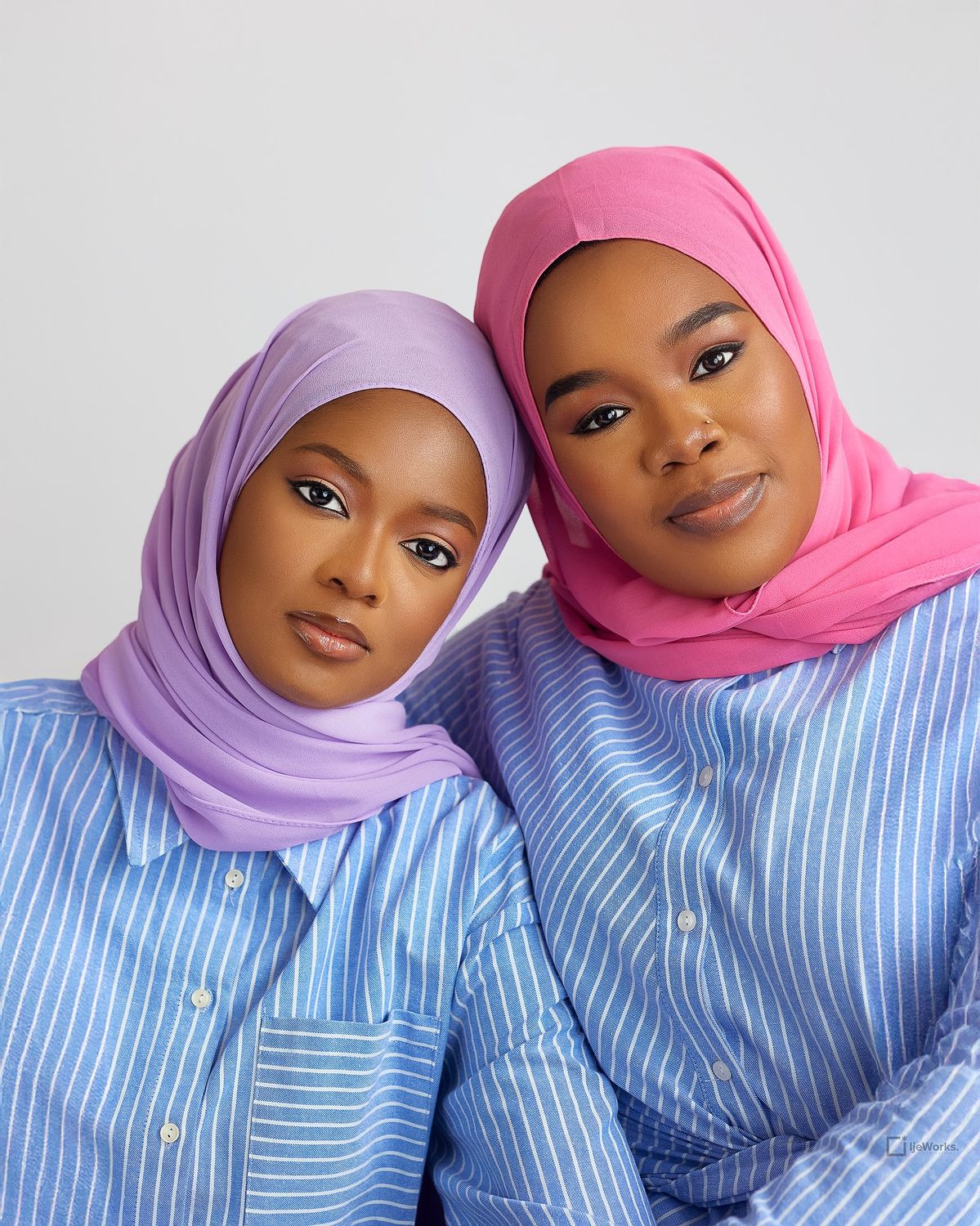
In today’s evolving world of style, fashion is no longer defined solely by luxurious fabrics or elaborate tailoring. What truly captivates modern audiences is the sense of modesty woven into each outfit. In this global trend, one accessory continues to shape the future of modest dressing: the Shayla scarf. An Arabian Gulf tradition that has now become an international symbol of elegance, self-expression, and cultural fluidity, worn by women from different backgrounds who embrace modest fashion.
In today’s global style landscape, modest fashion is no longer a niche. It is a thriving, fast-growing industry worth over 254 billion USD in 2023, with an average annual growth rate of 6.6%, influencing luxury brands, fast-fashion retailers, and independent designers. And at the heart of this movement is the Shayla: a lightweight, rectangular scarf draped gracefully around the head or shoulders, known for its versatility, simplicity, and timeless aesthetic.
As a fashion and lifestyle writer, I researched the world of modest wear and discovered how Shayla Scarf became a global brand. The Shayla Scarf has evolved into an Arabian-rooted fashion statement redefining global luxury.
In this essay, I will guide you in exploring how the Shayla scarf has crossed cultural borders, influenced modern modest fashion trends, and inspired a new wave of designers and style lovers seeking beauty, comfort, and genuine authenticity.
Once a signature piece of Arabian Gulf elegance, the Shayla scarf has stepped beyond its cultural roots to reshape the global modest fashion landscape.
From Gulf Tradition to Global Symbol
A Heritage Rooted in the Arabian Peninsula
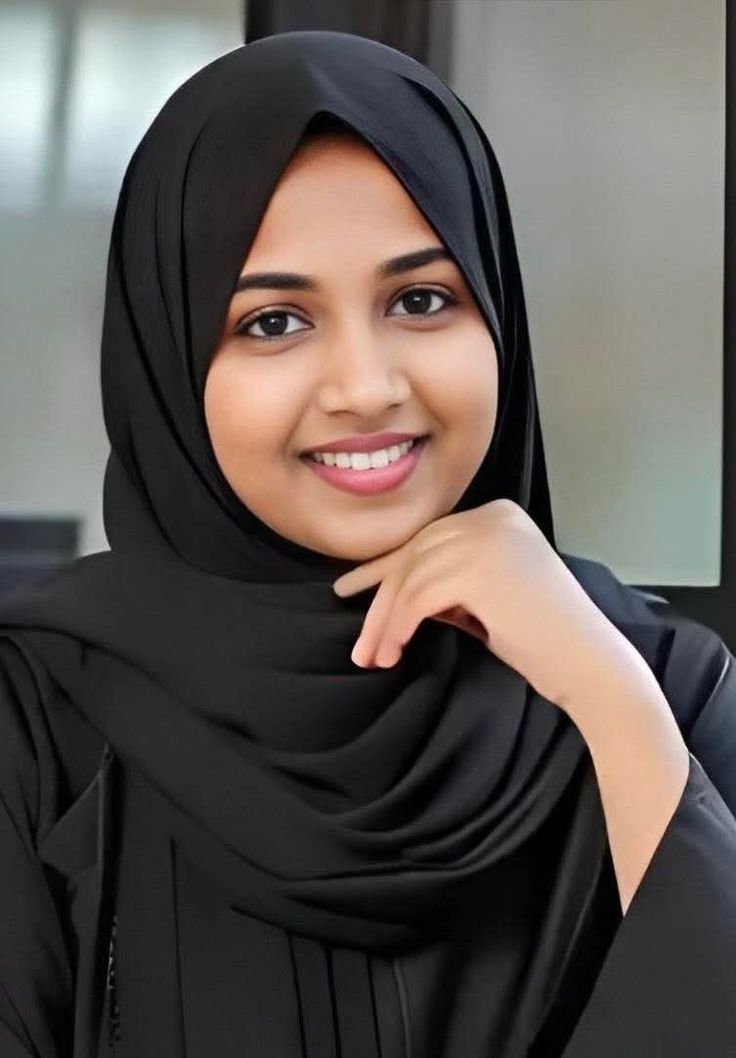
The Shayla originates from the Arabian Gulf region, particularly the UAE, Qatar, Oman, and Saudi Arabia, where it has long been part of women’s traditional attire. Unlike other head coverings, the Shayla is known for its ease: a long rectangular scarf, usually made from chiffon, georgette, or silk, draped loosely around the head and shoulders.
What makes the Shayla unique is its fluidity. It strikes the balance between modesty and style, offering coverage without restricting movement or personal expression. Over time, the Shayla became more than a garment; it became a cultural identity marker, reflecting elegance, femininity, and regional pride.
Cultural Adaptation and Evolution
As modest fashion evolved, so did the Shayla. Women in the Gulf began experimenting with different fabrics, textures, and draping techniques, turning the Shayla into a canvas for self-expression. Embroidered edges, Swarovski embellishments, luxury fabrics, and contemporary prints allowed wearers to reflect their personality and occasion, whether casual, formal, or ceremonial.
This adaptability positioned Shayla perfectly for global expansion, especially as modest fashion gained recognition and appreciation across continents.
Influence on Global Modest Fashion
A Versatile Staple in Contemporary Modesty
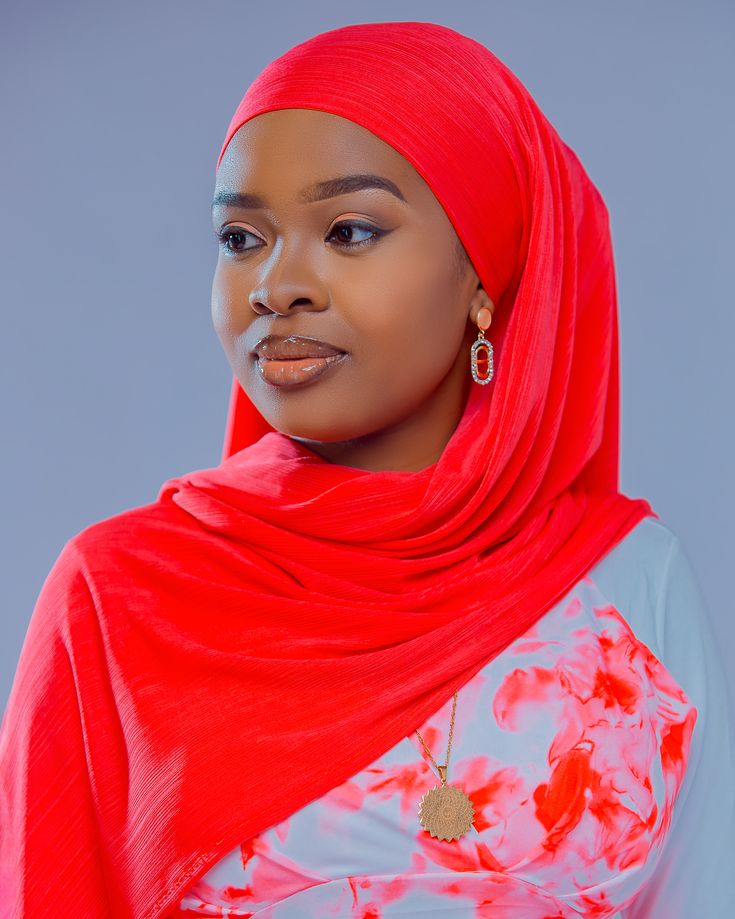
One reason Shayla has gone global is its versatility. Unlike other head coverings that rely on specific cultural or religious contexts, the Shayla can be worn in multiple ways:
- Wrapped as a headscarf
- Styled as a neck scarf
- Draped as a shawl
- Layered for modest outfits
- Paired with abayas, kaftans, dresses, or modern streetwear
Fashion creators around the world love the Shayla for its lightweight fabric and easy styling, making it suitable for both formal and everyday looks.
Social Media and the Shayla Revolution
Moving from one social media brand to another across platforms, I found that this Arabian appearance positioned itself not just as a cultural representative but also as a style that reshaped global fashion trends. What was once dictated by runways and magazines is now driven by creators, influencers, and everyday style lovers who turn a single post into a worldwide movement. Platforms like Instagram, Pinterest, and TikTok have transformed the Shayla into a global fashion statement. Influencers from the Middle East, Southeast Asia, Africa, Europe, and the U.S. share styling tutorials, colour palettes, and trends, introducing Shayla to new audiences.
The hashtag #ShaylaStyle now appears in countless posts in which women express their identity, creativity, and confidence through their preferred draping methods.
Fashion Brands Embrace the Shayla
Luxe and mainstream brands recognise the global demand for modest fashion. Labels such as Dolce & Gabbana and Burberry have launched modest lines inspired by Middle Eastern silhouettes, often incorporating pieces similar to the Shayla.
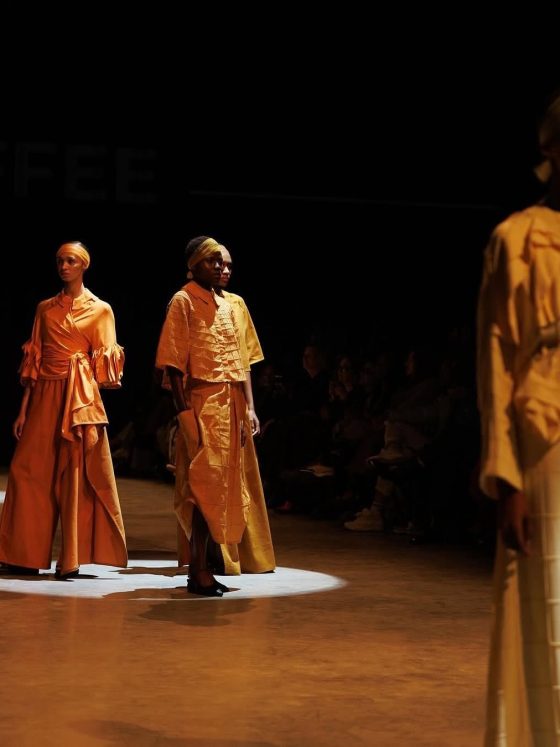
Local designers from the Gulf have also taken the global stage, showcasing contemporary interpretations of the Shayla at international fashion weeks. Their designs blend tradition with modernity, influencing global fabric trends, colour choices, and stylistic aesthetics.
Cultural Appreciation, Not Appropriation
The Shayla represents a growing global appreciation for cultural attire, not as a costume, but as an acknowledgement of beauty, craftsmanship, and identity. The modest fashion movement has opened doors for cross-cultural dialogue, where women from diverse faiths and backgrounds celebrate modesty on their terms.
This shift has turned Shayla into a symbol of empowerment and multicultural respect.
INTERESTING READS:
- How Bakhoor and Frankincense Are Defining New Wellness Trends in the world
- Fulani Men’s Turbans and Robes: A Mark of Dignity and Identity
- Beads, Bangles, and Braids: The Signature Beauty of Fulani Women
Lifestyle, Identity, and Confidence: Why Women Choose the Shayla
Comfort and Elegance in One Garment
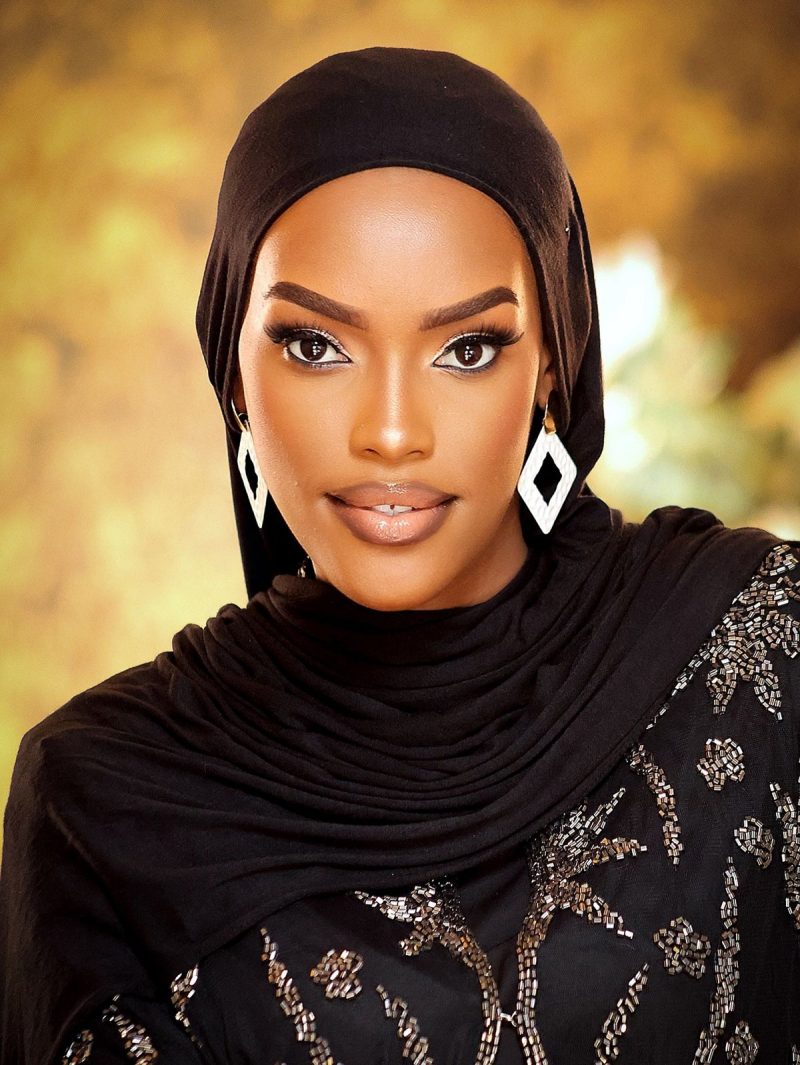
The Shayla is celebrated for its lightweight comfort. Whether chiffon for everyday wear or silk for formal occasions, the fabric enhances movement and breathability, both of which are important in warm climates and active lifestyles.
Its simple rectangular cut allows women to experiment with styles while maintaining modesty, making it one of the most practical pieces in a modest wardrobe.
A Tool of Self-Expression
Colour psychology plays a strong role in Shayla’s fashion:
- Soft neutrals for understated elegance
- Bold jewel tones for festive occasions
- Patterned prints for artistic flair
- Black chiffon for classic Gulf modesty
The scarf becomes an extension of personality, allowing women to dress modestly without compromising individuality.
Identity and Cultural Connection
For many Gulf women, the Shayla is deeply personal, a connection to heritage, family, and cultural memory. Wearing it often signifies belonging and pride.
For women outside the region, the Shayla represents something different: a celebration of modesty, a wearable art form, or a reflection of spiritual identity.
Across cultures, this shared experience strengthens community among modest fashion lovers worldwide.
The Shayla scarf has evolved from a culturally specific garment into a global symbol of elegance, identity, and modern modest fashion. Its influence spans continents, inspiring designers, shaping social media trends, and empowering women to embrace modesty with confidence and creativity.
As the fashion world moves toward inclusivity and authenticity, the Shayla stands out as a timeless accessory, bridging cultures, enhancing personal style, and proving that modesty can be both powerful and beautifully expressive.
In the global narrative of fashion, the Shayla is no longer just a scarf. It is a movement, a statement, and a celebration of heritage and modernity.
FAQs
1. What is the difference between a shayla and a hijab?
The shayla is a long rectangular scarf often draped loosely, while the hijab is a general term for head coverings worn by Muslim women in various styles. The Shayla is one type of hijab.
2. Is the Shayla worn only in the Gulf?
Initially, yes, but it is now worn worldwide thanks to global modest fashion trends and social media influence.
3. What fabrics are best for Shayla?
Chiffon, georgette, satin, silk, and jersey are popular depending on the occasion and desired drape.
4. Can non-Muslims wear the Shayla?
Yes. The Shayla is both a cultural and fashion item. Many non-Muslims wear it for modesty, cultural appreciation, or personal style.
5. How do I style a Shayla for formal events?
Choose satin or silk fabrics, add brooches or minimal accessories, and opt for elegant draping styles that frame the face.