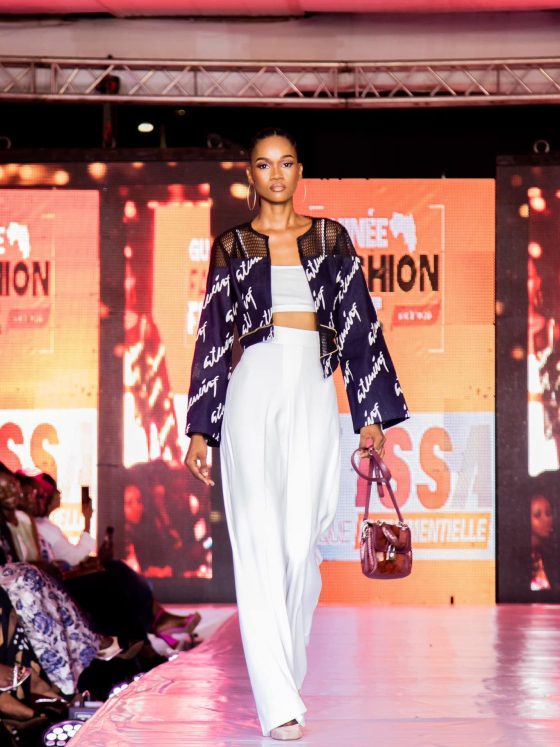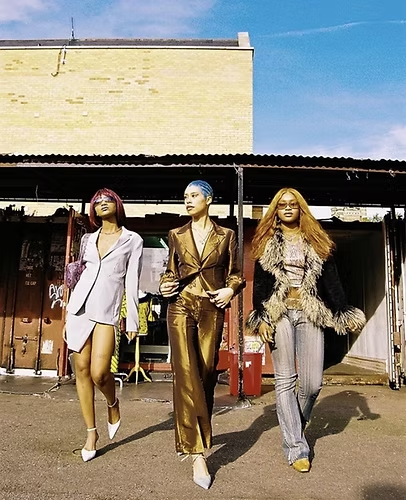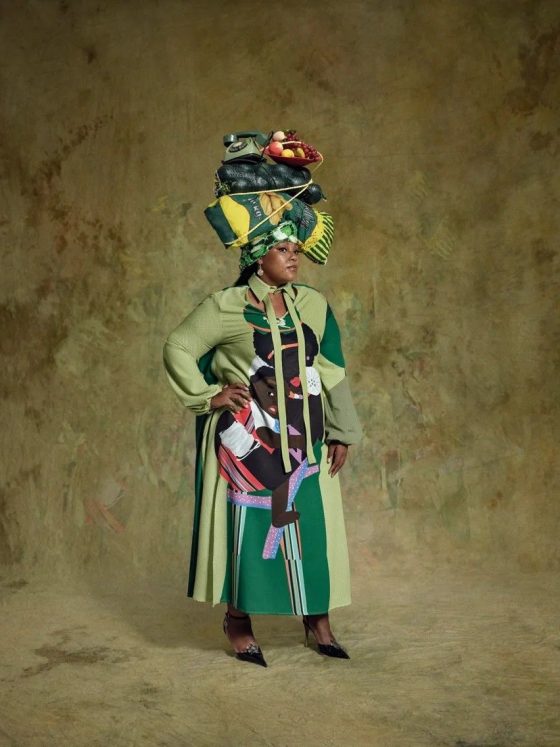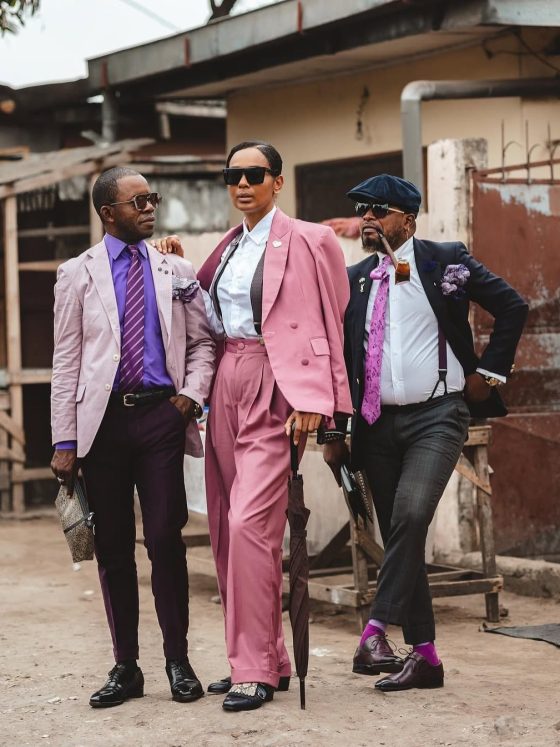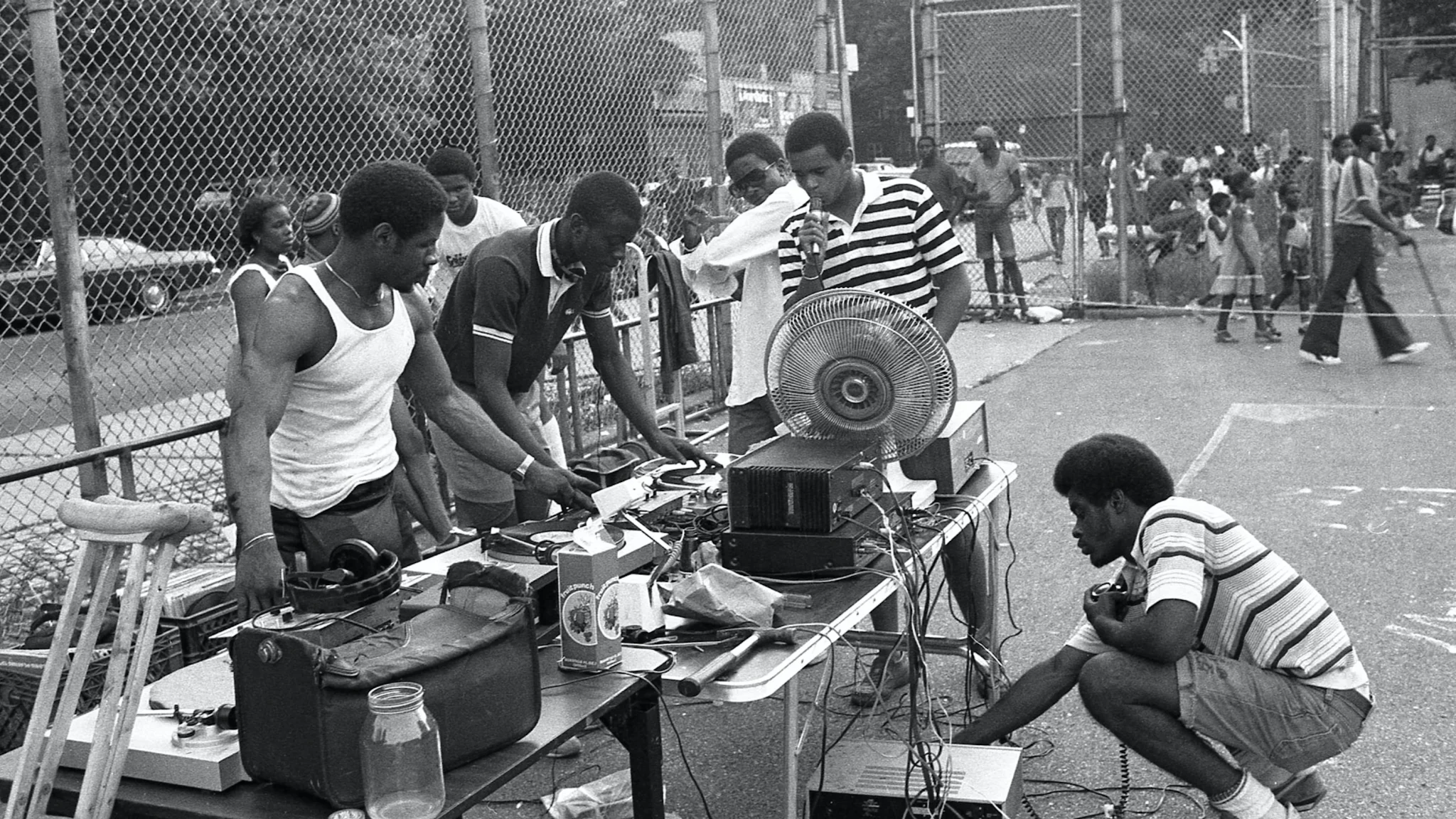
Fifty years ago, DJ Kool Herc threw a house party in the Bronx and stretched out the breakbeats on his turntables. Nobody there could’ve guessed they were witnessing the birth of one of the world’s biggest cultural revolutions. Hip-hop, rooted in Black and Latino neighbourhoods, didn’t just change music; it changed everything. Hip-hop, initially a lifeline for marginalised youth, has now evolved into a billion-dollar industry, a political platform, and a global language of style and swagger. Hip-hop has dominated runways, revolutionised communication, and provided opportunities for communities previously overlooked by society. Hip-hop isn’t just a genre with a birthday; it’s a force that’s made people rethink what real art, authenticity, and resistance look like.
Explore hip-hop’s cultural legacy from Bronx origins to global phenomenon, reshaping fashion, language, art, and identity across five transformative decades.
The Birth of a Movement
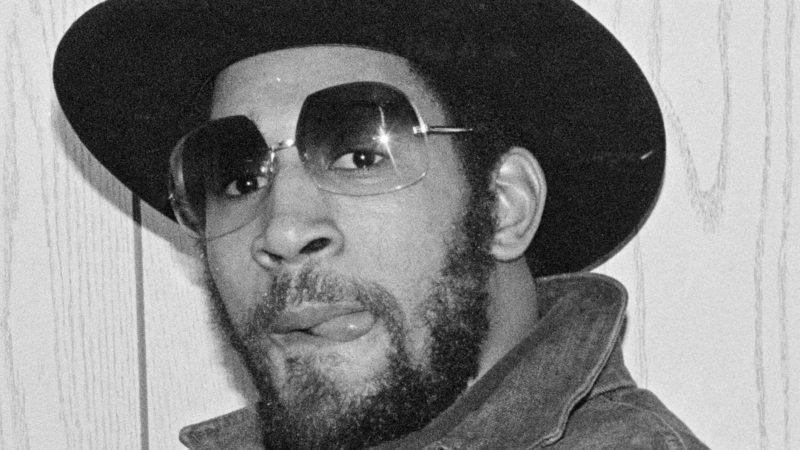
So, let’s rewind to 11th August 1973. DJ Kool Herc is in the Bronx, spinning records. He tries something new: looping the best parts, the “breaks”—of “funk songs so kids could keep dancing. That night, something clicked. The term “hip-hop” didn’t pop up until almost a decade later, when Afrika Bambaataa started using it in interviews to talk about this whole scene: rapping, DJing, breakdancing, and graffiti. People had tossed the phrase around in raps for years, but Bambaataa made it official. Suddenly, “hip-hop” became a comprehensive term.
This movement was born on the streets of New York, shaped by everything those neighbourhoods were going through: abandonment, poverty, and a city that seemed to forget about them. Herc’s block parties brought people together, and from that spark came the four pillars: DJing, MCing, breakdancing, and graffiti. These weren’t just hobbies. These were interconnected methods of survival, expression, and resistance against adversity.
How Did Hip-Hop Transform Global Fashion?
Hip-hop’s influence on fashion is evident everywhere. Streetwear is everywhere, and brands like Supreme owe a massive debt to hip-hop’s rise. Supreme’s 2017 collaboration with Louis Vuitton? That wasn’t just about hype. It was a sign that hip-hop’s style had climbed from the sidewalk straight to the top floors of luxury fashion. Rappers and hip-hop fans pushed Supreme into the spotlight and made it the must-have label it is today.
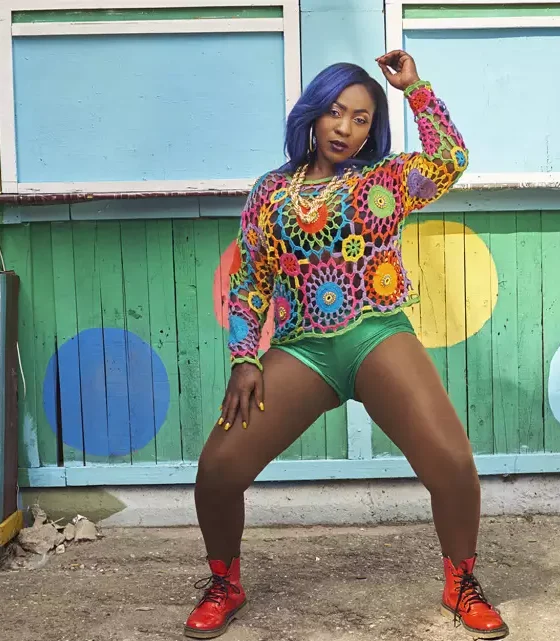
There’s no one “hip-hop look,” but early on, you couldn’t miss it: tracksuits, sports gear, baggy tees, overalls, and combat boots. The “homeboy” look, as it was called, caught on so hard that prominent designers started copying it in the ’90s. Run-DMC made Adidas tracksuits and laceless shell toes iconic, ditching flashy costumes for street style that felt real and reachable to kids everywhere.
You can’t talk about hip-hop fashion without mentioning Dapper Dan. The guy took luxury logos – Gucci, Fendi, and Louis Vuitton – and splashed them all over custom outfits at his Harlem boutique. Everybody who was anybody in hip-hop wanted to wear Dapper Dan. Fast forward to today, and you’ve got Pharrell Williams running Louis Vuitton menswear. This is a significant shift: hip-hop is no longer merely appropriating high fashion. Hip-hop is now taking the lead.
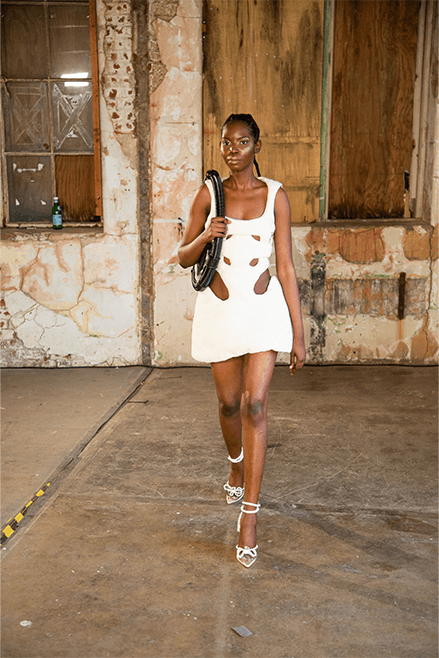
Hip-hop’s move into the mainstream changed fashion for good. Streetwear isn’t just a trend; it’s the foundation of youth style everywhere. Hoodies, trainers, sweatpants, and gold chains: what started as street staples now show up on luxury runways. Hip-hop not only entered the fashion industry but also revolutionised and established its own rules.
READ ALSO:
- 10 Royal Histories Reimagined in Modern Storytelling
- How Diaspora Stories Are Redefining Global Cinema
- Olu Amoda’s Scrap-Metal Sculptures: Turning Discarded Nigerian Materials Into Global Art
Why Does Hip-Hop’s Political Voice Matter?
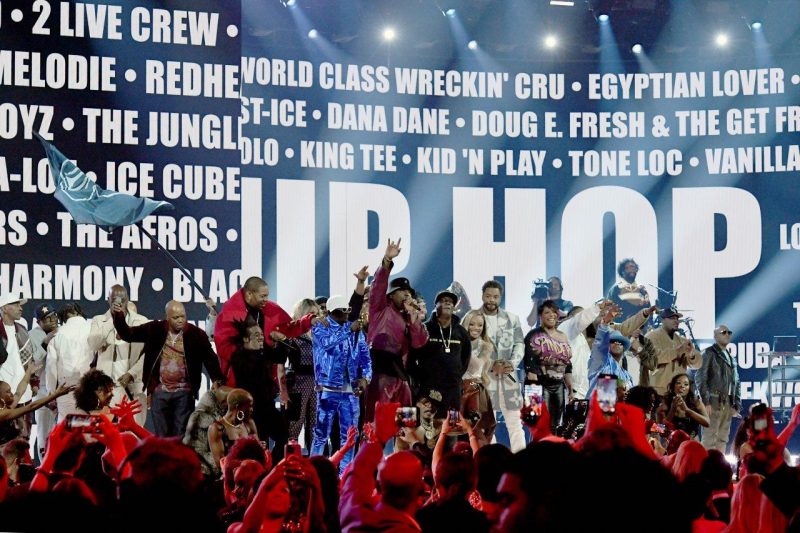
Rep. Sydney Kamlager-Dove clearly stated that hip-hop provides a platform for Black individuals to voice their experiences of marginalisation or of being forgotten. In 2023, Congress finally caught up and honoured hip-hop’s 50th anniversary. Both the House and Senate passed resolutions, and Senate Majority Leader Chuck Schumer even made 11th August “Hip-Hop Celebration Day.” August is now “Hip-Hop Recognition Month,” and November is “Hip-Hop History Month.”
This isn’t just a government pat on the back; it’s a nod to what hip-hop heads already knew. Hip-hop’s always been more than music. Hip-hop serves as a political platform, an archive, and a tool for resistance simultaneously. Think about Public Enemy calling out racist systems, or Kendrick Lamar unpacking Black pain and survival; hip-hop gives people the words for stories the mainstream usually skips or twists. And it’s not just about lyrics. Hip-hop’s political side shows up in voter registration drives, community organisations, educational programs, and economic projects that start right in the culture.
The Economic Revolution
Hip-hop quickly evolved from a local party scene into a multi-billion-dollar industry encompassing recording, touring, fashion, technology, and media. It blew up into a multi-billion-dollar industry that encompasses recording, touring, fashion, technology, media, and more. Russell Simmons, Jay-Z, and Sean Combs cleaned up their image, traded streetwear for suits, and showed the world that you could come from hip-hop and still make it big in business. They weren’t just chasing personal fame; they laid out blueprints for others to follow.
Now, you see Black-owned record labels, fashion brands, streaming platforms, and even investment firms born out of hip-hop. The culture proved you don’t have to sell out to cash in. Artists kept creative control and still hit the mainstream. And communities that the system usually ignores? Hip-hop helped them build their own ways to create wealth, using what they already had.
Global Expansion
Fifty years in, hip-hop is everywhere. To really see its impact, you’d have to map it across cities all over the planet. Each place puts its own spin on it with local languages, sounds, and traditions, but the core values stick: realness, community, and standing up to being pushed aside. UK grime, French rap, and South African kwaito all show how hip-hop adapts while keeping its soul.
It’s a reciprocal relationship. American hip-hop shaped the world, but international artists are now shaping hip-hop back home, too. Harvey Mason Jr., the Recording Academy’s CEO, summed it up: for 50 years, hip-hop has driven not just music but also art, fashion, sports, politics, and society. Its influence is everywhere.
The Future of Hip-Hop’s Legacy
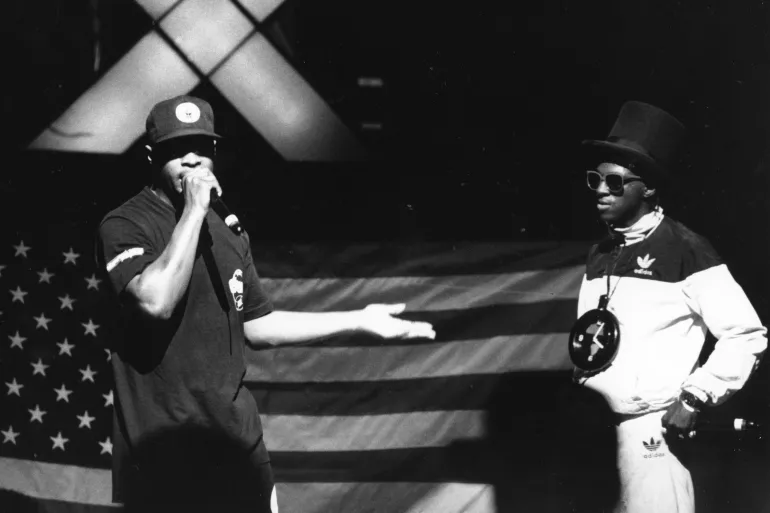
Professor Emery Petchauer said the anniversary matters because it forces people to rethink what hip-hop’s birth really means, who started it, and what counts as invention. Ruth Nicole Brown added, “Hip-hop is something we make and do, not just something we buy or watch.”
That’s the thing; hip-hop’s not just history. It’s alive, and it needs people to keep it moving. The next fifty years will show if hip-hop can stick to its roots, authenticity, community, and resistance – or if it’ll get swallowed by the chase for money and lose what made it powerful. Its future depends on each new generation: knowing the past, respecting the pioneers, and finding new ways to keep the culture strong and real.
Frequently Asked Questions
Could you please tell me when hip-hop actually began
Most people point to 11th August 1973 as hip-hop’s birthday. That’s when DJ Kool Herc tried out his “merry-go-round” technique at a party in the Bronx. The name “hip-hop” didn’t appear until 1982, when Afrika Bambaataa used it to capture the whole scene: DJing, MCing, breakdancing, graffiti, all of it. Even before that night in ’73, the roots ran deep with funk, soul, and African American storytelling traditions.
How did hip-hop change fashion?
Hip-hop threw out the old-fashioned rules. Suddenly, streetwear, tracksuits, big logos, baggy pants, trainers, and flashy chains were everywhere. Run-DMC made Adidas cool, and Dapper Dan turned luxury fashion on its head with those wild, logo-heavy looks. Now, hip-hop artists design for major luxury brands, and streetwear rules the roost. Just look at Supreme, Off-White, or all those rapper-brand collabs; hip-hop’s style is global.
Why does hip-hop matter so much culturally?
Hip-hop provided a platform for individuals often overlooked or marginalised. It opened up jobs and opportunities in neighbourhoods that needed them, changed how we dress and talk, and turned music into a platform for real talks about justice and politics. It proved that Black and Latino creativity is real art and deserves respect. Congress even marked hip-hop’s 50th birthday with an official shout-out.
What are the main parts of hip-hop?
Hip-hop stands on four things: DJing (or turntablism), MCing (rapping), breakdancing (B-boying), and graffiti. Some people argue that a fifth element, knowledge, should be included because hip-hop encompasses more than just music or art. It’s about teaching, community, and cultural pride. These aren’t just separate skills; together, they make up the whole hip-hop worldview.
How did hip-hop go global?
Hip-hop got big everywhere by spreading through records, the media, and word-of-mouth. Its message resonated with young people all over the world, especially those who felt left out. Each country put its own spin on the music and style, think UK grime, French rap, or South African kwaito, but the heart of hip-hop stayed the same. Now, international artists influence American hip-hop just as much as American artists influence international hip-hop.