The difference between simply adding accessories and making a real statement comes from centuries of heritage. While Western jewellery often features sparkling stones and simple shapes, African designs stand out through the detailed patterns of Ghanaian gold, the repeating shapes of Maasai beads, and the deep meaning behind a Tuareg cuff. At Omiiren Styles, we believe true luxury is not about size, but about identity and story.
As global fashion shifts toward authenticity and bold self-expression, I see the world finally appreciating what Africa has always known: African adornment is more than decoration; it is a way to share culture, a wearable record of status, spirituality, and ancestral wealth. This is what makes the African luxury fashion movement so powerful today, where tradition and skilled craftsmanship shape the meaning of modern luxury.
Discover the profound history and sophisticated artistry behind African jewellery. We define how ancestral gold, metalwork, and beadwork are setting the global standard for statement luxury.
Gold, Bronze, and the Currency of Power
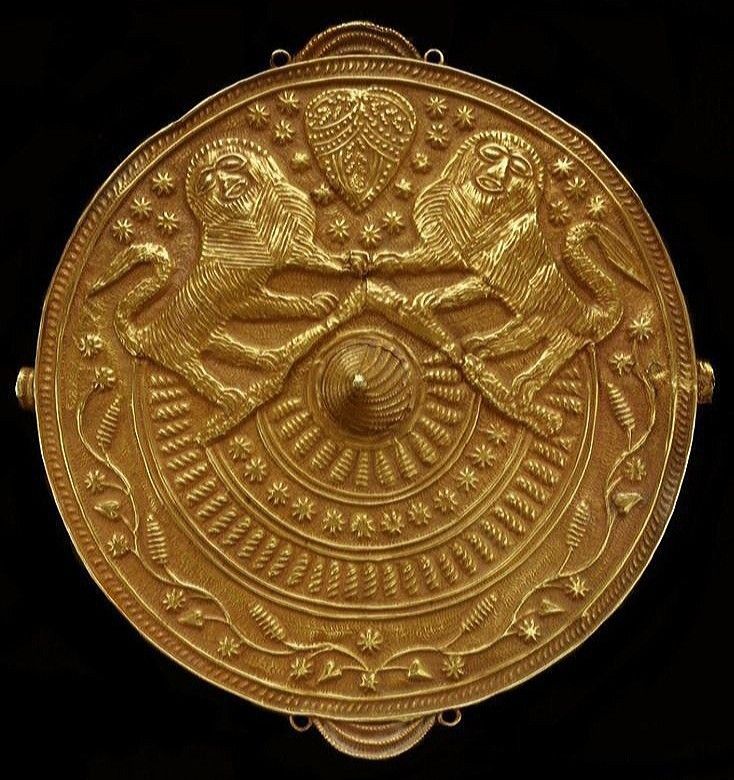
Looking at the history of African metalwork, we see that it is closely tied to ideas of power and identity, not just art. Gold and bronze were more than materials; they showed spiritual and political strength. In West Africa, wealth was first measured by Ashanti gold weights (mrammuo), which are small, detailed figures used as currency. Each one is a tiny sculpture that holds cultural proverbs and stories from the past. The Benin Bronzes also show this authority, recording royal family lines, court ceremonies, and military victories through skilled lost-wax casting.
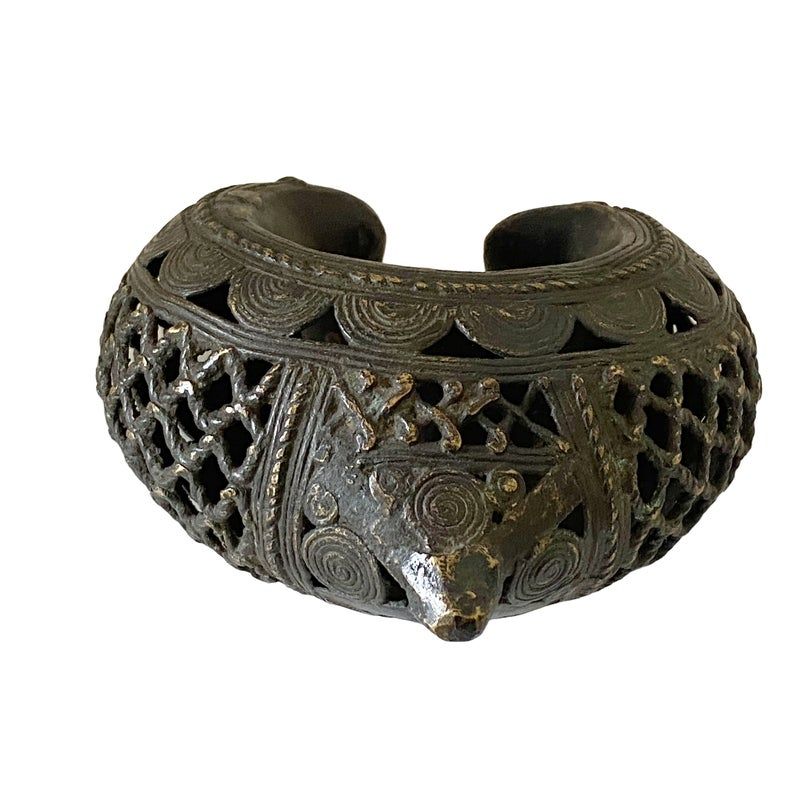
This tradition of careful craftsmanship meant that wearing metal jewellery from these regions was a clear sign of status and a link to ancestors. These items are more than jewellery; they are pieces of history, and choosing to wear them is a strong statement of cultural pride and artistic influence.
The Art of the Bead: Storytelling in Colour
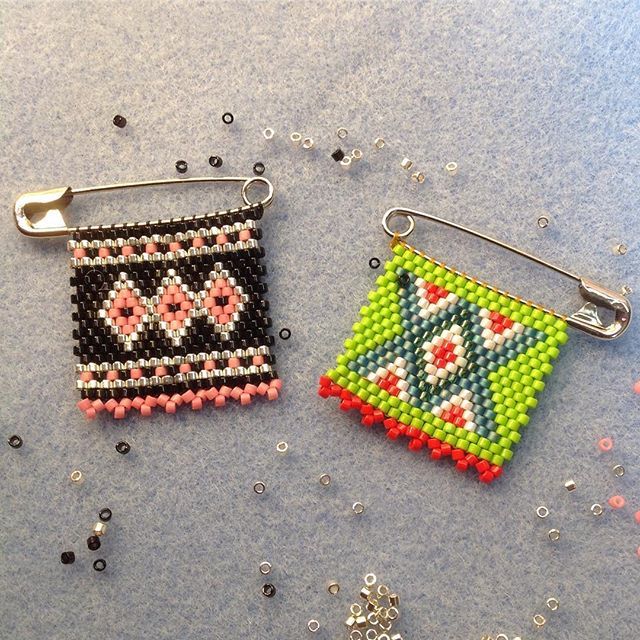
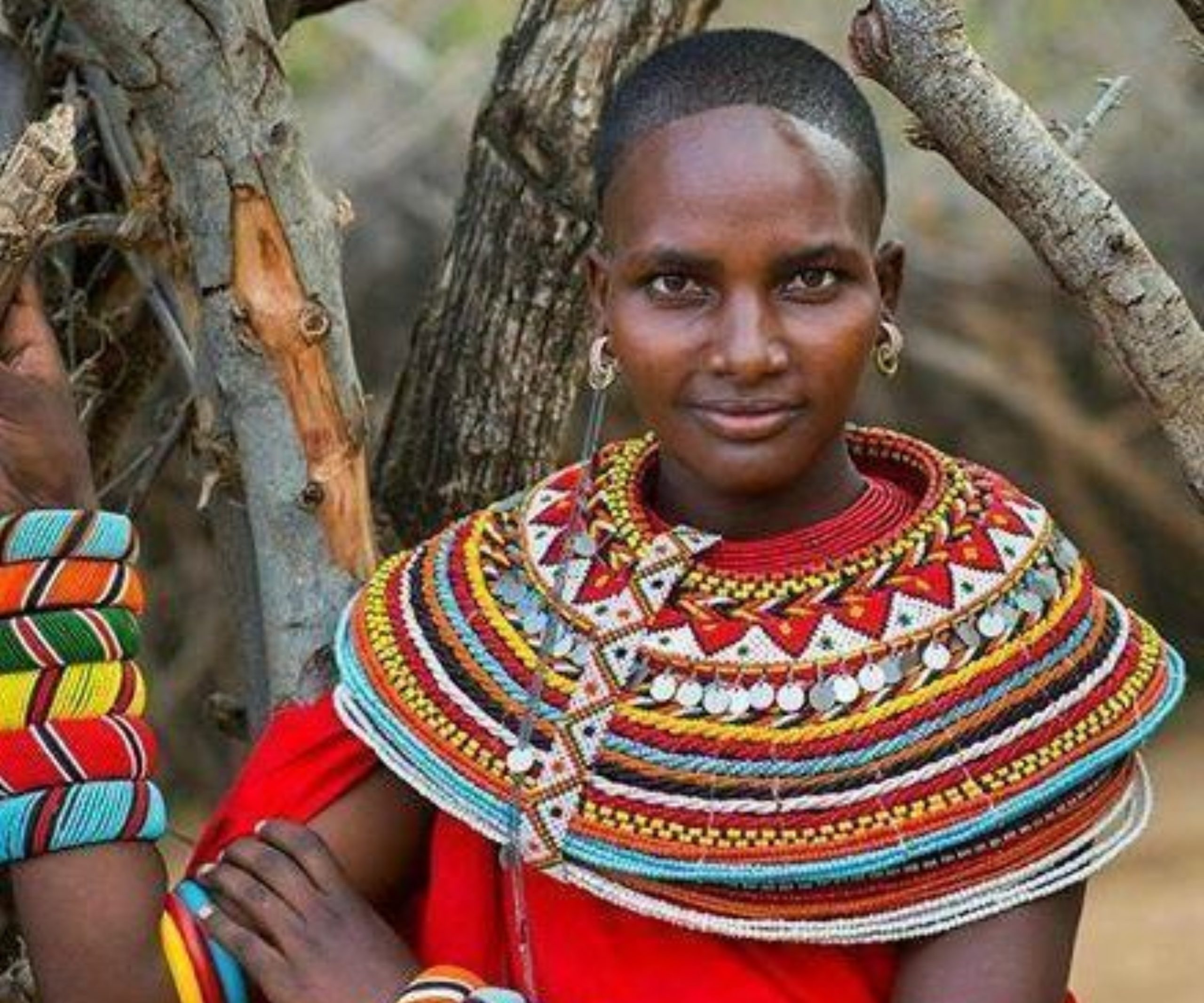
If metalwork shows status, beadwork is Africa’s most refined way of telling cultural stories through fashion. Here, decoration becomes a complex language without words. In East Africa, Maasai women carefully make collars and pendants, with each colour carrying a precise meaning. For example, red stands for bravery and unity, while blue represents the sky and life-giving rain. High-fashion magazines are paying close attention to the cultural supply chain because of the rich meaning and symbolism behind these artisanal practices. For example, Vogue often features stories about the global importance of supporting African artisans and preserving traditional crafts.
In Southern Africa, Zulu beadwork once served as ‘love letters’, sharing messages of devotion, status, and hope through detailed patterns and colour choices.
The importance and symbolism of this craft are well explained in resources like the Google Arts & Culture archive on Maasai Beadwork and its role in shaping identity. The time and skill passed down through generations make each piece of traditional beadwork a true example of ethical beauty. It is made slowly, with care, and holds profound meaning.
Adornment as Architectural Design
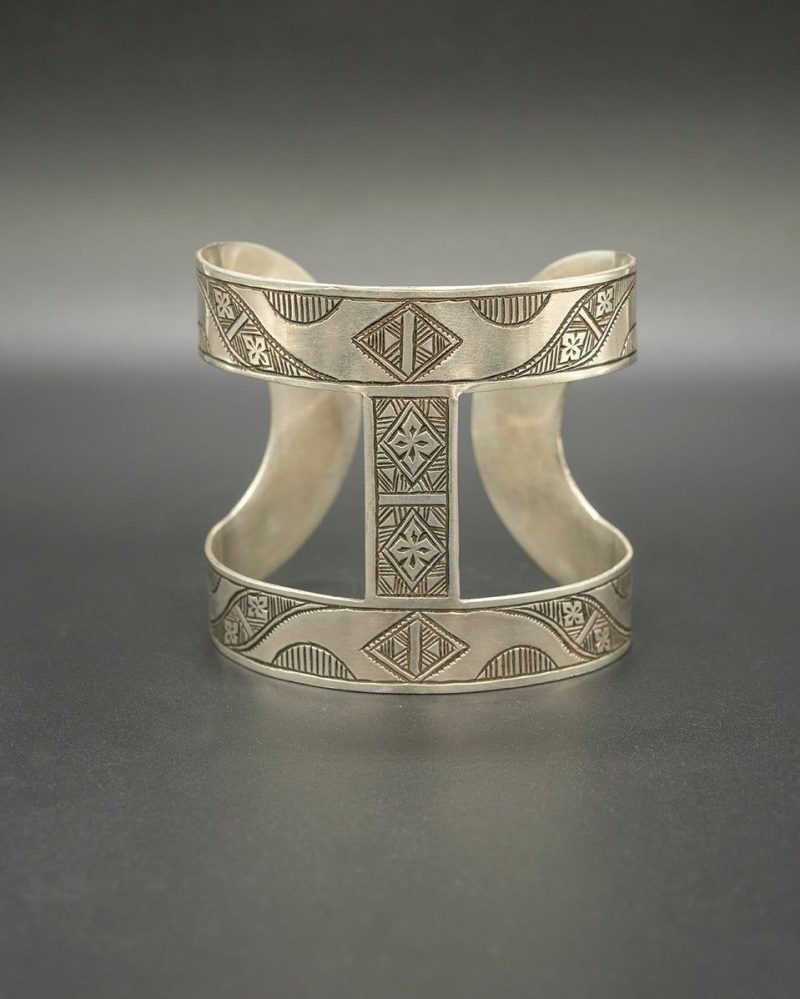
Luxury often makes its strongest impression not through extra details, but by shaping everything around it. African design takes this idea further, moving past simple decoration into the realm of architecture. The shapes found in large silver Tuareg cuffs and the layered neck collars worn by the Fula and Wodaabe are more than just curves; they are sculptures you can wear. These pieces use size, balance, and weight to alter the body’s outline, creating a bold, minimalist look that aligns with today’s African lifestyle trends.
This influence goes far beyond Africa and is now a significant part of global art and design. The clean lines and symbolic carvings, such as Tifinagh script or geometric patterns that stand for stars or navigation, offer a strong contrast to the softer shapes in modern fashion.
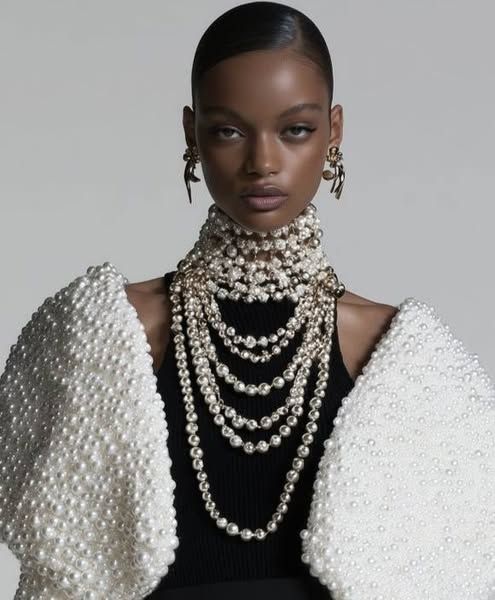
Designers around the world are looking to the bold, protective lines of Tuareg jewellery, seeing the strength in these striking shapes. Experts have noted that African jewellery designers are now leading the way in fashion by blending traditional skills with modern styles. What was once mainly an African tradition, stacking jewellery and wearing many pieces at once, has become a popular styling choice in luxury fashion everywhere. This shift shows how African heritage has shaped global fashion and jewellery trends for generations.
ALSO READ:
The Investment Perspective: Ethical Provenance
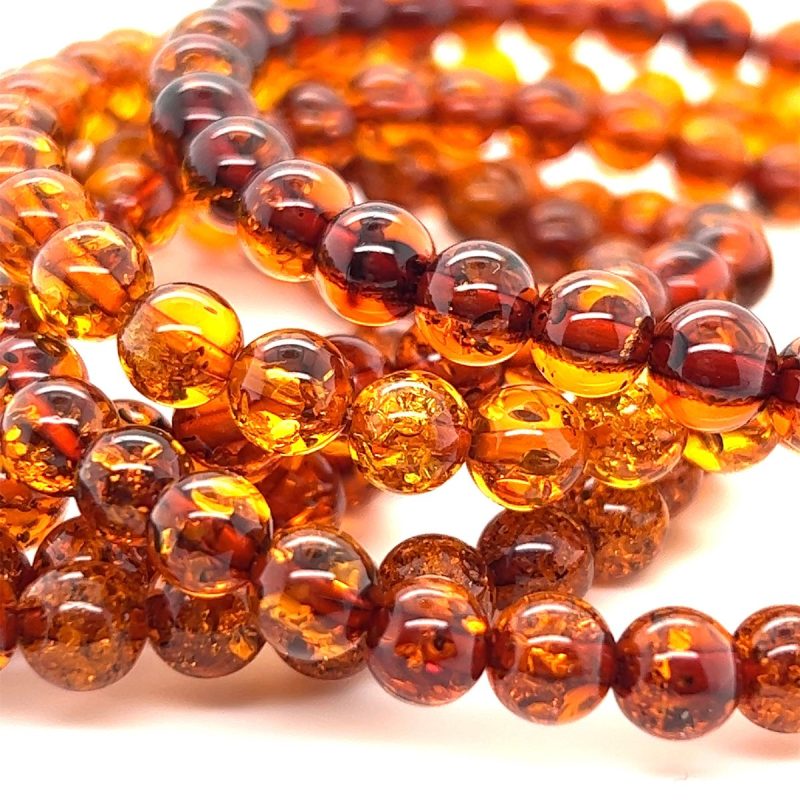
The way we think about luxury has changed. Now, people look at an item’s ethical background and lasting cultural value, not just its price. For Omiren Styles, choosing a heritage African piece shows a real commitment to sustainability and ethical luxury.
Traditional jewellery derives its value from its craftsmanship, often using recycled gold or brass and natural beads. This approach supported a circular economy long before it became popular. Transparent, local production is now a key market driver. Reports from Business of Fashion indicate that more consumers are choosing sustainable, eco-certified luxury products.
By focusing on local, transparent production and avoiding the harm of large-scale mining, these pieces stand out. When you buy directly from artisan groups or heritage designers, you help keep wealth in the communities that create these pieces and support the preservation of essential cultural skills. Unlike trendy, logo-based items, African jewellery is a lasting investment. Its cultural meaning grows over time, making it something to pass down rather than just buy.
Conclusion
African heritage jewellery stands out as the ultimate statement of luxury. These pieces are wearable wealth: gold and bronze reflect ancestral legacy, while beads carry the stories of cultural identity. Choosing to wear them goes beyond style; it shows a deep respect for culture and highlights a global artistic influence. When Omiren Style readers select these thoughtfully designed and ethically sourced items, they are not following a trend. Instead, they are embracing history and redefining what meaningful luxury means today.
Frequently Asked Questions (FAQs)
- What defines African jewellery as a “statement luxury” in 2025?
A: It is defined by its narrative depth and architectural scale. Unlike minimal global luxury, African jewellery commands attention through heritage-driven craftsmanship, bold geometry, and materials that carry historical weight, such as recycled gold and ancestral beads.
- How does the gold and metalwork used in these pieces acquire its value?
A: The value is primarily cultural and artistic. Historical pieces, like the Ashanti gold weights and Benin bronzes, were quantified by their symbolic significance and the mastery of the lost-wax casting technique. Today, modern pieces retain that value by honouring that ancestral, labour-intensive quality.
- What is the symbolic meaning behind the beadwork?
A: Beadwork operates as a highly sophisticated cultural fashion storytelling system. Colours and geometric patterns are specific codes that convey status, age, identity, marital status, and proverbs. For example, Maasai beadwork uses red for unity and blue for rain, making the garment a literal conversation piece.
- How does buying heritage jewellery support sustainability?
A: It supports ethical luxury by promoting a circular economy. Many artisans use recycled or recovered metals (brass/gold) and source natural materials locally, ensuring the production process supports small, community-based cooperatives rather than contributing to the ecological strain of industrial mining.
- How should I style an oversized Tuareg cuff or collar for a modern look?
A: The key is cultural minimalism. Allow the piece to be the focal point of the outfit. Pair a large Tuareg silver cuff with a sharp, monochromatic ensemble (like a tailored linen dress or a simple black suit) to let the jewellery’s architecture and craftsmanship dictate the frame.
- Are these pieces considered investment assets?
A: Yes. Due to their heritage-driven craftsmanship, cultural provenance, and use of genuine materials (often recycled precious metals), high-quality African pieces are considered investment fashion. Their cultural and artistic value appreciates over time, unlike fleeting, logo-driven commercial jewellery.