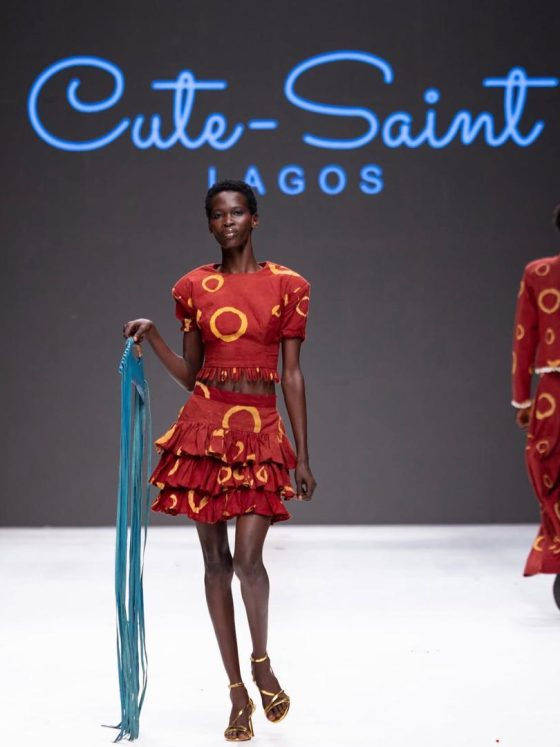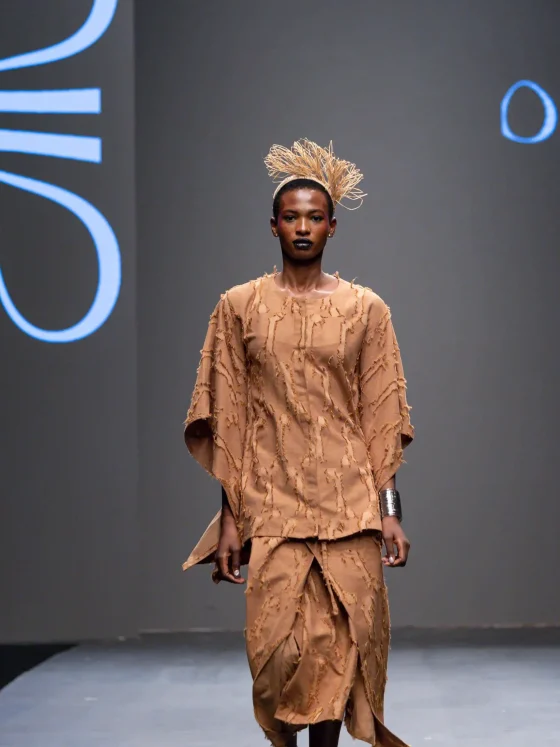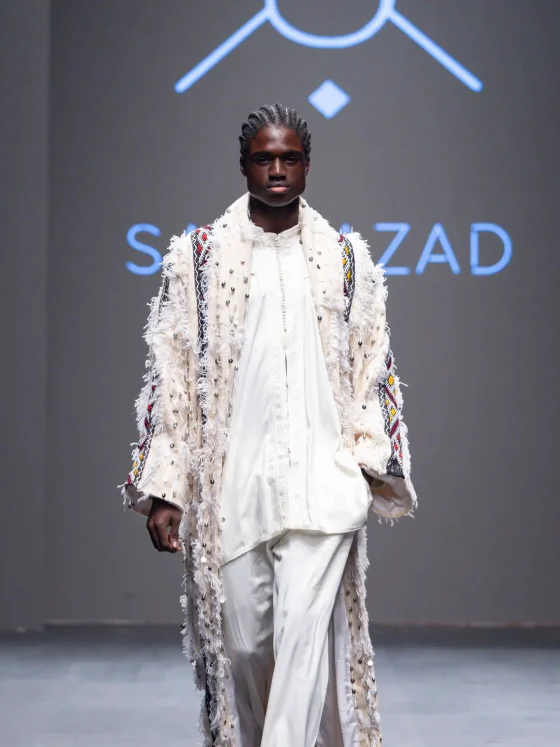

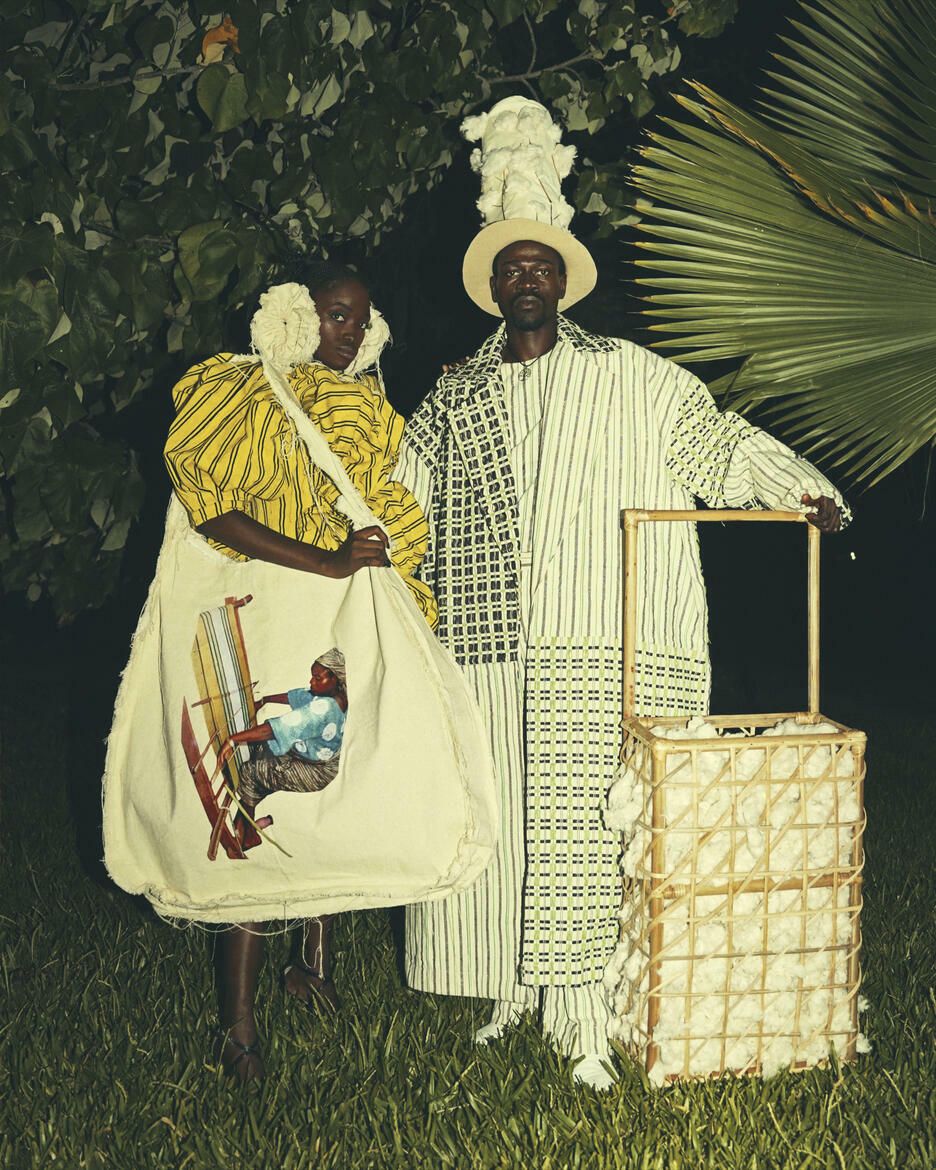
Astrid Djidjoho, Marianne Sodogandji, Henriette Darboux, and Oriane Adjibji gave SOB Fashion Week’s first edition a programme that extended beyond the runway. Over four days in December 2016, their event combined designer presentations, street photography and an exhibition-sale at Le Majestic in Cadjèhoun, Cotonou. The closing day made the distinction especially clear: businesses could present and sell products whether or not they had participated in the shows. The following December, SOB announced a return at Place du Souvenir, with a larger proposed designer lineup and another photography programme. Together, the account of the inaugural edition and the preview of its successor reveal the event’s early organising model: bring several forms of fashion participation into one setting, with different opportunities for designers, image-makers and visitors.
Meet the four women behind SOB Fashion Week’s 2016 Cotonou debut, combining designer shows, street photography and an exhibition-sale at Le Majestic.
Four Women Behind Straight Out of Benin
SOB takes its name from Straight Out of Benin, the association responsible for the event. A report published by Stars du Bénin on 31 December 2016 identifies its leadership: Djidjoho as president, Sodogandji as vice-president, Darboux as treasurer, and Adjibji as secretary responsible for press and public relations. Those distinctions give the organising team more substance than an anonymous collective behind a runway. Leadership, financial administration and communications had named responsibilities within the association. Darboux told the publication the event took six months to prepare. She described a wider ambition to promote Beninese creativity in fashion, design, photography and media, both nationally and internationally, including through social networks. For the December programme, the team chose to concentrate on fashion.
That decision supplied a focus without excluding the association’s other interests. Photography remained part of the programme, while the exhibition-sale created a separate setting for products. The runway was the centre of the event, but not the only way to participate.
Building the First Programme
The inaugural edition ran from 27 to 30 December 2016. Stars du Bénin reported twelve participating Beninese designers, followed by French guest designer Jean Doucet. Lolo Andoche and Maureen Ayité of NanaWax were named as the event’s patrons. Rather than presenting every collection in an undifferentiated sequence, the schedule grouped the evenings by dress category. The opening night featured everyday and city clothing, with labels including Oriisha, Danhomè and Eldior Sodeck. The second evening concentrated on gala clothing, while the third presented Sèmiliko, Pharl Pharly and Shadaf Créations. Doucet appeared on the final day.
The structure gave the four-day programme a progression. Different kinds of clothing occupied identifiable places in the schedule, allowing the event to accommodate several design approaches without suggesting that Beninese fashion had one look. The presence of established patrons also created a distinction between the people supporting the event and the designers showing within it. That matters in reconstructing the programme: patrons, participating labels and international guests played different roles. Within Omiren’s wider account of Beninese designers and brands, SOB offers another perspective on the same field. Here, individual labels became part of a shared presentation, shaped by an organising team and a common timetable.
The Professionals Making the Shows Work
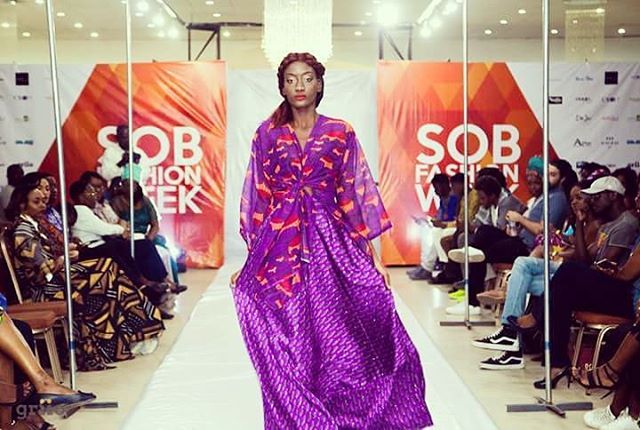
The contemporary report names Fabrice Cossi as the event’s general production manager and Yannick Ahounou as the fashion choreographer coordinating the runway presentations. It also records models from Benin, Mali and Cameroon. These credits identify a layer of work that a designer list alone cannot show. The collections required casting, presentation and production coordination before they could become a sequence of public shows. The report also describes tickets sold in advance. SOB’s opening edition was therefore not simply an informal gathering of designers and invited friends: it had a scheduled programme, a production team and a ticketed audience.
Those are modest but concrete features of an organised fashion event. They provide a firmer basis for understanding SOB’s contribution than broader claims about transforming an industry.
Beyond the Runway: Photography and Selling
Street photography occupied the afternoons of the inaugural edition. The scheduled sessions gave participating photographers another activity within the event and connected directly with the association’s interest in image-making. On 30 December, an exhibition-sale added a different encounter with fashion. Houses that had shown collections took part alongside businesses outside the runway programme, presenting products to visitors throughout the day. The distinction was practical. A runway offered a selected presentation at a particular time; the exhibition-sale allowed businesses to show individual products and offer them for purchase. Participation in one did not depend entirely on participation in the other.
The final evening also included a reception thanking the event’s partners. Across the programme, SOB combined public presentation, photography, selling and hospitality rather than treating the show itself as the whole occasion. Its significance lies in that combination. The organisers created several ways to enter the event: as a designer, a photographer, a business presenting goods or a visitor attending the shows.
What Changed in the Announced 2017 Return
Writing on 26 December 2017 after a press conference with the organisers, Irawo announced SOB’s second edition for 27–30 December at Place du Souvenir, also identified as the former Place des Martyrs. The proposed return kept the four-day format but moved from the inaugural venue. The preview announced approximately twenty designers and forty models. It grouped the planned collections under the organisers’ categories of “High Fashion,” “High Street” and “Streetwear,” giving the programme a different vocabulary from the first edition’s evenings. Photography remained visible. Irawo advertised a street photo call over the first three days, with sessions intended to let attendees present their own style before photographers. Tickets were listed through an online platform and physical outlets.
These were details of the announced programme. Their importance is the direction they reveal: the organisers proposed a larger designer lineup while retaining the connection between runway presentations and audience image-making. The return was not framed solely as more collections. It still made room for what visitors wore and how they were photographed.
The Omiren Argument
SOB Fashion Week’s early organising model went beyond a succession of runway shows. Its team gave designers a shared presentation, credited production professionals, scheduled photography and opened an exhibition-sale to businesses beyond the runway lineup.
The distinctive contribution was that structure. Four women divided responsibilities and brought different forms of fashion work into one programme. The early record is most persuasive at this scale: not a claim to national precedence, but a specific example of how an association created a public setting for Beninese fashion.
Also Read:
- Benin Textiles and Symbolism: The Meaning Behind the Fabrics
- Grace Wallace: The Togolese Fashion Designer Who Built a Haute Couture House From a Hotel Birthday Party
- Abidjan After Dark: How Ivory Coast’s Night Economy Produces Its Most Honest Fashion Moments
- Abidjan Is AFAA’s Boldest Statement Yet: It’s About More Than an Award Show
Frequently Asked Questions
Who organised SOB Fashion Week’s inaugural edition?
SOB stands for Straight Out of Benin, the association behind the event. Its leadership comprised Astrid Djidjoho as president, Marianne Sodogandji as vice-president, Henriette Darboux as treasurer and Oriane Adjibji as secretary responsible for press and public relations. Darboux told Stars du Bénin that the event had taken six months to prepare.
When and where did the first edition take place?
It ran from 27 to 30 December 2016 at Le Majestic in Cadjèhoun, Cotonou. Stars du Bénin reported twelve participating Beninese designers, followed by French guest designer Jean Doucet, with Lolo Andoche and Maureen Ayité of NanaWax named as the event’s patrons.
What did the programme include?
The inaugural edition combined runway presentations, afternoon street photography, an exhibition-sale and a closing reception. On 30 December, houses that had shown collections and businesses outside the runway programme presented products to visitors throughout the day. The report also describes advance ticket sales.
What was announced for the following year?
Writing on 26 December 2017, Irawo announced a second edition for 27–30 December at Place du Souvenir, with approximately twenty designers, forty models and a street photo call over the first three days. The collections were grouped under high fashion, high street and streetwear.