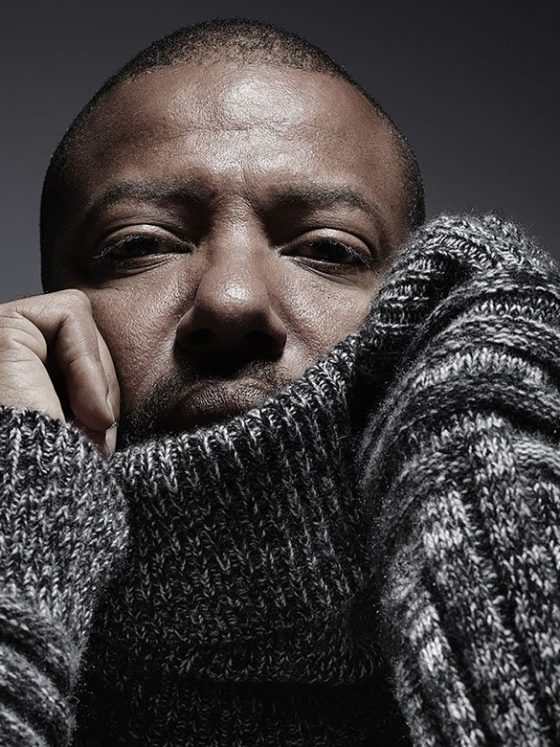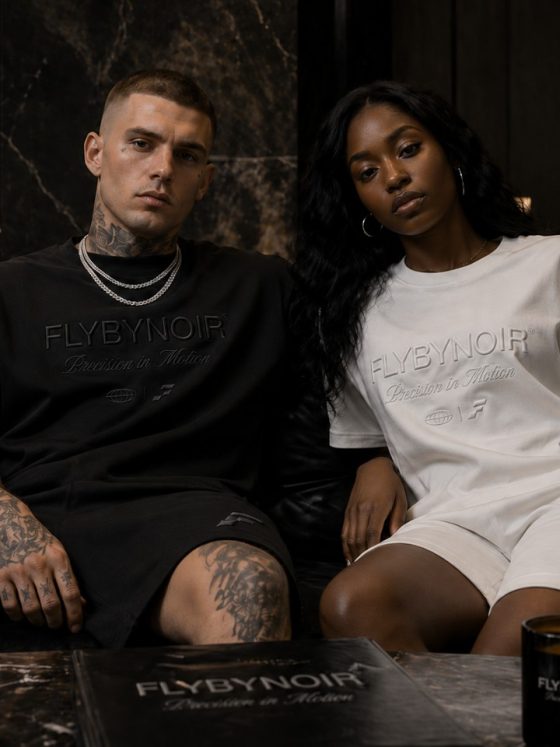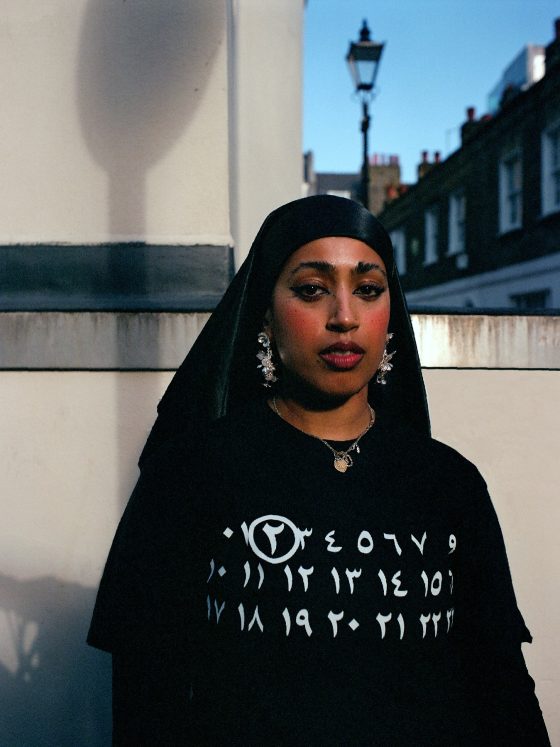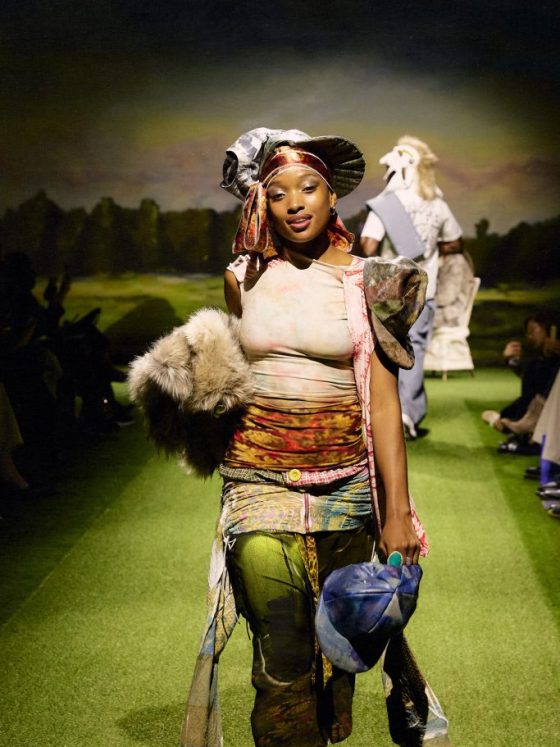
We like to think we dress for ourselves. We choose the clothes that reflect our personalities, the colours we gravitate towards and the styles that make us feel most comfortable. Personal style, after all, is supposed to be personal. But much of what we wear traces back to other people, and that ties personal style to belonging. Think about the last time you admired someone’s outfit and found yourself looking for something similar. Or how a particular group of friends, music scene or online community gradually influenced the way you dress. Sometimes, we discover new ways to express ourselves through the people we admire and the spaces we occupy. A style that once felt unfamiliar can eventually become something we identify with.
If the people and communities around us constantly shape our fashion choices, personal style is never entirely individual. Dressing like ourselves has always involved some influence from others, and beneath the desire to stand out sits a desire to belong.
Personal style and belonging go beyond self-expression. Explore how friendship, culture, music, social media, and the desire to belong shape what we wear.
Clothes Communicate More than We Think
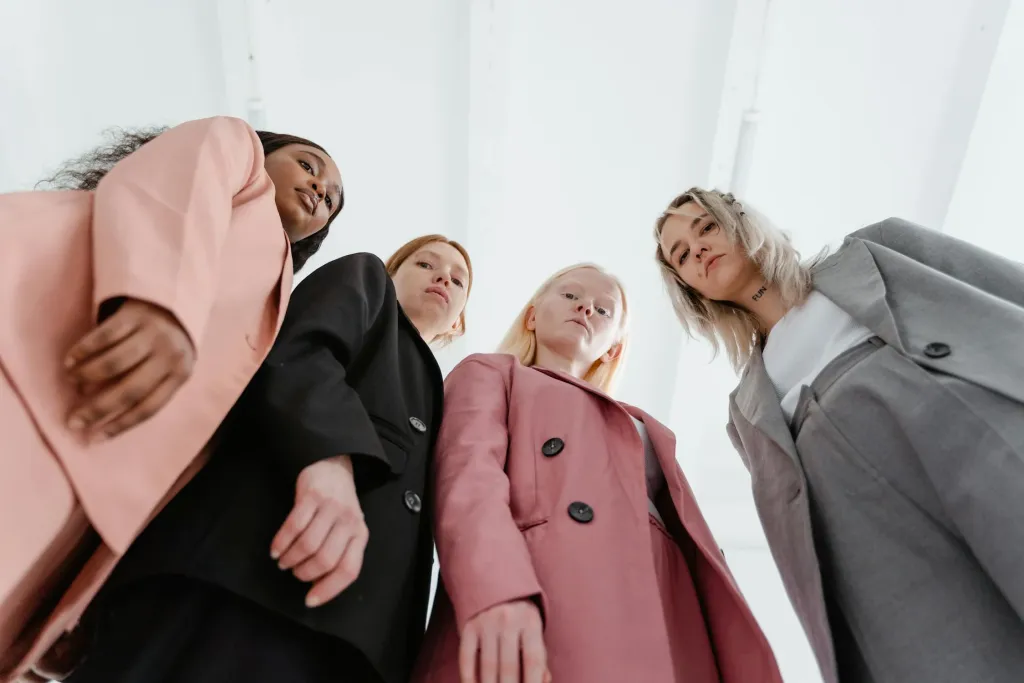
Before we know much about a person, their appearance can already give us something to interpret. A pair of trainers, a football jersey, an oversized shirt or a carefully put-together outfit can suggest particular interests, affiliations or tastes. These impressions aren’t always accurate, but they reveal how we read clothing. People rarely read what we wear as just fabric. They often take it as a statement about who we are, or at least who we might be. Clothing is a form of communication that does not always require words. It can signal familiarity with a particular culture, an attachment to a music scene, a sense of occasion or a desire to present ourselves in a certain way. Sometimes, the message is intentional. At other times, the people looking at us assign meaning to our clothes.
In their 2025 study, The Grammar of Appearance: How Clothing Constructs Identity Narratives, Rafiu Adekola Soyele and Ayodele Oluseyi Otunaiya examined how female undergraduates across Nigeria’s six geopolitical zones use clothing in relation to identity, cultural expectations and social impressions. Drawing on responses from 300 students across different tertiary institutions, their research considers appearance as a symbolic language through which individuals communicate aspects of themselves. This offers a useful way of understanding why getting dressed is rarely an entirely private decision. Our choices enter a social space where other people interpret them, respond to them and sometimes recognise parts of themselves in them. A style can become meaningful not only because someone chooses it, but because others understand the language it speaks.
The People Behind Our Wardrobes
Personal style may feel like an individual decision, but developing it rarely happens in isolation. Long before we can confidently describe our aesthetic or identify the clothes that feel most like us, we have already encountered countless influences. They come from our homes, friendships, schools and the social environments in which we grow up. A friend recommends a particular brand. Someone introduces us to a style we had never considered. We notice that certain outfits seem more familiar or accepted within a social circle. Over time, these interactions can influence what we find attractive, what we choose to buy and how we present ourselves.
A 2020 study by Helen Inseng Duh and Oluwole Iyiola, published in the Journal of Fashion Marketing and Management, examined clothing decision-making among 578 young adults in Nigeria and South Africa. The researchers found that family resources and peer communication during adolescence predicted most of the six clothing decision-making styles they measured. While the study does not suggest that young adults simply copy their friends, it highlights how relationships and experiences beyond the individual can shape clothing preferences and purchasing decisions. This influence is particularly interesting in university environments, where people from different backgrounds, tastes and experiences share the same spaces. A 2025 study by Divinefavour Ojo and Augustine Odianonsen Alenkhe offers a closer look at this dynamic in Benin City. Involving 240 respondents from the University of Benin and Benson Idahosa University, the research examined how celebrity and peer dressing styles influence students’ clothing choices. The authors found that students’ favourite celebrities and friends could play a significant role in shaping their dressing behaviour.
Sometimes, adopting an element of someone else’s style is not about abandoning personal taste. It can be a way to explore a new identity, find common ground, or feel more comfortable in a particular environment. Our wardrobes carry traces of the relationships and experiences that have shaped us. The clothes we eventually call our own may have started as something we discovered through someone else.
When Belonging Becomes Pressure
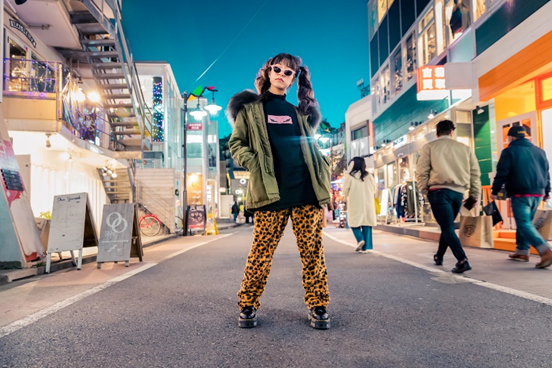
There is, however, another side to the relationship between fashion and belonging. While discovering a style through friends or finding inspiration in a community can be exciting, the desire to fit in can sometimes influence clothing choices in less comfortable ways. It is one thing to admire someone’s outfit and want to recreate it. It is another to feel that certain clothes, shoes or accessories are necessary to be taken seriously or accepted within a particular social environment. In these situations, getting dressed can become less about personal preference and more about meeting expectations.
For young people navigating university life, these expectations can intersect with financial realities. Fashion trends move quickly, and the pressure to keep up does not always consider what someone can afford. A wardrobe that feels adequate one month can suddenly seem outdated when a new aesthetic becomes popular or when the people around us begin embracing different styles. A 2024 study by Ngozi U. Nwonye, Myrtle U. Ibokette and Priscilla A. Esiowu examined clothing consumption among 389 female undergraduates at the University of Uyo. The researchers explored how financial circumstances and psychological factors, including self-esteem and peer pressure, relate to students’ clothing choices. Their findings also highlighted the role of monthly allowances and second-hand shopping in how students navigate their wardrobes.
The research highlights an important tension: people do not make fashion choices independently of their financial circumstances. The desire to express an identity or participate in a particular style can exist alongside the practical question of whether that style is affordable. This complicates the idea that everyone can simply dress however they want. Personal taste may be individual, but the resources available to express it are not always equal. For some, belonging might mean finding creative ways to participate in a trend without spending beyond their means. For others, it might mean resisting the expectation to keep up altogether.
There is a difference between choosing a style because it resonates with us and adopting it because we fear being excluded without it. The distinction matters because fashion can offer a sense of connection while simultaneously creating expectations about what we should look like.
When Culture Becomes a Style
Some of the strongest fashion influences do not come from fashion houses or runways. They emerge from music, entertainment and the communities that form around them. A music scene can introduce more than a sound. It can create a visual identity, complete with recognisable clothing, hairstyles, accessories and attitudes that fans begin to associate with a particular culture. The relationship between Nigerian music and fashion offers some familiar examples. Odumodu Blvck’s traditional Igbo Okpu Agu hat, Burna Boy’s Timberlands and Wizkid’s earlier combination of flannel shirts, snapbacks and chinos each became a recognisable part of their public image, as Culture Custodian records. These examples demonstrate how an artist’s visual identity can become a reference point beyond music itself.
In their 2025 essay, Afro Hip Hop in Contemporary Nigeria: Stimulating Alternative Social Identities Among Young Fans, Elizabeth and Christian Onyeji explore how hip-hop culture contributes to the formation of alternative social identities among young Nigerian fans. They discuss how music videos, social media and interactions with artists can influence fans’ self-presentation, including their adoption of particular hairstyles and dress codes. The relationship is not simply about fans reproducing what their favourite artists wear. It is also about the communities and identities that develop around shared cultural interests. Recognising a particular style can signal familiarity with a music scene or an affinity with the values associated with it.
This sense of community can also be seen beyond individual artists and their audiences. In Lagos, Street Souk has become a gathering point for Nigerian streetwear and youth culture. Founded in 2018 by Iretidayo Zaccheaus, it has grown from 40 vendors and 1,500 attendees in its first year to more than 115 vendors and over 5,000 people, according to Dazed. Such gatherings demonstrate that fashion can create communities in which people exchange ideas, support emerging designers and find others who share their interests. A shared cultural influence can give people something in common without requiring them to dress identically.
Personal Style in the Digital Age
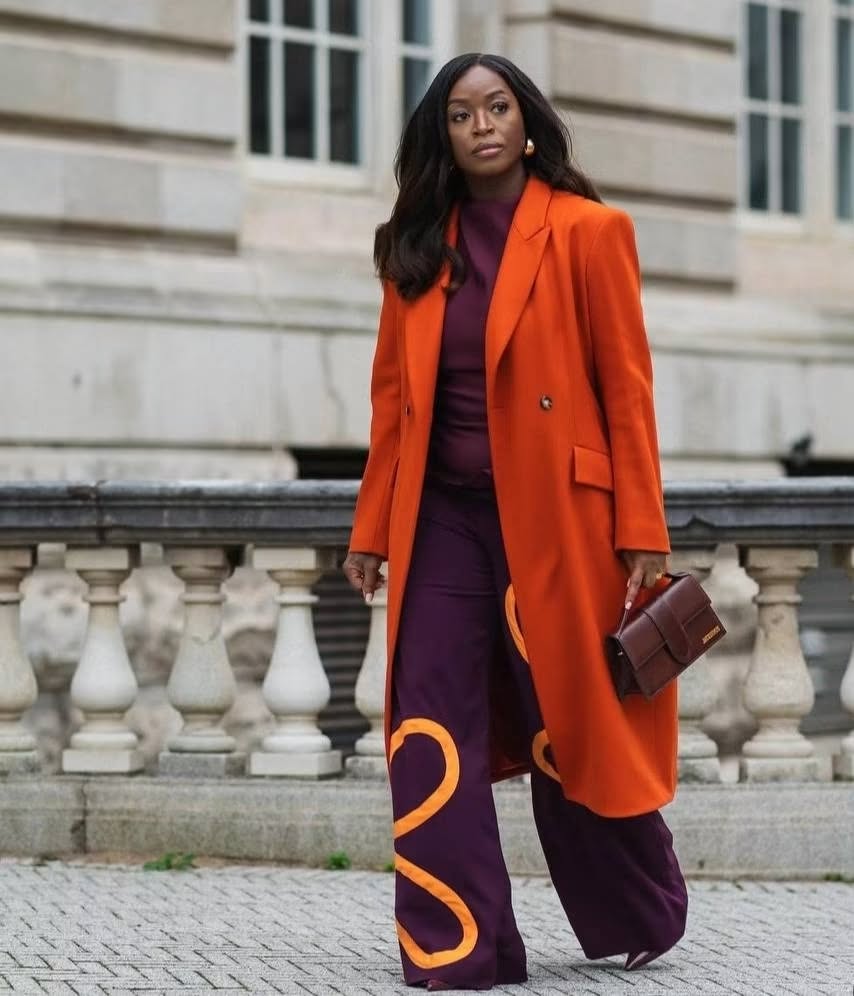
The search for personal style has become increasingly social. With platforms such as Instagram, TikTok and Pinterest, fashion inspiration is no longer limited to the people we encounter in our everyday lives. We can discover new aesthetics, follow creators whose wardrobes reflect our interests and find communities built around shared tastes, often without ever meeting the people in them. An outfit discovered online can become the starting point for a new way of dressing. A particular combination of colours, accessories or silhouettes might initially catch our attention because it looks appealing. Repeated exposure to similar styles can also introduce us to a wider aesthetic, complete with its own references and visual identity.
Social media makes the relationship between individuality and belonging more complicated. Online fashion communities allow people to explore identities and connect with others who share their interests. At the same time, the visibility of certain aesthetics can make particular ways of dressing increasingly recognisable. What begins as personal inspiration can gradually become part of a shared visual language. A 2026 study by Allen Hai Xiao and Qingyi Yan, published in Geographical Research, examines how young African fashion microcelebrities construct and negotiate authenticity through their online presentations and interactions with audiences. The researchers sampled 100 popular fashion microcelebrities across four African countries, then conducted detailed case studies of creators from Nigeria and Senegal. Their work explores how online identity is shaped not only by the individuals presenting themselves but also by the audiences engaging with their content.
A related perspective emerges from Joy C. Enyinnaya’s 2025 study, Fashioning Identity: A Technocultural Analysis of Igbo Women Designers’ Self-Presentation on Instagram. The research examines how Nigerian Igbo women fashion designers use Instagram to communicate their identities and cultural references. One example discussed is designer Nkwo Onwuka’s decision to have women models wear the red woollen Igbo cap known as Okpu Nze, a symbol historically associated with male authority, at Arise Fashion Week in February 2021. The choice challenged established expectations around who could wear the symbol and what it represented.
Together, these studies offer insight into how digital fashion spaces have become places where identities are presented, interpreted and negotiated. Although they focus on creators and designers rather than everyday social media users, they raise important questions about the relationship between online visibility and personal expression. When certain aesthetics become popular within these spaces, people may find inspiration, recognition and connection in adopting elements of them. But being influenced by an online community does not necessarily make someone’s style less personal. People interpret what they encounter differently, combining outside influences with their existing preferences, experiences and circumstances.
Sometimes, social media does not give people an entirely new identity. It gives them a way to explore and communicate one they are still developing.
The Individuality Question
We borrow inspiration from friends, admire the wardrobes of people we follow and adopt elements of cultures we identify with. If external influences shape so much of personal style, individuality needs a different definition. The problem lies in how we understand individuality in the first place. We often associate having a personal style with being different, as though developing an identity through clothing requires us to separate ourselves from the tastes and preferences of everyone else. But individuality does not necessarily mean independence from influence. Two people can admire the same designer, follow the same fashion creator or draw inspiration from the same music scene without arriving at identical expressions of style. Their backgrounds, preferences, resources and experiences shape how they interpret what they encounter. One person might embrace an aesthetic almost entirely, while another takes a single element and incorporates it into an otherwise different wardrobe.
Personal style is therefore more than the adoption of trends or the reproduction of popular looks. It is also about selection, interpretation and adaptation. We encounter different influences, decide which ones appeal to us and gradually develop ways of dressing that reflect our own experiences. Belonging does not have to come at the expense of individuality. A person can feel connected to a community through shared fashion references while still expressing a distinct sense of self. Some of the styles we consider most personal grow out of influences we have met along the way.
The goal is not a wardrobe untouched by outside influence. It is to recognise that being influenced does not mean surrendering the ability to choose.
More than a Personal Statement
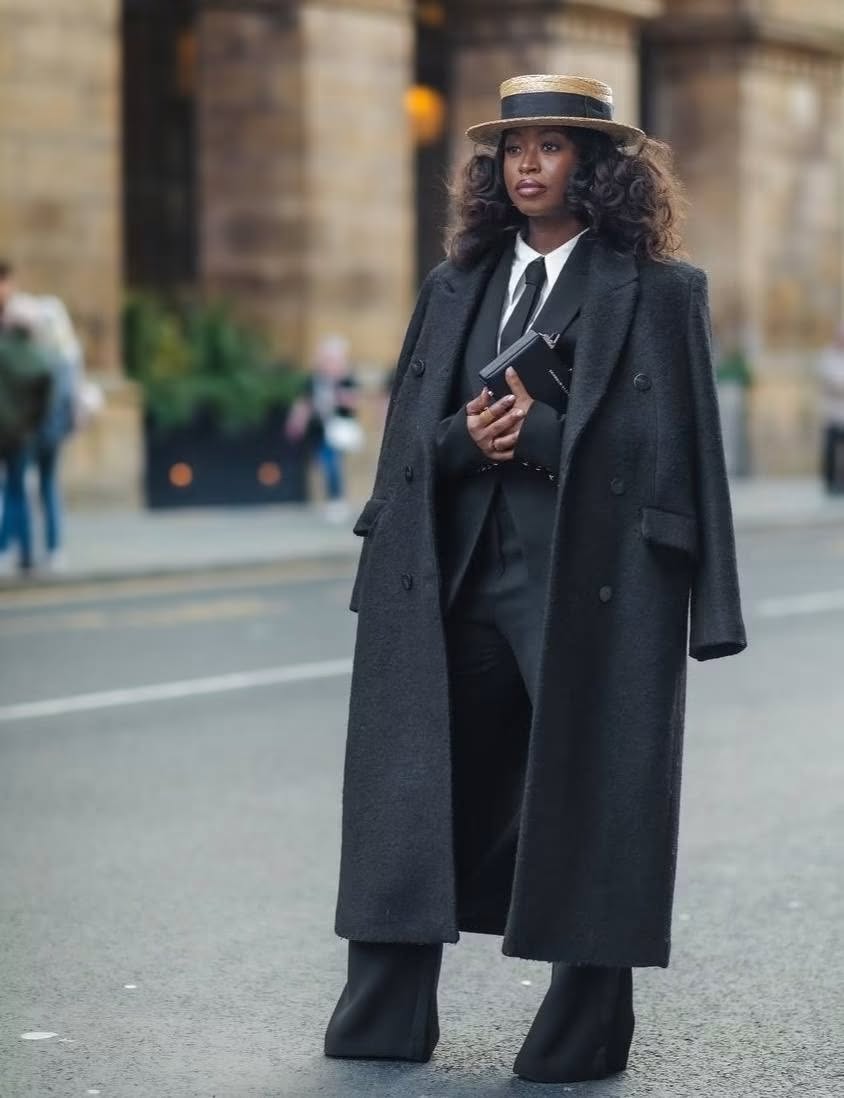
The clothes we choose carry influences from the places we come from, the people we admire, the cultures we encounter and the communities in which we find connection. That does not make personal style any less meaningful. If anything, it makes the process of getting dressed more interesting. Every wardrobe holds a collection of references, experiences and choices, some inherited, others discovered and many adapted along the way. We may dress to distinguish ourselves, but we also dress within a world of shared meanings. Sometimes, the desire to belong influences what we wear. At other times, what we wear helps us find the people and spaces where we feel we belong.
Individuality was never about dressing without influence. It has always been about what we choose to do with it.
The Omiren Argument
The principle is belonging. Personal style works as a language, and a language needs other people to speak it.
The evidence points one way. Across 578 young adults in Nigeria and South Africa, Duh and Iyiola found that family resources and peer communication during adolescence predicted most clothing decision-making styles. At the University of Uyo, monthly allowances, second-hand shopping, self-esteem and peer pressure shaped what 389 female undergraduates wore. Odumodu Blvck’s Okpu Agu hat, Burna Boy’s Timberlands and Wizkid’s flannel shirts and snapbacks show the same pull at the level of culture.
Influence does not cancel individuality. Choosing, interpreting and adapting what one meets is the individual act. Nkwo Onwuka’s women models in the red Okpu Nze cap show it: she kept a shared Igbo symbol and changed who could wear it.
Also Read:
Why Personal Style Takes Time: Identity, Memory, and Power explains why no one has a fixed identity and so no one has a fixed style, and how wardrobes stretch across different realities.
Nigeria’s Streetwear Revolution: Culture, Craft & Afrofuturism follows young Lagos designers who combine Aso Oke, Adire and Ankara with streetwear, music and social media.
Music, Identity, and Dress: How Afrobeats Became the World’s Unspoken Style Language traces how clothing carries the same message as the music, from Fela Kuti’s stage presence to Burna Boy’s agbadas.
Afrocentric Streetwear as Cultural Argument: Why Dakar, Kampala, and Monrovia Are Setting Global Youth Style argues that streetwear from Lagos to Monrovia makes a cultural case, and quotes Street Souk founder Ireti Zaccheaus on a community moving together.
Frequently Asked Questions
What is the relationship between personal style and identity?
Personal style is one way people communicate their identities. Clothing can reflect individual preferences, cultural backgrounds, interests and the social environments people belong to. Others read those choices too, so a style gains meaning from the person who wears it and from the people who understand the language it speaks.
How does peer pressure influence fashion choices?
Friends and social groups can influence what people consider fashionable or acceptable. Sometimes this influence inspires experimentation; in other situations it creates pressure to adopt certain styles to feel accepted. The 2024 University of Uyo study of 389 female undergraduates links peer pressure and self-esteem, alongside monthly allowances and second-hand shopping, to students’ clothing choices.
How does social media influence personal style?
Platforms such as Instagram, TikTok and Pinterest expose people to different aesthetics, designers and fashion communities. They provide inspiration and opportunities for self-expression, but can also make certain trends and appearances feel like expectations. Being influenced online does not make a style less personal, because people combine what they encounter with their existing preferences and circumstances.
Can personal style exist without following trends?
Yes. Personal style does not require someone to follow every trend. It develops through individual preferences, experiences and the ways people interpret the influences around them. Two people can admire the same designer or music scene and still dress differently, because selection, interpretation and adaptation make a style personal.