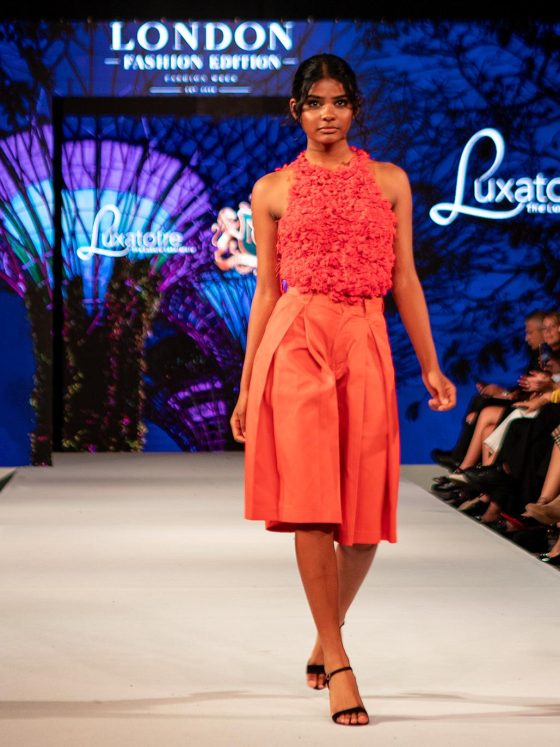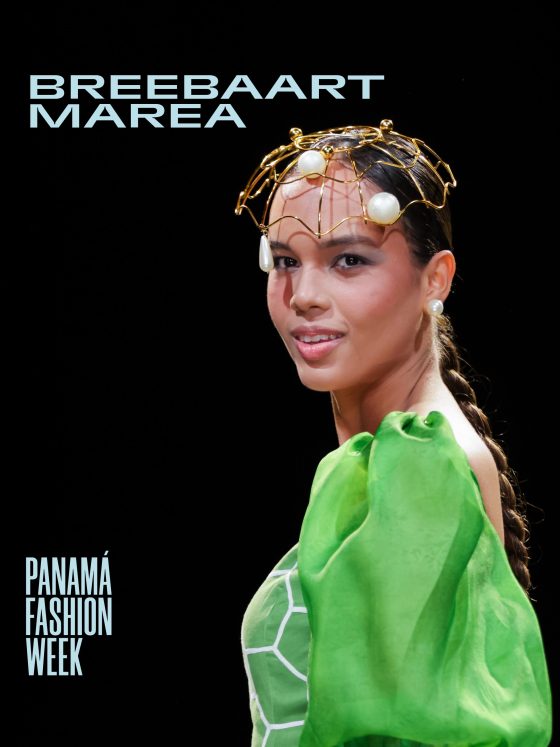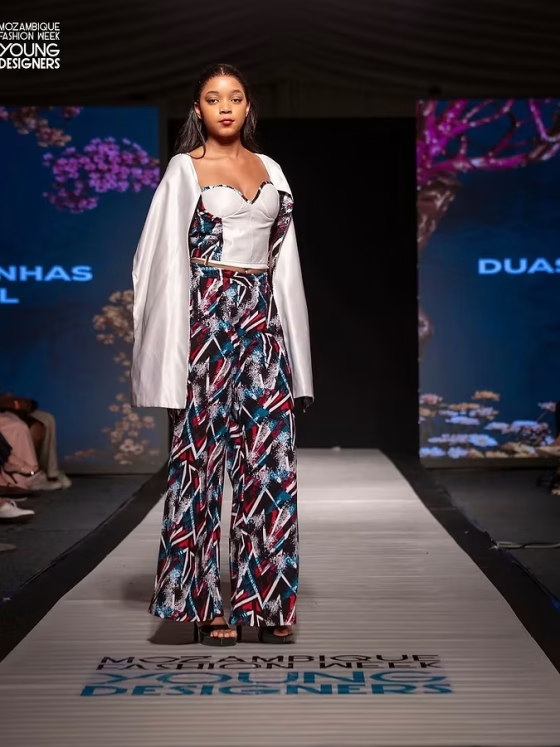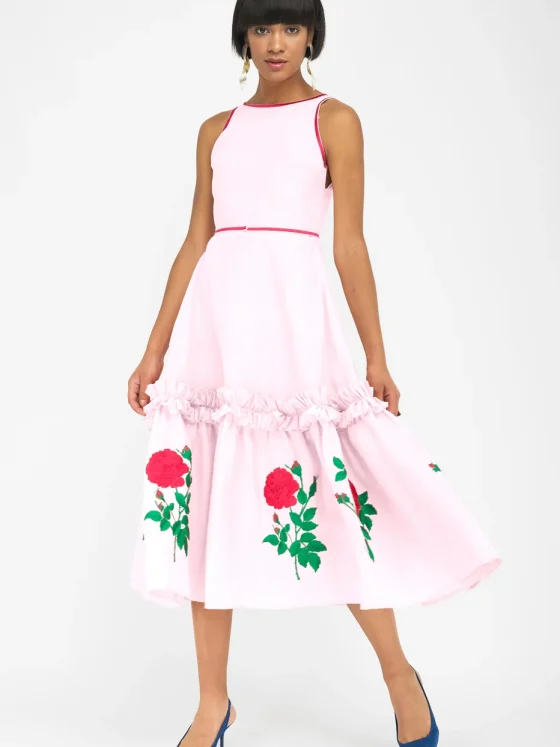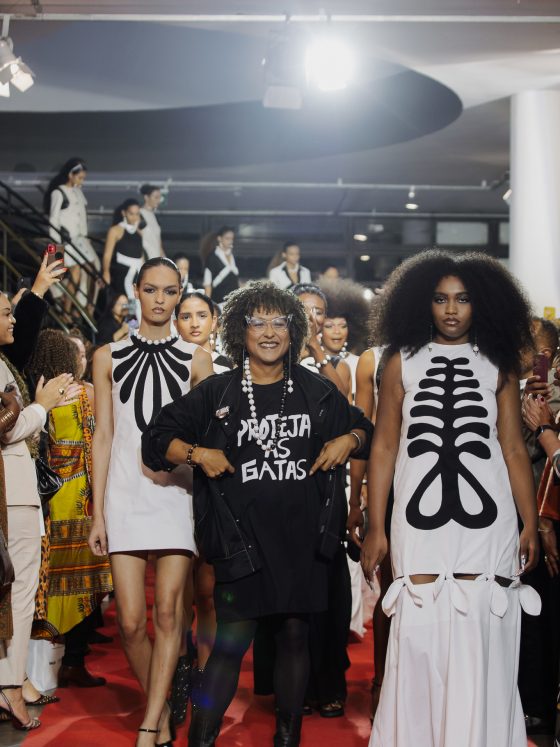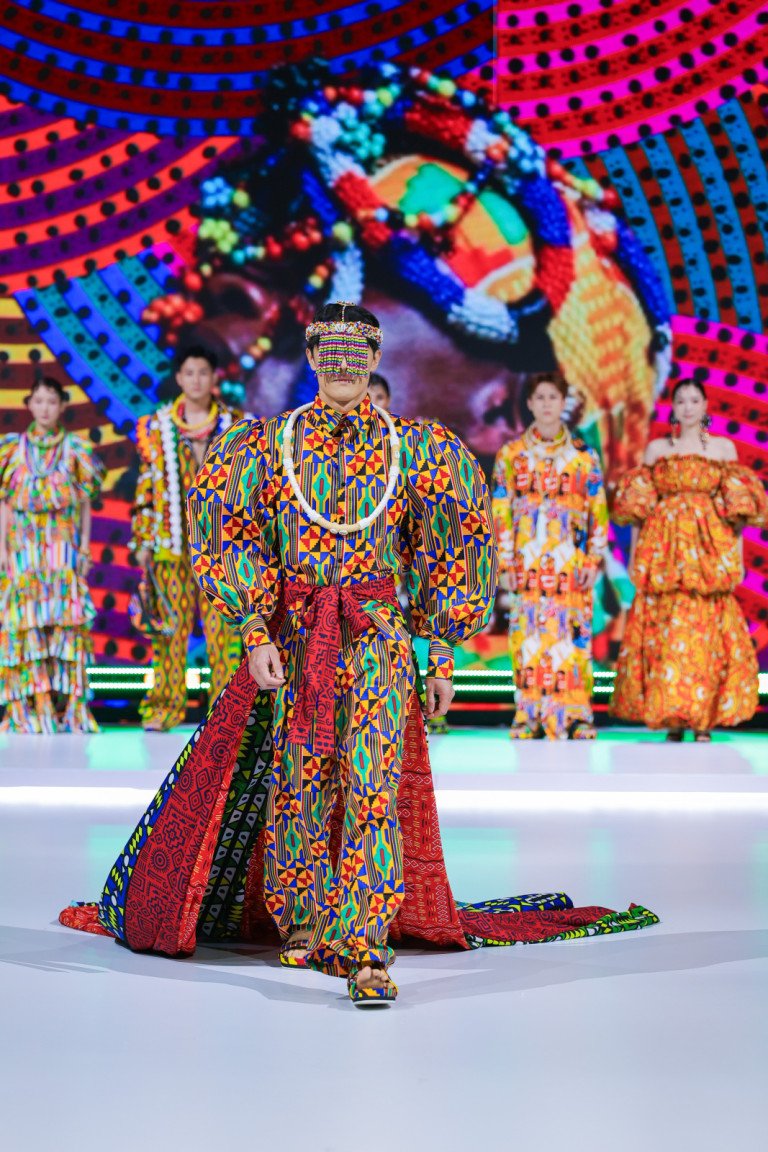
Meninos Rei presented eight looks at the Macau Fashion Festival on 21 October 2026: four created for the occasion and four drawn from “Cultura popular: Umbigo da Bahia”, a collection that CORREIO reports was launched in 2025. The selection placed new volumes and fabric combinations alongside earlier work by brothers Júnior and Céu Rocha.
Accessories by Michelle Santos, of Valentina Acessórios, and Vanêssa Elia, of Galpão 15 Artes e Design, extended the presentation’s credits to fellow Salvador creatives. Its clearest documented distinction was this combination of new clothing, returning designs and separately credited accessories, not simply its international location.
That is a more interesting story than “Brazilian label shows in China”. It is about what a label chooses to carry with it when it travels.
Meninos Rei presented eight looks in Macau, pairing four new designs with earlier work and accessories by fellow Salvador creatives.
A presentation divided between new work and continuity
The equal division matters. Meninos Rei did not present an entirely new eight-look collection.
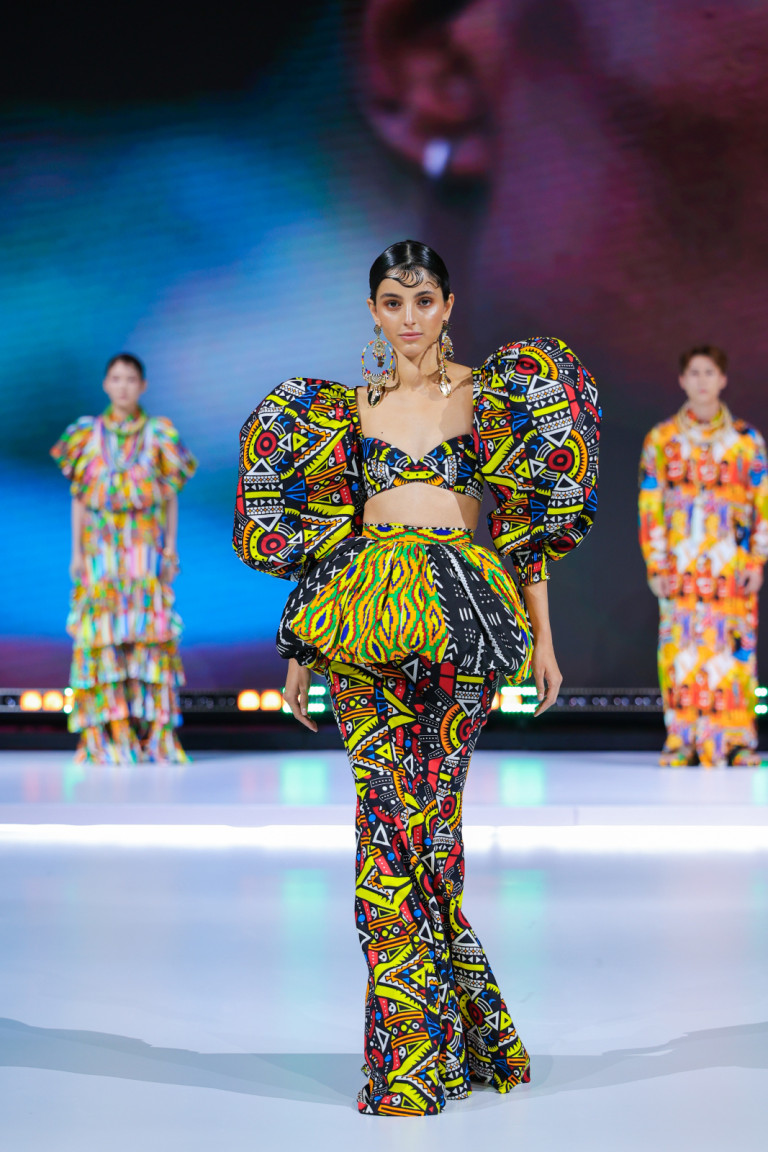
Instead, the brothers brought specially developed pieces into the same presentation as garments from an existing body of work. According to Gabriela Cruz’s report for CORREIO, the four new looks introduced different volumes and fabric compositions, while the other four belonged to “Cultura popular: Umbigo da Bahia”.
“A label that carries its last collection abroad is telling you which ideas it still believes in.” Omiren Styles Editorial Intelligence
That structure made the presentation an edited introduction to the label rather than a clean break with its previous collection. New work did not displace the earlier designs; both were given equal space.
The earlier collection has its own recent history. Alô Alô Bahia reports that “Cultura Popular: Umbigo da Bahia” was shown at São Paulo Fashion Week 2025 as part of the label’s tenth-anniversary celebrations, and that its Salvador launch followed in the summer. Hence, the 2025 date CORREIO gives refers to that first showing.
The selection also offers a useful way to understand a fashion presentation beyond the expectation of constant replacement. Returning garments can remain part of a designer’s current proposition, and here the documented decision was to place an established collection alongside new development.
The published account does not identify which numbered looks belonged to each group. It therefore supports an assessment of the selection’s structure, rather than a detailed comparison of how individual silhouettes evolved.
Fabric, patchwork and volume
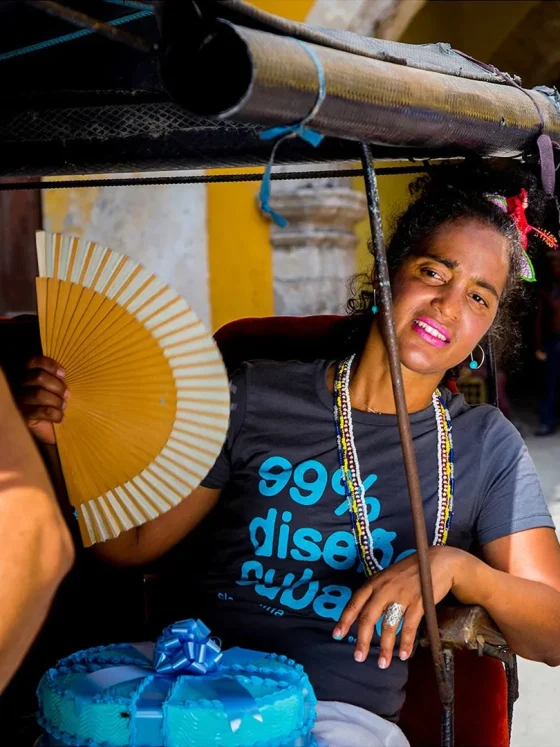
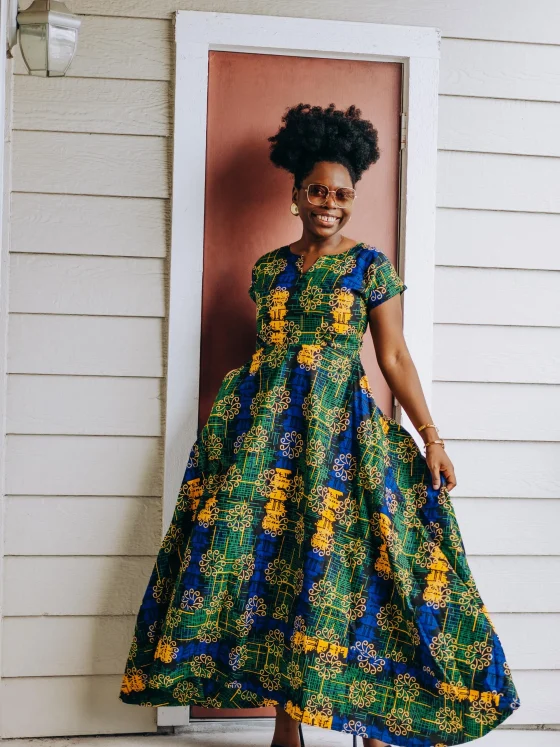
CORREIO describes the eight looks through African fabrics, patchwork, and references to Bahian culture, identifying colour and print as characteristic elements of Meninos Rei’s work. It also highlights new volumes and fabric combinations in the pieces developed for Macau.
These are the presentation’s reported design ingredients. They should remain distinct from more specific claims about textile provenance or construction, because the account does not identify the fabrics’ countries of manufacture, fibre compositions or producers.
That is the line we draw in how to verify a fashion brand’s fabric claims: “African fabrics” tells you a category, not a source.
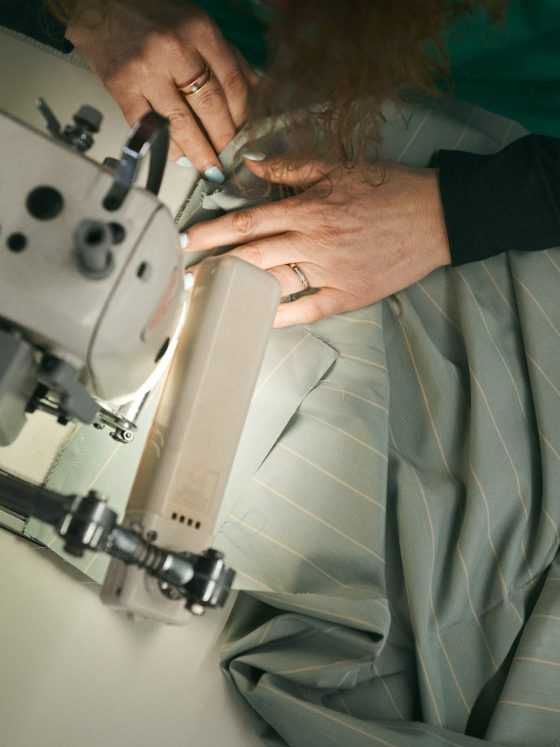
The combination nevertheless establishes a focused creative vocabulary. The presentation paired fabric composition and garment volume, making the relationship between surface and silhouette central to how the new work was described.
What remains unestablished is how that relationship operated in individual outfits. Without an identified garment sequence, it would be premature to claim that a particular panel enlarged a silhouette, that a seam organised a print, or that one new look transformed an earlier design.
The strongest supported observation is more precise: Meninos Rei used the Macau selection to show both continuity in its existing work and development through new proportions and textile combinations.
The accessories have their own authors.
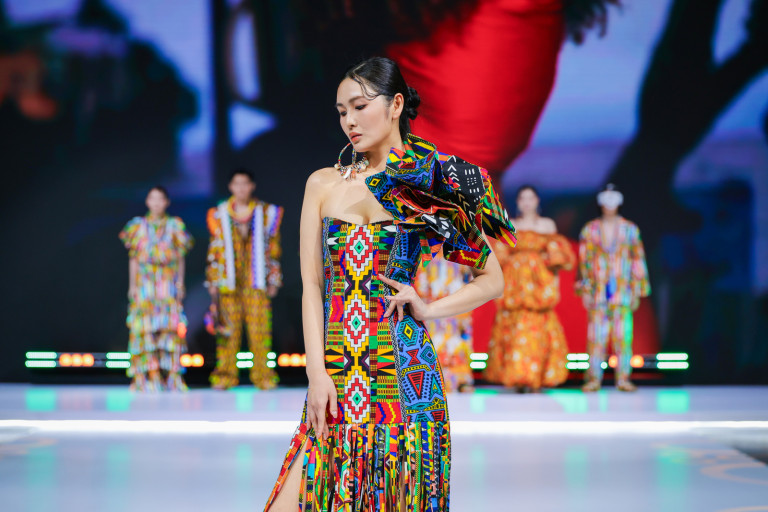
Michelle Santos and Vanêssa Elia belong in the presentation’s main credits, not its margins. Santos contributed through Valentina Acessórios, while Elia’s work was credited to Galpão 15 Artes e Design.
CORREIO identified both as being from Salvador, and Bahia Notícias confirms the same two collaborators and businesses. Their inclusion brought other creative businesses from the city into the finished runway presentation.
The report does not map each accessory to an individual look, so specific objects cannot be assigned to either collaborator on that evidence alone. The collective credit is clear, however: the outfits incorporated contributions beyond Meninos Rei’s clothing.
Keeping those names visible makes the presentation’s collaborative structure clear. It avoids absorbing every element of the runway image into the clothing label’s authorship, a habit we question in what a heritage fashion product page should clarify.
Bahia as the designers’ stated reference
The brothers frame cultural continuity as part of their practice. In comments published by CORREIO, Céu Rocha says they value Bahian and Afro-Brazilian culture and keep an ancestral history alive.
Júnior Rocha describes showing in Macau as an opportunity to project their work internationally while affirming their creative identity.
Those statements establish the designers’ perspective. They do not assign meaning to every colour, print, or garment, and they should not use Bahia as a catch-all explanation for the clothes.
The more specific connection is between the designers’ stated commitment and the presentation’s documented composition. Four garments from “Cultura popular: Umbigo da Bahia” remained part of the selection, alongside four newly developed looks.
The earlier collection was carried forward rather than left behind. For a label whose stated aim includes keeping an ancestral history alive, that choice reads as consistent, though the report does not say the brothers made it for that reason.
How to read an edited presentation
A runway show built from new and returning work asks the viewer to look for threads. Which volumes recur, which fabrics reappear and where the new pieces depart from the old are the questions that turn eight looks into an argument.
The report supplies the ingredients but not the sequence. That is why this article stays with structure: the split between old and new, the credits and the stated aims.
Readers who want the finer detail will need images of each look, the order in which they appeared and the designers’ own account of what changed between the earlier collection and the Macau pieces. Those would show whether the new volumes extend the earlier silhouettes or answer them.
There is also a practical reason to bring work back. An international audience meeting a label for the first time sees the earlier collection as new. Hence, returning designs do real introductory work, even when the home audience has seen them before.
Visibility is not a commercial result.
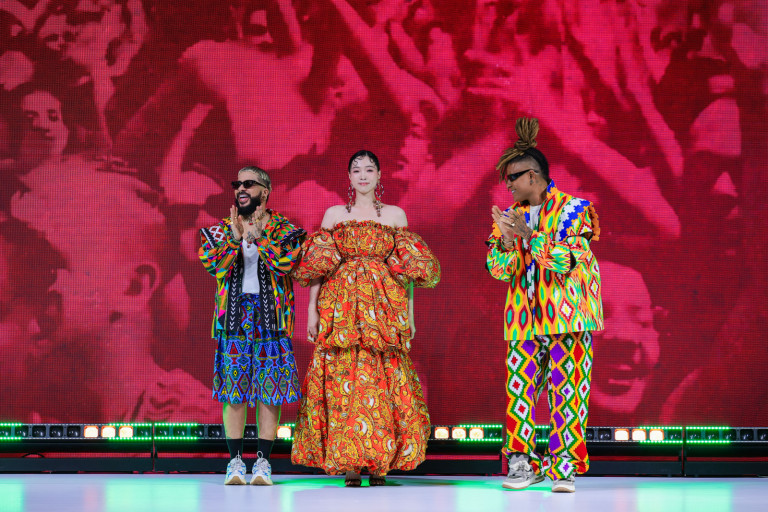
The Macau appearance documents an international presentation. The cited reporting does not provide buyer orders, retail agreements or sales results, so participation should not be presented as proof of commercial conversion.
That distinction does not diminish the event. It keeps the achievement accurately described: Meninos Rei showed a defined selection abroad, and brought new work into conversation with an earlier collection and included named accessory collaborators from Salvador.
Those are tangible elements of the presentation, without requiring a larger claim about market influence. What a showcase leads to afterwards is its own question, one we explore in the measures that prove market access after a fashion showcase.
None of this means the Macau show failed to matter. It means the available evidence supports a report on what was presented and who was credited, but a different report would be needed to describe what followed.
Orders, stockists and repeat business would be the evidence. Until the label or its partners report them, the honest description is a well-documented presentation with an open commercial story.
The Omiren Argument
Meninos Rei’s Macau presentation is most informative when understood as an act of selection.
Four new looks and four returning designs balanced development and continuity. The accessory credits extended the presentation beyond the label itself, while the designers’ published comments located the work within their commitment to Bahian and Afro-Brazilian culture.
The international setting provided the occasion. The more meaningful editorial detail lies in what the brothers chose to bring: an existing collection, new experiments in volume and fabric composition, and the work of fellow Salvador creatives.
Also Read:
- The Rise of Afro-Brazilian Fashion Designers and Their African Roots
- Afro-Brazilian Renaissance: Reclaiming Heritage, Shaping Today
- The Pollera, the Wob Dwiyet, and the Baiana: The African Women Who Dressed the Americas
- Santería, Candomblé, and Vodou: When African Spirituality Became a Fashion System
Frequently Asked Questions
Who are the designers behind Meninos Rei?
Brothers Júnior and Céu Rocha created Meninos Rei, whom CORREIO identifies as being from Salvador, Bahia.
What did Meninos Rei present in Macau?
The label presented eight looks on 21 October 2026. Four were developed for the occasion; four came from “Cultura popular: Umbigo da Bahia”, which launched in 2025.
Who created the accessories?
The credited collaborators were Michelle Santos, of Valentina Acessórios, and Vanêssa Elia, of Galpão 15 Artes e Design, both from Salvador.
Did the Macau presentation lead to sales or orders?
The reporting examined does not mention buyer orders, retail agreements or sales results. The presentation documents international visibility, which should not be read as commercial conversion.