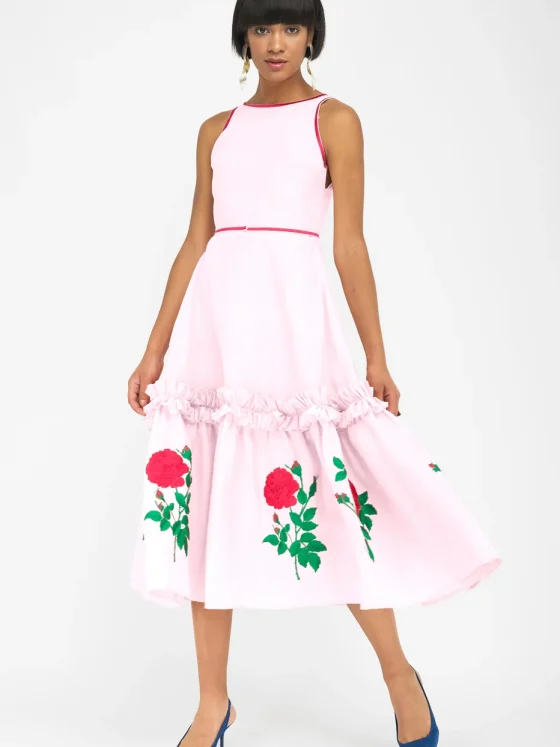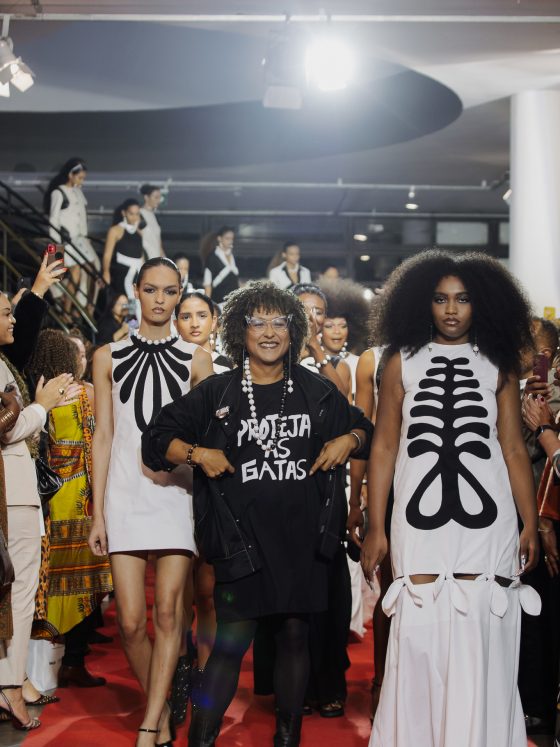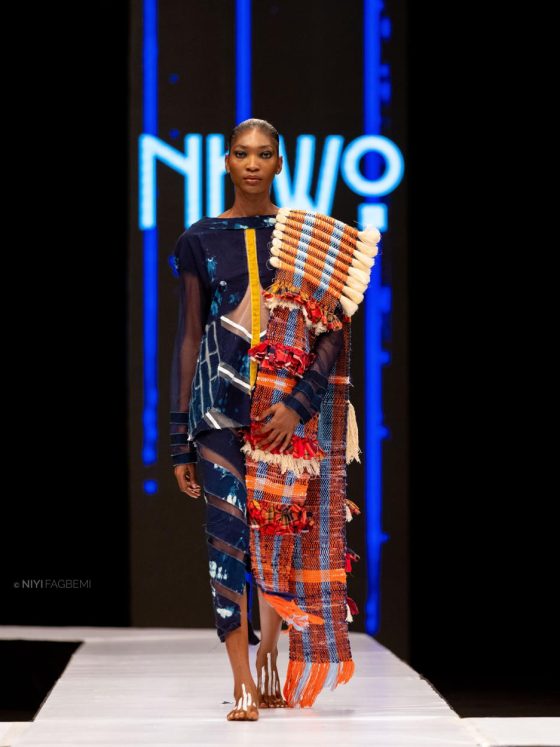
Identified internationally as a designer from the Central African Republic, Olga Nganzi Samba-Panza also established a documented business presence in Kigali. O’Poma’s early public record links those places while keeping an important distinction intact: a designer’s origin and a label’s operational base are related, but not interchangeable.
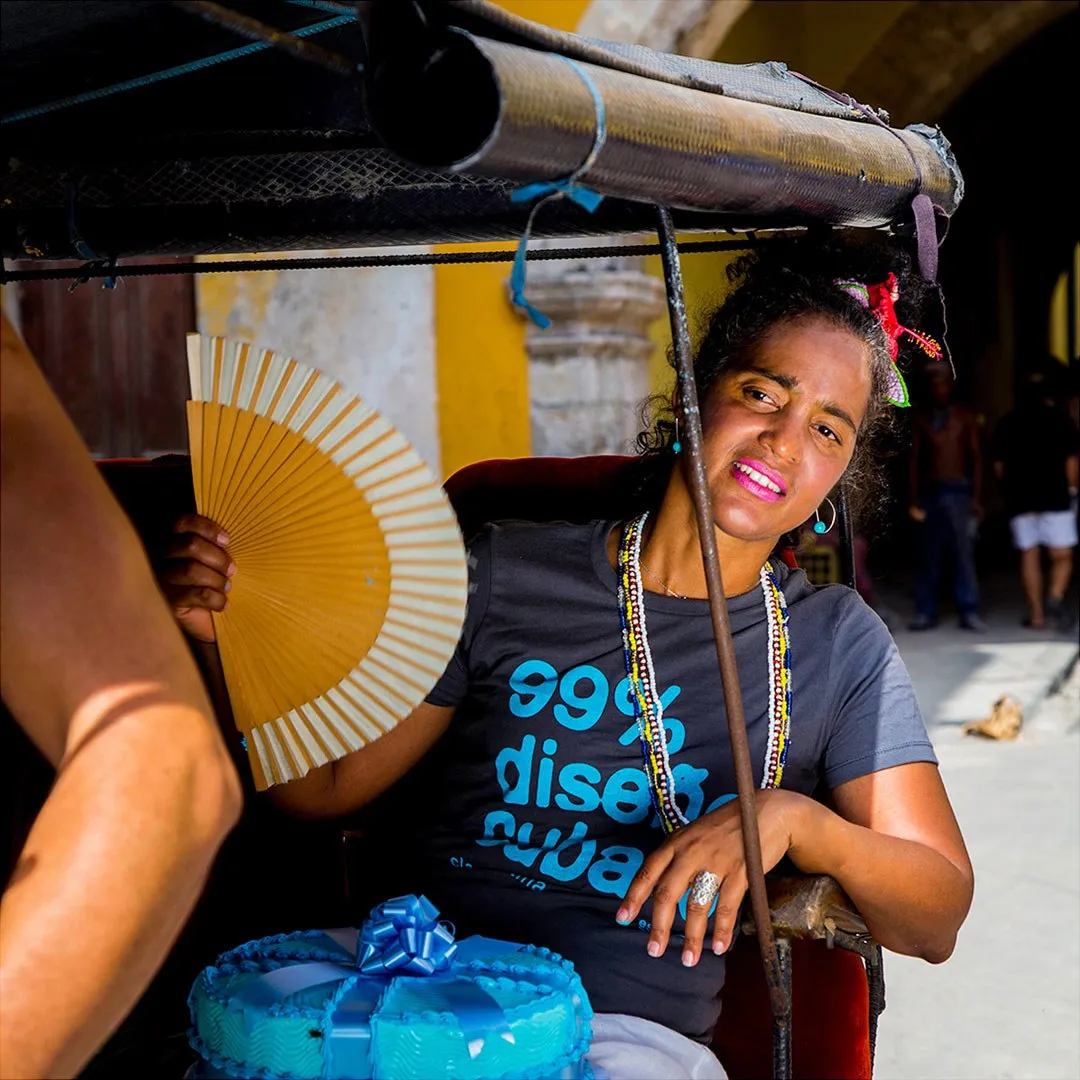
Explore how Clandestina connects slogans, artwork and garment design through its Havana T-shirt, Castillito shirt and Yusnavi remade jacket.
A Kigali opening in a Central African designer’s story
In June 2022, The New Times reported that Olga Nganzi Samba-Panza, the founder of O’Poma Designs, had opened operations in Kigali. The report identified her as a designer from the Central African Republic, placing the opening within a story that already extended beyond one national boundary.
It was a specific business development rather than a general statement about creative ambition: a named founder, a named label, and an operation in Rwanda’s capital.
“Where a designer is from and where a label operates are two facts, and both deserve to be kept.” Omiren Styles Editorial Intelligence
The distinction between origin and operating location is central to understanding O’Poma’s public record. Samba-Panza’s connection to the Central African Republic explains why she appears within the coverage of the country’s designers.
The Kigali opening establishes another part of the label’s geography. Neither fact needs to displace the other; together, they offer a more accurate introduction than describing the business solely through the founder’s nationality or the city where an opening was reported.
An official Rwandan record supports the documented Kigali connection. A May 2022 Official Gazette notice lists O’POMA LTD at an address in Kimironko, Gasabo, Kigali, in connection with the O’POMA name and logo.
That record is useful as an administrative anchor, but its role in a fashion profile should remain proportionate. It confirms a documented association between the business name and the location; it does not explain the clothes, establish commercial performance or reveal how the designer organised production.
How O’Poma entered an international fashion survey
A different kind of recognition followed in Teen Vogue’s July 2023 feature, “54 African Designers You Should Know.” Organised by country, the survey placed O’Poma Designs under the Central African Republic and identified Samba-Panza as its founder.
Its short description highlighted her use of African kitenge fabrics and colourful clothing. The entry gave international readers a route to the label through a combination of designer, place and material.
That format provides an introduction rather than a full portrait. In O’Poma’s case, the country heading makes a national connection visible, while the reference to ‘kitenge’ supplies an initial indication of the work.
The earlier Kigali report adds information the brief survey format cannot carry: the designer’s practice was also associated with a documented operation outside the country where she was listed. Reading the two accounts together produces a more complete geographical picture without requiring an invented explanation of how that geography affected the designs.
The chronology is modest but clear. A Kigali opening was reported in 2022; an international designer survey included the label in 2023.
These are different events, and they should not be merged into an unsupported story of rapid growth. The record establishes a business development and an instance of editorial recognition. It does not establish sales, distribution scale or the effect of that recognition on the label.
Preserving those distinctions keeps O’Poma’s documented history specific rather than turning it into the familiar narrative of a brand “going global.”
Kitenge and the question of design identity
Teen Vogue’s reference to kitenge is the clearest material description in the sources used here. It offers a starting point for discussing O’Poma’s clothes, but it cannot fully explain them.
A fabric reference identifies something a designer works with; a design language emerges through the decisions made around it. Cut, proportion, placement, volume, and finishing all shape how material becomes a garment, and without a sufficiently detailed selection of identified pieces, we cannot confidently attribute those decisions to this particular label.
The distinction matters because “colourful clothing” can be accurate while remaining critically incomplete. It tells a reader something about visual effect, but little about organisation.
Colour might dominate a garment, accent a restrained shape or interact with a pattern in ways that change across different pieces. Establishing which of those relationships characterises O’Poma requires close examination of the work.
The published description supports the association with kitenge and colour; it does not yet demonstrate a recurring silhouette or a signature method of construction. Claims about what a fabric is and how it is made deserve source-level checking, as we explain in our guide to verifying a fashion brand’s fabric claims.
This does not diminish the designer’s practice. It locates the limit of the short-form coverage available for this profile.
A survey designed to introduce many names cannot match the depth of a reported collection analysis. The appropriate next critical step is therefore not to turn its few descriptors into an elaborate aesthetic verdict, but to bring identifiable garments into the record and assess how the designer’s choices work together.
Place without an imposed aesthetic
O’Poma’s Kigali development creates a legitimate line of inquiry, but location alone does not establish a change in design. A new operation might affect access to collaborators, customers or materials; it might also leave the central creative approach largely unchanged.
For Samba-Panza, those possibilities remain questions for direct reporting rather than conclusions drawn from the opening. The documented event deserves inclusion without being asked to explain more than the evidence permits.
That approach also protects the Central African Republic connection from becoming an all-purpose interpretation of the clothes. Nationality is an important part of a designer’s public identity, but it does not automatically explain every print, cut or production decision.
In this record, the most useful account keeps the categories distinct: Samba-Panza is identified as a designer from the Central African Republic; O’Poma had a documented Kigali development; and international coverage associated the work with kitenge and colour. These facts belong together, but they don’t replace one another.
A fuller portrait would connect them only where reporting demonstrates a relationship. If a particular customer group influenced a collection, one could examine that connection; if a collaborator contributed to a technique, one could attribute that contribution.
If the designer understood a garment through a specific cultural reference, that interpretation could be placed beside the visible result. This is how a geographical introduction becomes an account of practice: through particular decisions, rather than assumptions about what a designer’s background must mean.
From recognition to understanding
The available record places O’Poma in both a national fashion conversation and a documented Kigali business story. Its value lies in that specificity.
Samba-Panza is not simply an unnamed example of creativity in an under-covered market; she is an identified founder whose label appears in reporting, an official record and an international designer survey. Those sources provide a foundation for more substantive fashion reporting.
Recognition and understanding, however, remain different editorial achievements. A country heading helps readers locate a designer, a business-opening report establishes a development, and a material description begins to introduce the clothes.
A substantive portrait must go further, examining the work closely enough to allow an independent judgement. For O’Poma, that is the unfinished part of the public account presented here: not a reason to inflate the existing evidence, but a clear direction for the reporting that should follow. How a designer’s credit is recorded is part of that reporting, and we look at it in what a heritage fashion product page should clarify.
Omiren Argument
O’Poma’s documented record shows why fashion coverage must handle geography precisely. Samba-Panza’s Central African Republic identity and the label’s Kigali development describe different aspects of the same undertaking.
Keeping both visible produces a more useful account than assigning the entire practice to a single national label.
The next distinction is equally important: recognising a designer is not the same as assessing the design. O’Poma’s association with kitenge and colour introduces the work, but a critical account must eventually show what the clothes do with those materials.
Record the origin accurately; examine creative achievement with evidence.
Also Read:
- Textile Provenance: How to Protect the Cloth Makers Behind the Fabric
- After Africa Fashion Week London 2026: What Converted Into Orders, Stockists, Press or Partnerships?
- What Happens After a Fashion Showcase? The Measures That Prove Market Access
- The Beauty Retail File: What Is Required by Law, and What Is Required by a Buyer
Frequently Asked Questions
Who is Olga Nganzi Samba-Panza?
The New Times and Teen Vogue identify her as the founder of O’Poma Designs and associate her with the Central African Republic. Published sources vary in their spelling of her surname; she has not confirmed her preferred spelling.
What is O’Poma Designs’ connection to Kigali?
The New Times reported that it opened its Kigali operations in June 2022. A May 2022 Rwandan Official Gazette notice also lists O’POMA LTD at a Kigali address.
What materials have been associated with O’Poma’s clothing?
Teen Vogue’s 2023 survey describes the label’s use of African kitenge fabrics and colourful clothing. That is a published material description, not a complete analysis of its collections.
Does this article cover O’Poma’s current work?
No. It examines documented developments from 2022 and coverage published in 2023. A current designer portrait requires recent garments, adequate imagery and updated testimony.