Clothing must remain consistent with the story as separately filmed shots are assembled. Professional role guidance and a published Nollywood practitioner account explain the records and coordination behind that task.
A character wears a jacket during a conversation, removes it later that evening and carries it into the next room.
For the audience, the sequence should make sense. For the crew, it creates several states to preserve: jacket worn, jacket removed, and jacket carried. Keeping the clothing unchanged would be wrong. The task is to keep it consistent with the story.
“Continuity is not sameness. It is the right appearance at the right moment.” Omiren Styles Editorial Intelligence
That distinction lies at the heart of continuity. It concerns the appropriate relationship between a costume and a particular moment, not sameness for its own sake.
ScreenSkills’ guidance places costume-continuity planning within the relationship between the script, shooting schedule and costume breakdown. Its script-supervisor guidance also identifies records of costume, hair, makeup and relevant props as part of maintaining consistency across related material.
If you have ever spotted a coffee cup that changes hands between shots, you already know what the audience notices when this work goes wrong. This explainer looks at what it takes to get it right.
Learn how costume breakdowns, photographs and written records help film crews maintain a character’s wardrobe across separately filmed scenes.
Start With the Story, Not the Wardrobe Rail

A costume designer helps establish how characters and their world will look. According to ScreenSkills, that work includes interpreting the script, researching the design and determining what needs to be made, bought or hired.
A continuity plan asks a further question: which version of that appearance belongs at each point in the story?
In the hypothetical jacket sequence, identifying the garment is only the beginning. Production also needs to establish when it is worn, when it is removed, and when it becomes something the actor carries.
Those distinctions connect the costume to action. They prevent the wardrobe record from becoming merely an inventory of objects.
ScreenSkills’ assistant-costume-designer guidance describes how to use the script, schedule, design brief, and costume breakdown to develop a continuity plan. It also includes keeping accurate records when changes arise during filming.
The purpose is to make the intended sequence retrievable when the production needs it.
What the Record Must Preserve
A useful record connects the character’s appearance with the relevant scene and state.
For the jacket example, photographs could show how it is worn or carried. Written notes could clarify which arrangement belongs to which part of the sequence. Neither should require the next crew member to reconstruct the decision from memory.
ScreenSkills’ script-supervisor guidance calls for notes on costume, hair, makeup and relevant props, supported by visual references where necessary. Its costume-standby checklist requires recording costume changes in the production’s chosen system and updating it daily.
The important point is not that every production must use one particular form or application. The information needs to remain accurate, understandable, and available.
Recovering the jacket from a wardrobe rail does not recover the full continuity state. The garment and the record serve different purposes.
Why Photographs and Notes Work Together
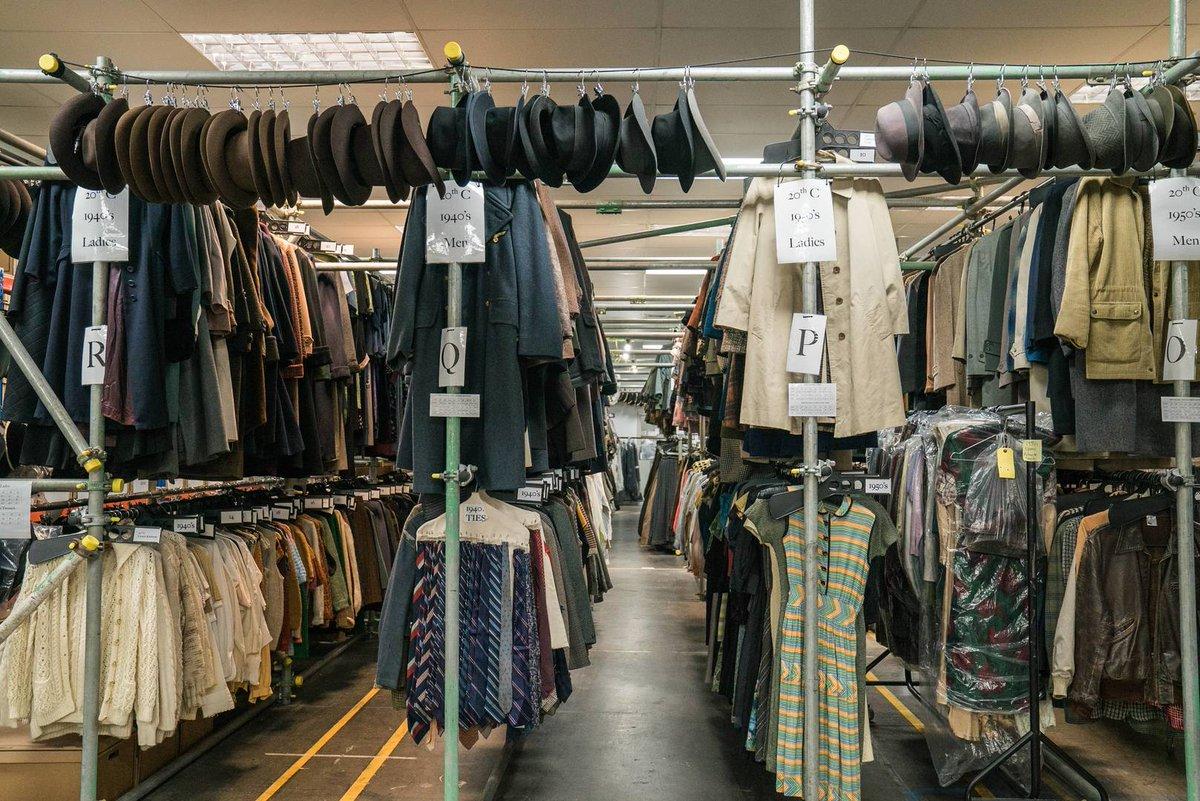
A photograph can preserve visible relationships that are cumbersome to describe: how a collar sits, where a garment falls or how an accessory is positioned.
ScreenSkills recommends that continuity stills be wide and well lit enough to show the necessary costume, hair, makeup and prop information. It also specifies that images should be stored so they can be retrieved easily.
That makes a continuity photograph different in purpose from a publicity image. Its first responsibility is usable information, not promotion.
Written notes supply another layer. An image may show the jacket being carried, but the record must make clear where that state belongs within the production’s continuity system. Daily costume-change records support that connection.
Returning to the hypothetical sequence, a clear photograph without an identifiable context is incomplete. So there is a note saying “jacket removed” without enough visual information to reproduce the intended appearance. The record works through the relationship between the two.
Who Needs the Information?
Costume continuity requires communication between roles, not one person remembering every detail.
ScreenSkills distinguishes the costume designer’s creative responsibilities from the supervisor’s practical oversight and the on-set work of costume standbys or dressers. Its standby guidance includes maintaining costume-continuity documentation and liaising with the director, assistant directors and script supervisor.
The script supervisor’s remit extends beyond wardrobe. It includes monitoring continuity across action, dialogue and other elements, recording changes and communicating information needed to connect related shots.
These distinctions explain why assigning every continuity outcome to the costume designer would be misleading.
They also serve as a reference framework, not proof of an identical division of labour on every film. Establishing who performed each task requires the production’s credits and working arrangements. Naming the right people matters, and we return to this theme in our guide to crediting makers on a heritage fashion product page.
A Published Nollywood Perspective
In a June 2018 interview with The Nollywood Observer, script supervisor Ndifreke Mathew discussed continuity through the possibility of clothing, hair, makeup or shoes changing when the story required consistency. He also emphasised coordination between departments and raised concerns about recognition for the role.
His account supplies a Nigerian practitioner’s perspective on why the work matters. It does not establish current conditions across Nollywood or replace examination of an individual production.
Read within that boundary, the interview reinforces the practical argument: continuity is not limited to noticing an error. It involves keeping the information that helps different departments produce compatible material.
The relationship between costume and the rest of the scene is therefore central. A correctly identified garment still needs to belong to the correct action and narrative moment.
When a Change Is the Correct Decision
In the hypothetical example, putting the jacket back on for every shot would not preserve continuity. It would erase the intended action of removing it.
This is why an isolated clothing difference cannot automatically be labelled a mistake. Its meaning depends on the surrounding sequence.
Professional guidance includes approving changes that arise during filming, checking their relationship to the script and keeping the continuity record accurate.
The aim is not to prevent change. It is to distinguish intended change from an unexplained inconsistency and ensure the production can reproduce the decision when necessary.
The Omiren Argument
Our argument is that screen clothing should be understood through relationships as well as individual looks. A costume helps establish a character, but continuity connects that appearance to action and narrative time. The records described in professional guidance make that connection usable across the production process.
The second principle concerns attribution. Design, supervision, on-set costume work, and script supervision contribute in different ways. Mathew’s published discussion of coordination and recognition makes it especially important not to assign all credit or blame to the most visible creative name. The actual division of labour must be established production by production.
Finally, continuity offers a more useful way to assess screen fashion than searching for isolated mistakes. The question is whether clothing remains intelligible within the unfolding story. A memorable outfit and a carefully maintained sequence are different achievements; understanding the work means recognising both.
Keeping the Decision Available
The jacket example begins with three ordinary actions: wearing, removing and carrying. The production challenge is to preserve the correct relationship between them.
Costume breakdowns, photographs, written notes, and communication make those decisions available beyond the moment they were first made. That is the professional function described by the guidance, not a guarantee that every production follows an identical process.
Costume continuity is therefore more than remembering what someone wore. It is maintaining a record of how that appearance belongs to the story.
Also Read:
- Textile Provenance: How to Protect the Cloth Makers Behind the Fabric
- How to Verify a Fashion Brand’s Fabric Claims
- After Africa Fashion Week London 2026: What Converted Into Orders, Stockists, Press or Partnerships?
- What Happens After a Fashion Showcase? The Measures That Prove Market Access
FAQs
What is the difference between costume design and costume continuity?
Costume design establishes the visual interpretation of characters and their world. Costume continuity tracks the appropriate appearance and changes across related scenes and shots. The responsibilities connect, but they are not identical.
What information belongs in a costume-continuity record?
The record should preserve the costume changes and visual details needed to reproduce the intended state. ScreenSkills identifies daily costume-change documentation and notes on costume, hair, makeup, and relevant props.
Why are photographs and written notes both useful?
Photographs preserve visible detail, while notes connect decisions and changes to the production’s records. Store clear images so you can find them when needed.
Does a clothing change necessarily mean a mistake?
No. A change may be required by the script or approved during filming. Assessing it requires context; professional guidance includes checking changes against the script and updating the record.