In December 2025, Lagos tailor Funmi Busari was preparing to invest in her business. She had saved 400,000 naira to buy an additional weaving machine and help meet festive demand. Before she made the purchase, the price rose to 450,000 naira. Speaking to CNN, Busari attributed the increase to the market around returning visitors — sellers, she said, were “cashing in on customers willing to pay more because they are making traditional outfits for diaspora clients.” Her account reveals a side of Detty December fashion rarely seen in celebration photographs: the cost and effort of getting clothes made before the festivities even begin.
For customers commissioning clothes for December homecomings, weddings and celebrations, the outfit begins long before the event — with fabric choices, measurements, fittings and an agreed delivery date.
One maker’s experience cannot explain the entire Lagos tailoring economy. But it offers a useful starting point. Behind every festive wardrobe is a sequence of decisions about design, materials, measurements, production and delivery. The story is not simply whether December brings more customers. It is what happens between a customer requesting an outfit and a maker delivering the finished garment — and why that gap matters more than the finished photographs suggest.
Explore Detty December fashion through Lagos tailoring, from bespoke clothing and remote orders to fittings, pricing and festive delivery timelines.
How Detty December Shapes the Festive Wardrobe
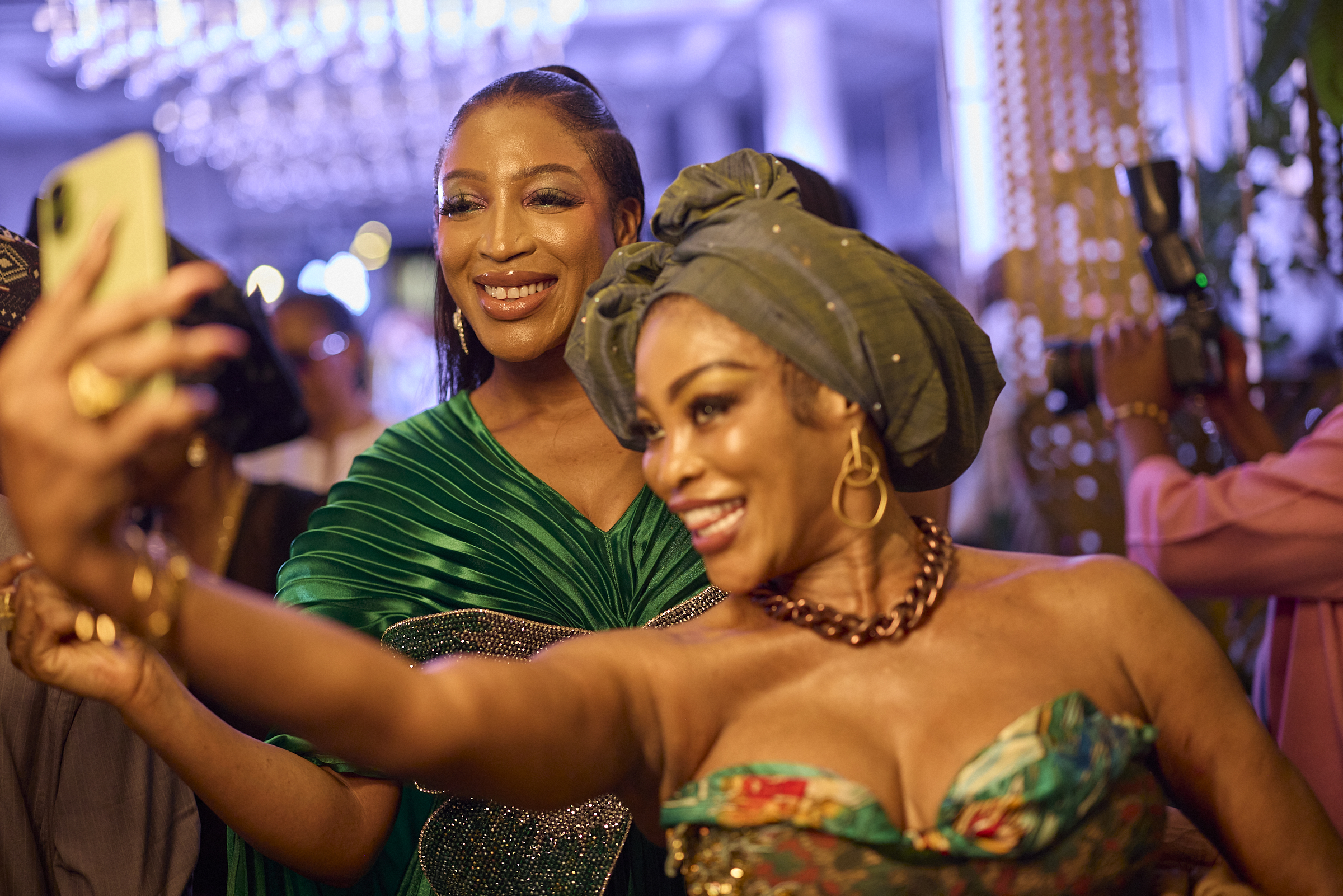
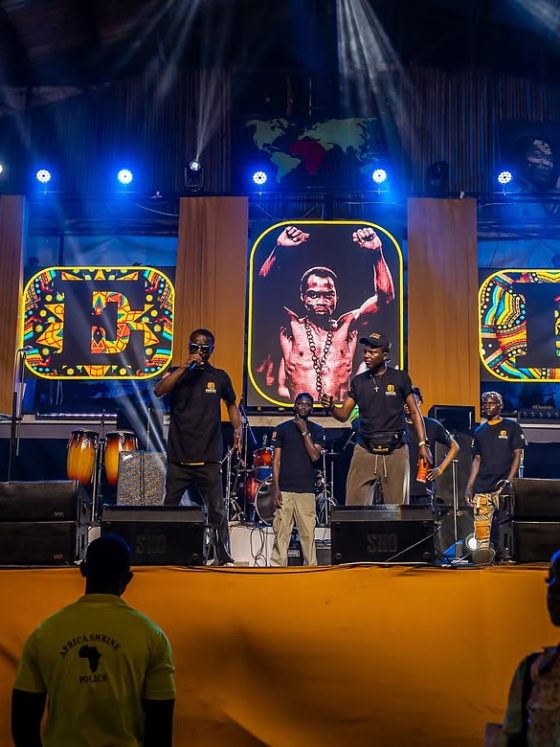
Detty December brings returning members of the Nigerian diaspora, residents, and visitors together for a season of concerts, parties, weddings, and social gatherings. It is a genuinely festive period, and its associated clothing reflects that. But CNN’s reporting also places the festivities within a longer tradition of Nigerian December homecomings, rather than treating them solely as a recent entertainment phenomenon driven by music events. That distinction matters for how we should understand the clothes.
A homecoming wardrobe is not the same as a concert wardrobe. A wedding commission carries different expectations from an outfit for an informal gathering. The occasion gives the garment a purpose, and the tailoring order turns that purpose into a practical brief. For fashion coverage, the more useful question is therefore not just what people wear during Detty December — it is how the clothes are commissioned, what customers expect from them and what makers need to deliver those expectations on time.
From Outfit Inspiration to a Tailoring Order
A photograph or reference image can communicate a desired look. Producing the garment requires much more information. DaviesApparel, a Lagos tailoring business offering bespoke suits, native wear and other garments, describes a process that begins with consultation and measurements. For customers outside Lagos, it advertises remote consultations, measurement guides and, where needed, a test garment sent before final construction begins.
These are DaviesApparel’s stated procedures, not a description of every tailoring operation in Lagos. But they show the stages behind what, from the outside, looks like a straightforward request. The customer and maker need to establish what is being ordered, how it will be constructed and how the fit will be assessed before cutting begins. A design preference must become a working specification. A planned appearance must become a garment that actually works on the wearer’s body. For a diaspora customer ordering Nigerian occasion wear from abroad, those decisions may begin before the journey home — making distance part of the commission rather than something resolved automatically on arrival.
Bespoke and Made-to-Measure Have Different Timelines
“Custom-made” can conceal important differences in how clothes are produced. DaviesApparel draws a practical distinction between bespoke clothing — made using an individually developed pattern — and made-to-measure clothing, which adapts an existing pattern to the customer’s measurements. It lists typical lead times of three to six weeks for a fully bespoke suit and two to four weeks for simpler made-to-measure pieces, with timing dependent on fabric availability, construction method and the number of fitting stages required.
These are examples from one business, not universal deadlines for Lagos tailors, and they should not be used to claim that every December outfit requires the same notice. Their value is in explaining why the delivery date cannot be separated from the garment itself. A piece requiring several fitting stages has a different schedule from one made through a simpler process. The customer’s own availability also matters to the agreement: the maker needs to know when measurements, approvals and fittings can realistically take place. In festive tailoring, timing is part of the product. The commission is not only for a particular appearance — it is for that appearance to be ready for a particular occasion. Missing the date means missing the wedding, the party, and the homecoming gathering.
What a Festive Tailoring Price Needs to Explain
Busari’s planned equipment purchase complicates the assumption that seasonal demand automatically translates into greater prosperity for makers. Her account identifies a specific cost increase at the moment she wanted to invest in production capacity. The CNN report does not establish her profit margin, total December orders or whether she ultimately bought the machine at the higher price. But her testimony draws a useful line between what customers pay and what makers earn — two things that are easy to conflate when looking at the economics of a festive season.
DaviesApparel says its prices reflect fabric choice, construction method, design complexity and the number of fittings involved. For larger commissions, it describes staged payments with terms confirmed in the order agreement. These are company-published practices, not an independent study of Lagos tailoring prices across the sector. They do, however, provide a practical explanation of what a quotation may need to cover. Two outfits both described as “a suit” can involve different fabrics, construction methods and fitting requirements. Comparing their prices without those details means comparing different commissions as though they were the same thing. The same caution applies to any discussion of December price increases: Busari’s testimony documents her experience of changing equipment costs. It does not establish that all festive clothing quotations rise equally or that every maker benefits in the same way from returning customers.
Why Tourism Revenue Cannot Measure Fashion Demand
The commercial scale of Detty December is often expressed through tourism and hospitality figures, and those figures are genuinely striking. OkayAfrica’s December 2025 reporting cited a Lagos State Government figure of $71.6 million for the previous season. Hotels accounted for more than $44 million of that, while short-let accommodation contributed more than $13 million.
These figures describe the broader context in which festive clothing is bought and made. They do not reveal how much customers spent specifically on tailoring, how many orders came from diaspora visitors, or how income was distributed among fashion businesses of different sizes. Treating tourism revenue as fashion revenue would give the story a scale that the evidence simply cannot support. A more precise account of the December wardrobe begins with individual commissions: when an order was placed, what was agreed, how production progressed and whether delivery matched the promised date. That evidence can illuminate a business and a season without claiming to measure the entire market.
Ordering Nigerian Occasion Wear From Abroad
Remote ordering changes how customers and makers build confidence in a garment before delivery. When customers can’t visit a studio in person, the usual fitting process must be reimagined. DaviesApparel advertises measurement guidance, optional fabric swatches, and test garments where needed, along with international shipping, costs, duties, and taxes by destination. These services don’t show how many December customers use them, but they do show the practical questions a cross-border clothing commission involves.
A digital reference image may communicate silhouette or styling intent, but it doesn’t convey fabric feel, precise measurements, or the quality of the finished fit. Those details need a separate process, and that process takes time. For diaspora customers planning a December commission from outside Nigeria, this translation—from an imagined outfit to a garment you can actually wear and collect—is where the real planning begins. Starting the conversation early is not a bureaucratic requirement. It is what makes the delivery date achievable.
For more on how Nigerian and diaspora fashion networks operate, see Omiren’s coverage of African designers reshaping the global fashion conversation and our feature on Black British designers building a distinct identity in London fashion.
The December Wardrobe Is an Agreement, Not Just a Look
It’s easy to read this as a story about expansion—that Lagos tailors must grow quickly or lose festive business to better-resourced competitors. The available evidence does not establish that. Busari wanted additional equipment and encountered a price increase at a particular moment. DaviesApparel describes different production timelines for different levels of service. Neither example shows that rapid expansion is the right response for every maker, or that the festive season is straightforwardly profitable for everyone involved.
The more useful frame is the tailoring commission itself: an agreement about appearance, materials, fit, price and delivery. The finished garment brings those decisions together. When the garment arrives on time and fits as intended, the agreement has been honoured. When something in the chain — a fabric delay, a measurement misunderstanding, an underestimated production timeline — breaks down, the occasion is still coming. The date does not move.
Seen through that agreement, Detty December fashion becomes something more specific than a sequence of celebration photographs. It becomes a story about how clothes take shape, how customers and makers negotiate expectations, and how a fixed date on the calendar shapes everything that has to happen before it. The photographs at the end of that process result from a great deal of prior work. Understanding that work is part of understanding what the wardrobe actually represents.
Also Read:
- African Designers Reshaping the Global Fashion Conversation
- Five Black British Designers Who Are Building the Future of London Fashion
- Caribbean Diaspora Designers on the Runway
Frequently Asked Questions
What Is Detty December?
Detty December describes a festive season of concerts, parties, weddings, and homecomings in Nigeria, particularly Lagos. CNN’s reporting situates the contemporary celebrations within a longer tradition of Nigerians returning home during December, rather than treating the season as a purely recent phenomenon tied to entertainment events.
How Does Detty December Connect to Fashion?
The connection includes clothing commissioned for festive occasions and the demand created by returning diaspora customers. CNN reported that Lagos tailor Funmi Busari plans to buy additional equipment to meet December demand, including work from diaspora clients. Her experience is a specific documented example, not a measure of the entire fashion or tailoring market.
How Long Does Bespoke Tailoring Take in Lagos?
No single city-wide timeline is established by the sources used here. DaviesApparel lists typical lead times of three to six weeks for fully bespoke suits and two to four weeks for simpler made-to-measure pieces, depending on materials, construction and fitting stages. These are its published timelines for its own services, not a standard that applies across all Lagos tailors.
What Is the Difference Between Bespoke and Made-to-Measure Clothing?
In DaviesApparel’s description, bespoke clothing uses an individually developed pattern created specifically for the customer, while made-to-measure adjusts an existing pattern to the customer’s measurements. The business lists different typical production timelines for the two services, with bespoke taking longer because of the additional pattern-making stage.
Can customers order Lagos-made clothing from abroad?
Some businesses offer remote ordering with support for overseas customers. DaviesApparel advertises remote consultations, measurement guides, optional test garments and international shipping. Availability, terms, and additional costs such as duties and taxes vary by business and commission.
Do Detty December Tourism Figures Show How Much People Spend on Fashion?
No. The revenue figures cited in OkayAfrica’s reporting concern the broader Lagos seasonal economy, with substantial amounts attributed to hotels and short-let accommodation. They do not establish spending on tailoring or commissioned clothing specifically and should not be used as a substitute for fashion-sector data.