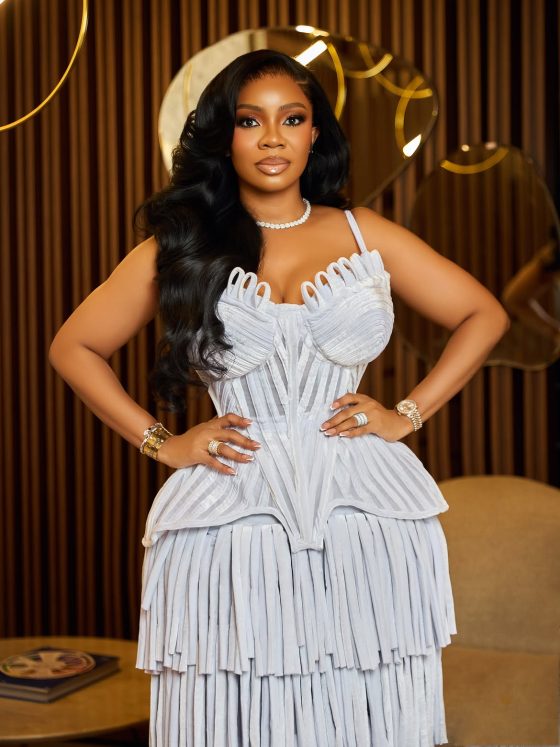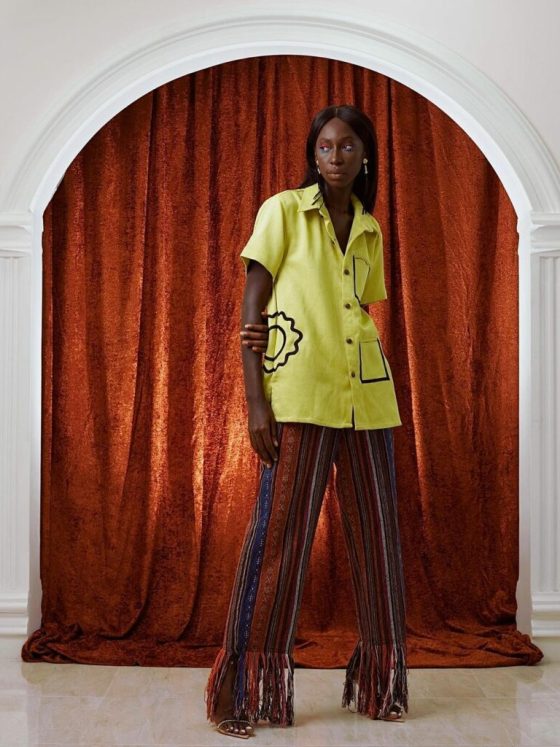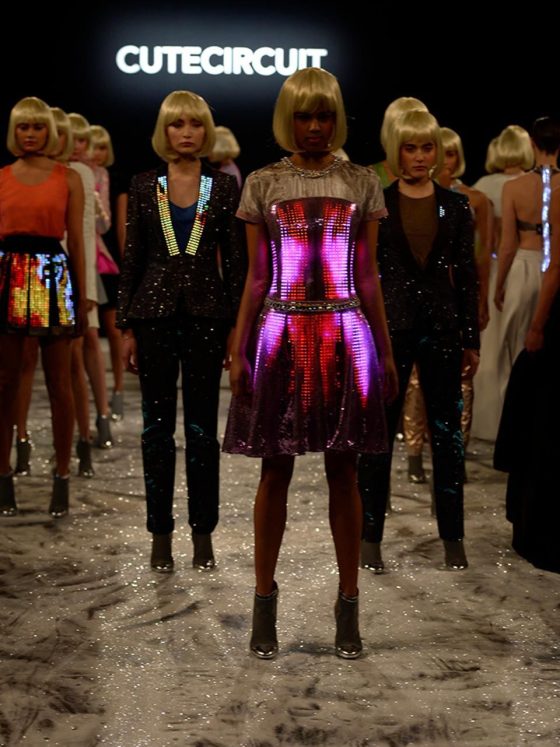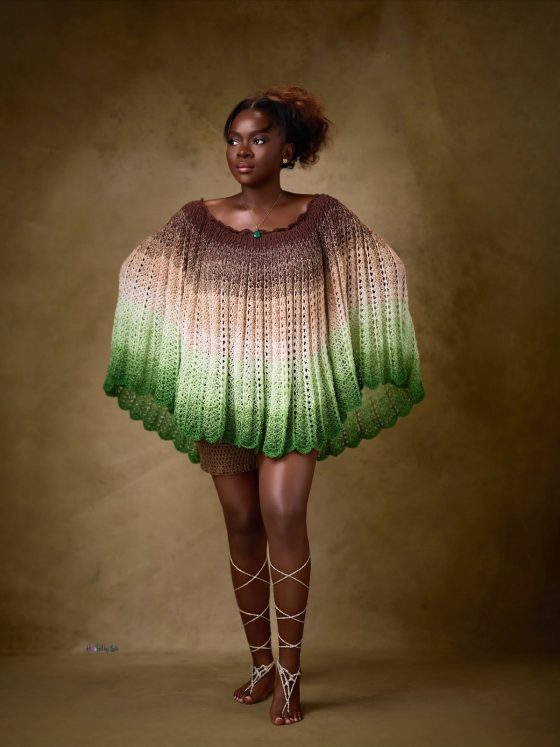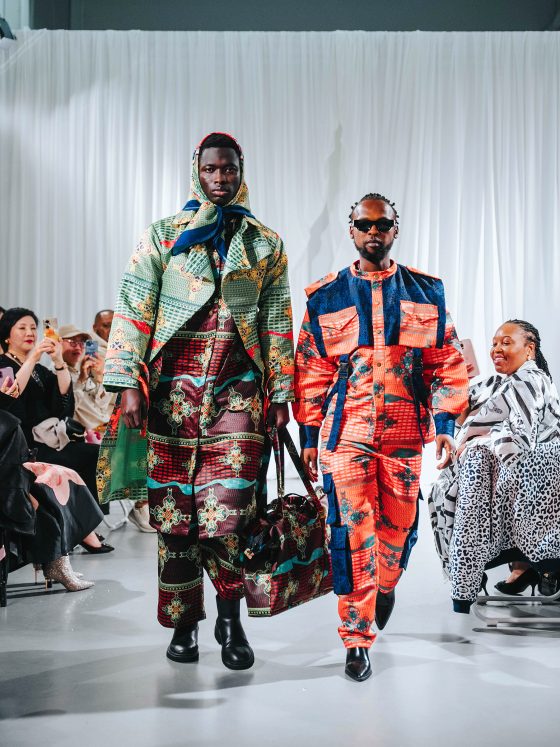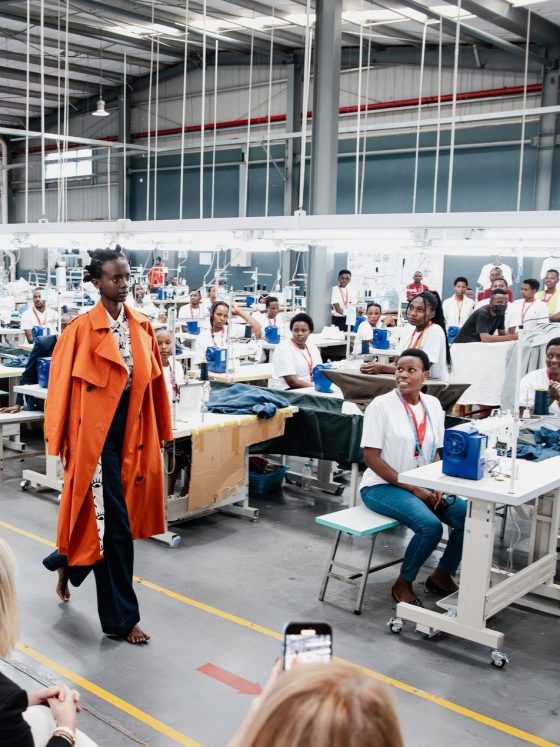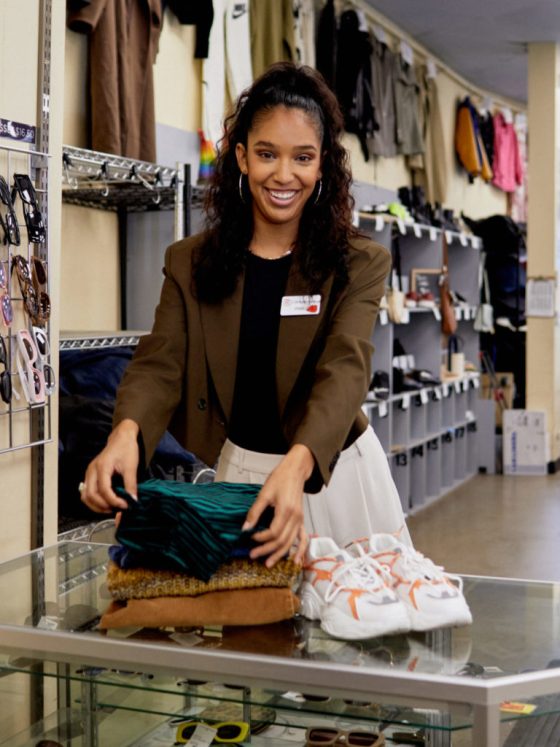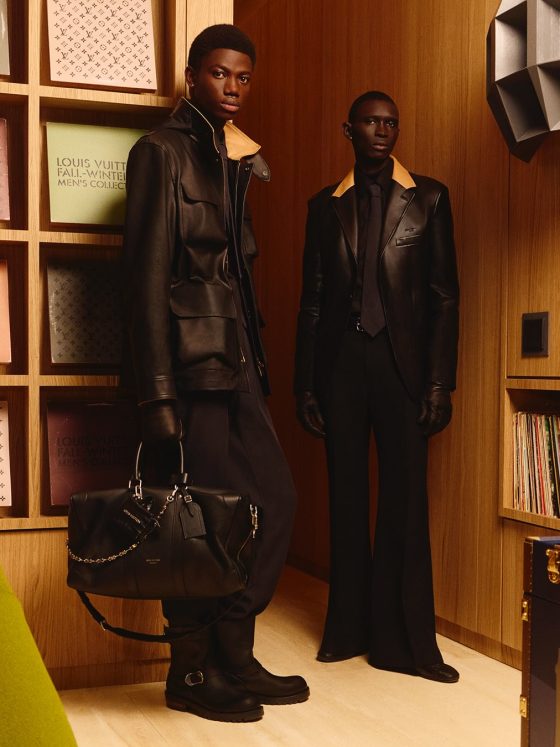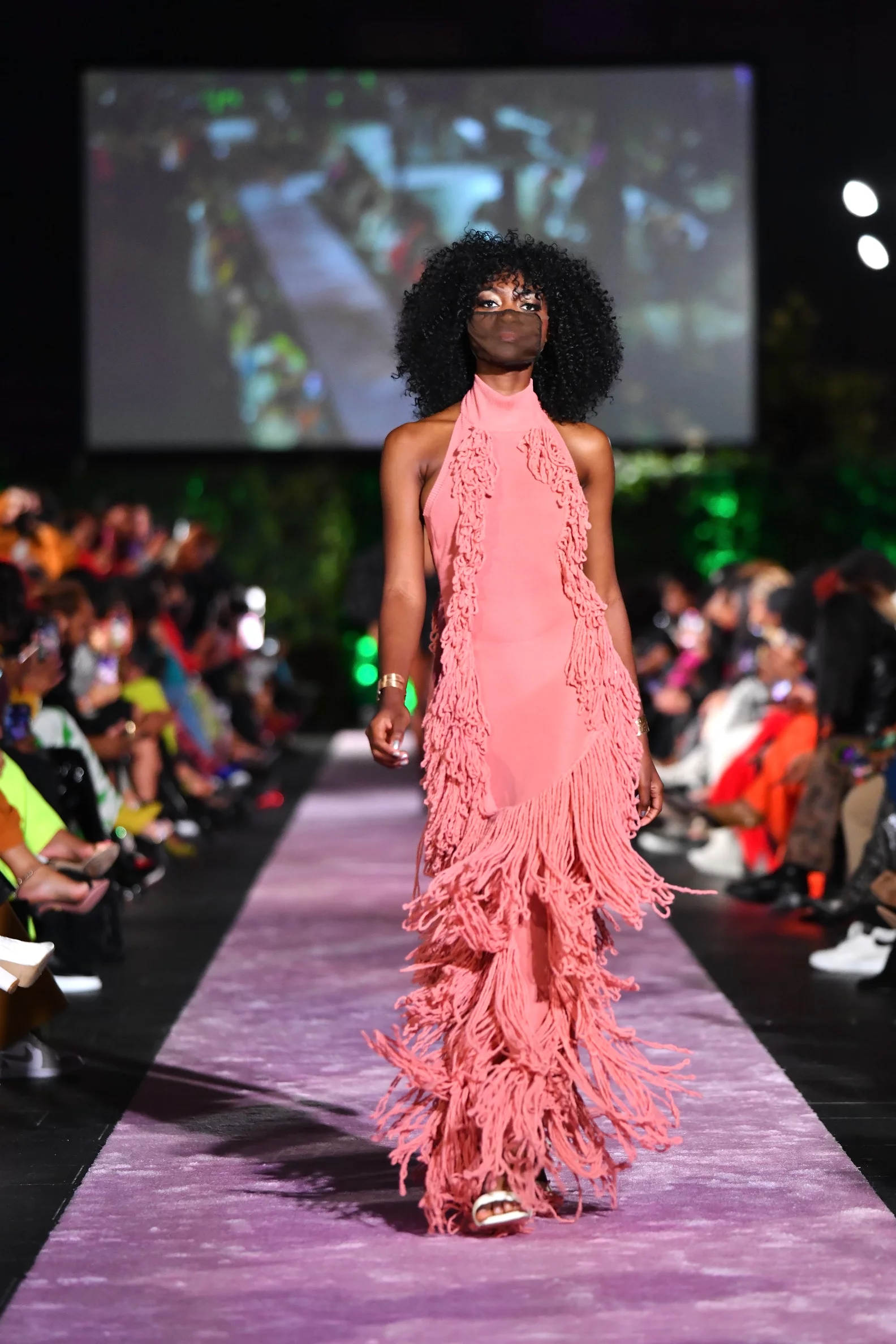
Read enough fashion profiles, and a template emerges. The designer grew up watching their mother dress. Or they studied art before discovering clothes. Or they moved to a new city and found the clothes there didn’t fit the person they wanted to be. The collection is inspired by the ocean, brutalist architecture, a specific decade they weren’t alive for, or their grandmother’s house. The interview ends with a question about what they are working on next. The profile runs with three photographs.
The template is not dishonest. Designers do have origin stories, and those stories shape their work. The problem is that the template produces only the origin story and nothing else. The reader finishes the profile knowing that the designer was moved by something and that the moving has produced garments. They know nothing about whether the brand pays its makers fairly, sources its materials responsibly, sells at prices that reflect its stated values, or plans to be around in three years. They cannot assess whether the coverage they have just read was merited or the result of a publicist sending the journalist a very good press pack.
This is a craft failure in fashion journalism, and it has specific consequences. When fashion profiles do not ask accountable questions, they function as extended marketing rather than editorial. The distinction matters for readers, who cannot assess what they are reading. It matters for designers who do not receive publicity, because the profiles that run are not competing with each other on substance. And it matters for the brands being profiled, because coverage that treats a brand as interesting without explaining why tells the brand nothing useful about whether its work is succeeding.
The question ‘What inspired you?’ is what fashion journalism asks when it has already decided the designer is interesting. The decision comes first. The question follows. Nothing in the answer would change the decision, even if it were ‘Nothing in particular, I just needed the money.’
The inspiration question is not the only question in the typical fashion profile, but it is the most diagnostic. It invites the designer to be eloquent about their creative process, which is a legitimate editorial goal. Its failure is that it invites eloquence rather than accountability. A designer who can speak beautifully about the colours of the Saharan plateau at dawn, and whose manufacturing subcontractor pays below minimum wage in a supply chain the designer has never audited, will produce a profile that reads as a credible portrait of a creative person. The manufacturing subcontractor will not appear in the profile.
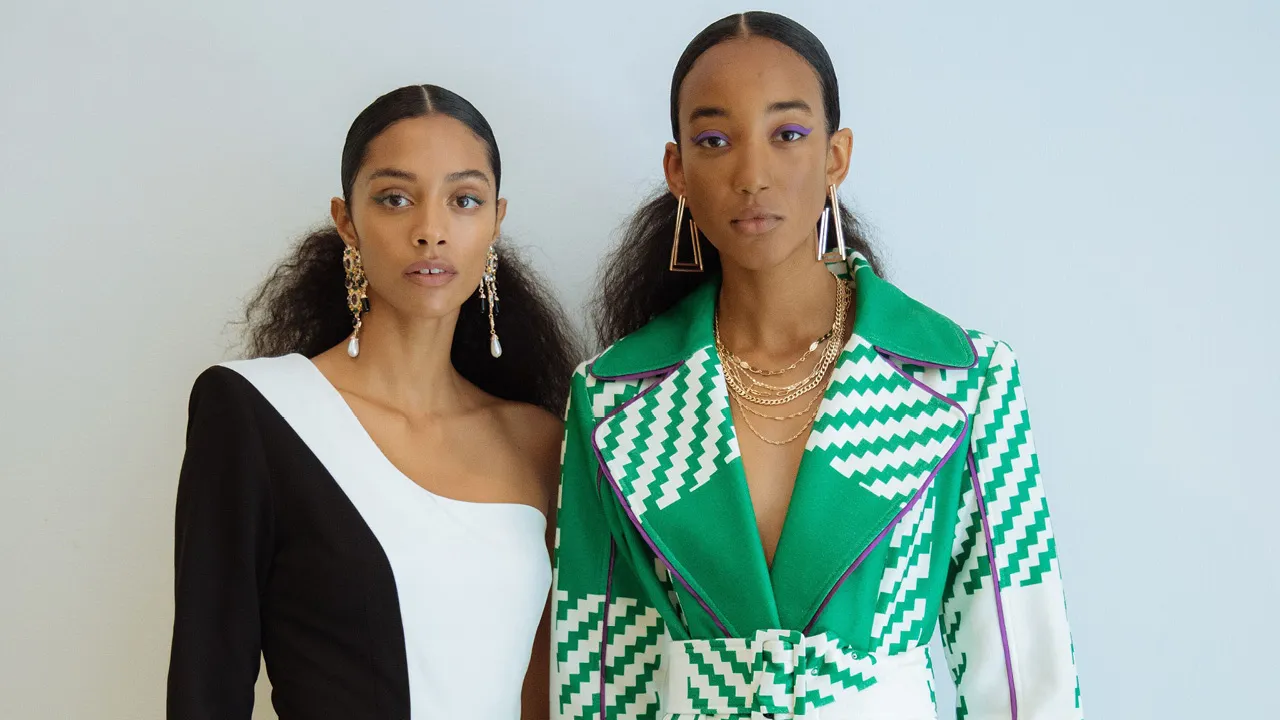
The gap between what a fashion profile typically covers and what would make it accountable is not small. It is the gap between a creative portrait and a business profile. Fashion journalism has historically been more comfortable producing the first than the second, partly because fashion media’s commercial relationships with the brands it covers have created structural disincentives to aggressive business reporting, and partly because the aesthetic vocabulary of fashion – beautiful clothes, beautiful images, beautiful stories of inspiration – is compelling in its own right and easier to produce than a sourcing audit.
The sourcing audit is not the only alternative to ‘What inspired you?’ The accountable question does not have to be adversarial. It has to be specific. A large gap exists between ‘What inspired this collection?’ and ‘Who manufactured this collection and under what conditions?’, and that gap contains dozens of questions that can produce genuine information without turning the interview into an interrogation. The failure of the typical fashion profile is not that it declined to be adversarial. It is that it declined to be specific.
Omiren Styles’ founder profile of Patience Ehi Odokor practised one version of this approach: naming clearly which claims from the interview could be independently verified and which could not, flagging specific questions for human editor follow-up before publication, and distinguishing between ambitions stated as ambitions and achievements stated as facts. The profile was not adversarial. It was specific. That specificity makes it useful to a reader who wants to assess the brand rather than simply admire it.
Here is what specific questions look like in practice. Not as a complete list, but as examples of the kinds of questions that would convert a fashion profile from a creative portrait into editorial content a reader can use:
- Who makes your garments, and where? Not ‘Are your garments ethically made?’ – that invites a yes that cannot be tested. The specific question invites a specific answer you can check.
- What percentage of your retail price goes to the person who made the garment? Most designers have not been asked this in a fashion profile, and most would find it uncomfortable. Discomfort in response to a reasonable question is information.
- How do you source your fabric, and what documentation do you hold confirming the fibre’s origin and any certifications it carries? The material intelligence this series has built across multiple articles makes this a testable question: does the answer correspond to how supply chains actually work?
- What did the last collection sell through at, and at what margin? Fashion profiles rarely ask commercial questions. The absence of commercial questions is a structural feature of fashion journalism’s relationship with the brands it covers, not a feature of what readers would find useful.
- Which of your publicly stated values is the hardest one to maintain commercially, and what specific decision in the last twelve months required you to choose between a value and a commercial outcome? This question distinguishes a creative portrait from an editorial assessment. The answer, or the refusal to answer, tells the reader something real about the brand.
- Who is your target customer, and what does your garment pricing assume about that customer’s income? A brand that says it is committed to inclusive fashion while pricing at levels accessible only to the top two income deciles is making a claim whose internal tension is worth exploring in print.
These are not investigative questions in the sense that they require the journalist to possess prior intelligence about wrongdoing. They are business questions that journalism in any other industry would ask as a matter of course. A profile of a software company asks about its revenue model. A profile of a restaurant asks about its kitchen sourcing. A profile of a fashion brand asks about inspiration. The asymmetry is not evidence that fashion brands are less commercially interesting than restaurants. It is evidence that fashion journalism has built a genre whose conventions protect brands from the kind of scrutiny that would make the coverage more useful.
The documentation gap that Omiren Styles has written about in the context of fashion supply chains applies equally to fashion journalism. The supply chain fails to record what happened at each tier of production. The fashion profile fails to ask what happened at each tier of the business. Both failures produce the same result: a record that describes the surface and leaves the structure invisible.
The argument for ‘What inspired you?’ is that readers want to connect with the designer’s creative vision, and that this connection is the basis of the relationship between a fashion brand and its audience. This is true. The argument that nothing else matters is weaker. A reader who connects with a designer’s creative vision and then discovers that the brand’s manufacturing practices contradict its stated values has been misled by the coverage that established the connection. The profile that told them about the grandmother’s wardrobe and said nothing about the factory conditions is responsible for part of that misleading.
This series has established, across its coverage of material claims, certification standards and the vocabulary of provenance, that the gap between what a brand says and what a brand does is where the most important editorial work is located. The material claim evidence checklist is the instrument for that work at the product level. The profile interview is the instrument for it at the brand level. A profile that uses ‘What inspired you?’ as its primary instrument has chosen to leave the brand’s self-presentation unchallenged. That is an editorial choice. It produces a certain kind of profile. It does not produce the kind of profile that fashion coverage most needs more of.
The better fashion profile asks the creative questions and the commercial ones. It allows the designer to be eloquent about their process and specific about their practice. It connects inspiration to production decisions, aesthetic claims to sourcing records, and community narratives to economic relationships. The better fashion profile is harder to produce than the standard one. The standard one requires only that the designer be willing to speak. The better one requires that the journalist be willing to ask.
As Omiren Styles has argued throughout its coverage of African fashion and the Global South, the Global South made fashion and never got credit. The profile that asks only ‘What inspired you? ‘ is one of the mechanisms by which that statement stays true. The creative vision that fashioned the garment gets a profile. The labour that made the garment gets nothing. The specificity that a better interview would produce is the mechanism by which credit reaches the places the inspiration question leaves in the dark.
ALSO READ
- Patience Ehi Odokor and the Work of Building a Fashion Group
- The Documentation Gap: What Fashion Supply Chains Still Fail to Record
- When Fashion Photographs Repair, Does It Show the Skill or Just the Worn Garment?
- The Global South Made Fashion. It Just Never Got Credit.
EXPLORE MORE
Read the full Craft and Editorial coverage at Omiren Styles for ongoing analysis of fashion journalism practice, profile conventions and the editorial choices that determine what fashion coverage can and cannot tell its readers. Discover travel and heritage intelligence across Africa, the Caribbean and Latin America at Rex Clarke Adventures.