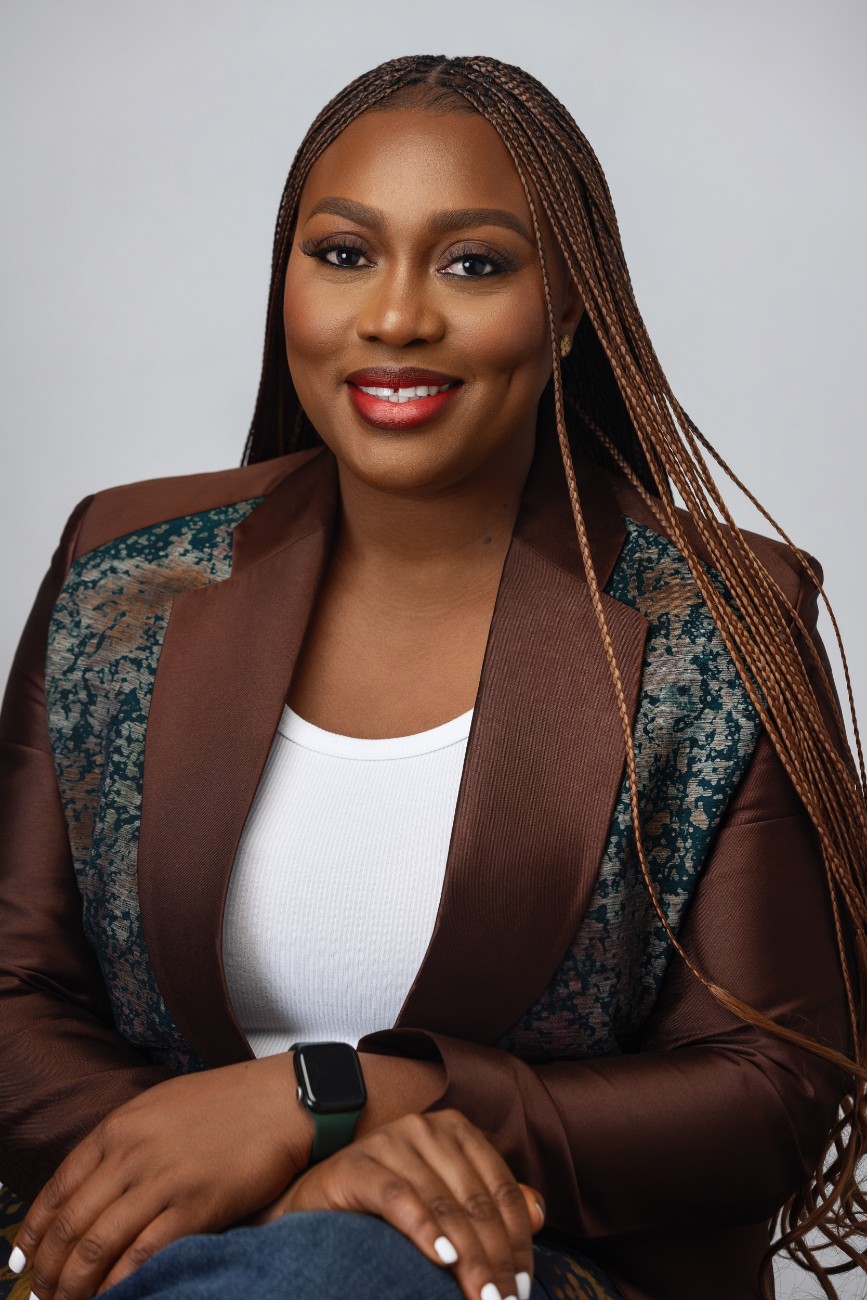
Patience Ehi Odokor can describe a problem that begins with a success. A fashion business finds a fabric, makes a piece, and discovers that customers want it. Then the fabric is no longer available. What looked like a design breakthrough becomes a production question: can the company make again what people have come to expect?
Odokor sees that question as part of building EHI Group. She began with Fabric Hub in Abuja in 2016, initially equipped with two sewing machines. The business has since developed into a wider fashion venture that, in her account, includes womenswear and menswear alongside fabric retail and tailoring services.
EHI Group identifies her as its founder and CEO. But she does not describe growth as a straight line from a small workshop to a large ambition. She talks about the less visible things that determine whether a business can grow at all: sourcing, sizing, quality control, people and decisions a founder can no longer make alone.
From two sewing machines in Abuja to the EHI Group vision, Patience Ehi Odokor discusses fashion, production, expansion and building a company that works beyond its founder and its first market.
Learning to Find a Way
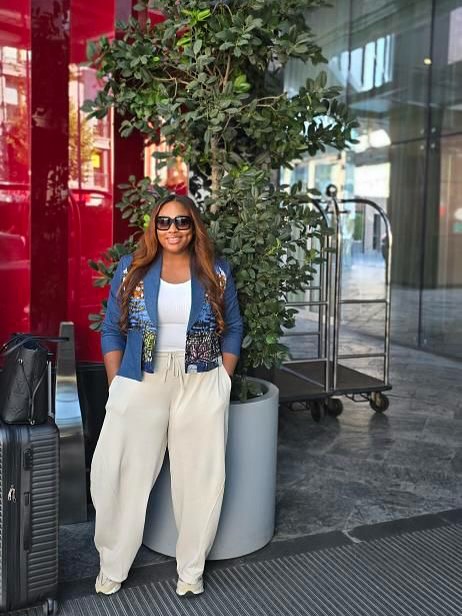
Odokor was born in Lagos, raised in Abuja, went to secondary school in Makurdi and moved to Ibadan for university when she was 16. Moving between places meant learning to settle in quickly. She believes it also made her resourceful: if she wanted something, she had to work out how to get it.
At university, that impulse became a small trade. She bought second-hand clothes in Yaba and Cotonou and resold them to classmates. An aunt brought clothes and hair products from the United States, and Odokor helped sell those too. She loved dressing well and remembers winning Best Dressed at university. But she did more than cultivate personal style. She selected products, judged what people wanted, and put her own effort behind a sale.
She does not claim she had a complete fashion-business plan early on. Looking back, she sees an entrepreneurial habit before she had a name for it. Her early motivation, she says, came less from one influential person than from ‘a very strong desire to win and to become. The phrase captures both her drive and the sense that her first business would not necessarily be her final destination.
The Cost of Beginning
Before entering fashion full-time, Odokor worked in banking. While still employed there, she applied for a government entrepreneurship grant. According to her account, she was awarded approximately ₦6.5 million, released in instalments. She received about ₦4 million first.
That money had several jobs to do. She needed premises, equipment and fabric as well as the means to begin making clothes. After those costs, she says, she could initially afford two sewing machines. She later resigned from banking to concentrate on the business.
‘You start with what you have and build from there.’ The grant created an opening, but it did not remove the need to choose what the operation could afford or how to proceed before it was fully equipped.
Fabric Hub’s name reflected a broad idea from the outset. Odokor envisaged a place for different textile categories, from fashion fabrics to home textiles, alongside fashion solutions. She wanted to address delays and what she regarded as a lack of professionalism in the industry. For a customer, the proposition was simple: find what you need and trust the quality of the service. The business’s service page today lists fabric retail and wholesale, bespoke tailoring, branded apparel, school uniforms, couture and accessories. Its breadth helps explain why Odokor saw Fabric Hub as a beginning rather than the outer limit of what EHI could be.
Finding a Larger Name
As Odokor developed other parts of the business, ‘Fabric Hub’ no longer seemed to contain the full ambition. Her middle name is Ehi, which she says means ‘gift’. When she launched a womenswear brand, EHIWOMAN felt like a way to carry that meaning forward.
An Africa Fashion Week London exhibitor profile confirms EHIWOMAN’s founding in 2019 – separate from Fabric Hub’s 2016 start, and an important distinction for anyone comparing the two businesses. Odokor also names Ehiman and EHI Enlighten Her Initiative as parts of the broader vision. She began to think of EHI not as a single label but as an ecosystem: businesses and initiatives that could eventually constitute a multinational fashion and lifestyle company built from Africa.
An early online search stayed with her. While researching multinational fashion companies, she came across Zara and wondered why a company of comparable scale could not emerge from Africa. The question was not evidence that EHI had reached that scale. It gave her a horizon against which to test her own decisions.
One such decision was to avoid relying on a single sales channel. Odokor says the company put much of its income back into its growth and pursued concept stores, stockists, pop-ups and new markets for EHIWOMAN. In June 2026, Odokor was among ten women inducted into the WELA 2025 cohort – the Women Entrepreneurship and Leadership for Africa programme run by the CEIBS Nigeria Alumni Chapter – with her title confirmed by independent reporting as Chief Executive Officer of The Fabric Hub and Ehiwoman.
For Odokor, reaching someone in another country is encouraging. It also changes the questions she asks of the business. A product that appeals outside Nigeria still needs the systems and customer experience to support that appeal. She has never wanted, she says, to build something that works in only one city or one country.
What It Takes to Repeat a Success
Odokor has a clear view of how she wants people to understand the clothes. Contemporary African fashion, in her account, can carry heritage and storytelling without being confined to a prescribed look. She points to adire, aso-oke and wax print as materials and craft traditions that can meet modern textiles, techniques and silhouettes. The aim is clothing that feels relevant wherever it is worn without treating its origins as incidental.
She also challenges the tendency to see African fashion chiefly as occasion wear. Weddings and ceremonies are part of the picture, but so are workwear, resort wear, menswear and everyday ready-to-wear. In her account, African fashion is not only a visual language. It is an industry of brands, production businesses and ideas that need to compete on the same operational terms as any other.
That is why she talks candidly about the operational demands the ambition creates. For EHI, she identifies standardised sizing, consistent production and quality control as major challenges in serving a global customer base. Fabric sourcing can be unpredictable. If a material cannot be found again, reproducing a well-received piece becomes difficult. The issue extends beyond one garment: a customer who returns for a design expects the company to know what it made and deliver a recognisable standard. A stockist needs to understand what it can order. A production team needs specifications it can follow.
Creativity can bring people to a brand. Repeatability helps determine what happens after they arrive.
Odokor does not suggest that EHI has solved every part of that problem. She describes it as work the company must do to pursue its ambitions. That distinction matters. The strongest evidence of a growing fashion business is not only where its clothes have appeared, but also whether its processes can support the promises it makes.
As Omiren Styles has established in its analysis of how African fashion brands can expand without flattening their design language, the gap between visibility and sustainable commerce is the central operational challenge facing African fashion businesses seeking to scale. Odokor’s account of her sourcing and production challenges describes the same gap from the inside: the brand exists, the demand exists, and the systems that would allow them to meet it consistently are still being built.
Letting the Company Grow
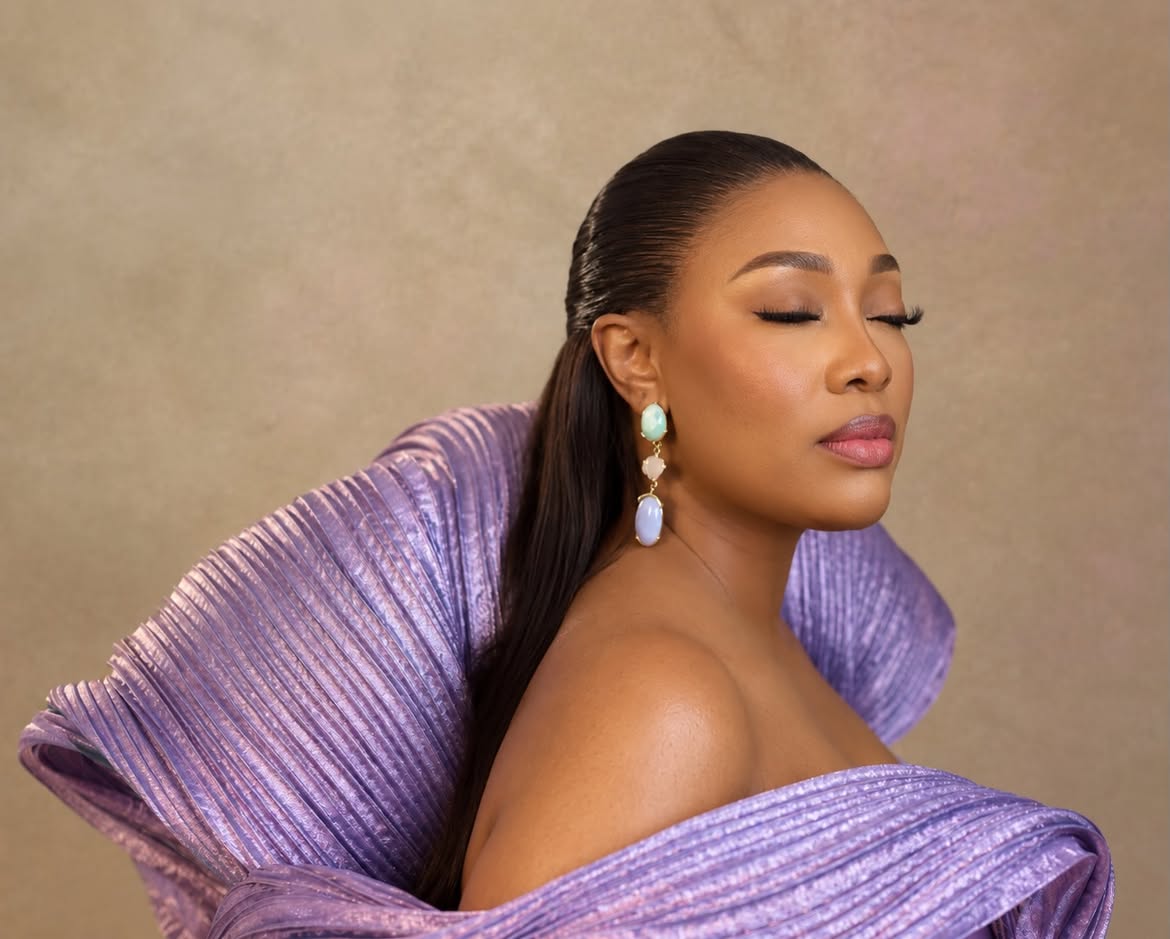
Odokor’s role has changed as the business has. She says she once handled almost everything. Now an operations manager takes on more of the day-to-day running, while she concentrates on strategy, creative direction, partnerships and expansion.
She describes her leadership style as relaxed. She wants people to understand the vision, take ownership and show what they can do rather than wait for her to direct every detail. At the same time, she remains closely involved in fabric selection, design direction and major expansion decisions. She regards these choices as inseparable from the company’s identity and future.
Delegating operations is not simply a way to manage her schedule. Odokor regards it as part of building a company that can eventually exist beyond its founder. In her view, a business that runs on one person’s constant attention is not a company. It is a practice. The distinction matters to her because her ambitions for EHI require it to be the former.
Her definition of success follows that thinking. She wants EHI to be commercially successful and globally recognised but says profit alone would not make the journey worthwhile. She wants the business to create opportunities for others. Beyond its own clothes, she hopes the infrastructure, knowledge, and distribution relationships EHI develops can eventually help other African creatives and emerging designers.
Her largest stated ambition is for EHI Group to become what she describes as the first publicly listed multinational fashion company out of Africa. She herself argues that African fashion businesses need more than creative talent to compete at that level: they also need manufacturing capacity, financing, distribution and institutional support. The ambition is future-focused and exceptionally demanding by any industry measure.
The Omiren Argument
The two machines Odokor began with in 2016 remain her measure of where she started. They were enough to begin making. The work she describes today is different: making quality, decisions, and opportunities repeatable even as more people, products, and places become part of EHI’s story.
The sourcing question she named at the outset – what happens when a fabric is no longer available – is not only a supply chain problem. It is the question every founder of a fashion business eventually has to answer: can the company consistently deliver what the brand promises? The answer determines whether the business scales or simply accumulates more demanding commitments.
As Omiren Styles has argued throughout this series, the Global South made fashion and never got credit. Odokor’s account of building EHI Group is an account of the infrastructure work that makes credit meaningful: the sourcing relationships, the production standards, the operational systems and the people who can carry the business forward when the founder is not in the room. The two machines were enough to start. What she is building now is designed for everyone who comes after.
ALSO READ
- How African Fashion Brands Can Expand Without Flattening Their Design Language
- Nkwo Onwuka and the Dakala Cloth That Changed What Nigerian Fashion Could Be
- Meet the African Menswear Designers You Should Know Before the Rest of the World Does
- The Documentation Gap: What Fashion Supply Chains Still Fail to Record
- The Global South Made Fashion. It Just Never Got Credit.
Frequently Asked Questions
Who is Patience Ehi Odokor?
Patience Ehi Odokor is the founder and CEO of EHI Group, a Nigerian fashion and lifestyle venture based in Abuja. She began Fabric Hub in 2016 with two sewing machines, then expanded the group to include the womenswear brand EHIWOMAN, founded in 2019, along with other businesses and initiatives. In June 2026, the CEIBS Nigeria Alumni Chapter inducted her into the Women Entrepreneurship and Leadership for Africa programme, and independent reporting confirmed her title as Chief Executive Officer of The Fabric Hub and Ehiwoman.
What is Fabric Hub?
Fabric Hub is the founding business of EHI Group, established in Abuja in 2016. It describes itself as a one-stop shop for fashion fabrics and home textiles, alongside bespoke tailoring, branded apparel, school uniforms and accessories. In Odokor’s account, Fabric Hub was conceived to address what she saw as a lack of professionalism and reliability in Nigeria’s fashion services market. It forms the operational and commercial foundation of the wider EHI Group.
What is EHIWOMAN?
EHIWOMAN is EHI Group’s womenswear brand, founded in 2019, and distinct from Fabric Hub, which started in 2016. The brand was presented at Africa Fashion Week London 2026. Odokor describes it as a contemporary African ready-to-wear brand intended to carry the meaning of her middle name, Ehi, which she says means ‘gift’. In her account, EHIWOMAN addresses women who want to dress with power and confidence in contemporary African fashion.
What does Odokor identify as the main challenge in scaling EHI?
In her interview, Odokor highlights consistent sizing, repeatable production and quality control as the central operational challenges in serving a global customer base. She specifically names fabric sourcing as unpredictable: when a material that made one piece successful is no longer available, reproducing that piece for returning customers becomes difficult. She describes these as challenges EHI must address to pursue its ambitions, not problems she claims to have solved.
What is Odokor’s stated ambition for EHI Group?
Odokor’s stated ambition is for EHI Group to become what she describes as the first publicly listed multinational fashion company out of Africa. She recognises that this requires more than creative talent: in her account, African fashion businesses competing at that level also need manufacturing capacity, financing, distribution infrastructure and institutional support. She presents this as a future goal rather than a current status. The profile treats it as an ambition, not a claim about EHI Group’s present scale or structure.
EXPLORE MORE
Read the full The Field and Nigerian Fashion sections at Omiren Styles for ongoing profiles of Nigerian fashion founders, makers and the people building the infrastructure of African fashion from the inside. Discover travel and heritage intelligence across Africa, the Caribbean and Latin America at Rex Clarke Adventures.