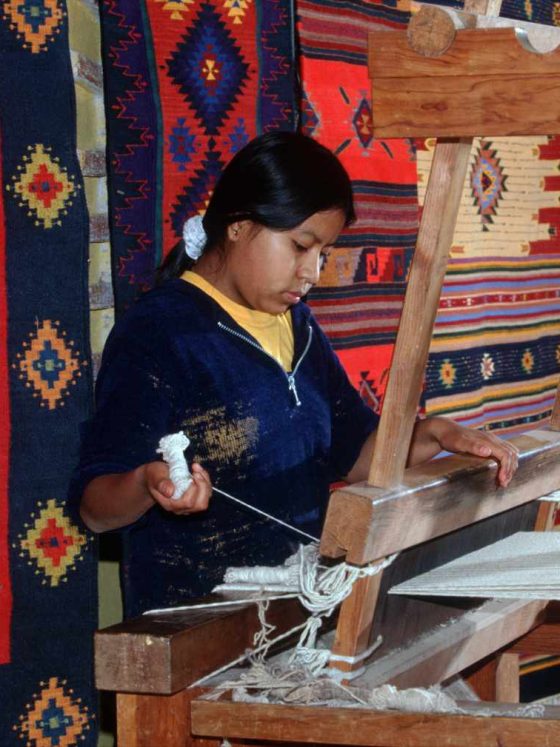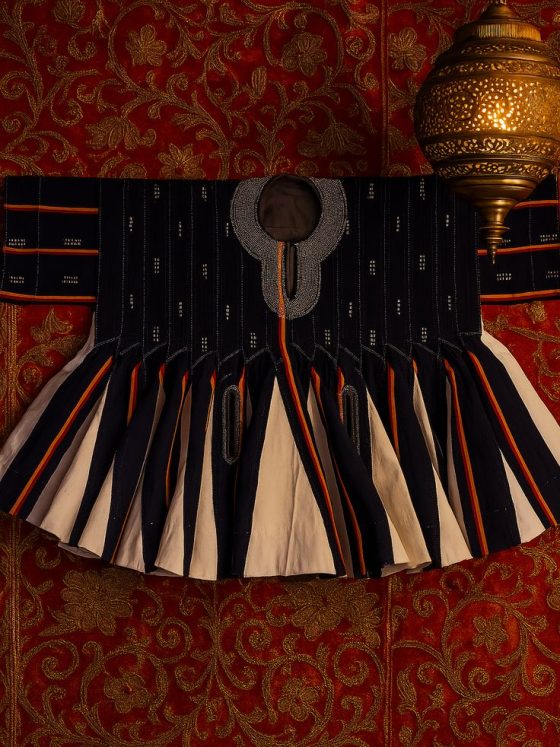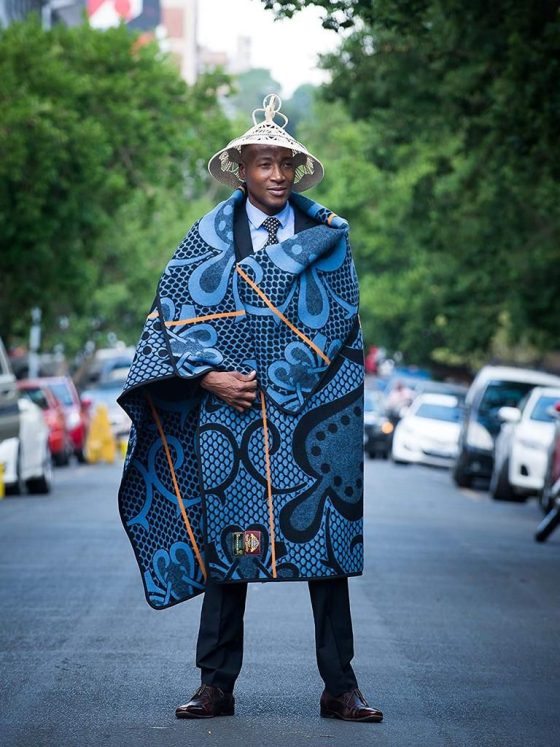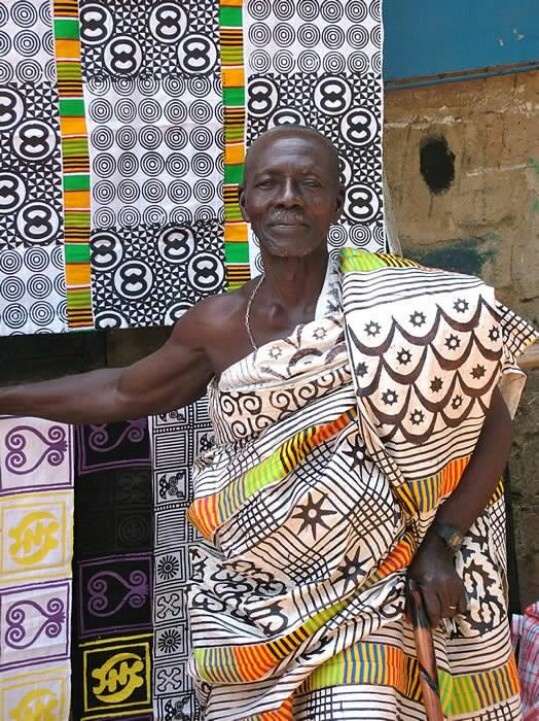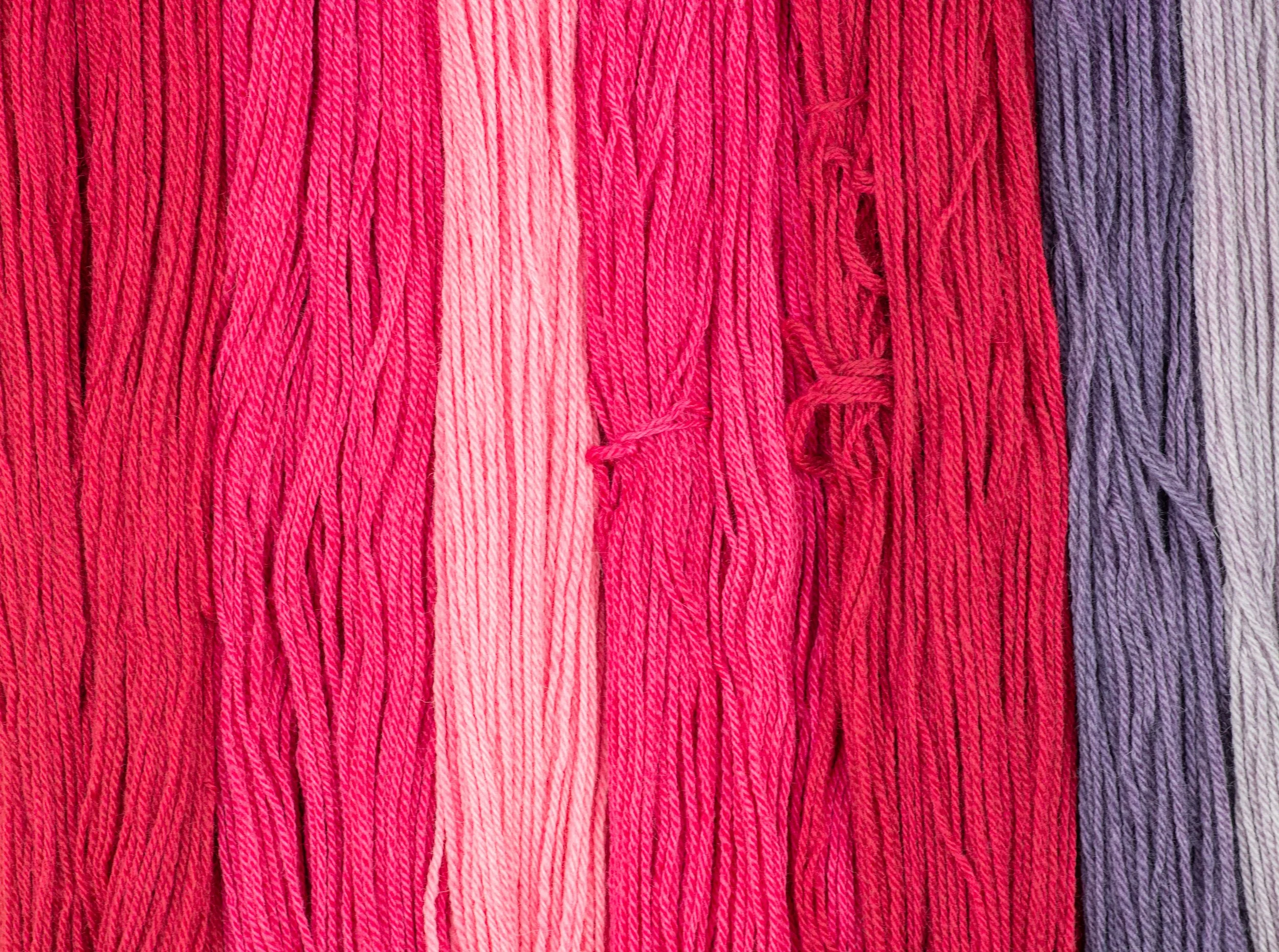
The red on the textile is not paint. It comes from a scale insect, Dactylopius coccus, that lives on prickly pear cacti across Peru’s Andean highlands. The insect is hand-harvested, dried, and ground into a powder whose active colourant, carminic acid, yields one of the most vivid and lightfast reds in the natural dye vocabulary. The Nazca, Moche and Inca civilisations used it for textiles and manuscripts. The Spanish first encountered it in Mexico in 1518 and transferred its cultivation to Peru, whose Andean highlands now supply over 85% of the world’s commercial cochineal.
In 2025 and 2026, demand for cochineal and its derivative carmine (E120) is rising sharply, driven partly by the US and EU regulatory shift away from synthetic food dyes and partly by the fashion and textile industry’s growing appetite for natural dyeing alternatives. The carmine market was valued at USD 1.5 billion in 2025 and is projected to reach USD 2.1 billion by 2034. Where demand surges quickly, supply chain discipline tends to strain.
This article is not about whether cochineal is a good dye. The colour record of the Andean textile tradition resolves that question. This article is about what a fashion brand claiming ‘naturally dyed’ needs to understand about cochineal specifically before putting those words on a label, a hang tag or a website, and about the questions that claim opens rather than closes.
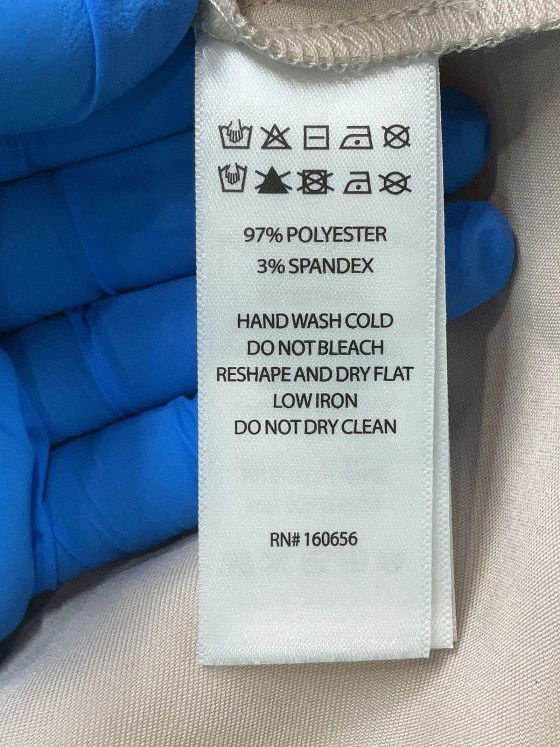
A ‘naturally dyed’ label on a cochineal-dyed garment is accurate in the sense that cochineal is a natural source of colour. It is incomplete because it says nothing about whether the garment is vegan, whether the mordants used to fix the colour are environmentally benign, whether the dye source is traceable to a specific Peruvian community, or whether the colour claimed to be cochineal actually contains cochineal at the concentration the claim implies.
Cochineal is one of the oldest natural dyes in the textile record. It is also insect-derived, mordant-dependent and subject to a fast-growing demand surge. A fashion brand that labels a garment ‘naturally dyed’ without understanding cochineal’s specific supply chain has made a claim that is accurate in one sense and incomplete in at least four others.
What Cochineal Is and Where It Comes From
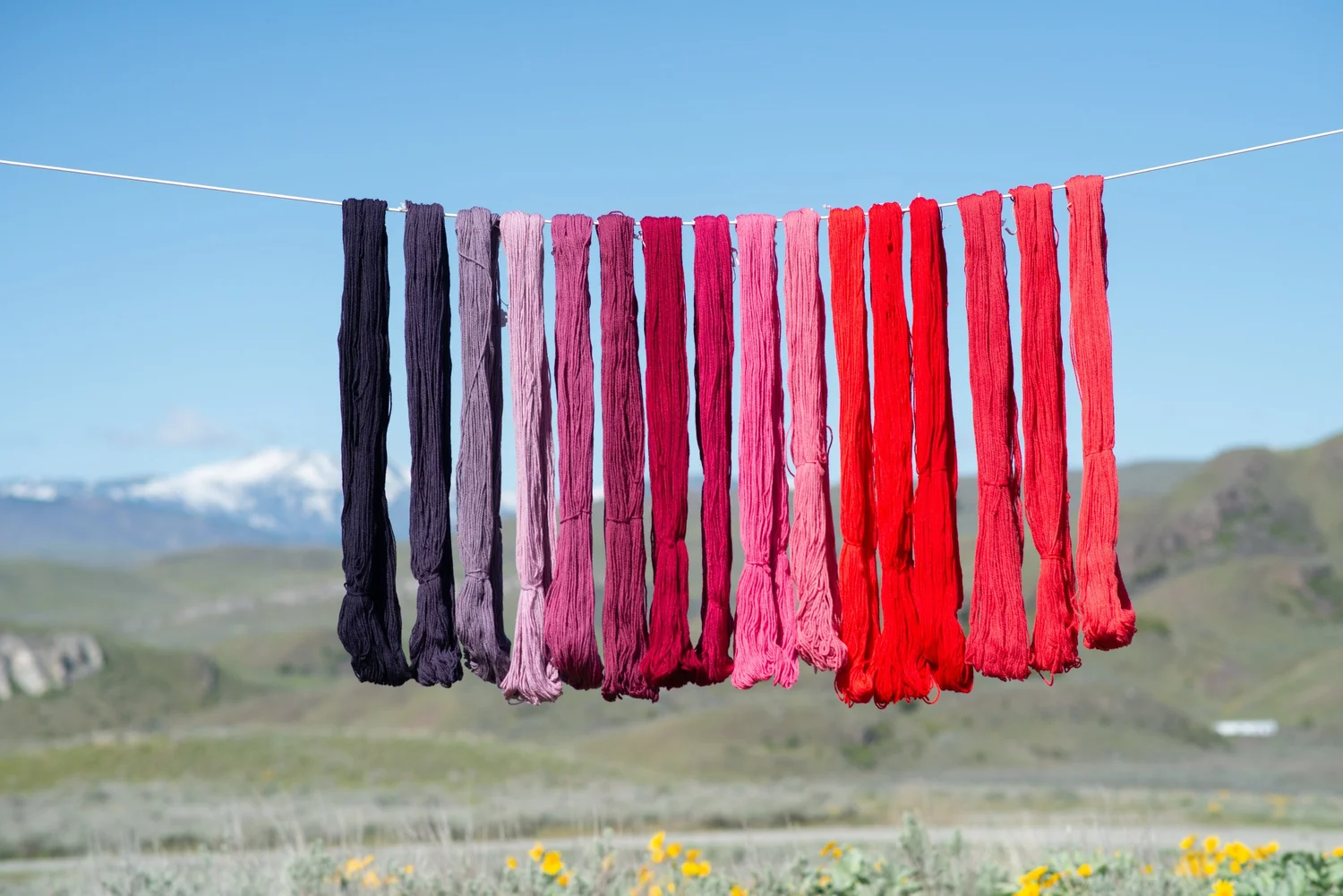
Carmine red – also written as carmine, E120, CI Natural Red 4, or cochineal red – is extracted from the dried bodies of the cochineal insect, Dactylopius coccus, cultivated on prickly pear cacti (Opuntia species) across Peru’s Andean highlands. Peru’s Andean highland regions are the primary global source, supplying over 85% of the world’s commercial cochineal, with the balance coming primarily from the Canary Islands. The insects are hand-harvested, dried and ground to produce dried cochineal powder, from which carminic acid is extracted. High-quality Peruvian cochineal contains over 20% carminic acid, which is the active pigment. From carminic acid, manufacturers produce carmine lakes, liquid carmine, and carminic acid solutions for use across the food, cosmetics, pharmaceutical, and textile industries.
Textile use is historically the oldest and remains commercially significant. Natural dye practitioners working with Andean textile traditions use cochineal to produce a range spanning brilliant crimson and scarlet to softer pinks and purples, depending on the mordant used and the pH of the dye bath. Plant-based natural dye alternatives cannot achieve the same intensity or lightfastness at commercial scale. For brands whose aesthetic and ethical positioning requires a specific quality of natural red, cochineal is the most technically reliable available option.
The First Question: Is It Vegan?
The answer is no. Cochineal is an insect-derived colourant. The dye is produced from the dried bodies of Dactylopius coccus. Carmine extracted from cochineal is not vegan and is not suitable for use in products positioning themselves as vegan-certified.
This is a significant labelling implication. A garment labelled ‘naturally dyed’ carries no inherent vegan implication in most markets, and a consumer purchasing a ‘naturally dyed’ product may reasonably assume that ‘natural’ includes plant-based, biodegradable and animal-free. When the natural dye is cochineal, that assumption is wrong on the last point. A fashion brand using cochineal in a ‘naturally dyed’ collection without disclosing the insect-derived nature of the dye source is making a technically accurate claim that creates a reasonable consumer misunderstanding about the product’s animal content.
Vegan certification bodies, including The Vegan Society, exclude carmine-based products from vegan certification because the dye involves harvesting and processing insects. A brand that carries vegan certification but uses cochineal in its natural dyeing directly conflicts with that certification’s scope.
Plant-based alternatives for red in natural dyeing include madder (Rubia tinctorum), which produces softer brick-red and terracotta tones, and logwood (Haematoxylum campechianum), which produces purples and greys. Neither achieves the intensity or lightfastness of cochineal at an equivalent cost and scale. Brands committed to both natural dyeing and vegan positioning face a genuine technical constraint in the red range that requires disclosure, not silence.
The Second Question: What Role Did the Mordant Play?
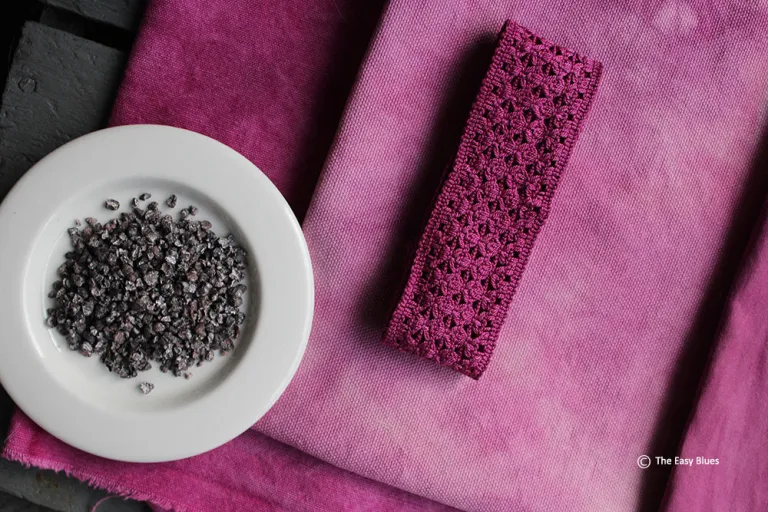
The colour that appears on a cochineal-dyed textile is not produced by cochineal alone. It comes from the interaction of carminic acid with a mordant: a metallic salt that chemically bonds the dye to the fibre and determines the final colour. Aluminium mordants (alum, potassium aluminium sulphate) produce a warm red. Iron mordants produce a darker, more muted tone. Copper mordants shift the colour toward olive-tinged reds. Tin mordants intensify brightness, but tin compounds are toxic. Chrome mordants, which are used in some natural dyeing processes, produce deep burgundy tones but are hazardous.
The environmental impact of a naturally dyed textile depends largely on which mordant was used and how the mordant bath was disposed of after dyeing. A cochineal-dyed textile mordanted with aluminium sulphate and disposed of responsibly has a substantially different supply chain impact than a cochineal-dyed textile mordanted with chrome compounds whose waste stream entered a waterway. The word ‘naturally dyed’ covers both scenarios without distinguishing between them.
A brand making a ‘naturally dyed’ claim whose environmental credibility is part of the marketing argument needs to be able to document the mordant used, its concentration, and the disposal method for the mordant bath. A claim that a garment is ‘naturally dyed’ without disclosure of the mordant system is a claim about the dye source that says nothing about the chemical processes surrounding it. Consumers and regulators who understand this distinction are increasingly asking about it.
Eco-friendly mordant alternatives exist and are actively researched: bio-mordants derived from plant-based sources (tannin-rich barks, rhubarb root, and oak galls) can substitute for some metal mordants with reduced environmental impact and are the subject of ongoing textile chemistry research. For brands making the strongest available natural dye environmental claim, documenting the low-impact mordant systems they use is part of the evidence base the claim requires.
The Third Question: Is the Dye Actually Cochineal?
Cochineal is a premium-priced natural dye, and its price per kilogram varies with grade and carminic acid content. The demand surge of 2025 and 2026 is creating supply chain pressure that increases the risk of adulteration and mislabelling. Sensient, one of the largest natural colourant suppliers globally,
noted in September 2026 that natural colours are not covered by a single universal testing standard comparable to FDA batch certification for synthetic dyes, and warned that testing failures involving contamination and adulteration could increase as suppliers rush to meet demand. The same supply chain pressure affecting cochineal’s food and cosmetics applications also affects textile applications. A brand buying natural-dyed fabric or dye materials during a period of high demand from suppliers with whom it has no direct, documented relationship is buying in a context where adulteration risk is elevated.
The verification mechanism for confirming that a textile has been dyed with cochineal rather than with a synthetic red substitute is spectroscopic analysis: High-Performance Liquid Chromatography (HPLC) or similar analytical methods can identify the presence of carminic acid in a dyed fabric sample and confirm that the colourant is genuine cochineal-derived rather than a synthetic azo dye or a blend. For brands making a specific ‘cochineal dyed’ or ‘naturally dyed with cochineal’ claim on a product label, commissioning analytical testing on production samples provides the most direct available verification of the claim.
Testing alone does not verify the supply chain. A tested sample that confirms carminic acid confirms the presence of cochineal in that sample. It does not confirm where the cochineal was grown, who harvested it, under what conditions, at what price it was paid to the harvesting community, or whether the growing practices meet any environmental standard. The sample test is one piece of the verification picture; the other pieces require supply chain documentation.
The Fourth Question: Who Grew It and What Did They Receive?
Cochineal cultivation in Peru is concentrated in the Andean highlands, where smallholder farming communities produce it. Farmers raise the insect on cultivated prickly pear plantations and harvest it by hand, typically multiple times per year. The labour is intensive, the communities are geographically remote, and intermediary buyers mediate the relationship between primary producers and commercial processors, whose role in the price chain is not always transparent.
A brand whose ‘naturally dyed’ claim carries an implicit Andean heritage or community-benefit narrative makes an economic claim about the production relationship. ‘Our red comes from the Andean highlands’ as a product story implies a relationship between the brand’s commercial success and the wellbeing of the communities whose labour and land produce the colourant. The evidence required to support that implication is specific: the named community or cooperative, the direct sourcing relationship, the price paid per kilogram of dried cochineal to the harvesting community, and the comparison of that price to the community’s production cost.
As Omiren Styles has established, in its analysis of what brands need before they say ‘sustainable’, ‘local’ or ‘community-made’, a community-made claim requires a named community, documented consent, and commercial return to that community at a rate reflecting fair value for the skill and time invested. The community cochineal claim follows the same logic: the carminic acid that gives the garment its colour was produced by specific people, in a specific place, at a specific cost. If the brand’s marketing narrative places those people in the foreground, the commercial reality of their relationship to the brand should be documentable.
This is not unique to cochineal. It is the same argument this series has made about Peruvian alpaca, Andean heritage textiles, and the broader dynamics of Global South material production entering international luxury supply chains as an aesthetic and sustainability credential without the economic return a genuine community-sourcing relationship would require. Cochineal is the colourant version of that argument: vivid, ancient, geographically specific, and capable of generating commercial value at the brand end that does not automatically return to the highland farming communities whose cactus plantations make it possible.
Colour Variation and the Commercial Constraint
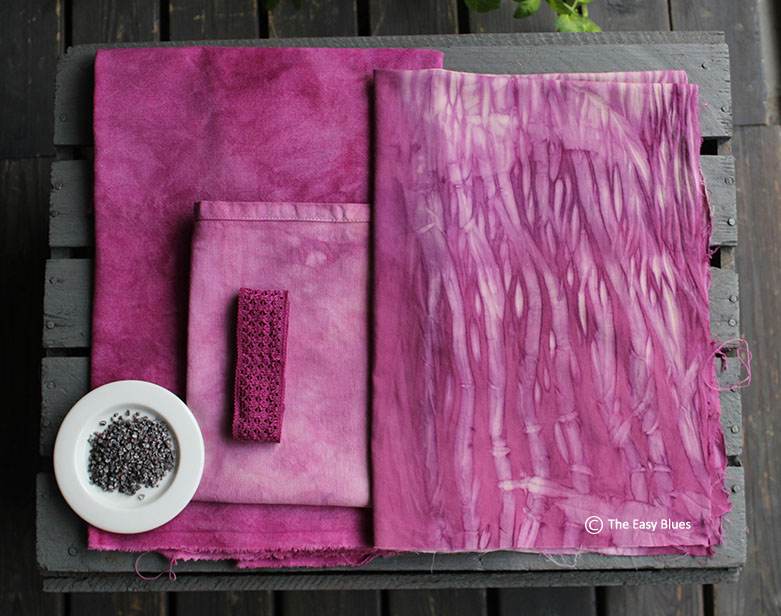
As practitioners working directly with Andean natural dyes document, naturally dyed garments using cochineal are one of a kind in tone and character because pigments vary by harvest, weather and mordanting, and colours cannot be fully standardised. This is not a flaw – it is a signature of authenticity, connecting each piece directly to the land it came from.
That authenticity argument is commercially valuable in artisan and slow-fashion contexts where colour variation is part of the product story. It is commercially challenging in volume fashion, where colour consistency across a production run is a fundamental retail requirement. A brand that chooses cochineal as its natural dye source for a collection must decide, before sampling, whether the inherent colour variation of natural dyeing is a design feature it can communicate and monetise or a production constraint that will create quality-control problems in volume runs.
GOTS (Global Organic Textile Standard) certification for naturally dyed textiles requires that dyestuffs and auxiliaries, including mordants, meet GOTS criteria for environmental and toxicological safety. Heavy metal mordants do not meet GOTS requirements. A brand seeking GOTS certification for a cochineal-dyed textile must use mordant systems that meet GOTS-approved auxiliaries requirements. The GOTS-certified natural dye supply chain is a specific, documented and independently audited supply chain, not simply a supply chain that avoids synthetic dyes.
The Claim and Its Evidence Requirements
Mapping what each version of a ‘naturally dyed’ claim requires:
“Naturally dyed” (basic claim):
- Confirmation that the colourant is derived from a natural rather than synthetic source.
- Disclosure if the natural source is insect-derived (cochineal), for consumer transparency.
- No environmental claim is inherent in this label – it says nothing about mordant safety or disposal.
“Naturally dyed, vegan” (compound claim):
- Cochineal cannot be used. The dye source must be plant-derived.
- Vegan certification from a recognised body is the strongest available evidence. Self-declaration is insufficient for a compound claim.
“Naturally dyed, eco-friendly / low-impact” (environmental claim):
- The mordant system must be documented: which mordant, at what concentration, and how it is disposed of.
- Heavy metal mordants (chrome, copper, and tin) are incompatible with a low-impact claim.
- GOTS certification for the dye process is the most rigorous available standard for this compound claim.
- Water use, effluent treatment and energy consumption in the dyeing process are also part of the environmental evidence base.
“Naturally dyed with Peruvian cochineal” (specific provenance claim):
- Spectroscopic testing (HPLC or equivalent) on production samples to confirm carminic acid presence and that the colourant is cochineal-derived.
- Supply chain documentation confirming the cochineal’s Peruvian origin: supplier certificates, lot traceability records.
“Naturally dyed, community sourced / supports Andean communities” (community claim):
- Named community or cooperative, with documented direct sourcing relationship.
- Price paid per kilogram of dried cochineal to the community, compared to the community’s production cost.
- Community consent to use their name and story in the brand’s marketing.
The Omiren Argument
Cochineal is not a simple ingredient, and ‘naturally dyed’ is not a simple claim. The dye’s vivid red carries the full weight of Andean textile history. This history belongs to the communities whose ancestors developed the knowledge and whose labour still produces the raw material. When that history enters a fashion label as ‘naturally dyed’, it does commercial work whose evidence requirements are far more demanding than the two words suggest.
As Omiren Styles established in its companion article on what a fashion buyer can actually verify about Peruvian alpaca, the material intelligence required to make a verifiable Peruvian sourcing claim depends on the material being claimed. The verification required for cochineal differs from the verification required for alpaca: the micron count question does not apply, but the mordant question, the vegan question, and the community economic question all apply in ways that alpaca sourcing does not raise with the same force. Both articles share the same argument: the claim requires evidence at the level of the claim. The word ‘natural’ is not that evidence.
As Omiren Styles has argued throughout this series, the Global South made fashion and never got credit. The Andean highland communities who cultivate the prickly pear, raise the cochineal, and harvest the pigment sit at the start of a value chain whose commercial return concentrates at the brand end. The ‘naturally dyed’ label is where that value chain touches the consumer. The distance between the label and the Andean plateau where the colour was made is the distance between a word and its evidence. Verification closes that distance.
ALSO READ
- What Can a Fashion Buyer Actually Verify About Peruvian Alpaca?
- Material Traceability in Fashion: What Brands Need to Know Before They Claim Provenance
- What Brands Need Before They Say ‘Sustainable’, ‘Local’ or ‘Community-Made’
- The ‘Ethical’ Label Is Not a Business Model
- The Global South Made Fashion. It Just Never Got Credit.
Frequently Asked Questions
Is cochineal dye vegan?
No. Cochineal dye is derived from the dried bodies of the Dactylopius coccus scale insect. Carmine (E120), extracted from cochineal, is an animal-derived colourant and is excluded from vegan certification by recognised vegan certification bodies, including The Vegan Society. A fashion brand using cochineal in a ‘naturally dyed’ collection and also claiming vegan positioning is in direct conflict. Brands seeking genuine vegan and natural dye positioning in the red colour range need to apply chains to use plant-based alternatives such as madder. However, these do not achieve the same colour intensity or lightfastness as cochineal at comparable commercial scale.
What is a mordant, and why does it matter for a ‘naturally dyed’ claim?
A mordant is a metallic compound that bonds natural dye to fibre and determines the final colour. Cochineal produces different colours depending on the mordant used: aluminium (alum) produces warm reds; iron produces darker, more muted tones; copper shifts colour toward olive-tinged reds; chrome produces deep burgundy. The environmental impact of a naturally dyed textile depends largely on which mordant was used and how the mordant bath was disposed of after dyeing. Heavy-metal mordants, including chrome, copper, and tin, produce toxic waste and are incompatible with a low-impact environmental claim. A ‘naturally dyed’ label says nothing about mordant chemistry. Buyers making an environmental claim about naturally dyed textiles need to document the mordant system used during dyeing.
Where does commercial cochineal come from?
Peru’s Andean highlands supply over 85% of the world’s commercial cochineal, with production concentrated in high-altitude regions where prickly pear cacti grow—the Canary Islands supply most of the remainder. The insect is hand-harvested from cultivated prickly pear plantations and dried to produce cochineal powder, from which carminic acid is extracted. The carmine market was valued at USD 1.5 billion in 2025 and is growing, driven by regulatory shifts away from synthetic food dyes. This demand growth creates supply chain pressure that increases the importance of documented sourcing relationships for fashion brands making specific cochineal provenance claims.
How can a brand verify that a textile has actually been dyed with cochineal?
Spectroscopic analysis – specifically High-Performance Liquid Chromatography (HPLC) or equivalent analytical methods – can identify the presence of carminic acid in a dyed fabric sample and confirm that the colourant is cochineal-derived rather than a synthetic red substitute. Brands making a specific cochineal provenance claim should commission analytical testing on production samples. Testing confirms the dye source in the tested sample; it does not verify the cochineal’s supply-chain origin. Full provenance verification requires testing combined with supply chain documentation: supplier lot traceability records, harvest certificates and, for the strongest community claim, documentation of the specific community relationship and the price paid to harvesting communities.
Can cochineal-dyed textiles be GOTS certified?
GOTS (Global Organic Textile Standard) certification for naturally dyed textiles requires that dyestuffs and auxiliaries, including mordants, meet GOTS criteria for environmental and toxicological safety. Still, the mordant system used must meet GOTS-approved auxiliaries requirements. Heavy metal mordants – including chrome, copper and tin – do not meet GOTS requirements. A cochineal-dyed textile that uses aluminium (alum) mordanting and meets all other GOTS supply chain requirements could be eligible for GOTS certification. Still, the certification requires an independent audit of the full supply chain. A brand claiming GOTS-certified naturally dyed textiles should be able to provide current certification records for every stage of the production chain from fibre through dyeing to finished garment.
EXPLORE MORE
Read the full Industry and Material Intelligence and Sourcing sections at Omiren Styles for ongoing analysis of natural dye supply chains, material provenance claims and the verification work that converts sourcing narratives into defensible product stories. Discover travel and heritage intelligence across Africa, the Caribbean and Latin America at Rex Clarke Adventures.