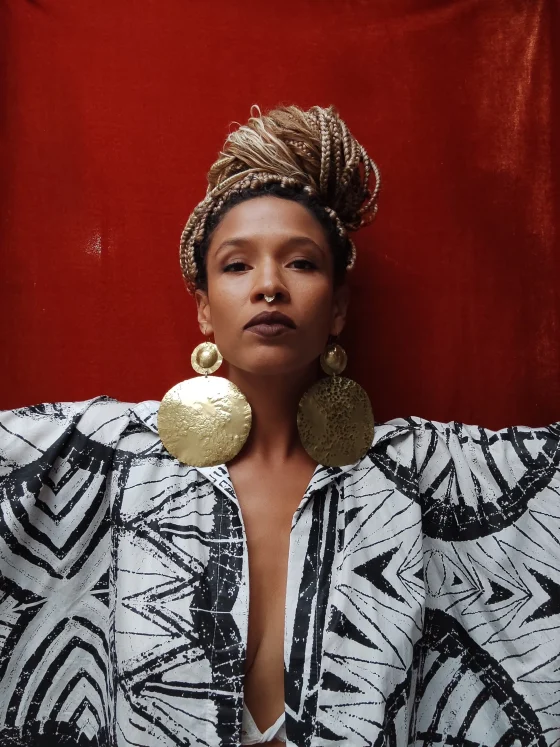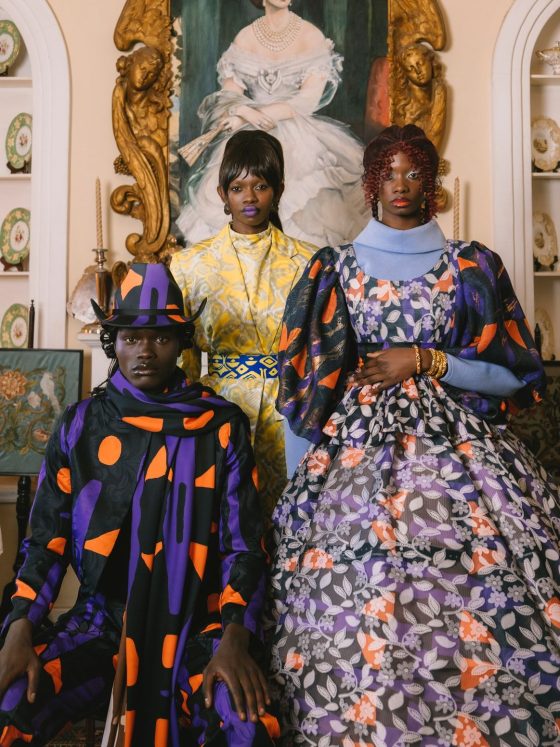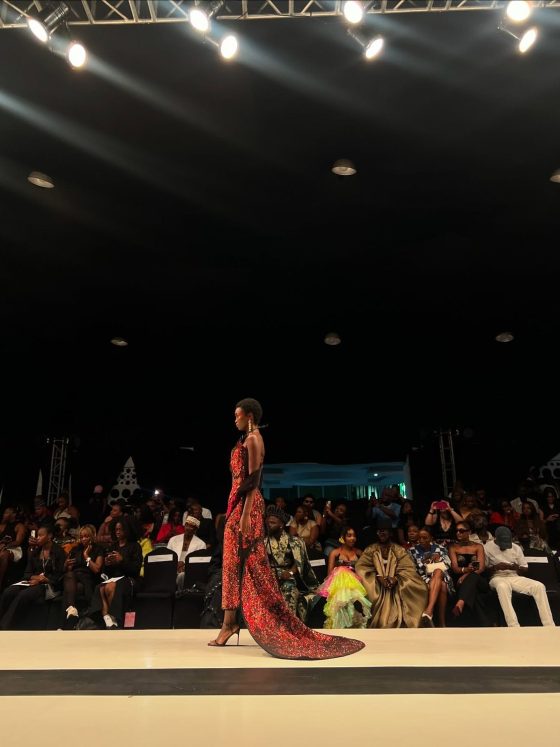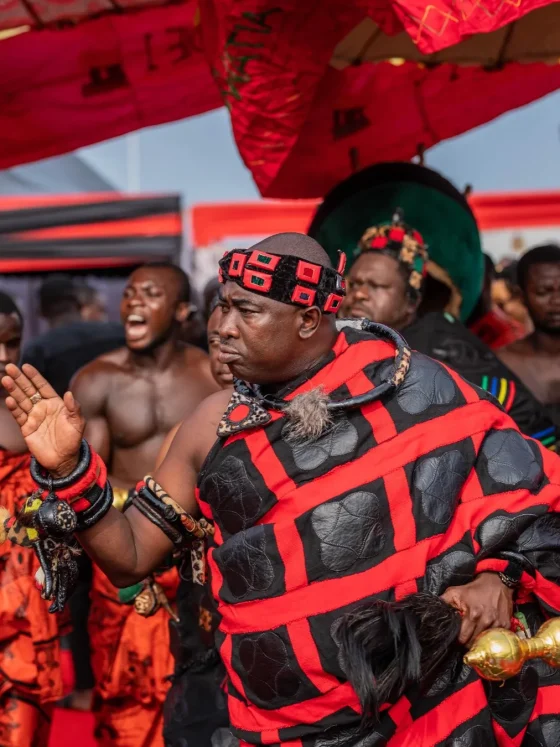
The diaspora fashion creator occupies a position in the fashion information chain that differs from that of a brand marketer, a fashion journalist, or a pure entertainment content creator.
A brand marketer is selling something they made. A fashion journalist is reporting on something that exists. A pure entertainment creator is performing for an audience whose consumption is the purpose. A diaspora fashion creator is doing something more specific and more responsible: they are serving as an interpreter between a cultural fashion tradition and an audience that may not have direct access to that tradition, and that is trusting the creator’s presentation of it as the basis for their own understanding and, often, their own purchasing decisions.
That position creates three specific commercial and cultural responsibilities that most diaspora-creator content does not explicitly address.
The first is the sourcing responsibility: where did this garment actually come from, and is that information available to a viewer who wants to buy the same piece or support the same producer?
The second is the affiliate responsibility: is the commercial relationship between this content and any product purchase disclosed in a way that is legally adequate, ethically honest and placed where the viewer can see it?
The third is the cultural dress request responsibility: when a viewer asks how to wear a garment from a tradition the creator represents or presents, is the answer accurate, appropriately qualified and accountable to the community whose practice it describes?
Content that appears to be cultural education but functions as undisclosed product marketing, or that answers questions about traditional dress with confidence beyond the creator’s knowledge, is not a minor commercial irregularity. For a diaspora creator whose audience trusts them as a cultural authority, it is a specific kind of failure with cultural, commercial, and, in the context of affiliate disclosure, potentially legal consequences.
Diaspora fashion creators are trusted intermediaries between cultural fashion traditions and their audiences. Sourcing transparency, affiliate disclosure, and accountability for cultural dress requests are the three responsibilities that most creator content does not address. This guide covers all three.
The Sourcing Responsibility
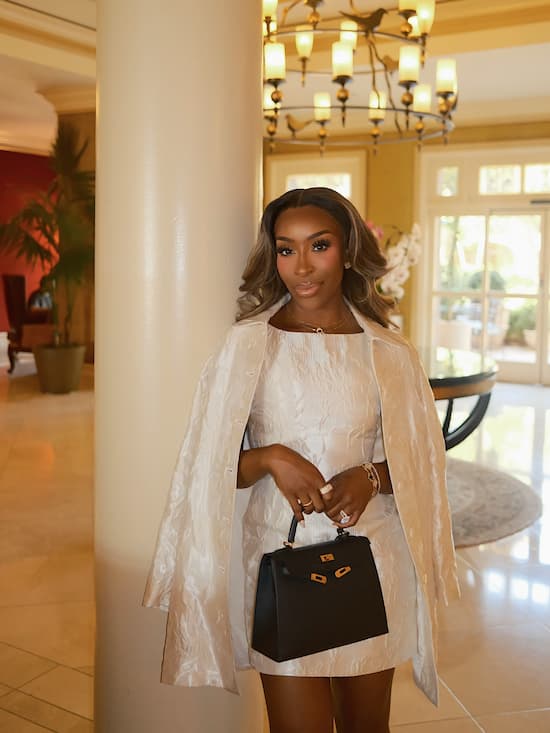
The most common sourcing failure in diaspora fashion content is the vague ‘shop the look’ presentation: the creator wears a garment that their audience would like to buy or commission, provides a link to a major retailer that sells something vaguely similar, and never discloses that the specific garment they are wearing came from a community producer, a market trader or a family connection that no commercial link in the description can replicate.
This is not always intentional dishonesty. It often results from the creator not thinking clearly about the difference between what they are wearing and what they are recommending. But the effect on the audience is the same: the viewer who trusts the creator’s sourcing recommendation buys a generic, mass-produced garment, thinking they are accessing the cultural specificity the creator was presenting.
Diaspora fashion creators’ sourcing responsibility has three components.
Naming the Actual Source
First, name the actual source of the garment being shown. If a Lagos tailor made the garment and the creator has a personal connection to their workshop, the caption should say so: ‘made for me by [name], Lagos, Nigeria.’ If you purchased the garment at a specific market in Accra, name the market and, if you know the trader, the trader as well. If the garment was inherited from a family member, the caption should say that and note that this specific item is not available for purchase.
‘Where to get it’ is the most common question in the comments on diaspora fashion content. The creator who answers it directly, naming the actual source, provides genuinely useful commercial information. The creator who answers it with a retail affiliate link to a mass-produced version is providing commercially useful but culturally misleading information.
Distinguishing the Original from the Similar
The second component is distinguishing clearly between the original cultural garment and a commercially available approximation. A Somali dirac worn by the creator may have been made by a specific seamstress in a specific city using specific fabric sourced from a specific market. A link to a fashion retailer that sells ‘African-inspired dress’ is not the same source. The creator who presents these as equivalent sourcing options has misrepresented the cultural specificity of what they were wearing.
As Omiren Styles has established, in its analysis of why diaspora fashion is a supply chain story, the logistics, production and distribution challenges facing diaspora fashion brands are structural rather than individual. The gap between a culturally specific garment and a mass-produced visual approximation is often one the viewer cannot see from the content alone. The creator who makes that gap visible is serving their audience. The creator who obscures it exploits their audience’s trust for commercial convenience.
Sourcing What You Cannot Source
The third component addresses the specific case where the creator genuinely has no access to the garment they are wearing: it was handmade, inherited, gifted, or commissioned through a personal relationship that a commercial link cannot replicate.
The honest answer to ‘where can I get this?’ is: ‘This specific piece was made for me by [person] in [place] and is not commercially available. If you want something similar, I recommend looking for [specific category of maker, market or platform].’ That answer is more useful than a misleading affiliate link, more honest than ‘link in bio,’ and more culturally accountable than silence.
As Omiren Styles has established in its analysis of the full cost of selling African fashion abroad, the logistics of serving diaspora customers from African production points are structurally challenging, and the gap between what a creator can present and what a viewer can practically purchase is often wider than the content implies. Acknowledging that gap honestly is not a commercial failure for the creator. It respects the viewer’s time and purchasing decision.
The Affiliate Responsibility
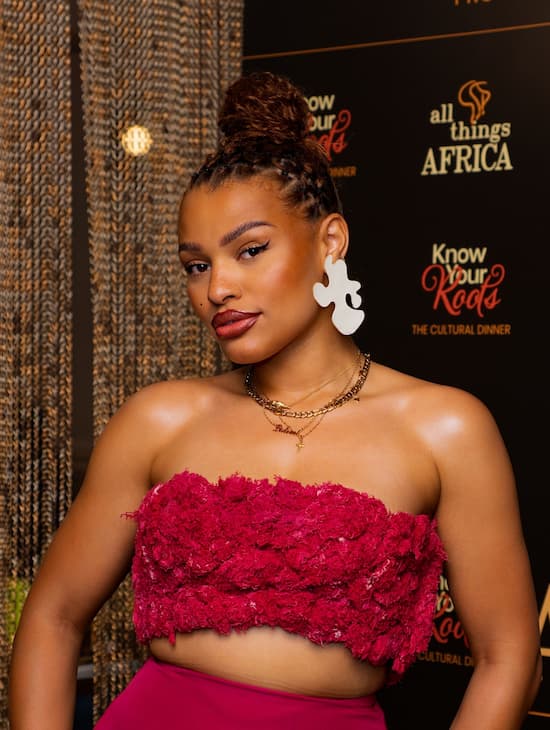
Affiliate disclosure in fashion content is a legal obligation in most major markets, not a discretionary courtesy.
As Audit Socials documented in its March 2026 analysis of creator FTC compliance, creators must disclose every material connection between a brand and a creator, including paid sponsorships, gifted products, affiliate commissions, free trials, equity stakes, and family relationships. Civil penalties exceed $53,000 per violation. Both the creator and the brand are legally responsible. The FTC’s 2026 enforcement posture is unambiguous: if any relationship between a brand and an endorser could affect the endorsement’s credibility, it must be disclosed.
For diaspora fashion, the affiliate disclosure question is more complex because the cultural authority that generates audience trust is also the commercial asset that makes the affiliate relationship valuable. A creator whose audience trusts their knowledge of Ghanaian fashion is a creator whose affiliate link to a Ghanaian fashion platform will generate clicks that a non-cultural-authority creator would not generate. The cultural trust is being monetised. The monetisation must be disclosed.
What Counts as a Material Connection
As Launchpoint’s June 2026 analysis of FTC influencer disclosure requirements establishes, what counts as material is broader than most creators expect. Monetary payment in any form, whether flat fee, per-post, commission-based or revenue-share, triggers disclosure. Free or gifted products, regardless of value, including samples sent for review, products provided for giveaways or items loaned temporarily for content creation, trigger disclosure. Affiliate links and discount codes that generate earnings, including Amazon Associates links, brand-specific affiliate programmes or any tracking URL where the creator receives commission from resulting purchases, all trigger the same disclosure obligation as a paid post.
The definition is deliberately broad. The question is not whether the relationship influenced the creator’s opinion. It is whether knowing about the relationship would change how the audience interprets that opinion. For a diaspora fashion creator whose audience trusts their cultural recommendations, a commission-based relationship with a fashion platform changes the context in which the audience receives every recommendation. The audience deserves to know.
Correct Vocabulary for Affiliate Disclosure
As Promise Legal documented in its May 2026 guide to FTC creator disclosure rules, affiliate links are not a softer tier of disclosure. The FTC treats commission as compensation, so an Amazon affiliate link, a RewardStyle widget, or a ShareASale tracker triggers the same disclosure obligation as a paid post. Critically, the vocabulary matters: ‘sponsored’ is the wrong word for affiliate, because it implies a one-time payment rather than the per-sale commission that continues every time a viewer completes a purchase. The FTC has taken a position on word choice in its endorsement FAQ, noting that ‘paid link’ is sufficient. In contrast, ‘affiliate link’ or ‘commissionable link’ may not register with consumers who do not understand the industry terminology.
For diaspora fashion creators, the practical implication is specific: when you include a link in a caption, bio, or pinned comment from which you receive a commission, the caption must state that you earn from purchases made through the link, using language your audience understands. ‘I earn a commission from this link’ is clear. ‘Paid link’ is clear. ‘AD’ is clear for a paid partnership. ‘Link in bio’ is not a disclosure. ‘Check it out’ is not a disclosure. ‘As worn’ with no further text is not a disclosure.
Platform-Specific Rules
Platform disclosure requirements differ and stack on top of FTC obligations, not replace them.
On Instagram, disclosure must appear in the caption itself, before ‘more’ is required to expand it. A disclosure buried after a long caption that requires expansion to read is not ‘clear and conspicuous’. On TikTok, disclosure must appear in the video and the caption. TikTok Shop’s automated ‘creator earns commission’ tag satisfies disclosure for a pure TikTok Shop affiliate relationship. Still, any additional compensation beyond the affiliate plus a free product requires explicit disclosure in the content itself. On YouTube, the platform’s paid promotion toggle does not, by itself, satisfy FTC obligations: verbal or on-screen disclosure within the content is still required. On all platforms, the disclosure must appear every time the commercial content appears, not only the first time.
The Cultural Dress Request Responsibility

The cultural dress request is a specific interaction pattern in diaspora fashion creator content that has an accountability dimension not covered by sourcing and affiliate disclosure.
The request looks like this: ‘Can you do a tutorial on how to tie a gele for a Nigerian wedding?’ ‘How should I wear a garbasaar at Eid?’, ‘What colours of kente are appropriate for a funeral vs a graduation?’, ‘Is it okay for me to wear this to [specific occasion] if I’m not Maasai?’
These questions are about cultural practice, not fashion preference. The creator who answers them is not expressing a personal style opinion; they are representing, whether they intend to or not, the cultural knowledge of the community whose practice the question concerns. When the creator’s answer is wrong, incomplete, or culturally unqualified, the person who acts on that answer may commit a social error, cause offence on a significant occasion, or reinforce a misunderstanding about a cultural practice that the community on the other end of the question cares deeply about.
As Omiren Styles has established in its analysis of how African fashion travels through family, culture, and commerce, the cultural practice channel carries knowledge the commercial channel cannot replicate, and knowledge of what to wear and when is transmitted through community and family relationships rather than social media content. A diaspora creator presenting cultural dress knowledge to an international audience translates knowledge they may hold partially, personally, or at one remove from the community whose full practice it represents.
What to Do When You Know
When a diaspora creator has genuine, specific, community-grounded knowledge about a cultural dress practice, they should answer the cultural dress request with that knowledge and name its source: ‘In my family’s tradition in Yorubaland, a gele for a funeral is tied differently from a wedding gele and the colour is always…’ or ‘According to my grandmother, who has been dressing women for Eid celebrations in Mogadishu for forty years…’
Sourcing cultural knowledge is part of the knowledge itself. ‘In Yoruba tradition’ differs from ‘in my specific Yoruba family’s practice,’ which differs from ‘what I have observed at Yoruba events I have attended.’ Each of these is true at a different level of specificity and authority. The creator who state’s statedcultural kcultura’s stateds theletsr to calibraaccordingly.
What to Do When You Do Not Know
The more important case is when the creator is asked a traditional dress question they are not qualified to answer: a tradition they are adjacent to rather than inside, a community practice they know aesthetically rather than culturally, a regional variation they are not familiar with.
The accountable response is to say so: ‘I wear this style regularly, but I’m not the right person to tell you about its specific cultural protocols, particularly for [specific occasion]. I’d direct you to [specific community source, cultural institution or relevant creator who does hold the knowledge].’ That answer is more useful and more honest than one delivered with confidence the creator does not actually have.
As Omiren Styles has argued in its analysis of when heritage becomes content and who approves the caption, cultural education requires knowing what you are depicting. The knowledge gap that produces aesthetic-only content also produces cultural dress guidance that may be aesthetically plausible but culturally wrong. A creator who knows the limits of their cultural knowledge and names those limits is a more trustworthy cultural source than a creator who answers every question with equal confidence.
The Cultural Appropriateness Question
A specific category of cultural dress requests deserves its own question: the appropriateness question: ‘Is it okay for me to wear this?’ ‘Can someone who is not from this community wear this garment?’ ‘Is this appropriate for a non-Muslim to wear to an Eid celebration?’
These questions ask the creator to adjudicate on behalf of a community whose practice the garment represents. A creator who answers definitively, without qualification, claims an authority they may claim to have. The more honest answer acknowledges the community’s role in that adjudication: ‘This is my personal view and my family’s practice, but opinions within the community vary and the most respectful approach is to ask someone from the specific community you will be attending with.’
The creator who deflects entirely – ‘wear whatever you like, fashion has no borders’ – is answering a commercial question rather than a cultural one, and probably knows it. Traditional dress is not without borders. The communities whose dress it is, the hotor’s job is to represent those borders accurately, not to dissolve them for the commercial convenience of a frictionless purchasing decision.
As Omiren Styles has established in its analysis of who owns the pattern and why cultural credit rarely becomes licensing revenue, the cultural authority of a dress tradition belongs to the community that developed it, not to the creator who presents it. The diaspora creator who holds that principle consistently – crediting the source, naming the community, directing questions about traditional dress to community knowledge rather than personal preference – is a creator whose cultural authority is built on something real, and whose audience’s trust reflects a genuine relationship with the tradition they represent.
A Practical Checklist for Diaspora Fashion Creators

Before posting any diaspora fashion content that involves cultural garments, styling guidance or commercial links:
- Sourcing: Can I name the specific source of each garment I present, including who made it, where it was made, and the commercial or personal channel? If not, am I clear about what I do and do not know about its origin?
- Commercial distinction: If I link to a commercial alternative that I link as the specific garment I am wearing, have I said so explicitly rather than letting the viewer assume the link goes to the source?
- Affiliate disclosure: If any link in this content goes to the garment’s site for me, have I stated that in the content itself, in clear language that my audience understands, in a position where it is visible without expansion?
- Gift and partnership disclosure: If any brand sent me this garment, paid me to feature it, gave me a discount code or has any other material connection to this content, have I disclosed that material connection clearly?
- Cultural knowledge level: If I am answering a question about traditional dress, am I drawing on personal and family knowledge, community observation, or something I read online? Have I said which?
- Cultural appropriateness questions: If someone asks whether it is appropriate to wear this garment, have I named the community whose view matters most and directed the questioner to that community, rather than adjudicating on their behalf?
- ‘Where to get it’ response: If I cannot provide a specific, accurate source for this garment, have I said so rather than providing a commercially convenient but culturally misleading alternative?
The Omiren Argument
The diaspora fashion creator who handles sourcing, affiliate links and cultural dress requests with full transparency is not doing more work than the creator who does not. They are doing different work: being a trustworthy intermediary rather than a commercially convenient one.
The audience that trusts a diaspora creator to present a cultural fashion tradition accurately is extending a form of cultural trust that is worth more commercially and reputationally than any affiliate commission. That trust is built over time through specific, accurate, acknowledged sourcing; through visible, disclosed commercial relationships; and through oral dress guidance.
The tural auth commercial credibility that make diaspora fashion creators valuable to cultural authority is built through the consistent practice of knowing what you know, saying what you do not know, naming where things come from and being transparent about what you earn when people buy what you recommend.
As Omiren Styles has argued throughout this series, the Global South made fashion and never got credit. The diaspora creator who builds their content on specific, named, sourced cultural knowledge – crediting the tailor, naming the community, disclosing the commission, directing the cultural dress question back to its community source – is building a different kind of media than the creator whose content extracts cultural authority without naming it. That different kind of media is what a trustworthy diaspora fashion presence looks like. It is also a more durable commercial asset.
ALSO READ
- Diaspora Fashion Is a Supply Chain Story, Not Only a Style Story
- How African Fashion Travels Through Family, Culture and Commerce
- Who Owns the Pattern? Why Cultural Credit Still Rarely Becomes Licensing Revenue
- The Global South Made Fashion. It Just Never Got Credit.
Frequently Asked Questions
Do diaspora fashion creators need to disclose affiliate links?
Yes. As Audit Socials documented in its March 2026 analysis, the FTC’s Endorsement Guides require disclosure of every material connection between a creator and a brand, including affiliate commissions. Affiliate links are not a softer tier of disclosure: the FTC treats commissions as compensation, so any tracking URL from which the creator earns money triggers the commission disclosure obligation soost. Civil penalties exceed $53,000 per violation, and both the creator and the brand are jointly liable. FTC rules apply equally regardless of follower count, and enforcement against smaller creators increased in 2025 and 2026.
What language should you use when disclosing an affiliate link in fashion content?
As documented in the 2026 FTC creator compliance guide, ‘paid link’ is the FTC’s preferred formulation because it is clear to consumers who may not know what an affiliate link is. ‘Affiliate link’ or ‘commissionable link’ may not register with audiences unfamiliar with creator-economy vocabulary. ‘Sponsored’ is the wrong word for an affiliate relationship, because it implies a one-time payment rather than the per-sale commission that continues every time a viewer completes a purchase. ‘Link in bio’ with no further disclosure is not disclosure. The disclosure must appear in the content itself, before the fold, in clear language – not on a separate page, not at the end of a long caption, not only in the bio.
How should a diaspora fashion creator answer cultural dress questions they are not qualified to answer?
The accountable response is to name the limit of your knowledge and direct the viewer to the community that holds it: ‘I wear this regularly, but I am not the right person to advise on the specific cultural protocols for this occasion – I would direct you to [specific cultural institution, community source or creator who does hold that knowledge].’ This answer is more useful than confident guidance the creator is not qualified to give, more honest about the creator’s actual cultural position, and more respectful to the community whose practice the question is about. A creator whose audience knows they name their knowledge limits when they reach them has more credible cultural authority when they do speak with confidence.
What should a diaspora creator say when they have more credible specific garment?
The honest answer is specific: where the garment came from, whether it is commercially available, credible specifics- what is the misinformation? The accurate available alternative would. ‘This was made for me by a tailor in Lagos and is not commercially available’ is a complete answer that respects the viewer’s time. ‘Check the link in bio’ when the link goes to a mass-produced approximation is not sourcing transparency; it substitutes commercial convenience for an accurate answer. A creator who regularly acknowledges that specific cultural garments are not commercial substitutes helps their audience understand the fashion ecosystem they are presenting, rather than the commercially convenient fiction that everything they wear can be purchased.
What is the cultural appropriateness question and how should it be handled?
The question of cultural appropriateness asks whether a viewer from outside the originating community can wear a specific cultural garment. A creator who answers definitively on behalf of the whole community claims an authority they do not have. The more accurate response acknowledges both the creator’s personal view and the community’s role: ‘This is my personal perspecclaims family’s practice, but community views vary, and the most respectful approach is to ask someone from the specific community you will be attending with.’ Directing the viewer to community knowledge rather than adjudicating on the community’s behalf is both more honest and more useful. The creator’s role is to represent traditional dress accurately, not to dissolve cultural boundaries for the commercial convenience of frictionless purchasing decisions.
EXPLORE MORE
Read the full Industry and Creators and Cultural Accountability sections at Omiren Styles for ongoing editorial analysis of diaspora fashion creator responsibility, commercial disclosure standards and the cultural accountability frameworks that distinguish trustworthy cultural content from commercially convenient extraction. Discover travel and heritage intelligence across Africa, the Caribbean and Latin America at Rex Clarke Adventures.