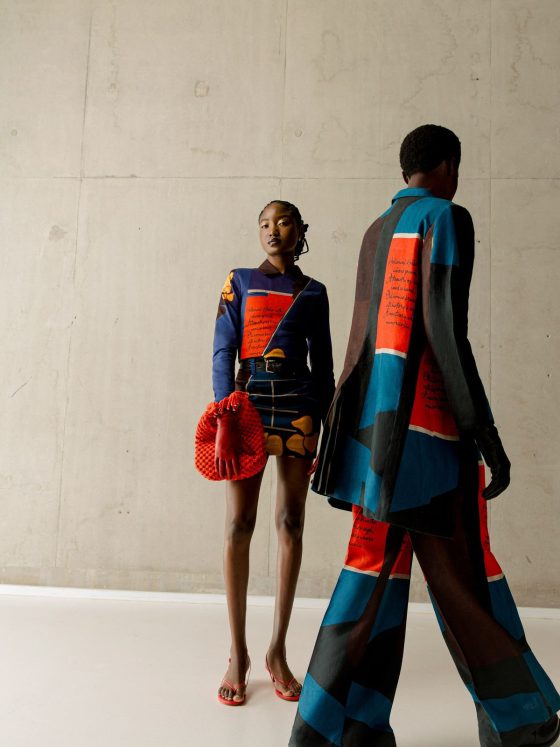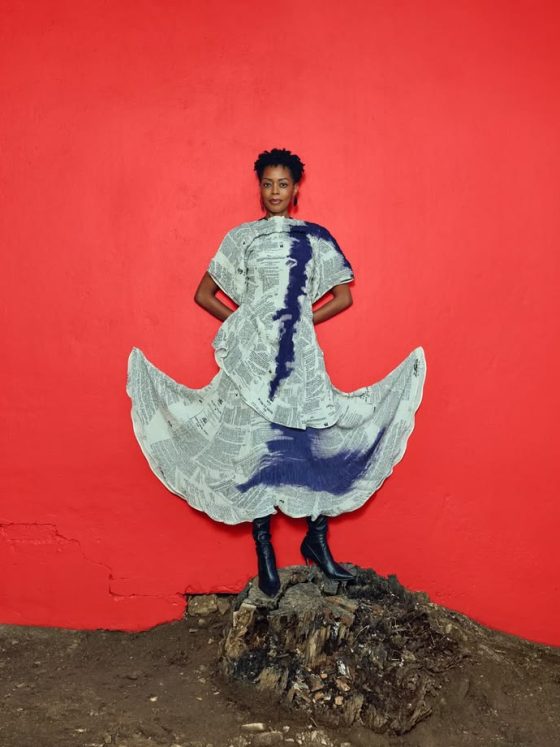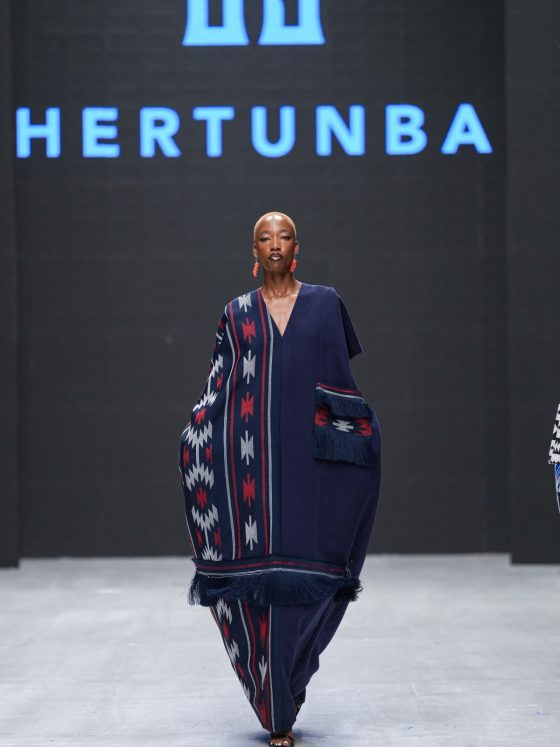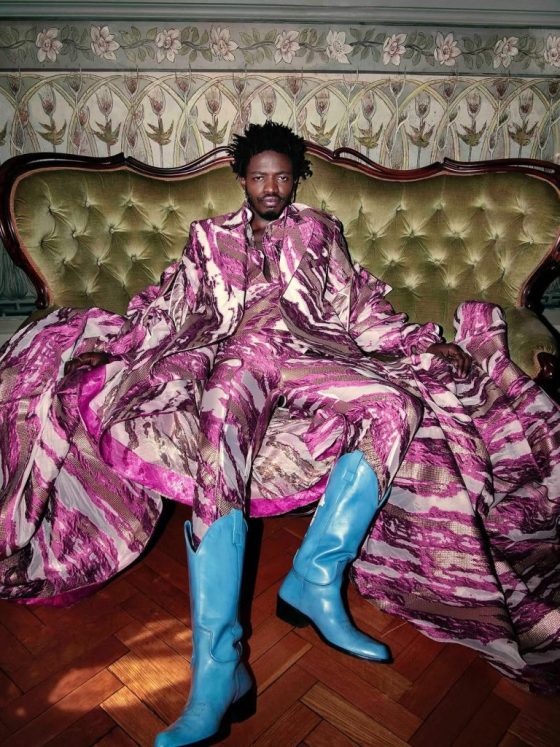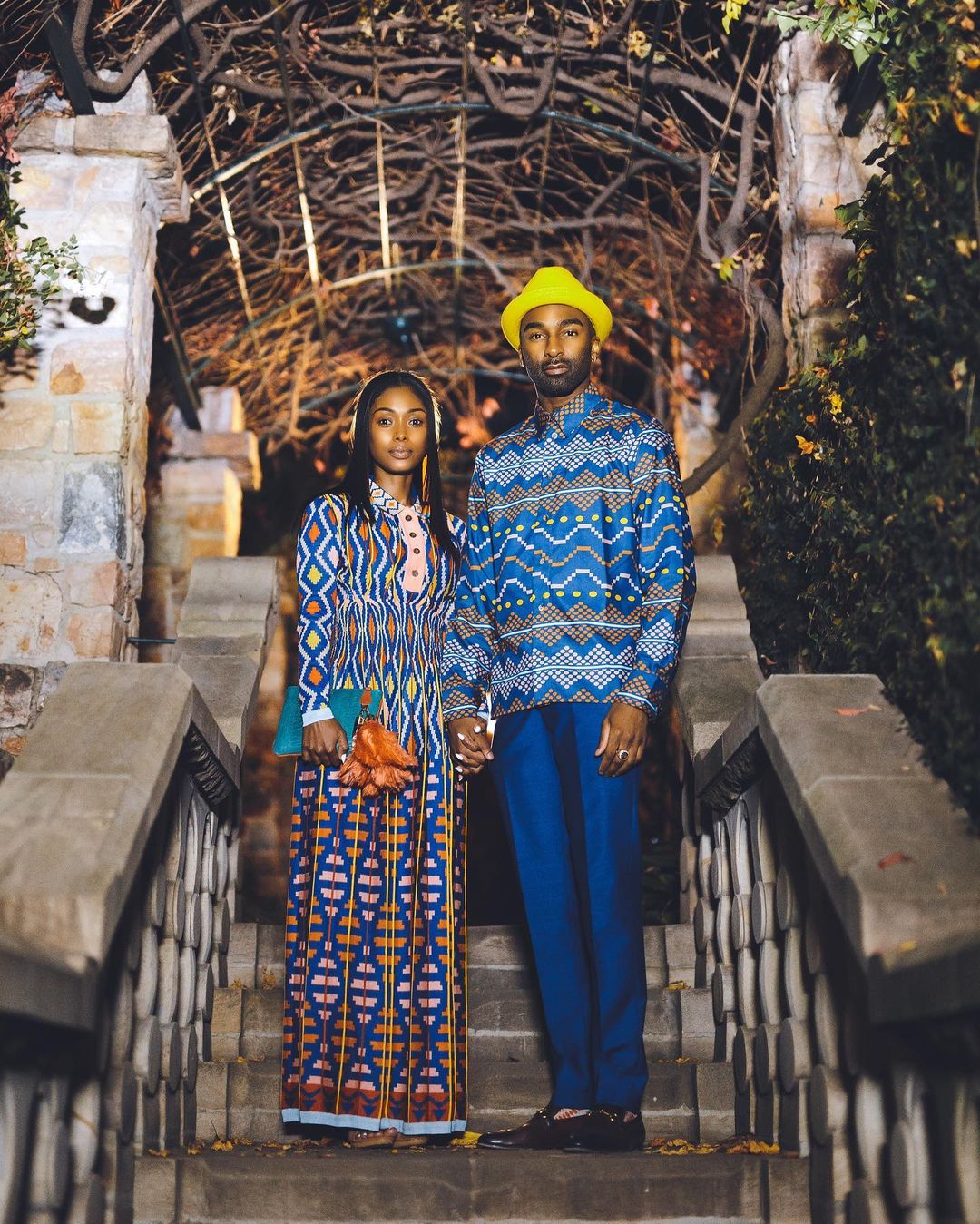
Here is a pattern that African fashion brands encounter when they begin to reach international buyers.
The first conversation goes well. The buyer is excited by the cultural specificity of the work: the specific textile tradition, the specific embroidery technique, the specific silhouette vocabulary that makes the collection unmistakably what it is and unmistakably from where it is from. The cultural specificity is what generated the international interest in the first place.
The second conversation is where the design problem starts. The buyer wants to place an order, but they would like the palette to be slightly more neutral for their customer base, the print to be a little less busy for the European market, the silhouette to be adjusted to a more universally flattering fit, and the embroidery to be simplified so that the production can meet their volume requirements. Each of these requests is commercially reasonable from the buyer’s perspective. Together they represent a systematic removal of the cultural specificity that the brand was invited to the table to provide.
At a certain point of accommodation, the brand is no longer doing the thing that made it worth expanding. The design language has been flattened. The thing that was culturally specific and commercially distinctive has become culturally generic and commercially interchangeable with ten other brands doing something similar for the same buyer base.
The cultural specificity is the competitive advantage. Removing it to access a market is removing the reason the market was interested. This is the design intelligence challenge for African fashion brands in 2026: not how to enter international markets, but how to enter them without becoming something different from what you were when you arrived.
International expansion creates a specific design problem for African fashion brands: the market that rewards visibility also rewards simplification. This is the design intelligence question: how to expand without losing the specificity that made the brand worth expanding.
The Market Pressure to Flatten

The market pressure to flatten is real and should not be described as simple bad faith on the buyer’s part. International buyers are purchasing for customer bases whose aesthetic references, body proportions, occasion dress codes and cultural associations differ from those of the communities in which the brand’s design language was developed. They are not wrong to identify those differences. They are wrong to assume that the solution is for the brand to resolve the difference by moving toward the buyer’s market rather than asking the buyer’s market to extend toward the brand.
The flattening pressure comes through several mechanisms simultaneously.
Feedback loops: the first international customers who buy from the brand are typically the most culturally open, the most adventurous and the most interested in exactly the specificity that attracted them. As the brand grows and its customer base widens, the average customer is less specifically engaged with the cultural source and more generally interested in a level of cultural aesthetic that they experience as ‘interesting.’ The feedback from that broader customer base asks for less specificity, and brands that follow the feedback move toward the centre.
Production requirements: international wholesale requires minimum order quantities, consistent sizing, predictable delivery timelines and quality standards that may be difficult to maintain at the artisan or small-batch production level that the brand’s original design language was built on. The production accommodation that makes wholesale viable may require simplifying the technique, standardising the process and reducing the variation that made each piece distinct.
Retail display: a garment displayed on a hanger in a multi-brand international retail environment competes visually with every other garment on the same rail. The cultural context that makes the garment legible in its home market is absent. The specific knowledge required to understand the colour vocabulary of a Maasai Shuka, the technique behind a kente strip’s interlocked pattern, or the embroidery tradition that the tiftif back panel represents, is not in the store. The garment that communicates its cultural meaning through cultural knowledge the buyer has is a garment that reads as ‘interesting.’ The garment that communicates on a purely visual level, without cultural knowledge, is a garment that reads as ‘beautiful.’ International retail rewards beautiful over interesting, which is another way of saying it rewards visual legibility over cultural specificity.
What Gets Lost When the Design Language Flattens
When an African fashion brand flattens its design language to meet international market expectations, what it loses is not merely an aesthetic quality. It loses the thing that made it commercially defensible.
Cultural specificity is not only a creative position. It is a competitive position. A brand whose design language is genuinely rooted in a specific cultural knowledge tradition, whose textiles reference a specific community’s vocabulary, whose embroidery technique requires specific skill that took specific years to develop, whose silhouette vocabulary was shaped by the specific physical conditions and occasion requirements of a specific community: that brand cannot be simply replicated by a fast-fashion manufacturer who wants to produce something similar. The specificity is the moat.
A brand that has been accommodated into something more universally accessible has removed its own moat. The neutralised palette can be matched by any brand with access to the same Pantone colour system. The simplified print can be reproduced by any industrial printer who can see the image. The adjusted silhouette can be cut by any manufacturer with the standard pattern library. The simplified embroidery can be approximated by any embroidery machine with the right thread count. The cultural authority that justified the premium price and the international interest has been voluntarily extracted from the commercial proposition.
As Omiren Styles has established in its analysis of Afromodernism and the African designers defining a new design language, African cultural knowledge is most powerful as structural design logic rather than as surface decoration. The brands that have maintained commercial durability and cultural authority at the international level, including Orange Culture in Lagos, Rich Mnisi in Johannesburg, Labrum London with its Freetown and London roots, and Lani Label in Accra, are working with the same underlying intelligence: that the cultural specificity should be in the architecture of the garment, not in a surface detail that can be removed without affecting the garment’s structure. When the cultural knowledge is structural, it cannot be simplified away without changing what the garment fundamentally is. When it is decorative, it can be removed without changing the garment’s commercial viability, which means the market will ask for it to be removed whenever it creates friction for the buyer.
The Architecture vs Decoration Distinction
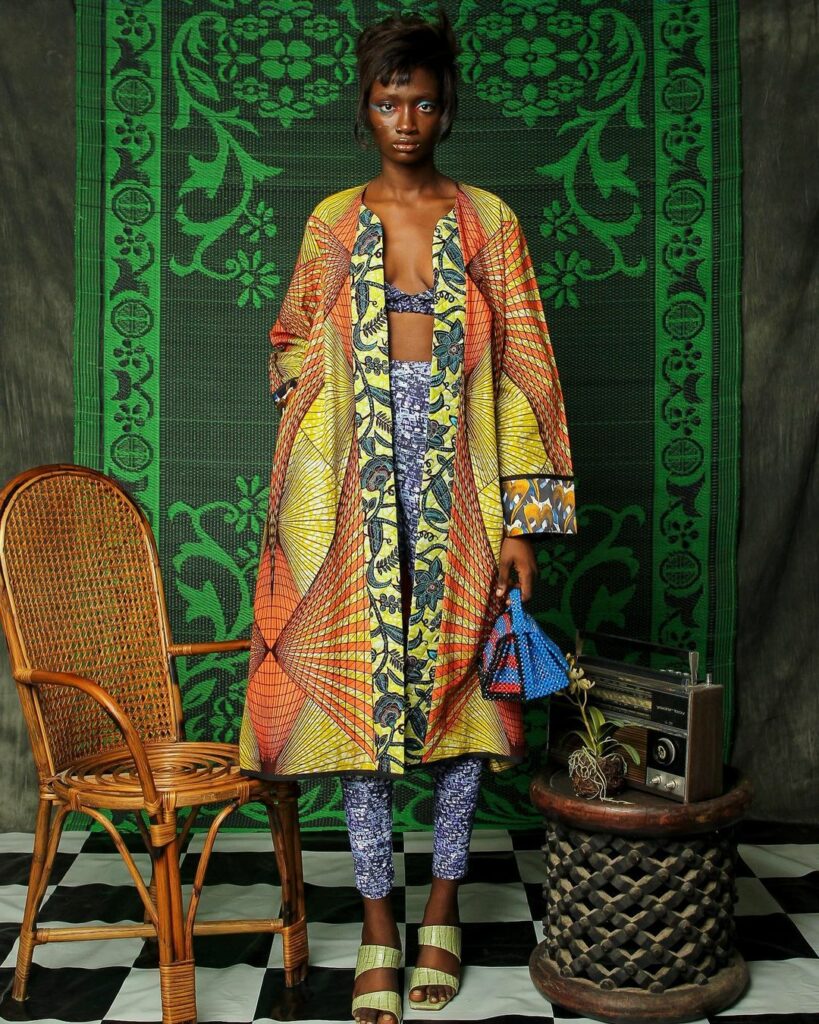
The single most important design strategy available to an African fashion brand navigating international expansion is understanding where in the garment the cultural specificity lives: in the architecture, or in the decoration.
Cultural specificity in the architecture means the cultural knowledge shapes decisions that cannot be changed without changing the garment: the proportion system, the construction method, the fabric choice’s relationship to the silhouette, the way the garment relates to the body and to movement. A garment whose silhouette proportion was determined by the Maasai Shuka’s draped relationship to the body carries that cultural reference in its structure. Changing the silhouette changes the garment. The cultural specificity is load-bearing.
Cultural specificity in the decoration means the cultural knowledge appears in a detail that can be removed without changing the garment’s fundamental structure: a print placed on a garment whose silhouette is standard, an embroidery applied to a lapel whose construction method is conventional, a colour story whose cultural source is in the designer’s research but not in the garment’s architecture. This is where the market’s simplification requests most easily land, because the cultural reference can be reduced, neutralised or removed without structural consequence.
This is not an argument that decoration is wrong or that surface cultural references have no value. It is an argument about commercial defensibility: a brand whose cultural specificity is structural is a brand that the market cannot flatten without fundamentally changing the product. A brand whose cultural specificity is decorative is offering the market an optional element that the market will consistently ask to make optional.
As Omiren Styles has established in its analysis of material intelligence in African fashion, material intelligence converts a fabric from a visual reference into a production decision, a cultural relationship, an economic commitment and a sustainability position simultaneously. The same logic applies to design language: when the cultural knowledge informs the production decision, the construction method and the material choice, rather than being applied as a visual after the structural decisions have been made, the culture is in the architecture. The fabric that was chosen because of what it means, not just because of what it looks like, is the fabric whose cultural specificity is structural.
The Three Expansion Models That Work
African fashion brands that have expanded internationally without flattening their design language have done so through one of three models, or a combination of them.
The first is dedicated market segmentation: maintaining a full-expression line for the home market and culturally engaged international buyers, and developing a separate line for the international wholesale market whose design language is more accessible without being the same line. The risk of this model is brand dilution: if the accessible line is what most international customers know, it becomes the brand’s international identity, and the full-expression line becomes invisible. The model works when the brand is explicit that the two lines serve different commercial purposes and when the full-expression line is the one that generates the cultural authority that the accessible line benefits from.
The second is selective market entry: choosing international markets and buyers specifically for their capacity to engage with the brand’s full design language, rather than prioritising volume over cultural alignment. A smaller number of stockists who understand and communicate the cultural specificity of the brand’s work will generate more durable international commercial identity than a larger number of buyers who stock a simplified version. The African luxury goods market was estimated at nearly $6 billion in 2025, and the international market for culturally authentic African fashion is growing, not shrinking. The buyers who value cultural specificity exist and are finding culturally specific brands through the same platforms and institutions that have expanded African fashion’s international visibility.
The third is community anchoring: maintaining and deepening the brand’s relationship with the community whose cultural knowledge the design language draws on, as the primary counter-pressure against international market flattening. A brand that has a specific, documented, ongoing relationship with a specific artisan community, cultural knowledge holder or textile tradition has an accountability structure that resists simplification: simplifying the design language requires withdrawing from the community relationship, which the brand’s commercial identity depends on. The community relationship is both a creative resource and a commercial protection.
As Omiren Styles has established in its analysis of whether heritage textiles can scale without losing their meaning, that authentic expansion, the form of scaling that produces more of the knowledge, the relationship and the community infrastructure the fashion depends on, is the only form of scaling consistent with the meaning the brand claims its products carry. The international expansion model that maintains the community relationship and builds more of it is the model whose design language remains resistant to flattening, because the thing being flattened is not just an aesthetic but a relationship whose specificity cannot be universalised without breaking.
What the 2026 Direction Confirms
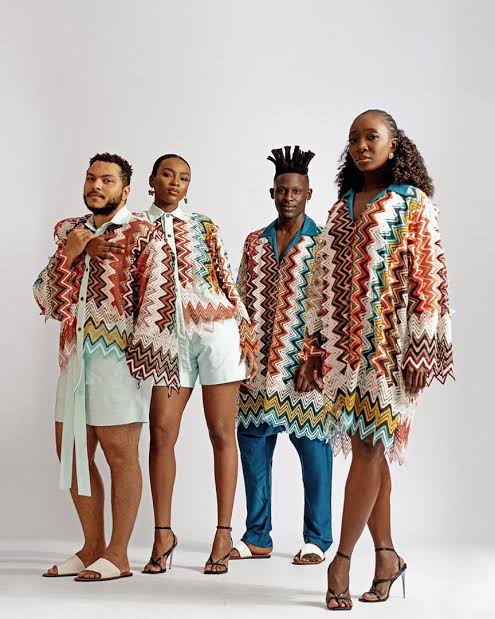
As Africanews documented in its May 2026 analysis of why African fashion is gaining global attention, brands such as Thebe Magugu, Abbaswoman, Maki Oh and Veekee James are now regularly featured in global conversations around luxury fashion, sustainability and cultural storytelling. What makes this moment interesting is not just the clothes themselves but the system growing around them: designers, celebrities, media platforms and digital culture all pushing African fashion into global visibility. Across the continent, fashion is being treated less as style and more as identity, business and cultural power.
The direction that 2026 confirms is that the brands making the most durable impression at the international level are not the ones who have accommodated international market expectations. They are the ones who have maintained the design language that generated the international interest in the first place and found the buyers, the institutions and the platforms whose capacity to engage with that language matches the brand’s ambition to maintain it.
As Africa Fashion Week London 2026 demonstrated, the new generation of African designers showing internationally is doing so on the terms of their own cultural authority rather than by accommodating international expectations. Matheo Studio, founded by Rwandan designer Maurice Niyigena and supported by the British Council Creative DNA 2026 programme, works with a cinematic, Afrofuturist style that blends avant-garde silhouettes with African narratives, exploring themes of healing, survival and national identity through distinctive silhouettes, handcrafted details and symbolic textiles. Ohana Swimwear, founded by Kenyan entrepreneur Neema Nkatha Kinoti, redefines African swim and resort wear through bold design and cultural storytelling rooted in Kenyan identity.
Both brands are expanding internationally. Neither is doing so by making their design language more generic. They are expanding by finding the international market that wants what they actually make.
The Accountability Question for Buyers and Stockists

The expansion-without-flattening argument is not only a brand strategy question. It is an accountability question for the buyers and stockists who want to carry African fashion.
A buyer who invites an African brand to present its work and then requests systematic design modifications that remove the cultural specificity from the collection has not supported the African fashion ecosystem. They have extracted the brand’s commercial potential by requiring it to become commercially interchangeable with what already exists in their buying portfolio. The cultural authority that made the brand interesting to them was built by the brand at the cost of years of community relationship, craft development and market positioning. The buyer who requires that authority to be diluted to make the product more comfortable for their existing customer base is asking the brand to give away the asset that made the invitation possible.
The buyers who genuinely support African fashion are the ones who engage with the cultural specificity rather than requesting its removal: who do the work of understanding the design language before they arrive at the negotiation, who communicate that cultural specificity to their customers as a value rather than managing it as a difficulty, and who accept that stocking African fashion on its own terms requires more investment in customer education than stocking a product whose cultural references their customer already knows.
As Omiren Styles has argued, in its analysis of why cultural credit rarely translates into licensing revenue, the fashion industry has the commercial tools to build equitable cultural relationships and has not applied them systematically. The buyer who maintains the cultural specificity of the brand’s design language in their commercial relationship with it is applying those tools at the most basic level: they are choosing to stock the actual thing rather than a version of the thing modified to reduce friction with their existing market.
The Omiren Argument
African fashion brands do not need to choose between expansion and cultural specificity.
They need to choose the form of expansion that is compatible with cultural specificity: the buyers who understand and communicate the design language, the production model that maintains the craft knowledge the design language depends on, the market positioning that makes cultural specificity legible rather than requiring its removal, and the community relationships that hold the design language in its cultural context rather than letting it float free of the knowledge that generated it.
That form of expansion is harder and slower than the form that accommodates. It requires saying no to buyers whose terms require design simplification, saying yes to buyers whose terms support design integrity, building the production infrastructure that maintains craft quality at expanding volumes, and maintaining the community relationships that keep the design language connected to its source rather than turning it into an aesthetic that anyone with a reference board can approximate.
As Omiren Styles has argued throughout this series, the Global South made fashion and never got credit. The design language flattening problem is where that argument has its most direct design expression: the community whose cultural knowledge built the design language receives neither credit nor compensation when the design language is simplified to meet international market comfort levels, and the brand that built its commercial credibility on that cultural knowledge gives it away without replacement. Expanding without flattening is not a design choice. It is the commercial decision to retain what the brand is worth.
ALSO READ
- Afro-modernism in Fashion: The African Designers Defining a New Design Language
- Can Heritage Textiles Scale Without Losing Their Meaning?
- A Fabric Is Never Just a Fabric: Why Material Intelligence Matters to African Fashion’s Future
- African Fashion Does Not Need Another Marketplace. It Needs Production Intelligence.
- The Global South Made Fashion. It Just Never Got Credit.
Frequently Asked Questions
Why does international expansion often flatten African fashion design language?
International expansion creates market pressures that systematically favour simplification: buyer feedback requests neutral palettes, less complex prints and universally accessible silhouettes; production requirements for wholesale minimum orders may make artisan-level craft difficult to maintain at volume; retail display environments reward immediate visual legibility over cultural knowledge that requires context to be understood. Together these pressures create consistent incentives for brands to move their design language toward the universal and away from the culturally specific. The challenge is that the cultural specificity is typically the commercial differentiator: the reason the buyer was interested in the brand in the first place. Removing it to access the buyer’s market removes the competitive advantage that justified the commercial relationship.
What is the architecture vs decoration distinction in African fashion design?
As Omiren Styles has established in its analysis of Afromodernism, African cultural knowledge is most powerful as structural design logic rather than as surface decoration. Cultural specificity in the architecture means the cultural knowledge shapes decisions that cannot be changed without changing the garment fundamentally: the proportion system, the construction method, the silhouette’s relationship to the body. Cultural specificity in the decoration means the cultural knowledge appears in a detail that can be removed without structural consequence. International buyers most easily request the removal of decorative cultural specificity, because the garment remains saleable without it. Structural cultural specificity is more defensible: simplifying it requires changing what the product fundamentally is.
What expansion models help African fashion brands maintain their design language?
Three models have worked. Dedicated market segmentation: maintaining a full-expression line for the home market and culturally engaged international buyers, and a more accessible separate line for broader international wholesale, while being explicit that both serve different commercial purposes. Selective market entry: prioritising buyers and stockists whose capacity to engage with the brand’s full design language matches the brand’s ambition to maintain it, accepting a smaller number of high-alignment relationships over a larger number of design-compromising ones. Community anchoring: maintaining and deepening the relationship with the community whose cultural knowledge the design language draws on, creating an accountability structure that resists simplification because the cultural relationship is both a creative resource and a commercial identity.
How large is the African fashion market in 2026?
The African fashion market is worth $31 billion, with the African luxury goods market estimated at nearly $6 billion. The market for culturally authentic African fashion internationally is documented as growing, not shrinking, with UNESCO projecting a 42% rise in demand for African haute couture over the next decade. This market context matters for the expansion question: African fashion brands expanding internationally are not entering a market that lacks appetite for cultural specificity. They are entering a market that is actively seeking it. The question is whether the brands they encounter in that market understand the difference between the culturally specific product and a universalised version of it.
What do international buyers owe to African fashion brands they want to stock?
Buyers who want to carry African fashion on its own terms owe three things. They owe the work of understanding the design language before arriving at the negotiation, so that their feedback is informed by knowledge of the cultural source rather than by the comfort of their existing customer base. They owe the communication of cultural specificity to their customers as a value rather than managing it as a difficulty, which means educating their buyers about what they are looking at and why the specificity matters. And they owe the acceptance that stocking African fashion on its own terms requires more investment in customer engagement than stocking a product whose cultural references the customer already knows. A buyer who invites a culturally specific brand to present and then requests systematic simplification has not supported the brand. They have extracted the commercial potential that cultural specificity creates without maintaining the specificity that created it.
EXPLORE MORE
Read the full Industry and African Fashion and Cultural Memory sections at Omiren Styles for ongoing analysis of African fashion brand strategy, design language and the commercial intelligence that allows brands to expand internationally without losing the specificity that makes them worth expanding. Discover travel and heritage intelligence across Africa, the Caribbean and Latin America at Rex Clarke Adventures.