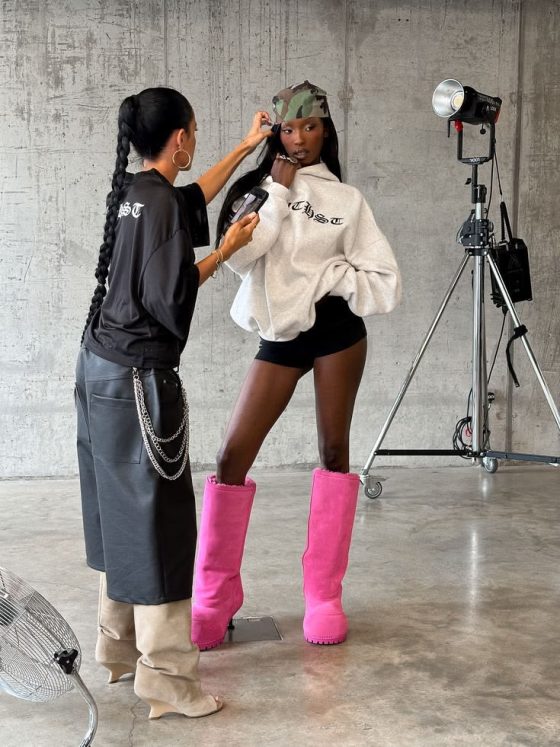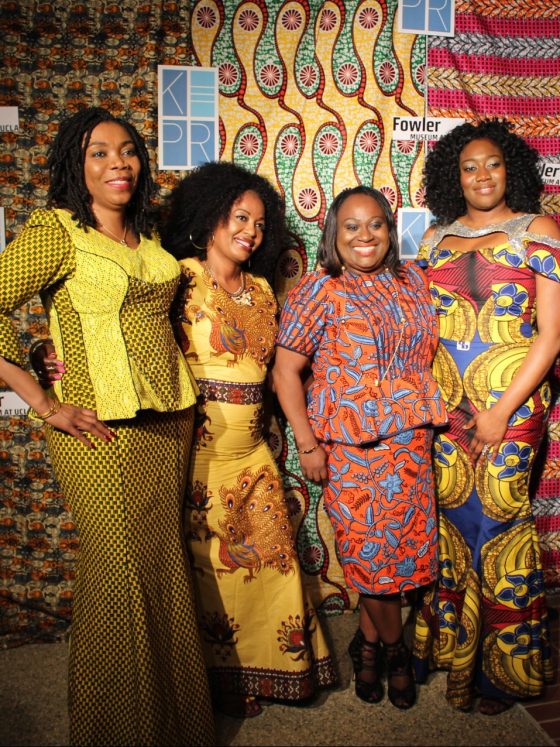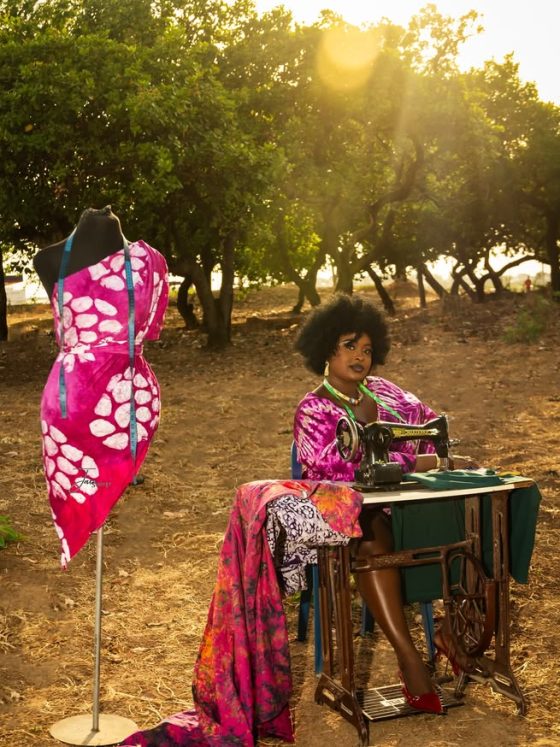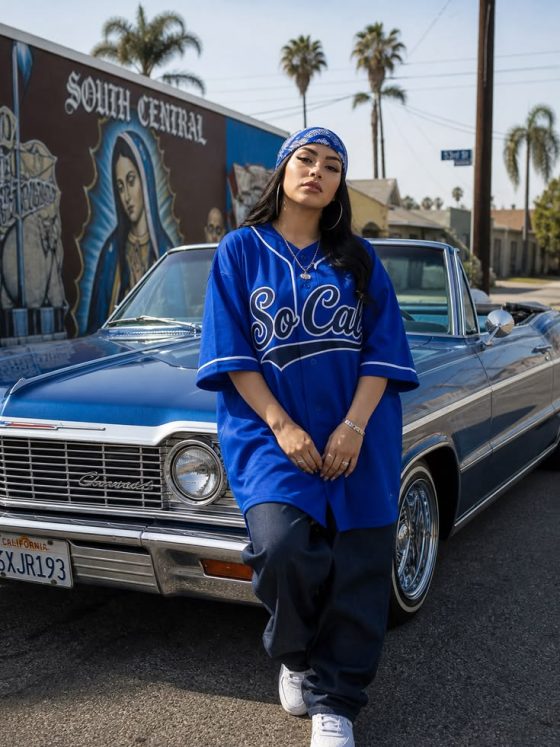
The photograph exists before the caption is written.
A Maasai elder in ceremonial dress. A kente weaver at the loom. A Carnival mas costume mid-jump. A Wollo tiftif dress photographed from behind at a wedding in Addis Ababa. A group of Somali women in dirac at Eid in Minneapolis. A northern Nigerian wedding in which every man wears an embroidered cap and a flowing babbar riga.
These images are, in themselves, real: specific people at specific moments, wearing specific things that carry specific meanings within the communities they belong to. The photograph converts them into content: a flat image stripped of context, whose future circulation is determined not by the community depicted but by the person who pressed the shutter and the platforms whose algorithms decide what happens next.
The caption is where accountability should live. In fewer than 2,200 characters on Instagram, in the even briefer space of a TikTok description, in the single line of a Reel caption: the person who created the content has an opportunity to name the source, contextualise the image, credit the community, acknowledge that permission was sought, or disclose that the content has a commercial relationship with the culture it depicts.
Most captions do none of those things.
“We spend a lot of time capturing moments as opposed to living in them.” Grace Ndiege, digital marketing specialist at Digitribe, speaking to Al Jazeera in June 2026, named the transformation that social media has wrought on African life. Attention is currency. That is why the algorithm keeps changing to grab every piece of it. The algorithm has no category for cultural consent. It has categories for engagement, reach, watch time and share rate. Cultural heritage performs well across all of them.
The conversion of African cultural heritage into social media content is outpacing any governance framework. The caption is the accountability moment. Most captions do none of the things accountability requires.
The Scale of What Is Happening
As Al Jazeera documented in its June 2026 feature on how social media is turning African life into content at a cost, a large share of marketing budgets has shifted to social media because that is where audiences are now. When a beverage company wants to introduce a new product, shift consumer behaviour or build emotional attachment to its brand, social media becomes the primary channel. This is the commercial infrastructure into which African cultural heritage is being fed: a system whose purpose is to generate attention, package it as a metric, and sell access to it as an advertising product.
As Bynelo documented in its May 2026 analysis of African fashion on Instagram and TikTok, the African creator economy was valued at $5.1 billion in 2025 and is projected to reach $29.84 billion by 2032, growing at a compound annual growth rate of 28.7%. UNESCO’s 2023 report projects a 42% rise in demand for African haute couture over the next decade. The economic opportunity is real, documented and growing. The governance framework that would ensure the communities whose cultural heritage drives that opportunity share in the commercial returns it generates does not exist at an equivalent scale.
That is the gap this article is about. Not whether African heritage should appear on social media: it should, and the designers, creators and communities who put it there are doing important work. Not whether social media is good or bad for African fashion: it is the primary driver of international visibility for brands that previously could not access the editorial and institutional channels that provided such visibility to European and American fashion. The question is specifically about the caption: who writes it, what it contains, what accountability it creates, and what happens to the depicted community when the caption does none of those things.
What the Caption Does and Does Not Do
A social media caption is not a legal document. It is not a licensing agreement, a copyright notice, a community consent form or a commercial disclosure. It cannot enforce attribution, compel payment or prevent an image from being reposted, screenshotted, downloaded and used in contexts the original poster never intended.
What the caption can do is establish a standard. A caption that names the cultural source of what is depicted communicates that the creator knows what they are showing and chose to acknowledge it. A caption that contextualises an image — this dress is from the Wollo region of Ethiopia; the embroidery technique on the back panel is called tiftif; the weaver’s name is on file — creates a record that the image carries cultural specificity rather than a generic African aesthetic. A caption that credits the maker, the community and the specific cultural practice being depicted is a small but real act of accountability that the alternative, the decorative caption about beauty and culture, is not.
The standard being proposed here is not technically demanding. It requires asking, before publishing: who made this? Where does this practice come from? Did the person in this photograph consent to this image being published, to this use of it? Does this caption tell the viewer what they need to know to understand what they are looking at? Is there a commercial relationship between this post and the culture it depicts, and is that relationship disclosed?
These are questions that most professional photographers, editors and journalists would consider minimum standards for their work. They are questions that most social media posts about African cultural heritage do not answer.
The Three Extractive Caption Patterns
The specific ways in which captions fail the accountability standard fall into three recognisable patterns.
The first is the aesthetic caption. Beautiful. Elegant. Timeless. Stunning. These captions position the cultural heritage image as visual content whose value is entirely aesthetic, without naming the source, the community, the practice or the maker. The aesthetic caption is the most common form of heritage content caption and the least accountable: it extracts the image’s visual value without providing any information that would allow a viewer to understand what they are looking at or to act on that understanding in a way that benefits the depicted community.
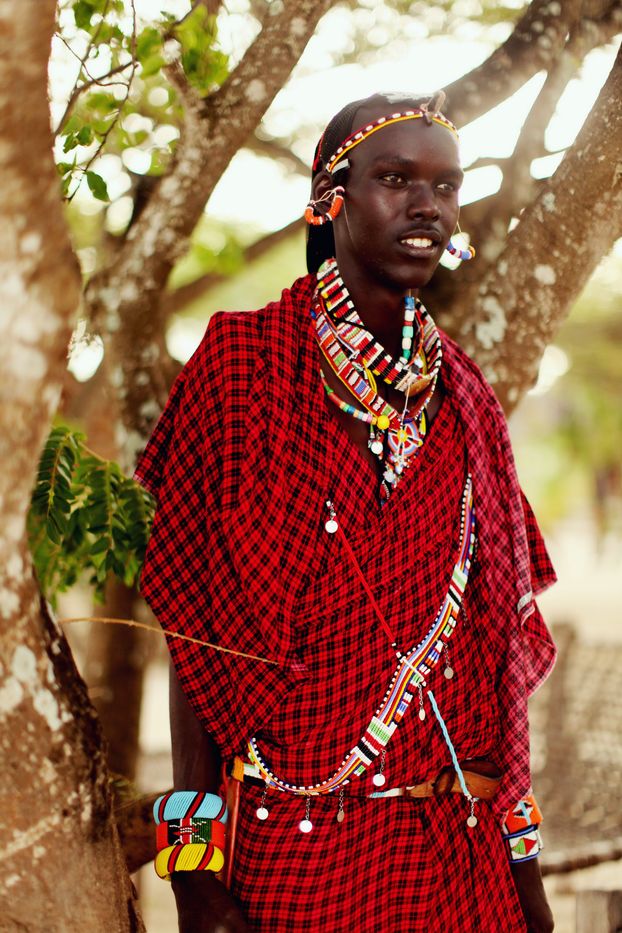
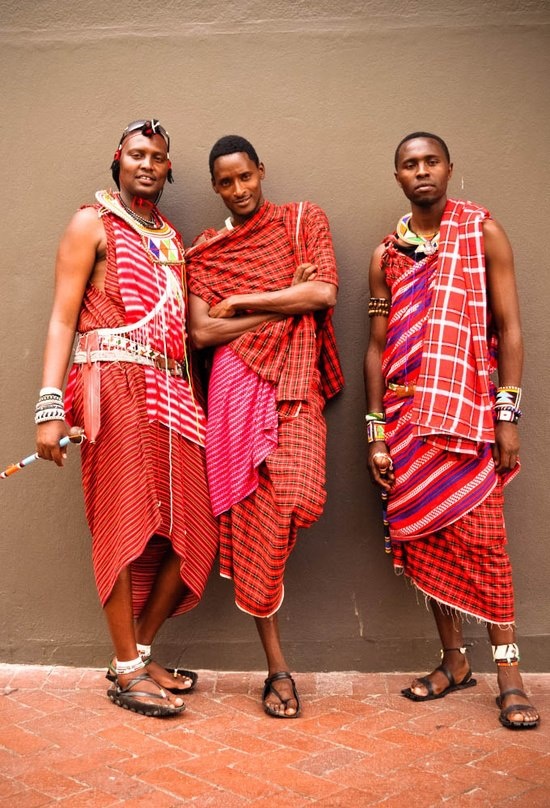
The second is the vague attribution caption. ‘Celebrating African culture.’ ‘Honouring our heritage.’ ‘African tradition is so beautiful.’ These captions acknowledge that the image depicts something culturally specific without specifying what it is. They use the generality of ‘African’ as a category that sounds like an attribution without being one. A Maasai Shuka is not ‘African dress.’ It is a specific garment from a specific community with a specific colour vocabulary and a specific set of cultural practices. A caption that calls it ‘African’ makes an attribution so vague that it communicates nothing about the actual source.
The third is the commercial caption without disclosure. A fashion brand that posts an image of a kente ceremony to drive engagement for its collection launch, or a travel company that uses Carnival mas costume imagery to sell holiday packages, without disclosing the commercial relationship between the content and the commercial purpose, is using cultural heritage as a marketing tool without acknowledging that this is what it is doing. The image is the ad. The caption describes something beautiful. The accountability for the commercial use of the community’s image is absent.
The Creator Economy and the Community
The growth of the African creator economy creates a specific set of accountability questions that did not exist at the same scale when content was produced by traditional media.
A creator who films a kente weaving demonstration and posts it to 200,000 followers has created content that generates reach, engagement and potentially commercial value. Whether that value flows to the creator, to the platforms hosting the content, to the brands whose products appear in the content, or to the kente weaving community whose craft the content depicts depends entirely on decisions the creator makes before, during, and after the caption is written.
A creator who has built an audience around content depicting African cultural heritage is operating a commercial enterprise whose asset is, in part, that heritage. The creator’s audience was built partly by the cultural content. The brand partnerships the creator attracts depend in part on the cultural credibility that the heritage content creates. The cultural community whose practices built some of that commercial value is, in most cases, not party to any of the commercial arrangements the creator makes with their audience or their brand partners.
As Omiren Styles has established, in its analysis of why cultural credit rarely becomes licensing revenue, naming a source after the fact is not the same as securing prior and informed consent before commercial use. A creator who credits a community in a caption after publishing content that generated commercial value from that community’s heritage has done something. They have not done what a commercial relationship with the community would require: consent before the post, a conversation about compensation, and an agreement on how the content can be used and what the community receives from its use.
Ivorian duo Gaston Ouedraogo and Jean Yves Yebieyin, whose brand Djainin fuses Côte d’Ivoire’s Akan heritage with contemporary denim and whose collections have exploded on TikTok, provide a contrasting model: their collections explicitly engage with specific Akan heritage elements, including sawfish motifs and tributes to specific historical figures, in a way that makes the cultural relationship visible in the content itself. The content is not performing ‘African culture’ as a generic aesthetic. It is performing a specific cultural relationship with specific sources. The caption can name what is there because the design already acknowledged it.
What Accountability Looks Like at the Caption Level
The gap between the current practice of most heritage content captions and what accountability would require is not a technology gap. It is a knowledge gap and a norm gap.
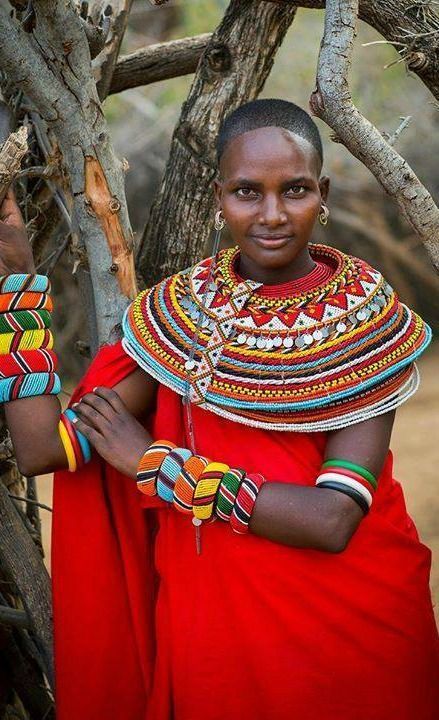
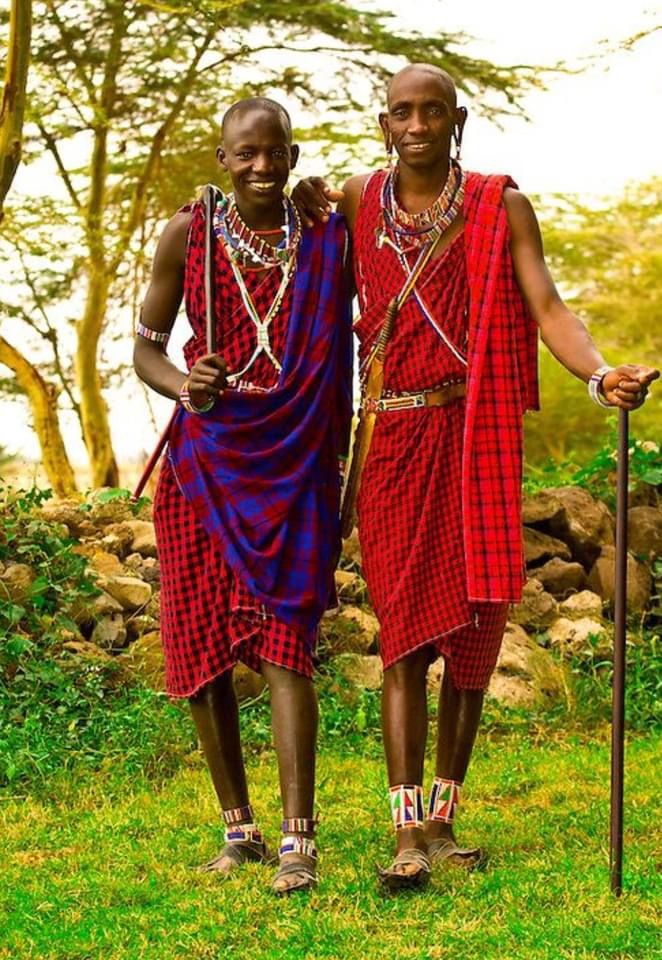
The knowledge gap: the creator who posts an image of a Maasai elder in ceremonial dress may not know that the red Shuka is a warrior’s garment, that the colour vocabulary of the beadwork communicates specific social information, that the ceremonial context in which the image was taken has specific cultural protocols around who may document it and how that documentation may be used. Without that knowledge, the caption cannot be specific, because the creator does not know what they are being asked to be specific about. The knowledge gap is the reason cultural education comes before content creation: you cannot credit what you do not know.
The norm gap: even creators with cultural knowledge do not routinely apply that knowledge to the level of accountability in their captions, because the norm for social media captions about African cultural heritage is aesthetics, not attribution. The norm has to change before individual behaviour changes at scale. The norm changes when platforms require it, when brands demand it from their creator partners, when the communities whose heritage is being used have the institutional standing to enforce it, and when the audiences consuming the content are educated enough to demand it as a condition of their attention.
As Omiren Styles has established in its analysis of the documentation gap in fashion supply chains, the things the supply chain fails to record are precisely the things whose documentation would make extraction harder to disguise. The social media caption is the supply chain’s front end: the public document through which the commercial use of cultural heritage is acknowledged or not. A caption that names the source, credits the community and discloses the commercial relationship is a document that makes extraction visible. The absence of those elements is not neutral. It is the decision to leave extraction undocumented.
The GI Parallel and Its Limits
The Geographical Indication protection that kente now holds in Ghana, and the question of whether Maasai Shuka might eventually receive equivalent protection, represent the formal legal dimension of the heritage accountability argument: a mechanism that prevents the commercial use of a cultural name and the product it describes without meeting specific origin and process criteria.
The GI does not reach social media content. A fashion brand that posts an image of kente weaving to promote a collection that contains no kente has not used the name ‘kente’ on a product in a way that falls within the GI’s scope. The image is not a product. The caption is not a commercial claim subject to GI enforcement. The community’s visual heritage has been used commercially, at scale, without compensation or consent, in a way that the most advanced heritage protection mechanism currently available cannot address.
As Omiren Styles has established in its analysis of whether heritage textiles can scale without losing their meaning, legal protection and commercial equity are not the same thing. A brand can avoid using the name ‘kente’ while still using the technique. The cultural authority travels with the aesthetic, not only with the name. On social media, this dynamic is accelerated: the brand can benefit from the cultural authority of a community’s heritage imagery without using any protected term, without meeting any certifiable standard and without any current legal mechanism requiring it to acknowledge the source.
The governance gap for heritage content on social media will not be closed by GI expansion, copyright law, or platform content policy alone. It requires the combination of community knowledge being embedded in creators’ practices before content is made, attribution norms being adopted as a standard of professional practice in the creator economy, and institutional mechanisms that give communities whose heritage generates commercial content some standing in the commercial relationships that content creates.
What Omiren Styles Does
This article has been built on the same principles it is arguing for.
Every heritage dress tradition documented in this series has been named specifically rather than generically: the Wollo tiftif rather than ‘Ethiopian embroidery,’ the Somali dirac rather than ‘East African dress,’ the Maasai Shuka rather than ‘African cloth,’ the kente of the Ashanti and Agotime-Kpetoe weavers rather than ‘Ghanaian textile.’ The specific name is the minimum act of accountability available in editorial prose, and it is the same minimum that a social media caption can achieve: naming the thing, naming where it comes from, naming who made it.
The Omiren Index, whose methodology this series has built across multiple articles, is designed to produce the reference record that makes specific naming possible: a publicly accessible, editorially independent, evidence-based document that names the people, places, materials and practices that the fashion system currently treats as generic. When a creator has access to a reference that tells them exactly what they are photographing, who holds the knowledge that makes it significant and what community they are depicting, the knowledge gap that currently produces aesthetic-only captions becomes addressable.
That is the editorial argument for documentation work. Not only does the record matter to the community it documents. Also, it produces the information infrastructure that would allow a creator anywhere in the world to write a caption about African heritage that is specific, accurate and accountable. The caption does not need to be long. It needs to contain what the creator knows. The goal is to ensure that what the creator knows is enough to write it correctly.
The Omiren Argument
Heritage does not become content automatically. Someone presses a shutter, films a ceremony, photographs a garment or records a technique. Someone uploads it to a platform and writes a caption. Those are decisions made by people, and accountability for them belongs to those who make them.
The standard is not perfection. It is the minimum that knowledge, respect and commercial honesty require: know what you are depicting, name what you know, credit who made it, disclose the commercial relationship if there is one, and do not use a community’s cultural heritage to sell something without their knowledge or participation in what you are selling.
The caption is small. It is also the only point at which the content creator can make accountability visible to everyone who sees the post. Before the post is up, accountability is a conversation between the creator and the community. After the post is up, accountability is a caption. Most communities whose heritage is being converted into content at scale are not party to either.
As Omiren Styles has argued throughout this series, the Global South made fashion and never got credit. Social media has accelerated the extraction and multiplied the reach without building the accountability infrastructure that would change the terms. The attention economy runs on the visual vocabulary of African cultural heritage. The communities that built that vocabulary deserve more than an aesthetic caption and 50,000 likes. They deserve credit, a conversation, and a share of what their heritage generates in the economy, which is growing at 28.7% a year on its back.
ALSO READ
- Maasai Shuka: Meaning, Colours, Styling and Cultural Significance
- Who Owns the Pattern? Why Cultural Credit Still Rarely Becomes Licensing Revenue
- Can Heritage Textiles Scale Without Losing Their Meaning?
- The Global South Made Fashion. It Just Never Got Credit.
Frequently Asked Questions
What does it mean when heritage becomes content?
When a cultural heritage practice, garment, ceremony or community is photographed, filmed or documented and published to a social media platform, it has been converted from a living cultural practice into content: a piece of media whose distribution, reach and commercial value are determined by the creator who published it and the platform that hosts it, rather than by the community whose heritage it depicts. The conversion is not neutral: it can generate significant commercial value for the creator, the platform, and any brands associated with the content, none of which is automatically shared with the depicted community. The caption is where accountability for this conversion either appears or doesn’t.
Why does the caption matter for accountability in heritage content?
The caption is the only public means by which the creator of heritage content can acknowledge what they depict. A caption that names the specific cultural source, credits the community, contextualises the practice and discloses any commercial relationship is a minimum act of accountability that the alternative — a caption describing something as beautiful or culturally inspiring without specificity — does not achieve. The caption cannot enforce attribution, compel payment or prevent an image from being reposted. What it can do is establish a norm: that creators who depict African cultural heritage are expected to know what they are showing and to tell their audience what it is.
What is the African creator economy worth in 2026?
As documented in an analysis of African fashion on social media, the African creator economy was valued at $5.1 billion in 2025 and is projected to reach $29.84 billion by 2032, growing at a compound annual growth rate of 28.7%. African cultural heritage, including fashion, music, ceremony and craft traditions, is a significant driver of this growth. The commercial value being generated by content that depicts or draws on African cultural heritage is growing faster than the accountability frameworks that would ensure the communities whose heritage drives this growth share in its commercial returns.
How does GI protection relate to social media content?
Geographical Indication protection, such as kente’s GI registration in Ghana in August 2025, prevents the commercial use of a protected name and product description unless specific criteria for geographic origin and production processes are met. It does not cover social media content: a fashion brand that posts an image of kente weaving to promote a collection that contains no kente has not used the name ‘kente’ on a product in the way the GI covers. The visual heritage has been used commercially without the protection mechanism applying. The governance gap for heritage content on social media requires community knowledge in creator practice, attribution norms, and institutional mechanisms that give communities standing in the commercial relationships their heritage content creates, not only legal frameworks for product naming.
What should a responsible heritage content caption include?
A responsible heritage content caption should identify the specific cultural practice, garment or community depicted rather than using a generic category like ‘African dress’; name the specific community or place of origin where known; credit the maker, weaver, embroiderer or practitioner if the image depicts their work; contextualise the cultural significance of what is shown in enough detail for the viewer to understand what they are looking at; note whether consent was sought from the person or community depicted; and disclose any commercial relationship between the post and the cultural content it depicts, such as a brand partnership, a product promotion or a commercial use of the imagery.
EXPLORE MORE
Read the full Opinion and The Omiren Argument sections at Omiren Styles for ongoing editorial analysis of cultural heritage accountability, social media attribution and the governance frameworks that would ensure the communities whose heritage drives the African creator economy share in its commercial returns. Discover travel and heritage intelligence across Africa, the Caribbean and Latin America at Rex Clarke Adventures.