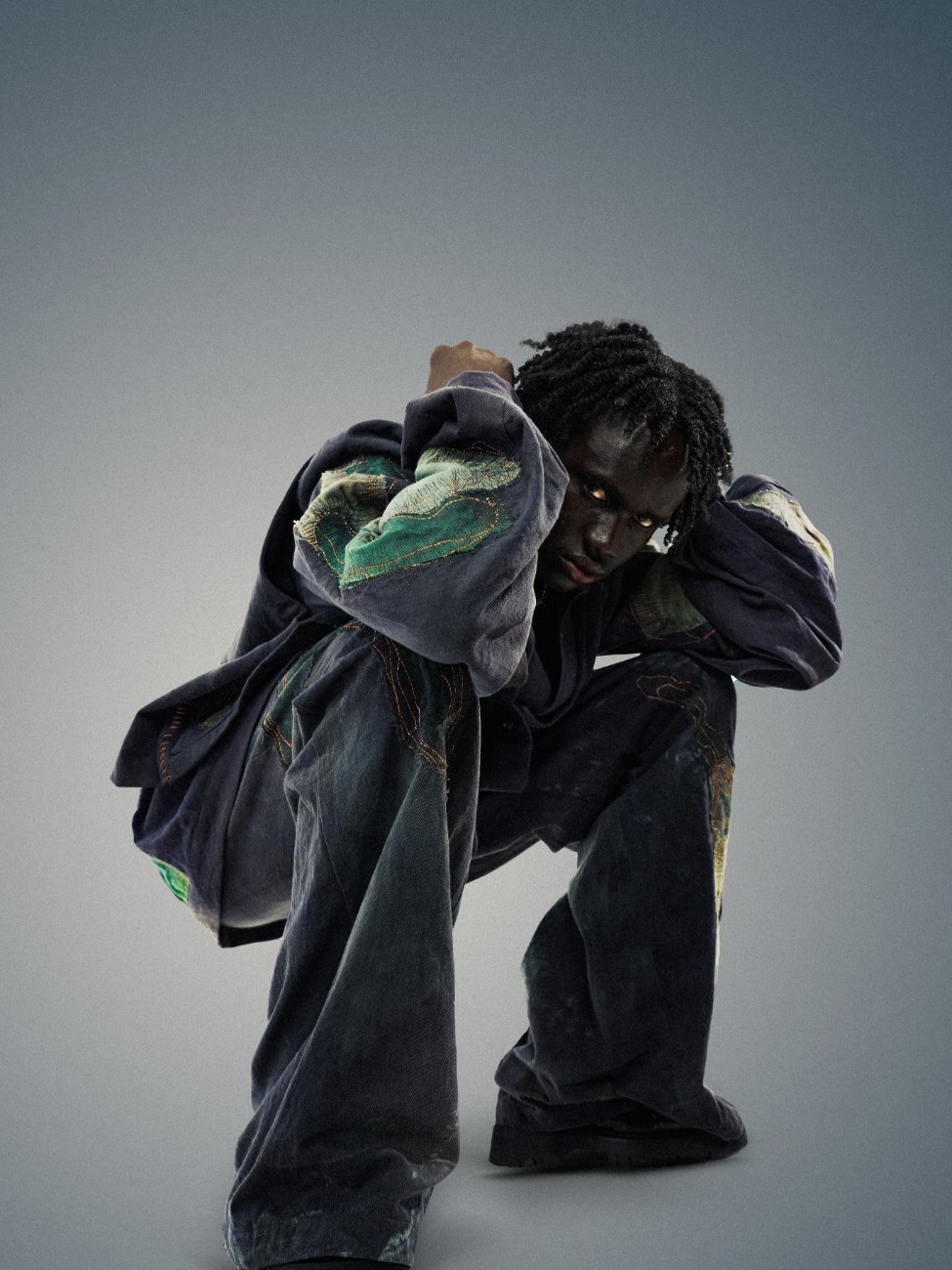
Danawit Alema did not have a brand before she joined the UNIDO Creative Hub in Addis Ababa. She had a marketing management degree from Addis Ababa University, professional fashion training from Wossi International Fashion College and Mary Help College, a year of mentorship from the African Mosaique Fashion Incubation Program in 2019, and a clear sense that she wanted to make streetwear from and for the city she had grown up in. What she lacked was workspace, resources, and access to markets that would make the practice viable. The Creative Hub, implemented by UNIDO with funding from the Italian Agency for Development Cooperation, provided all three.
The African fashion and beauty market is part of the continent’s 31-billion-dollar economy. As UNIDO’s May 2026 profile of Danawit Alema confirms, Danawit is now described as a leading voice in Ethiopia’s creative economy at just 25 years old and as the founder of Dann. This streetwear brand merges fashion with storytelling, sustainability and youth empowerment. Her journey reflects resilience, creative conviction and the determination required to pursue an unconventional path in a challenging environment. That description is credible. Dann’s trajectory from a one-person practice without workspace or customers to an internationally visible Addis Ababa brand in four years is a real achievement.
Dann is not rewriting all of African streetwear. It is building something more specific: an Addis Ababa streetwear language built from youth culture and lived experience.
What Dann Has Actually Built
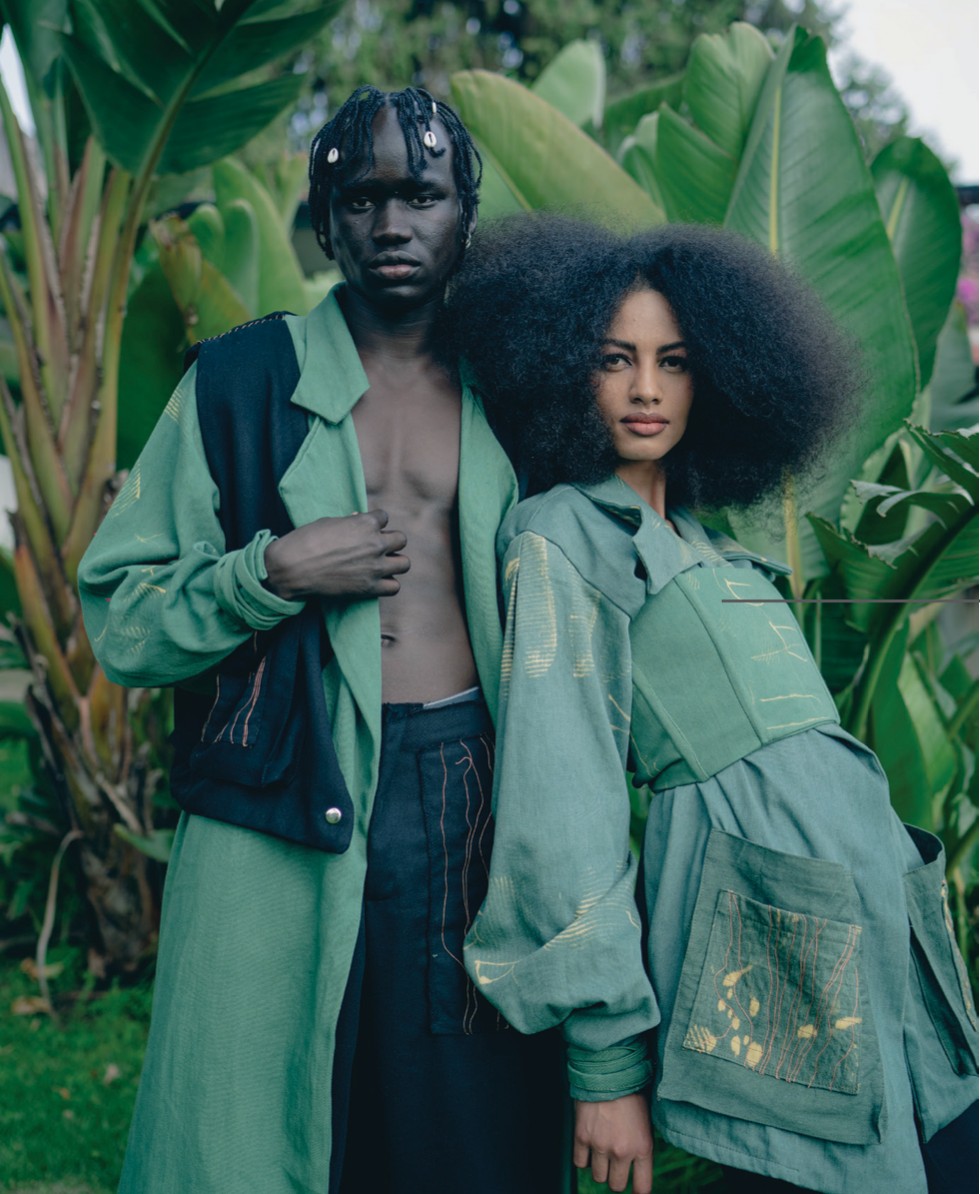
Dann was founded in 2020 on the streets of Addis Ababa, in Danawit’s own framing. As Afrikart’s documentation of Dann’s brand identity confirms, Dann is built on the belief that fashion is a powerful language of identity and freedom. Each piece is a reflection of lived experiences, cultural influences and the bold spirit of a new generation determined to express themselves without fear. The label breaks away from limitations of age, size and traditional beauty standards, celebrating individuality in all its forms. That positioning is clear and internally consistent: not heritage display, not tourist craft, not an Ethiopian brand designed to confirm international expectations of what African fashion looks like.
The brand’s confirmed international-facing presence includes the Afrikart e-commerce partnership, which provides direct online retail access; the Hub of Africa Fashion Week platform in Addis Ababa; and the Africa Fashion Week London 2026 exhibitor programme. These are three distinct types of market access: direct digital e-commerce, the leading Ethiopian fashion platform, and a UK diaspora event. None of them is a European wholesale stockist relationship or a verified luxury retail placement. That distinction matters. The brand has earned genuine visibility at appropriate stages of development. The visibility is real. The commercial infrastructure is still being built.
Ethiopian fashion does not have to wait for European concept stores to validate it. Dann’s most important audience is an Addis Ababa customer looking for streetwear that reflects their city and generation. International attention is useful. It is not the measure.
The Creative Hub and the Infrastructure Question
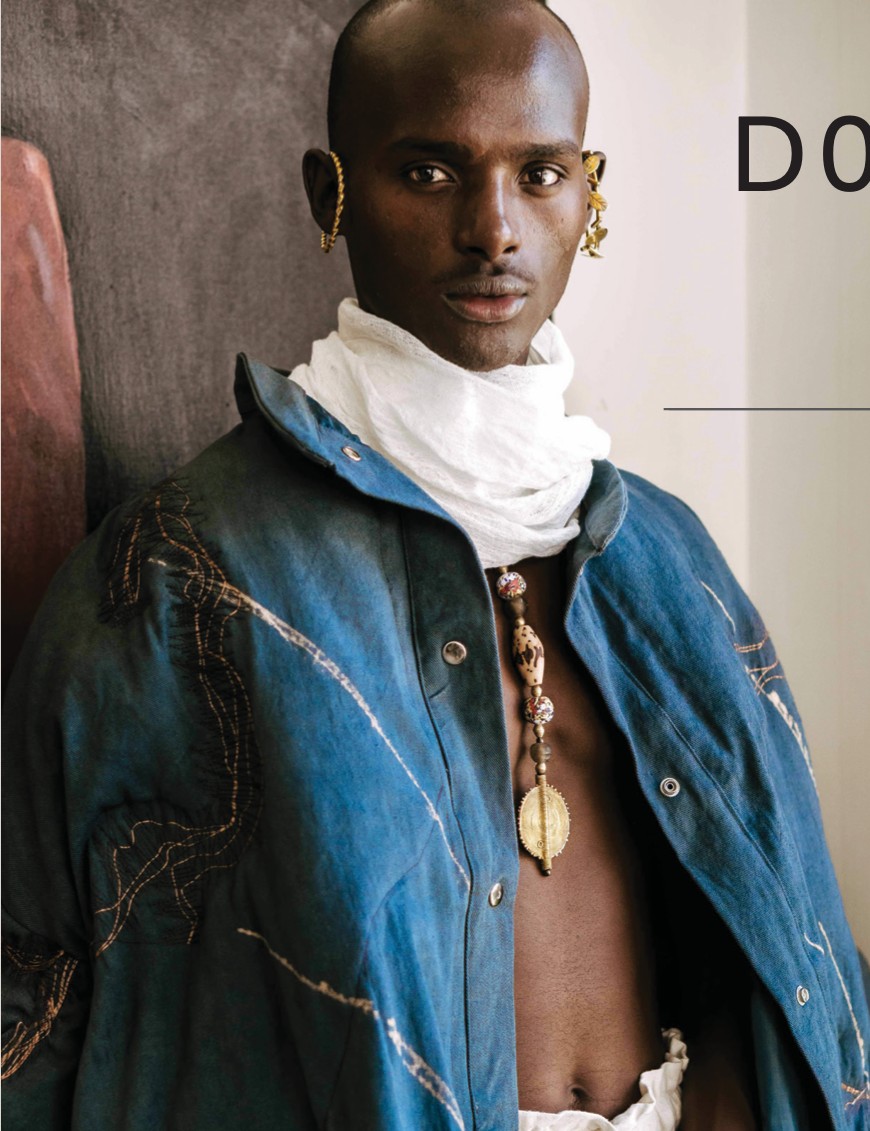
The UNIDO Creative Hub is the most important institutional context for understanding Dann’s development. As UNIDO’s May 2026 documentation of the Creative Hubs programme confirms, the hubs helped emerging entrepreneurs share their work far beyond Ethiopia’s borders, with a reach and scale that continue to grow. Six Creative Hub members showcased and sold products at the Artigiano in Fiera in Milan. The work of many Hub members was featured in Vogue Italia. The exposure led to new orders and collaborations. A month-long training programme delivered by Italian fashion experts covered product development and international market positioning. Danawit Alema told UNIDO directly: I wouldn’t even have a brand if it weren’t for these opportunities.
That quote is the most honest account available of how Dann came to exist. It does not describe a brand that emerged fully formed from an innate creative vision. It describes a brand that needed workspace, mentorship, market access, and technical training to become viable, and that received them through an international development programme. This is not a diminishment of Danawit’s creative intelligence or entrepreneurial determination. It is the accurate account of how fashion businesses are built in contexts where commercial infrastructure for independent design is limited.
The Creative Hub infrastructure argument is important for fashion journalism about African designers because it disrupts two equally unhelpful narratives. The first narrative treats African fashion talent as a natural resource waiting to be discovered by outside institutions. The second treats creative success as purely individual, ignoring the institutional conditions that make commercial practice possible. Dann’s trajectory is a third story: a specific young designer with specific training, mentorship, institutional support, and her own creative intelligence building a brand that would not exist without all of those elements.
Hub of Africa Fashion Week and the Ethiopian Context
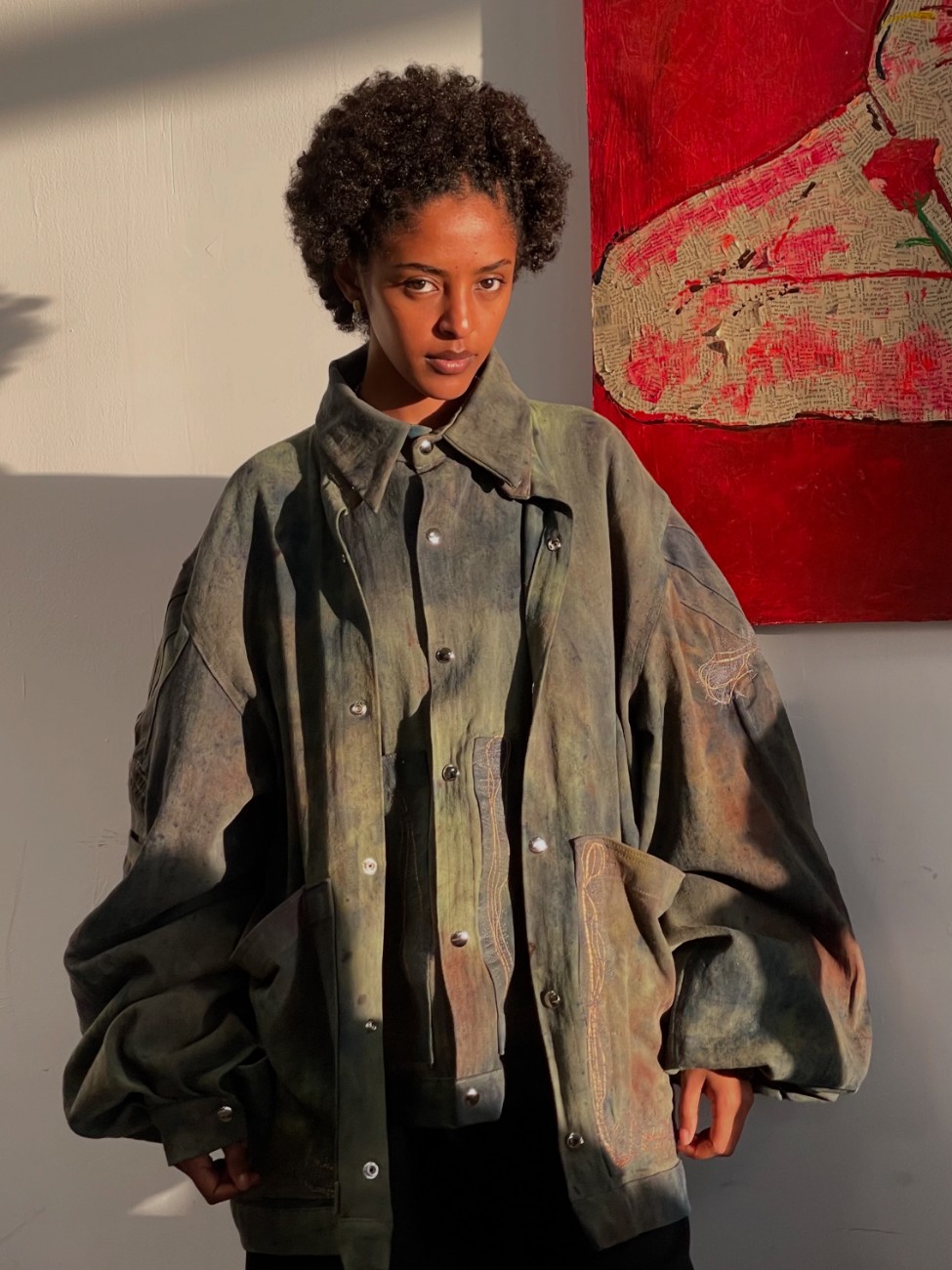
Dann’s appearance at the Hub of Africa Fashion Week 2026 Rewired edition is the strongest local institutional confirmation of the brand’s stage of development. As FashionUnited’s January 2026 coverage of HAFW 2026 confirms, Dann was categorised alongside Dagmawit and Mehon as an emerging designer, revealing two to three years of development and refinement. The Rewired edition’s structure was deliberate: designers from the Creative DNA programme showed their founding journeys, followed by emerging designers demonstrating development. That taxonomy is honest. Dann is not in the same category as HAFW’s established designers. It is at a stage of development that has earned presentation.
FashionUnited describes Hub of Africa Fashion Week as the third-largest fashion platform on the African continent, founded by Mahlet Teklemariam and built on care, conversation, and genuine human connection. Its 15th edition is not a minor local event. It is a significant institutional platform for African fashion. Dann’s presence there is meaningful. It is also specifically calibrated to the brand’s current stage: emerging, not established; developing, not arrived.
The Ethiopian fashion context is important for reading Dann correctly. Ethiopia has a deep textile heritage in handweaving, embroidery, and leather. Labels like Mafi Mafi, Genet Collection, ZAAF, and Sewasew Design represent different positions in the Ethiopian fashion economy, from luxury leather to handwoven craft. Dann occupies a different position: the streetwear and youth-expression segment that is newer, less internationally documented, and specifically urban in its orientation. Building that segment from Addis Ababa is a distinct creative project from building a handwoven heritage brand.
The Omiren Argument
Dann is not rewriting all of African streetwear. It is doing something more specific and, in the long run, more sustainable: building an Addis Ababa streetwear language that reflects Ethiopian youth culture on its own terms without waiting for external institutions to define what that should look like. The African fashion market is part of a 31-billion-dollar continental economy. Danawit Alema has a marketing management degree, professional fashion training from two Addis Ababa colleges, a year of incubation programme mentorship, Creative Hub support from UNIDO and the Italian development agency, and four years of label development that has taken Dann from no workspace and no customers to HAFW 2026, Afrikart, Africa Fashion Week London, and a UNIDO profile describing her as a leading voice in Ethiopia’s creative economy. That trajectory is real. The brand’s future will be decided by whether the operational infrastructure, production reliability, material sourcing, sizing, fulfilment, and customer relationships can keep pace with the visibility. African creativity does not need permission. It does need infrastructure. Dann has begun building both.
Also Read:
- Bold Fashion Week Proved Kampala Can Build Fashion Infrastructure: Now It Must Prove It Can Sustain It
- African Fashion Events in 2026: International Trade Visitors, Buyers and Data Gaps
- African Designers in London Need More Than Visibility: The Infrastructure Test for Fashion Power
- Who Should Define Cultural Authority in Fashion? Start With the Makers
Frequently Asked Questions
Who is Danawit Alema?
Danawit Alema is the 25-year-old founder of Dann, an Ethiopian streetwear brand based in Addis Ababa. She was born and raised in Addis Ababa, where she earned a bachelor’s degree in marketing management from Addis Ababa University. She pursued professional training in fashion design at Wossi International Fashion College and Mary Help College. In 2019, she joined the African Mosaique Fashion Incubation Program, a year-long mentorship that helped her refine her design identity. She subsequently participated in the UNIDO Creative Hub programme in Addis Ababa, which provided workspace, training, and market access that she credits as foundational to Dann’s existence.
What is Dann streetwear Ethiopia?
Dann is a streetwear brand founded in 2020 by Danawit Alema in Addis Ababa, Ethiopia. The brand describes itself as built on the belief that fashion is a powerful language of identity and freedom, merging storytelling, sustainability, and youth empowerment. Its design philosophy centres on lived experience, cultural influences, and the self-expression of a generation determined to defy conventional expectations. The brand has achieved visibility through the UNIDO Creative Hub, Hub of Africa Fashion Week, Afrikart e-commerce, and Africa Fashion Week London. The official website is dann. et.
What is Hub of Africa Fashion Week?
Hub of Africa Fashion Week (HAFW) is the third-largest fashion platform on the African continent, founded by Mahlet Teklemariam in Addis Ababa, Ethiopia. The platform is built on care, conversation, and connection between designers and audiences, and is described as an intimate, boutique platform rather than a spectacle-driven event. Its 15th edition in 2026, themed Rewired, focused on designer development with deliberate, unhurried presentations. The event is a significant institutional platform for Ethiopian and broader African design. Dann was categorised in the 2026 edition as an emerging designer.
How did Dann streetwear start?
Dann was founded in 2020 by Danawit Alema in Addis Ababa, initially without commercial workspace or a customer base. A pivotal development came when Danawit joined the UNIDO Creative Hub programme, implemented by UNIDO and funded by the Italian Agency for Development Cooperation, which provided workspace, mentorship, technical training from Italian fashion experts, and access to markets. Danawit has stated directly that she would not have a brand without these opportunities. Earlier preparation included a marketing management degree from Addis Ababa University, professional fashion training at two Addis Ababa colleges, and a year-long mentorship through the African Mosaique Fashion Incubation Program in 2019.
What is the UNIDO Creative Hub Ethiopia?
The UNIDO Creative Hub is a programme implemented by the United Nations Industrial Development Organisation (UNIDO) with funding from the Italian Agency for Development Cooperation (AICS), in partnership with national and international private-sector actors. Operating in Addis Ababa, the programme supports Ethiopia’s creative talents by providing training, workspace, mentorship, and access to markets. Creative Hub members have showcased work at the Artigiano in Fiera in Milan, received coverage in Vogue Italia, and participated in training sessions led by Italian fashion experts on product development and international market positioning. Danawit Alema is among the programme’s documented participants.
Explore More
Read the full Fashion > Industry section for Omiren Styles’ intelligence on Ethiopian and East African fashion brands, the institutional infrastructure behind emerging African design, and the commercial conditions that determine whether creative visibility converts into sustained market access.
Discover travel and heritage intelligence across Ethiopia and East Africa at Rex Clarke Adventures.