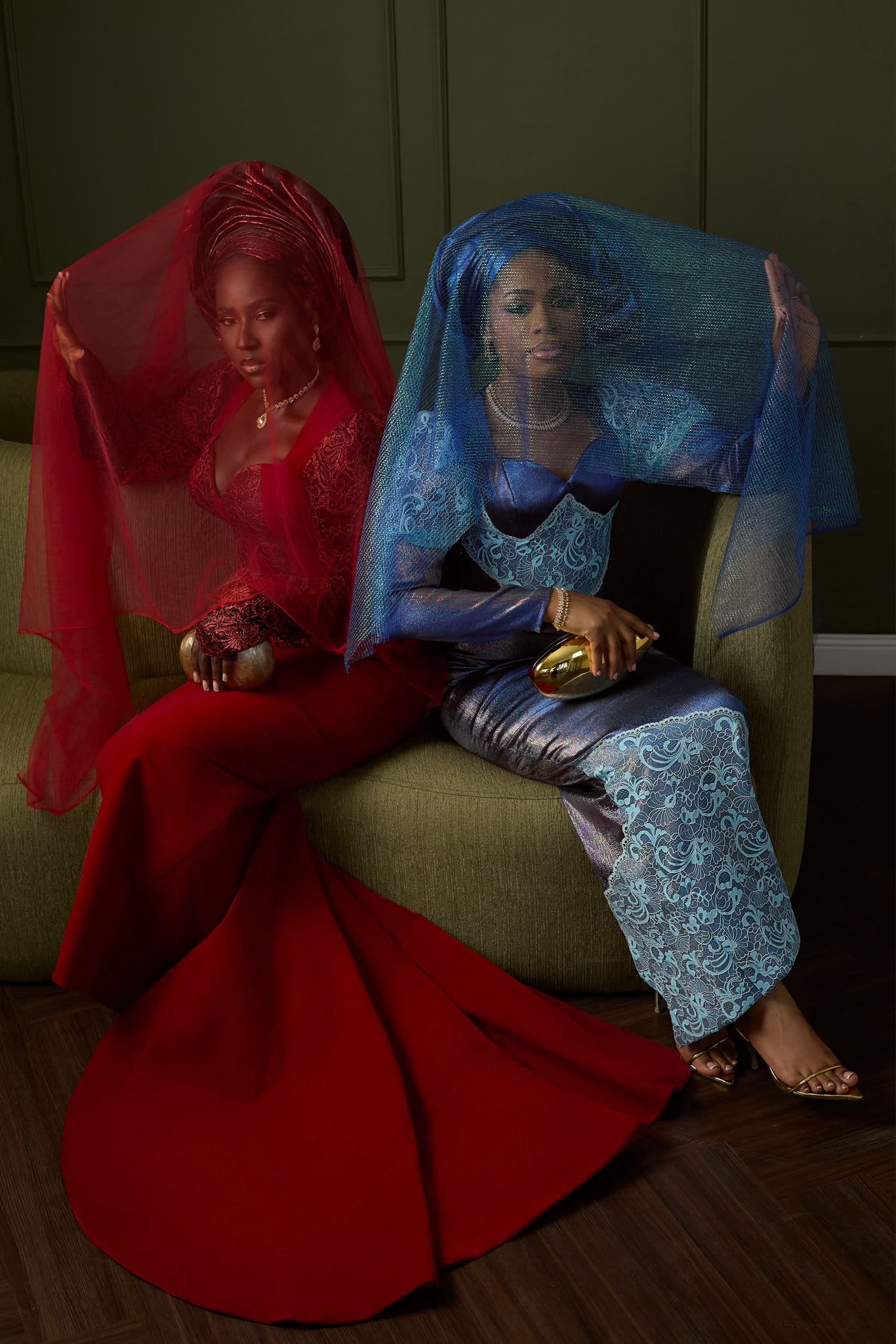
Some brand names carry weight that a logo cannot fully explain. Òlan London is one of them. Founded by Oluwatodimu Lanre-Ogun, the brand brings everyday clothing and bridal dressing together under a name with a personal history, one that honours her late father by combining elements of both their names. That origin gives the business a foundation before a single garment is described.
The business began as Teed Couture, registered in 2017 while Lanre-Ogun was still an undergraduate. It became Òlan in 2020. Today the brand is registered and trading in both Nigeria and the United Kingdom, with its public identity centred on named ready-to-wear designs and a dedicated bridal service covering wedding dresses, robes and traditional outfits. The two areas share a single identity rather than operating as separate businesses, and that structure is worth understanding before examining either in detail.
Discover Òlan London, founded by Oluwatodimu Lanre-Ogun, from its family-inspired name to the Mila dress, bridalwear and plans for expansion.
The Family Connection Behind Òlan
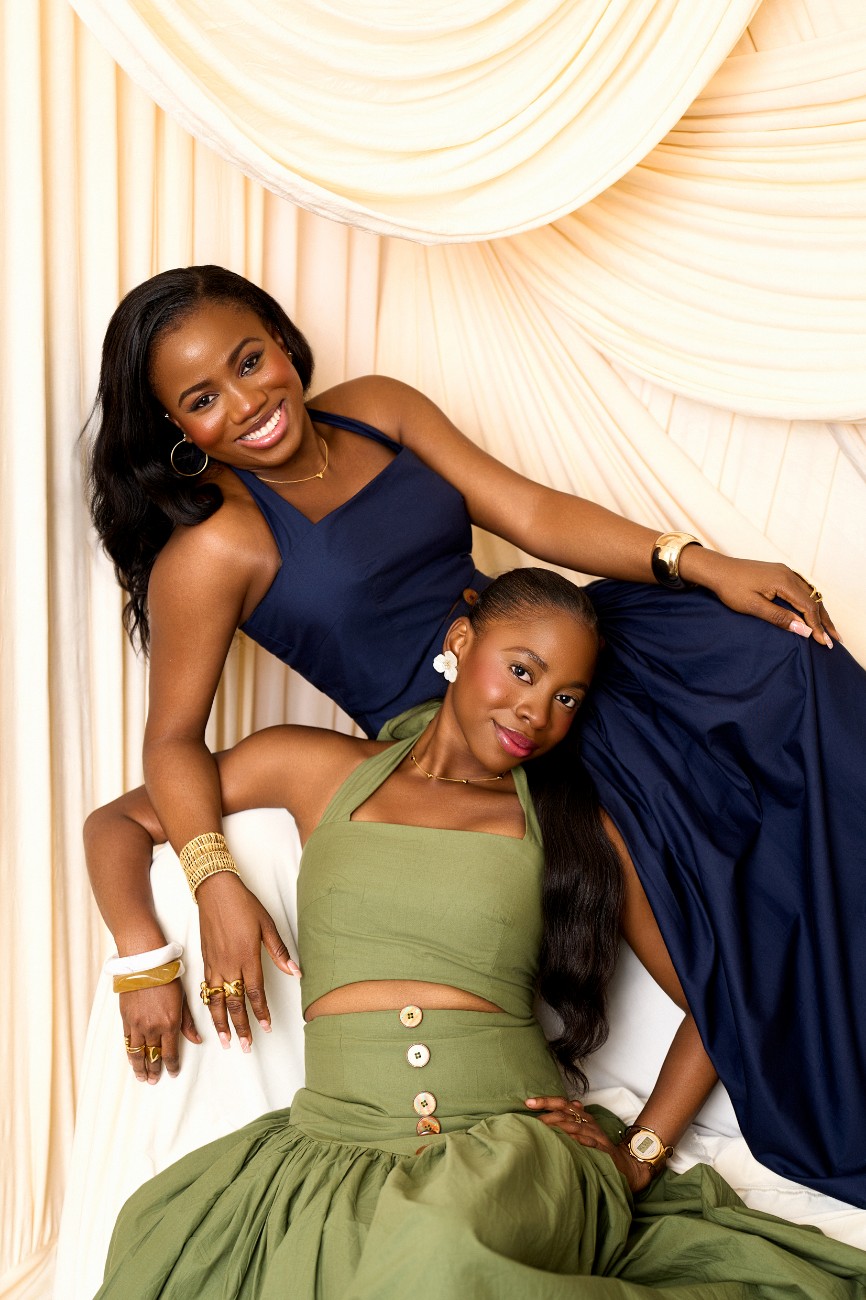
Lanre-Ogun describes her father as lively, fashionable and drawn to colour. He died young. The name Òlan combines elements of their two names, placing him at the centre of the brand’s identity without turning every collection into an explicit tribute. Fashion is part of how she remembers him: she supplies details from his colourful wardrobe, giving the naming a tangible reference rather than a general statement about loss or legacy.
The significance lies in the act of naming, not in a documented design philosophy drawn from his wardrobe. The available material does not establish that individual fabrics, silhouettes or seasonal choices recreate what he wore. It does establish that the founder chose an identity that keeps their names together as the business develops, and that choice says something about how she intends the brand to carry meaning beyond its product range.
From Teed Couture to Òlan
The brand’s chronology begins in 2017, followed by the adoption of the Òlan name in 2020. Those dates establish the relationship between the earlier business identity and the one used today, and they place the founder’s first registration during her undergraduate years. That starting point matters: it positions Òlan not as a recent entry into fashion but as a business with several years of development behind its current presentation.
The biography does not fully account for early collections or the transition between the two names. What it makes clear is that Lanre-Ogun sees Òlan as one brand with several aspects. Its everyday line and bridal offering belong to a shared identity, which frames everything that follows.
Everyday Clothing and the Mila Dress
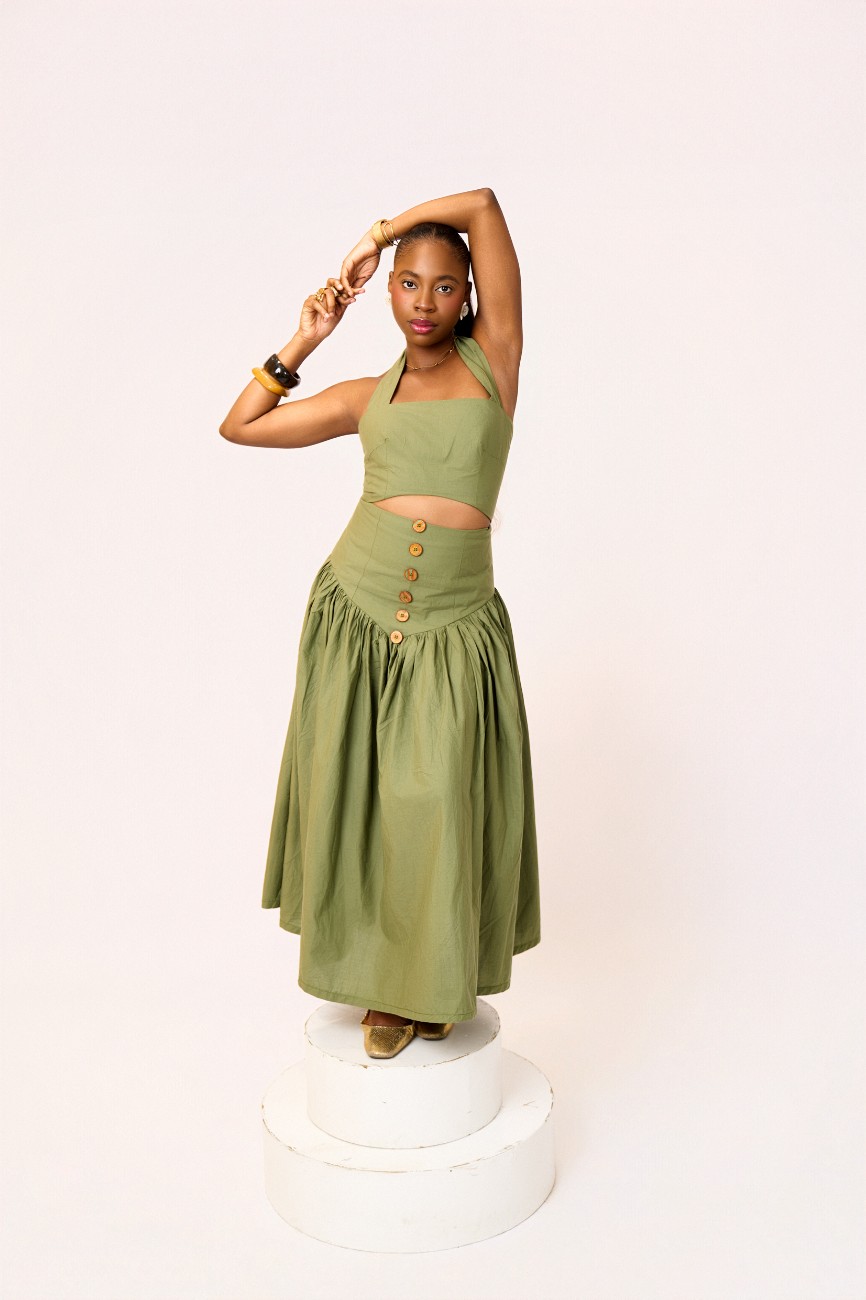
The Mila dress is the principal ready-to-wear design identified in the brand’s supplied material. It is described as a two-piece set styled as one, made from cotton and denim. That description provides a specific starting point for understanding what Òlan means by everyday dressing, rather than relying solely on phrases such as elegance or belonging, which the brand also uses but which do not describe a garment.
The official website lists Mila versions, including Denim, Midnight and Olive. These named options establish the design as a recurring part of the brand’s offering, available in different colourways rather than as a one-off piece. The brand’s communication around Mila also introduces it through colour and styling guidance, connecting the design to practical, daily use rather than positioning it solely for formal or special occasions.
That emphasis on everyday dressing is worth pausing on. A brand that works across both ready-to-wear and bridal commission might easily present its everyday line as secondary, something to fill the weeks between bridal appointments. Òlan does not do that. Mila is given attention, named versions, proposed outfit combinations, and its own space in the brand’s communication. The everyday line and the bridal service are positioned as equal parts of the same offer, reflecting the founder’s stated belief that clothing should help people feel they belong regardless of occasion.
How Òlan Presents Mila
In a post about Mila in Olive, Òlan suggests heels for dinner, trainers for a casual day, a shirt for church and a coat for cooler weather. These are the brand’s proposed combinations, showing how it encourages customers to place the design within different parts of their wardrobe rather than reaching for it only on specific occasions. The communication is practical: it tells customers how to wear the garment, not just that it exists.
Other posts introduce two denim shades and a Sunshine version. The Sunshine post describes that version as made to order using a customer’s measurements. That is a product-specific detail: it applies to Sunshine and should not be taken as evidence that Òlan makes every garment the same way. The brand offers both stocked and made-to-order options, and those differences matter when a customer decides how to approach a purchase.
Òlan Bridal: Different Parts of Wedding Dressing
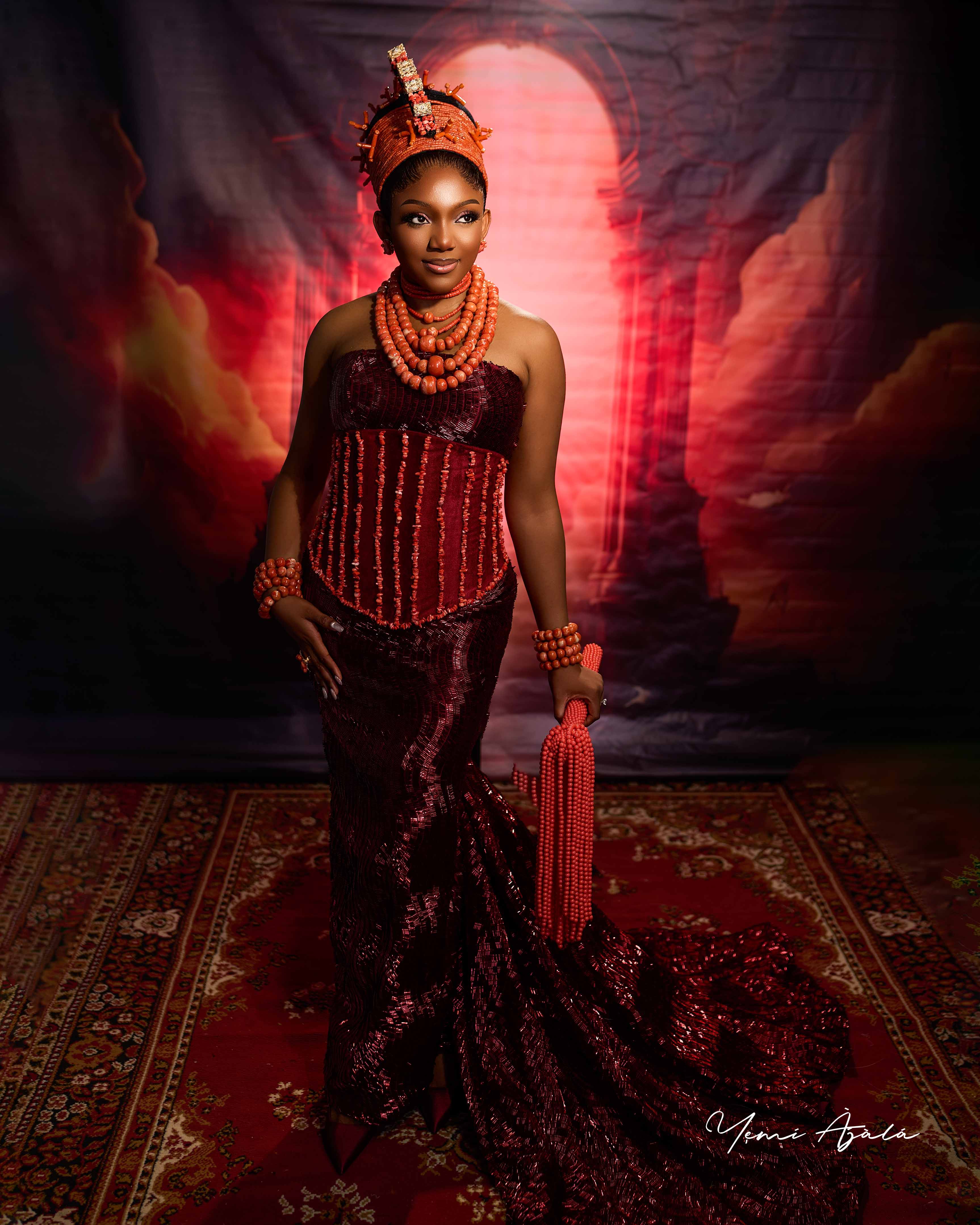
Òlan Bridal extends the brand’s work into wedding clothing through three categories: bridal robes, wedding dresses and traditional outfits. That structure matters because it reflects how many brides actually move through a wedding day or celebration. A robe worn during preparation and photography isn’t the same garment as the dress worn during the ceremony, and a traditional outfit for a separate cultural celebration has its own requirements. Presenting them as distinct categories rather than collapsing everything into a single gown offering acknowledges that complexity.
The bridal page invites prospective clients to book a personalised consultation. This is the published starting point for discussing an individual request, whether that involves a wedding dress, a traditional outfit or both. The available material does not set standard timelines, fitting schedules, or the full terms of every commission, so those questions belong in the consultation rather than in a brand profile that cannot answer them accurately.
A Client Account Involving a Family Textile
A testimonial published on the bridal page describes a client asking Lanre-Ogun to use her mother-in-law’s asọ-ọ̀kè for a traditional wedding look. The client says Òlan Bridal created both her wedding dress and traditional outfit and notes that the treatment of the family textile was a memorable part of the experience. The account supports the broader description of traditional dressing by recording a specific request and response: the founder worked with a textile that carried existing significance for the client’s family, not just a fabric chosen for its visual qualities.
The example is a customer account published by the brand. It doesn’t document the finished silhouette, provide a construction record, or establish that every bridal commission involves an inherited textile. It does show that the brand is willing to build a brief around materials the client brings to the process. For brides with fabrics, garments or textiles that carry family meaning, that willingness is worth knowing about before the first consultation.
One Brand Across Two Markets
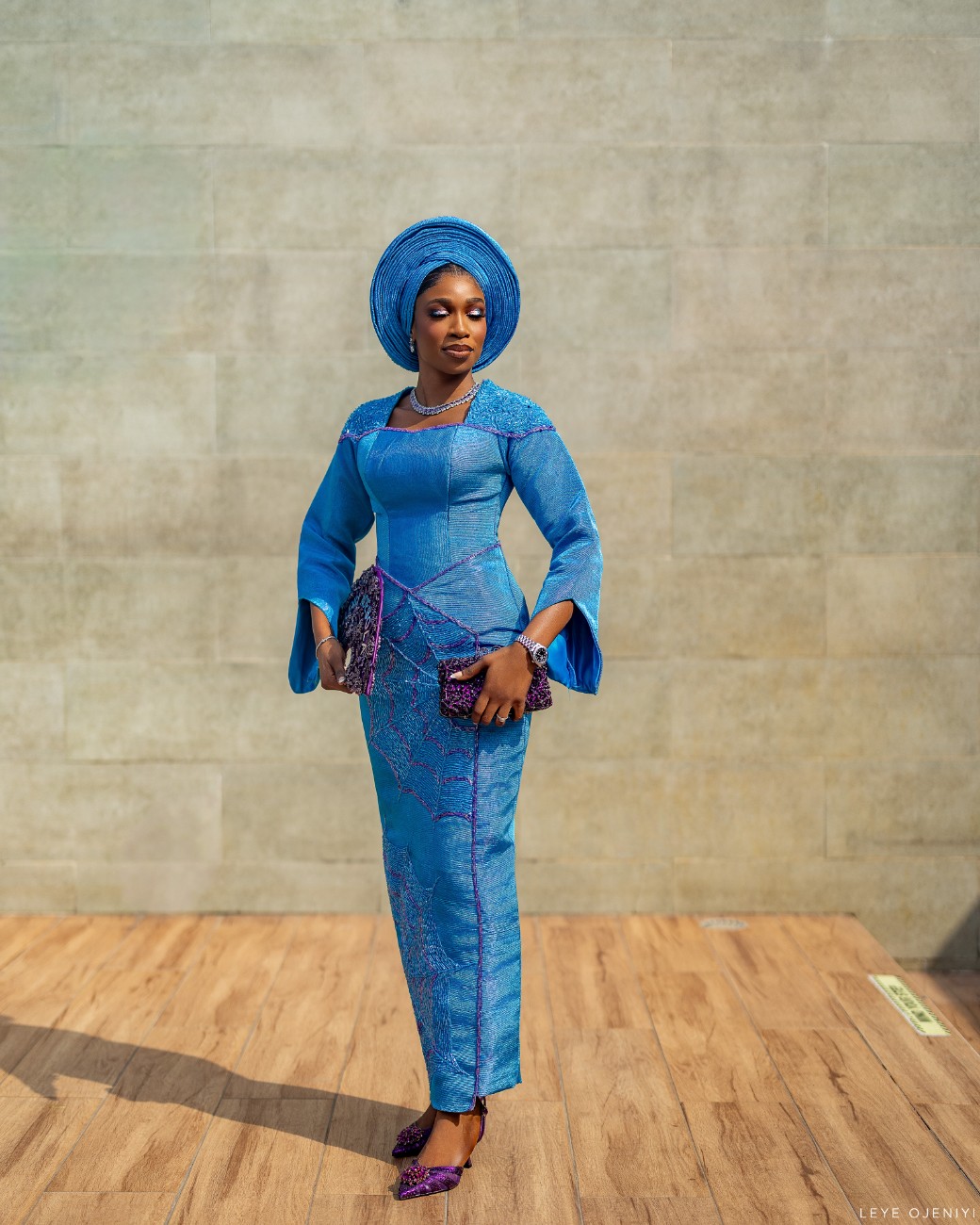
Òlan London is registered and trading in both Nigeria and the United Kingdom. That two-country statement places both markets within the brand’s stated operations. It reflects how many Nigerian-founded fashion businesses work: the founding context is Nigerian, the operating infrastructure often includes the United Kingdom, and the customer base draws from both. The available material does not explain the division of responsibilities between the two countries, identify every operating location or describe the production arrangements that connect them.
For this profile, we retain the two-country description as information supplied by the brand. It is not expanded into claims about manufacturing scale or international reach. It does confirm that Òlan is not a pop-up or a personal project: it is a registered business with a dual-market footprint, and that carries obligations, both commercial and to the customers who purchase from it in either country.
Plans for the Next Chapter
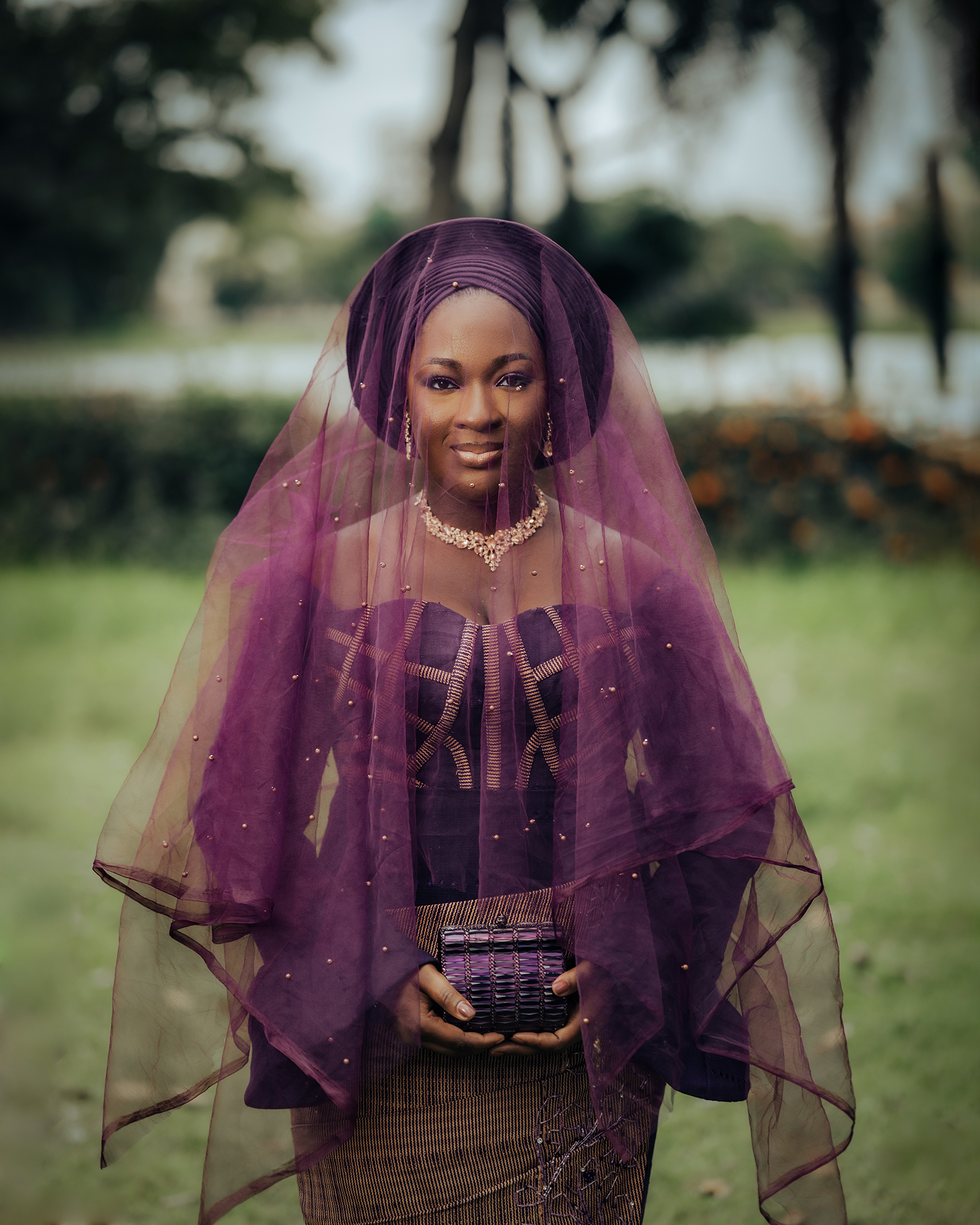
The brand has identified three forthcoming developments. The first is a collection featuring Òlan’s first signature print. The biography describes this as planned for “next year,” but the supplied text is undated, so a specific calendar year cannot be confirmed from this profile alone. A signature print represents a meaningful step for a brand: it moves from working with existing fabrics to proposing a visual identity that customers can associate with the house over time.
Òlan Fashion Academy is described as planned to return in full in 2027 or 2028. The wording suggests a planned return, implying earlier activity, though the biography does not detail its previous courses, location, or admissions arrangements. Fashion education as a branch of a design house is a specific commitment: it asks the founder to make her practice legible to students, which differs from making garments. The Academy’s return, rather than a first launch, suggests it has already tested that proposition.
A further branch, Levra by Òlan, is in development. Its name is supplied, but its purpose, product range and launch date are not. These three projects, the signature print collection, the Academy, and Levra, sit at different distances from what Òlan currently offers. Still, together they describe a founder who sees the brand as having more chapters ahead than behind.
Omiren Argument
The most useful observation about Òlan London is structural: the brand treats its everyday line and its bridal service as equal parts of the same offer, rather than making one the main event and the other supplementary income. That is a particular position for a small independent brand to take, and it places real demands on the founder. She must be credible in both registers, to a customer buying a cotton denim two-piece and to a bride commissioning a wedding dress alongside a traditional outfit made from her mother-in-law’s asọ-ọ̀kè.
For Omiren, the brand shows how Nigerian diaspora designers are building fashion businesses that don’t ask customers to choose between cultural identity and contemporary dressing. The Mila dress is not presented as an “African” garment; it is presented as a garment for a Wednesday, or a dinner, or a Sunday. The bridal service isn’t specialised in one tradition; it covers robes, gowns, and traditional outfits without ranking them. That range, held together by a name with a personal history, is the proposition Òlan is making.
Also Read:
- Brother Vellies: A Footwear Vocabulary Beyond the Founder Story
- A Cooler-Weather Wardrobe for Caribbean-Diaspora Occasion Wear
- Global South Fashion: Why Credit Matters
FAQs
Who founded Òlan London?
Oluwatodimu Lanre-Ogun founded Òlan London. The brand began as Teed Couture in 2017, registered during her undergraduate years, and adopted the name Òlan in 2020. The name combines elements of the founder’s name and her late father’s.
What Does Òlan London Sell?
Òlan London offers everyday ready-to-wear clothing and a dedicated bridal service. Its signature ready-to-wear design is the Mila dress, available in denim, midnight, olive, and sunshine. The bridal range covers bridal robes, wedding dresses and traditional outfits.
Where Can I Find Òlan in London?
The brand is registered and trading in Nigeria and the United Kingdom. Its official website is theolanverse.com, where the bridal page includes an option to book a personalised consultation. Press, buyers and those with specific enquiries should use the contact details on the official site.