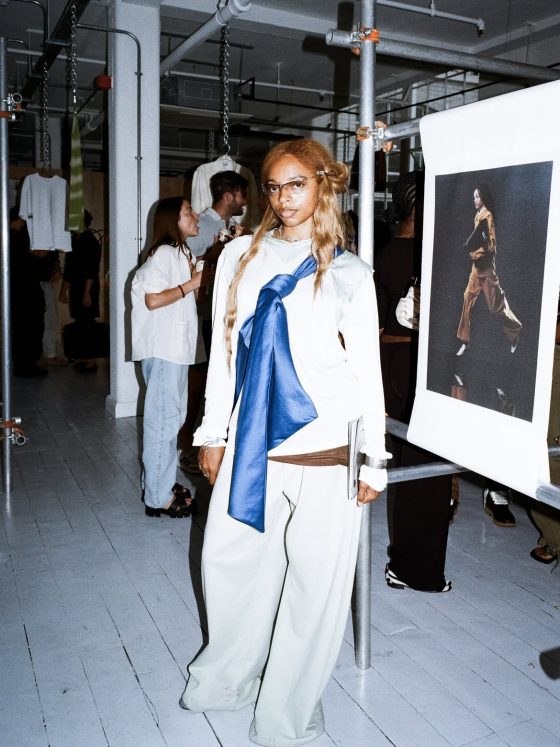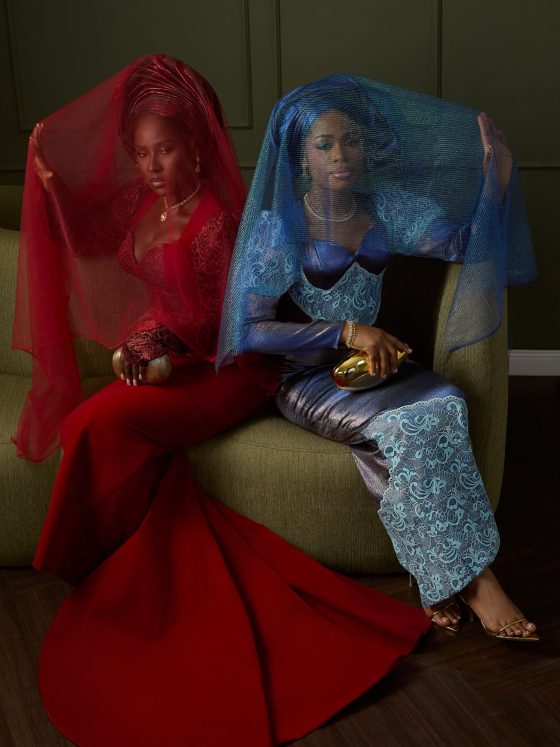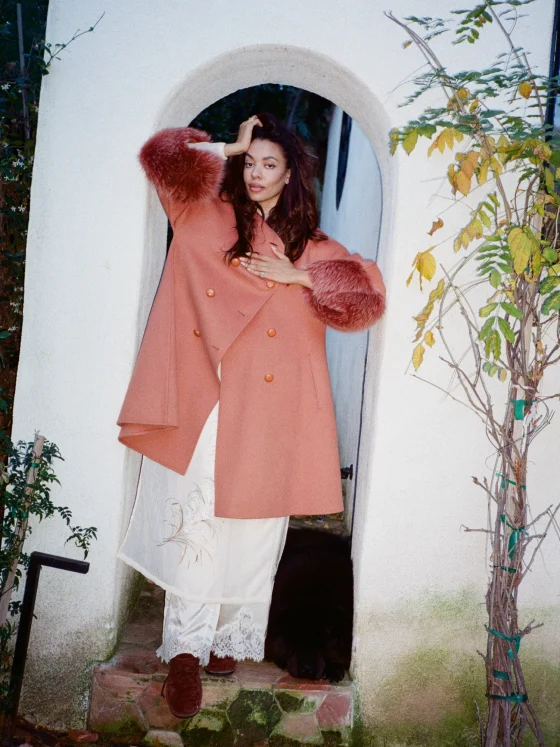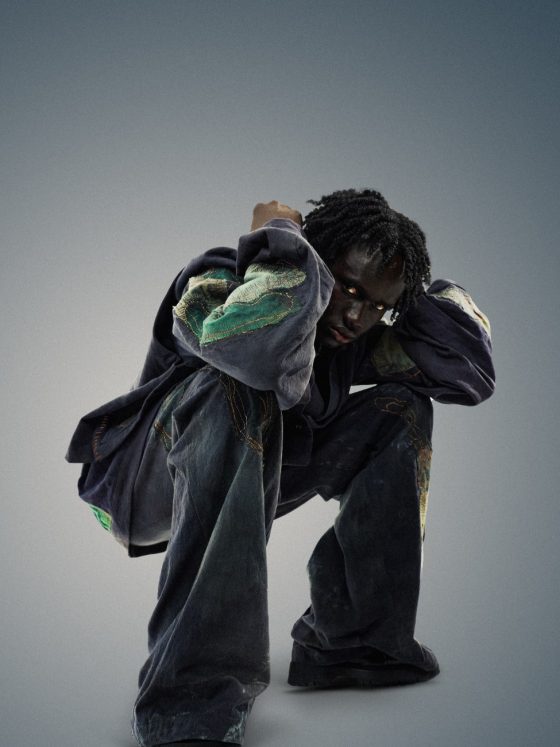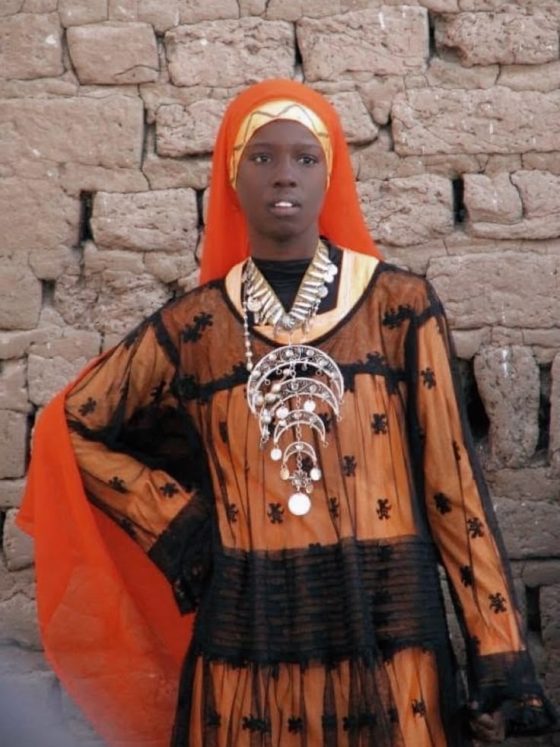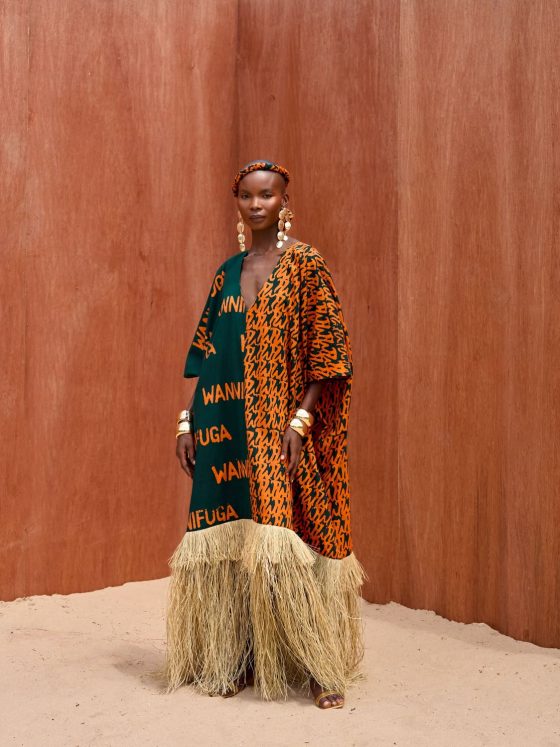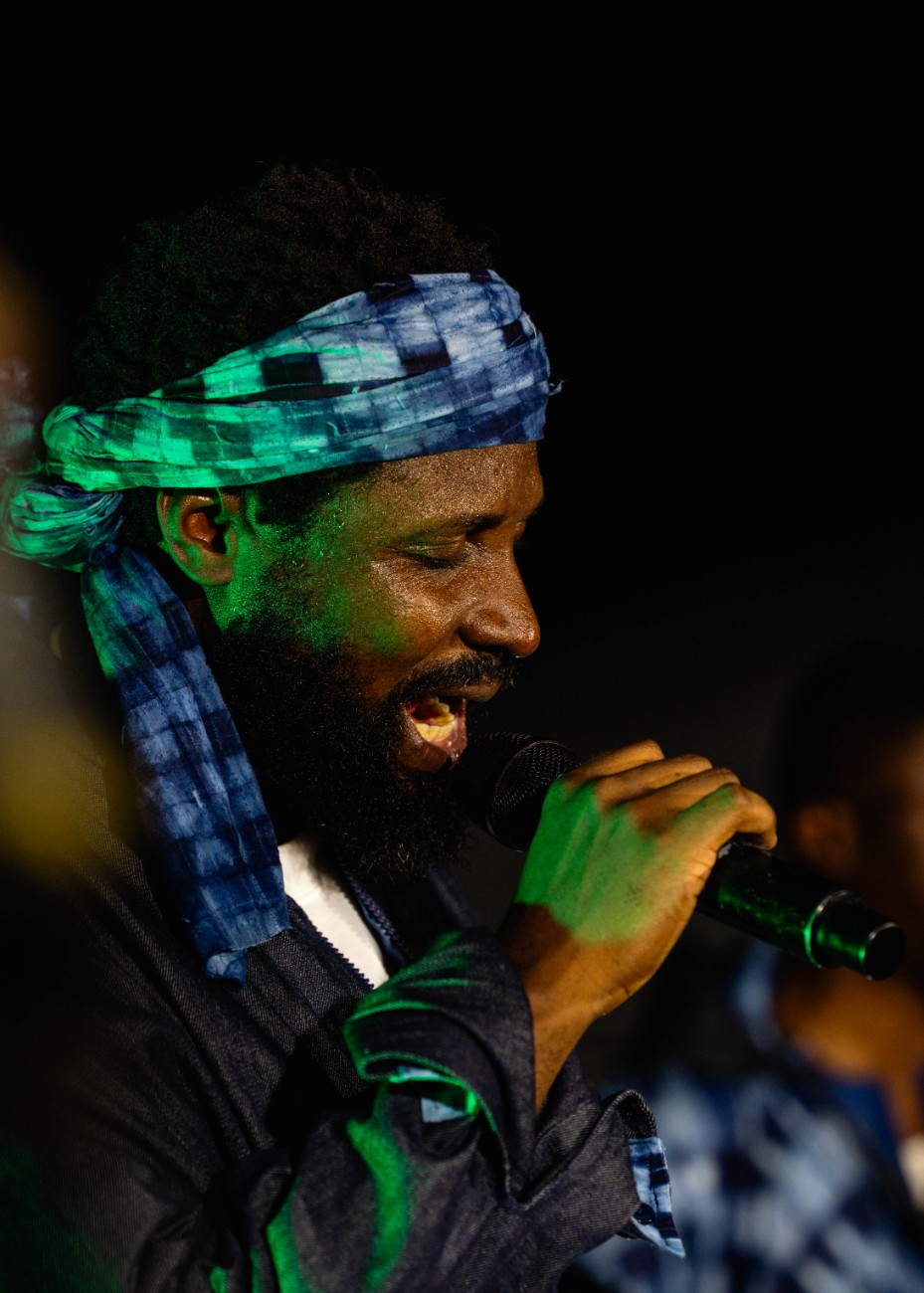
The name is the argument. In the Ewe language of south-east Ghana and southern Togo, asrafo designates warriors or guardians of traditions. Awu means clothing. Asrafobawu, therefore, is the garment of the guardians: le vêtement des gardiens. This is not a brand name chosen for its phonetic appeal or its international legibility. It is an instruction. The clothing is for people who understand themselves as guardians of something, as carriers of a memory that the dominant global culture would prefer to route through its own categories.
The African fashion and beauty market is part of the continent’s 31 bi31-billion-dollaromy. Asrafobawu belongs to a different part of that economy’s logic: not a luxury export, not a streetwear trend, not a heritage souvenir, but a living activist practice in which Togolese musician and poet Elom 20ce uses clothing as one of the forms through which cultural dignity, pan-African memory, and contemporary aesthetics are held together. As Asrafobawu’s official brand documentation confirms, the brand’s vision is to connect ancestral know-how and contemporary aesthetics through the threads of fabrics and the symbolism of jewellery. That sentence carries Elom’s full weight of s founding statement: it did not come to fashion through a business plan. He came through with a vision about what it means to practice African politics while wearing clothes that carry the cultural world being defended.
Asrafobawu is the Lomé-based clothing practice of Togolese activist Elom 20ce: Ewe warrior-guardian dress reinterpreted through Adire, Gangan, and living African aesthetics.
What Elom 20ce Actually Built and Why
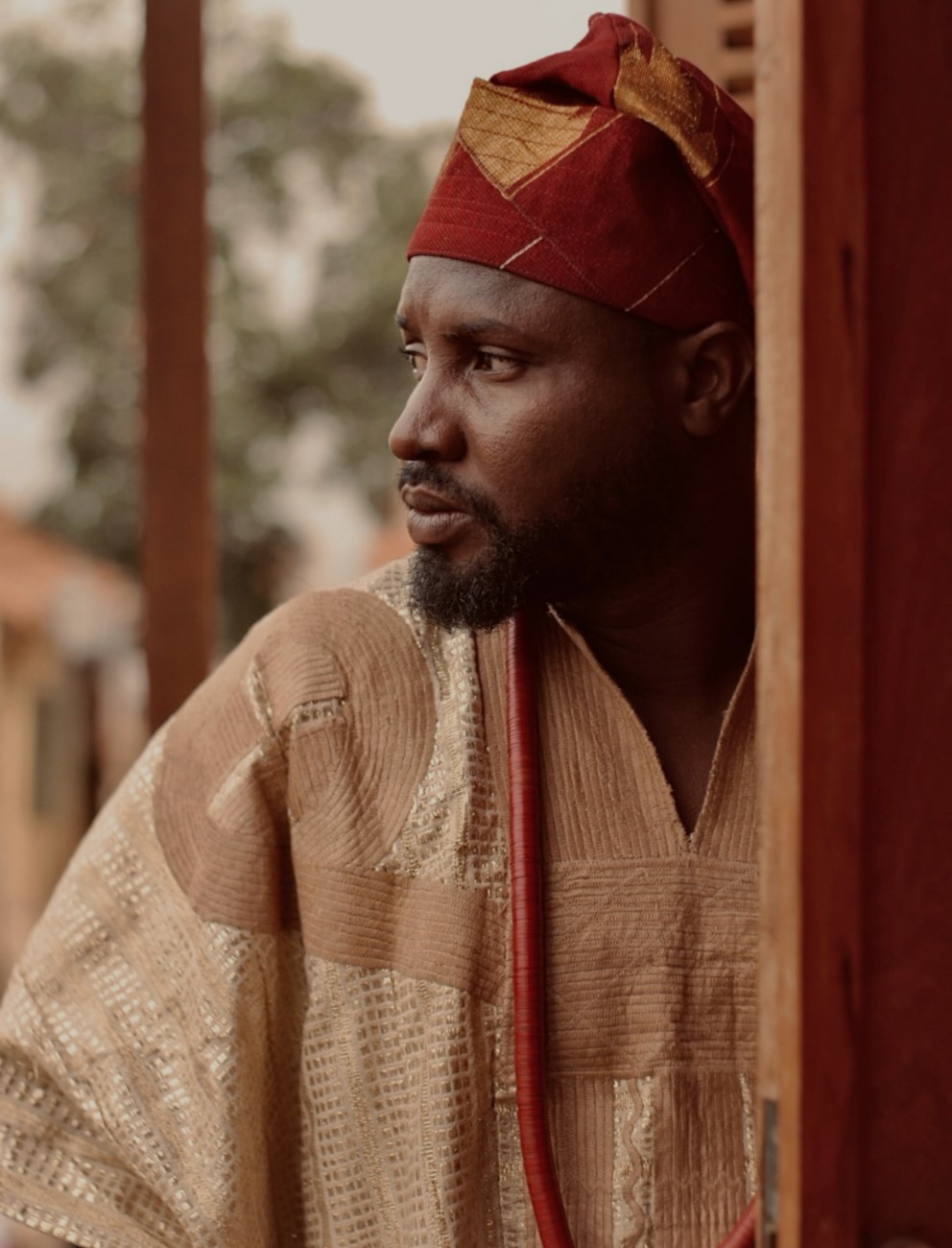
Elom Kossi Vinceslas Khaunbiow, known as Elom 20ce, was born in Lomé in 1982, studied international relations and political science in Cotonou, Benin, and lives between Accra and Lomé. He founded Arctivism in 2009, the same year he established Asrafo Records, as a framework to combine activism through workshops, programmes, and dialogues about freedom of expression, pan-Africanism, and African liberation history. As Leila Antakly Art Projects’ May 2025 profile of Elom 20ce confirms, he is a thinker, pan-Africanist activist, poet, rapper, performer, designer, and filmmaker whose work embodies a deep commitment to cultural liberation and social justice. Asrafobawu belongs inside this total practice. It is not a brand that hired a rapper as a collaborator. It is a rapper’s practice that found another medium.
Elom’s founding account of Asrafobawu, published on the brand’s official About page, is the clearest statement of what the project is: at the base I wanted to make stage costumes to distinguish myself. To make T-shirts with the image of our Lights in the context of Arctivism. Then I understood that beyond the beauty of the materials, there were messages to visit and share. Be visited is hosharedafobawu was born. The sequence matters: stage costume, then Arctivist statement clothing, then the recognition that textiles themselves carry messages beyond their visual surface. The brand emerged from that recognition, not from a commercial opportunity.
At the base, I wanted to make stage costumes to distinguish myself. To make T-shirts with the image of our Lights in the context of Arctivism. Then I understood that beyond the beauty of the materials, there were messages to visit and share. be visited is hosharedafobawu was born. (Elom 20ce)
The Ewe Wisdom That Structures the Brand
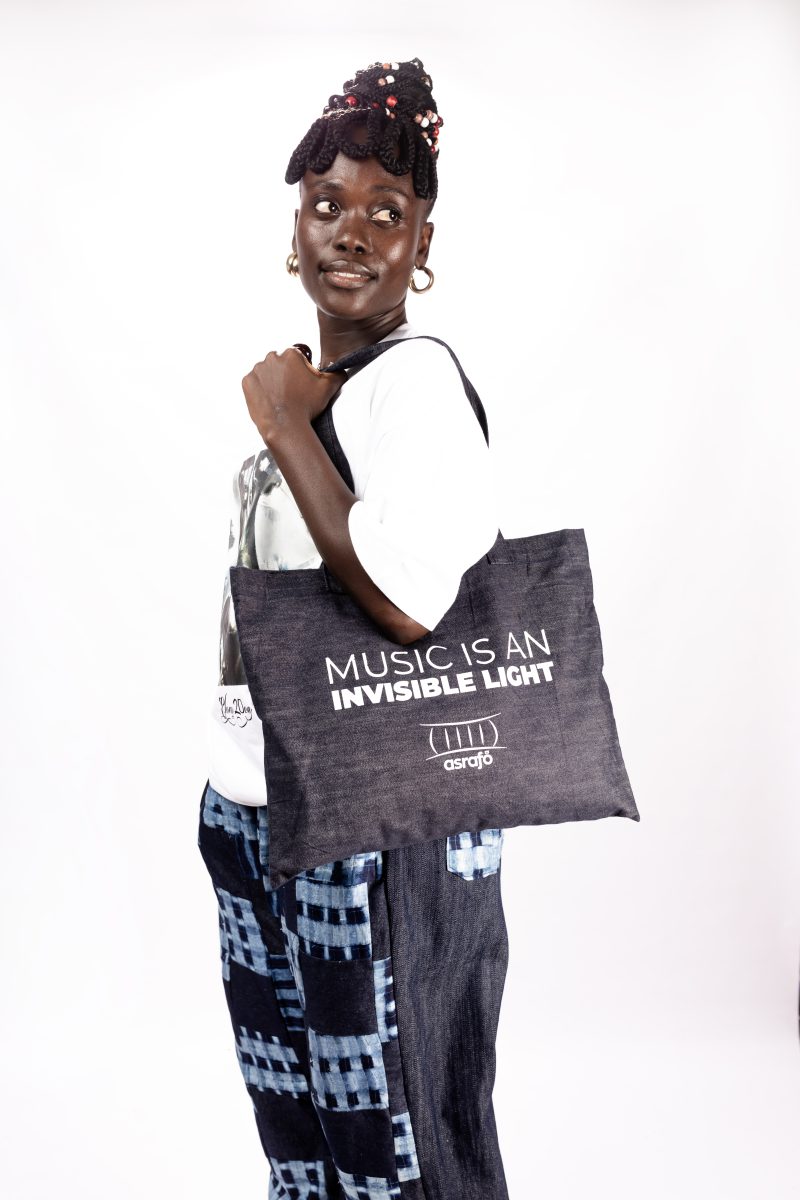
Three Ewe proverbs appear on Asrafobawu’s About page, positioned as wisdom that frames the brand’s practice: ants do not make noise; the crown you wear is no heavier than your head; to see in the dark, you must close your eyes. None of these is decorative ornamentation. Each carries a specific cultural instruction relevant to the kind of practice Asrafobawu represents.
Ants do not make noise: serious collective action does not announce itself with spectacle. The crown you wear is no heavier than your head: the weight of heritage and responsibility is proportional to the person who holds it; it is not an external burden but an internal capacity. To see in the dark, you must close your eyes: clarity comes through turning inward rather than relying on the dominant culture’s light. Together, these three sayings describe an approach to making that is grounded, responsible, and culturally self-directed. They are the operating philosophy behind a clothing brand that describes itself as a guardian’s garment.
The Fabrics and What They Signal
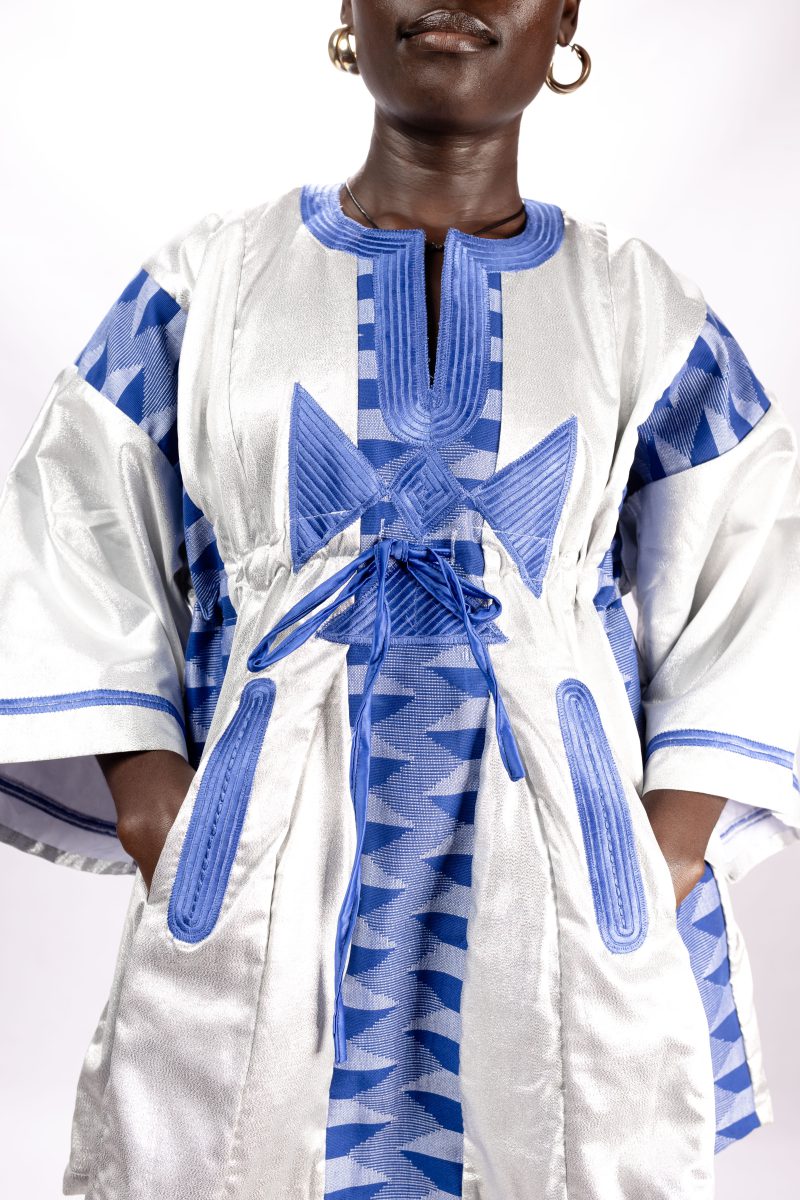
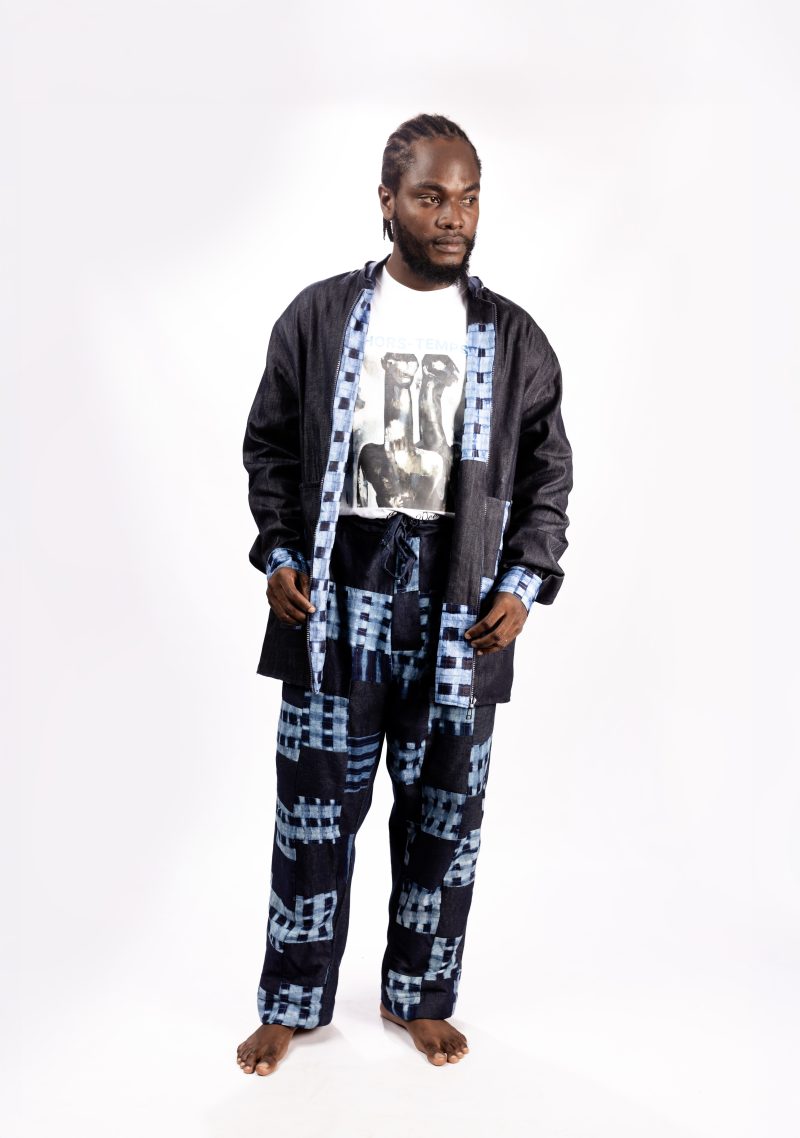
Asrafobawu’s current collection, Hors-Temps, named after Elom’s fifth studio album, uses fabrics that are explicitly named and categorised on the brand’s website: Adire (9 pieces), Jean/denim (7 pieces), Gangan (1 piece), Cristal (1 piece), and Coton (1 piece). As the official Asrafobawu collections documentation confirms, the brand is structured around fabric as the primary organising principle of the product range. This is not incidental. In a practice that treats textile history as the carrier of cultural memory, the fabric names the argument.
Adire is a Yoruba indigo-resist-dyeing tradition from south-western Nigeria, one of West Africa’s most documented and culturally significant textile techniques. Its use by an Ewe artist from Togo, who describes himself as a pan-African working across the continent’s cultural geography, is itself a statement. This practice does not confine itself to a single or national textile tradition. It draws from the continent’s material intelligence as a shared inheritance. The Hors-Temps collection’s denim category is equally specific: contemporary fabric, widely associated with global streetwear, placed in dialogue with Adire in a collection whose name means outside time. The temporal paradox is the point. Both materials, one ancient craft-specific, one industrial-modern, belong in the same garment system.
Seven Cities and What They Mean
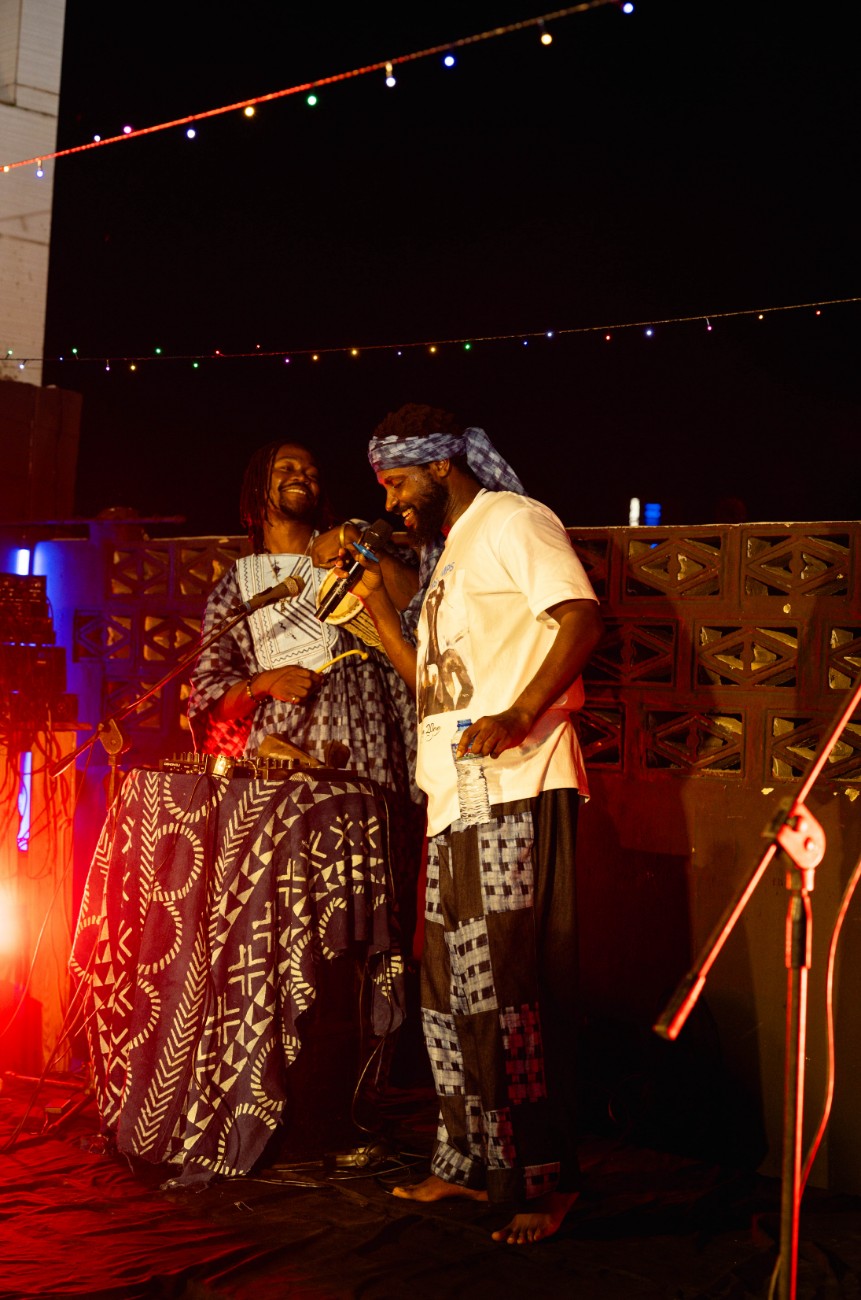
Asrafobawu has held exhibitions and pop-up events in Lomé, Dakar, Paris, Geneva, Bilbao, Hamburg, and Addis Ababa. This seven-city list is documented on the brand’s official About page and is the most direct evidence of the brand’s international reach. It spans West Africa, the European continent, and East Africa: a diaspora geography rather than a conventional fashion market itinerary.
The confirmed retail stockists for Asrafobawu further clarify the brand’s market architecture: Afrikalab in Geneva; La Boutique Kulturelle and Concept Store in Paris; and Little Africa Village in Paris. Four stockists, three of them in Paris, one in Geneva. This is a specifically diaspora retail network: spaces in major European cities where African cultural life, music, art, and fashion circulate among communities who are not waiting for mainstream European fashion to validate what they already know. Afrikalab Geneva is a known space for African creative culture in Switzerland. La Boutique Kulturelle and Namani Concept Store are similarly positioned as cultural retail rather than generic fashion retail. These are not concept stores. They are cultural institutions that stock clothing.
Arctivism Is the Framework, Not the Marketing
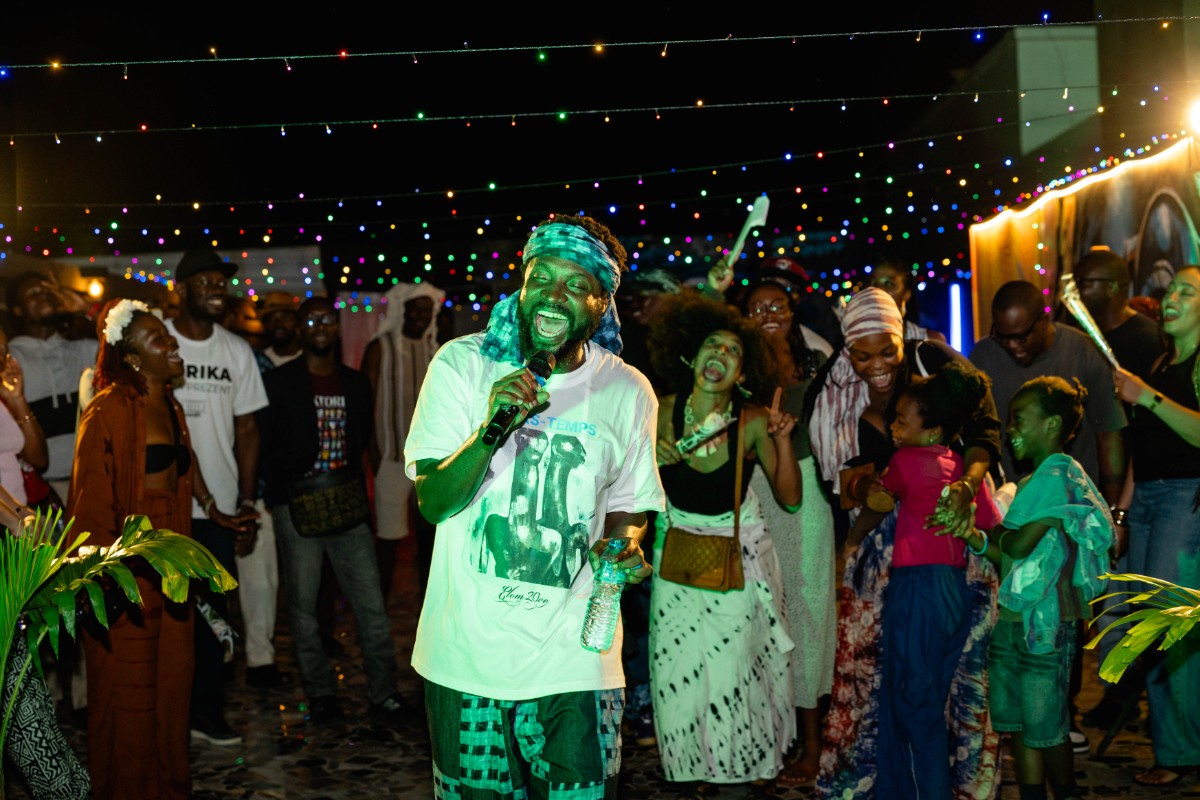
Arctivism is the intellectual and creative framework within which all of Elom’s work, including Asrafobawu, operates. As Jeune Afrique’s 2020 profile of Elom 20ce confirms, Elom has described his Arctivism project as meetings around key figures in African liberation struggles, from Cheikh Anta Diop to Angela Davis, from Thomas Sankara to Kwame Nkrumah. Being African is necessarily being political, he has said. His work is a pan-Africanism anchored in action.
Asrafo Live Sessions, documented on the brand’s official About page as live sessions mixing music, culture, and African fashion, are the most direct expression of how Arctivism operates as a framework rather than a marketing position. The sessions are not product launches. They are the kind of gathering that Arctivism was designed to create: space where music, political conversation, cultural identity, and clothing meet in a room with actual people. The clothing is not displayed on a rail while a buyer assesses it commercially. It is present in the same room as the music, the conversation, and the community. That is a different relationship between fashion and its audience from the one that most streetwear brands manage to produce.
The Omiren Argument
Asrafobawu is not a fashion brand with politics. It is Elom 20ce’s Arctivism practice expressed through cloth. The African fashion and beauty market is part of a 31-billion-dollar economy. But Asrafobawu was not built for that market’s conventional terms. It was built from a question about alignment: what does it mean to speak about African dignity while wearing clothes that bear no relation to the world being defended? Elom’s answer was stage costumes in Adire and Gangan, T-shirts featuring the faces of African liberation thinkers, and, finally, the fuller notion that textile history itself carries messages worth visiting. The brand now has seven city exhibition presence, four confirmed European retail stockists positioned as cultural institutions rather than commercial fashion retail, a collection named after a fifth studio album and structured around explicitly named African and international fabrics, and three Ewe wisdom sayings on its About page that amount to a complete philosophy of making. The tagline toutes ces richesses sont nôtres, all these riches are ours, is not a slogan. It is the thesis. The riches named are cultural: the textile knowledge, the liberation histories, the ancestral knowledge, the contemporary ethics, the Ewe language, the pan-African connections. Owning them is not a commercial claim. It is a cultural one.
Also Read:
- Diaspora Style Is Not Fashion’s Trend Reservoir
- West African Dress as a Living Record: What Oral History Reveals About Cloth
- Who Should Define Cultural Authority in Fashion? Start With the Makers
- The African Origins of Carnival Costume: Feathers, Beads, and the Masquerade Tradition
Frequently Asked Questions
What is Asrafobawu?
Asrafobawu is a Lomé-based clothing brand founded by Togolese artist and Activist Elom. The name comes from Ewe: asrafo means warriors or guardians of traditions, awu means clothing, and the brand’s full description is le vêtement des gardiens, the garment of the guardians. The Ewe are an ethnic group of West Africa living in south-east Ghana and southern Togo. The brand’s tagline is Toutes ces richesses sont nôtres, All these riches are ours. Asrafobawu produces contemporary clothing using African fabrics, including Adire and Gangan, with collections named Hors-Temps, Lonlon, and Yéyé. The brand has held exhibitions and pop-ups in seven cities, including Lomé, Dakar, Paris, Geneva, Bilbao, Hamburg, and Addis Ababa.
Who is Elom 20ce?
Elom 20ce, full name Elom Kossi Vinceslas Khaunbiow, is a Togolese rapper, poet, pan-Africanist activist, performer, designer, and filmmaker born in Lomé in 1982. He studied international relations and political science in Cotonou, Benin, and lives between Accra, Ghana, and Lomé, Togo. He founded Arctivism in 2009 as a framework combining art and, simultaneously, founded Asrafo Relaunched, his independent label. His album Amewuga (2020) was named one of the top ten African albums by RFI. His fifth studio album Hors-Temps (2024), also the name of Asrafobawu’s current collection, was created in an improvised overnight session in Lomé.
What does Asrafobawu mean in Ewe?
Asrafobawu is an Ewe compound: asrafo means warriors or guardians of traditions, and awu means clothing or garment. The Ewe are a West African ethnic group living in south-east Ghana and southern Togo. Asrafobawu therefore means the garment of the guardians. The brand’s official About page frames the Ewe language and Ewe wisdom traditions as central to the brand’s identity, citing three Ewe proverbs that articulate the brand’s philosophical action, responsibility, and cultural self-direction.
What is Arctivism?
Arctivism is a concept coined by Elom 20ce, combining art and activism. Founded in 2009 as an initiative in Lomé, Arctivism brings together workshops, programmes, and dialogues around freedom of expression, pan-Africanism, African liberation history, and the role of creative practice in political consciousness. Elom has described Arctivism as meetings centred on key figures in African liberation struggles incl, including Cheikh Anta Diop, Angela Davis, Thomas Sankara, and Kwame Nkrumah. Asrafobawu began within Arctivism, as Elom created stage costumes and T-shirts for Arctivist events before recognising that textiles themselves carried messages beyond their visual surface.
Where can I buy Asrafobawu?
Asrafobawu is available through the brand’s official website at asrafobawu.com. Confirmed physical stockists include Afrikalab in Geneva, Switzerland, and three locations in Paris: Paristurelle, Namani Concept Store, and Little Africa Village. The brand has also held exhibitions and pop-up events across seven cities including Lomé, Dakar, Paris, Geneva, Bilbao, Hamburg, and Addis Ababa.
Explore More
Read the full Culture > Heritage Stories section for Omiren Styles’ documentation of West African dress traditions, activist cultural practices, and the artists whose clothing is an argument for wealth and self-determination.
Discover travel and heritage intelligence across Togo, Ghana, and the Gulf of Guinea at Rex Clarke Adventures.