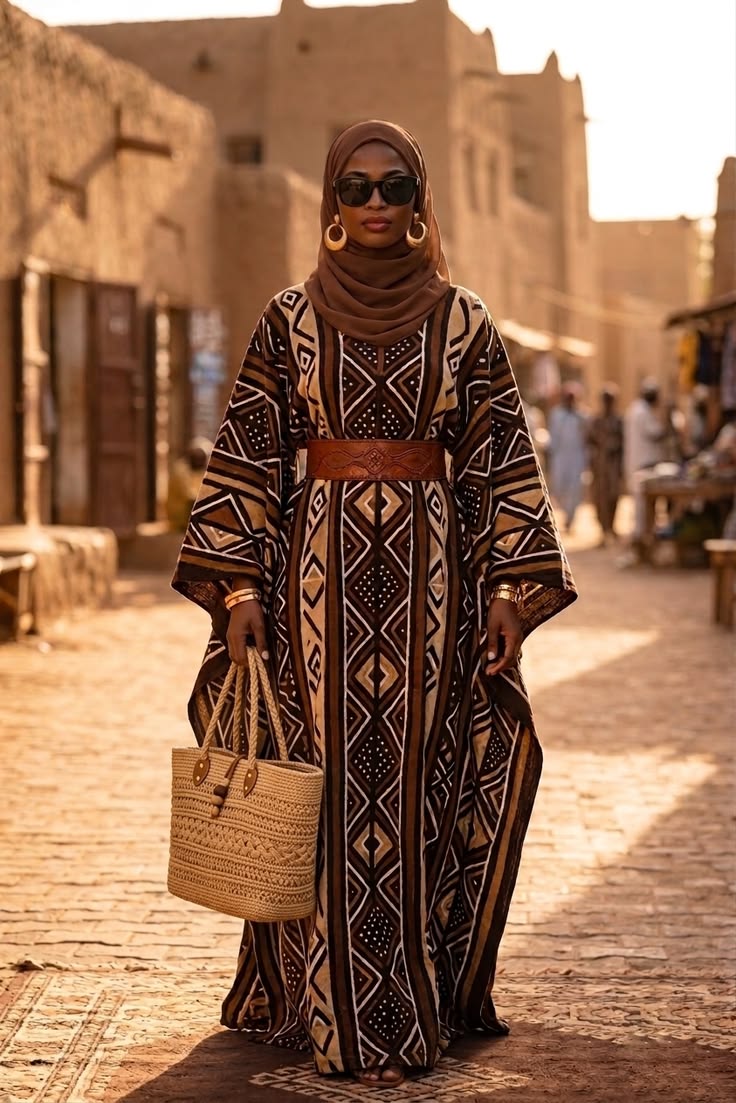
When fashion editors describe a designer working across African and Indian textile references as fusion, they are describing something that began approximately five centuries ago as a commodity trade and framing it as a contemporary aesthetic experiment. The Indian Ocean connected African and Indian textile cultures commercially, materially, and aesthetically long before any designer thought to bring them together in a single collection. The kanga, the kikoi, the merikani: these East African textile staples are material evidence of the Indian Ocean trade’s centuries-long role in shaping what African communities wore. Calling the contemporary design relationship between Africa and India a fusion implies that they are starting points that have never met before. They have been meeting for longer than European fashion has existed.
The African fashion market is worth 31 billion dollars. The African-Indian design relationship that fashion journalism characterises as a contemporary cultural development is traceable in the academic record to at least the 10th century, in documented textile exchange, and to a peak of mass commercial production in the 18th and 19th centuries, when Indian manufacturers produced cotton cloth specifically calibrated to African market preferences. As the peer-reviewed research paper ‘Cloths of a New Fashion: Indian Ocean Networks of Exchange and Cloth Zones of Contact in Africa and India in the Eighteenth and Nineteenth Centuries’ confirms, textiles produced in Jambusar catered specifically to African markets, demonstrating high specialisation and adaptability, with approximately 300,000 to 1,000,000 pieces of textiles exported annually to East-Central Africa from the 1750s to the 1840s. African consumers were not sidelined but rather pivotal in negotiating trade conditions. The design relationship was bidirectional and commercially structured, not culturally incidental.
From Gujarat to the Niger Delta, African and Indian textile traditions have shaped each other for centuries. Fashion calling this fusion has missed the history.
The Trade Preceded the Trend
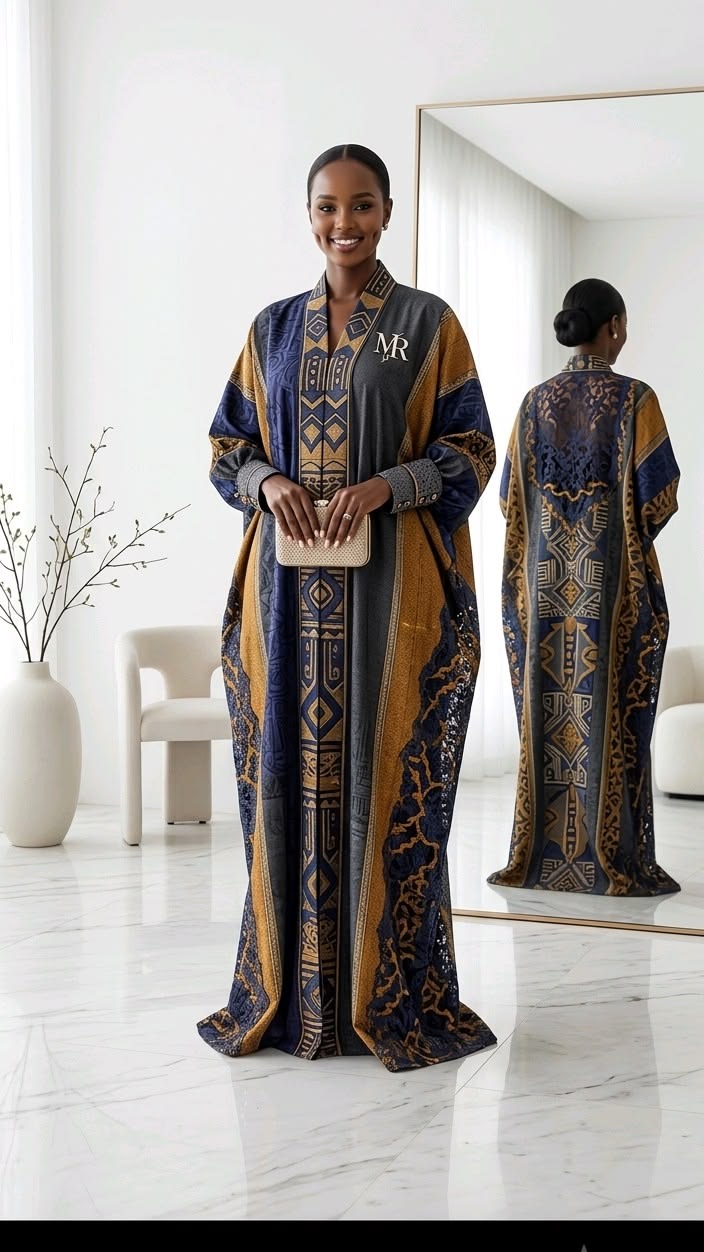
The Vaniya merchant networks of Gujarat provided the commercial infrastructure that connected Indian textile producers with African consumers across the Indian Ocean. These were not casual cultural exchanges. They were organised trade relationships in which African consumer tastes directly shaped what Indian weavers produced. A textile manufacturer in Jambusar in the 1780s was making design decisions based on African market feedback transmitted through trading networks that spanned thousands of miles of ocean. African aesthetic preferences were economic signals in the Indian textile industry.
This commercial-aesthetic relationship produced specific material objects that African communities incorporated into their dress cultures and made their own. The kanga, the printed cotton cloth worn across East Africa from Kenya and Tanzania to the Swahili coast and the islands, developed its specific form through the Indian Ocean trade. The kikoi, the striped cotton wrap associated with coastal East Africa, belongs to the same material history. The merikani, a plain-weave cotton whose name derives from American, came via Indian Ocean trade routes through Bombay. Each of these is not a borrowed Indian cloth. It is an East African textile that carries the Indian Ocean trade in its material history.
African consumers were not passive recipients of Gujarati textile production. They shaped it. Between the 1750s and the 1840s, Indian textile producers in Jambusar produced cloth specifically for East and Central African markets, at volumes ranging from 300,000 to 1,000,000 pieces annually. That is not an influence. It is a supply chain. Calling the contemporary design relationship between Africa and India fusion erases the commercial relationship that preceded it by several centuries.
Injiri and the Kalabari: Indian Cloth Made African
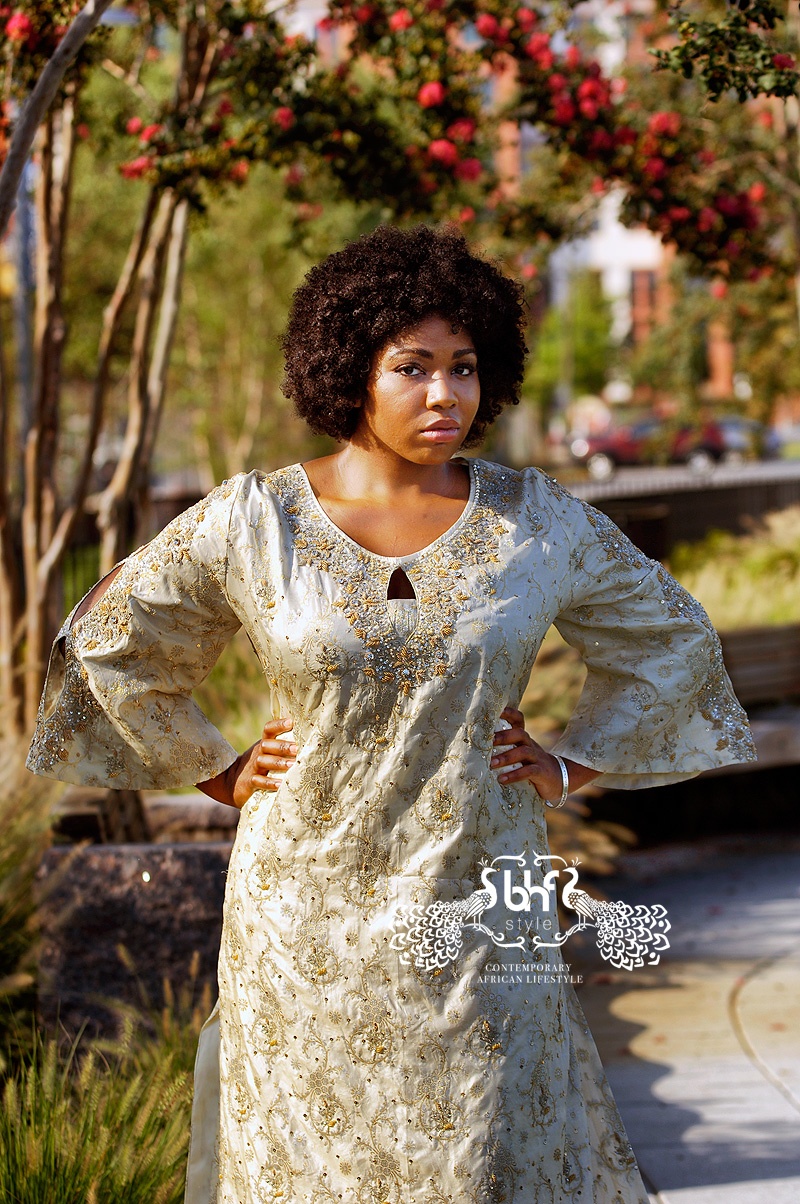
The most precisely documented example of the African-Indian textile relationship in a specific contemporary dress context is the Kalabari use of injiri, Indian madras cotton, as the base material for pelete bite, the quintessential Kalabari cloth. As Omiren Styles’ documentation of the Iria Kalabari dress tradition confirms, pelete bite is made from Indian madras, a plaid or checked cotton textile handwoven in India and imported into the Niger Delta for more than 200 years. The maker uses a needle to pick up individual threads and cuts them with a penknife or razor blade, pulling out each thread across the whole cloth to create geometric motifs. The resulting cloth is understood as quintessentially Kalabari.
The pelete bite example is the most historically compressed expression of the African-Indian design relationship available in any currently practised dress tradition. An Indian-woven cloth enters the Niger Delta through the trade networks of the Indian Ocean and the colonial economy. Kalabari women transform it through a labour-intensive thread-cutting process into a cloth whose visual language is entirely their own. The cloth retains its Indian material origin and develops an entirely Kalabari cultural identity through that transformation. This is not fusion. This is cultural authentication: the process by which a foreign material is incorporated into a community’s dress tradition and made specifically theirs through skilled transformation.
The Comorian and Swahili Cases
The pelete bite example is not unique. The Comorian shiromani, documented in detail by Omiren Styles, carries the same Indian Ocean material history. As Omiren Styles’ documentation of the shiromani as Comorian national dress confirms, the Comoros archipelago’s cultural identity is more precisely Indian Ocean than continental African: shaped by the maritime trade network that connected Zanzibar, Mombasa, Malindi, Aden, and Muscat with Goa and Calicut before European colonialism reorganised those routes. The Shiromani’s cotton fabric reflects South Asian textile production traditions that entered the Indian Ocean trade. Its six-square construction, creating the distinctive cross on the body when worn, and the ylang-ylang motif specific to Anjouani agricultural identity, are the Comorian transformation of that material inheritance.
The Swahili coast’s dress cultures more broadly demonstrate the same pattern. The kanzu, the long white garment worn by men across the Swahili coast, belongs to a dress vocabulary shaped by Arab and South Asian trading communities whose presence along the East African coast precedes European contact. The urban dress of 19th-century Zanzibar, documented in colonial photography and contemporary scholarship, reflects an Indian Ocean material culture in which African, Arab, and South Asian elements had been integrated through generations of commercial and residential proximity. None of this is fusion. It is the material record of a trading civilisation whose dress reflected its geography.
Priya Ahluwalia and the Contemporary Inheritance
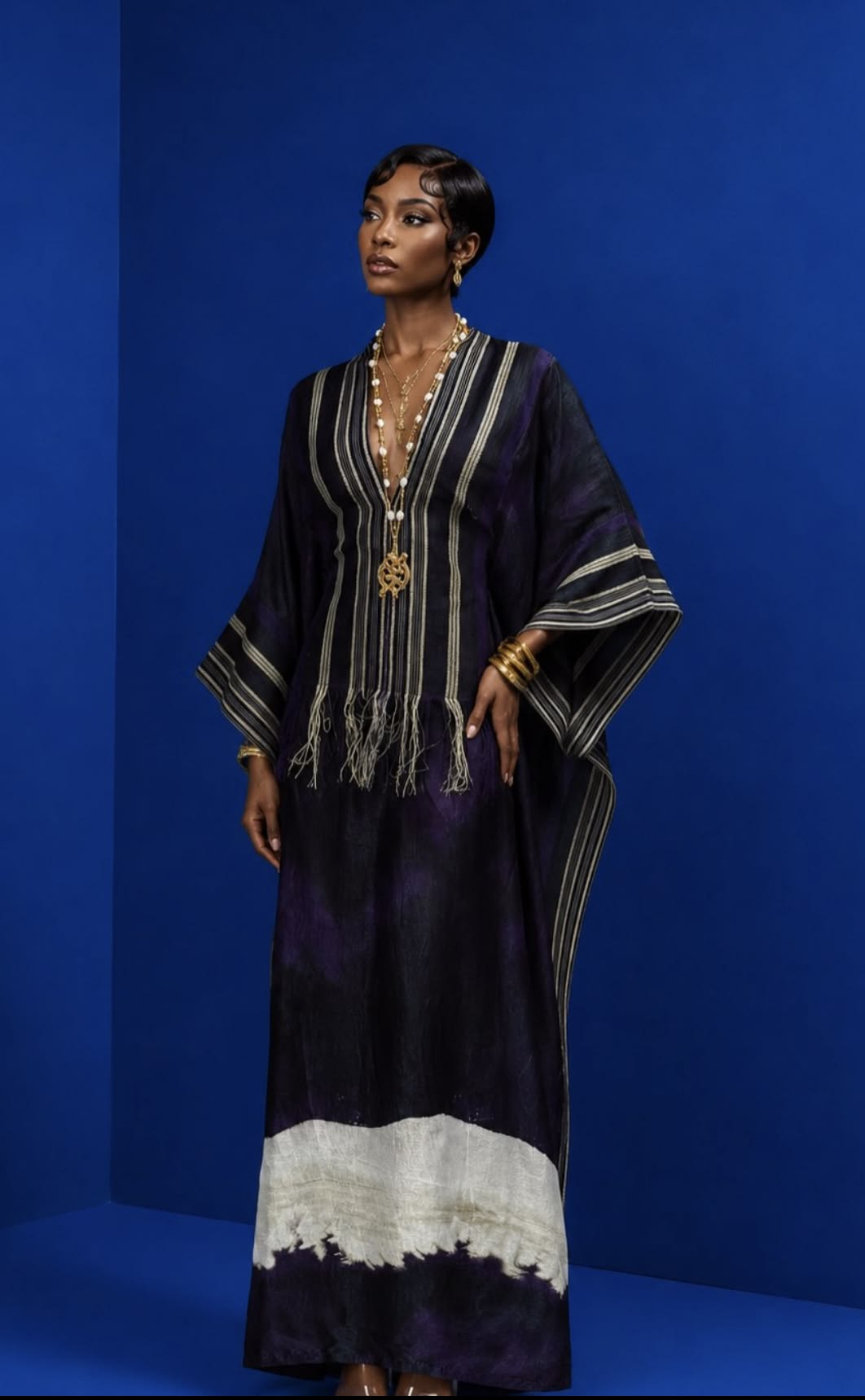
Priya Ahluwalia’s design practice is the most internationally recognised contemporary articulation of the African-Indian creative inheritance. Born in London to a Nigerian father and an Indian mother, she launched her label in 2018 after research trips to Lagos and Panipat, the Indian city described as the garment recycling capital of the world. As the London Fashion Week official documentation of her practice confirms, the Ahluwalia ethos originates from family trips to Nigeria and India, combining elements of her dual Indian-Nigerian heritage and London roots, and exploring the potential of vintage and surplus clothing by giving existing materials new life through textile techniques.
Her own account of the creative logic is the clearest statement of how the African-Indian design relationship works from inside a practice built from both inheritances. As Global Indian’s March 2025 documentation of Ahluwalia’s design biography confirms, she told GQ: I am always inspired by my heritage and upbringing. I am Nigerian and Indian, and I was brought up in London. I love the vibrancy of Lagos style, the craftsmanship of Indian textiles and the typical mixed wardrobe of a London man. They fuse to create collections that are both serious and playful. The word fuse appears in her own description, but she uses it to describe what her practice produces, not what African and Indian textile cultures inherently are. Her practice is the continuation of a relationship whose commercial infrastructure she encountered in the Lagos secondhand market and the Panipat recycling mountains.
Ahluwalia’s research journey from Lagos to Panipat was not a creative experiment but a supply chain investigation. She followed the clothes: from British charity donations to Nigerian secondhand markets to Indian recycling facilities. That investigation, which became the methodological foundation of her sustainable design practice, traces a material circuit that connects Nigeria, Britain, and India through the contemporary garment trade. The 18th-century Indian Ocean trade and the 21st-century charity donation circuit are structurally related: both move textiles among British, African, and Indian economies in ways that shape what each community has available to wear. Ahluwalia’s practice makes that structural relationship visible.
Why Fashion Calls It Fusion
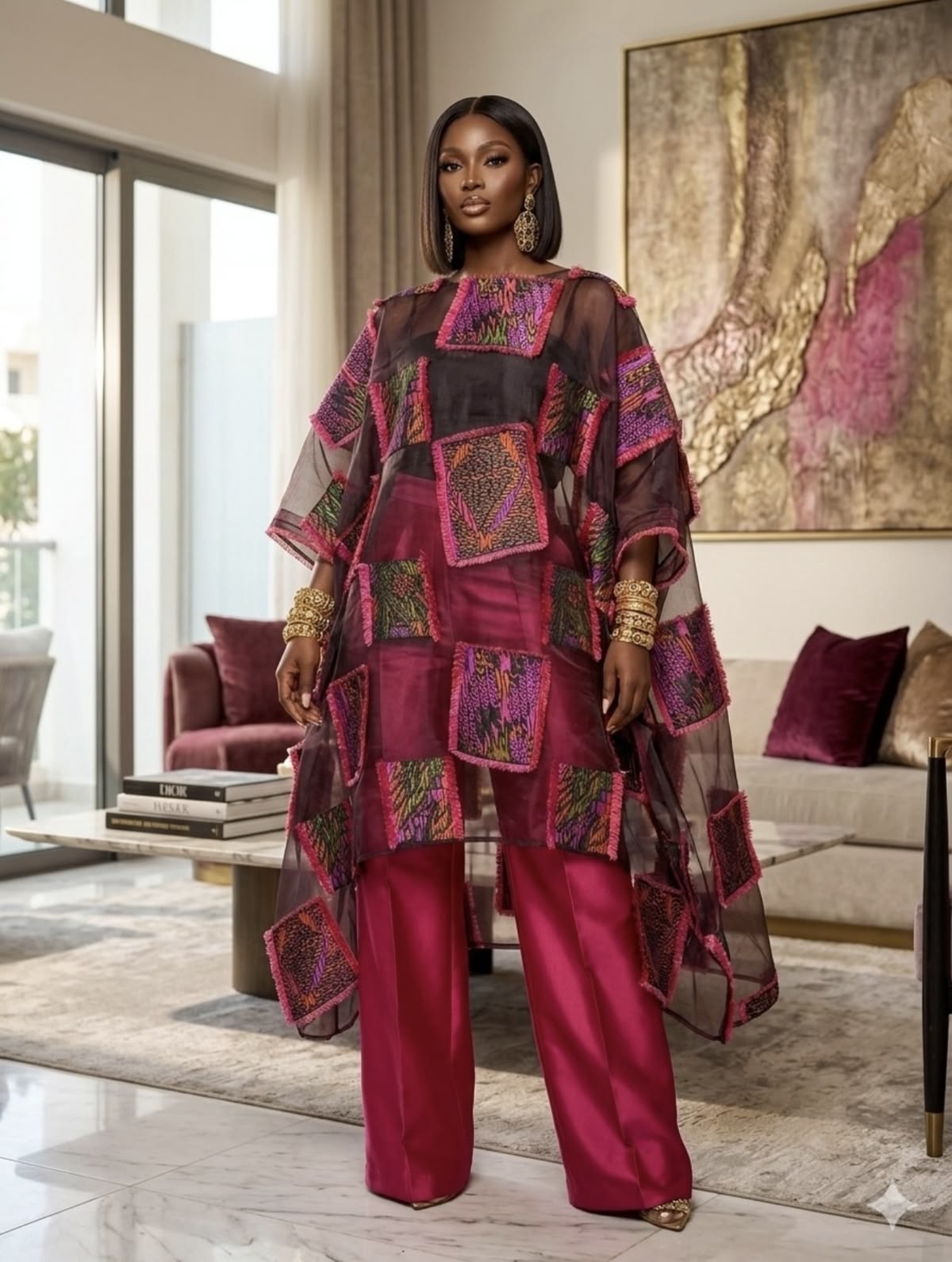
The fashion industry calls the African-Indian design relationship fusion for the same reason it calls African fashion emerging: because its knowledge base begins at the moment of its own discovery rather than at the moment of the thing’s actual origin. A fashion press that does not know that Gujarati manufacturers were producing 300,000 to 1,000,000 pieces of cotton cloth annually for East and Central African markets in the 18th century will frame a contemporary designer who works across both inheritances as someone who is bringing two separate things together for the first time. They are not. They are working within a relationship that has been structurally continuous for centuries.
The fusion framing also does something more specific: it treats African and Indian design traditions as equivalent starting points whose combination is the interesting thing. As Omiren Styles’ documentation of the eight editorial shortcuts in African textile reporting confirms, the equivalent of calling all patterned African cloth ankara, calling bogolanfini mud cloth without historical context, or describing African fashion as emerging, calling African-Indian design fusion is a category error that replaces a specific historical relationship with a vague contemporary descriptor. The specific relationship has a name. It is the Indian Ocean textile trade. The contemporary designers who work within it are not fusing two separate traditions. They are continuing one.
The Omiren Argument
African-Indian design is not a fusion trend. It is a fashion history that the industry has failed to name, because the industry’s knowledge of African fashion history extends only as far as its own coverage. The African fashion market is worth 31 billion dollars. The Indian Ocean textile trade connected African consumer demand with Indian textile production at volumes of up to one million pieces annually in the 18th century. The kanga, the kikoi, and the merikani are East African textiles whose material histories run through the Indian Ocean trade. Pelete bite is made from Indian madras and is the quintessential Kalabari cloth. The shiromani’s cotton fabric reflects South Asian textile production, introduced into the Comorian cultural world through the very trading network that connected Goa with Mombasa. Priya Ahluwalia’s creative research spanned from Lagos to Panipat because the material circuit that her design practice interrogates follows the global garment trade, whose African-Indian nodes have been commercially active for centuries. None of this is fusion. Fusion is the combination of two separate things. These are not two separate things. They are one continuous material and cultural relationship whose commercial infrastructure predated European fashion by centuries and whose contemporary expression in design practice the international fashion press has only recently begun to notice and has consistently misdescribed when it has.
Also Read:
- Sierra Leone’s Country Cloth Is Not Gara: The Woven Archive Behind Mende Textile Design
- Diaspora Style Is Not Fashion’s Trend Reservoir
- Who Should Define Cultural Authority in Fashion? Start With the Makers
Frequently Asked Questions
What is the history of African Indian textile trade?
The African-Indian textile trade has roots documented to at least the 10th century in the Indian Ocean exchange network. Its most commercially intensive period is documented between the 1750s and the 1840s, when Gujarati manufacturers in Jambusar produced between 300,000 and 1,000,000 textile pieces annually for East and Central African markets. African consumers actively shaped what Indian producers made: their aesthetic preferences were transmitted through Vaniya merchant networks connecting India and the East African coast, making African market demand a direct influence on Indian textile design. This relationship produced specific East African textiles including the kanga, kikoi, and merikani whose material histories trace through the Indian Ocean trade.
How did Indian textiles reach Africa?
Indian textiles reached Africa through the Indian Ocean maritime trade networks that connected the Gujarati coast, Bombay, and other Indian ports with the Swahili coast, Zanzibar, Mombasa, and other East and Central African trading centres. The Vaniya merchant networks of Gujarat were the primary commercial infrastructure for this trade in the 18th and 19th centuries. Arab merchants from Oman and the Arabian Peninsula also participated in this trade, with Zanzibar serving as a major entrepôt. The same trade networks brought Indian textiles to the Comoros, Seychelles, and Madagascar, shaping dress cultures across the Western Indian Ocean.
Who is Priya Ahluwalia?
Priya Ahluwalia is a British fashion designer born in 1992 in London to a Nigerian father and an Indian mother. She launched her eponymous label in 2018 after graduating from the MA Menswear course at the University of Westminster. Her research for the label included trips to Lagos, where she encountered the secondhand clothing market, and Panipat, India, a centre for garment recycling. Her practice combines Indian-Nigerian heritage, sustainable production through vintage and deadstock materials, and awards including the LVMH Prize (2020), Queen Elizabeth II Award for British Design (2021), and Forbes 30 Under 30 recognition. Her collections draw on what she describes as the vibrancy of Lagos style and the craftsmanship of Indian textiles.
What is the kanga and where does it come from?
The kanga is a printed cotton cloth worn across East Africa, particularly on the Swahili coast, Kenya, Tanzania, and the islands of Zanzibar and the Comoros. Its development is linked to the Indian Ocean textile trade, which brought Indian cotton cloth to East African coastal communities. The specific form of the kanga, with its framed border, printed design, and inscribed Swahili proverb or text, developed on the East African coast through community adoption, adaptation, and commercial development of the Indian textile trade. It is not an Indian garment. It is an East African textile whose material history traces back through the Indian Ocean trade.
What is injiri cloth in Kalabari tradition?
Injiri is the Kalabari name for Indian madras, a plaid or checked cotton textile handwoven in India and imported into the Niger Delta, where the Kalabari people of Rivers State in Nigeria live, for more than 200 years. Kalabari women use injiri as the base material for pelete bite, making the cloth by picking up individual threads with a needle and cutting them with a penknife or razor blade to create geometric motifs. The resulting cloth, despite being made from Indian-woven cotton, is considered quintessentially Kalabari. The pelete bite tradition is documented by FIT’s Fashion History Timeline and in the Berg Encyclopedia of World Dress and Fashion: Africa.
Explore More
Read the full Fashion > Opinion section for Omiren Styles’ documented arguments on African fashion history, the Indian Ocean textile trade, and the editorial precision that fashion writing about African design traditions requires.
Discover travel and heritage intelligence across the Indian Ocean islands and East Africa at Rex Clarke Adventures.