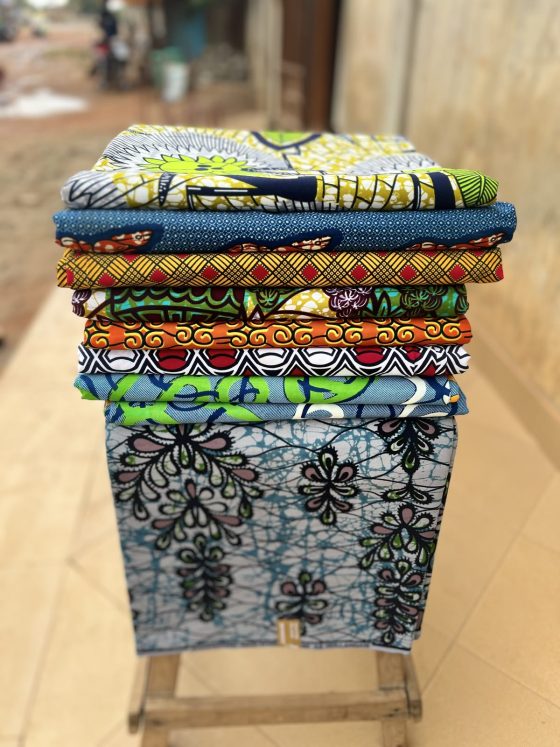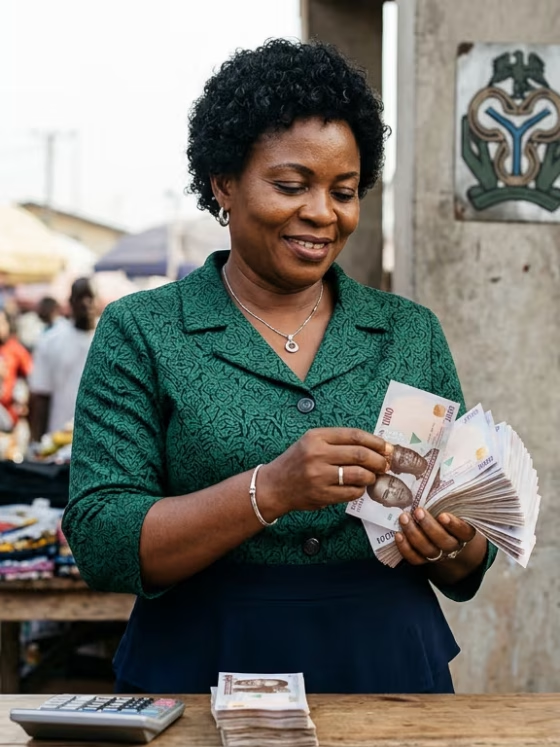
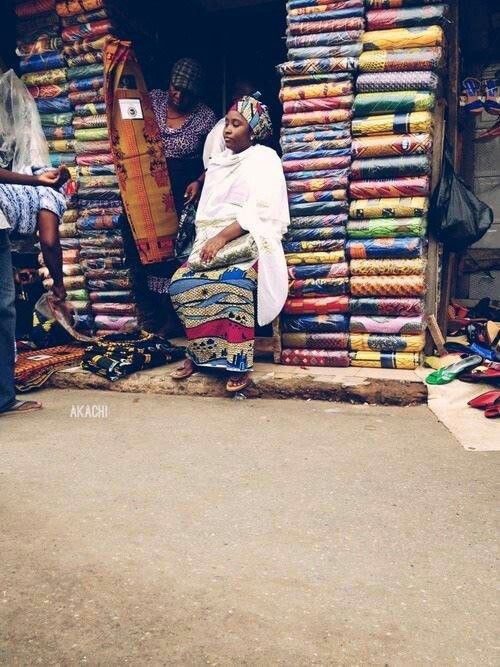
In the fabric markets of Abidjan, the pagne is everywhere. It is sold by the yard in Treichville and Adjamé, by the bolt at wholesale margins, and in individual lengths at retail. Buyers choose from Hollandais Dutch wax at the premium end, through Wax Print in the mid-tier, Fancy Print for everyday tailoring, and lower-cost imports from China and India at accessible price points. The market is layered, competitive, and well understood by the traders who navigate it daily.
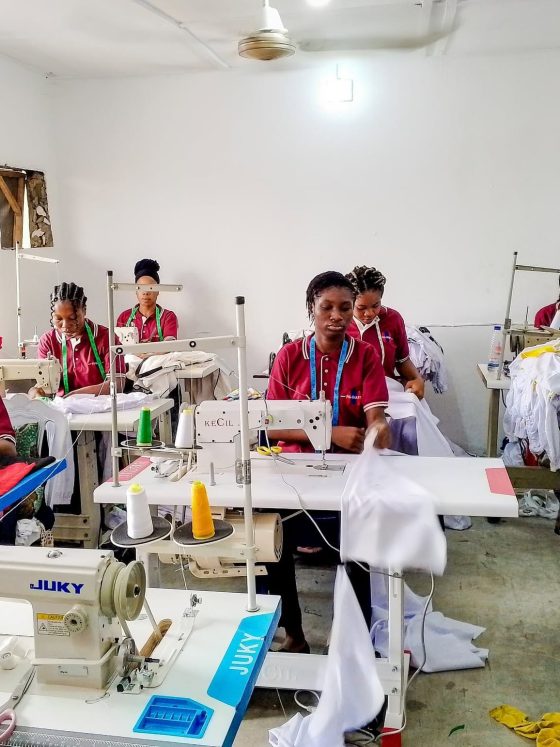
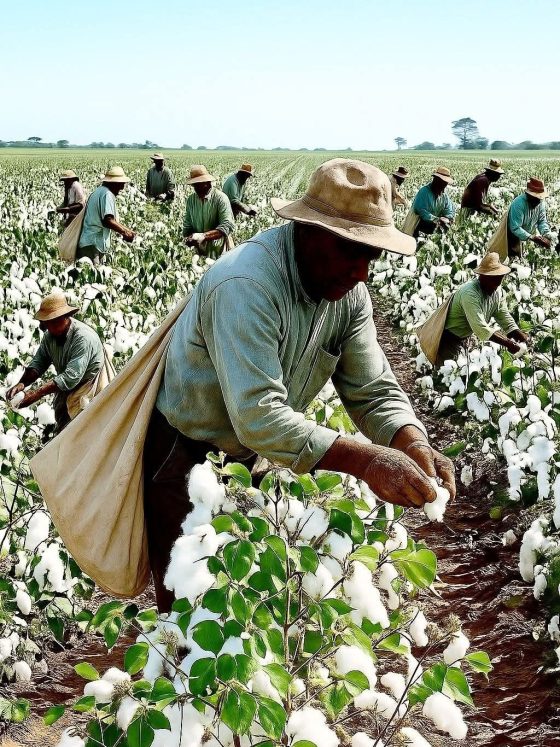
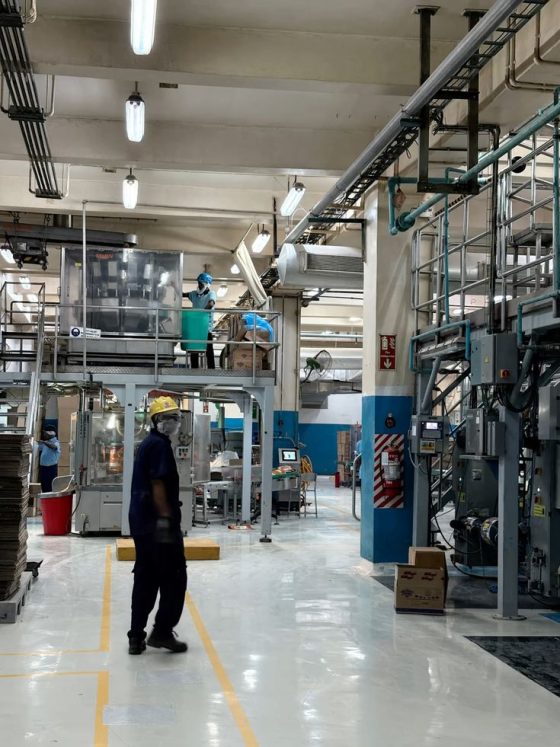
What the pagne market rarely makes visible is the production system behind the cloth. Côte d’Ivoire is the fourth-largest cotton producer in sub-Saharan Africa. As the Ivorian government’s official economics portal confirms, the country’s cotton-textile and clothing sector spans agricultural production of seed cotton, ginning, spinning, weaving, finishing, oil extraction, and garment making, with spinning and weaving capacity held by three companies in Bouaké, Dimbokro, and Agboville, and finishing capacity held by TEX-CI and UNIWAX. The African fashion market is worth 31 billion dollars. Côte d’Ivoire is one of its most important textile producers. And the vast majority of its raw cotton leaves the country before it becomes cloth.
Handloom cloth and wax print are not the same fabric. They are not the same market. But in Côte d’Ivoire, they compete for the same spending. Here is why that matters.
Côte d’Ivoire’s Textile Economy: The Processing Gap
Côte d’Ivoire produced approximately 730,000 bales of cotton fibre in marketing year 2024/25, with production forecast to reach 745,000 bales in MY 2025/26. As the USDA Foreign Agricultural Service’s 2025 Cotton and Products Annual confirms, cotton fibre exports are projected to reach 735,000 bales, while domestic production of textiles and artisanal items is estimated to remain steady at only 10,000 bales. The cotton that does not become local cloth is exported raw, converted into finished fabric elsewhere, and, in many cases, returns to the Ivorian market as imported printed textiles that fill Abidjan’s fabric stalls.
The Ivorian government is aware of this structural problem. Its stated target was to achieve a domestic cotton processing rate of 70% by 2025, up from 26.75% in 2020. That target was not met at the scale intended. The government adopted a revitalisation strategy for the sector in 2023. The gap between cotton production and local textile processing remains the defining structural challenge of Côte d’Ivoire’s textile economy: the country grows the fibre but does not yet convert enough of it into finished cloth at home.
Côte d’Ivoire produced between 730,000 and 745,000 bales of cotton in MY 2024/25. The vast majority of it left the country before it was made into cloth. The spinning mills, the weaving sheds, the finishing plants: all are present in the country, but at a fraction of the capacity required to absorb the fibre the country grows. That gap is the structural problem that shapes everything that follows.
What Wax Print Is and What It Is Not
The wax print pagne is the most commercially significant fabric in Côte d’Ivoire’s domestic textile market. It is also frequently misunderstood. Wax print is industrially produced: a printing and dyeing process applied to cotton that creates repeated motifs across the cloth. In genuine wax-resist printing, the process forces colour through the textile, creating penetration visible on both sides and a characteristic crackle effect where the wax resist cracked during dyeing. Lower-cost prints, often called fancy prints, are printed on one side of the cloth using simpler processes that show the design more strongly on one side than the other.
The distinction matters commercially. UNIWAX, Côte d’Ivoire’s major domestic wax fabric producer and a subsidiary of the Dutch group Vlisco, has built its market position on the quality differentiation between genuine wax print and lower-cost imitations. As Africanews’s documentation of UNIWAX’s competitive strategy confirms, after facing Chinese competition, UNIWAX adopted a strategy of creativity, marketing, and distribution to maintain its market position against cheaper alternatives. In 2015, the company generated a net profit of 4 billion CFA francs on a turnover of 36 billion CFA francs, employed 750 people, and was listed on the regional stock exchange. The strategy worked because UNIWAX correctly identified that its competitive position depended on quality and cultural association, not on price.
The tiered structure of Abidjan’s pagne market reflects this competitive reality. Hollandais Dutch wax from Vlisco is the premium tier, associated with authenticity, colour stability, and social prestige. Wax print at the mid-tier includes UNIWAX and other producers. Fancy print fills the accessible segment. Chinese and Indian lower-cost imports occupy multiple tiers simultaneously, undercutting domestic producers across the range. This competitive environment is not unique to Côte d’Ivoire. It is the defining structural condition of the West African textile market.
What Handloom Cloth Is and Why the Distinction Matters
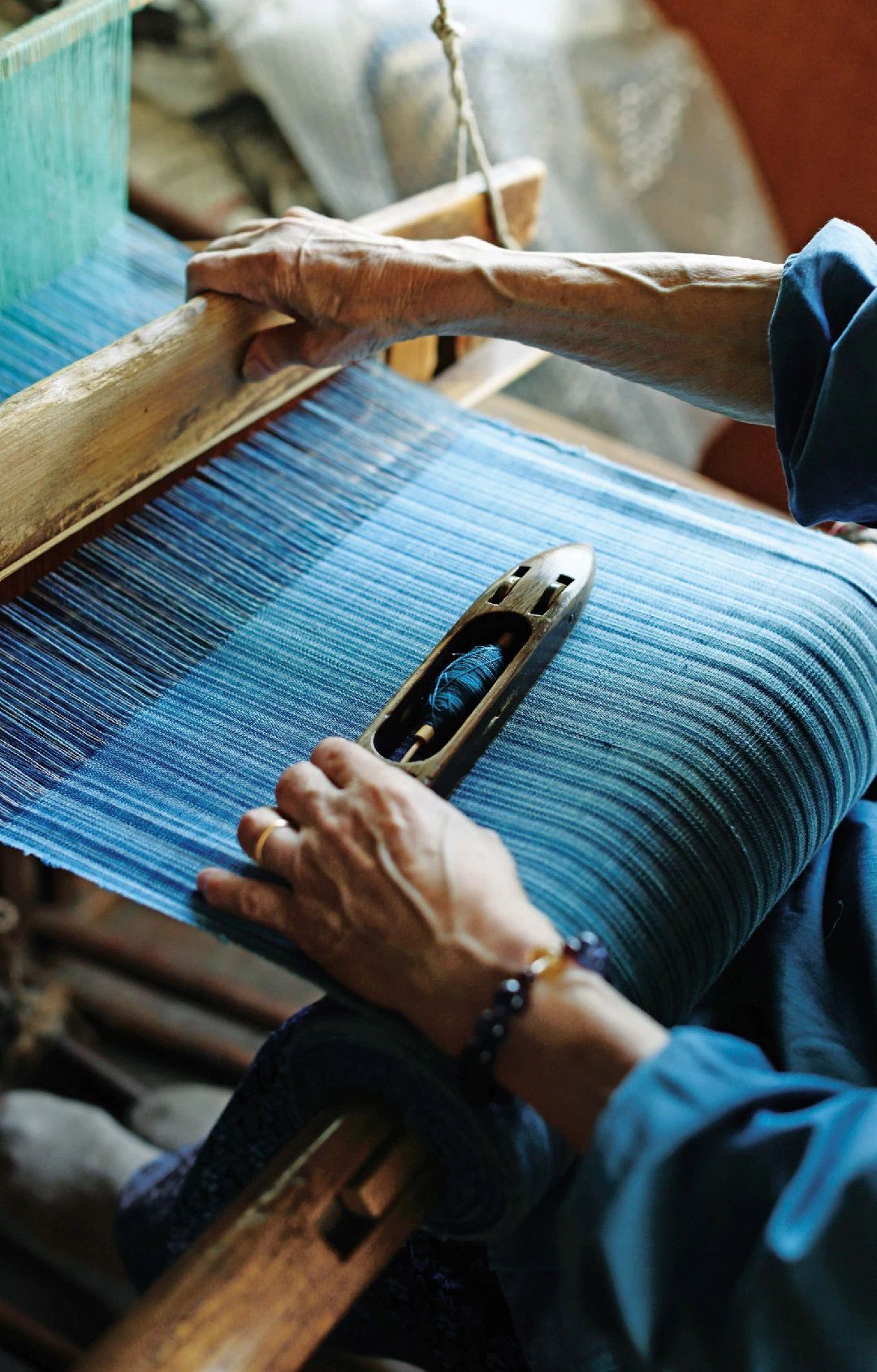
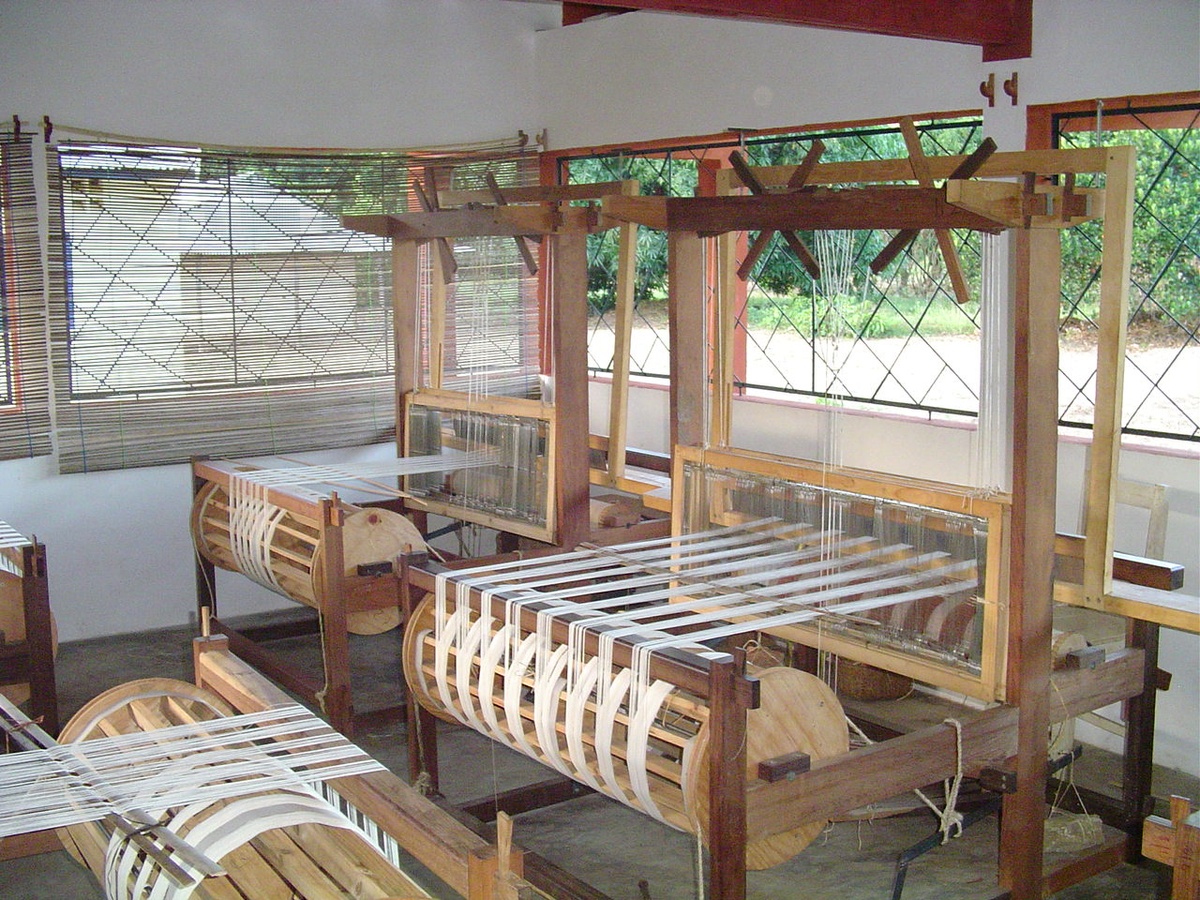
An entirely different process is used to make handloom cloth. Threads are prepared as warp and weft and interlaced on a loom, producing cloth whose design emerges from the weaving itself: from stripe order, colour blocking, weave density, supplementary patterning, or the joining of narrow woven strips. Its design is built through the cloth. A wax print places its design on the surface of the cloth. A handloom textile builds its design within the cloth’s structure.
This structural difference is not merely technical. It determines what the cloth can do, what it costs, how much can be produced, and what market it can realistically serve. Handloom cloth sells labour, texture, limited production, and cultural specificity. Industrial wax production sells repeatable design, colour range, and branded quality. Lower-cost imports sell price, availability, and high-volume choice. These are not competing versions of the same product. They are different products that happen to serve some of the same occasions.
A handloom textile may show slight variation in hand tension. It may include narrow-strip construction, irregular borders, changed colour density, or the evidence of a particular weaving rhythm. The width of the loom may limit its scale. Its production time is visible in every metre. These are not defects. They are the material signature of a production system in which a human being made a series of decisions at every stage of the cloth’s construction. A printing press cannot replicate that signature, and it should not be priced as though it should be.
The Competition That Actually Happens
Handloom cloth and wax print do not compete on equal terms because they are not equal products. But they compete for the same limited consumer spending, the same retailer attention, and the same fashion commissions. As DW’s documentation shows, Chinese textile imports have decimated Nigeria’s domestic textile manufacturing, and the West African textile market’s exposure to low-cost imported competition has not discriminated between industrial and artisan domestic producers. Both are under pressure from cheaper alternatives. The challenge for Côte d’Ivoire’s handloom producers is therefore not primarily the existence of wax print. It is that the overall fabric market is structured around speed, volume, and price in ways that make handloom production’s actual competitive advantages- skill, texture, and cultural specificity- commercially invisible to the majority of buyers.
For a handloom weaver, the supply chain challenges compound the market visibility problem. A loom may be locally made or locally maintained. The yarn and dye supply often is not. If yarn costs rise, the weaver cannot easily reduce the price of the finished cloth. If transport from weaving communities to Abidjan’s fabric markets is expensive, the retailer adds a margin. If the retailer cannot explain to a buyer why handloom cloth is worth its higher price, the buyer chooses the familiar wax print at the adjacent stall. The weaver’s structural position in the value chain is at the point of maximum labour investment and minimum commercial leverage.
What a Stronger Handloom Market Would Require
The artisan textile sector cannot solve its market position problem through quality alone. Quality without market access, without labelling that distinguishes handloom cloth from printed fabric, without retail infrastructure that can explain the distinction to buyers, and without designers who build handloom cloth into collections that justify its price, remains invisible to the consumer who cannot read the cloth without help. The question is not whether handloom weaving can compete with wax print. It is whether the infrastructure required to make handloom cloth commercially viable, including reliable yarn supply, production finance, fair-trade retail access, clear labelling, and designer engagement, can be built around producers who currently operate without most of it.
Designers are the most immediately accessible leverage point. A designer who combines a handwoven panel with wax print, denim, plain cotton, or lace demonstrates the cloth’s versatility without requiring the consumer to make a binary choice between handloom and industrial fabric. A tailor who uses a handwoven border to structure a traditional outfit or to bring texture to a modern jacket creates a finished garment that visually communicates the difference in materials. A retailer who sells small handwoven pieces with maker information, care notes, and clear pricing, rather than treating them as anonymous décor, gives the buyer the context needed to understand what they are purchasing.
The loom does not need to imitate the factory to survive beside it. It needs a market capable of recognising that the two systems produce different things, and a retail and design infrastructure capable of communicating that distinction to buyers who are currently making their choices between products whose differences are invisible without explanation.
The Omiren Argument
Côte d’Ivoire’s handloom weavers are not losing to wax print because their cloth is less valuable. They are operating in a textile economy structured around the competitive advantages of scale, speed, and price, in which the advantages of handloom cloth, skill, texture, and cultural specificity are commercially invisible without the retail and design infrastructure to make them legible. The African fashion market is worth 31 billion dollars. Côte d’Ivoire is the fourth-largest cotton producer in sub-Saharan Africa, growing 730,000 to 745,000 bales of cotton fibre in MY 2024/25, of which only 10,000 bales are used in domestic artisanal textile production. The rest leaves as raw fibre, returns as imported finished fabric, and fills the pagne stalls of Treichville and Adjamé at prices that local industrial producers like UNIWAX can compete with, but that handloom weavers cannot reach without destroying their own margins. The structural argument is simple: Côte d’Ivoire cannot build a sustainable domestic textile sector by growing cotton without also building the spinning, weaving, finishing, retail, and design infrastructure that converts that cotton into cloth that stays in the country. And within that domestic textile sector, handloom weaving will not find its market by competing on price or volume with wax print. It will find it by occupying a distinct market position built around what industrial production cannot replicate. That argument requires infrastructure. It requires labelling, designer engagement, retail access, and production finance. Without it, the loom and the printing press will continue to compete on the same shelf, at the same price point, for the same buyer who has no way of knowing why they are not the same cloth.
Also Read:
- Who Actually Owns Ankara: The Legal and Cultural Argument the Fashion Industry Has Been Avoiding
- Wax Prints and Beyond: Fabrics Defining Ivorian Fashion
Frequently Asked Questions
What is the difference between handloom cloth and wax print?
Handloom cloth is woven: threads are interlaced on a loom to produce cloth whose design is built into its structure through stripe order, colour blocking, weave density, or patterning. Wax print is industrially produced: a printing and dyeing process applied to cotton that places a repeated motif on the surface of the cloth. In genuine wax-resist printing, colour penetrates through the textile and a characteristic crackle effect appears where the wax resist cracked during dyeing. Lower-cost fancy prints are typically printed on one face with simpler processes. The two fabrics are different products made by different methods for different market positions.
What is Uniwax in Côte d’Ivoire?
Uniwax is Côte d’Ivoire’s major domestic wax fabric producer, located in Abidjan and a subsidiary of the Dutch group Vlisco. It is one of two finishing companies in the country’s textile sector, alongside TEX-CI in Bouaké, and has a total finishing capacity of 35 million metres of fabric per year, shared with TEX-CI. Uniwax produces genuine wax print fabric in competition with lower-cost Chinese and other imported prints. It employs approximately 750 people and has adopted a strategy of quality differentiation, marketing creativity, and distribution to maintain its market position against cheaper alternatives.
Why does Côte d’Ivoire export cotton instead of making cloth?
Côte d’Ivoire is the fourth-largest cotton producer in sub-Saharan Africa, growing approximately 730,000 to 745,000 bales of cotton fibre annually. The country’s domestic spinning and weaving capacity is estimated at 26,000 tons per year, held by three companies, which is insufficient to process the majority of the cotton grown. As a result, most Ivorian cotton fibre is exported for processing abroad. The government’s stated target was to achieve a 70% domestic processing rate by 2025, compared to 26.75% in 2020, and adopted a textile sector revitalisation strategy in 2023 to close this gap.
How does competition from China affect Ivorian textile producers?
Chinese producers have expanded their presence in West African fabric markets by offering lower-priced alternatives to European wax print and to locally produced fabric. This competition has affected both industrial domestic producers like Uniwax and artisan handloom weavers. For Uniwax, the response has been a strategy of quality differentiation and marketing. For handloom producers, the pressure is more acute: they cannot reduce prices to match factory-produced imports without destroying their margins, and they lack the retail and labelling infrastructure needed to make the material advantages of their cloth visible to buyers choosing between adjacent products in the same market.
What is a pagne in Côte d’Ivoire?
A pagne is a length of fabric used for clothing, wrapping, gifting, tailoring, and ceremony across West Africa, including Côte d’Ivoire. It is not a technical description of how the cloth was made. Pagnes in Abidjan’s fabric markets range from premium Hollandais Dutch wax at the top tier, through Wax Print at mid-range, Fancy Print at accessible price points, to lower-cost Chinese and Indian imports at the mass-market level. Handwoven cloth can also be sold as a pagne, though it occupies a distinct production category with different material properties and price logic from industrially printed pagnes.
Explore More
Read the full Fashion > Industry section for Omiren Styles’ documentation of African textile markets, production economics, and the industry structure shaping what cloth gets made, sold, and worn across the continent.