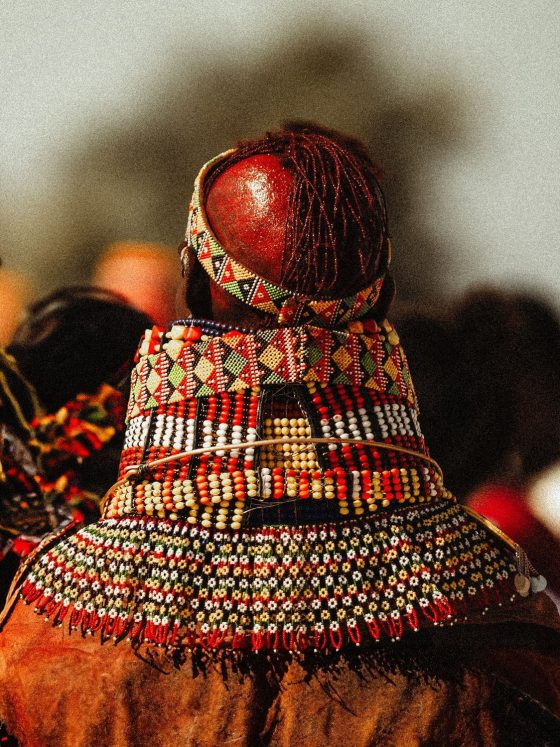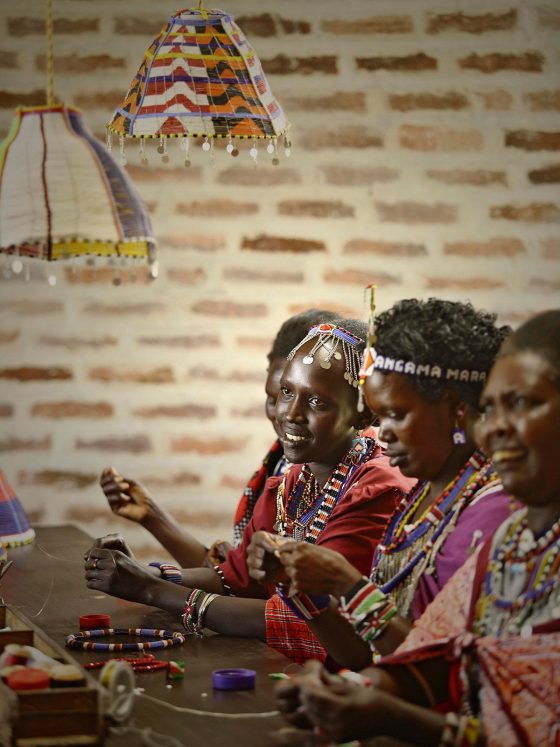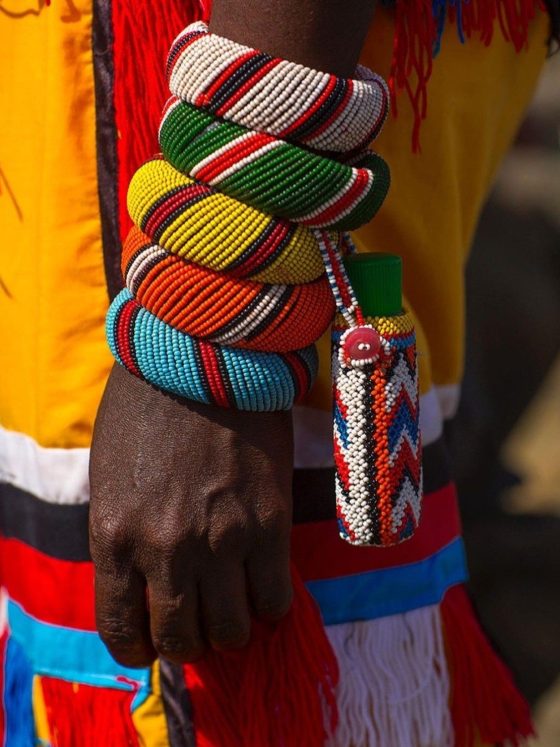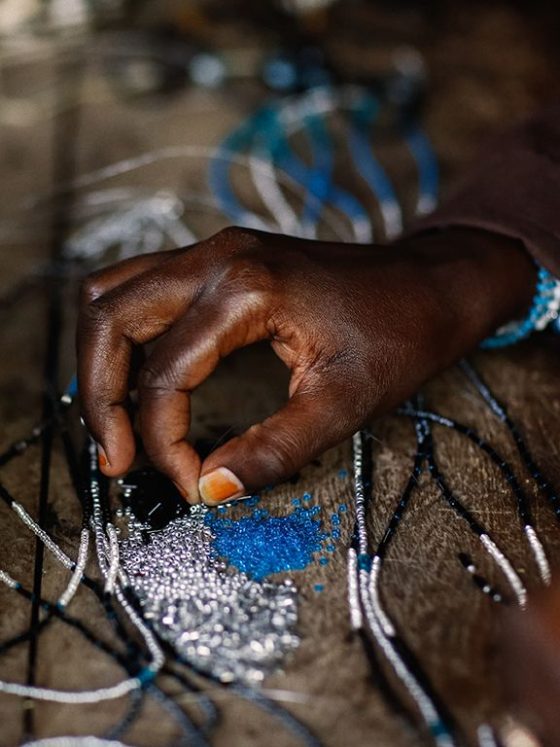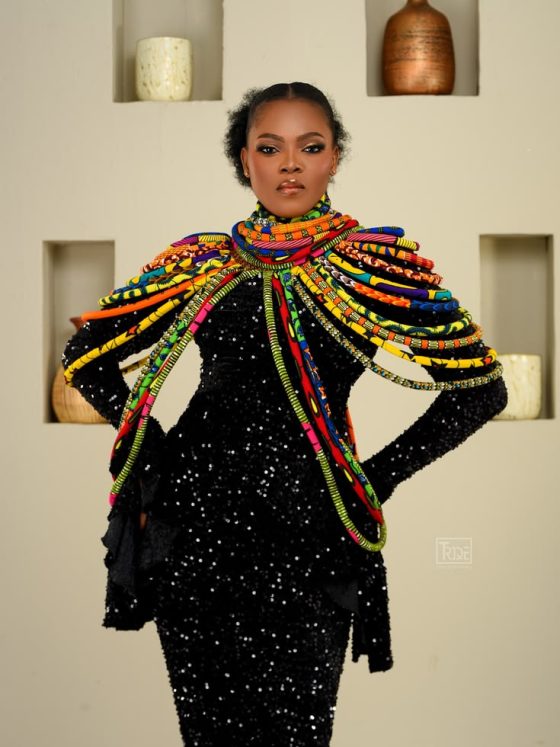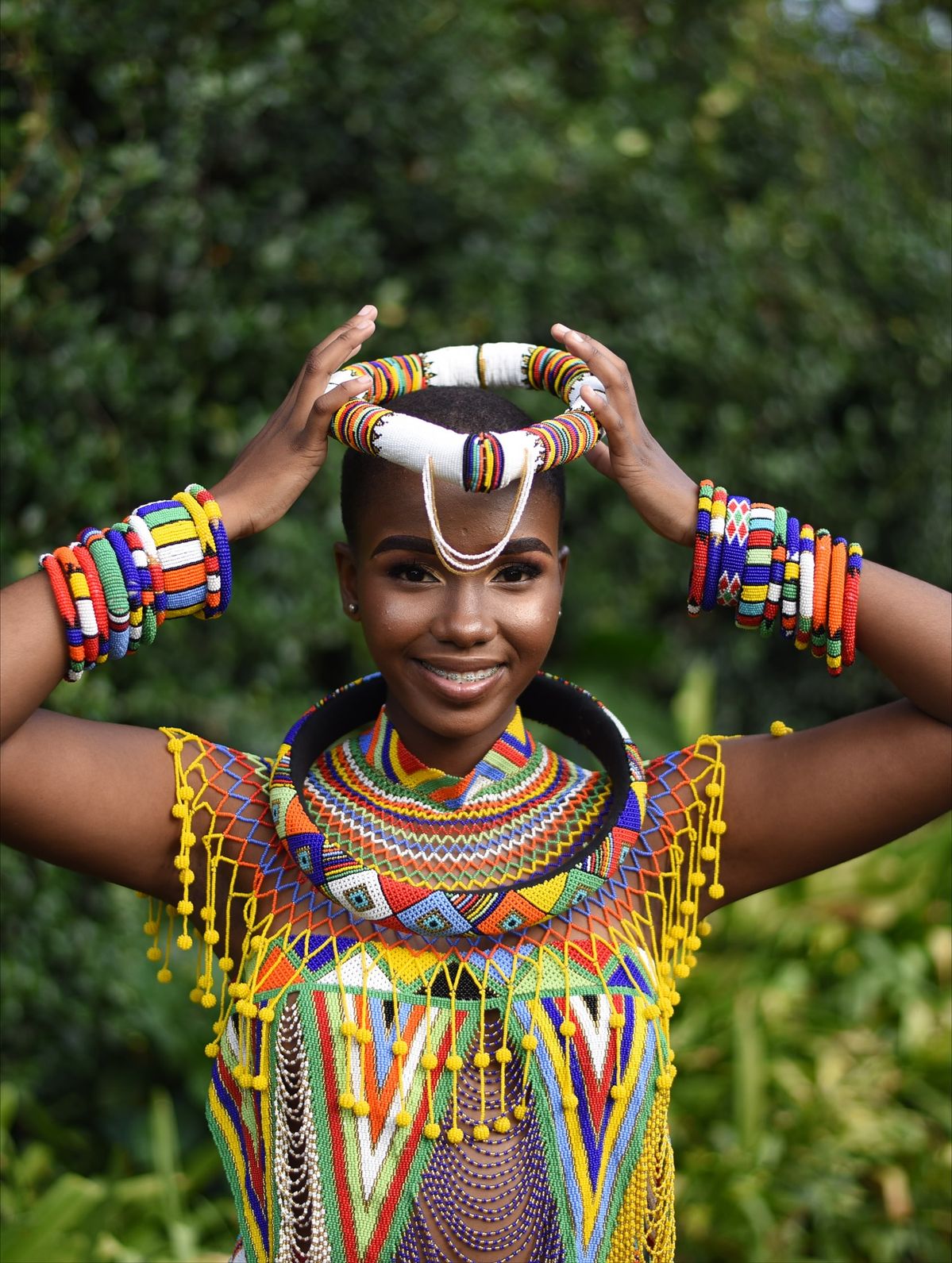
Kenyan jewellery and accessories carry information. In Maasai culture, bead colour communicates social status, age, marital status, and warrior rank with precision. Red signals bravery. Blue represents energy. White signifies purity. The arrangements on a necklace, wristband, or headpiece are not isolated choices. choice statements. The beadwork tradition that produces them has been practised and refined over centuries by skilled artisans across the Maasai and Samburu communities.
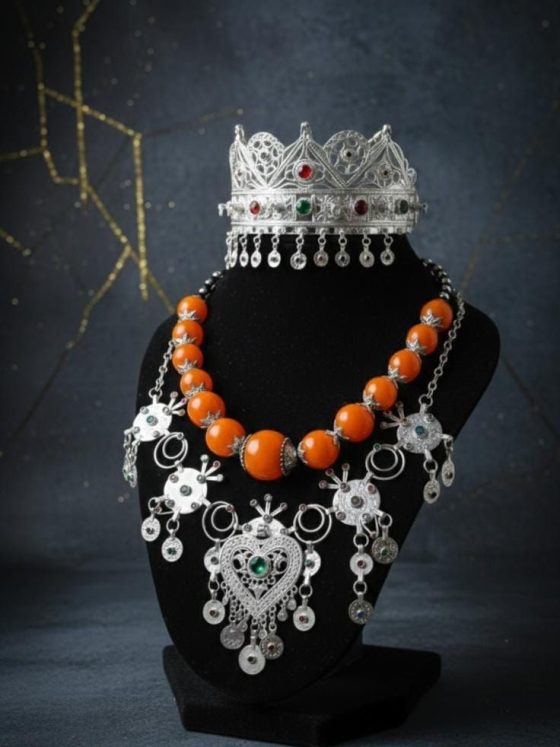
This is the material foundation from which Kenyan accessories design works. Contemporary practitioners build from it: some directly, incorporating beadwork techniques into new formats; others analogically, applying the principle that an accessory communicates identity, status, and cultural belonging. Adele Dejak’s label redefines African luxury through statement jewellery and accessories made from recycled materials and traditional techniques. Her handcrafted pieces have become a reference point in Kenyan accessories design globally.
The Omiren Argument: Kenyan accessories design ranges from Maasai beadwork, with centuries of coded meaning, to contemporary studios producing international-quality statement pieces. Both ends are part of the same tradition, and neither requires the other’s validation.
Kenyan accessories design operates across a spectrum from Maasai beadwork with centuries of coded meaning to contemporary studios producing international-quality statement pieces. Both ends are part of the same tradition.
Maasai Beadwork: A Design System, Not a Craft Tradition
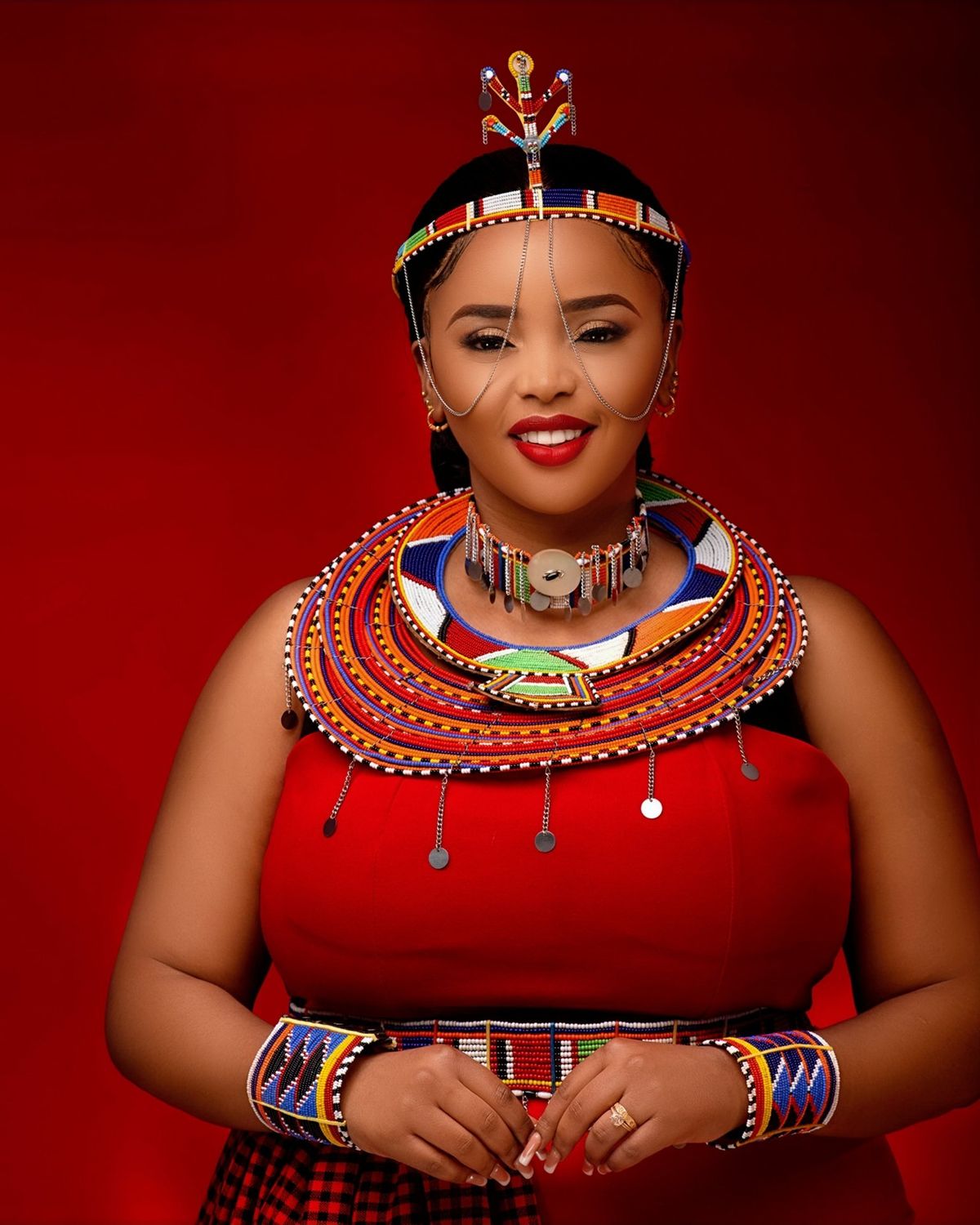
The distinction matters. Craft is typically understood as a skilled manual process. A design system is a structured communicative framework. Maasai beadwork is both, but its function as a design system — one that encodes and transmits cultural information through specific colour and pattern combinations — is what gives it its authority. When Maasai warriors and elders wear elaborate beaded ornaments, they are not wearing decorations. They are wearing a social record.
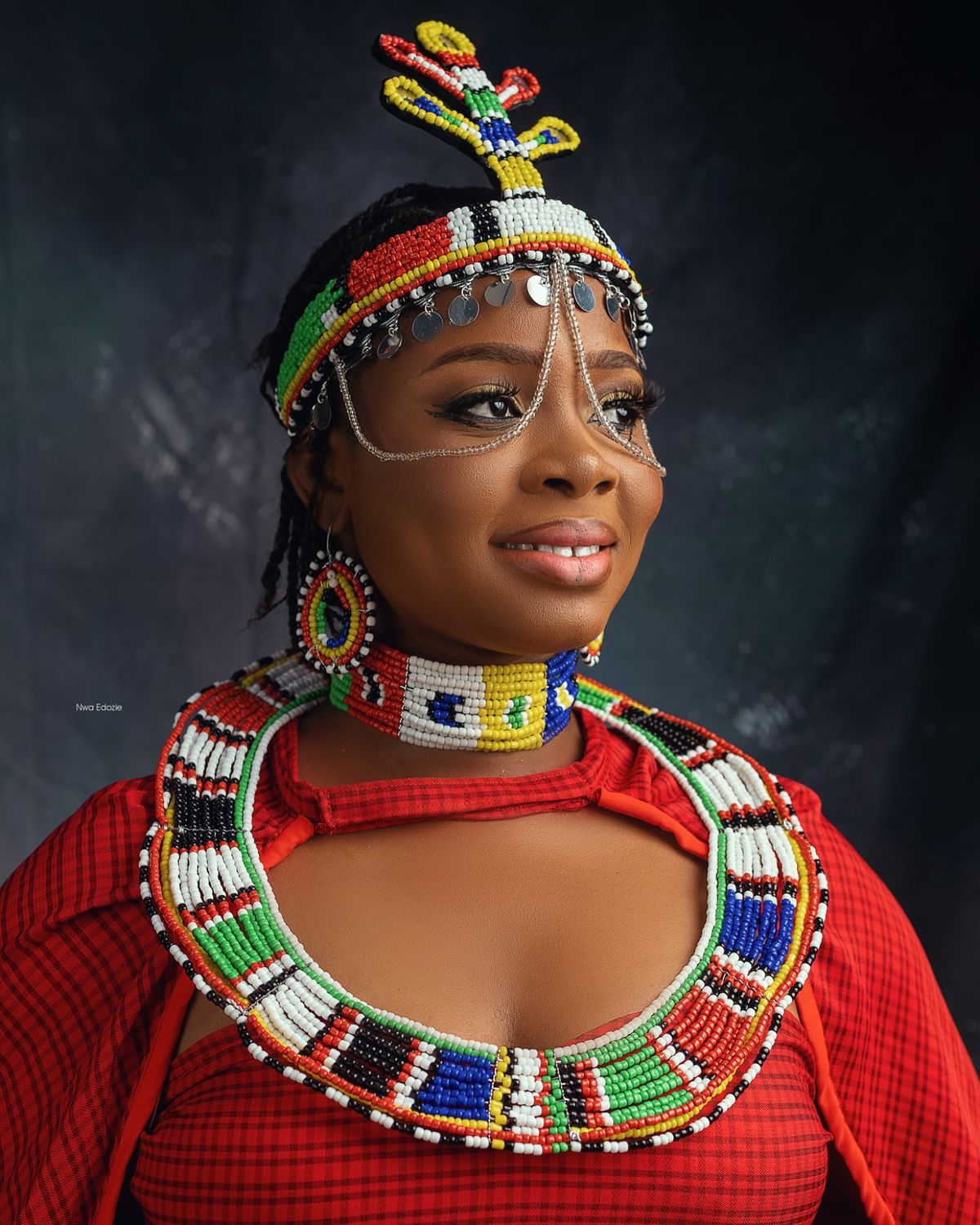
The bead colours hold specific meanings that are consistent across the tradition. Red symbolises bravery, strength, and blood. Blue represents energy and the sky. White signifies purity and health. Green represents land and sustenance. Orange and yellow represent hospitality and generosity. These meanings are not static, and they vary in nuance across communities, but their structural logic is stable. A Maasai beaded ornament is a codified garment, as semantically loaded as any written text.
Warriors wear elaborate beaded ornaments to mark their achievements and social standing. Elders wear configurations that mark their authority. Young women wear specific pieces to signal their availability for courtship. The accessories carry the biography of the wearer in a form that any member of the community can read. This is not heritage practice. It is live communication.
Contemporary Accessories Design: From Kibera to Global Market
At Nairobi Fashion Week 2025, jewellery designer Apar Gadek showed a collection produced in collaboration with Kibera artisans. The pieces were made from brass, recycled glass beads, and upcycled cow horn and bone. The material choices were not arbitrary: each material has a history in Kenyan craft practice, and Gadek’s work with Kibera’s artisan community connects contemporary design output to the labour and knowledge of a specific community. This is the Nairobi model in accessories — the studio and the community as co-producers, with the designer as translator rather than sole author.
Adele Dejak has built an international accessories label from a similar principle. Her pieces use recycled materials and traditional craft techniques, producing statement jewellery that carries evidence of its making. The label has been recognised internationally as a reference point for African luxury accessories. Dejak’s position is that African luxury does not require European validation. It requires African craft knowledge applied with precision and ambition.
The Ethical Fashion Initiative and Artisan Production
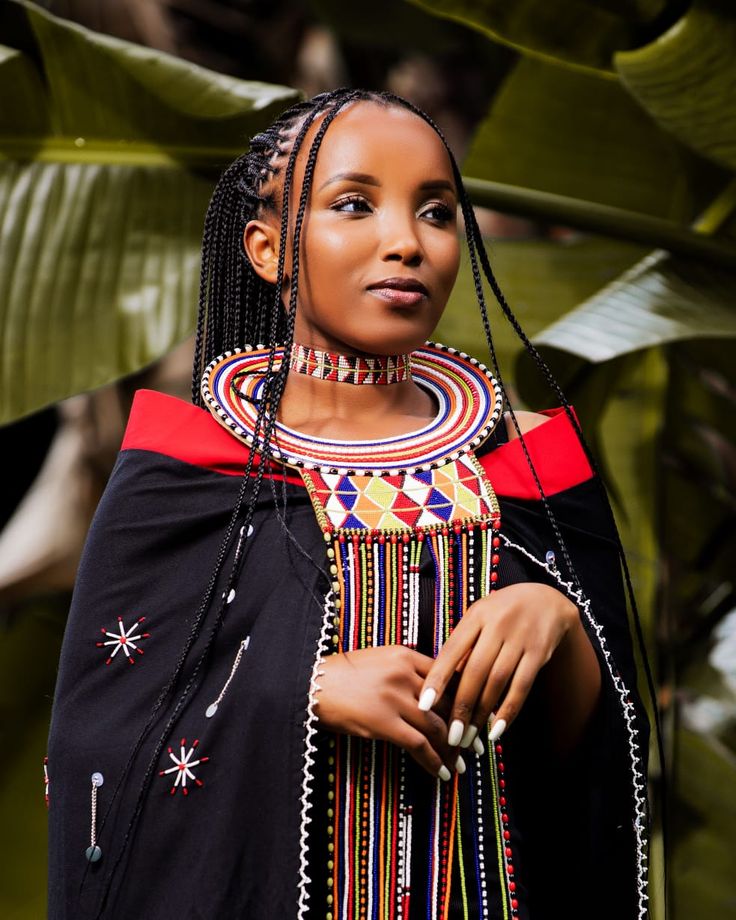
The Ethical Fashion Initiative (EFI) was established in Nairobi in 2009. It works with over 1,000 artisans in Kenya and has partnered with Artisan Fashion, a social enterprise combining traditional Maasai beading, horn and bone carving, and other artisan skills with contemporary accessory design. EFI provides the bridge between artisan production at community scale and international market access. Its model is the infrastructure behind the Kenyan accessories sector’s international presence.
The model matters because it corrects a persistent misreading of what Kenyan accessories production is. It is not a cottage industry accessed by international brands for cheap labour. It is a skilled production ecosystem with its own creative logic, connected to international markets through intermediary structures that are to protect artisan knowledge.
ALSO READ
- The Language of Adinkra: When Cloth Becomes Scripture
- Lesotho’s Basotho Blanket: How a Colonial Gift Became a Symbol of Sovereignty
- Ghanaian Funeral Fashion: The Most Serious Fashion Event in West Africa
Material Intelligence: What Kenyan Accessories Know
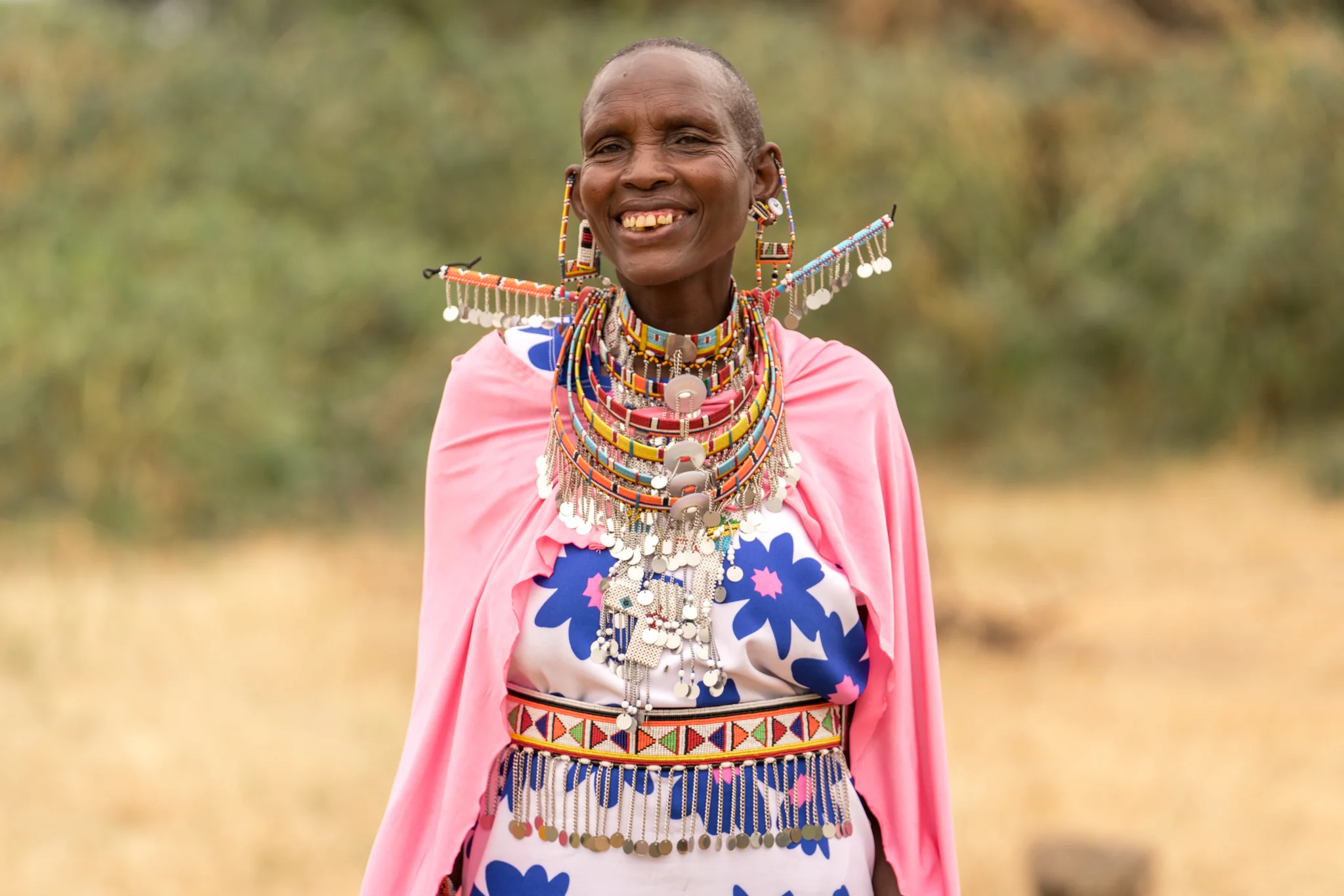
Kenyan accessories design carries a material intelligence that the global market is only beginning to recognise as commercially significant. The Maasai beadwork tradition, the coastal shell and bone ornament traditions, the brass metalwork of inland communities, the basket-weaving techniques of coastal and interior artisans: these are not craft curiosities. They are established design systems with documented vocabularies, proven production methods, and living practitioners who can execute them to a professional standard.
The international accessories market has been moving toward handcraft, material specificity, and cultural documentation as markers of luxury and authenticity. Kenyan accessories practitioners have been working within these values for generations, not as a market strategy but as the operational reality of their practice. As the market arrives in Kenya, already held by an accessories ecosystem, a commercial opportunity expands. The EFI’s model of connecting artisan production with international distribution is one formal response to this opportunity. Individual labels like Adele Dejak are another.
What the Kenyan accessories sector needs is not development. It needs coverage that matches the ambition and quality of the work. Adele Dejak’s pieces are in international stockists. Apar Gadek showed at Nairobi Fashion Week 2025. The EFI works with over 1,000 artisans. The output exists, the distribution channels are being built, and the market appetite is growing. The gap is in the editorial record, not in the product.
“Kenyan accessories design operates across a spectrum from Maasai beadwork with centuries of coded meaning to contemporary studios producing international-quality statement pieces. Both ends are part of the same tradition, and neither requires the other’s validation.”
Frequently Asked Questions
What is Maasai beadwork and what does it communicate?
Maasai beadwork is a structured design system in which bead colour and arrangement communicate social information, including status, age, marital status, and warrior rank. Red symbolises bravery and strength. Blue represents energy. White signifies purity. Green represents land and sustenance. Orange and yellow represent hospitality. Warriors wear beadwork to mark achievements, by elders to mark authority, and by young women to signal social status. It is live cultural communication, not heritage decoration.
Who are the leading Kenyan accessories and jewellery designers?
Leading verified Kenyan accessories practitioners include Adele Dejak, whose label produces statement jewellery from recycled materials and traditional craft techniques, and whose work is recognised internationally as a reference for African luxury accessories; and Apar Gadek, who showed at Nairobi Fashion Week 2025 with pieces made from brass, recycled glass beads, and upcycled cow horn and bone produced in collaboration with Kibera artisans.
What materials are used in Kenyan accessories design?
Traditional Kenyan accessories use beads (glass, metal, and natural materials), brass, cow horn and bone, recycled glass, and shells. Contemporary designers, including Adele Dejak and Apar Gadek, incorporate recycled and upcycled materials into their practice. The Ethical Fashion Initiative works with artisans who use beadwork and horn-and-bone techniques.
What is the Ethical Fashion Initiative in Kenya?
The Ethical Fashion Initiative (EFI) was established in Nairobi in 2009. It works with over 1,000 artisans in Kenya and partners with Artisan Fashion to connect traditional craft skills, including Maasai beading and horn and bone carving, with international market access. Its model is designed to protect artisan income and preserve craft knowledge while enabling commercial distribution.
How does Kenyan jewellery connect traditional and contemporary practice?
Contemporary Kenyan accessories designers draw directly from traditional Maasai and other Kenyan beadwork traditions, either by incorporating traditional techniques (as Apar Gadek does with Kibera artisans) or by applying the underlying design logic of cultural communication through material (as Adele Dejak does with recycled materials and traditional craft processes). The Nairobi studio-and-community co-production model is the structural mechanism through which this connection operates.
Explore more from our Woinsection, where African accessories and jewellery are documented as design culture, not craft, rather than ostentation.