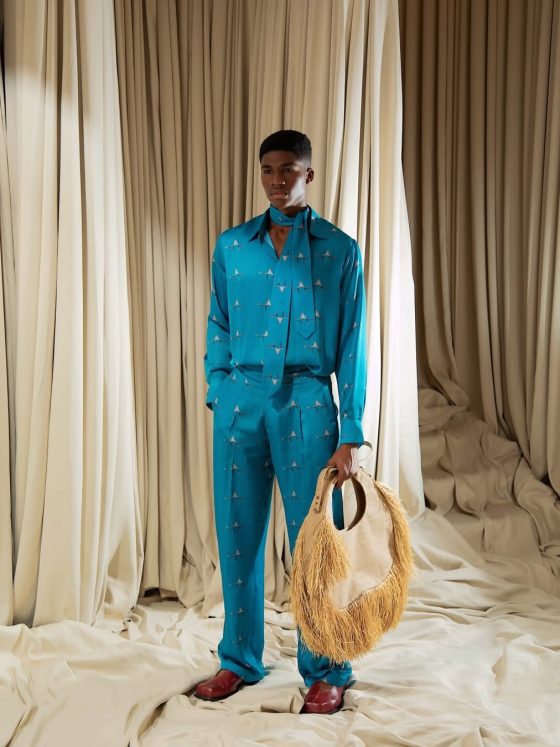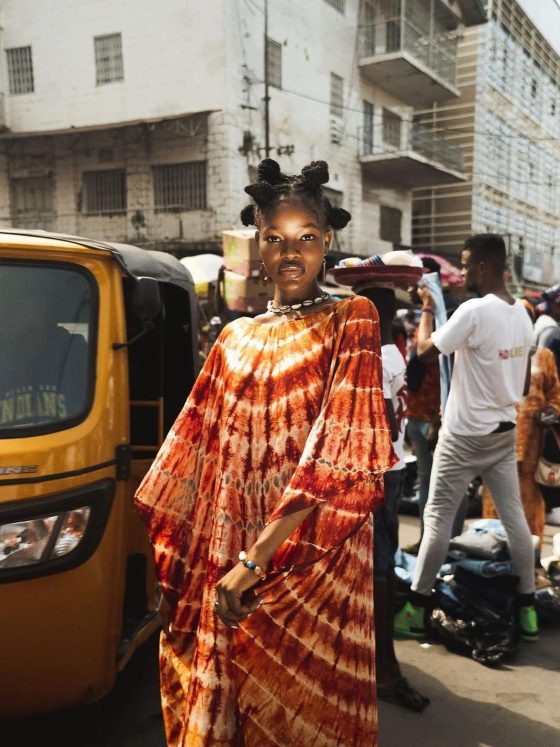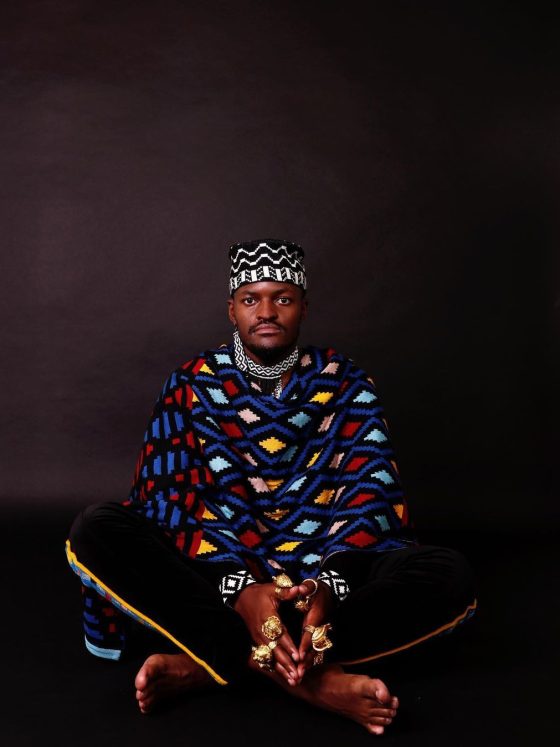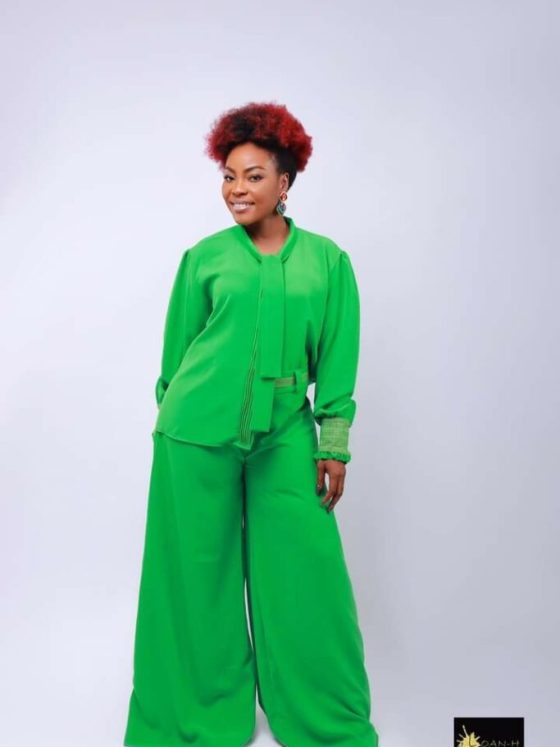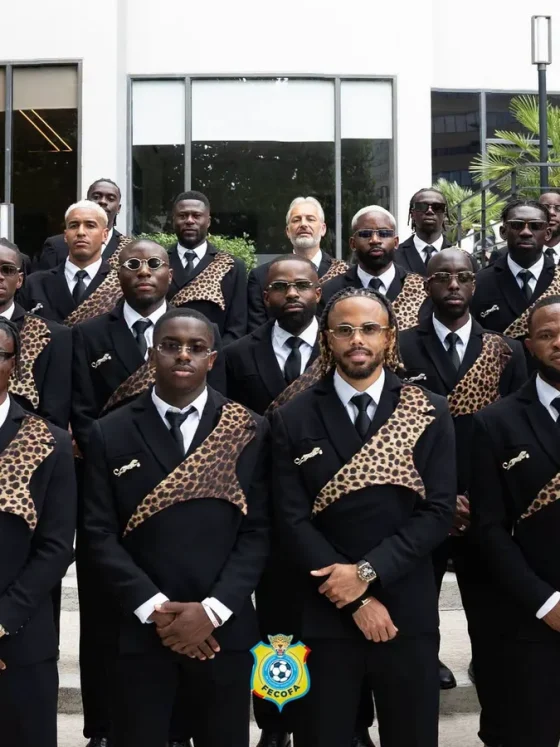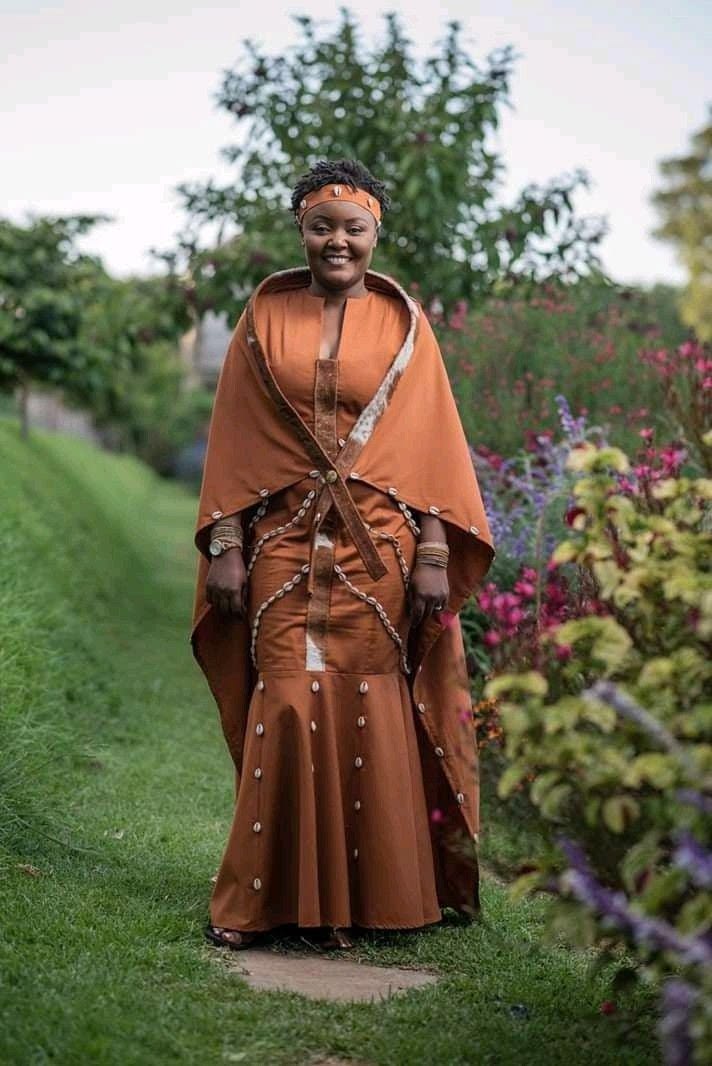
In August 2024, Joy Wanja dressed Team Kenya for the opening ceremony of the Paris Olympics. The garments from her label, Kovu Couture, carried intricate traditional Kenyan patterns into the most-watched sporting event on the planet. It was not treated as an emerging moment. It was a professional commission, executed by an established Kenyan designer, on the world’s largest stage.
That commission is one data point in a larger structural shift. Kenya’s fashion and creative economy now contributes an estimated 5%-5.6% of national GDP, according to the Kenya Investment Authority and UNCTAD sector studies. Kenya’s fashion market is projected to reach US$1.126 billion by 2027, according to Statista. These are not projections for a sector finding its feet. They are metrics for a sector that has already built a foundation. These are not background statistics; they are the conditions under which Kenyan fashion designers are operating on the global stage, from Olympic commissions to New York Fashion Week.
The Omiren Argument is simple: Kenyan fashion is not making its mark on the global stage. It has been building toward it for years, with verified names, verified runways, and verified market data to prove it.
Kenyan fashion is not arriving on the global stage. It has been building toward it for years, with verified names, verified runways, and verified market data to prove it.
The Designers Who Built the Foundation
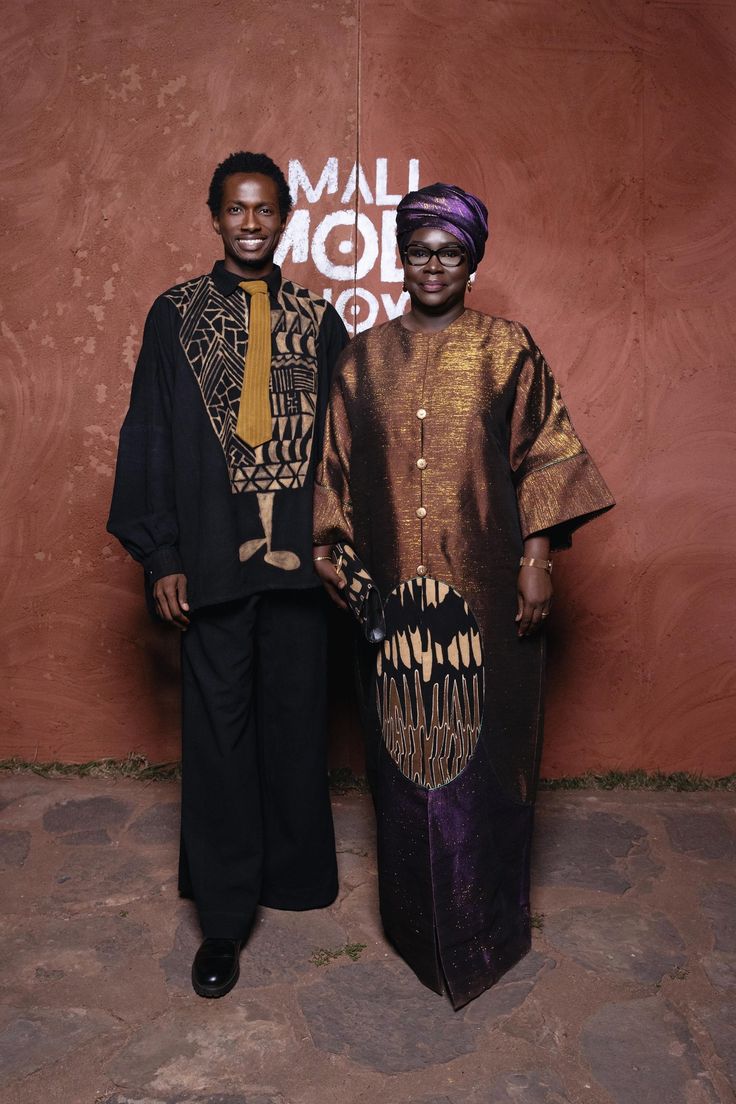
Anyango Mpinga launched her label, Kipusa, in 2011 and rebranded it as Anyango Mpinga in 2015. Her label has since shown in Tokyo, Paris, New York, London, Milan, Bangkok, and Porto. At New York Fashion Week 2022, she was honoured as part of the Conscious Fashion Campaign and featured on a Times Square billboard. She was included in Beyoncé’s Black Parade directory of Black-owned businesses. Her practice is rooted in circular fashion, recycled textiles, and cultural preservation. She is one of the clearest examples of a Kenyan fashion designer with a sustained presence on the global stage, not a one-season debut.
John Kaveke launched his label in 2001, trained at Woodvale Fashion College in Nairobi and the Instituto Europeo di Design in Barcelona. His bespoke menswear has been shown at London African Fashion Week, NYFW, Lagos Fashion Week, Sarajevo Fashion Week, and Nairobi Fashion Week. He is one of the most internationally exhibited Kenyan designers in the country’s fashion history.
At NYFW 2024, designers Yvonne Afrostreet and Kate Mayeye of African Fabric and Designs Kenya showed collections that placed Kenyan design at the centre of New York’s fashion conversation. Both practitioners built their presence through years of client work and local exhibitions before reaching the international stage. Their NYFW appearance was not a breakthrough. It was the next step in careers already built through local clients, regional circuits and years of work.
The Events That Structured the Sector
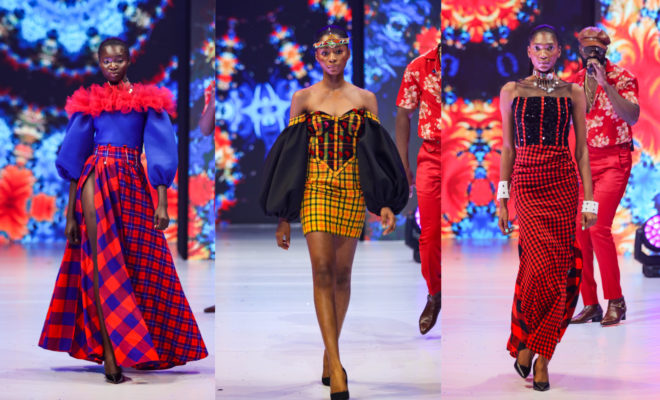
Kenya Fashion Week 2025 was held on 17 and 18 October at Glee Hotel in Runda, Nairobi. The event brought together established designers and student talent under the themes of sustainability, innovation and cultural heritage, and positioned Kenyan fashion week content for both local and international buyers. The seventh edition of Nairobi Fashion Week 2025 ran under the theme Regenerative Fashion Renaissance, spotlighting designers whose practice restores ecosystems and upholds ethical production. Nairobi Fashion Week introduced the Fashion Frontier Africa incubator in partnership with European e-tailer Cultrite, targeting 500 African designers across its cohort programme.
The SHIFT80 Design Prize 2024 awarded the Grand Prize to Brillian Lutomia, whose entry used Gunia fabric and drew from the Kibera community’s material culture. The Excellence Award went to Hellen Kihara for her matatu-culture-inspired collection. These are not headline fashion prizes. They are the institutional infrastructure through which Nairobi’s next generation of designers is being identified, mentored and resourced. The student dimension of Kenya Fashion Week 2025 served the same function: the Student Fashion Design Awards brought emerging designers onto the same platform as established practitioners, building a visible pipeline rather than leaving it to chance.
What Global Reach Actually Looks Like from Nairobi
Kenya’s creative sector’s contribution to GDP is 5%-5.6%. It is now backed by the Creative Economy Support Bill of 2024, recent intellectual property reforms and streamlined licensing procedures. The government has recognised fashion not as a cultural amenity but as an economic engine. Investor interest follows that recognition. At the 2025 U.S.-Kenya Creative Economy Forum, fashion and creative industries were positioned as a primary vehicle for developing trade relations, a signal that the sector’s international profile is now visible in bilateral economic policy. That Kenyan fashion is now part of how the country negotiates its place in the global economy.
Africa-focused fashion platforms in 2026 are giving Kenyan fashion designers and manufacturers a direct line to global buyers, investors and media. Kenya’s apparel is listed as a national export good alongside tea, horticultural products, coffee, and petroleum. Its fashion practitioners are showing on international runways, running incubator programmes, and designing for Olympic teams. The sector is not emerging. It is already in motion, and the data confirms what the designers already knew.
A major structural risk for 2025 and 2026 is the expiration of AGOA (the African Growth and Opportunity Act), which provided preferential US market access to Kenyan apparel exporters. Losing that framework removes a trade advantage that Kenyan textile manufacturers had built supply chains around. This is the primary headwind facing the sector’s export dimension. How Kenyan fashion designers and manufacturers navigate this loss, through intra-African trade under the AfCFTA framework, through digital market access, and through the quality and design value of their output, will be one of the defining stories of the sector over the next two years.
What is not in question is the scale and quality of the creative output itself. Joy Wanja dressed Team Kenya at the Paris Olympics. Anyango Mpinga is on a Times Square billboard. Kenya Fashion Week is staging editions with an international buyer list. Nairobi Fashion Week has a European e-commerce partner and an incubator programme targeting 500 designers. The international record is being built from inside Kenya, by Kenyan practitioners, on Kenyan terms. That is what global reach looks like when it belongs to the designers.
“Kenyan fashion is not arriving on the global stage. It has been building toward it for years, with verified names, verified runways, and verified market data to prove it.”
Frequently Asked Questions
Who are the most prominent Kenyan fashion designers?
Verified prominent Kenyan fashion designers include Anyango Mpinga (circular fashion, international runways, NYFW 2022 Conscious Fashion Honoree), John Kaveke (bespoke menswear, London, NYFW, Lagos), Joy Wanja of Kovu Couture (designed Team Kenya’s Paris 2024 Olympics opening ceremony attire), Kate Mayeye of African Fabric and Designs Kenya (NYFW 2024), Yvonne Afrostreet (NYFW 2024), and Patricia Mbela of Poisa (wearable art, international exhibitions). These are Kenyan fashion designers with a documented presence on the global stage, not hypothetical case studies.
What is Kenya Fashion Week?
Kenya Fashion Week is an annual fashion event held in Nairobi that brings together established designers, emerging talent, and student designers. The 2025 edition was held on 17 and 18 October at Glee Hotel in Runda, Nairobi, under themes of sustainability, innovation and cultural heritage, with the Student Fashion Design Awards spotlighting emerging designers.
Is Kenyan fashion growing internationally?
Yes. Kenya’s fashion market is projected to reach US$1.126 billion by 2027 (Statista). Kenyan designers showed at New York Fashion Week in 2022 and 2024. Joy Wanja designed Team Kenya’s Paris 2024 Olympics opening ceremony attire. The creative sector contributes 5%-5.6% of Kenya’s GDP, with the Creative Economy Support Bill of 2024 providing a formal investment framework.
What is Nairobi Fashion Week?
Nairobi Fashion Week is an annual event that bridges emerging and established Kenyan and African designers with local and international buyers and stockists. The seventh edition in 2025 was held under the theme “Regenerative Fashion Renaissance”. It has run a Fashion Frontier Africa incubator in partnership with European e-tailer Cultrite, aiming to support 500 African designers.
What did Kenyan designers show at New York Fashion Week?
At NYFW 2024, Kate Mayeye of African Fabric and Designs Kenya and Yvonne Afrostreet showed collections. At NYFW 2022, Anyango Mpinga was honoured as part of the Conscious Fashion Campaign and featured on a Times Square billboard. John Kaveke showed a collection at NYFW in an earlier cycle.
Explore more from our Africa Style section, where Kenyan and African designers are always the subject, never the backdrop.