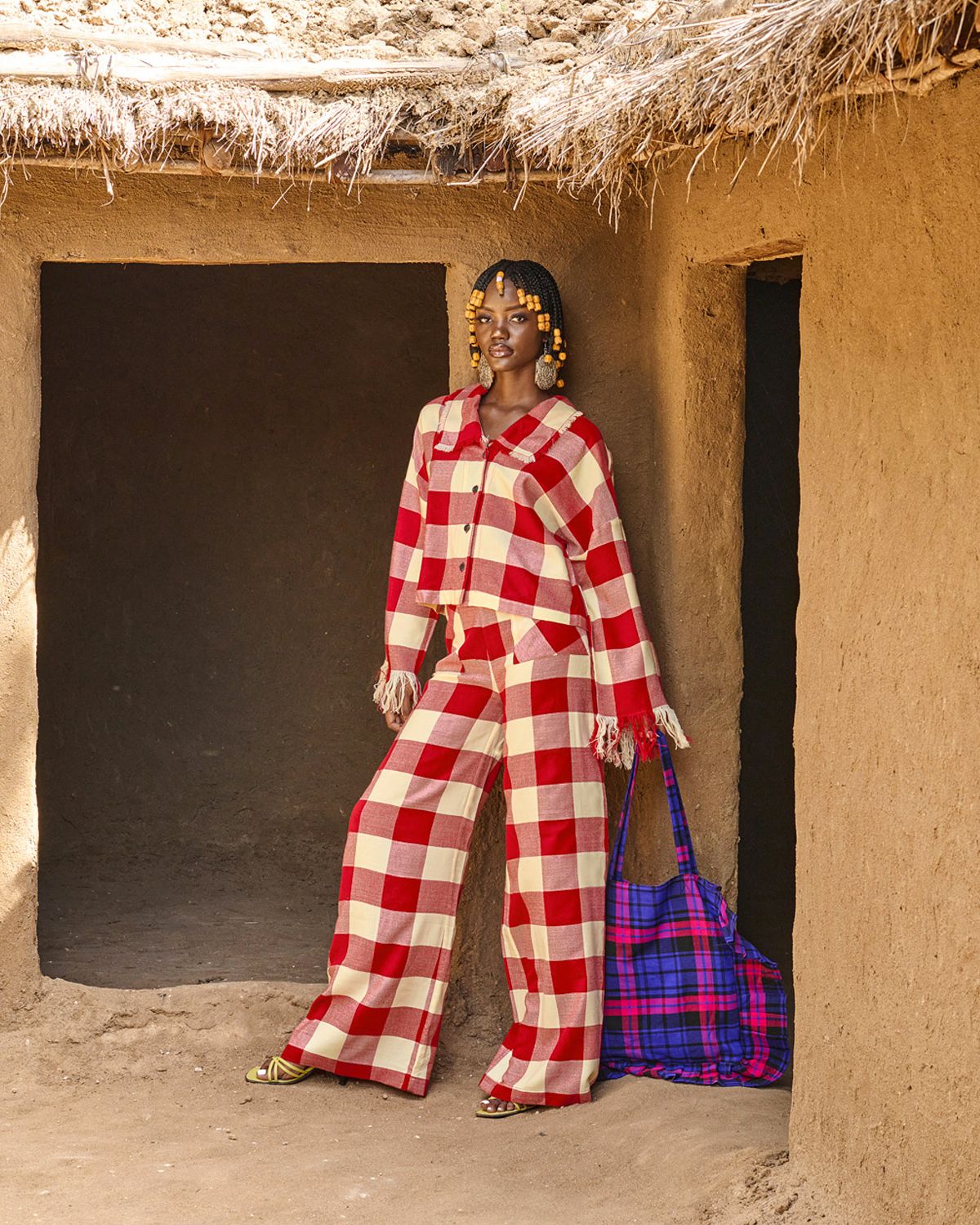
The Maasai shuka has become one of the most recognisable cloth references in global fashion. It appears in luxury collections, streetwear, and retail spaces where it is sold as a bold pattern, often with little explanation of the culture behind it. That visibility makes the shuka easy to admire and easy to misuse.
This is why the question “What is the Maasai shuka?” matters. It is not simply a question of clothes. It is a question about meaning, authorship, and what happens when a living cultural object becomes globally desirable before the people tied to it are fully recognised.
What is the Maasai shuka, and who profits when this Maasai cloth becomes a global fashion staple? Explore ownership, meaning, and compensation.
What the Maasai Shuka is
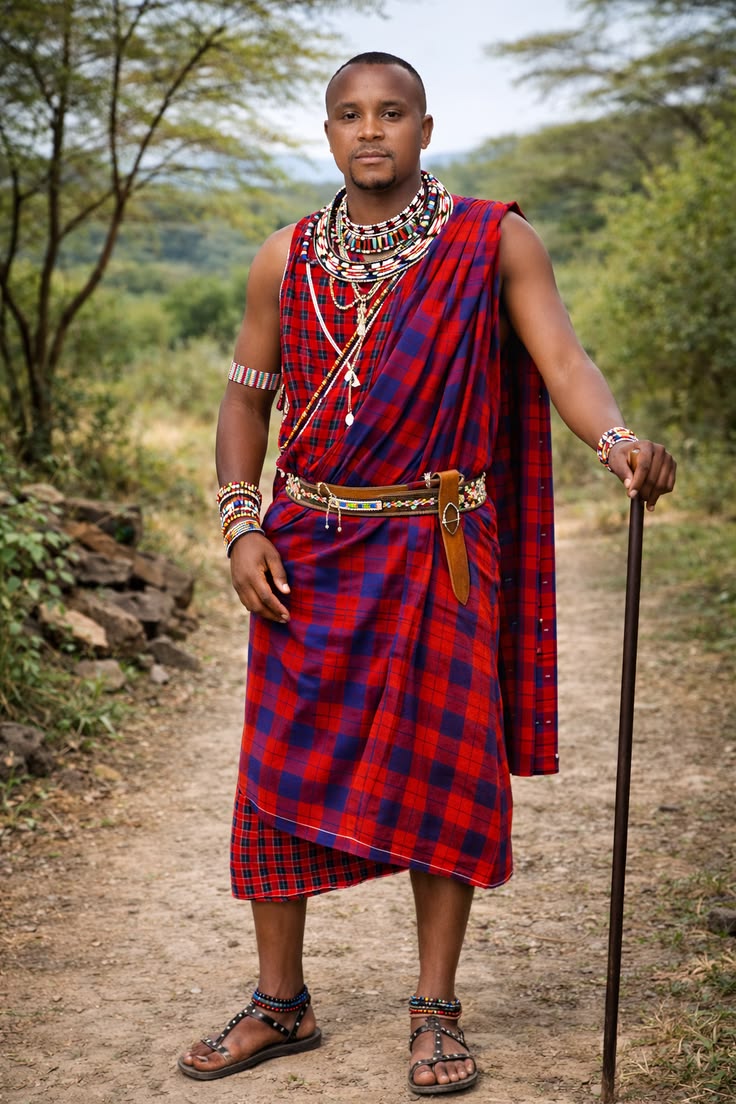
The Maasai shuka is the cloth closely associated with Maasai communities in Kenya and Tanzania. It is known for its checked design, especially in red and black, though other colour combinations also exist. It is not just a blanket or a styling prop. It is part of a living cultural identity with history, social meaning, and continuity across generations.
That distinction matters because fashion often treats African textiles as if they are free-floating visual material. Once that happens, a cloth is no longer read in relation to the people who use it. It becomes an aesthetic sign, something to copy, repackage, and resell. The shuka is vulnerable to that process precisely because it is so visually strong.
Its boldness is part of its power. The pattern is immediate, graphic, and easy to recognise, which is why it travels so well through fashion media. But recognisability is not the same as understanding. A pattern can be famous yet misunderstood. The Maasai shuka’s global visibility has not protected it from being flattened into decoration.
Why does fashion use it so often?
Fashion uses the Maasai shuka because it does what strong visual symbols always do: it creates immediate impact. Designers, editors, and retailers know that bold checks photograph well, stand out on a runway, and carry a sense of distinction that can be turned into branding. Streetwear especially values that kind of clarity because it thrives on symbols that feel direct and easy to decode.
But the problem is not that the shuka is attractive. The problem is what fashion often does after it borrows it. Instead of naming the Maasai and explaining the cloth’s cultural context, fashion frequently turns the shuka into a generic reference. That move strips away authority. It leaves the image intact while weakening the relationship between the cloth and the community that gives it meaning.
This is a familiar pattern across African fashion coverage. Cultural material is admired for its surface power, then described in vague terms that avoid specificity. The result is a kind of visual extraction. The culture becomes useful, but not central. The people remain present only as inspiration rather than as cultural authorities.
That is why the shuka is more than a styling choice. It is a test of how seriously fashion takes African material culture. If the cloth can be used across luxury and streetwear, then the source community should not be treated as an afterthought. The use itself creates responsibility.
Why ownership and compensation matter
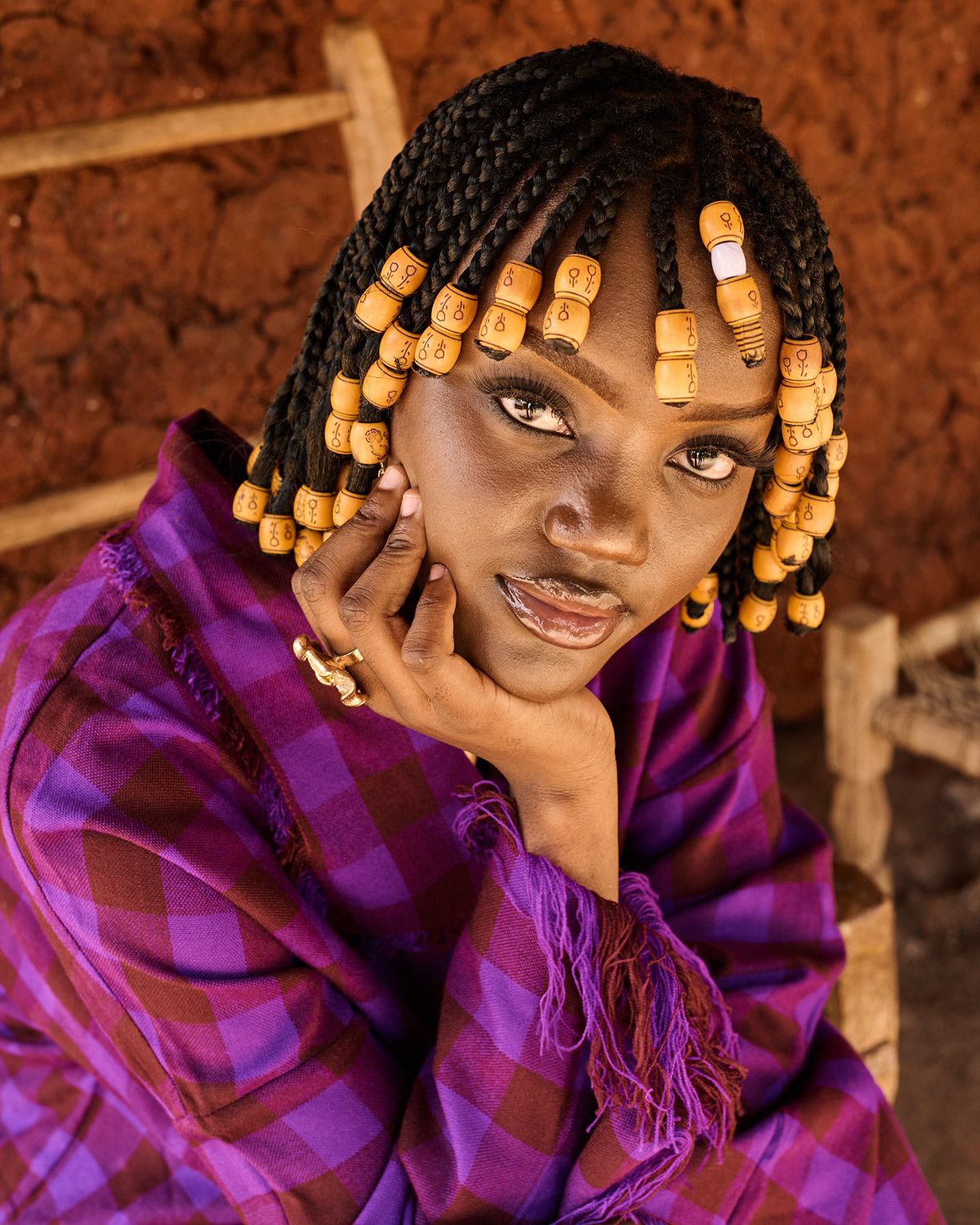
The Maasai shuka story becomes more serious once ownership enters the picture. The Maasai have been involved in documented efforts to defend their cultural symbols and seek recognition when those symbols are used commercially. That matters because cultural visibility alone does not solve the problem. A community can be visible in fashion imagery and still be excluded from the economic value generated by that imagery.
This is where fashion often hides behind soft language. It speaks of inspiration, homage, or influence, as though those words close the conversation. They do not. If a brand uses Maasai-associated cloth to create prestige, sales, or cultural capital, the conversation must include credit and a fair return. Anything less leaves the source community carrying the meaning while someone else collects the profit.
Compensation can take different forms. It may involve licensing, collaboration, direct partnership, or other structures that give the Maasai meaningful control over how their symbols are used. What matters is that the arrangement moves beyond symbolic acknowledgement. Recognition without value-sharing is too easy. It allows fashion to appear respectful while keeping the economic relationship unchanged.
That is why this story is not a side note in fashion culture. It is part of a larger issue: who benefits when African cultural forms travel. The answer should not be “everyone except the people who made them meaningful.” Yet that is often what the system produces.
What this story says about African cultural authority
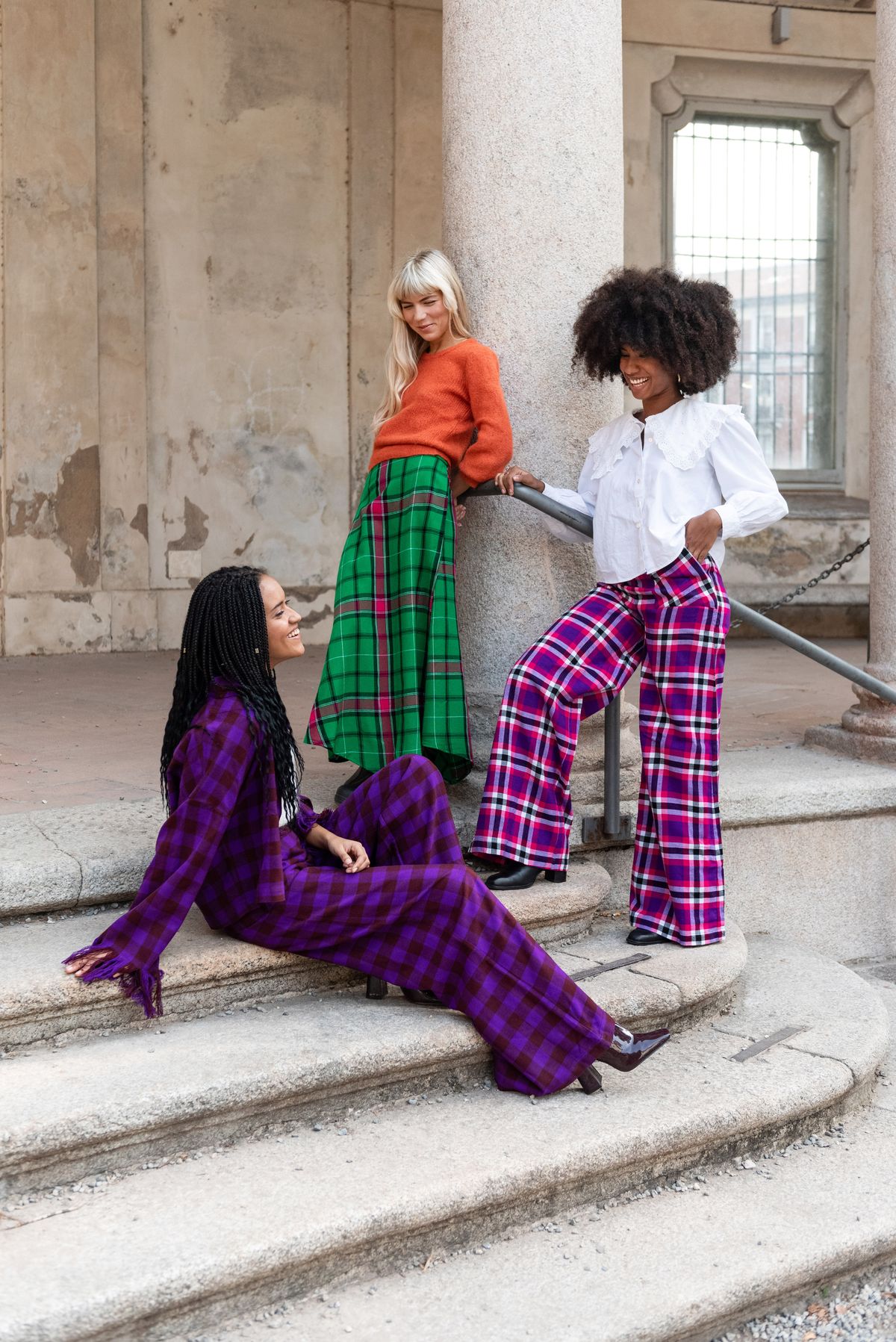
The Maasai shuka reveals something larger than the mere use of a single cloth. It shows how quickly African cultural forms can become globally desirable, even as African communities are still required to argue for basic recognition. That imbalance is not accidental. It is built into the way fashion tends to separate visual value from cultural authority.
Fashion wants the power of African symbolism without the obligations that come with respecting its source. It wants the pattern, the distinction, the charge. It does not always want the history, the legal claim, or the community role. That is why the shuka matters so much. It exposes the difference between taking inspiration and acknowledging authority.
OMIREN’s position is clear here. African dress is not a raw material that becomes valuable only when global fashion notices it. It already has value within the cultures that created and sustained it. The Maasai shuka did not become meaningful because fashion adopted it. Fashion adopted it because it was already meaningful, already strong, already visually and culturally distinct.
That is the real issue. If fashion wants to borrow from African material culture, it must also borrow the discipline of respect: naming the source, preserving specificity, and sharing value in a way that reflects the real relationship between the object and the people behind it. Without that, the cloth remains a symbol of an older pattern in fashion itself: extraction first, recognition later.
Read also:
OMIREN Argument
The Maasai shuka became a global fashion staple because its visual strength made it irresistible, but visual strength is not ownership. When luxury brands, streetwear labels, and retailers profit from a cloth tied to a living community. At the same time that the community still fights for recognition and compensation, the industry exposes its oldest habit: taking the surface and leaving the source behind. The real question is not whether the shuka can be seen in fashion. The real question is whether the Maasai are allowed to retain authority over what their cloth means, how it is used, and who benefits when it is sold.
FAQS
- What is the Maasai shuka?
The Maasai shuka is a cloth associated with Maasai communities in Kenya and Tanzania. It is known for its bold checked pattern and its cultural significance within Maasai identity.
- Why is the Maasai shuka important in fashion?
It is important because it has become a globally recognisable visual reference. Fashion uses it for its strong pattern, clear identity, and immediate impact.
- Why is the Maasai shuka controversial?
It becomes controversial when brands borrow from Maasai imagery without proper credit, context, or compensation to the Maasai people. That turns a cultural object into a commercial-style sign.
- Is it wrong to use the Maasai shuka in fashion?
Not automatically. The issue is whether the use is respectful, specific, and fair to the community that owns the cultural meaning behind the cloth.
- What does the Maasai shuka story reveal?
It reveals how African cultural authority is still too often treated as optional, even when African culture is the reason the fashion object has value.