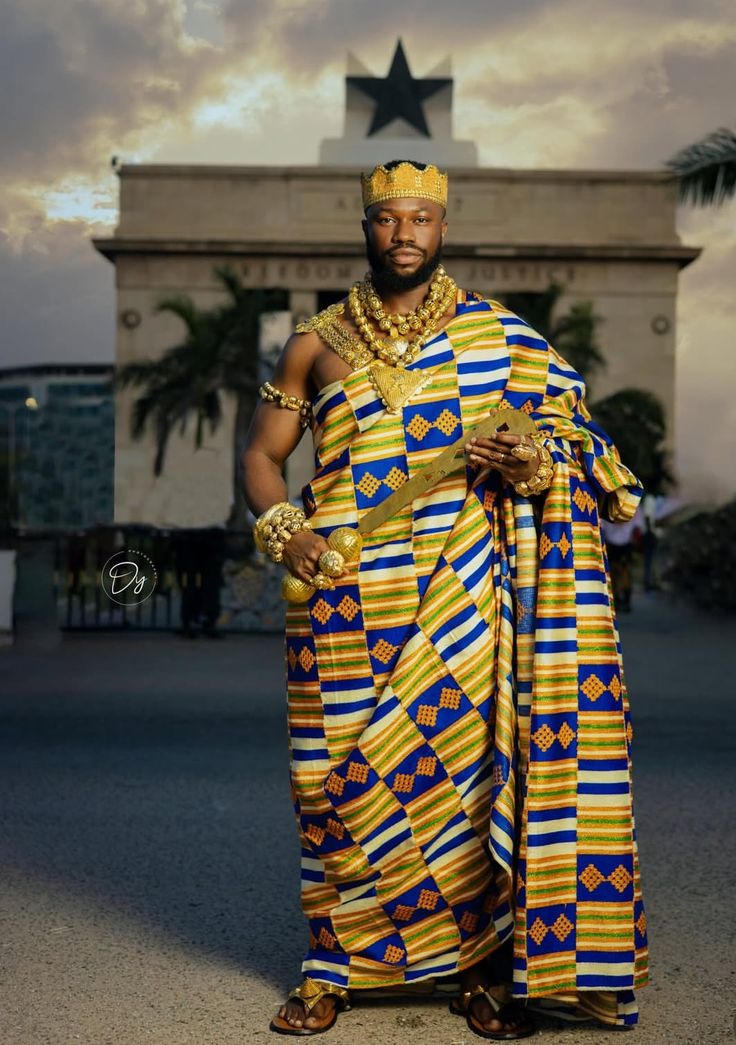
Kente has never been just fabric.
It is a coded system. A textile where every colour, motif, and arrangement carries meaning that can be read, interpreted, and understood within a cultural framework. In Ghana, Kente is not simply worn. It is communicated through.
But outside that system, Kente has long existed in another form and printed, mass-produced, detached from the loom and from the communities that built its meaning. For decades, both versions have circulated side by side, often without distinction.
What changed in September 2025 is not the fabric itself. It is the boundary around it.
With the granting of Geographical Indication status, Kente is no longer just a cultural symbol. It is now a legally defined one.
And that distinction forces a more difficult question. Not what Kente is, but who is allowed to claim it.
Ghana’s 2025 GI status for Kente redefines authenticity, ownership, and who can legally use the name in global fashion markets.
What the Law Now Recognises
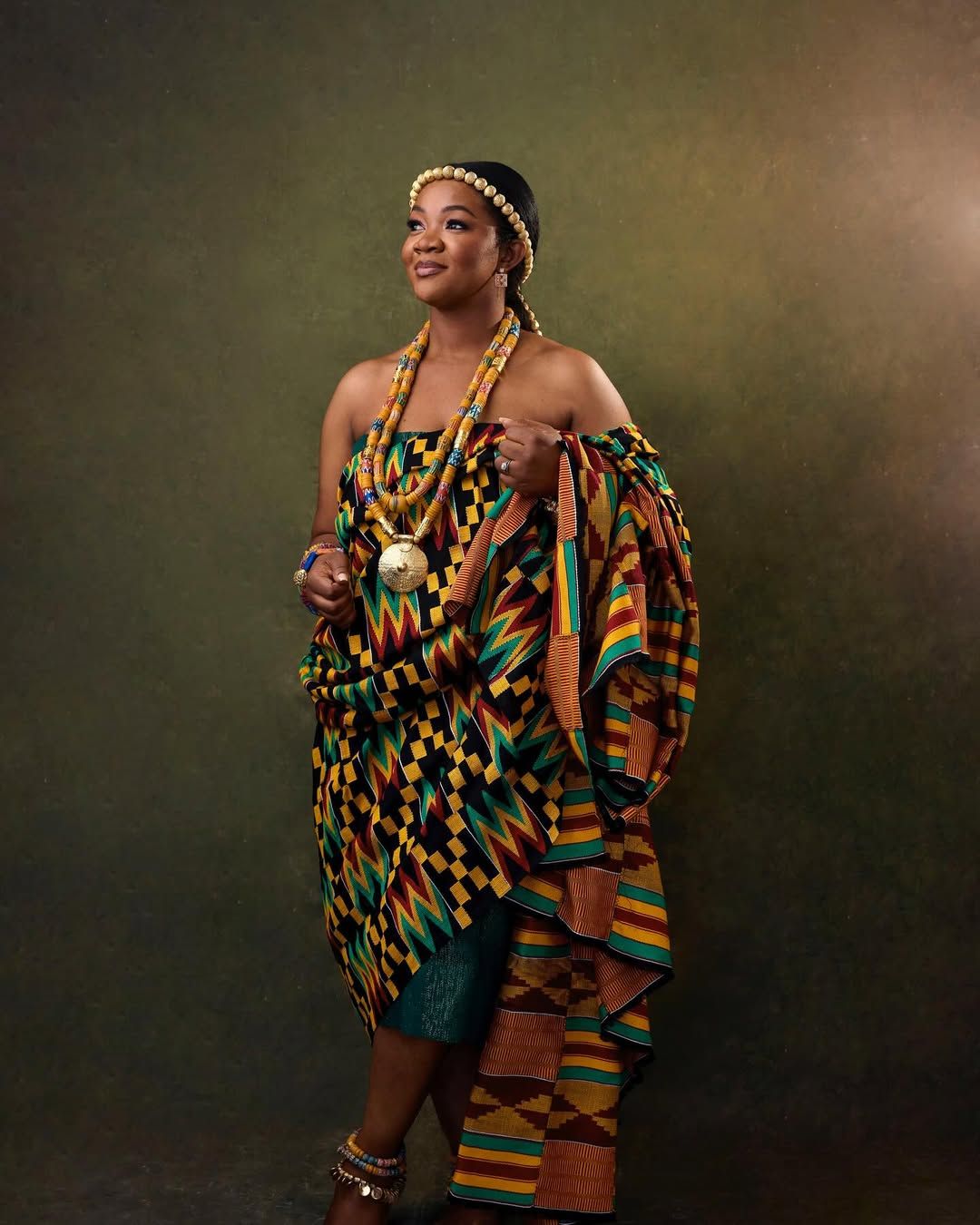
Geographical Indication status operates by linking a product’s name to a specific place and a specific method of production. It does not protect appearance alone. It protects process, origin, and continuity.
In practical terms, this means that only Kente woven in designated Ghanaian communities such as Bonwire, Agotime Kpetoe, and Sakora Wonoo can legally be recognised under that name.
This is a shift from cultural recognition to legal definition.
For the first time, Kente is not only understood through tradition. It is enforced through law.
The implications extend beyond Ghana. They reach into global markets where the name “Kente” has been used freely, often without reference to origin or method.
The Difference Between Woven and Printed
To understand what GI status is protecting, it is necessary to understand what Kente actually is.
Authentic Kente is handwoven on a loom. The process is labour-intensive, requiring technical skill, time, and generational knowledge. Patterns are not arbitrary. They are constructed through weaving, not applied afterwards.
Printed “Kente,” by contrast, is industrial. The patterns are replicated onto fabric surfaces without the underlying structure that gives them meaning.
Visually, the two may appear similar to an untrained eye. Structurally, they are entirely different.
GI status does not attempt to eliminate printed fabric. What it does is separate it from the name.
The issue is no longer whether printed Kente exists. It is whether it can continue to be called Kente.
A Market Built on Ambiguity
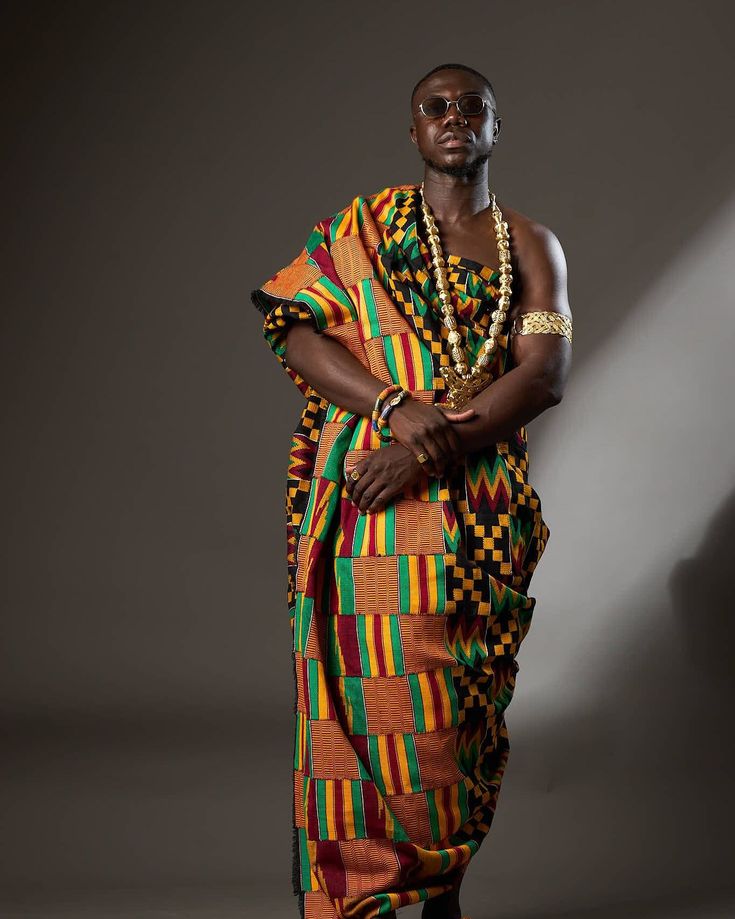
For decades, the global fashion market has operated on a kind of productive ambiguity.
Designs travel. Patterns are replicated. Cultural references are absorbed into global supply chains without clear boundaries around authorship or ownership.
Kente became part of that system.
It appeared on graduation stoles, in high-fashion collections, in ready-to-wear prints, and in mass-market textiles. In many cases, the name remained attached even when the production process had no connection to Ghanaian weaving traditions.
This created a situation where recognition did not equal benefit.
The cultural value of Kente circulated globally, but the economic value did not consistently return to the communities that produced it.
GI status interrupts that imbalance.
Who Is Protected and Who Is Not
The immediate effect of GI status is protection.
Weavers in recognised Ghanaian communities now have a legal framework that supports their authorship. The name Kente is no longer open for unrestricted use. It is tied to them.
But protection also creates exclusion.
Producers outside these regions, including manufacturers of printed textiles, now operate in a legally ambiguous space. Their products may continue to exist, but their right to use the name is no longer guaranteed.
This is where the tension becomes visible.
Because for many consumers, the distinction between woven and printed has never been clearly defined. The market has trained them to see Kente as a pattern, not a process.
GI status challenges that perception.
Cultural Property vs Global Circulation
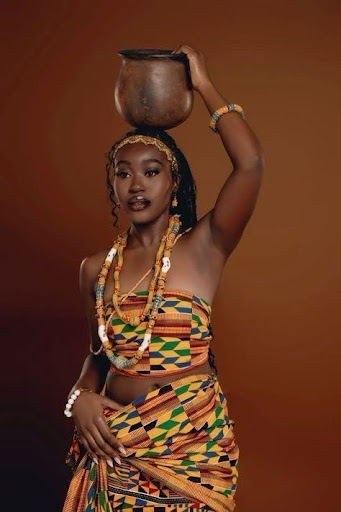
At its core, this is not just a legal issue. It is a cultural one.
Kente has always carried meaning within specific communities. That meaning is tied to history, social structure, and identity. When the fabric circulates globally without those contexts, it becomes visual rather than cultural.
GI status attempts to restore that connection.
It reanchors the fabric in place, in practice, in people.
But global fashion operates differently. It is built on movement, replication, and reinterpretation. It resists fixed boundaries.
This creates an ongoing tension between two systems.
One that defines ownership through origin and continuity.
Another that defines value through circulation and adaptation.
Kente now sits directly between them.
What This Means for Fashion
For designers, brands, and retailers, the implications are significant.
Using Kente is no longer just a design choice. It is a legal and cultural decision. It requires clarity about sourcing, terminology, and representation.
To use authentic Kente means engaging with its production system. To use printed versions means acknowledging that they are something else entirely.
The language matters now.
And with that, the responsibility shifts.
READ ALSO:
- Where to Buy Kente Cloth Without Funding a Counterfeit Industry
- Five Kente Styles Fante Women Wear and the Living Grammar Behind Each One
A Redefinition of Authenticity
Before GI status, authenticity in Kente was often treated as a matter of perception.
Something looked authentic if it appeared detailed, colourful, and culturally resonant.
Now, authenticity is defined structurally.
It is tied to where the fabric is made, how it is produced, and who is involved in its creation.
This moves the conversation away from aesthetics and toward process.
It becomes less about what the fabric looks like and more about what it is.
The Grey Zone
Despite the clarity introduced by GI status, a grey zone remains.
Printed textiles that resemble Kente will not disappear. They are too deeply embedded in global fashion systems. They are accessible, affordable, and widely distributed.
The question is not whether they will continue to exist.
It is how they will be named, positioned, and understood moving forward.
If they can no longer be called Kente, then what are they?
And if consumers are forced to confront that distinction, how does that change demand?
OMIREN Argument
The global fashion industry has always been comfortable borrowing.
It has built entire systems around the movement of ideas, patterns, and materials across cultures without requiring accountability to origin.
Kente disrupts that comfort.
Because what Ghana has secured is not just recognition. It is control over meaning.
GI status forces a distinction the industry has long avoided—between a fabric that carries cultural authorship and one that carries visual resemblance.
For years, that difference was blurred. Not by accident, but because it benefited the system. It allowed Kente to circulate as an image while disconnecting it from the structures that produced it.
That separation is no longer stable.
To call something Kente now requires alignment with its origin, its method, and its community. Anything outside that framework must find a different name.
This is not about restricting fashion. It is about correcting authorship.
Because cultural ownership is not determined by who can reproduce a pattern.
It is determined by who built the system that gave that pattern meaning.
And in the case of Kente, that system has always belonged to Ghana.
Frequently Asked Questions (FAQs)
- What is Kente cloth?
Kente is a handwoven textile from Ghana, known for its intricate patterns and symbolic meanings tied to history, identity, and social status.
- What does GI status mean for Kente?
Geographical Indication (GI) status legally protects the name “Kente,” restricting its use to cloth woven in specific Ghanaian communities using traditional methods.
- Where can authentic Kente be produced?
Only Kente woven in recognised areas such as Bonwire, Agotime Kpetoe, and Sakora Wonoo can legally carry the name under the new GI framework.
- Is printed Kente still allowed?
Yes, printed fabrics can still be produced and sold, but they may no longer be legally marketed as “Kente” if they do not meet GI standards.
- Why is Kente GI status important?
It protects cultural ownership, ensures economic value returns to Ghanaian weavers, and prevents misuse of the name in global markets.