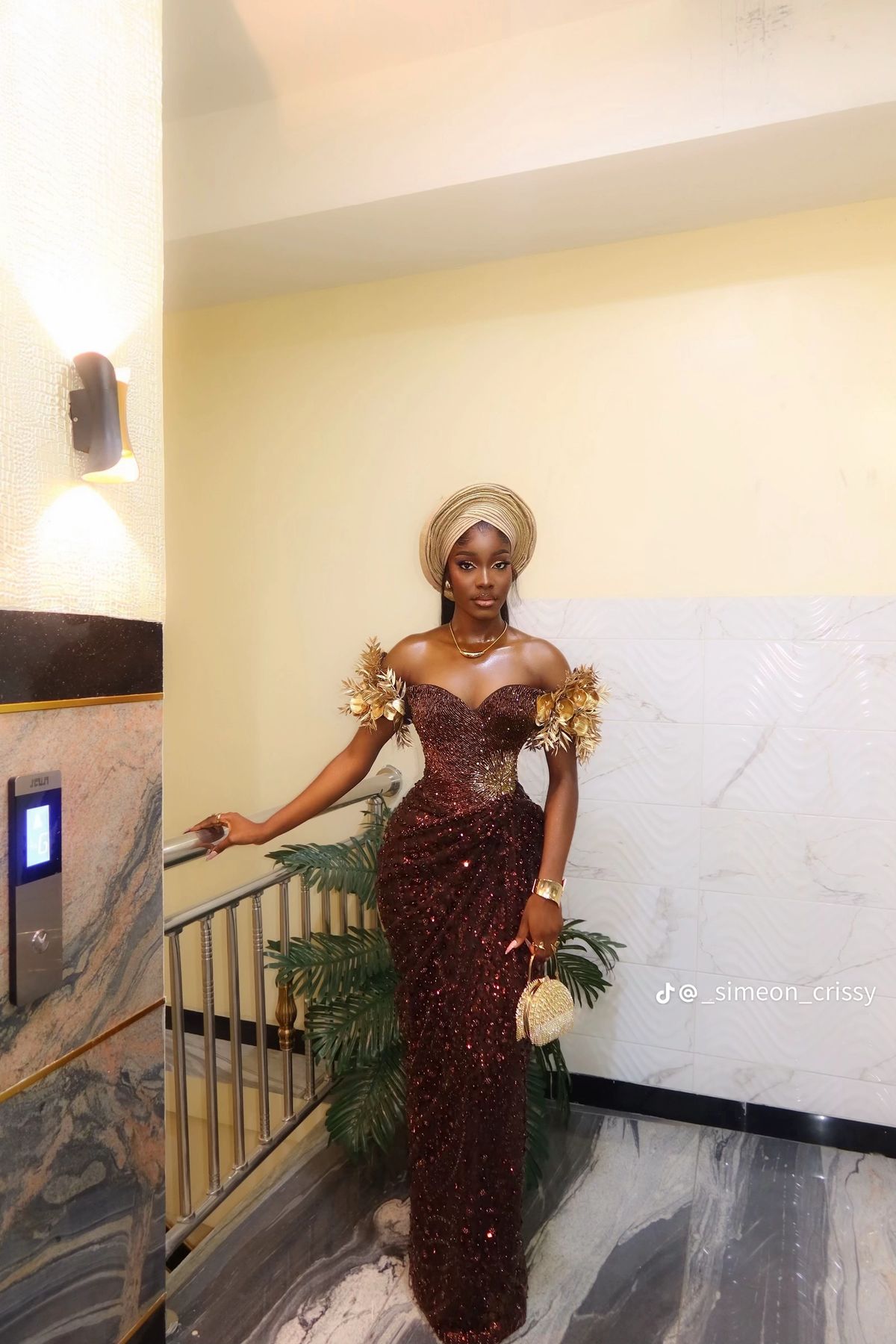
A teenager in Atlanta opens TikTok, finds a Lagos-based designer’s reel, sends a WhatsApp message, and three weeks later collects a hand-finished gown in Ankara and Aso Oke. That is the full transaction: no retail middleman, no department store markup, no compromise on cultural identity. The Nigerian prom dress is not a niche curiosity or a heritage costume. It is a measurable export product, and the students commissioning it are not doing so despite having other options. They are doing so because they prefer it.
Nigerian prom and graduation fashion is moving global, powered by diaspora identity, TikTok visibility, and custom craftsmanship from Lagos designers. Discover how Nigerian prom dresses are reshaping formalwear abroad
The Market That Grew Without a Blueprint
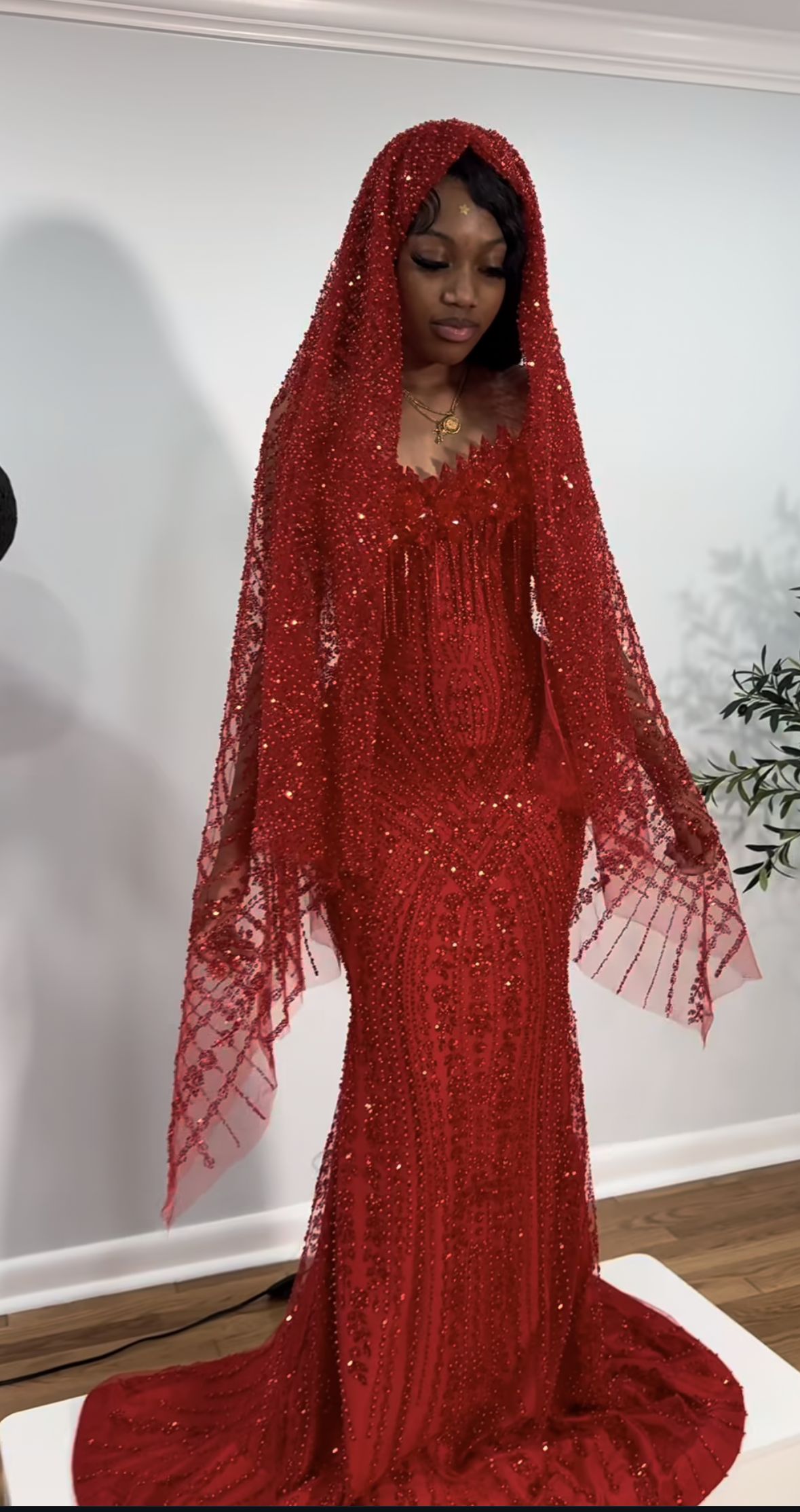
A 2025 BBC-sourced report found that a small group of West African designers fulfilled more than 2,800 prom orders in a single season, the majority shipped to the United States. That figure comes from a handful of ateliers, not an industry consortium. It means the aggregate potential, once more, is substantially larger when designers professionalise their export operations.
This sits inside a Nigerian fashion economy that the Minister of Art, Culture and the Creative Economy estimates contributes approximately $6.1 billion to GDP. Other methodologies place the figure between $1.1 billion and $5-6 billion, depending on what is counted. Still, all converge on the same conclusion: Nigerian fashion is a core economic and soft-power asset, not a side-hustle story.
What makes the prom-dress segment distinctive is that it emerged without institutional support. There was no export scheme, no government campaign, no Lagos Fashion Week panel dedicated to graduation formalwear. Designers already producing custom gowns for weddings and naming ceremonies began receiving international commissions from diaspora students. They fulfilled them. The market formed around the existing competence.
Why Diaspora Students Are Choosing Lagos Over Local
The price case is straightforward. A custom Nigerian prom dress, one-of-one, hand-finished, shipped internationally, typically falls between $600 and $1,500, depending on fabric, beading, and silhouette complexity. Comparable bespoke gowns from established US-based ateliers frequently start at $2,500 to $3,500 or more. For a garment that will also be reworn at weddings, naming ceremonies, and family events, the Lagos commission is not the budget option. It is the smarter allocation.
The identity case is less quantifiable but more durable. Nigerian and wider African diaspora students, predominantly aged 15 to 22, attending schools in the US, UK, Canada, and Australia, are using prom and graduation as a moment of public cultural assertion. When a student in Birmingham arrives at her graduation in an Aso Oke-trimmed gown, or a Nigerian-American student in Houston wears a floor-length Ankara corset dress with a structured train, she is not dressing up. She is making a statement about whose story she is wearing and on whose terms.
This is not sentiment. It is a purchasing decision that Lagos designers are building repeat business on. For a closer look at how clothing functions as a cultural declaration, read When Dressing Becomes Declaration: Clothing as Cultural Identity.
“Nigerian prom dresses are rarely blank canvas. They are textile statements, and the students wearing them know exactly what each fabric is saying.”
The Fabrics That Carry the Argument
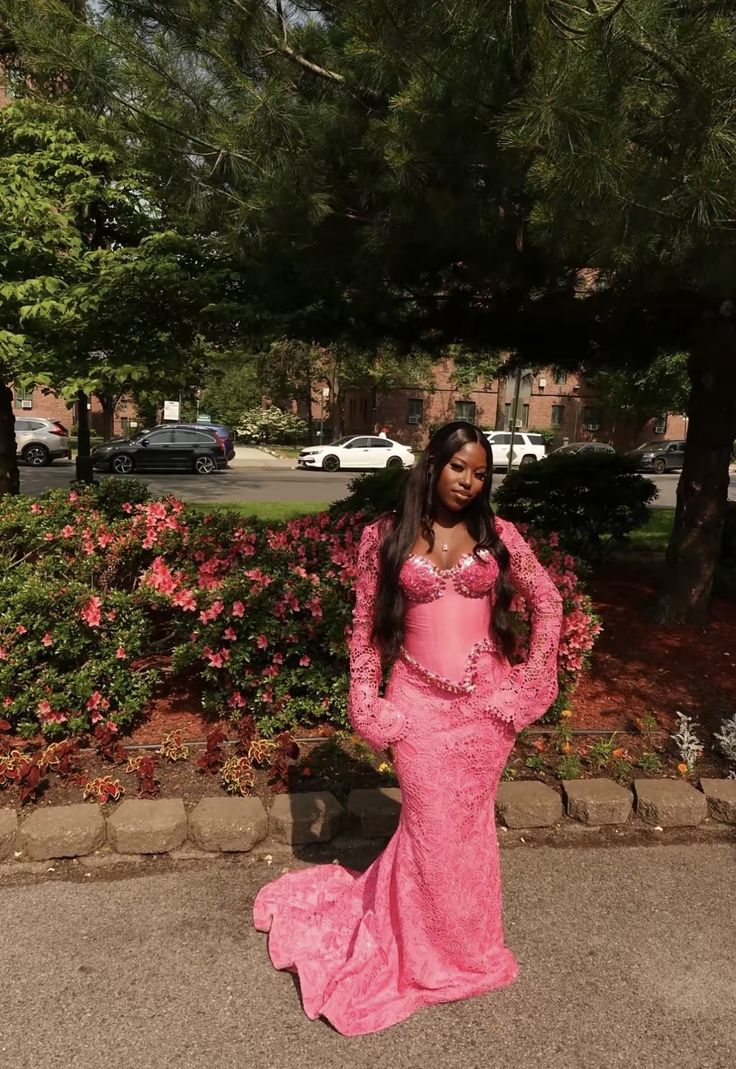
Three textiles define the trend.
Ankara
African wax print is the most visible: bold geometric patterns, high-contrast colour, intricate detailing. In graduation formalwear, Ankara typically forms the main body of a gown, with corset bodices and structured skirts that read as contemporary without conceding cultural specificity. The patterns carry family stories and regional references that wearers explain in their TikTok captions, turning the gown itself into a piece of cultural communication. For a full account of ownership, history, and what is at stake in the naming of this fabric, read Who Actually Owns Ankara: The Legal and Cultural Argument the Fashion Industry Has Been Avoiding.
Aso Oke
The handwoven cloth of the Yoruba people of south-western Nigeria, traditionally associated with royalty and major life ceremonies, appears in prom and graduation wear as toppers, sash panels, and accent details. Its presence signals lineage and ceremonial weight without overwhelming the formalwear silhouette. For many wearers, it is the detail that connects the gown to something older and more serious than a school dance. Explore the inheritance economy surrounding this cloth in Second-Hand Aso-Oke and the Inheritance Economy.
Adire
The resist-dyed textile from south-west Nigeria operates differently. Its organic patterning and handcrafted texture introduce an artisanal register. In prom and graduation wear, Adire details, a collar, a sleeve, a lining, function as quiet markers of heritage that reveal themselves only on close inspection. They are there for the wearer and for those who know how to look.
Together: Ankara for visibility, Aso Oke for ceremony, Adire for intimate storytelling.
ALSO READ
- Veekee James Did Not Wait for Vogue Africa Debate: She Built a Global Nigerian Fashion Empire Instead
- Who Actually Owns Ankara: The Legal and Cultural Argument the Fashion Industry Has Been Avoiding
- Second-Hand Aso-Oke and the Inheritance Economy
- When Dressing Becomes Declaration: Clothing as Cultural Identity
TikTok Did Not Create This Market. It Made It Visible.
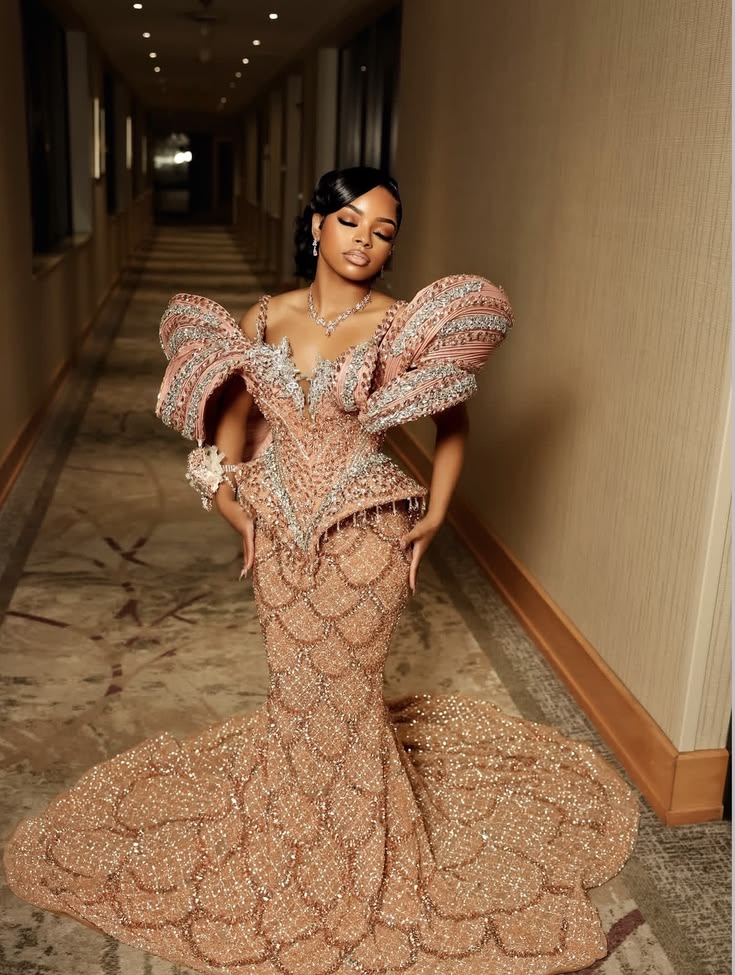
The infrastructure that powers Nigerian prom-dress exports, skilled ateliers, fabric knowledge, custom-fit capability, and cultural literacy existed before any social media algorithm amplified it. What TikTok did was collapse the distance between a Lagos workshop and a student’s bedroom in Atlanta or Sydney.
A 30-second clip of a custom gown rotating in a hallway, tagged with #NigerianPromDress or #AfricanPromDress, can reach hundreds of thousands of viewers within days. Hashtags across these categories have accumulated millions of collective views. The comments sections under these videos are, functionally, a demand-generation engine: students ask about price, shipping, sizing, and timeline; designers respond; commissions follow.
The pattern has become almost ritualistic. A student posts her finished gown, tags the Lagos designer, explains her choice, to represent her culture, to honour her family, to wear something no one else at prom will have, and a new cohort of students begins the commissioning process. Lagos Fashion Week, now in its 15th edition, feeds the same pipeline: runway pieces from designers including Onalaja and Hertunba appear in student mood boards with the caption “I want this, but in prom dress form.”
The mechanism is social, but the commercial logic underneath it is not fragile. Students are not commissioning Nigerian gowns because a trend told them to. They are commissioning them because the gowns are better for their specific purpose than the available alternatives. For context on why African fashion consistently disappears from the algorithm despite this organic demand, read The Online Marketplace Problem: Why African Fashion Disappears in the Algorithm.
The Omiren Argument: Nigerian Formalwear Is Not Entering Global Markets. It Is Building Its Own.
The inherited assumption about African fashion in international markets is that it is always arriving, always emerging, always catching up. The Nigerian prom-dress market disproves that structure entirely.
What Lagos ateliers have built is not an African approximation of Western prom culture. It is a parallel export economy that outperforms Western couture on cultural specificity, price, and direct-to-consumer service, and that is growing on the terms set by its buyers and makers, not on terms negotiated with Western gatekeepers. The buyers are not asking Lagos designers to make something that looks more like a Western prom dress. They are asking Lagos designers to create something that looks unmistakably Nigerian, and they are paying a premium to do so.
That distinction matters. Markets built on cultural authenticity and direct relationships are more defensible than markets built on price alone. If a Nigerian atelier can produce a one-of-one, culturally specific, hand-finished gown at a fraction of US couture prices while maintaining direct communication with the client through multiple fittings, it need not compete with fast fashion or department stores. It has already exited that competition.
The real risk is not that the market fails to grow. It is that growth pressure that drives designers to standardise, import generic fabrics, and abandon the artisanal specificity that makes the product desirable in the first place. Scaling the logistics is achievable. Scaling the cultural integrity is the harder, more important work.
What the world stands to lose when handcraft gives way to volume is documented in What the World Lost When Hand-Weaving Gave Way to Mass Production. Lagos designers navigating scale would do well to read it.
Lagos is not arriving at the global formalwear table set by someone else. It is setting a table that did not previously exist, and diaspora students are the first generation eating there.
FAQs
What are Nigerian prom dresses?
Formal gowns made by Nigerian designers that combine Western prom silhouettes, fitted bodices, floor-length skirts, dramatic trains, with Nigerian textiles including Ankara, Aso Oke, and Adire. They function as cultural statements as much as they do as formalwear.
Where do Nigerian prom dress designers ship to?
Designers in Lagos, Port Harcourt, and Ibadan fulfil custom commissions to the US, UK, Canada, and Australia, with the United States currently the dominant export market.
How much do custom Nigerian prom dresses cost?
Most custom commissions fall between $600 and $1,500, depending on fabric, beading, and construction complexity. Comparable bespoke gowns from US-based ateliers typically start at $2,500 and can reach $3,500 or more.
Are Nigerian prom dresses only for Nigerian students or the African diaspora?
The primary market is Nigerian and wider African diaspora students, but students from other backgrounds also commission these gowns for the distinctiveness of their prints, silhouettes, and cultural storytelling.
What fabrics are used in Nigerian prom dresses?
The three defining textiles are Ankara (African wax print), Aso Oke (Yoruba handwoven cloth), and Adire (resist-dyed textile from south-west Nigeria), each adapted into contemporary formalwear silhouettes.
Is there data confirming the Nigerian prom dress trend?
A 2025 BBC-sourced report found that a small group of West African designers fulfilled more than 2,800 prom orders in a single season, largely shipped to the US. That figure comes from a handful of ateliers, indicating that the broader market potential is even larger.
What challenges do Nigerian prom dress designers face when scaling exports?
Key constraints include reliance on imported fabrics, international logistics and customs delays, currency volatility, and the difficulty of maintaining artisanal quality at higher volumes. Most successful operations remain small-batch and high-touch by design.
EXPLORE MORE ON OMIREN STYLES
Omiren Styles covers the designers, fabrics, and cultural systems behind African formalwear. Explore the Industry and Diaspora Fashion sections for vetted designer profiles, textile deep dives, and cultural commentary written from a position of ownership, not observation.