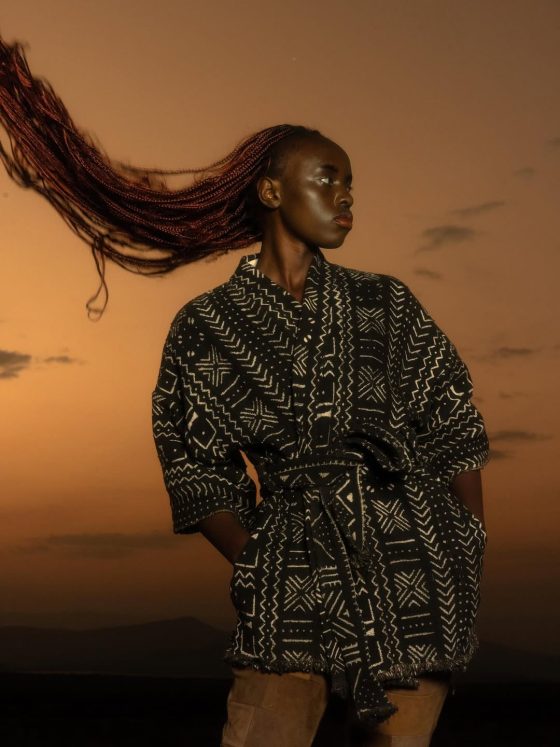
The future of fashion in Senegal is taking shape through the country’s deep tailoring heritage and resourceful creativity. Designers are building on Dakar’s fashion industry strengths.
They’re also built on Senegalese tailoring culture to create models that are both culturally grounded and globally competitive. Furthermore, fashion designers in Senegal are increasingly merging traditional craftsmanship with modern techniques and sustainable practices.
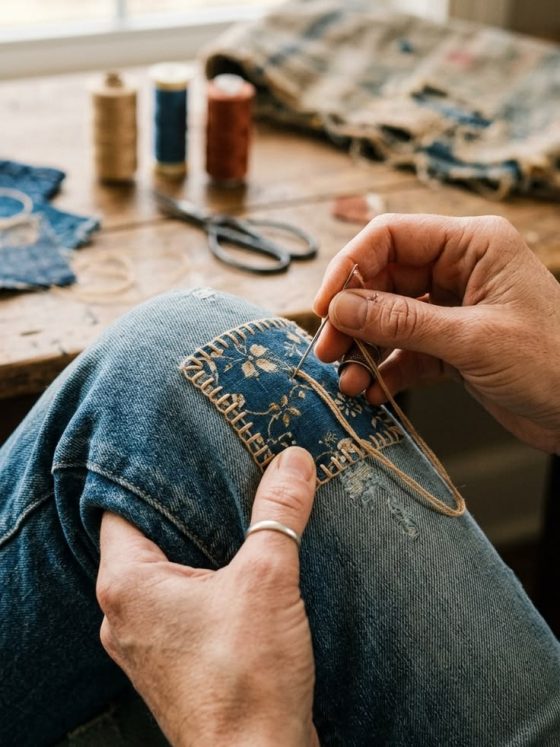
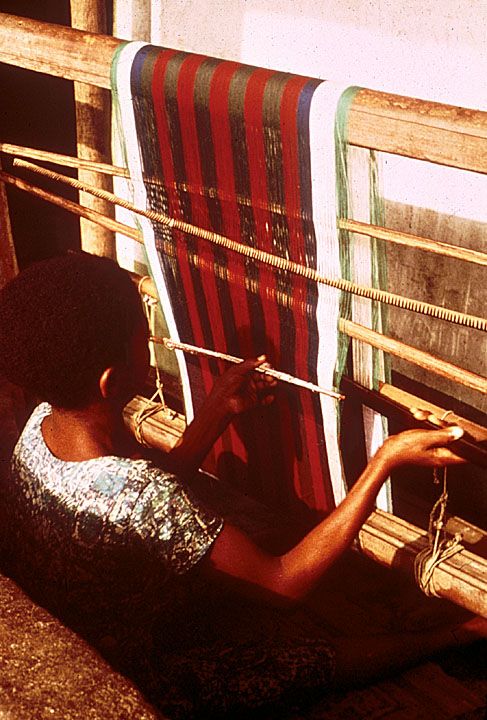
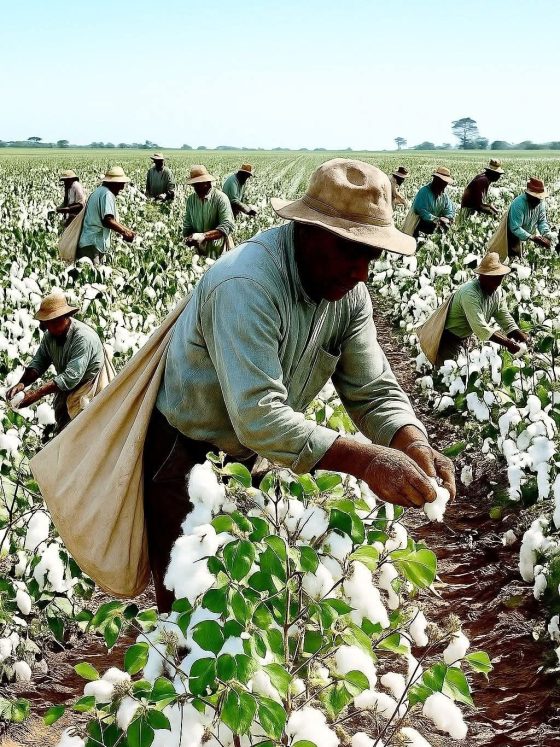
This evolution is driven by local realities rather than imported trends, as studios in Dakar experiment with upcycling, local textile production, and more efficient production systems.
This isn’t a distant vision. The foundations are already visible today in the way designers balance quality, innovation, and economic viability.
The future of fashion in Senegal depends on tailoring systems, sustainable production, and Dakar’s growing global influence.
The Growing Momentum of Sustainable Fashion in Senegal
Sustainable fashion in Senegal is developing through practical solutions rooted in local realities rather than global ideals.
Fashion designers in Senegal are increasingly turning to upcycling. They’re also turning to zero-waste pattern cutting and revitalised textile production methods in Senegal to address both environmental concerns and economic needs.
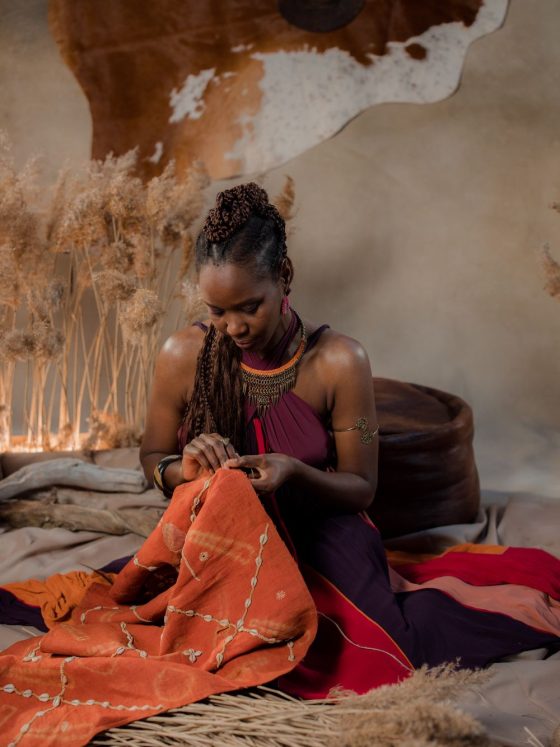
This momentum builds directly on Senegalese tailoring culture, where artisans have historically maximised the use of materials and created durable garments.
Today, many studios in the Dakar fashion industry are formalising these practices. They’re doing this by developing structured training programmes and small-scale manufacturing systems that prioritise longevity over volume.
The future of fashion in Senegal is therefore visible in these deliberate shifts toward more responsible production.
Designers are treating sustainability not as a trend but as an extension of existing technical intelligence and economic pragmatism. This approach strengthens the foundation for a more resilient future African fashion industry.
Tailoring as Senegal’s Enduring Competitive Advantage.
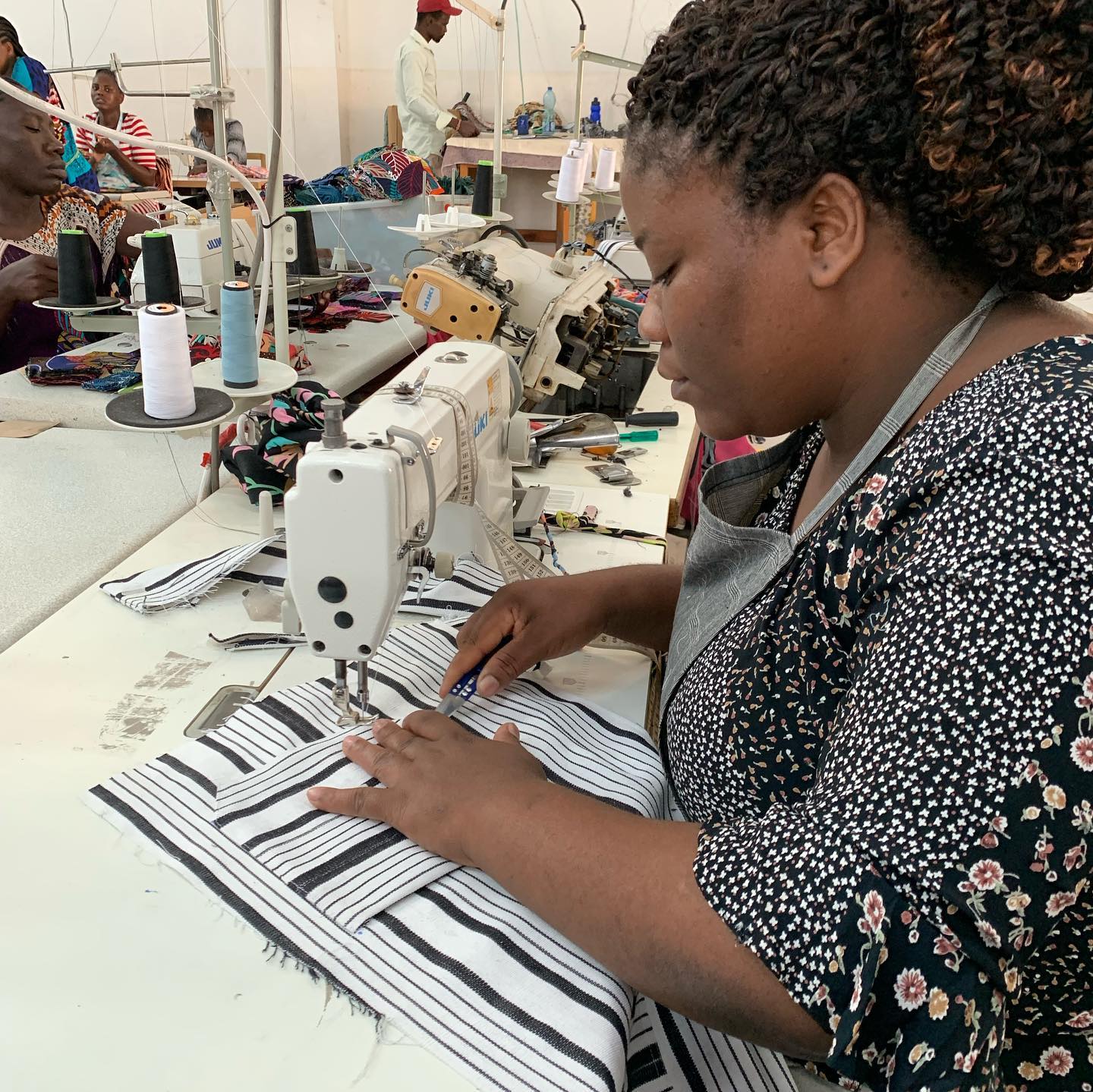
Senegalese tailoring culture remains one of the strongest assets for Senegal’s future in fashion. The country’s highly skilled tailors and pattern makers produce garments with precision and durability that many fast fashion systems can’t match.
This technical foundation gives Senegal a clear edge in a global market that is slowly shifting toward quality and longevity.
Fashion designers in Senegal are leveraging this advantage by focusing on made-to-measure and small-batch production that emphasises fit, structure, and cultural relevance.
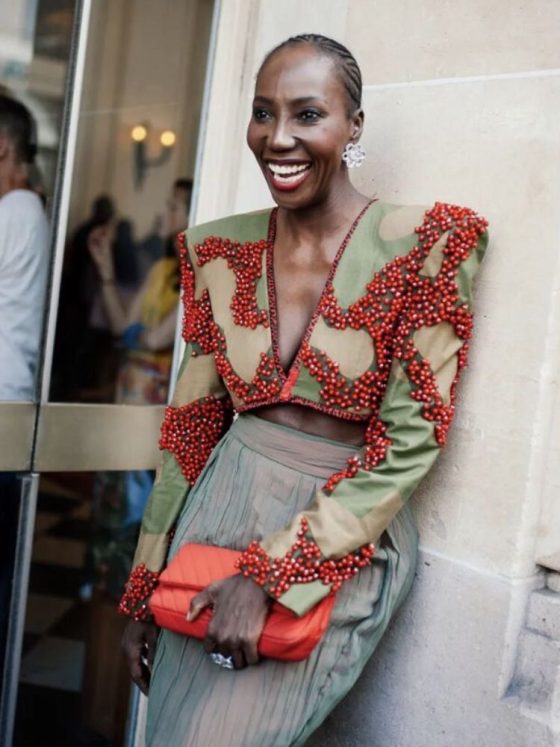
Dakar fashion industry studios increasingly combine traditional tailoring techniques with contemporary silhouettes to create pieces that appeal to both local and international clients.
This focus on craftsmanship offers a viable alternative to mass production. It supports skilled employment, reduces overproduction, and builds brand value through authenticity and superior craftsmanship.
As consumers worldwide demand higher-quality, more meaningful clothing, Senegal’s tailoring heritage positions the country to compete on excellence rather than on volume.
The Future of Fashion in Senegal and Its Key Directions
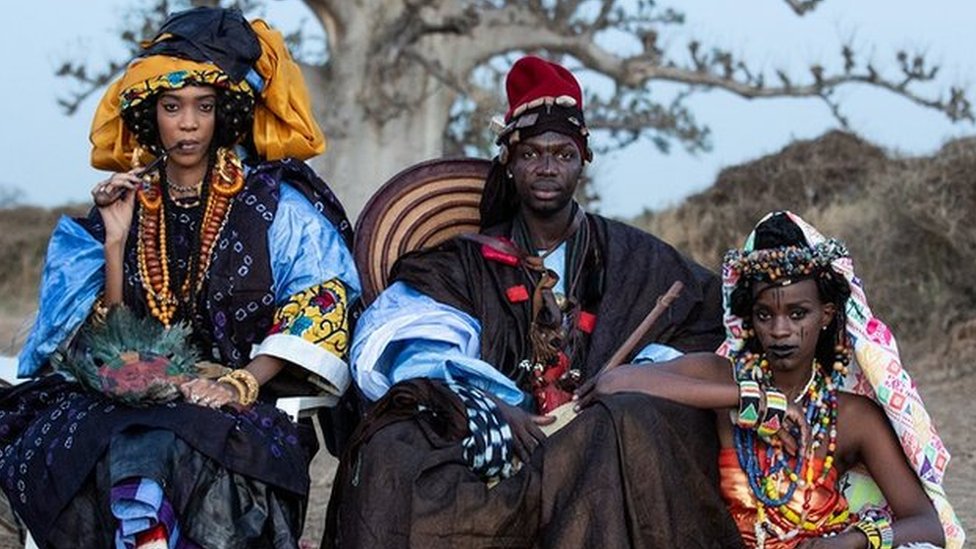
The future of fashion in Senegal remains uncertain but is being shaped by current realities in the Dakar fashion industry. While the country possesses a strong Senegalese tailoring culture and growing interest in sustainability, significant structural challenges continue to constrain broader industry growth.
Fashion designers in Senegal are exploring ways to strengthen their position by improving local production systems, advancing sustainability initiatives, and selectively expanding international exposure.
Some are building direct relationships with diaspora markets and experimenting with new business models. However, scaling these efforts while maintaining quality and profitability remains difficult for most.
The coming years will depend on whether these incremental developments, combined with Senegal’s textile production capabilities, can create more resilient economic models.
The future of fashion in Senegal will ultimately be determined by how successfully these practical constraints are addressed.
Also Read:
- Top Senegalese Fashion Designers Influencing Global Style
- Dakar Street Style: How Senegalese Youth Are Redefining African Fashion
- Senegalese Textiles and Craftsmanship: The Art Behind West African Fashion
- Traditional Clothing in Senegal: The Elegance of Boubou and Cultural Identity
Global Reach and the Dakar Fashion Ecosystem
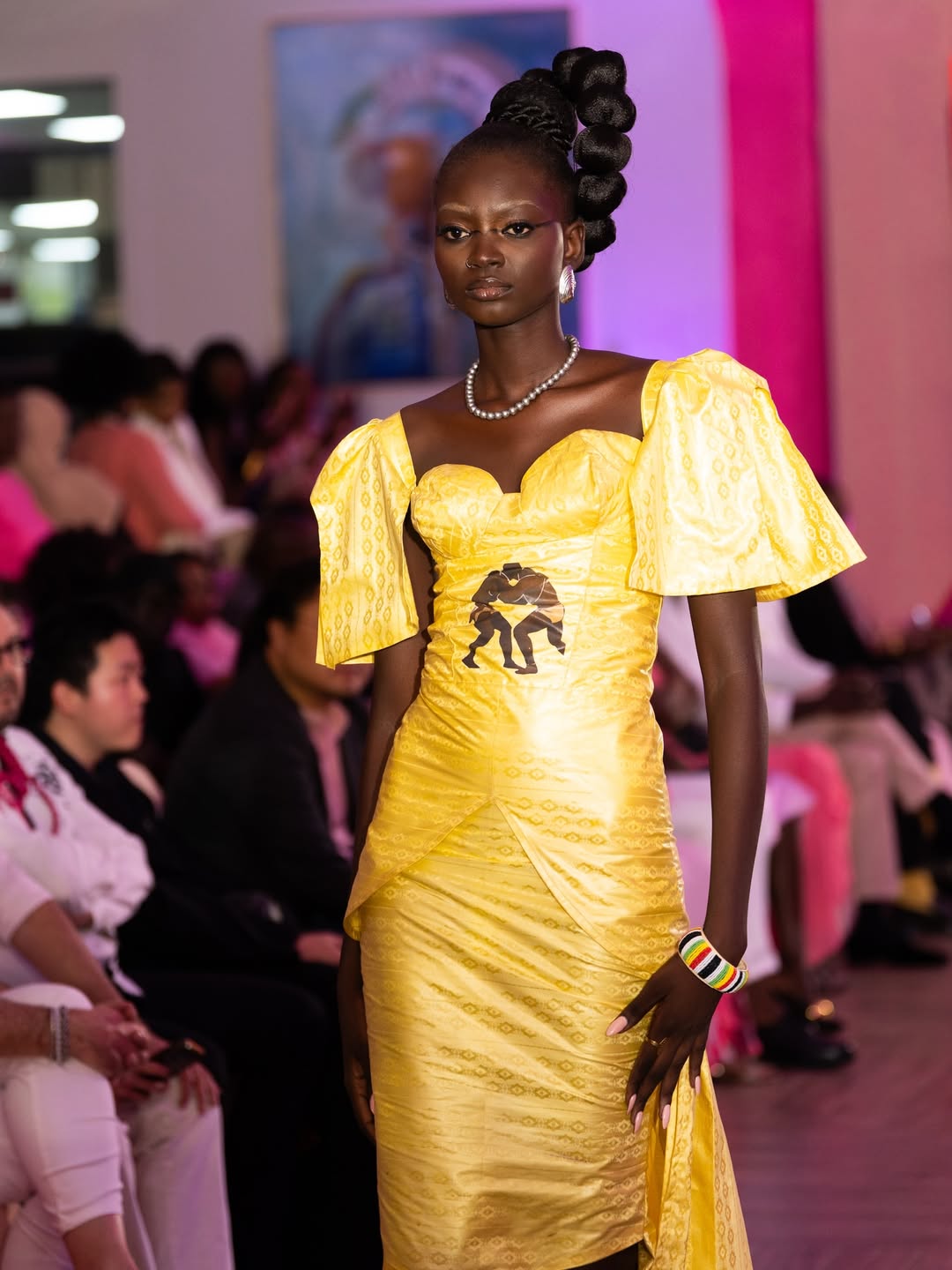
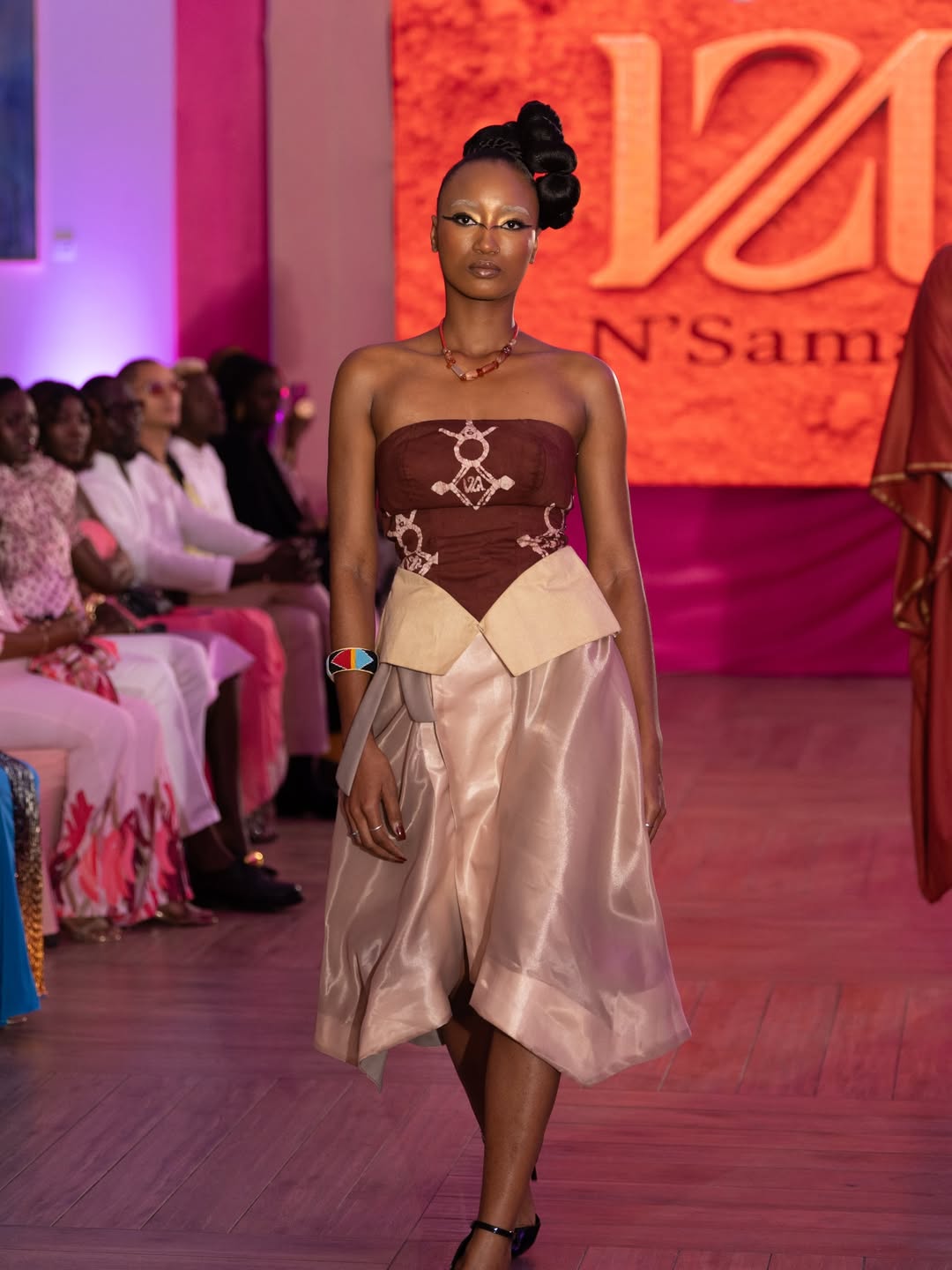
Dakar continues to serve as the central hub for Senegal’s fashion future. The city hosts major events such as Dakar Fashion Week and attracts regional talent, creating a concentration of fashion designers, tailors, and supporting services in Senegal.
Many designers are expanding their reach through digital platforms, diaspora networks, and selective participation in international fashion weeks. Some have successfully gained editorial coverage and celebrity clientele outside Senegal.
However, consistent global commercial success remains limited for most due to production capacity constraints and marketing challenges.
The Dakar fashion industry shows potential to grow as a regional centre if infrastructure and financing improve. Current efforts focus on building stronger connections between local production and international demand while preserving cultural identity.
This balancing act will play a major role in determining how influential Senegal becomes in the future African fashion industry.
Structural Realities and Emerging Business Models
The future of fashion in Senegal faces considerable structural challenges. Limited access to capital, unreliable electricity supply, high production costs, and weak manufacturing infrastructure continue to restrict the growth of most fashion designers in Senegal.
These constraints make it difficult to scale operations while maintaining consistent quality and profitability.
Some designers are experimenting with new approaches. Several companies have adopted made-to-order systems, direct-to-consumer sales, and stronger diaspora networks to reduce risk and improve cash flow.
However, these models remain limited in scale and have not yet transformed the wider Dakar fashion industry. Senegal’s textile production and tailoring culture provide important foundations.
Turning these strengths into sustained industry growth will require significant improvements in infrastructure, financing, and policy support. The future of fashion in Senegal will depend on how effectively these core constraints are addressed in the coming years.
The Omiren Argument
The future of fashion in Senegal will not be decided by creativity or cultural richness alone. It will be decided by the country’s ability to solve its structural problems in production, capital, and infrastructure.
While Senegal possesses genuine advantages in tailoring skills and resourceful design, these strengths are currently undermined by high costs, unreliable power supply, and limited access to finance.
Many fashion designers in Senegal are experimenting with better models, but few have managed to scale meaningfully.
This reality disrupts the common narrative that African fashion futures depend primarily on talent and global interest.
Senegal’s progress depends on turning its tailoring heritage and Dakar fashion industry into economically viable systems.
The path forward is clear. The future of fashion in Senegal belongs to those who can build resilient production and business structures, not just to those who can create compelling collections.
Senegal has the foundations, and what it needs now is systematic execution.
Frequently Asked Questions
- What Is the Fashion in Senegal?
Senegalese fashion fuses vibrant traditional styles with modern tailoring and street style. It features colourful, flowing garments made from fabrics like bazin (brocade), wax prints, and batik, often with intricate embroidery.
Dakar stands out for its dynamic tailoring scene, artisan workshops, and events like Dakar Fashion Week.
- Why Is Senegal Growing So Fast?
Senegal’s economy has grown rapidly, e.g., around 6%+ in recent years, with peaks over 10% in some quarters.
This is primarily due to the start of large-scale oil and gas production (from fields like Sangomar and Greater Tortue Ahmeyim) in 2024. This has boosted exports, FDI, infrastructure, and government revenues.
- Which city is the centre of Fashion in Senegal?
Dakar, the capital, is Senegal’s fashion hub and a rising centre in West Africa. It hosts Dakar Fashion Week, launched in 2002, numerous designer ateliers, bustling textile markets (e.g., Marché HLM), and a vibrant street-style scene. International brands have also opened stores there.
- What Are Senegalese Dresses Called?
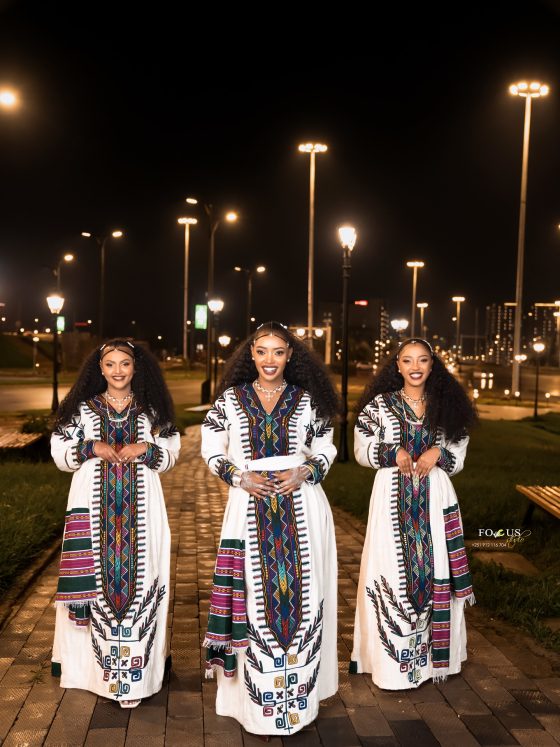
The most iconic is the Boubou, or grand boubou, a wide, flowing robe often made from bazin or wax fabric, worn by both men and women for everyday and formal occasions.
Other common styles include the Kaftan (more fitted tunic), Pagne, wrap skirt, and headscarf called Moussor. These are frequently embellished with embroidery.
- Do You Have To Wear a Hijab in Senegal?
No. Senegal is a secular country with a Muslim majority, about 95%, but follows a tolerant form of Islam, largely Sufi. Wearing a hijab is a personal or religious choice for many women, not mandatory.
Full-face veils (niqab/burqa) have faced restrictions due to security concerns. Tourists and non-Muslims face no legal requirement to cover their hair and should dress modestly in line with local customs.