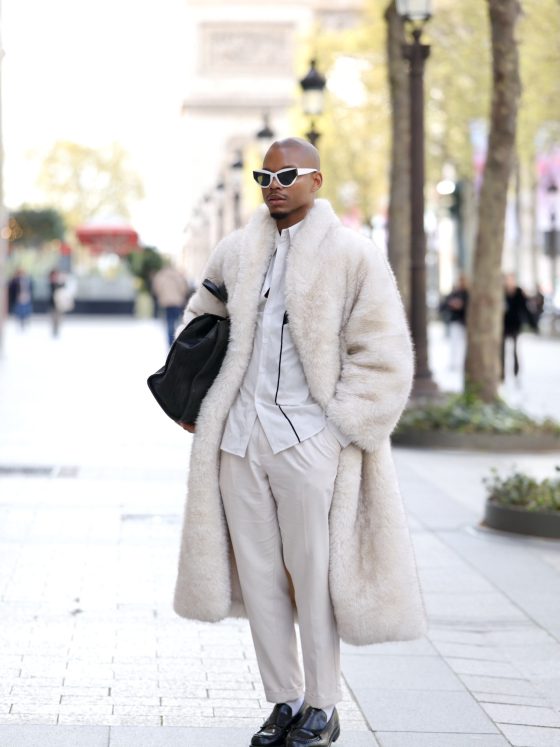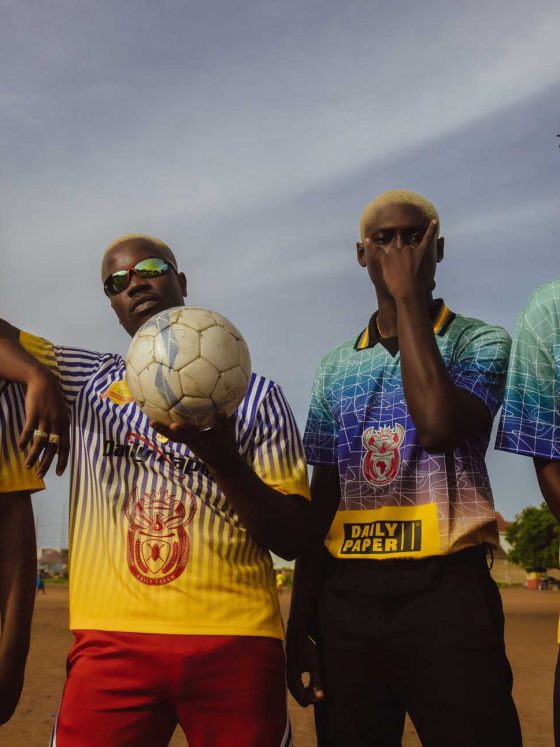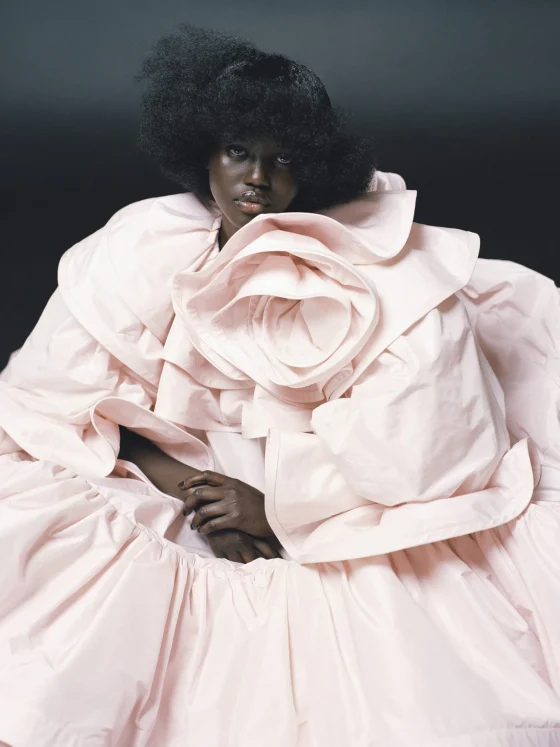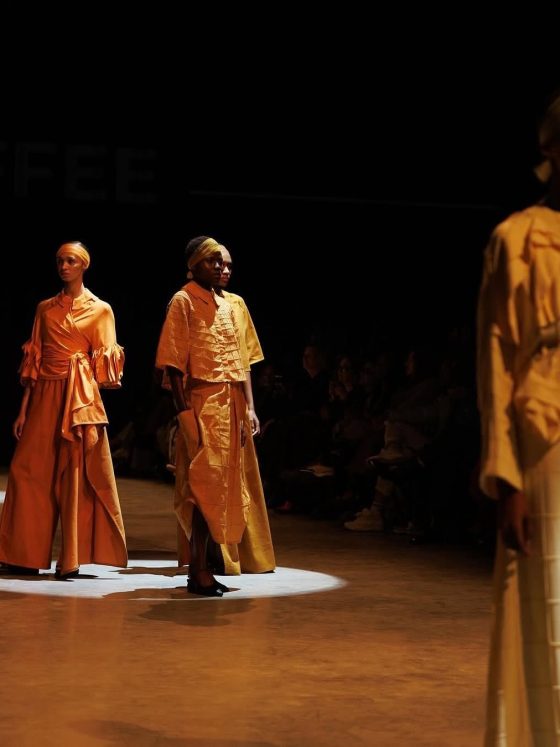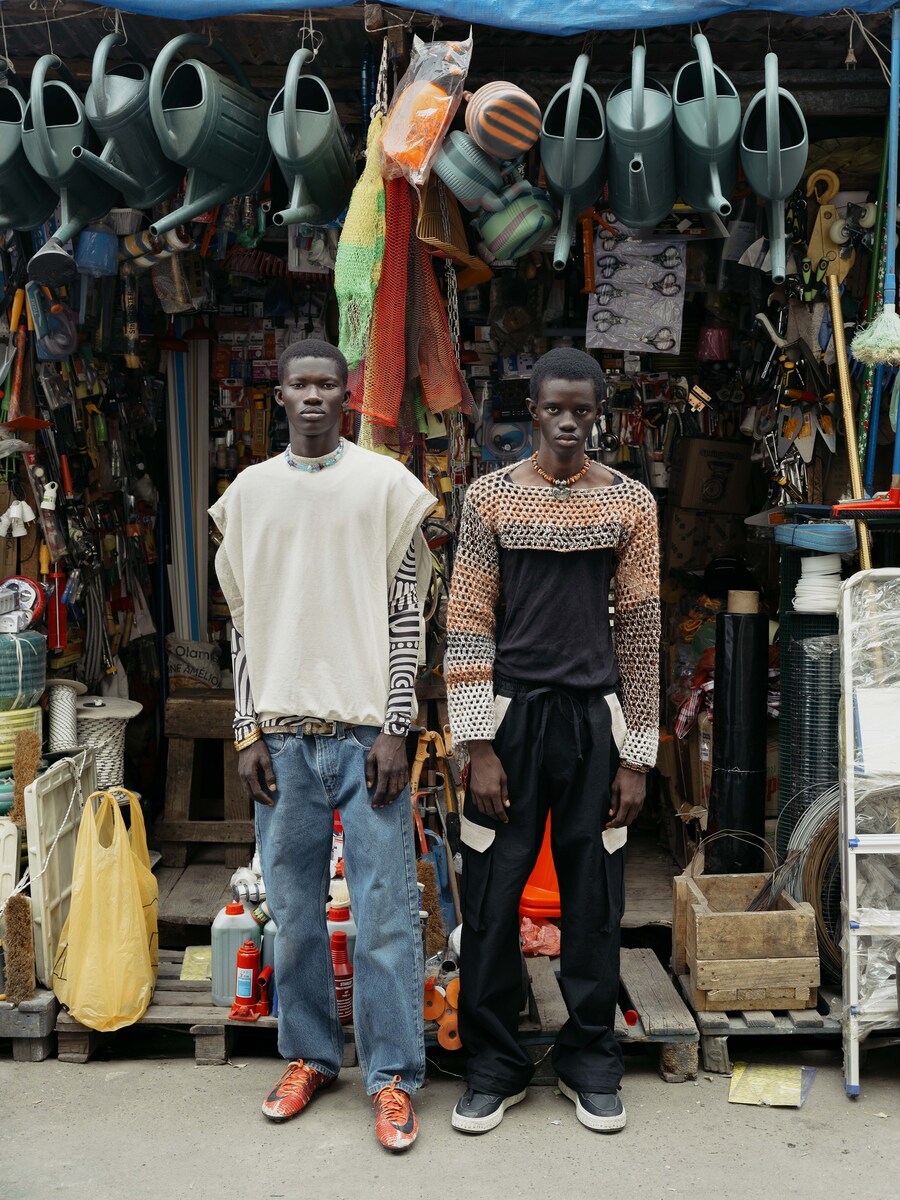
Dakar street style isn’t an imitation of Western trends or a departure from Senegalese culture. It’s a confident and deliberate creation by Senegalese youth who are actively redefining contemporary African fashion on their own terms.
Young people in Dakar navigate global influences while remaining rooted in local realities. They combine precise tailoring traditions, repurposed fabrics, second-hand finds, and personal expression to produce a distinctive aesthetic.
This isn’t passive consumption. It is an active cultural production shaped by economic conditions, social ambition, and a strong sense of identity.
Far from diluting Senegalese values, Dakar street style demonstrates how youth can expand the language of African fashion.
They treat clothing as a tool for self-definition and generational statements. Through this creative synthesis, they challenge narrow definitions of what modern African style should look like and assert Dakar as an important centre of fashion innovation on the continent.
Dakar street style reflects how Senegalese youth mix tailoring traditions, frip market finds, and modern influences to create confident contemporary looks.
The Streets and Neighbourhoods Shaping Dakar Street Style
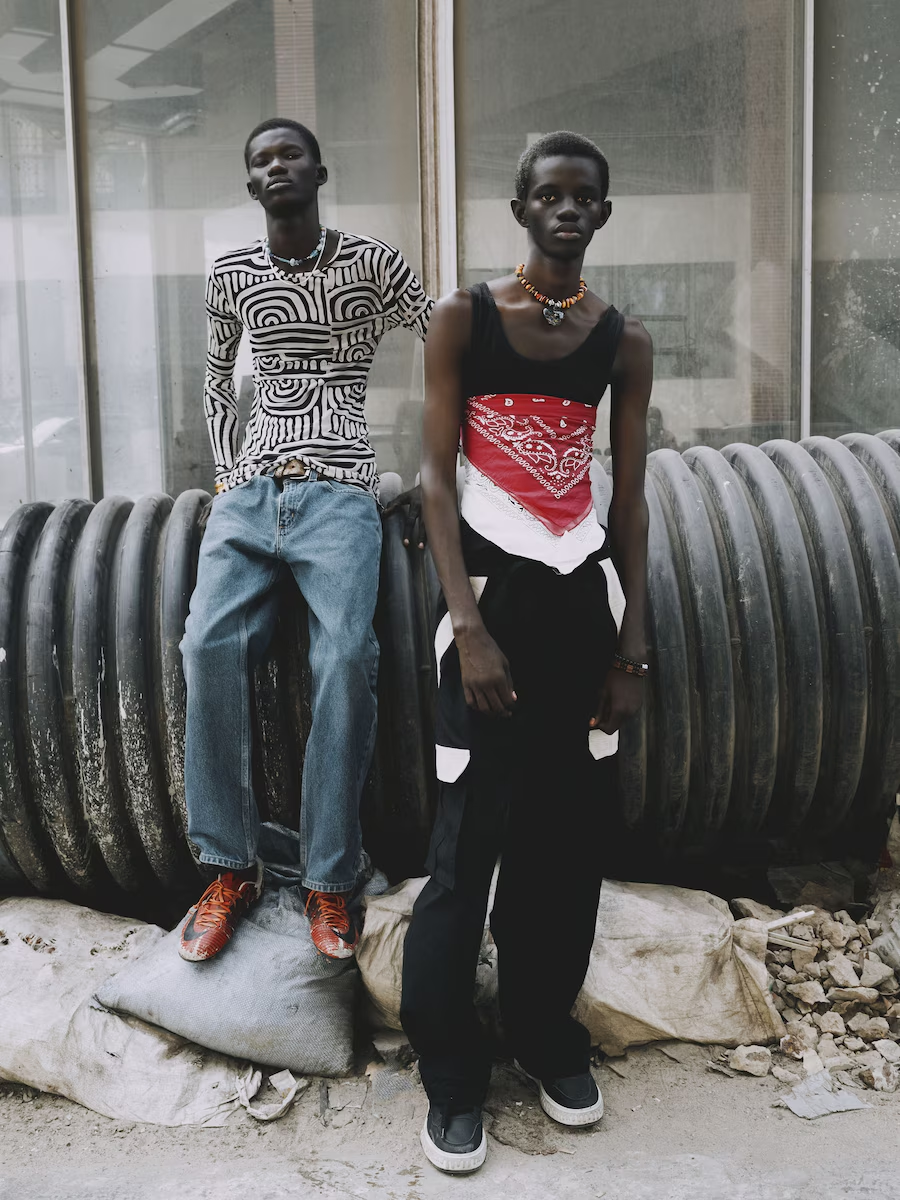
Dakar street style varies significantly across neighbourhoods, shaped by economic realities, social positioning, and local culture.
In the Plateau, young professionals and creatives favour clean, tailored looks paired with premium sneakers and subtle luxury accessories. This area reflects a more polished, upwardly mobile aesthetic.
In Médina, the style becomes bolder and more layered. Young residents frequently mix tailored pieces with vibrant wax prints, oversized shirts, and statement headwear. The dense, working-class environment encourages resourceful creativity and stronger visual statements.
Ouakam and Yoff show a more youthful, experimental energy. University students and younger creatives often repurpose second-hand clothing from Frip (second-hand clothing) markets and pair it with custom tailoring to create unique silhouettes.
These neighbourhoods demonstrate how limited resources fuel innovation in Dakar street style.
It also reveals how location and class directly influence the ways in which Senegalese youth navigate identity and aspiration through clothing. This makes Dakar street style a deeply contextual practice rather than a copied global trend.
Mixing Heritage and Contemporary Expression
Senegalese youth demonstrate remarkable skill in fusing heritage elements with modern influences in their daily dress. They take classic tailoring traditions and pair them with global streetwear silhouettes, repurposed wax prints, and contemporary footwear.
This isn’t random borrowing. It’s a calculated synthesis that reflects both cultural pride and generational confidence. Many young people incorporate subtle traditional details, such as grand boubou sleeves shortened into modern shirts.
They also incorporate head wraps styled with hoodies, or embroidered fabrics combined with denim and sneakers. Others use second-hand European pieces but alter them heavily with local tailoring to create something distinctly Senegalese.
This approach to Dakar youth fashion allows young Senegalese to assert multiple identities at once. They signal respect for cultural roots while projecting modernity, ambition, and global awareness.
Through these deliberate combinations, they expand the visual language of contemporary Senegalese style and challenge narrow definitions of what African fashion should look like.
Economic Realities and Creative Adaptation
Limited financial resources shape Dakar youth fashion in fundamental ways. Most young Senegalese operate within tight budgets, yet they maintain a strong desire for self-expression. This tension has produced a highly inventive street style culture built on transformation rather than consumption.
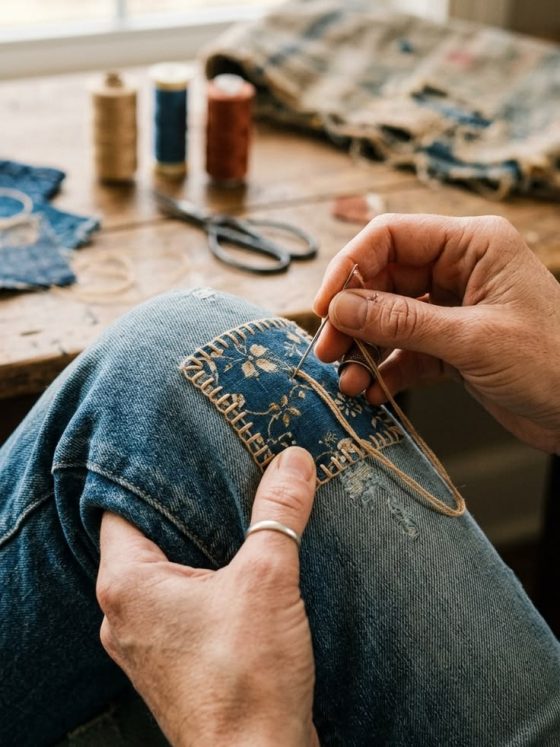
The vast frip markets serve as primary sourcing grounds. Young people hunt for specific second-hand items that can be altered, dyed, or combined with local tailoring. A single pair of quality sneakers might be worn with multiple custom-made outfits over months.
Tailors play a central role by recreating trending silhouettes at a fraction of the cost of imported fabrics using locally available fabrics. This economic reality forces a level of creativity that goes beyond aesthetics.
It rewards those who master styling, alteration, and timing. The result is a street style that feels dynamic and resourceful, one that derives its power not from purchasing power.
But from the intelligence of adaptation and the ability to create maximum visual impact with minimum means.
Social Media, Identity, and Cultural Confidence
Social media has become a powerful accelerator for Dakar street fashion trends. Platforms such as Instagram and TikTok allow Senegalese youth to document, share, and refine their looks in real time.
This visibility has transformed Dakar fashion from a localised expression into a broader cultural conversation that reaches across Africa and the diaspora.
Young creators use these platforms to showcase Senegalese streetwear that confidently blends traditional and modern Senegalese styles. A tailored kaftan worn with designer sneakers or a wax-print jacket styled with contemporary cuts receives immediate feedback and influence.
This digital ecosystem rewards originality and cultural intelligence rather than mere imitation of global trends.
Through consistent posting and community engagement, young Senegalese are building personal brands and collective aesthetics.
They assert identity, ambition, and modernity while staying rooted in Senegalese realities. This digital amplification has elevated Dakar street style beyond local neighbourhoods.
This has positioned it as one of the most dynamic expressions of contemporary African youth culture.
Also Read:
- Senegalese Textiles and Craftsmanship: The Art Behind West African Fashion
- Traditional Clothing in Senegal: The Elegance of Boubou and Cultural Identity
- Accra Streetwear: How Ghanaian Youth Are Redefining African Urban Fashion
- What Addis Ababa’s Street Style Owes to Its Fashion Week — and What It Doesn’t
Redefining African Fashion from Dakar
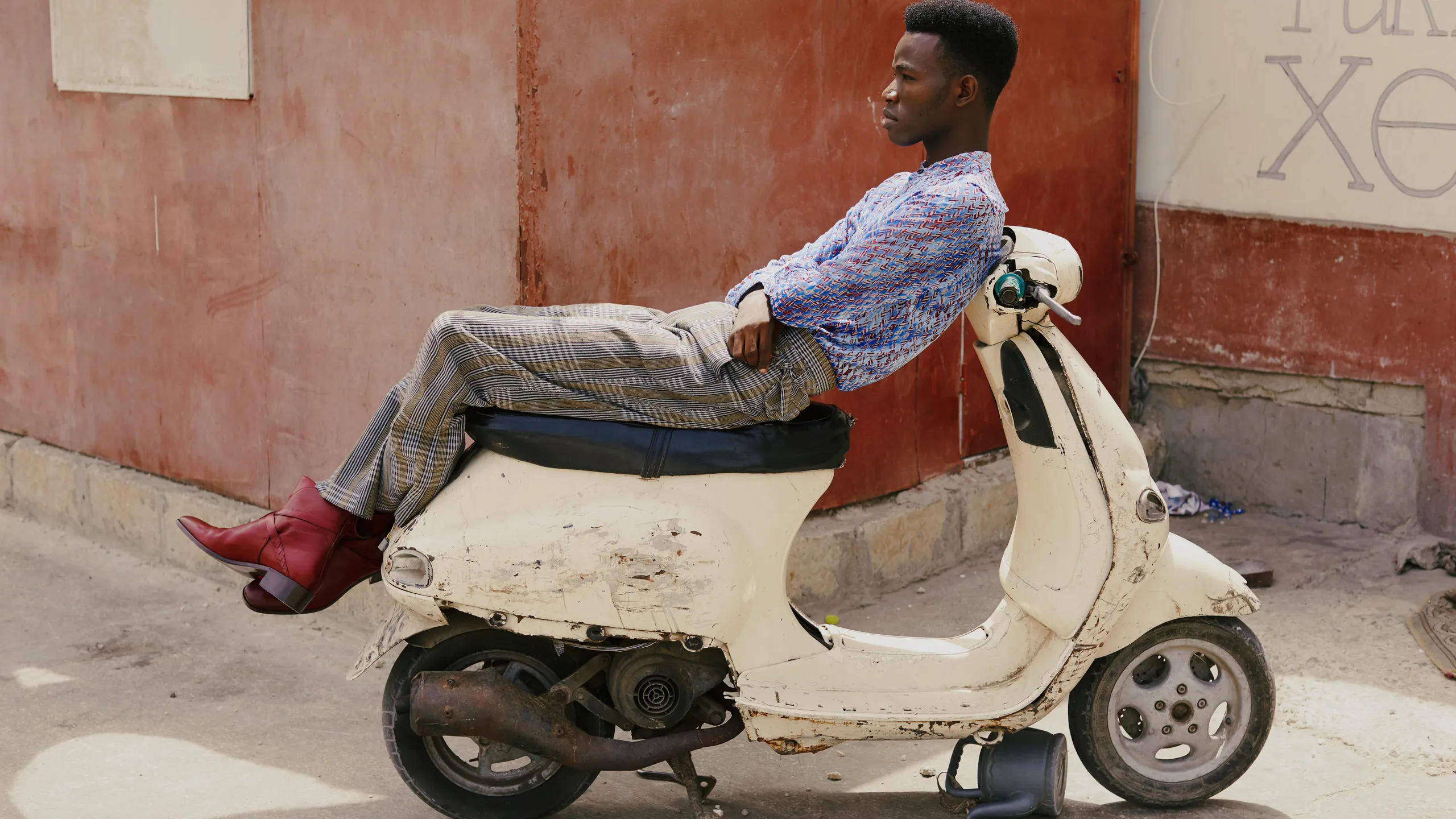
Dakar street style has moved beyond local expression to influence broader conversations about African fashion. By blending traditional and modern Senegalese styles, young people are setting Dakar street fashion trends that feel both rooted and forward-looking.
They confidently pair grand boubou elements with contemporary cuts, wax prints with streetwear silhouettes, and tailored pieces with global accessories.
This creativity is most visible across different Dakar fashion neighbourhoods. What emerges in the Plateau, Médina, or Ouakam doesn’t stay isolated. It spreads rapidly through social media and gains recognition across the continent.
Dakar street style demonstrates how Senegalese youth can lead rather than follow. By treating fashion as a living language, these young creatives are expanding the boundaries of what contemporary African style can be.
They show that Dakar street style isn’t an imitation of elsewhere. It is a distinct, self-assured contribution that is actively reshaping perceptions of modern African fashion from within Senegal.
The Omiren Argument
Dakar street style is not a Western imitation or dilution of Senegalese culture. It is a confident creation by Senegalese youth who are actively redefining contemporary African fashion.
While many assume African youth fashion simply copies global trends, young people in Dakar work within local economic realities and cultural contexts. They deliberately mix tailoring traditions, frippery market finds, and modern influences to produce something distinctive.
This approach disrupts outdated ideas about authenticity and modernity. Dakar youth transform constraints into creative strength and expand the language of African fashion on their own terms.
They prove that Senegalese modernity can be both globally aware and deeply rooted.
Frequently Asked Questions
-
What Is Fashion in Senegal?
Fashion in Senegal blends rich traditional elements with contemporary and global influences. The iconic garment is the boubou, a flowing, wide-sleeved robe worn by both men and women. It is often made from vibrant wax prints, bazin (damask), or embroidered fabrics.
-
What Is a Street-Style Outfit?
Street style refers to everyday fashion created by ordinary people (especially youth) in urban settings, rather than high-end runway or designer trends. It emphasises personal expression, individualism, and cultural context.
-
What Is Senegal Mostly Known For?
Senegal is widely recognised for its legendary hospitality, known locally as Teranga, along with its rich cultural heritage. This includes the energetic mbalax music genre, vibrant dance traditions, visual arts, and the popular traditional wrestling called laamb. The country is also famous for its delicious cuisine, especially thieboudienne, the national dish made with fish and rice.
-
What Should I Wear in Senegal?
When visiting Senegal, it is best to choose modest, breathable clothing that respects the hot, humid climate and the predominantly Muslim culture. Lightweight fabrics such as cotton or linen work well for both comfort and sun protection.
Women should opt for knee-length skirts or dresses, loose trousers, and tops that cover the shoulders and chest, while avoiding very short or revealing outfits outside beach areas.
Men can wear lightweight trousers or knee-length shorts in more relaxed urban settings, paired with polo shirts or loose button-ups: comfortable walking shoes, a hat, and sunglasses.
-
How Do Men Dress in Senegal?
Senegalese men traditionally wear the boubou or kaftan, a long tunic paired with matching trousers, usually made from bazin or embroidered fabrics, for both formal and everyday occasions. In urban areas, particularly among younger men in Dakar, outfits often mix tailored shirts and trousers with jeans, sneakers, and casual Western pieces.