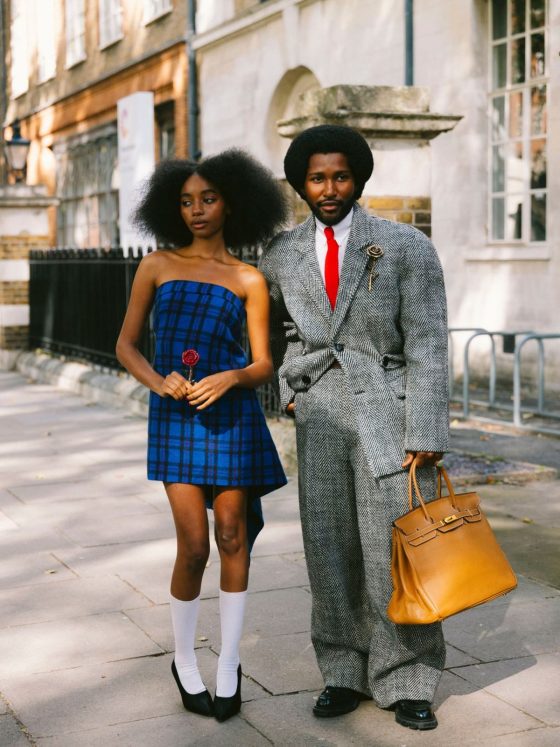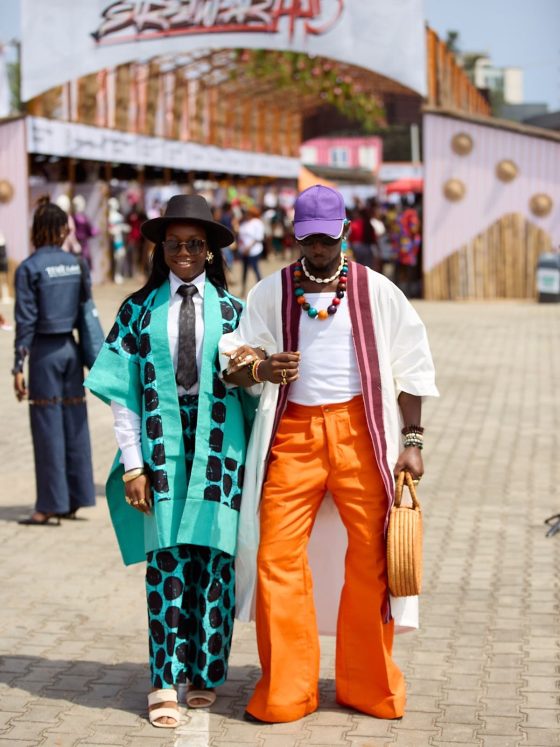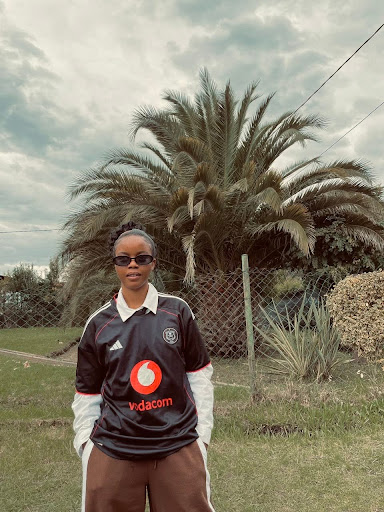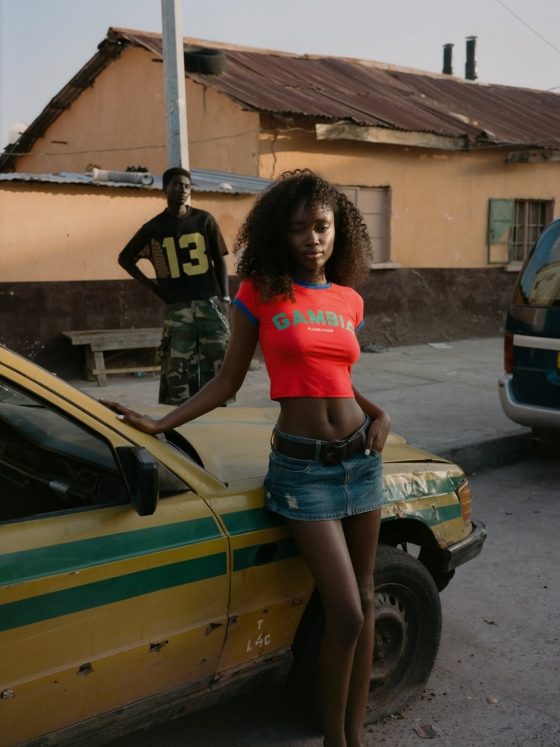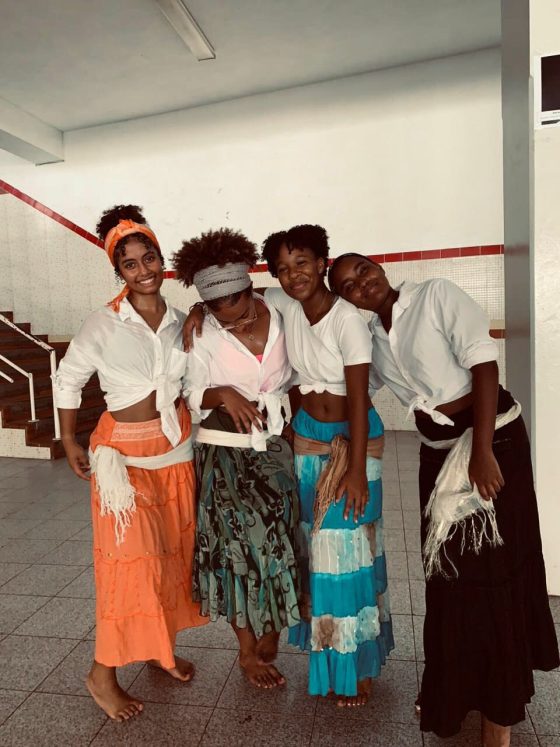
Walk through Bole on a Friday evening and pay attention to what people are wearing. Tailored linen in earth tones. Shemma fabric jackets cut to a contemporary silhouette. Sneakers below a Habesha kemis reworked for the street rather than the ceremony. None of it came from a runway. None of it was styled by a fashion week creative director or photographed for a lookbook. It arrived the way street style always arrives: through individual decisions made by people who know exactly what they want their clothes to say.
Hub of Africa Fashion Week has been running in Addis Ababa for fifteen years. Its 2026 edition, titled Rewired and held at the Hyatt Regency in January, drew designers from Ethiopia, Kenya, Nigeria, the DRC, and beyond. It is now the third-largest fashion platform on the continent. That is a real institutional achievement. The question Omiren Styles is asking is a different one: what has HAFW actually done to the streets of the city that hosts it, and what has the city done entirely on its own?
These two things are not the same question. The answer reveals a great deal about how fashion cities develop, how runway culture and street culture do and do not speak to each other, and what Addis Ababa’s dress identity is actually built from when no cameras are pointing at a tent.
Hub of Africa Fashion Week has shaped Addis Ababa’s global reputation for fifteen years. The city’s streets have been doing something else entirely. Omiren Styles draws the line.
Addis Ababa Street Style: What the City Builds Without the Runway
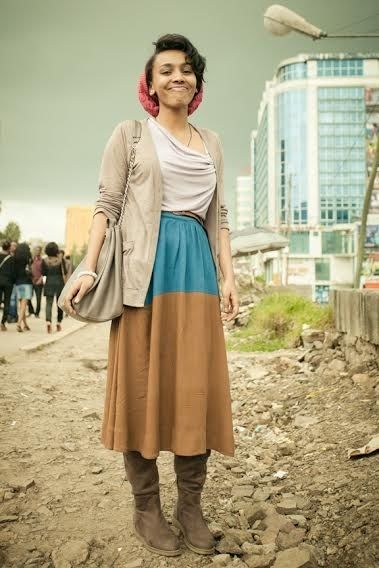
The Bole district is where Addis Ababa’s contemporary dress culture is most legible. Bole Road, Ghana Street, Cameroon Street: the area around the international airport has accumulated the city’s most densely layered fashion ecosystem. Boutiques, tailoring shops, leather goods studios, and textile vendors operate alongside international brands in a geography that produces an unusually specific visual register. Zaaf Leathers, established in Bole and known for its handcrafted leather goods, represents one current in that register: high-quality local craft positioned at a premium, drawing both local professionals and international visitors. Sabahar, a Fair Trade textile company founded by Kathy Marshall in 2006, employs 80 weavers and sells handmade Ethiopian cotton and silk textiles from a Bole showroom. Both businesses are part of a craft economy that exists entirely independently of the fashion week calendar.
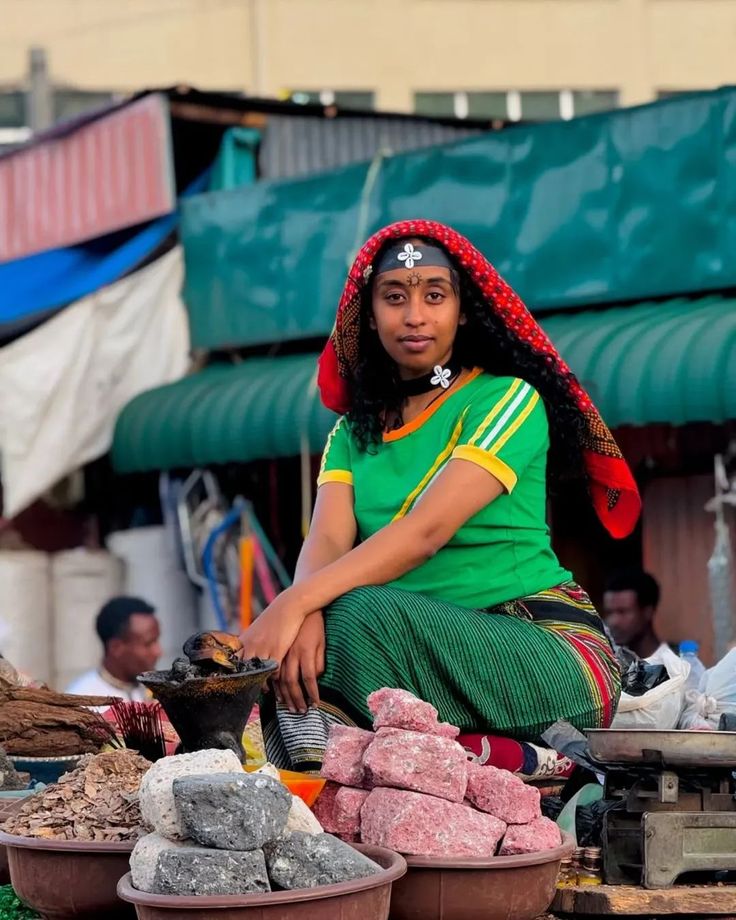
The street dress that emerges from this ecosystem is not fashion week adjacency. It is a distinct practice shaped by price point, social occasion, craft availability, and the specific ways Addis Ababa’s youth navigate between ceremonial dress and daily wear. The Habesha kemis, the Amhara-origin handwoven cotton dress documented across generations of Ethiopian women, has been adapted on the street in ways the runway has been slower to formalise. Chiffon reworks of the traditional kemis appear alongside denim, sneakers, and tailored separates. The adaptation is not decoration. It is considered a renegotiation of when and how traditional dress applies.
Next Fashion Design College, founded in Bole by Sara Mohammed in 2004 and now operating three campuses across the city, has trained over 2,000 students. These are not HAFW alums. They are the tailors, pattern makers, and independent designers working in the back streets of Piassa and the workshop buildings of Kirkos. Their work feeds directly into the city’s street economy without passing through any runway. The street style visible in Bole on a Friday is, in significant measure, their output.
What Hub of Africa Fashion Week Has Actually Built
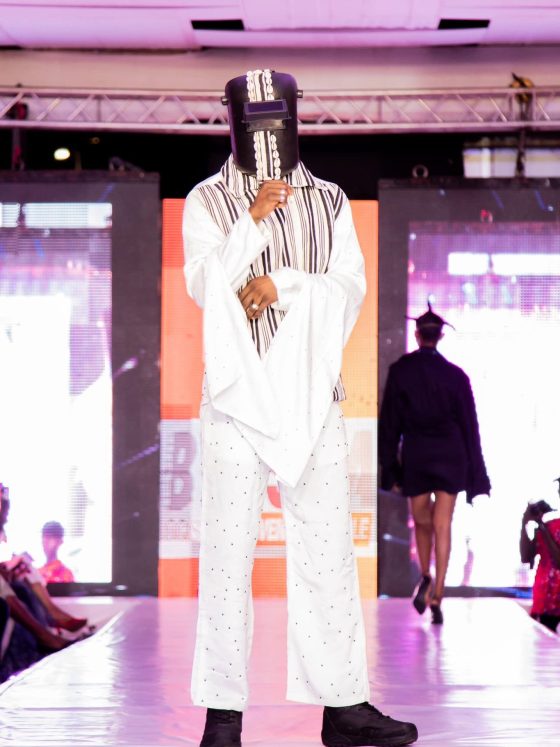
Hub of Africa Fashion Week was founded by Mahlet Teklemariam and her sister Natanem Teklemariam, whose diaspora connections shaped its international positioning from the start. Over fifteen editions, HAFW has built something genuinely significant: a boutique platform that prioritises proximity between designer and audience over spectacle, and has used that proximity to develop creative talent in a city with limited access to formal fashion-industry infrastructure. The 2026 edition, reviewed in depth by FashionUnited, deliberately slowed its pace on the runway. Presentations became deliberate. Designers were given space to speak alongside their work. The event’s Creative DNA programme, supported by the British Council, brought nine emerging Ethiopian designers to the runway with mentorship, international exposure, and business development support.
The 2025 edition introduced one of the most striking fashion week moments Addis Ababa has produced: Kushineta, a local streetwear brand, sent female skateboarders down the runway. The moment was not about aesthetics. It was about who fashion week in this city is for, and what it is willing to say about the young women who dress in it every day. Kushineta exists on the street independently of HAFW. Its runway appearance was the street arriving inside the tent, not the tent shaping the street.
Established Ethiopian label Mafi Mafi, which transforms handwoven textiles into contemporary garments while keeping its weavers employed and visible, has shown at HAFW across multiple editions. So has Samra Luxury Leather, which opened the 2026 edition with what the Tadias Magazine report described as quiet confidence. These are working Ethiopian brands. HAFW gave them a formal platform. The brands existed before HAFW and would continue if HAFW ended. That is the correct relationship between a fashion week and the design culture it hosts: the week amplifies what already exists; it does not generate it.
HAFW earned Addis Ababa its continental reputation. The streets built something the runway could not commission.
The Gap Between the Tent and the Street

The gap between what happens inside a fashion week venue and what happens on the city’s streets is not a failure. It is normal. It is true in Lagos. It is true in Accra. It is true in Paris. Fashion weeks are concentrated, curated events that operate in a specific register. Streets are continuous, unedited, and operate in every register simultaneously. The question for Addis Ababa is not whether HAFW has failed to reshape the street. The question is whether the city understands the difference between the two conversations well enough to value both.
There are signs it does. Africa Sourcing and Fashion Week Addis, a separate event held at the Addis International Convention Centre and focused on the manufacturing and sourcing side of the industry, ran its 2025 edition in October. This is trade infrastructure, not runway culture. Its presence in Addis Ababa alongside HAFW means the city is building across the full spectrum of what a fashion industry actually requires: creative development, audience engagement, international press relationships, and manufacturing capability. The street benefits from all of it, indirectly and over time.
The more direct influence on the street comes from the city’s craft economy, its tailoring culture, and the social occasions that drive dress decisions throughout the year. Ethiopian Orthodox fasting periods, Timkat, Meskel, graduation ceremonies, and weddings: these are the events that determine what the city wears and when. A fashion week held in January influences January. The rest of the year’s dress culture belongs to a different set of forces entirely.
Also Read
- Lagos vs Accra: Two Cities, Two Dress Philosophies, One Contested Crown
- Nairobi Street Style: How Kenya’s Fashion Capital Builds Its Own Aesthetic Without Asking Permission
- The Shewa Amhara Dress That Captivated the World: The Evolution of the Habesha Kemis
- Five Kente Styles Fante Women Wear and the Living Grammar Behind Each One
What Addis Ababa’s Street Style Argument Is
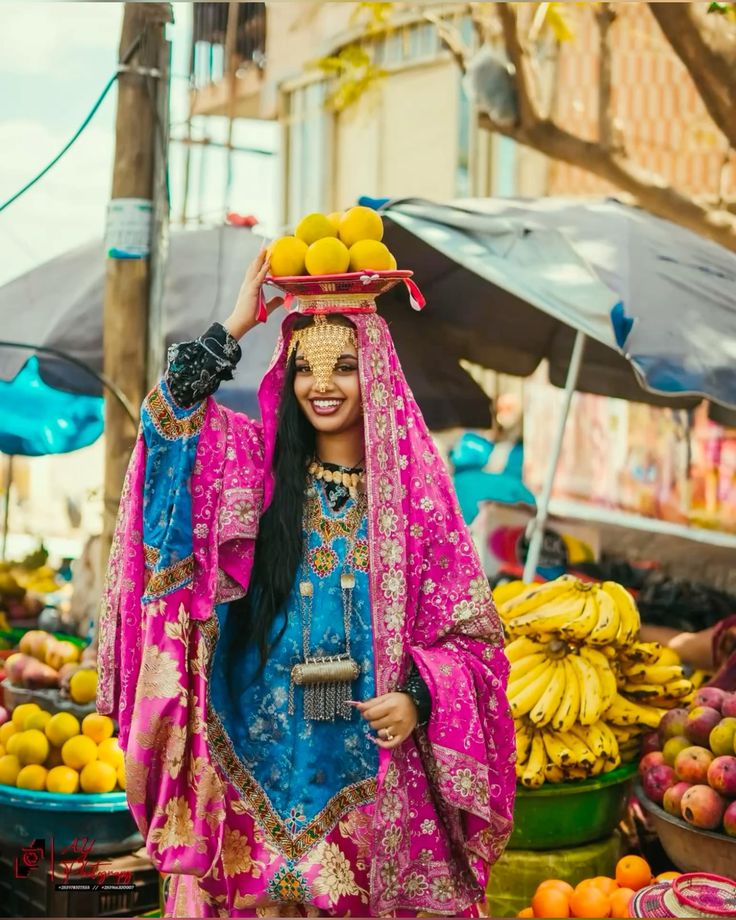
The argument the street makes in Addis Ababa in 2026 is not primarily about fashion in the Western industry sense. It is about how a city of four million people navigates the relationship between an extraordinary textile heritage and the daily pressures of contemporary urban life. The Habesha kemis appears on the street because it is genuinely worn, not because a designer has revived it. The leather goods from Bole boutiques circulate because Ethiopia’s leather industry is both historically deep and currently productive. The knitwear and repurposed denim that emerging designers like Asharo and Meti showed at HAFW 2026 appear on the street because young designers in this city are working from the same material reality as the young people who buy from them.
Fikirte Addis, founder of Yefikir Design, established in 2009, draws from family heirloom-tailored garments and traditional Ethiopian beading and embroidery. Her work is not HAFW output. It is the Addis Ababa dress culture, produced within the city’s own design logic and sold to the city’s own market. That is what healthy street culture looks like from a production standpoint: designers working from genuine cultural knowledge for an audience that shares that knowledge, without waiting for external validation to confirm its value.
The cities that understand this distinction — between fashion week as an amplifier and street culture as the primary creative force — are the ones that build durable fashion identities. Addis Ababa is building one. HAFW has contributed to its international legibility. The streets have done the harder work of determining what that identity actually is.
The Omiren Argument
Hub of Africa Fashion Week has spent fifteen years making Addis Ababa legible to the international fashion conversation. It has done that by building a boutique, relationship-centred platform that prioritises craft, mentorship, and genuine designer development over scale and spectacle. That is a real contribution, and it deserves to be acknowledged on its own terms. What it has not done, and what no fashion week can do, is generate the street culture of the city it inhabits. Addis Ababa’s street style in 2026 is the product of its tailoring economy, its textile heritage, its Orthodox ceremonial calendar, its leather craft tradition, and the independent design decisions of thousands of young people navigating the space between traditional dress and contemporary life. HAFW did not produce any of that. It reflected some of it, amplified some of it, and gave some of it a formal runway to stand on for two days a year.
The distinction matters because the confusion between the two produces the most damaging kind of fashion city narrative: the idea that a runway event is the source of a city’s creative identity rather than merely one expression of it. Addis Ababa’s dress identity would exist without HAFW. It existed before HAFW. What the city needs now is not more runway legitimacy but more investment in the tailors, weavers, leather workers, and independent designers who produce that identity every day without a tent, a press release, or a continental ranking. The fashion week serves the city best when it connects those people to markets and resources. The fifteen years since HAFW’s founding have shown it understands that. The next fifteen need to prove it at scale.
Frequently Asked Questions
1. What is the Hub of Africa Fashion Week, and how long has it been running?
Hub of Africa Fashion Week is a boutique fashion platform founded in Addis Ababa by Mahlet Teklemariam and Natanem Teklemariam. Now in its fifteenth year, the 2026 edition ran in January at the Hyatt Regency. It is the third-largest fashion platform on the African continent and focuses on creative development, designer mentorship through its Creative DNA programme, and direct connections between designers and consumers.
2. What is Addis Ababa street style known for in 2026?
Addis Ababa street style in 2026 is defined by the intersection of the city’s textile and leathercraft heritage with contemporary urban dress choices. The Habesha kemis appears in reworked street forms alongside tailored linen separates, locally made leather goods from Bole district boutiques, and the output of the city’s independent tailoring and design economy. The Bole and Kirkos districts are where this style is most concentrated and most visible.
3. Does Hub of Africa Fashion Week influence what people wear on Addis Ababa’s streets?
Indirectly and over time, yes. HAFW has provided formal runway platforms to designers such as Mafi Mafi, Samra Luxury Leather, Asharo, and Kushineta, whose work also circulates in the street economy. The 2025 edition’s Kushineta skateboard runway moment brought existing street culture inside the tent rather than pushing runway culture outward. The more direct influences on Addis Ababa’s street style are its craft economy, ceremonial calendar, tailoring sector, and independent design community.
4. Who are the key designers shaping Addis Ababa’s fashion identity?
Key figures include Mahlet Teklemariam as the institutional architect of HAFW, Mafi Mafi as the most consistent link between handwoven textile traditions and contemporary garment production, Fikirte Addis of Yefikir Design, working from Ethiopian embroidery and beading traditions since 2009, and Sara Mohammed of Next Fashion Design College, whose institution has trained over 2,000 designers since 2004. Emerging designers Asharo and Meti, both shown at HAFW 2026, are producing work that bridges runway and street culture with particular directness.
5. Is Addis Ababa becoming a major African fashion city?
It already is one. The presence of both the Hub of Africa Fashion Week and Africa Sourcing and Fashion Week Addis means the city is developing institutional infrastructure across the full spectrum of what a fashion economy requires. The depth of its textile, leather, and craft traditions gives its designers a creative foundation that cities without that heritage cannot replicate. What Addis Ababa needs to complete that identity is a stronger investment in the artisans and independent designers who produce its street culture daily, not additional runway events.
Explore More
Omiren Styles covers street fashion across the continent at the depth it deserves. Read the full Street Fashion in Africa archive for ongoing coverage of how African cities dress, what drives their creative economies, and why the distinction between runway and street matters.