Menu
  • African Style
    • Designers & Brands
    • Street Fashion in Africa
    • Traditional to Modern Styles
    • Cultural Inspirations
  • Fashion
    • Trends
    • African Designers
    • Afro-Latin American
    • Caribbean Designers
    • Street Style
    • Sustainable Fashion
    • Diaspora Connects
  • Beauty
    • Skincare
    • Makeup
    • Hair & Hairstyle
    • Fragrance
    • Beauty Secrets
  • Lifestyle
    • Culture & Arts
    • Travel & Destination
    • Celebrity Style
    • Luxury Living
    • Home & Decor
  • News
    • Cover Stories
    • Designer Spotlight
    • Fashion Weeks
    • Style Icons
    • Rising Stars
    • Opinion & Commentary
  • Women
    • Women’s Style
    • Health & Wellness
    • Workwear & Professional
    • Evening Glam
    • Streetwear for Women
    • Accessories & Bags
  • Shopping
    • Fashion finds
    • Beauty Picks
    • Gift Guides
    • Shop the Look
  • Events
    • Fashion Week Coverage
    • Red Carpet & Galas
    • Weddings
    • Industry Events
    • Omiren Styles Special Features
  • Men
    • Men’s Style
    • Grooming Traditions
    • Menswear Designers
    • Traditional & Heritage
    • The Modern African Man
  • Diaspora
    • Designers
    • Culture
  • Industry
    • Insights
    • Investment
    • Partnerships
    • Retail
    • Strategy
Subscribe
OMIREN STYLES OMIREN STYLES

Fashion · Culture · Identity

OMIREN STYLES OMIREN STYLES OMIREN STYLES OMIREN STYLES
  • Fashion
    • Africa
    • Caribbean
    • Latin America
    • Trends
    • Street Style
    • Sustainable Fashion
    • Diaspora Connects
  • Culture
    • Heritage & Identity
    • Textiles
    • Ceremony & Ritual
    • Art & Music
    • Cultural Inspirations
  • Designers
    • African Designers
    • Caribbean Designers
    • Afro-Latin American
    • Emerging Talent
    • Interviews
  • Beauty
    • Skincare
    • Makeup
    • Hair & Hairstyle
    • Fragrance
    • Beauty Traditions
  • Women
    • Women’s Style
    • Evening Glam
    • Workwear & Professional
    • Streetwear for Women
    • Accessories & Bags
    • Health & Wellness
  • Men
    • Men’s Style
    • Grooming Traditions
    • Traditional & Heritage
    • The Modern African Man
    • Menswear Designers
  • Diaspora
    • Diaspora Voices
    • UK Scene
    • US Scene
    • Caribbean Diaspora
    • Afro-Latino Identity
  • Industry
    • Strategy
    • Investment
    • Retail
    • Insights
    • Partnerships
  • News
    • Cover Stories
    • Fashion Weeks
    • Opinion & Commentary
    • Style Icons
    • Rising Stars
  • Traditional to Modern Styles

Why Style Choice Is About How the Body Is Seen, Shaped, and Understood

  • Fathia Olasupo
  • April 24, 2026
Why Style Choice Is About How the Body Is Seen, Shaped, and Understood
Total
0
Shares
0
0
0

Fashion is often discussed in terms of trends, aesthetics, and creativity. Collections are reviewed based on colour, silhouette, and innovation. Style is evaluated through taste and personal expression.

Yet beneath all of this, there is a constant point of reference that is rarely addressed directly. That point is the body.

Every garment is designed in relation to it. Every silhouette either follows it, reshapes it, or resists it. Even when fashion appears to move away from the body, it is still responding to it.

To fully understand f, it is necessary to recognise that clothing is not the starting point. The body is.

Fashion always returns to the body. Explore how clothing shapes perception, identity, and cultural ideas of how the body should be seen.

The Body as the Foundation of Design
The Body as the Foundation of Design

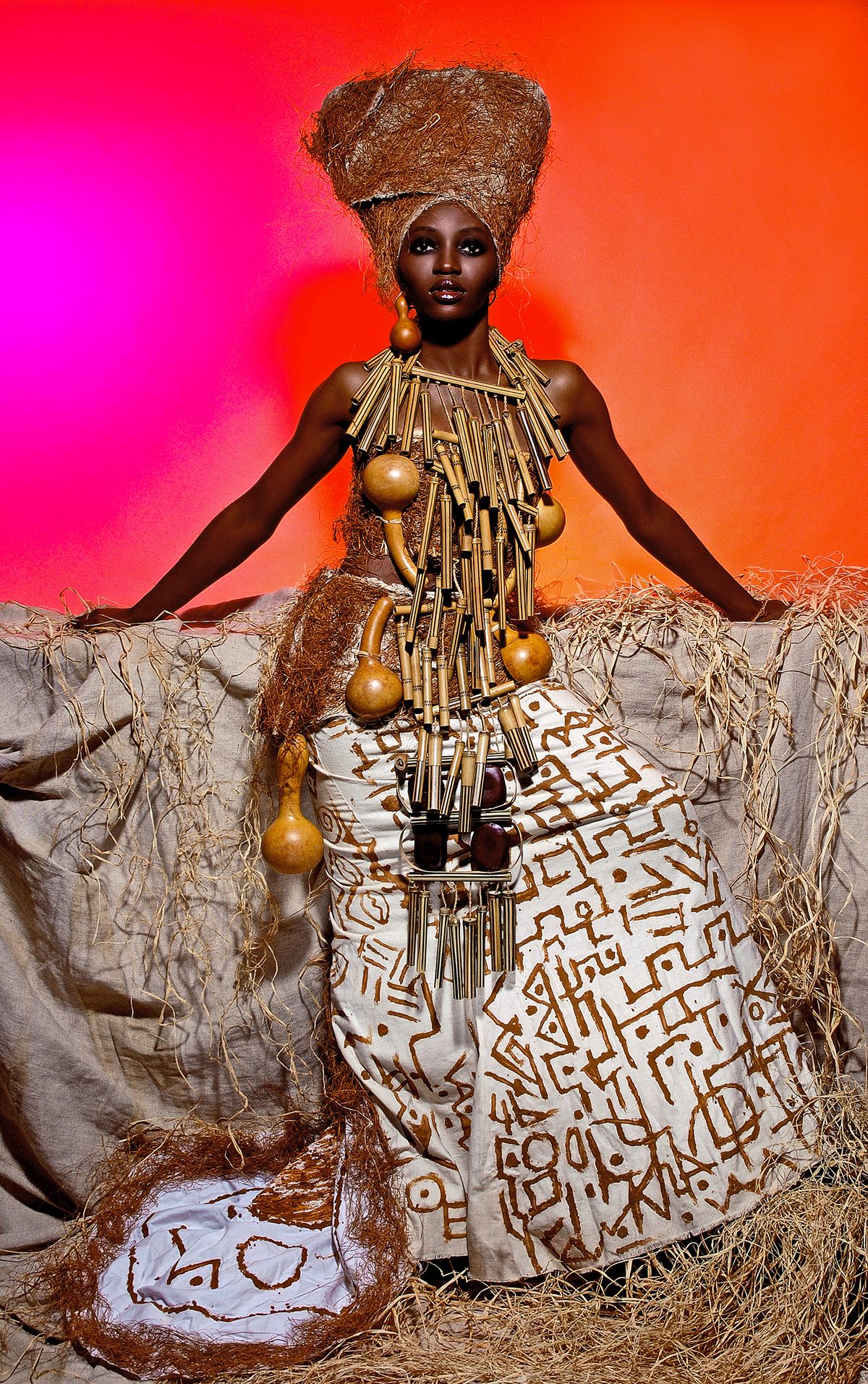
Clothing does not exist independently. It is constructed with the body in mind, whether through measurement, proportion, or movement.

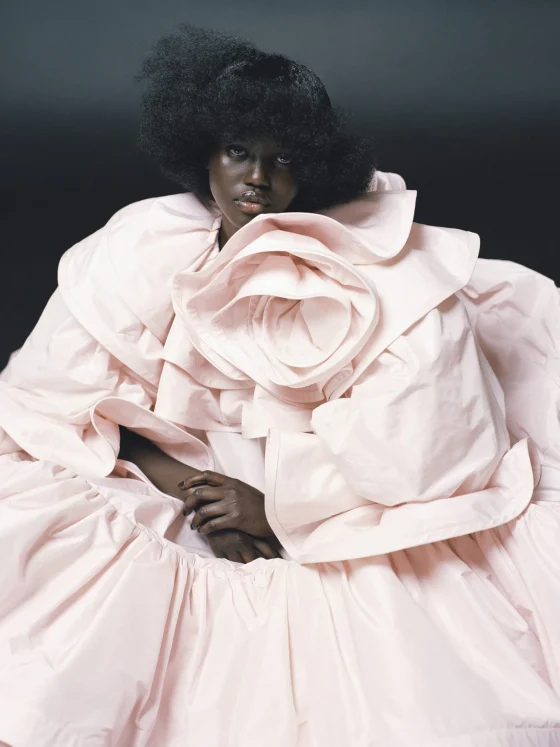
Design decisions are guided by how a garment will sit, move, and be perceived when worn. A fitted structure emphasises the body’s natural lines. A rigid construction can reshape those lines entirely. A loose form may appear to ignore the body, but it still defines how the body is positioned within space.

Designers such as Alexander McQueen treated the body as a site of transformation, using tailoring and structure to exaggerate, restrict, or redefine its form. Similarly, Jean Paul Gaultier explored how clothing could highlight and challenge ideas of gender and physical identity.

In both cases, the body is not passive. It is central to the design process.

Changing Ideals: How Fashion Reflects Different Understandings of the Body

Fashion does not engage with the body in a fixed way. Each period reflects a different understanding of how the body should appear.

At certain moments, structure is prioritised. Garments are designed to shape the body into a defined form, emphasising control and precision. At other times, freedom takes precedence, and silhouettes soften, allowing the body to move without restriction.

These shifts are not only aesthetic. They reflect broader cultural attitudes toward discipline, freedom, modesty, and visibility.

Designers like Rei Kawakubo have challenged these expectations by rejecting conventional ideas of shape altogether. Her work often disrupts the relationship between clothing and the body, creating forms that cannot be easily read or categorised.

Through these changes, fashion reveals that the body is not simply dressed. It is continuously reinterpreted.

When Fashion Appears to Move Away From the Body
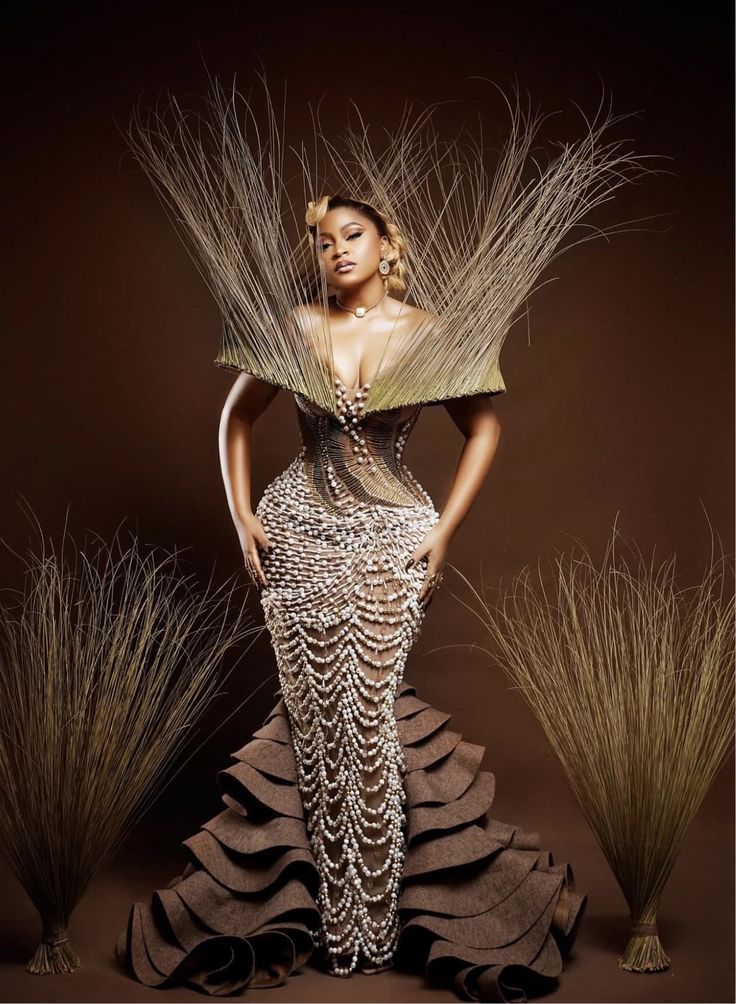
When Fashion Appears to Move Away From the Body

There are moments when fashion seems to reject the body as a central focus. Oversized silhouettes, minimal dressing, and neutral forms can create the impression that the body is being concealed or ignored.

However, this is not a complete departure. It is a different kind of engagement.

An oversized garment does not remove the body. It changes its scale and presence. It alters how the body occupies space and how it is perceived in relation to its surroundings.

Designers such as Demna have used exaggerated proportions to challenge traditional ideas of fit and structure. These choices do not eliminate the body. They redefine how it is framed.

Even in the absence, the body remains the reference point.

Cultural Perspectives on the Body in Fashion
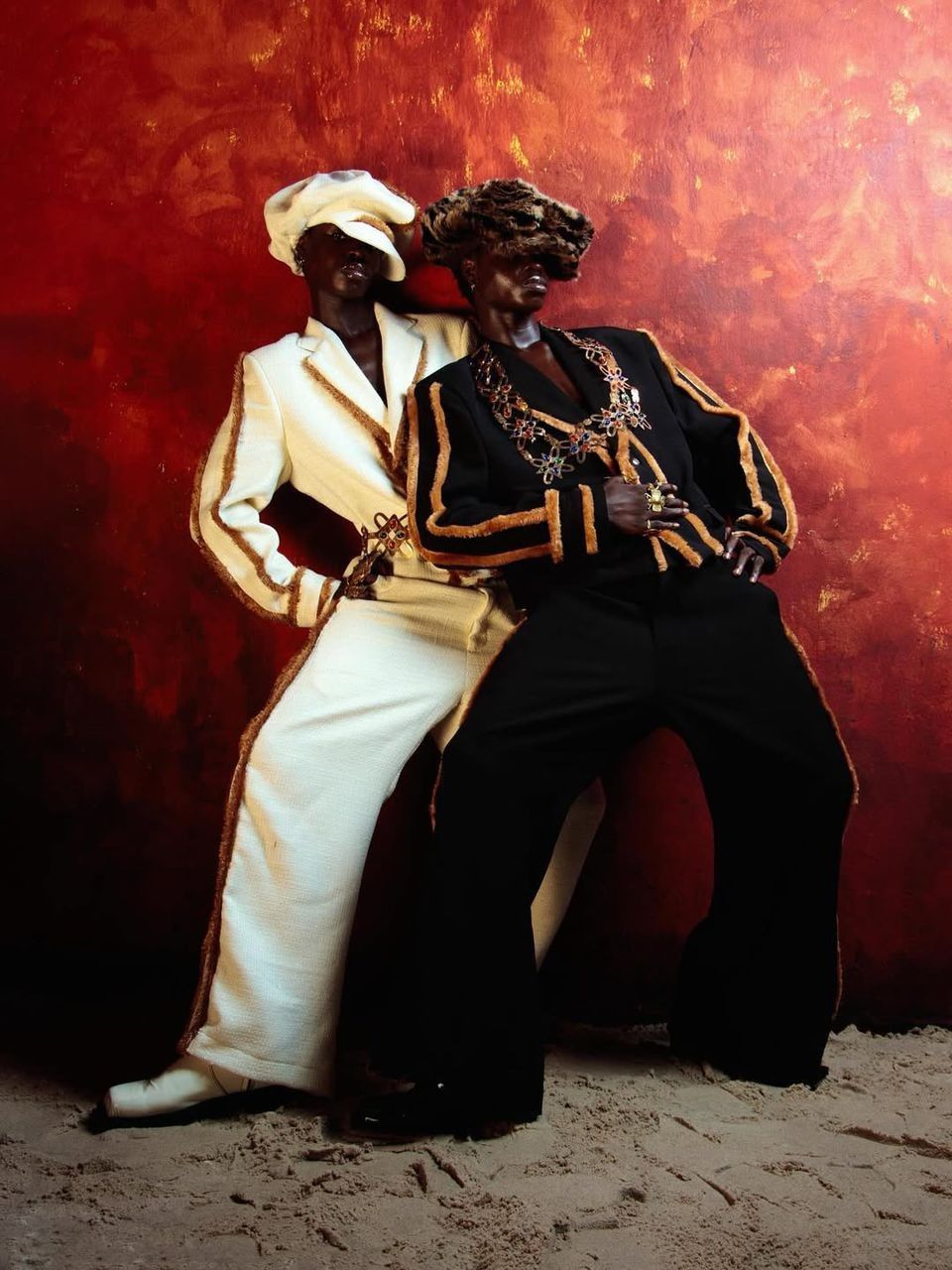
Cultural Perspectives on the Body in Fashion

Different cultures approach the relationship between clothing and the body in distinct ways.

In some contexts, emphasis is placed on covering and modesty, where clothing creates a boundary between the body and public space. In others, visibility and expression are prioritised, allowing the body to be more directly engaged through form and movement.

In cities like Lagos and Kingston, fashion often balances structure and fluidity, allowing the body to be both defined and expressive. Clothing does not simply conceal or reveal. It negotiates presence.

These variations show that fashion is not only about dressing the body. It is about interpreting what the body means within a specific cultural context.

The Body, Control, and Perception

Fashion also shapes how the body is controlled and perceived.

A structured garment can suggest discipline and authority. A relaxed silhouette may communicate ease or resistance to formality. These interpretations are not inherent to the body itself. They are created through clothing.

This is why fashion plays a role in shaping identity. It influences how individuals are seen and how they see themselves. The body becomes a site where these perceptions are expressed and negotiated.

Designers like Hussein Chalayan have explored this relationship by creating garments that respond to movement, environment, and transformation, highlighting how clothing can alter the body’s experience in real time.

READ ALSO:

  • Why Originality in Fashion Is Overrated and What Actually Drives Style Forward
  • What Clothing Means Before It Is Worn: The Cultural Life of Garments

Why This Conversation Is Often Avoided
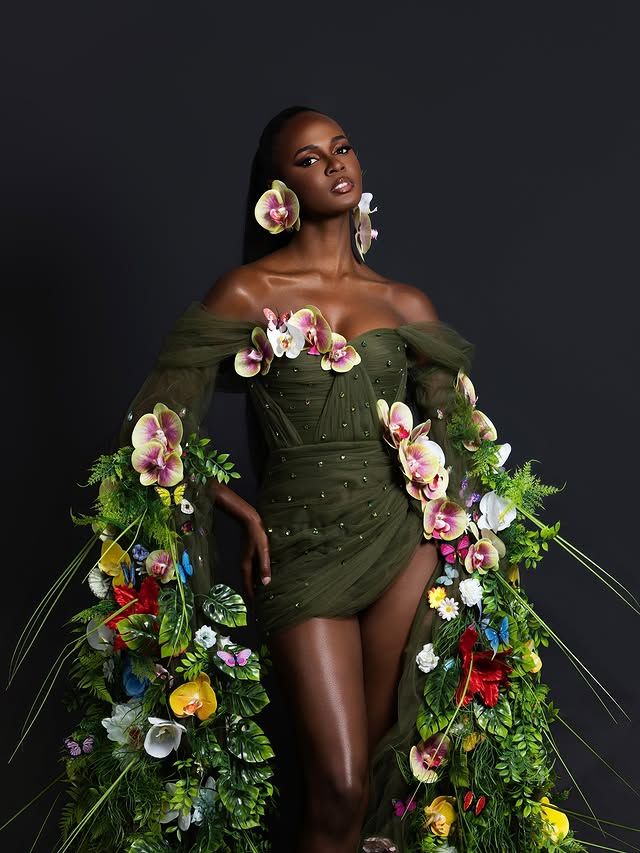
Why This Conversation Is Often Avoided

Despite its importance, the relationship between fashion and the body is not always discussed directly.

This is partly because it raises complex questions. It draws attention to standards, expectations, and the ways bodies are shaped to fit certain ideals.

Focusing on trends or aesthetics is often more straightforward. It allows fashion to be discussed without engaging with deeper issues of perception and control.

However, avoiding this conversation limits understanding. It keeps attention on what is visible while leaving the underlying structure unexplored.

Fashion Always Returns to the Body

No matter how far fashion appears to move into abstraction, it always returns to the body.

Every garment is designed with it in mind. Every silhouette responds to it. Every trend reshapes how it is seen.

Recognising this does not simplify fashion. It deepens it. It reveals that clothing is not only about appearance but also about how the body is positioned, interpreted, and understood in the world.

Because in the end, fashion does not begin with fabric or design.

It begins with the body and everything that surrounds how that body is seen.

FAQs

  1. How does fashion relate to the body?

Fashion is designed in relation to the body, shaping how it is seen, structured, and understood.

  1. Why is the body important in fashion design?

The body determines fit, proportion, movement, and how garments are perceived when worn.

  1. Do fashion trends affect body perception?

Yes. Trends influence how bodies are presented and what is considered ideal or acceptable.

  1. Can clothing change how the body looks?

Yes. Clothing can reshape, highlight, or conceal different aspects of the body.

  1. Why do designers experiment with body shapes?

To challenge norms, explore identity, and redefine how the body is understood in fashion.

Post Views: 57
Total
0
Shares
Share 0
Tweet 0
Pin it 0
Related Topics
  • body perception style
  • Fashion and Identity
  • personal style psychology
Fathia Olasupo

olasupofathia49@gmail.com

You May Also Like
Afar (Adal) Women's Dress: Danakil Culture and Desert Adornment
View Post
  • Traditional to Modern Styles

Afar (Adal) Women’s Dress: Danakil Culture and Desert Adornment

  • Meseret Zeleke
  • April 27, 2026
Americo-Liberian Quilting: The Stitch That Crossed the Atlantic and Became a Nation's Diplomatic Voice
View Post
  • Traditional to Modern Styles

Americo-Liberian Quilting: The Stitch That Crossed the Atlantic and Became a Nation’s Diplomatic Voice

  • Rex Clarke
  • April 17, 2026
Wax Print Lappa: How Liberian Women Took a Foreign Fabric and Made It Speak Their Language
View Post
  • Traditional to Modern Styles

Wax Print Lappa: How Liberian Women Took a Foreign Fabric and Made It Speak Their Language

  • Adams Moses
  • April 17, 2026
Top 5 Kanga Styles for Kikuyu Women in 2026
View Post
  • Traditional to Modern Styles

Top 5 Kanga Styles for Kikuyu Women in 2026

  • Rex Clarke
  • April 17, 2026
The Cultural Clothing of Somali Women
View Post
  • Cultural Inspirations
  • Traditional to Modern Styles

The Cultural Clothing of Somali Women

  • Meseret Zeleke
  • April 14, 2026
The Dashiki Is Not a Costume: What African Fashion Borrowed Back From the World
View Post
  • Cultural Inspirations
  • Traditional to Modern Styles

The Dashiki Is Not a Costume: What African Fashion Borrowed Back From the World

  • Ayomidoyin Olufemi
  • April 13, 2026
Top 5 Styles for Kongo Women in 2026
View Post
  • Traditional to Modern Styles

Top 5 Styles for Kongo Women in 2026

  • Rex Clarke
  • April 12, 2026
Top 5 Gomesi Styles for Baganda Women in 2026: Dignity, Ceremony, and the Architecture of the Busuuti
View Post
  • Traditional to Modern Styles

Top 5 Gomesi Styles for Baganda Women in 2026: Dignity, Ceremony, and the Architecture of the Busuuti

  • Rex Clarke
  • April 12, 2026

Leave a Reply Cancel reply

Your email address will not be published. Required fields are marked *

The Omiren Argument

African fashion and culture are not emerging. They are foundational. We document, interpret, and argue for the full cultural weight of African and diaspora dress. With precision. Without apology.

Omiren Styles Fashion · Culture · Identity

All 54 African Nations
Caribbean · Afro-Latin America
The Global Diaspora

Platform

  • About Omiren Styles
  • Our Vision
  • Our Mission
  • Editorial Pillars
  • Editorial Policy
  • The Omiren Collective
  • Campus Style Initiative
  • Sustainable Style
  • Social Impact & Advocacy
  • Investor Relations

Contribute

  • Write for Omiren Styles
  • Submit Creative Work
  • Join the Omiren Collective
  • Campus Initiative
Contact
contact@omirenstyles.com
Our Reach

Africa — All 54 Nations
Caribbean
Afro-Latin America
Global Diaspora

African fashion intelligence, in your inbox.

Editorial features, designer profiles, cultural commentary. No noise.

© 2026 Omiren Styles — Rex Clarke Global Ventures Limited. All rights reserved.
  • Privacy Policy
  • Editorial Policy
  • Terms of Use
  • Accessibility
Africa · Caribbean · Diaspora
The Omiren Argument

African fashion and culture are not emerging. They are foundational. We document, interpret, and argue for the full cultural weight of African and diaspora dress. With precision. Without apology.

Omiren Styles Fashion · Culture · Identity
  • About Omiren Styles
  • Our Vision
  • Our Mission
  • Editorial Pillars
  • Editorial Policy
  • The Omiren Collective
  • Campus Style Initiative
  • Sustainable Style
  • Social Impact & Advocacy
  • Investor Relations
  • Write for Omiren Styles
  • Submit Creative Work
  • Join the Omiren Collective
  • Campus Initiative
Contact contact@omirenstyles.com

All 54 African Nations · Caribbean
Afro-Latin America · Global Diaspora

African fashion intelligence, in your inbox.

Editorial features, designer profiles, cultural commentary. No noise.

© 2026 Omiren Styles
Rex Clarke Global Ventures Limited.
All rights reserved.

  • Privacy Policy
  • Editorial Policy
  • Terms of Use
  • Accessibility
Africa · Caribbean · Diaspora

Input your search keywords and press Enter.