A Rastafarian man wrapping his turban in Kingston is not dressing for effect. The fabric is handled with intention, tightened and folded in a way that follows both belief and discipline. A few kilometres away, in a Maroon community such as Accompong, ceremonial dress appears at specific moments, not as a display but as continuity. In eastern Jamaica, Kumina practitioners prepare for ritual with garments that carry rhythm, ancestry, and spiritual function. These are not variations of one Jamaican style. They are separate systems of dress, each with its own rules, meanings, and social life.
Jamaica does not have a single dress identity. What exists instead is a layered structure of cultural expression, shaped by communities whose histories did not coalesce into a single aesthetic language. To understand dress in Jamaica, it is necessary to look at these communities on their own terms, beginning with how they define the purpose of clothing.
Jamaican dress is not one identity. This article examines Rastafarian, Maroon, and Kumina dress as distinct cultural systems shaping meaning.
Rastafarian Dress as Discipline and Belief
Rastafarian dress is governed by a clear internal logic tied to spirituality, lifestyle, and identity. It is not a trend cycle and does not shift according to fashion seasons. The most visible elements include the tam or turban used to cover dreadlocks, garments in red, gold, and green, and loose silhouettes that prioritise modesty and natural movement.
Covering hair is not optional within the belief system. Dreadlocks themselves are a spiritual commitment, and the way they are maintained reflects both personal discipline and religious observance. Clothing choices often align with the principle of livity, a way of life that emphasises natural living, moral order, and separation from systems seen as corrupting. This extends to fabric choices, colour symbolism, and the rejection of overly tailored or restrictive clothing.
In urban centres like Kingston, Rastafarian dress exists alongside mainstream fashion but does not dissolve into it. It remains recognisable because its purpose is not solely visual distinction. It communicates a sense of belonging, belief, and adherence to a defined way of life. Even when adapted in subtle ways, the structure holds.
Maroon Dress and the Continuity of Autonomous Identity
Maroon communities in Jamaica, particularly in places such as Accompong and Moore Town, maintain a distinct cultural identity rooted in their history as self-liberated African communities who established independent settlements in the mountains. Dressing within these communities is not performed daily as a fixed uniform but becomes highly visible during ceremonies, festivals, and state-recognised events.
Traditional Maroon dress often includes white garments for ceremonial purposes, headwraps, and specific accessories that align with ritual roles. The use of white is not an aesthetic preference. It carries spiritual meaning tied to ancestral presence and ceremonial order. At events such as the annual Accompong celebration on January 6, dress signals position, participation, and respect for lineage.
What matters here is not the frequency of use but the precision of context. The maroon dress is not a national costume in Jamaica. It belongs to a specific people with a documented political and cultural history, including treaty relationships with the British in the 18th century that recognised their autonomy. The clothing reflects that continuity. It appears when required, in the form required, without needing reinterpretation to remain relevant.
Kumina Dress as Spiritual Function and Cultural Memory
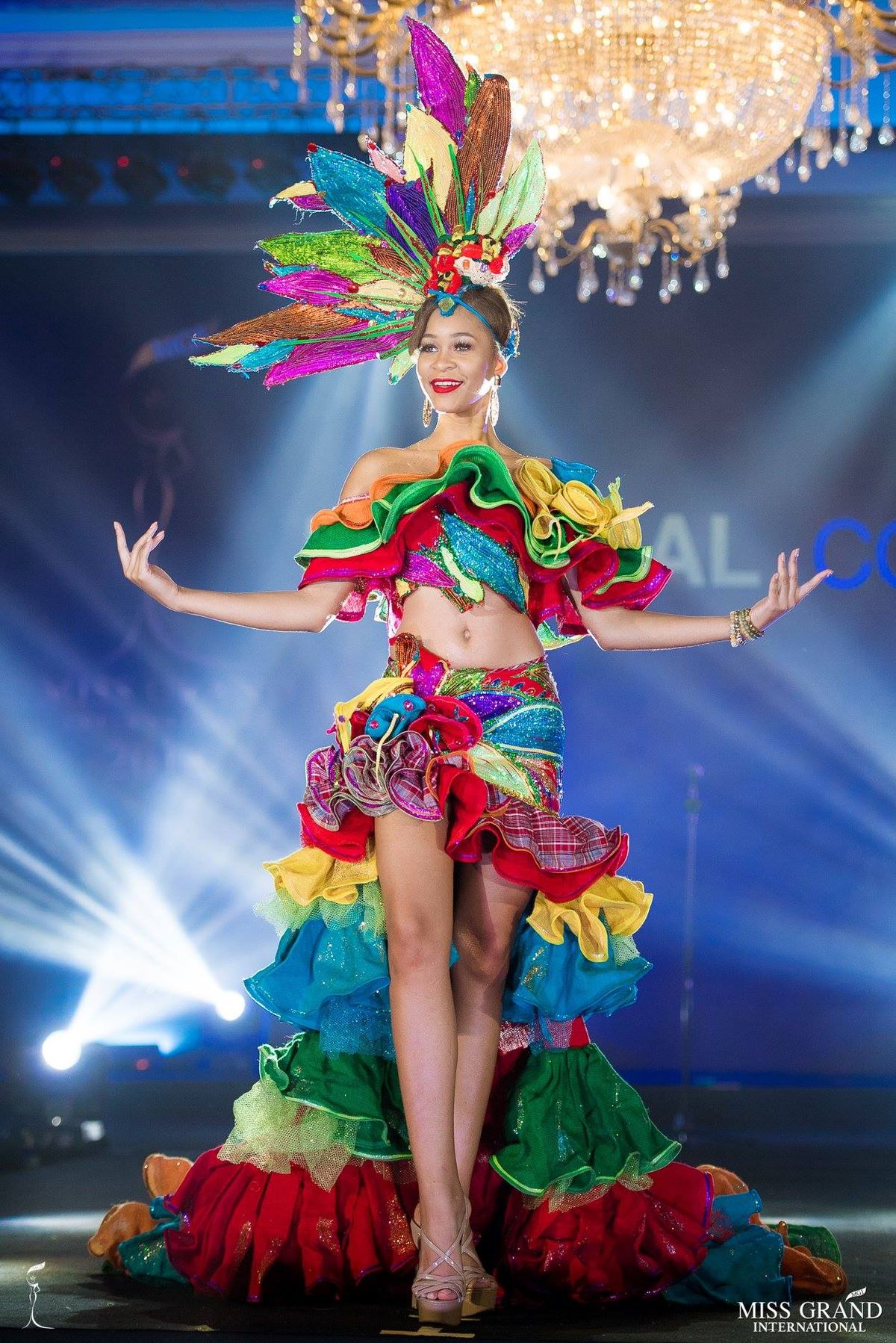
Kumina, practised primarily in eastern Jamaica, is a spiritual and cultural tradition with roots in Central African religious systems, particularly from the Kongo region. Dress within Kumina is inseparable from ritual practice. It is not symbolic in a general sense. It functions within a ceremony.
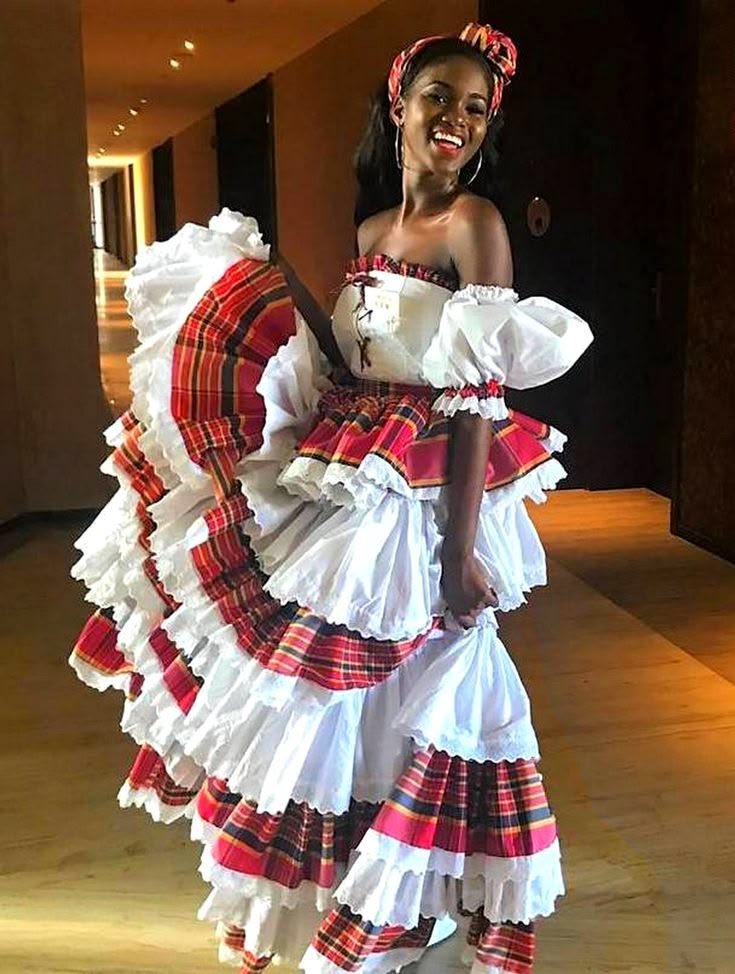
Participants wear garments that allow movement, rhythm, and connection to drumming sequences that structure the ritual. Women often wear flowing skirts and headwraps, while men dress in ways that accommodate physical expression within the ceremonial space. The emphasis is on functionality within a spiritual framework rather than visual uniformity.
Colour, fabric, and form are chosen in relation to the type of ceremony being performed. The Kumina dress is not standardised across all events because the rituals themselves vary. What remains constant is the relationship between clothing, movement, and spiritual invocation. The dress works in concert with the body to convey meaning during the ceremony.
Unlike representations of Jamaican culture that prioritise visibility, Kumina operates within its own community logic. It does not require national recognition to sustain itself. The dress remains active because the practice remains active.
Also Read:
- Addis Ababa Street Style: How Ethiopia’s Capital Is Wearing Its Cultural Confidence
- Johannesburg Street Style: How Soweto, Sandton, and Maboneng Are Dressing Three Different Arguments
Parallel Systems, Not a Unified Aesthetic
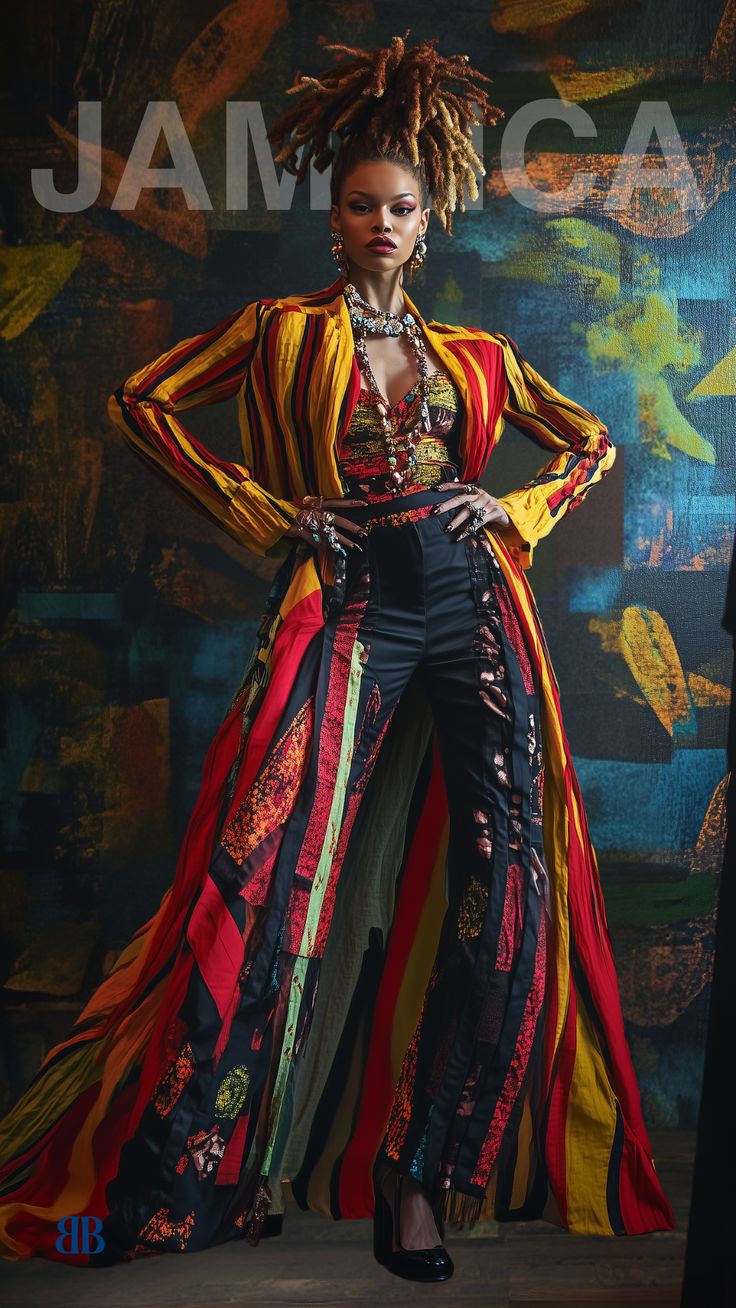
What becomes clear across these three communities is that Jamaican dress cannot be reduced to a single narrative. Rastafarian, Maroon, and Kumina dress systems do not compete or merge. They exist in parallel, each with its own authority.
Attempts to define Jamaican fashion through one lens often flatten these distinctions. For example, the global visibility of Rastafarian colours and symbols has sometimes been used to stand in for Jamaican identity as a whole. This overlooks the specificity of Maroon ceremonial dress and the functional, spiritual nature of Kumina garments. Each system answers a different question about identity, belonging, and expression.
Even outside these communities, Jamaican dress culture in everyday life reflects a mix of influences shaped by class, geography, and global exchange. However, these three systems remain foundational because they operate independently of external validation. They do not depend on fashion cycles or international recognition to exist.
The Omiren Argument
The common assumption is that Jamaican dress can be understood through a unified national aesthetic, often reduced to visible symbols associated with Rastafarian culture. This assumption treats cultural visibility as equivalence, flattening distinct communities into a single visual identity that appears coherent but is structurally inaccurate.
In reality, Jamaican dress operates through parallel cultural systems that do not collapse into one another. Rastafarian, Maroon, and Kumina dress each function within their own frameworks of belief, history, and practice. What appears as a shared national identity is better understood as coexistence. Jamaican fashion is not one story expressed in different ways. It is multiple systems, each complete on its own terms, existing within the same geographic space.
Omiren Styles documents fashion as it is lived, not as it is simplified. Follow the Diaspora Threads series for grounded reporting on dress, culture, and identity across the Caribbean.
FAQs
- What is the meaning of Rastafarian colours in Jamaican dress?
Red, gold, and green are tied to Ethiopian symbolism and Rastafarian belief systems. They represent themes such as sacrifice, wealth, and the land, but their use is governed by religious meaning rather than decoration.
- Do all Jamaicans dress in Rastafarian style?
No. Rastafarian dress is associated with a specific religious and cultural community. While elements have influenced broader fashion, they do not represent all Jamaican dress culture.
- What is Maroon clothing used for?
A maroon dress is primarily worn during ceremonies, festivals, and significant cultural events. It reflects lineage, community structure, and spiritual meaning.
- Is Kumina’s dress a costume?
No, the Kumina dress is part of a living spiritual practice. It is worn during rituals and functions within the ceremony rather than existing as performance attire.
- Why is there no single national dress in Jamaica?
Jamaica’s cultural structure includes multiple communities with distinct histories and identities. Dress reflects these differences rather than forming a single unified style.