Stockholm, 23 October 2026: Stockholm City Hall is no stranger to big ideas. Ahead of the Nobel Prize banquet returning to the Blue Hall in December, ten Global Change Award winners took the stage last night.
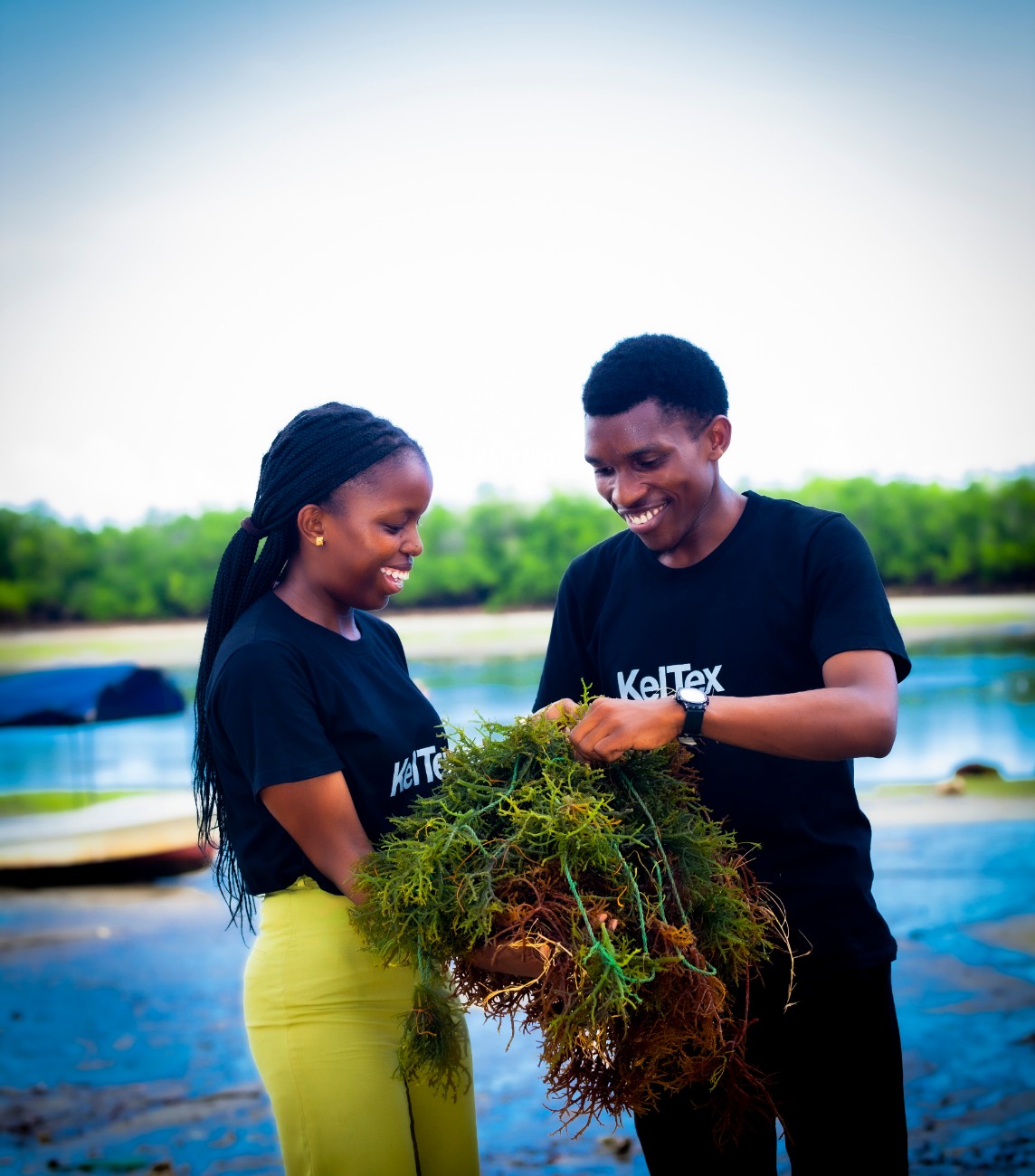
Among them was Tanzania’s KelTex, which is developing a leather-like material from seaweed as an alternative to animal- and fossil-derived leather.
The non-profit H&M Foundation launched the Global Change Award in 2015 to support early-stage innovation that can help the textile industry halve its greenhouse gas emissions every decade. Each year, ten winners receive a €200,000 grant and join the year-long GCA Changemaker Programme to develop their ideas.
Tanzania’s KelTex is developing a leather-like material from seaweed. It is one of ten Global Change Award winners honoured in Stockholm.
A crop farmer already knows.

For KelTex, the starting point was close to home. Farmers widely grow seaweed along Tanzania’s coastline, but they often receive little value for selling it as a raw material.
KelTex saw an opportunity to change that equation by turning the crop into a higher-value material.
“A crop that earns farmers little as a raw material becomes a different business the moment someone makes a material from it.” Omiren Styles Editorial Intelligence
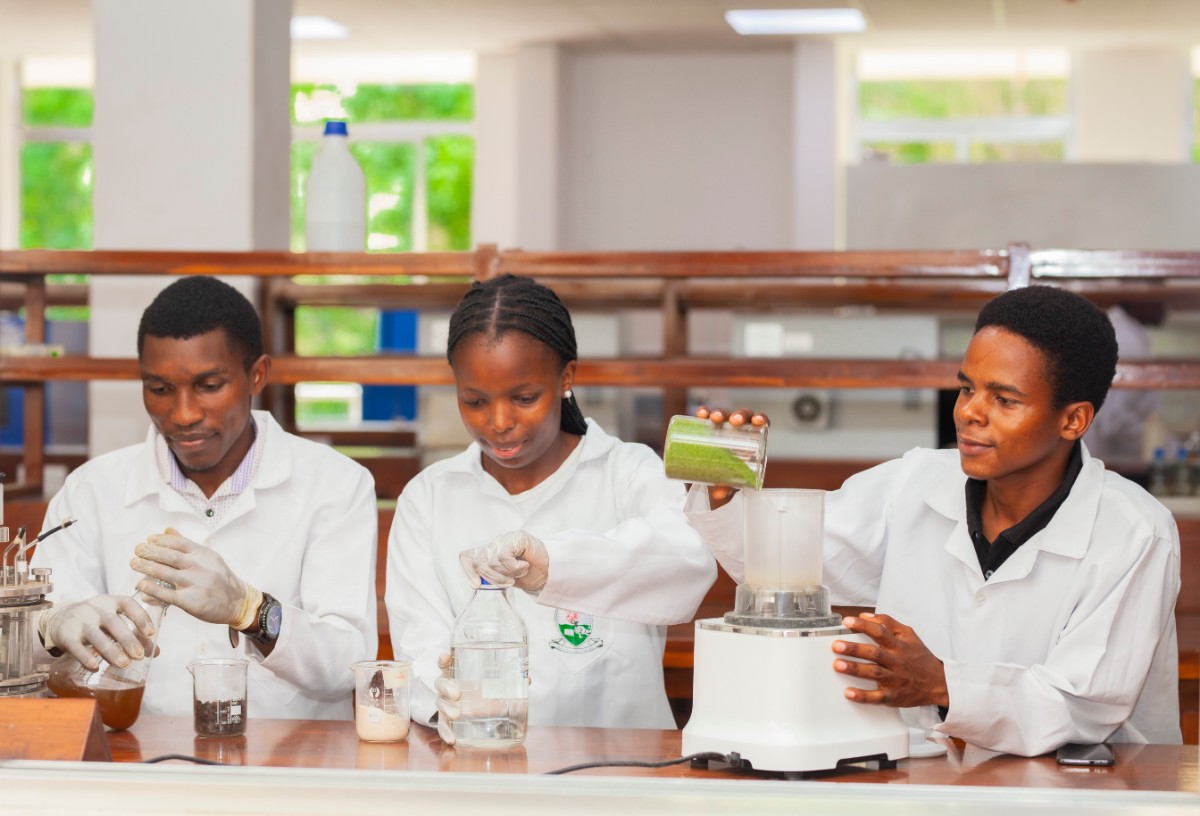
The team combines biotechnology and materials science with AI-powered sensors that monitor conditions such as salinity, temperature and nutrient levels during seaweed cultivation. Its ambition is twofold: to develop a biodegradable alternative to conventional leather and create new income opportunities for coastal seaweed farmers.
“Leather shouldn’t have to come from animals or fossil fuels. We saw an opportunity in seaweed, a fast-growing resource that coastal communities already know well. Now we’re turning it into a material that could offer the industry another way forward,” says Laetus Buberwa, founder and CEO of KelTex.
Still at the prototype stage
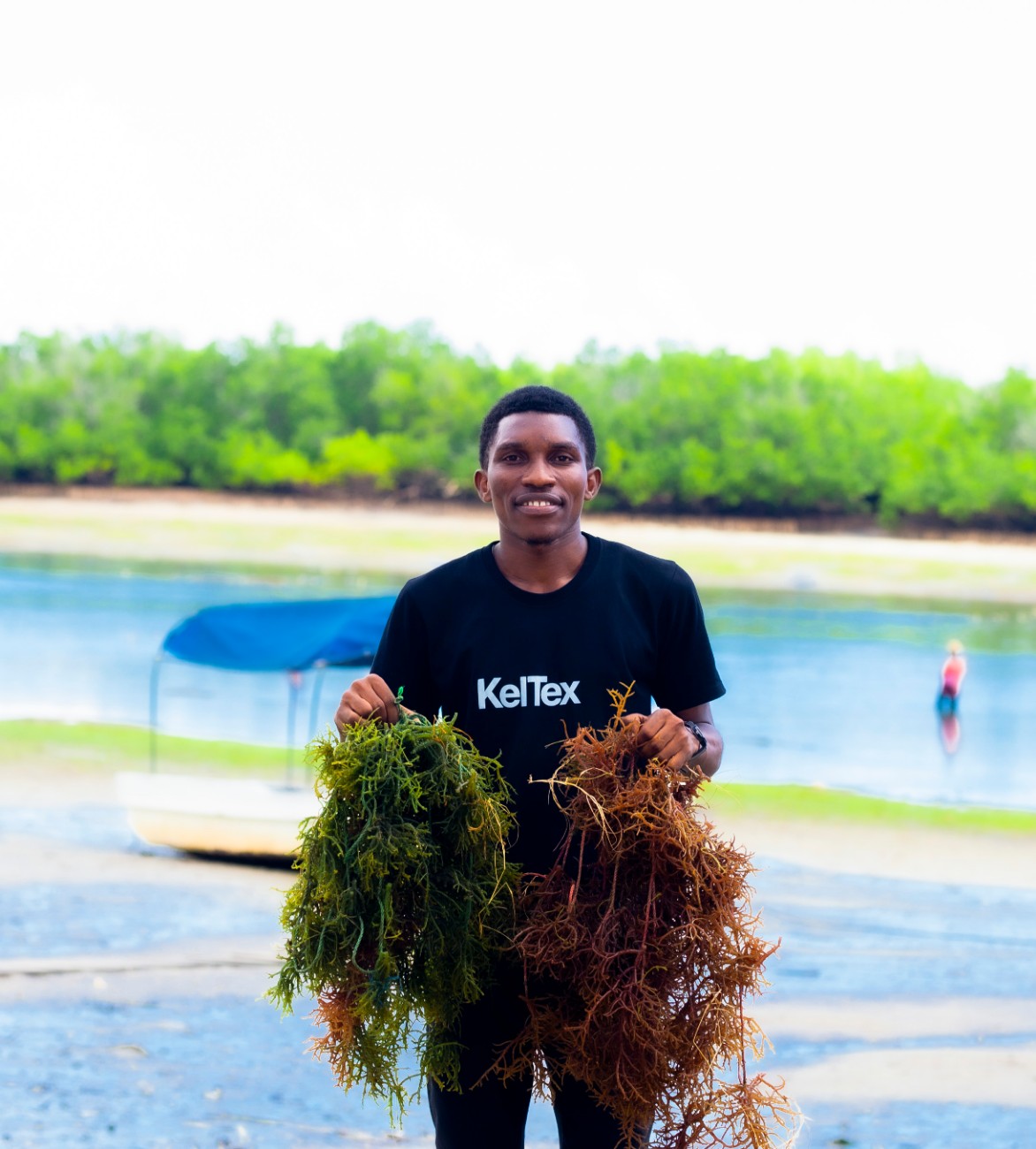
KelTex is still at an early stage. The team has developed prototypes and is testing the material for durability, flexibility and biodegradability, while refining its production process and building its supply chain.
The Global Change Award is designed to support this stage of development. Rather than waiting until ideas are market-ready, H&M Foundation provides funding and support when there is still room to test, learn, and change direction.
“Handing the Global Change Award to this year’s winners is a reminder of the courage it takes to pursue an idea before you know where it will lead. At this early stage, they need room to test, learn and adapt. Our role as a philanthropy is to support that journey with funding and connections that can help the winners move their ideas forward,” says Karl-Johan Persson, Board Member at H&M Foundation.
Why the claims need testing

A leather-like material from seaweed is a claim about both performance and origin. Durability, flexibility and biodegradability are the properties KelTex says it is still testing, so they remain targets rather than results, a distinction we explain in how to verify a fashion brand’s fabric claims.
The release does not say when KelTex expects to reach commercial production, which brands it is working with or how many farmers it has recruited. Those details will show whether the income opportunity it describes reaches the coast, and they echo the credit questions we raise about protecting the cloth makers behind the fabric.
About the Global Change Award
The Global Change Award, initiated by the H&M Foundation, supports early-stage innovation to help the textile industry halve its greenhouse gas emissions every decade while promoting a just transition for people and the planet.
Since 2015, GCA has supported 66 teams from 24 countries with €12 million in grants. H&M Foundation takes no equity or intellectual property rights in the innovations, and winners are free to collaborate with anyone they choose.
Also Read: