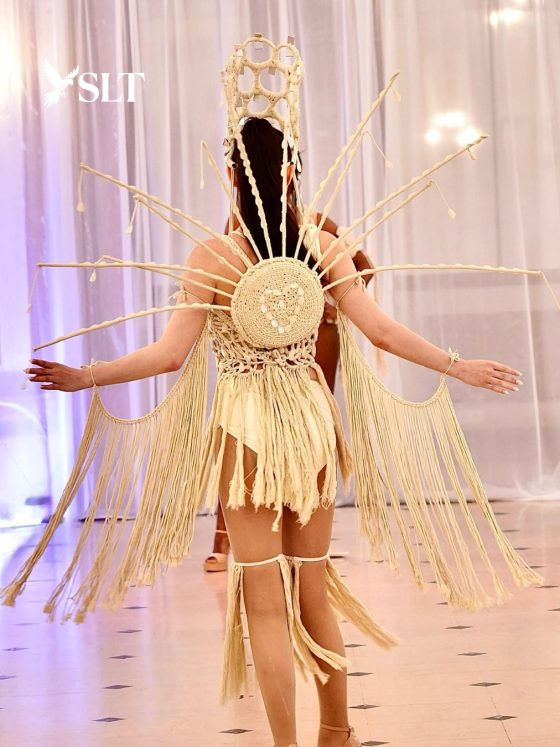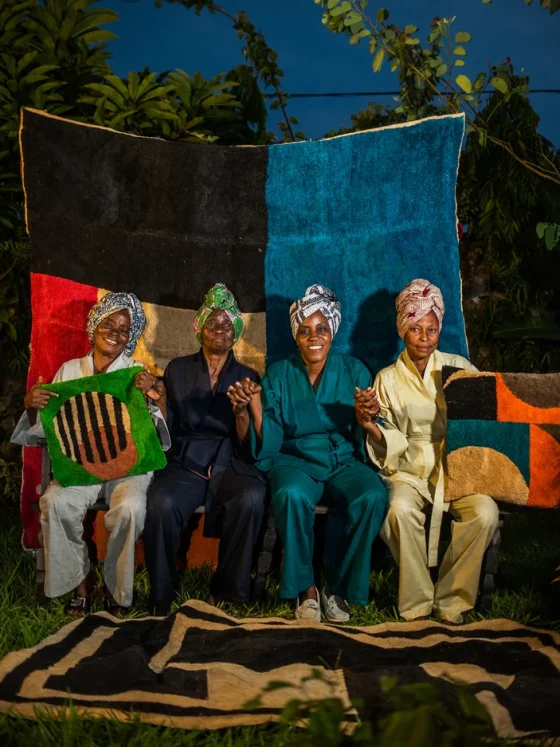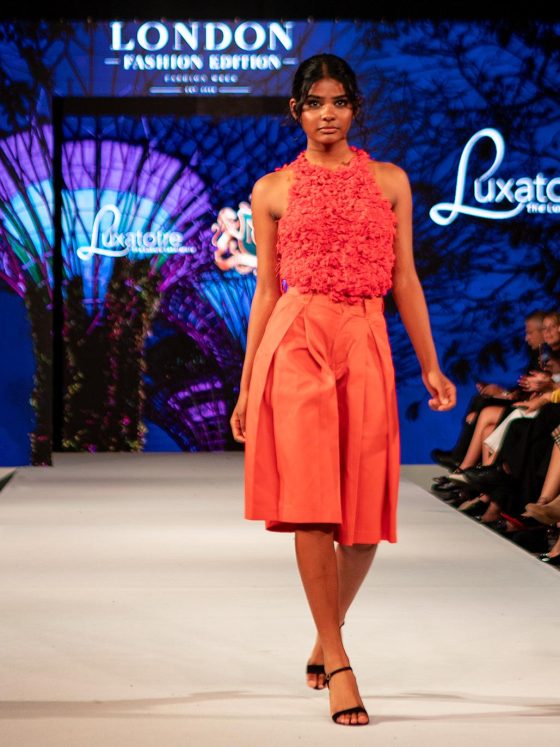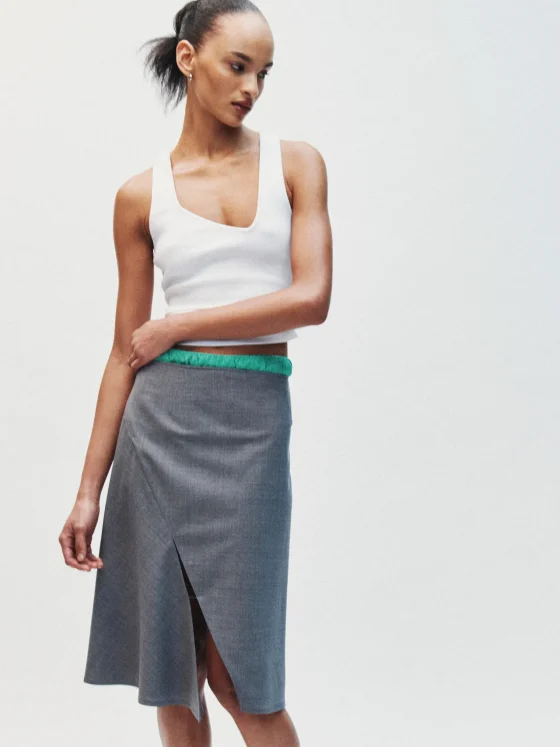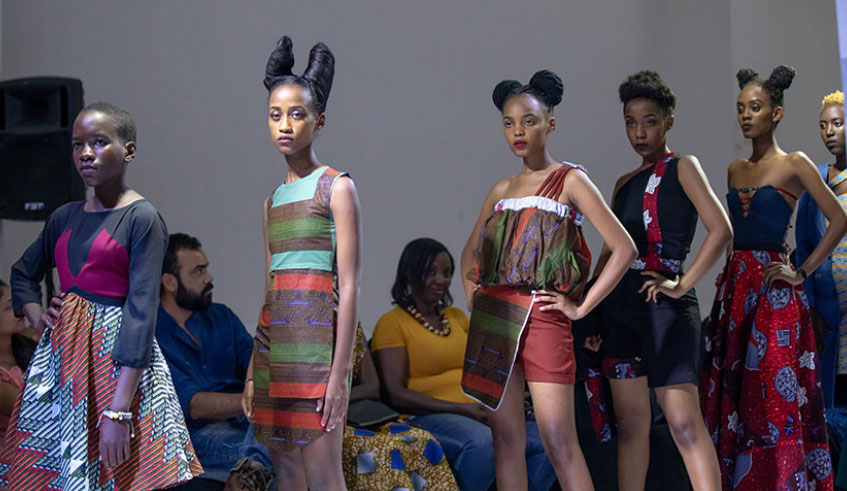
Rwanda’s fashion story isn’t built on noise but on intention.
In a global industry driven by speed and constant production, Rwanda has taken a more deliberate path. Through the “Made in Rwanda” initiative, the country has focused on strengthening local production and building a more self-reliant textile and garment sector.
It has also taken steps to reduce reliance on imported second-hand clothing to support long-term industry growth and local manufacturing.
At the centre of Rwanda’s fashion system are artisans, small-scale makers, and locally rooted brands. Their work connects production to skill, identity, and economic development.
In Rwanda, fashion isn’t only about appearance. It is about how things are made, who makes them, and what that work represents.
What makes Rwanda’s fashion commitment stand out isn’t the repetition of craft, but the structure that supports it.
By prioritising local production systems over import dependence, the country is shaping a different narrative about what African fashion can become.
Rwanda’s fashion commitment is changing how African fashion is understood by focusing on local craft, culture, and the people behind what is made. Find out more here.
THE OMIREN ARGUMENT
Rwanda’s commitment to fashion is important because it challenges a common idea globally. That is, “value comes from outside production systems.”
For many years, African fashion has often been shaped by imports, external supply chains, and global trends. This has meant that even when design is local, production and value often move outside the country.
Rwanda’s approach pushes a different idea. It suggests that real fashion growth happens when production, skills, and value are built inside the country, not only when clothes are designed there.
This also changes how we think about people in the system. Artisans and small makers aren’t just part of the production process. They are part of how value is created and kept within the economy.
Because of this, Rwanda’s fashion commitment isn’t only about industry structure. But also part of a bigger question about who controls the value of fashion in Africa and where that value should stay.
Where Rwanda’s Craft Philosophy Comes From
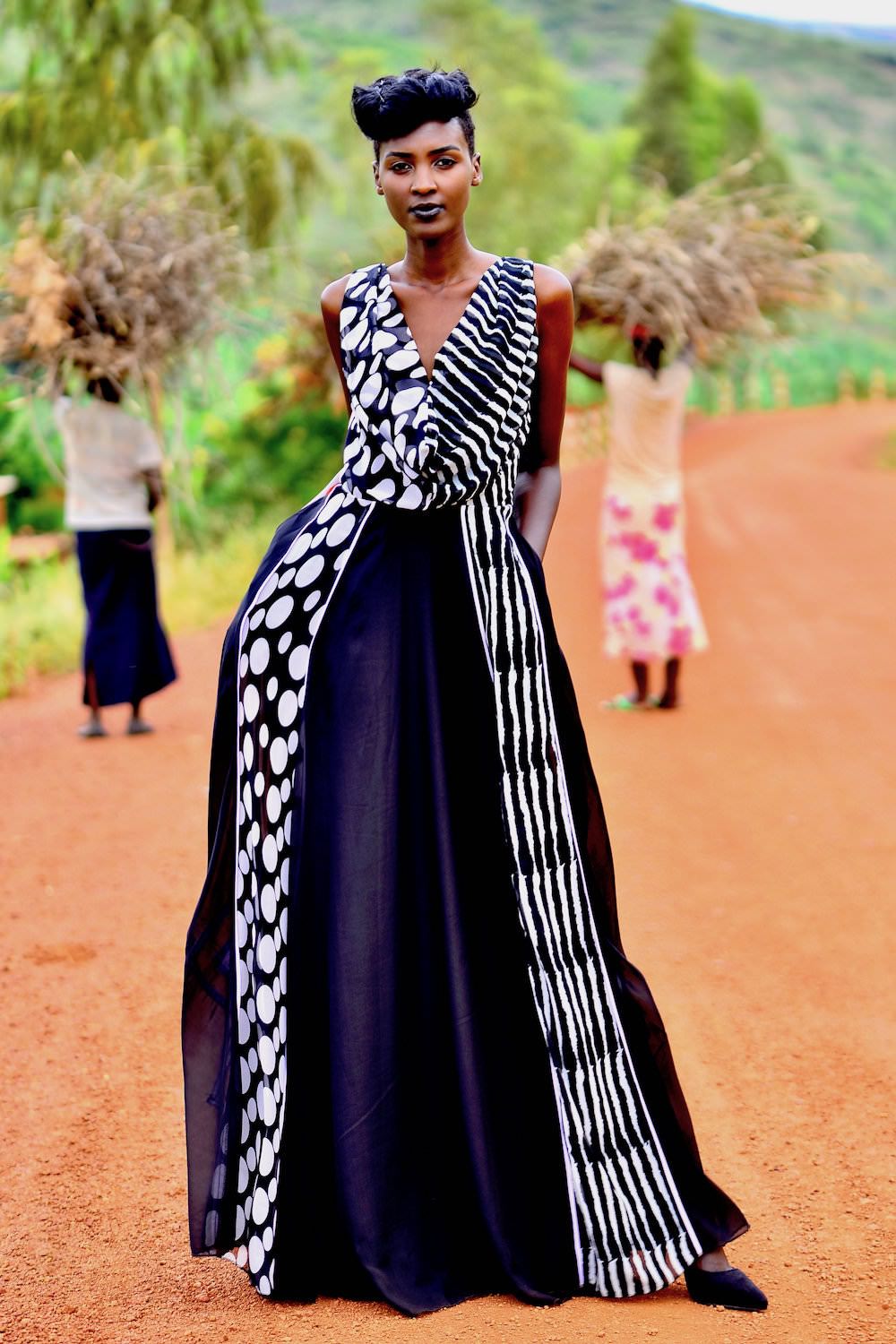
Rwanda’s craft philosophy stems from long-standing handmade traditions passed down, especially by women, through everyday life.
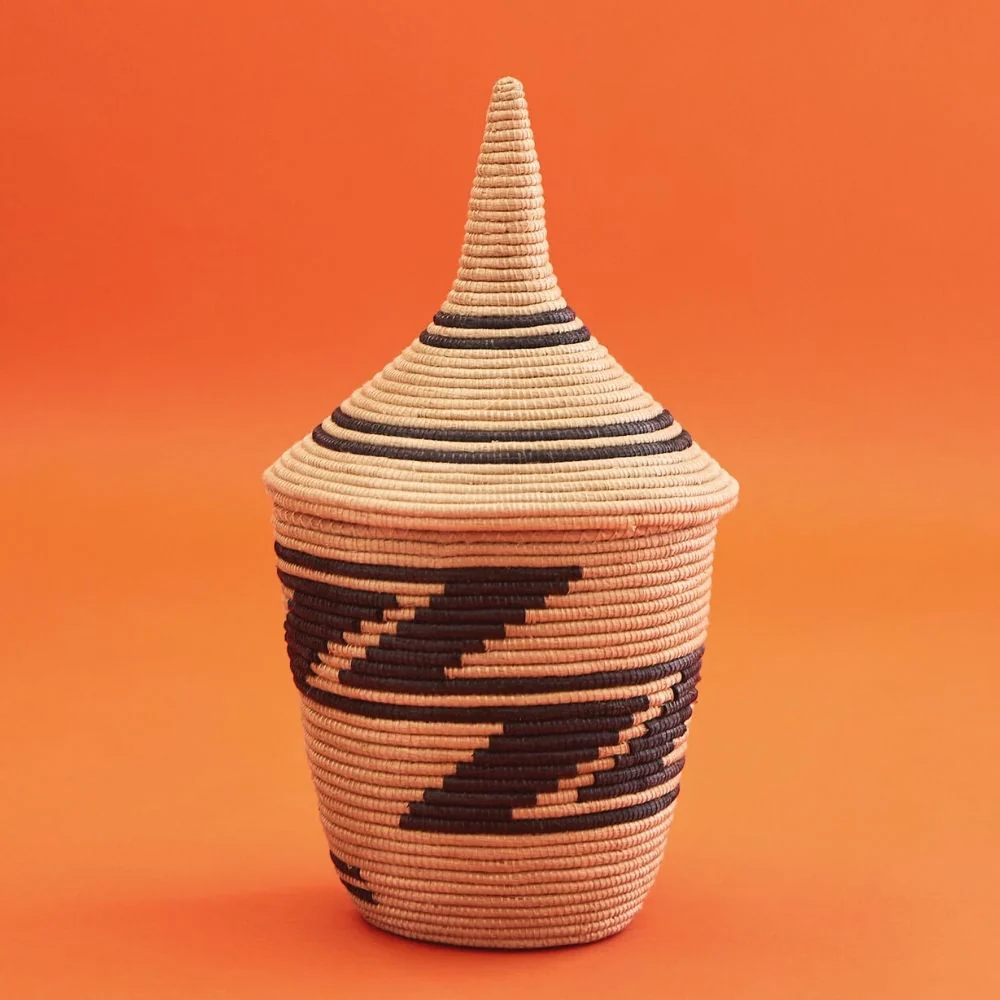
One of the most well-known crafts is the agaseke basket, often called the “peace basket”. These baskets are carefully handwoven from natural fibres and decorated with simple geometric patterns.
They carry the meanings of peace, respect, and unity and are often shared during important moments such as weddings or family visits.
Another important tradition is Imigongo art, a style of geometric painting that uses bold, repeating shapes and natural materials.
It was historically created in rural communities and reflects order, balance, and creativity rooted in daily life. They were part of how people expressed identity, told stories, and passed knowledge from one generation to the next.
From Tradition to Cultural Renewal
After the 1994 genocide against the Tutsi, traditional crafts also became part of healing and rebuilding.
Women’s cooperatives grew across communities, using weaving and other skills to support families, rebuild trust, and restore a sense of shared identity.
As one artisan idea often shared in weaving communities reflects, ‘When we weave, we are not only making baskets. We are keeping our culture alive.”
Today, these traditions continue to influence Rwanda’s creative space. Designers draw from these handmade techniques and adapt them into modern fashion, combining cultural memory with contemporary style.
What began as an everyday craft now forms the foundation of Rwanda’s growing fashion identity.
Made in Rwanda: The Bold Policy Bet That’s Paying Off
The “Made in Rwanda” policy is a national plan designed to reduce the country’s dependence on imported goods and to grow local industries instead.
It is about making more things in Rwanda, by Rwandans, and for Rwandans. In fashion, this also connects to efforts to slowly reduce reliance on imported second-hand clothes, often called mitumba.
The goal isn’t an overnight stop but a gradual shift that gives local clothing brands and factories space to grow and compete.
So far, the policy has helped create:
- More jobs, especially for women and young people who work in tailoring, sewing, and small-scale production.
- It has also encouraged the growth of local factories and workshops that are now part of Rwanda’s expanding textile and garment sector.
Another visible change is that more consumers are beginning to see Rwandan-made fashion as something valuable, not just an alternative to imported clothing.
This shift also connects to Rwanda’s long-term development plan, Vision 2050, which focuses on building a strong, self-reliant economy.
As many observers put it, Rwanda is choosing to dress itself with its own creativity, rather than relying mainly on what comes from elsewhere.
Also Read:
- Moshions: Kigali’s Brand Redefining Contemporary Rwandan Style
- The Zulu Reed Dance and the Dress That Carries a Nation’s Dignity
- Awa Meité: The Malian Designer Defining Quiet Authority in African Fashion
- The Cultural Clothing of Somali Women
Craft Philosophy in Practice: Designers Who Are Changing the Script
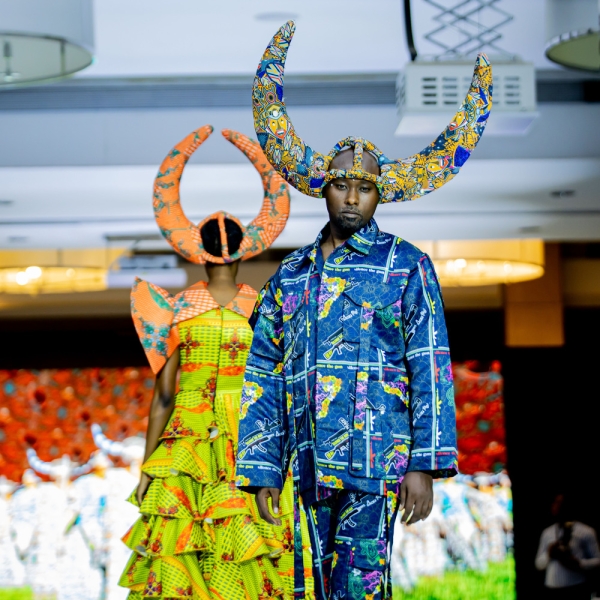
The Rwanda fashion commitment isn’t only visible in policy. It is also alive in the work of designers who are turning craft into modern fashion and showing what Rwanda’s creative future can look like.
Some of these fashion brands are:
Moshions: Founded by Moses Turahirwa, Moshions is known for blending Rwandan craft with modern tailoring. The brand often draws on traditional ideas like imigongo-inspired patterns and local draping styles, then reworks them into contemporary fashion pieces that feel global yet remain rooted in culture.
Haute Baso: Haute Baso, led by Linda Mukangoga, focuses on ethical fashion made with local artisans. The brand works with materials like sisal and handwoven textures, turning them into clothing and homeware. It also supports training and fair work for makers, linking fashion directly to community growth.
Rewriting Africa’s Bigger Fashion Narrative
The Rwanda fashion commitment is part of a broader shift in how African fashion is perceived and understood worldwide.
For a long time, the dominant story placed Africa in the role of supplier. The continent was often seen as a source of raw materials, low-cost labour, or even a place where second-hand clothing is sent.
In that story, fashion creativity was rarely treated as something originating from Africa itself.
Rwanda’s approach helps challenge that view. It presents a different idea: that African countries are not just spaces of production, but places of origin.
Places where design, craftsmanship, and fashion identity are created, shaped, and exported on their own terms.
This shift is already creating ripple effects. Rwanda’s focus on building local fashion systems is encouraging more pride in African-made clothing and pushing other countries to invest in their own creative industries.
It is also drawing attention from international programmes and fashion platforms that are increasingly looking closely at African designers and craft-based brands.
At a wider level, fashion becomes more than clothing. It shapes how countries are seen, supports tourism, strengthens cultural identity, and creates new forms of economic independence.
It also challenges the idea that African fashion is still catching up, instead highlighting its role in sustainability, originality, and innovation.
Rwanda’s Fashion Commitment as a Clear Creative Stand
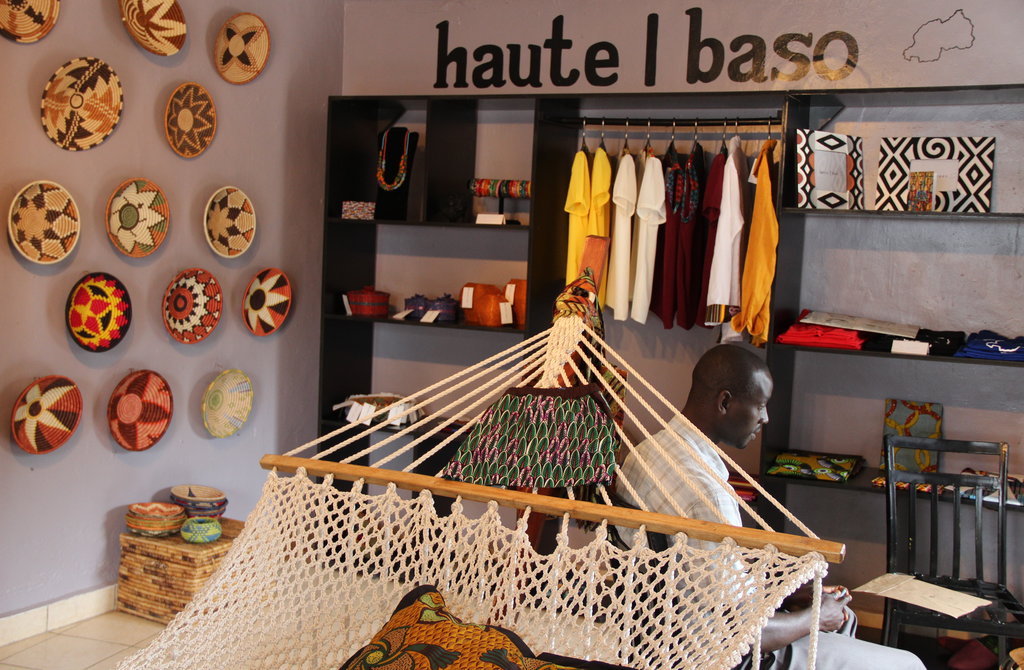
Rwanda’s fashion commitment is ultimately a clear statement about how a country defines value in fashion. It argues that real creative strength does not come from imports or outside approval but from building systems that trust local people, local skills, and local culture.
Across its approach, the same idea keeps returning. Creativity is not treated as decoration. It is treated as work, identity, and a long-term national value that can support both culture and the economy.
This is what makes Rwanda’s position important. It is not simply about promoting local fashion. It challenges the idea that African fashion needs external validation to be seen as serious or global.
Instead, it shows that global relevance can grow from within when local systems are supported properly.
In that sense, Rwanda is not just building a fashion industry. It is defending a simple but powerful idea: that African creativity has always been enough, and when it is supported with structure, it becomes even stronger.
That is the real argument behind Rwanda’s commitment to fashion.
Frequently Asked Questions
1. What Is the Economic Miracle of Rwanda?
Rwanda’s economic progress refers to its steady growth following the 1994 genocide, driven by strong governance, infrastructure development, and investment in sectors such as agriculture, services, and manufacturing. It is often called a “miracle” because of how quickly the country rebuilt its economy.
2. Why are flip-flops not allowed in Rwanda?
Flip-flops are restricted in some public and formal spaces in Rwanda as part of efforts to promote a more professional dress code and improve public appearance standards, especially in schools, offices, and other official settings.
3. What Are the 5 Pillars of Rwanda?
Rwanda’s development is often guided by five key pillars: good governance, economic transformation, social development, justice and unity, and environmental sustainability. These help shape long-term national planning, such as Vision 2050.