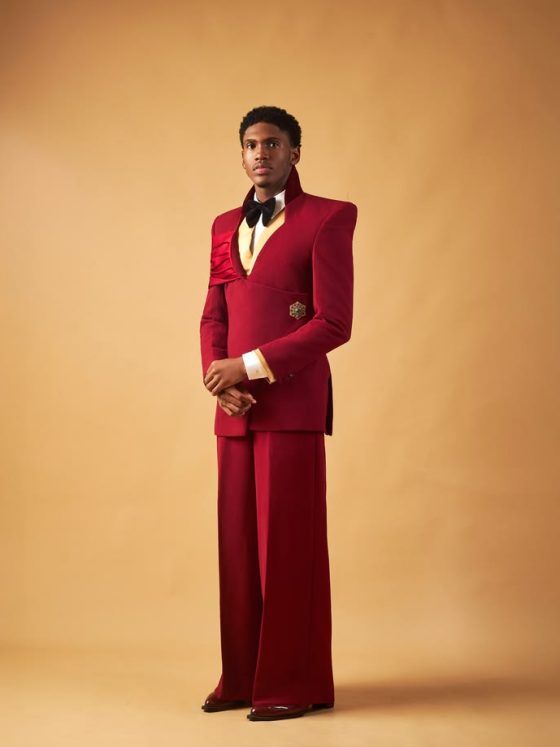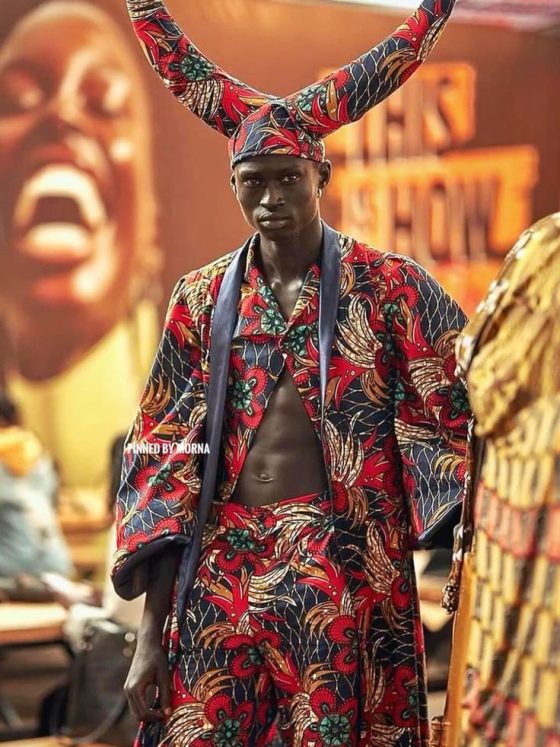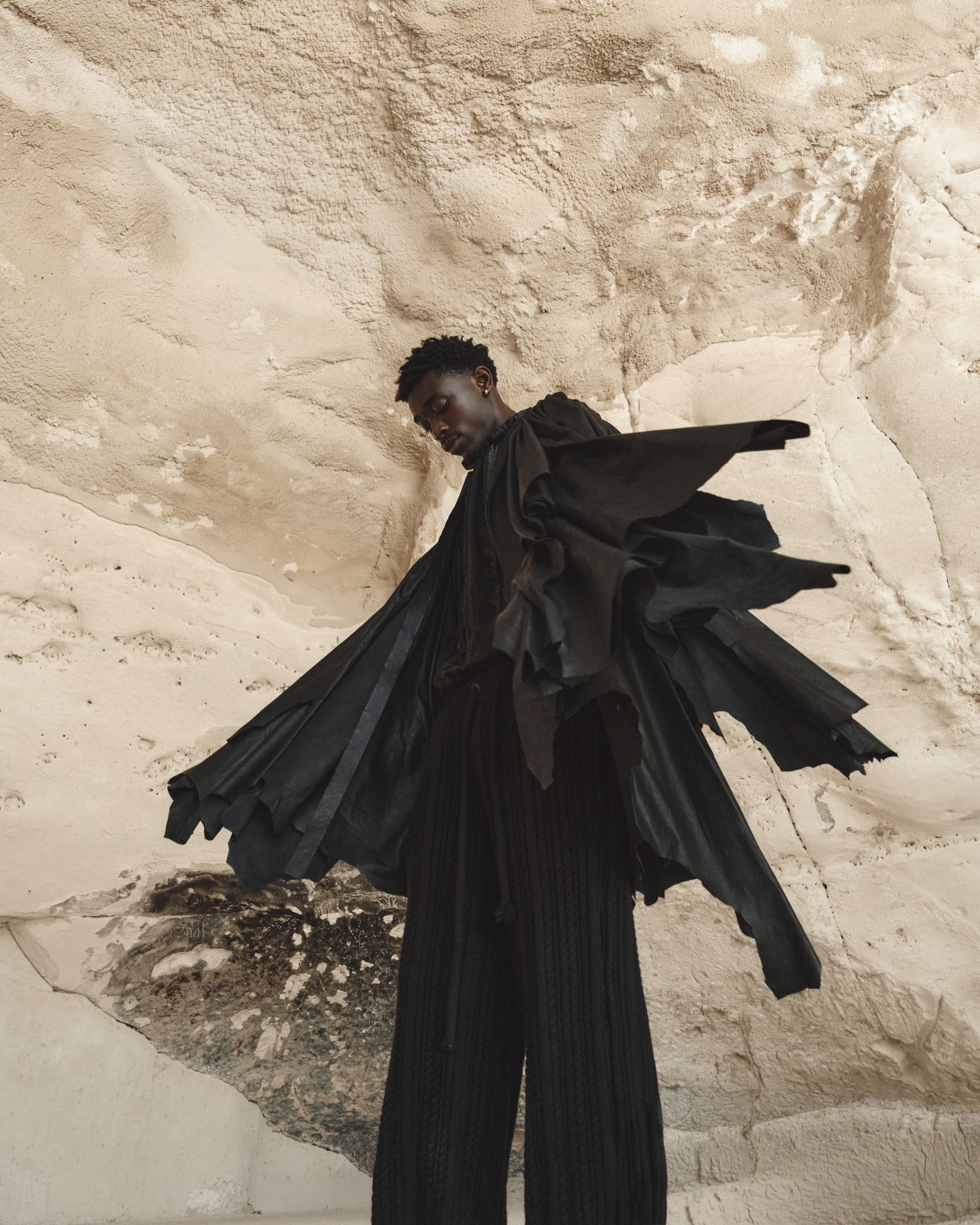
The proposed profile will begin with Bitew’s garments, then examine the references she identifies and the next stage she wants to pursue.
Some stories are ready to tell, and some are only ready to be planned. This one is the second kind. Nitzan Bitew’s graduate menswear has already attracted attention, and there is a clear profile waiting to be written. But a good profile depends on seeing the clothes properly and hearing from the person who made them, and neither has happened yet. So rather than pretend otherwise, this piece sets out what we know, what we do not, and how the finished article should be built when the conditions are met.
“A graduate collection is a statement of intent. A profile should report the intent, not invent it.” Omiren Styles Editorial Intelligence
A planned profile of Nitzan Bitew’s graduate menswear, examining construction, personal references and the transition towards a sustained design practice.
What the Sources Currently Indicate
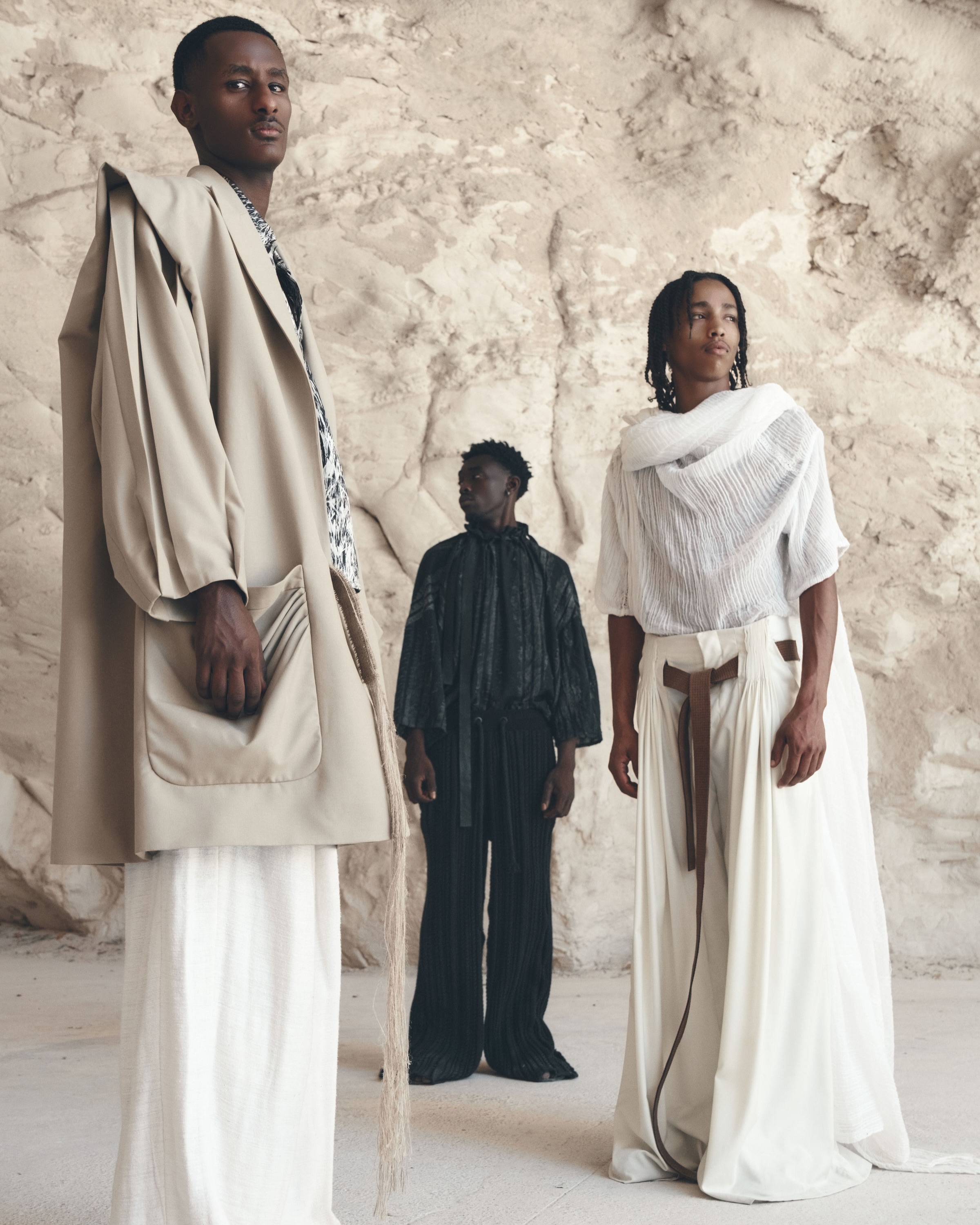
Start with the institutional lead. Shenkar’s official graduate search listing identifies Nitzan Bitew alongside Wear the Journey within its 2026 fashion-design section. We could not retrieve the full page during this research, so its portfolio contents have not been reviewed. That makes the listing a starting point for confirming the project’s title, date and scope. It should not be presented as a completed portfolio assessment.
Then there is the press. A July 28, 2026 Ynet review discusses Bitew’s graduate work through relaxed menswear silhouettes, desert tones and references to legal dress. Those descriptions belong to critic Itay Yaacov’s published assessment, not to an independent examination conducted for this profile. Think of them as questions to investigate rather than a ready-made interpretation to adopt. If a critic sees legal dress in a collection, the useful next step is to ask where it appears in the garments and whether the designer sees it the same way.
The same review connects the collection with her father’s life story. This is the most sensitive thread, and it deserves care. Before that material enters the profile, Bitew should confirm the relevant facts, explain their relationship to the garments and identify what she is comfortable making public. The existence of secondary coverage does not justify expanding a personal narrative beyond what has been verified. A family story belongs to the family first, and the designer decides how much of it travels into print. Asking permission is not a formality. It shapes what the profile can responsibly say, and it should be settled before any draft is written.
Begin With the Garments
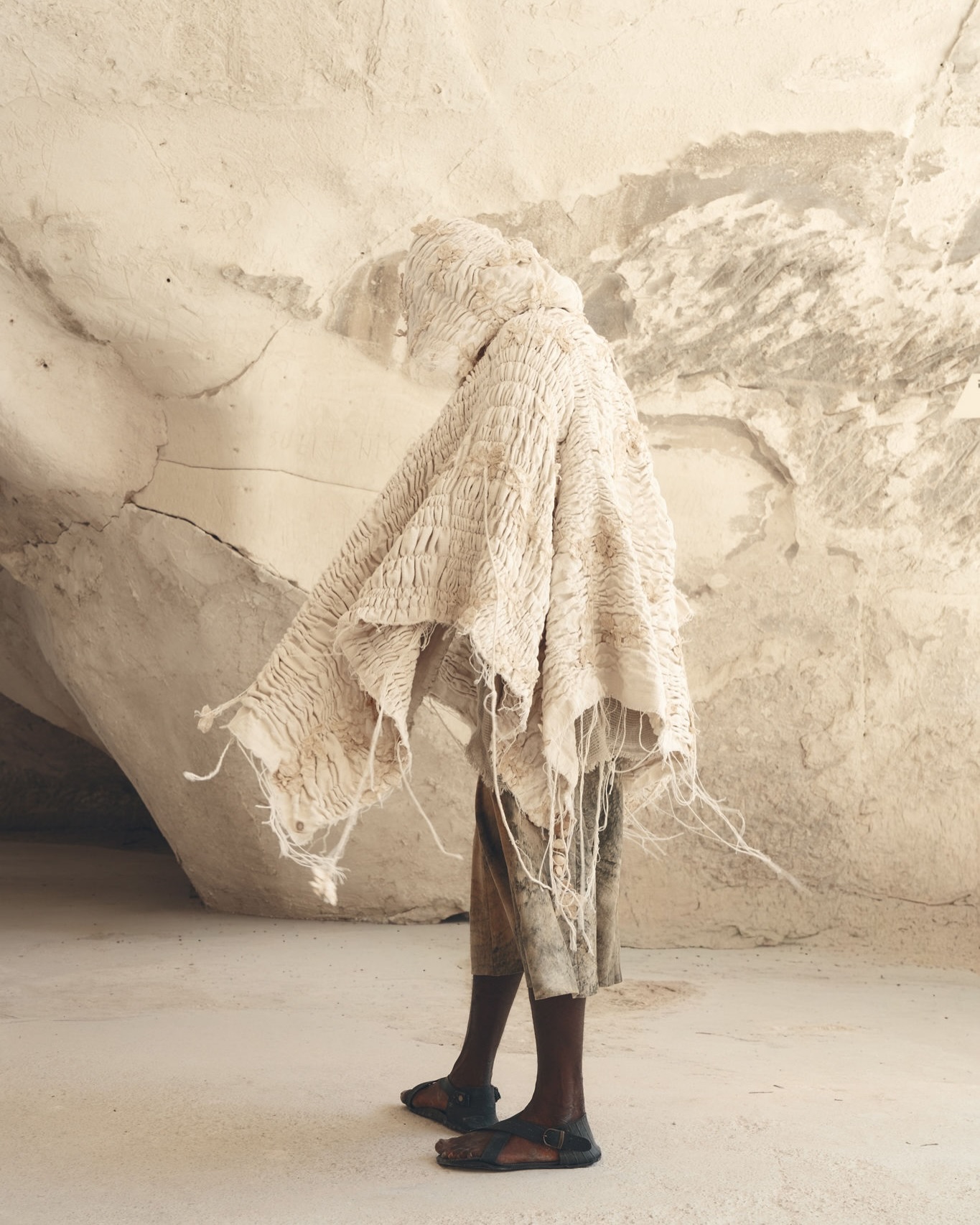
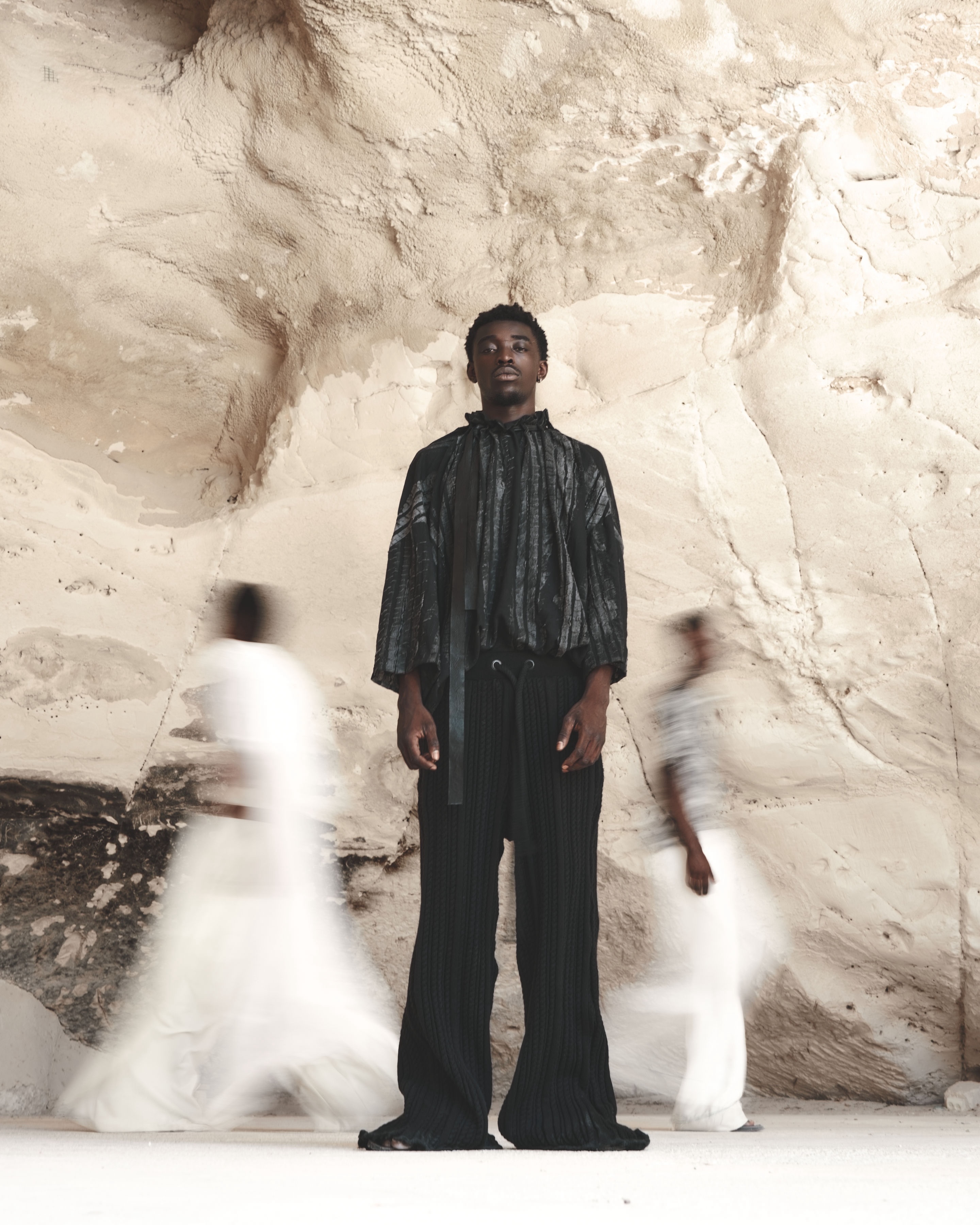
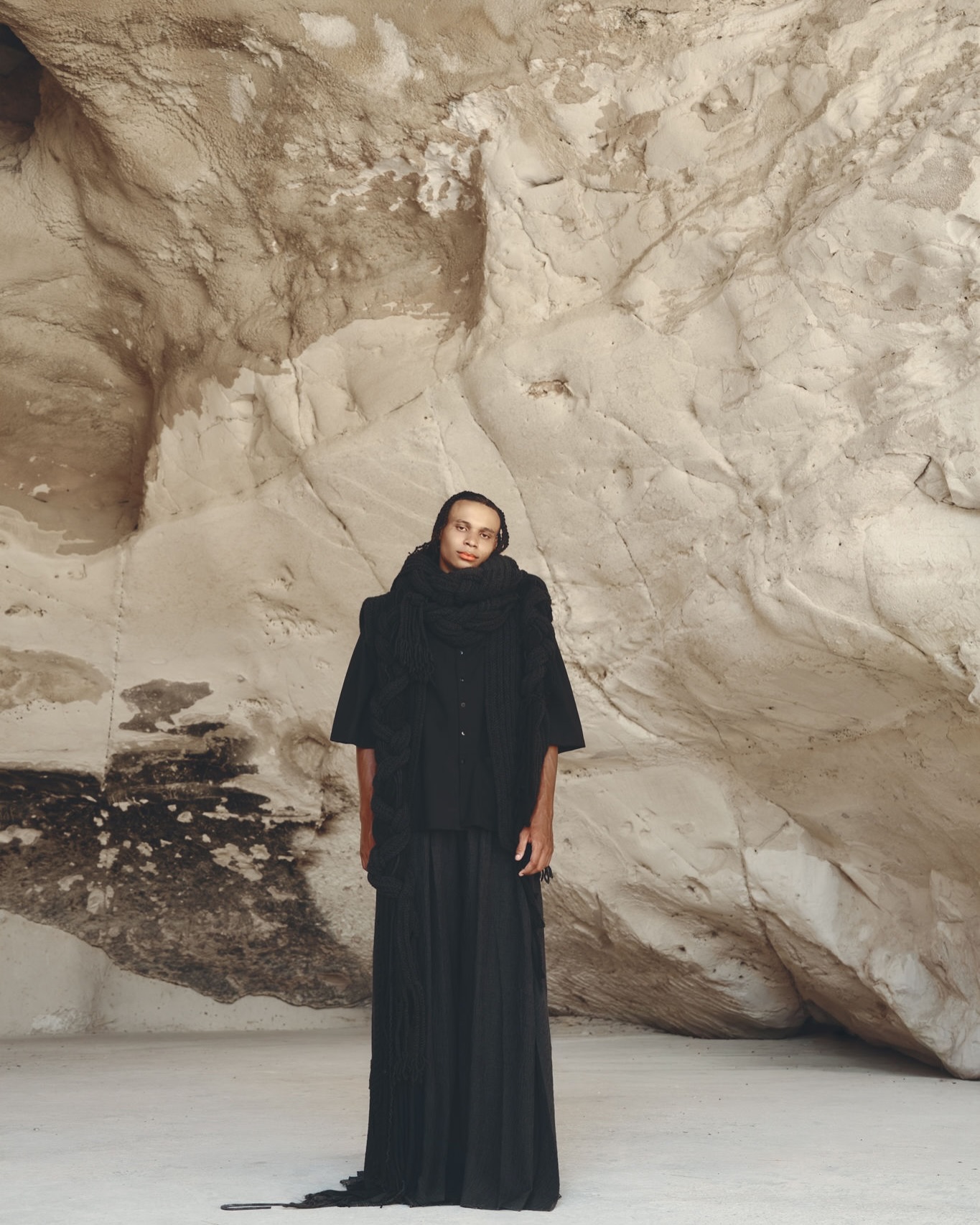
When the profile does proceed, it should open with an identifiable look and a close description grounded in dependable images or direct viewing. Proportions, fabric, construction and finish should establish what is distinctive about the work before biography is introduced. That order matters. Readers meet a designer through the clothes first, and a biography that arrives too early can end up explaining the work before it has been seen.
If tailoring or institutional dress is important, the article needs to show where that reference appears and distinguish visible features from the designer’s explanation of them. A seam, a lapel or a cut of trouser is something a reader can check. An intention is something only the designer can supply. Keeping those two apart makes the writing more honest and, frankly, more interesting.
The portfolio review should therefore include full-look images and details of the pieces selected for analysis, alongside information from Bitew about materials, pattern cutting and making. Photographs can support observations about visible form, but they cannot reliably establish every fibre, internal construction method or intended reference. Those details require confirmation rather than inference. Anyone who has tried to guess a lining or an interfacing from a photograph knows how quickly a confident description can turn out to be wrong.
Project titles also need to be kept separate until their relationship is clear. The institutional listing’s reference to Wear the Journey is a useful starting point, but it does not justify attaching another title to the graduate collection or assuming that different bodies of work are interchangeable. A small slip here travels far, because titles get copied into captions, tags and search results. Getting it right once, at the source, saves a great deal of correcting later, and it shows readers that the facts have been checked. The same discipline applies to how makers and materials are named, a theme we explore in how to verify a fashion brand’s fabric claims.
Establish What Comes Next, Without Assuming a Label
The second half of the interview should establish Bitew’s current direction rather than begin with a predetermined account of what she lacks. Employment, further study, collaborative work, independent commissions and developing a label are different possibilities, and each one asks different questions. The article should report her actual plans, not imply that launching a commercial brand is the inevitable measure of success after graduation.
It is worth saying plainly why this matters. Fashion writing has a habit of treating the label as the finish line, as though a graduate who takes a studio role or continues studying has somehow fallen short. Plenty of strong designers build their craft inside other people’s studios first. A profile that assumes otherwise misreads the person it is meant to describe.
Questions about mentorship, workspace, production and market access should follow from those plans. If she wants to reproduce a garment, the reporting can examine what that would require, and the questions that follow are practical ones about sourcing, repeat production and cost. If she is seeking technical experience or a role within another studio, a business-launch narrative would misrepresent the transition. Her circumstances should determine the analysis. Where she does want to sell, the evidence to look for is the kind discussed in our piece on the measures that prove market access after a fashion showcase.
Nor should one graduate’s work be made representative of all Ethiopian-Israeli design. The profile’s strength will come from describing Bitew’s decisions precisely, including any tensions or uncertainties she identifies, rather than using her collection to illustrate an argument settled in advance. One designer is one designer. Her collection can open a conversation about a wider community without being asked to speak for it. That restraint is also a form of respect, because it leaves room for her to define her own work in her own words.
Publication Decision
So when can the profile run? It can proceed once three things are in place: the designer interview has taken place, the project details have been confirmed, and sufficient visual and technical material is available for meaningful garment analysis. Any family history must be discussed with informed consent, while statements about current plans must reflect what Bitew actually intends.
Until those conditions are met, the responsible output is this clearly labelled research note, not a simulated feature. The provisional title and SEO material can remain in the working file, but the commissioned article of 1,100 to 1,400 words should stay on hold. Publishing a convincing-sounding feature without the interview would be easy. It would also mean presenting a critic’s reading and an institutional listing as though they were our own reporting, and that is not a trade worth making. Waiting is slower, but it protects both the designer and the reader.
The Omiren Argument
Our argument is a simple one. A designer’s early work deserves to be seen before it is explained and heard before it is interpreted. The Shenkar listing and the Ynet review give us good reasons to want this profile. They do not give us the garments, the construction details, the verified biography or Bitew’s own account of what she wants next.
Until we have those, the honest position is to say what we have and what we lack. When the interview and portfolio review are done, the profile can start where it should, with the clothes, and let the references, the family history and the next stage follow from what Bitew chooses to say. The principle of crediting makers fairly, which runs through our guide to what a heritage fashion product page should clarify, applies just as well to a young designer’s first public collection.
Also Read:
- Textile Provenance: How to Protect the Cloth Makers Behind the Fabric
- The Maker-Credit Test: What a Heritage Fashion Product Page Should Clarify
- After Africa Fashion Week London 2026: What Converted Into Orders, Stockists, Press or Partnerships?
- The Beauty Retail File: What Is Required by Law, and What Is Required by a Buyer?.
FAQs
What project title appears in Shenkar’s listing?
The official search listing associates Bitew with Wear the Journey in its 2026 fashion-design section. The full portfolio page has not yet been reviewed, and direct confirmation remains outstanding.
Has the garment analysis been completed?
No. Ynet provides a published critic’s interpretation, but that does not replace the portfolio review and designer interview required for this commission.
Why is the profile on hold?
The brief explicitly requires access to the designer and portfolio before proceeding. Published references provide useful leads, but they do not establish the detailed garment analysis, verified biography and current plans needed for the finished profile.