Menu
  • AFRICA
    • African Fashion
    • African Designers
    • Textiles & Craft
    • Heritage Clothing
    • Made in Africa
    • Regional Style
  • DIASPORA
    • Diaspora Voices
    • Diaspora Connects
    • UK Scene
    • US Scene
    • Caribbean Diaspora
    • Afro-Latino Identity
    • Migration & Identity
  • CULTURE
    • Style & Identity
    • Ceremony & Ritual
    • Art & Music
    • Cultural Inspirations
    • Black Culture
    • Heritage Stories
  • FASHION
    • Trends
    • Street Style
    • Runway
    • Sustainable Fashion
    • Tailoring
    • Luxury Fashion
  • INDUSTRY
    • Editorial Intelligence
    • Market Trends
    • Brand Strategy
    • Retail & Commerce
    • Partnerships
    • Reports
    • Insights
    • Omiren Style Index
  • BEAUTY
    • Skincare
    • Makeup
    • Hair & Hairstyle
    • Fragrance
    • Beauty Traditions
    • Natural Beauty
  • MEN
    • Men’s Style
    • Grooming Traditions
    • Traditional & Heritage
    • The Modern African Man
    • Menswear Designers
  • WOMEN
    • Women’s Style
    • Evening Glam
    • Workwear & Professional
    • Streetwear for Women
    • Accessories & Bags
    • Bridal
  • NEWS
    • Cover Stories
    • Fashion Weeks
    • Opinion & Commentary
    • Style Icons
    • Rising Stars
  • DIRECTORY
    • Designers
    • Brands
    • Boutiques
    • Stylists
    • Models
    • Photographers
    • Creative Teams
    • Events
    • Production
    • Materials & Suppliers
Subscribe
OMIREN STYLES OMIREN STYLES

Fashion · Culture · Identity

OMIREN STYLES OMIREN STYLES OMIREN STYLES OMIREN STYLES
  • AFRICA
    • African Fashion
    • African Designers
    • Textiles & Craft
    • Heritage Clothing
    • Made in Africa
    • Regional Style
  • DIASPORA
    • Diaspora Voices
    • Diaspora Connects
    • UK Scene
    • US Scene
    • Caribbean Diaspora
    • Afro-Latino Identity
    • Migration & Identity
  • CULTURE
    • Style & Identity
    • Ceremony & Ritual
    • Art & Music
    • Cultural Inspirations
    • Black Culture
    • Heritage Stories
  • FASHION
    • Trends
    • Street Style
    • Runway
    • Sustainable Fashion
    • Tailoring
    • Luxury Fashion
  • INDUSTRY
    • Editorial Intelligence
    • Market Trends
    • Brand Strategy
    • Retail & Commerce
    • Partnerships
    • Reports
    • Insights
    • Omiren Style Index
  • BEAUTY
    • Skincare
    • Makeup
    • Hair & Hairstyle
    • Fragrance
    • Beauty Traditions
    • Natural Beauty
  • MEN
    • Men’s Style
    • Grooming Traditions
    • Traditional & Heritage
    • The Modern African Man
    • Menswear Designers
  • WOMEN
    • Women’s Style
    • Evening Glam
    • Workwear & Professional
    • Streetwear for Women
    • Accessories & Bags
    • Bridal
  • NEWS
    • Cover Stories
    • Fashion Weeks
    • Opinion & Commentary
    • Style Icons
    • Rising Stars
  • DIRECTORY
    • Designers
    • Brands
    • Boutiques
    • Stylists
    • Models
    • Photographers
    • Creative Teams
    • Events
    • Production
    • Materials & Suppliers
  • Opinion

Stop Calling It Ethical Fashion

  • Tobi Arowosegbe
  • June 3, 2026

The word "ethical" is doing a great deal of work it was never meant to do. And most of that work benefits the person using it, not the person it claims to describe.

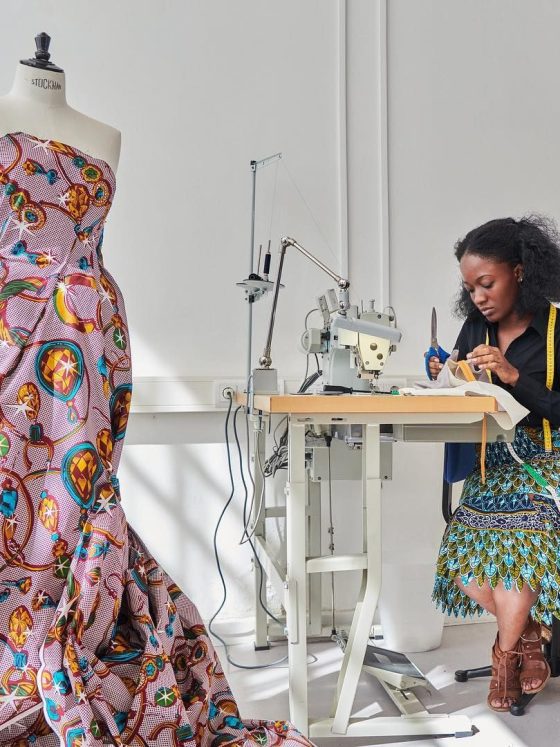
Here is what "ethical fashion" means in practice: it means that somewhere in the supply chain, there is a maker, usually in the Global South, often on the African continent or in South or Southeast Asia, whose labour and skill have been deemed worthy of acknowledgement rather than concealment. The brand has visited the workshop. They have photographed the smiling artisans. They have written the copy about fair wages, traditional techniques, and community impact. They have priced the garment accordingly, at a premium that the brand largely retains, in a market the maker will never shop in, and they have sold it to a consumer who feels, having purchased it, that they have done something good.

This is not a critique of good intentions. It is a critique of the framework that makes those intentions necessary in the first place.

The word "ethical" exists in fashion because the industry’s default, its unexamined, unremarked-upon standard, has historically been unethical. Exploitative wages, stolen references, appropriated aesthetics, and manufacturing conditions that no consumer would tolerate if they could see them. "Ethical fashion" is the exception that the industry presents as progress, without ever fully interrogating why it is exceptional. If paying a maker a fair wage requires a marketing campaign, something has gone very wrong with what we consider normal.

There are people genuinely working to change this. Designers, buyers, policy advocates and co-operatives are trying to restructure how the industry distributes power and profit. That work matters. But the label "ethical fashion" has become a shield for the mainstream, not a tool for those reformers. It allows business as usual to continue undisturbed while a subcategory absorbs the scrutiny.

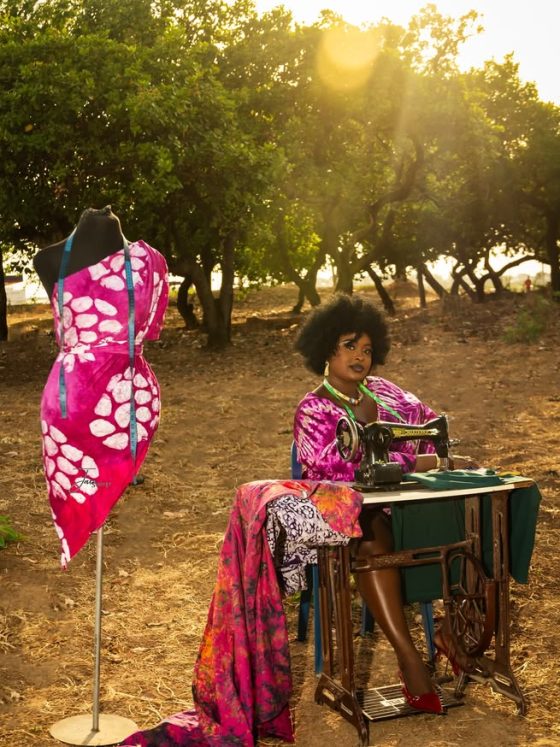
African fashion is not ethical fashion. Kente weavers are not ethical producers. No one calls an Italian atelier "ethical" for paying its pattern cutters; they call it a fashion house. A Lagos-based designer who sources her fabric from Aso-oke cooperatives and employs tailors at rates commensurate with their skill is not practising ethical fashion. She is running a business. She is participating in an economy. She is doing exactly what every fashion house in Milan, Paris and New York does. The difference is that her business has been assigned to a subcategory that implies it requires a moral qualifier to be taken seriously.

The subcategory is the problem. It creates a hierarchy in which African fashion is positioned as virtuous rather than excellent, as conscientious rather than technically superior, as good-for-you rather than simply good. It also circulates within African and diaspora markets, used to premium-price locally made goods to local consumers on moral grounds, rather than on the grounds of quality, craft, and cultural knowledge, which are the actual arguments.

We are interested in taste. We are interested in construction, silhouette, concept, longevity, and the kind of quality that does not require a supply chain audit to justify its price. We are interested in African fashion on the same terms on which we discuss any other fashion: as a creative and commercial enterprise made by skilled people who know exactly what they are doing.

If you want to talk about ethics in the industry, that is a necessary and important conversation. But have it about the whole industry. Have it about the houses whose runway garments are manufactured in conditions they would rather not disclose. Have it about the trend cycle that depletes resources, borrows without credit, and discards in six weeks what took a craftsperson six months to make.

Have it about everything. Or stop using the word as a selling point for the exception and a shield for the rule.

African fashion is fashion. Treat it accordingly.

Avatar photo
Tobi Arowosegbe

arowosegbetobi13@gmail.com

You May Also Like

Leave a Reply Cancel reply

Your email address will not be published. Required fields are marked *

The Omiren Argument

African fashion and culture are not emerging. They are foundational. We document, interpret, and argue for the full cultural weight of African and diaspora dress. With precision. Without apology.

Omiren Styles Fashion · Culture · Identity

All 54 African Nations
Caribbean · Afro-Latin America
The Global Diaspora

Platform

  • About Omiren Styles
  • Our Vision
  • Our Mission
  • Editorial Pillars
  • Editorial Policy
  • The Omiren Collective
  • Campus Style Initiative
  • Sustainable Style
  • Social Impact & Advocacy
  • Investor Relations

Contribute

  • Write for Omiren Styles
  • Submit Creative Work
  • Join the Omiren Collective
  • Campus Initiative
Contact
contact@omirenstyles.com
Our Reach

Africa — All 54 Nations
Caribbean
Afro-Latin America
Global Diaspora

African fashion intelligence, in your inbox.

Editorial features, designer profiles, cultural commentary. No noise.

© 2026 Omiren Styles — Rex Clarke Global Ventures Limited. All rights reserved.
  • Privacy Policy
  • Editorial Policy
  • Terms of Use
  • Accessibility
Africa · Caribbean · Diaspora
The Omiren Argument

African fashion and culture are not emerging. They are foundational. We document, interpret, and argue for the full cultural weight of African and diaspora dress. With precision. Without apology.

Omiren Styles Fashion · Culture · Identity
  • About Omiren Styles
  • Our Vision
  • Our Mission
  • Editorial Pillars
  • Editorial Policy
  • The Omiren Collective
  • Campus Style Initiative
  • Sustainable Style
  • Social Impact & Advocacy
  • Investor Relations
  • Write for Omiren Styles
  • Submit Creative Work
  • Join the Omiren Collective
  • Campus Initiative
Contact contact@omirenstyles.com

All 54 African Nations · Caribbean
Afro-Latin America · Global Diaspora

African fashion intelligence, in your inbox.

Editorial features, designer profiles, cultural commentary. No noise.

© 2026 Omiren Styles
Rex Clarke Global Ventures Limited.
All rights reserved.

  • Privacy Policy
  • Editorial Policy
  • Terms of Use
  • Accessibility
Africa · Caribbean · Diaspora

Input your search keywords and press Enter.