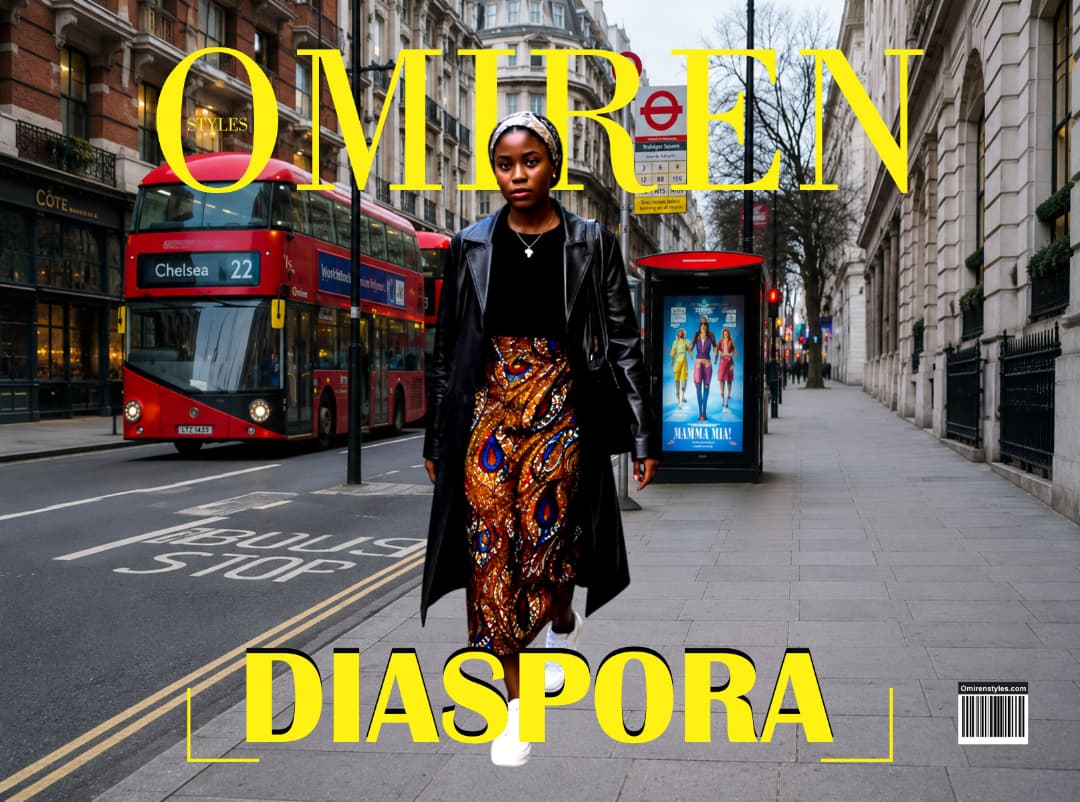
Let us be precise about what we mean by “diaspora”.
We do not mean a people defined by what they left. We do not mean a culture preserved in amber, performing its origins for an audience that wants authenticity on its own terms. We do not mean the version of Africa that the diaspora is expected to represent: unchanged, uncomplicated, available for nostalgia.
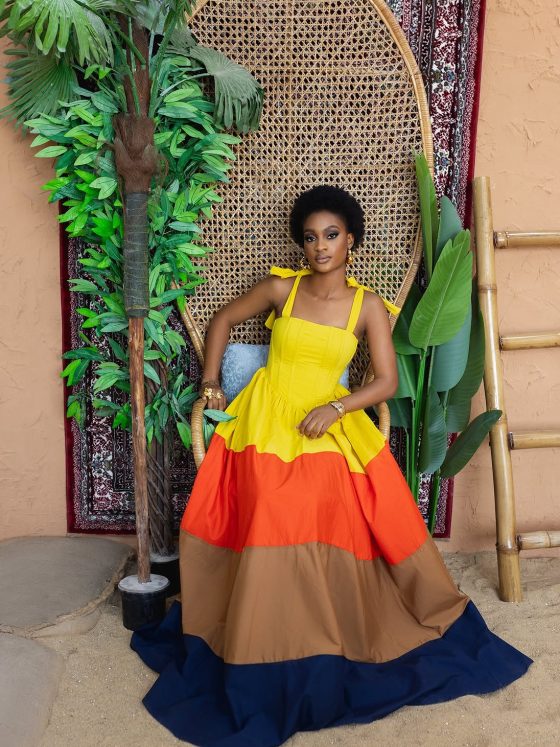
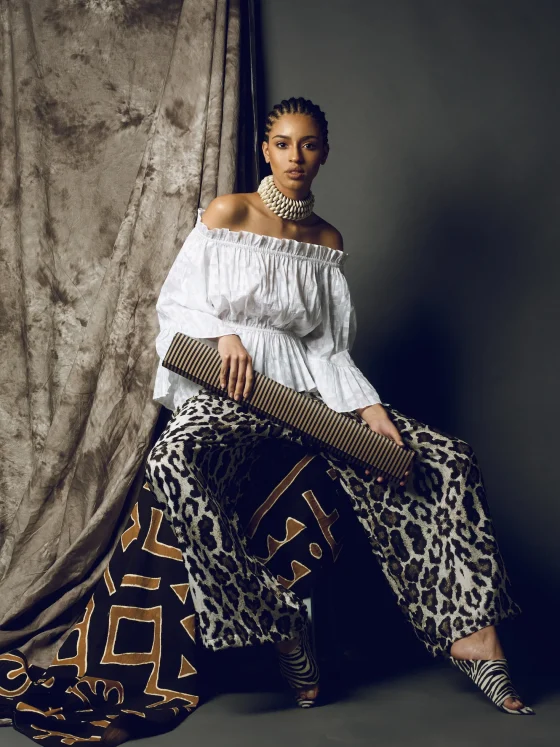
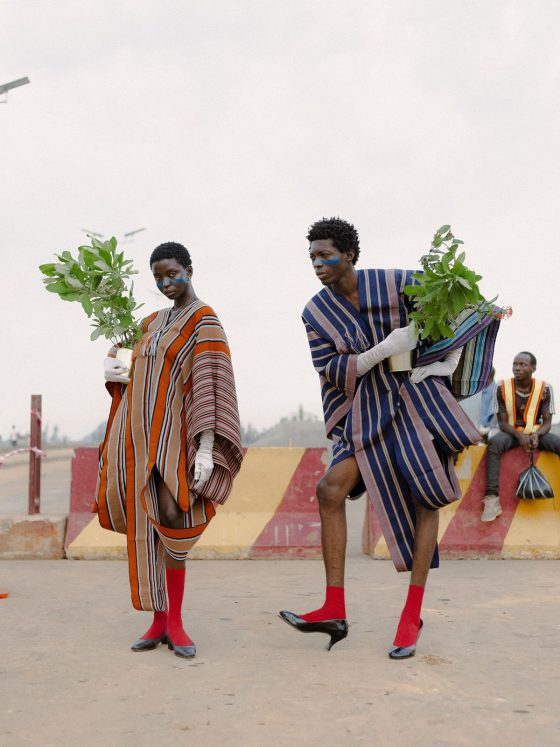
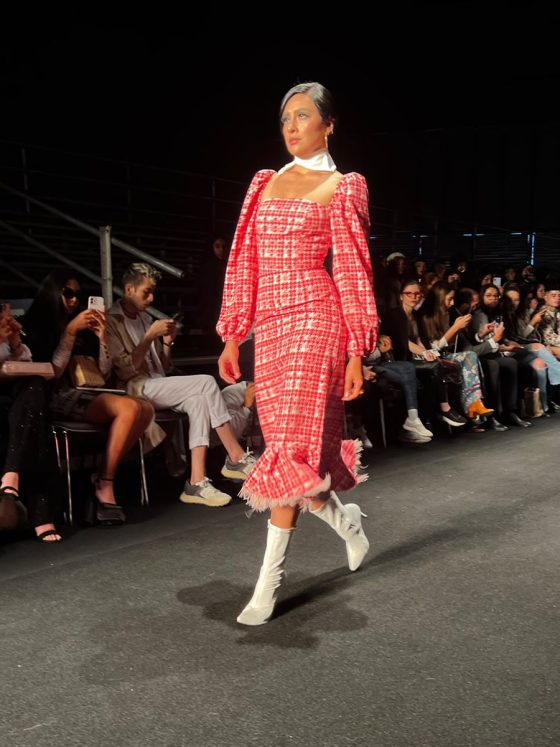
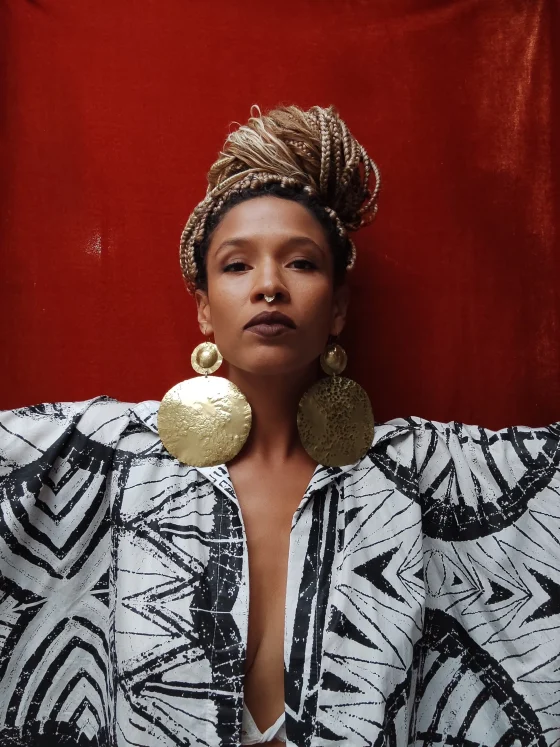
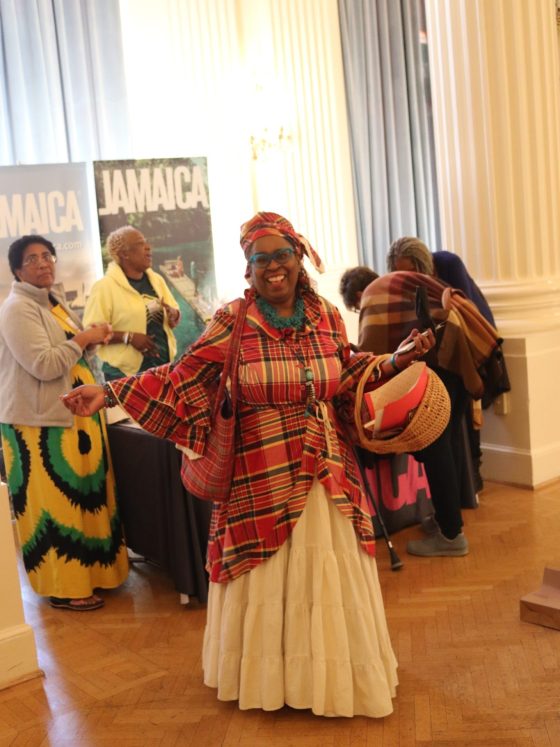
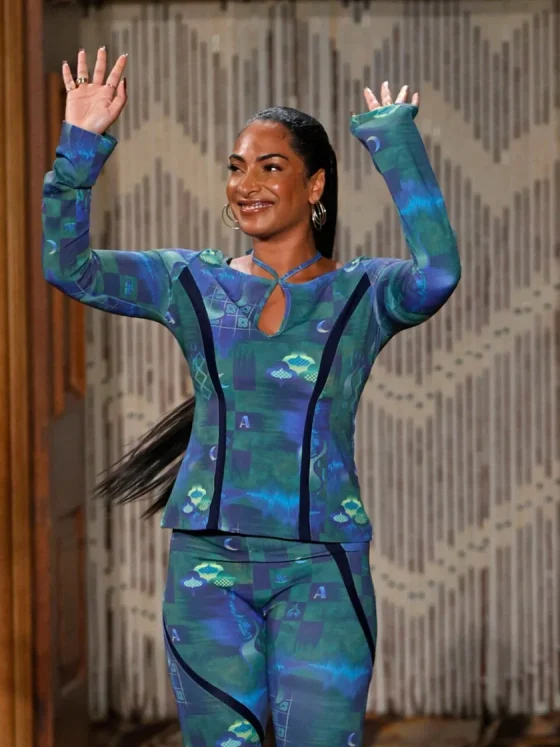
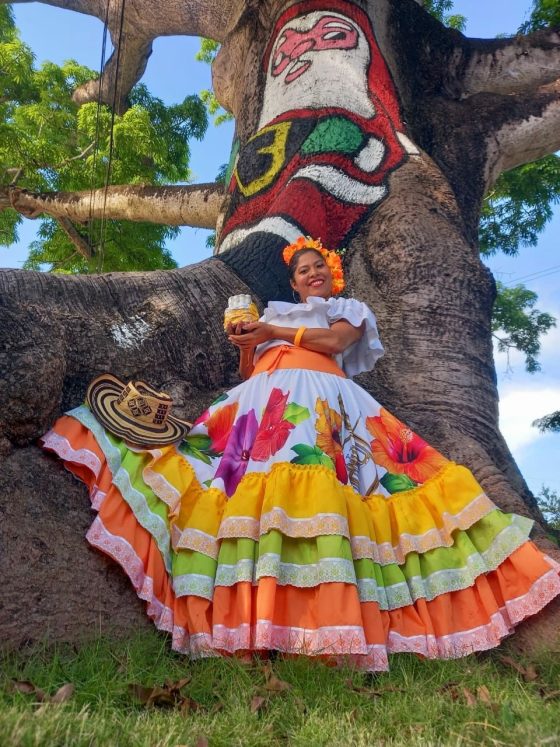
The African diaspora dresses itself. It does so with the full complexity of people who carry more than one history in their bodies, who grew up hearing two languages at the dinner table and navigating two dress codes at the school gate. What emerges from that experience is not a diluted version of something original. It is something new and entirely its own.
Walk through Peckham on a Saturday morning. Note the way a woman has tied her headwrap over a tailored blazer from a market stall on Rye Lane. Observe the young man in a perfectly fitted agbada and shoes, unmistakably London, moving between the two registers without breaking stride. Go to a Ghanaian naming ceremony in the Bronx and watch how three generations of the same family each arrive in something that communicates belonging to the family, the occasion, and the culture, without any of them wearing the same thing. This is not confusion. This is fluency.
What London’s African diaspora is doing with dress right now is one of the most interesting things happening in fashion anywhere in the world. It is not a derivative of what is happening in Lagos or Accra. It is in conversation with it. The tailor in Lewisham who trained in Kumasi and now makes suits for British professionals is not transplanting a tradition. He is extending it into new territory, answerable to both places at once.
This feature travels. It sits in on fittings in Brixton, market runs through Ridley Road, and WhatsApp groups where a woman in Lewisham is sending fabric swatches to her cousin in Abuja for approval. It talks to second-generation designers who have stopped explaining the references in their collections and started trusting that the people who need to understand them will.
London is not wearing Africa. It is wearing itself. And it is extraordinary.