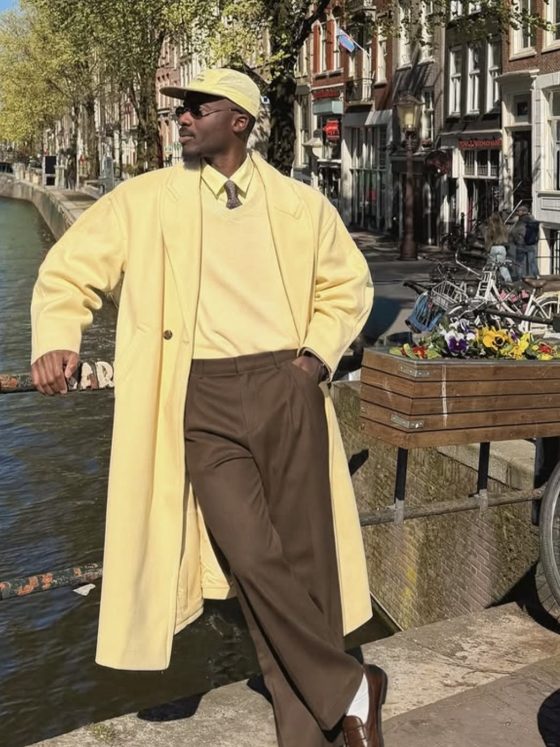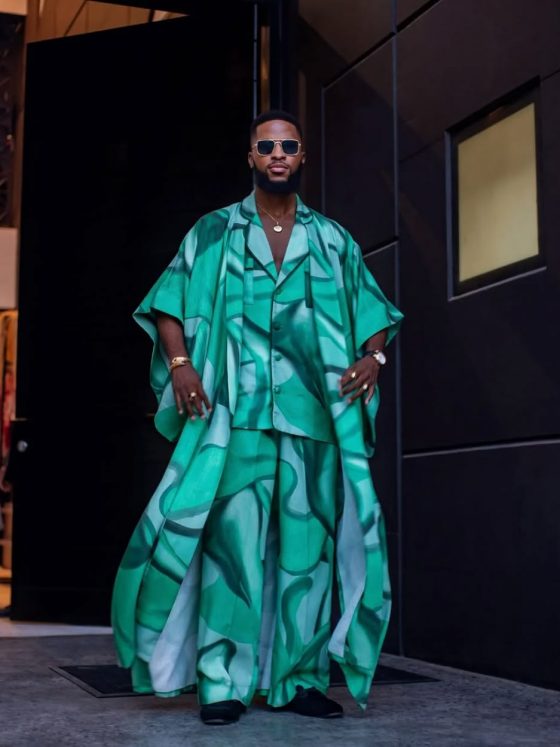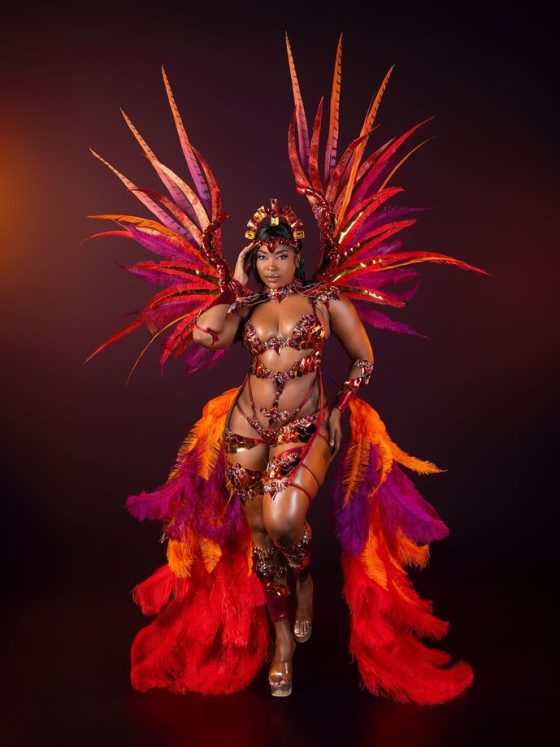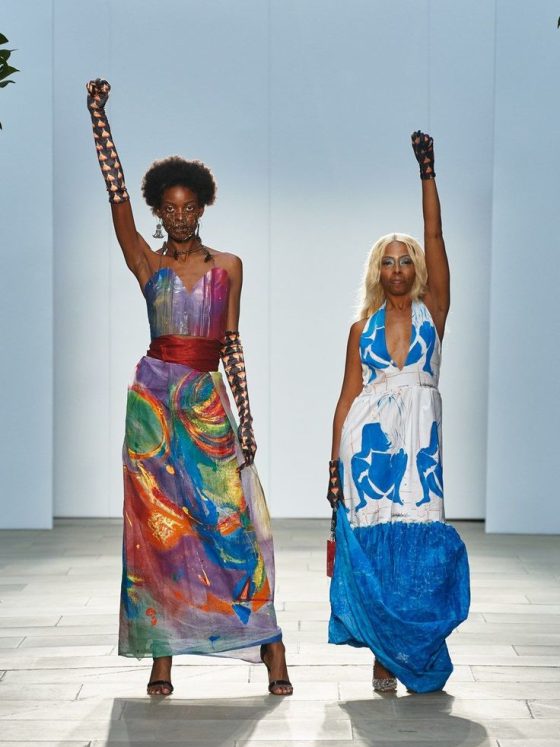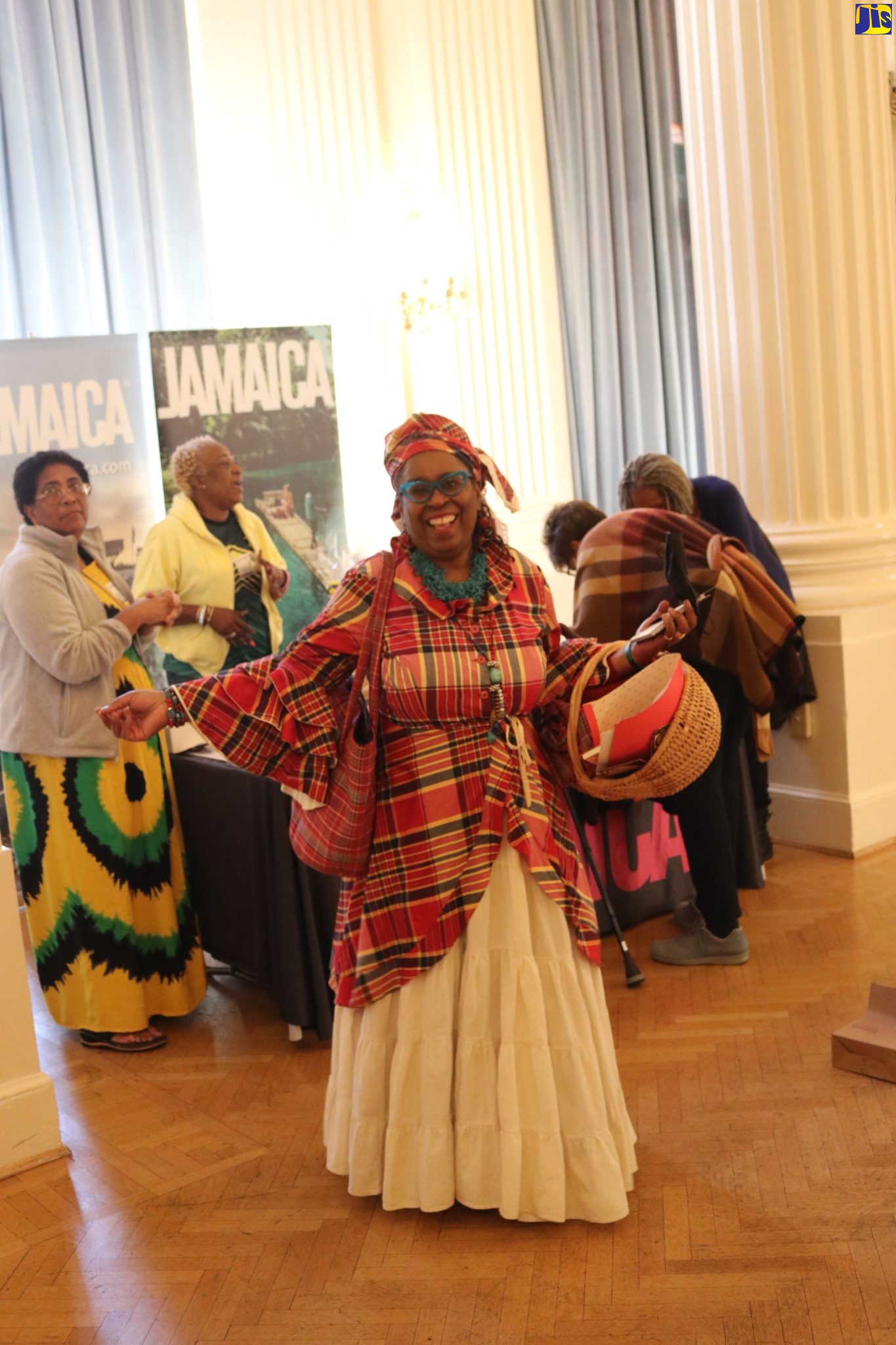
Every weekday morning in Kingston, hundreds of thousands of people make a professional dress decision.
The civil servant in New Kingston is choosing between a pressed trouser suit and a formal dress for a Ministry briefing. The bank officer on Knutsford Boulevard understands, without anyone having told them recently, that a clean shirt and a composed appearance are the baseline for being taken seriously in that building. The junior lawyer at a firm on Duke Street arrives in court-ready dress because the specific formality the context requires has been understood since the first day of the job. The designer at a creative agency in the industrial quarter who navigates the boundary between professional and expressive daily, calibrating what the morning’s client meeting requires relative to the afternoon’s internal review.
None of this is documented in global fashion media. Not because it is invisible to the people doing it, but because the institutions that produce global fashion documentation have not pointed their apparatus at Kingston’s working week.
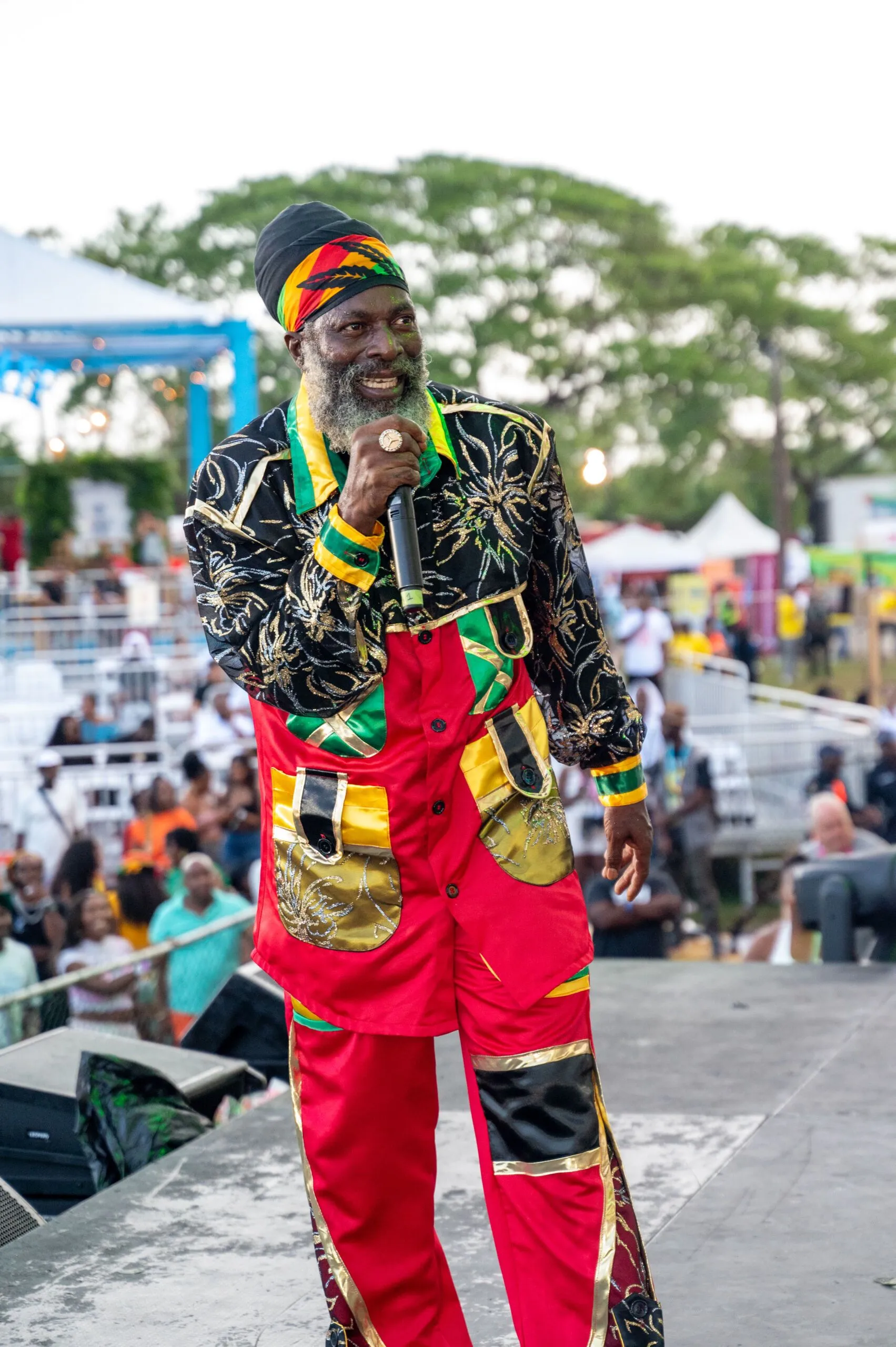
The global image of Jamaican style has long been dominated by Rastafarian symbolism, reggae iconography, and tourism marketing. Jamaican designers have had to work within and against those expectations at the same time. The result is a fashion industry where many creatives are not focused on making Jamaican fashion visible for the first time, but on expanding what people think Jamaican fashion can look like.
As Omiren Styles has documented in its analysis of Jamaican designers building a fashion identity on their own terms, the global reduction of Jamaican style to a narrow visual vocabulary – red, gold and green colour palettes, crochet textures, beachwear, reggae-associated imagery – is something Kingston’s designers have been working against for decades. Carl Williams became known for sharply tailored menswear and formal design work that drew on Jamaican presentation culture without resorting to costume-like references. His garments focused on structure, elegance and craftsmanship, positioning Jamaican design within luxury and occasion wear rather than novelty. That is the professional dress conversation Kingston was already having, internally, while global fashion was photographing the beach.
Kingston has a fully operational professional dress culture. Global fashion media has barely documented it. This is not because there is nothing to document. It is because the documentation infrastructure for Caribbean professional dress has not been built.
What Kingston’s Professional Dress Culture Actually Is
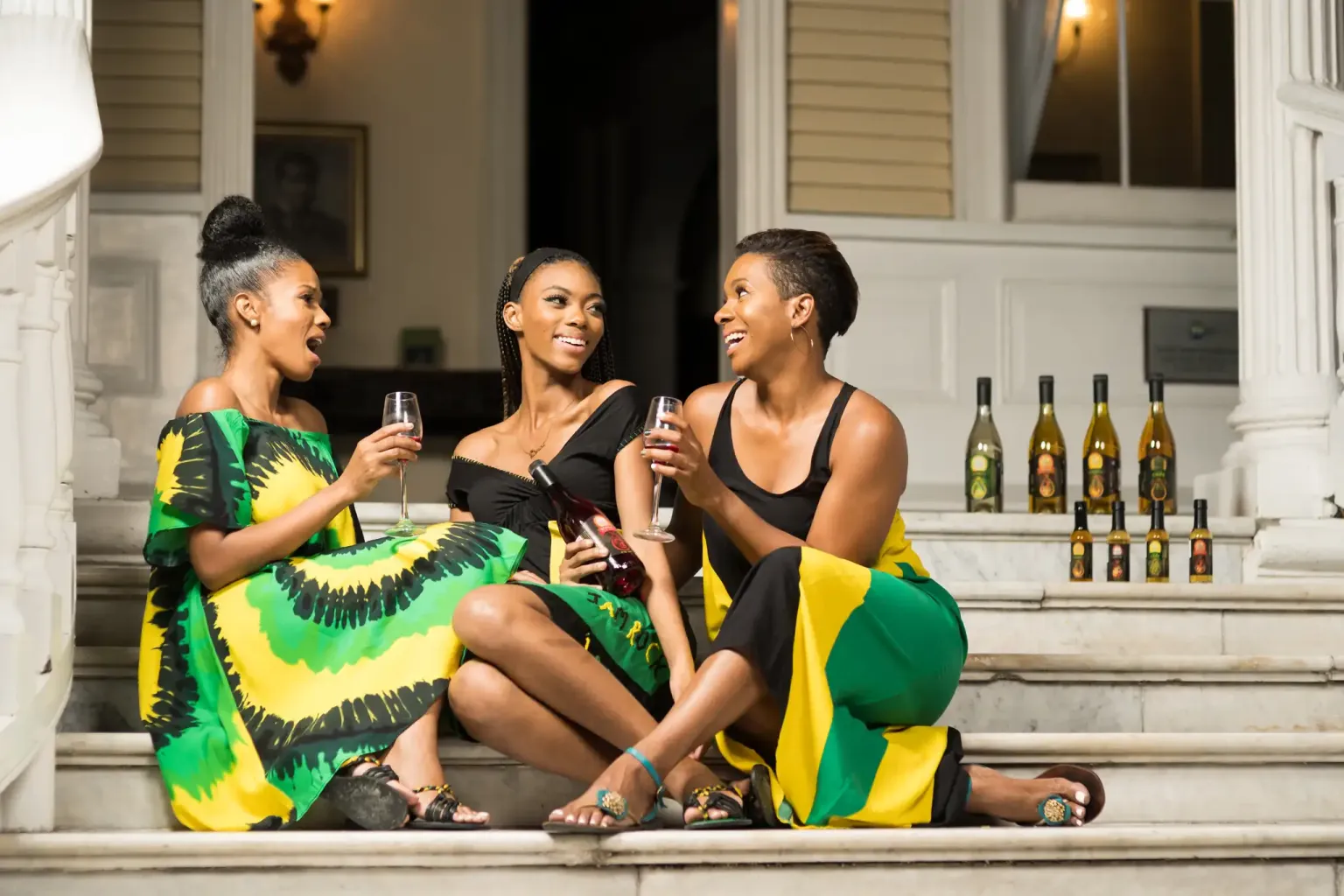
Kingston is the capital of a country whose workplace dress expectations are specific, serious and well understood by the people who operate within them.
The formal sector in Kingston – government ministries, financial institutions, legal chambers, corporate headquarters, the medical institutions clustered around the University of the West Indies, the logistics and port operations of one of the Caribbean’s busiest commercial centres – maintains dress standards as explicit as those of any comparably sized city in the English-speaking world. A shirt and tie for men in formal professional settings, business dress for women, a general expectation of composed appearance that people describe with the same phrase observers have used for generations: Jamaicans are sharp dressers. They dress very well, almost formally, for work.
That sharpness is not accidental and not simply a matter of individual personal preference. It is the expression of a professional culture in which appearance is understood as a signal about one’s relationship to the occasion. The Kingston professional who arrives at a client meeting in a well-pressed suit is not making a fashion statement. They are communicating readiness, seriousness, and respect for the meeting through a visual vocabulary that everyone else in the room is also reading. The communication system is fully functional. It simply has not been documented at the level of sophistication it represents.
The creative sector adds a second layer. Kingston’s advertising agencies, media companies, music industry operations, design studios and fashion businesses have developed a professional dress vocabulary that navigates the specific requirements of creative work: expressive enough to signal creative identity, composed enough to maintain professional credibility with clients whose expectations may be more conservative. This calibration is a daily practice, not a deliberate self-presentation project. It is how Kingston’s creative professionals dress for work. That practice is worth documenting.
The Global Reduction and What It Costs
The global reduction of Jamaican style to its expressions in tourism and music is not merely a media problem. It has commercial consequences for designers, retailers, and fashion businesses operating in Kingston’s professional dress market.
When global fashion media cover Jamaica, it typically follows one of two frames. The cultural frame documents reggae, dancehall and the Rastafarian aesthetic: rich, important and worth serious documentation on its own terms, but representing one strand of a much more complex island-wide dress culture. The tourism frame documents resort wear, swimwear and the beach-adjacent styling of the tourism industry: commercially significant for the sector it serves, but representing the dress needs of visitors rather than the working life of residents. Neither frame has produced sustained documentation of Kingston’s professional dress culture as a self-sufficient fashion ecosystem.
The commercial cost of this absence falls on Jamaican designers who work in the professional and formal wear categories. A Kingston-based designer producing tailored suiting, formal occasion wear, or workplace-appropriate contemporary clothing is operating in a market with real depth – Kingston’s formal sector is large enough, and its professional expectations high enough, to sustain a serious design practice in this category. What it lacks is the external documentation infrastructure that would make that practice visible to regional and international buyers, investors and press. Without that visibility, the commercial ceiling for Kingston’s professional fashion designers is lower than the local market would otherwise support.
As Omiren Styles has established in its analysis of why visibility is not market power for Caribbean and African fashion brands, the gap between being seen and being commercially viable is wide and specific. For Kingston’s professional fashion designers, the problem is not that the market does not exist. The problem is that the documentation infrastructure needed to translate a functioning local market into international buyer relationships, international press coverage, and international investment attention has not been built.
The Designers Working in Kingston’s Formal Register
Kingston has designers building serious practices in the formal and professional dress categories, and those practices deserve the same level of documentation that global fashion gives to formal wear designers in other cities.
Carl Williams built his reputation on sharply tailored menswear and formal design that drew on Jamaican presentation culture without the shorthand references that external markets expect. His approach – structure, elegance, craftsmanship – placed Jamaican design within the same framework of quality and intentionality that defines respected formal wear anywhere. That he built this practice in Kingston, for Kingston clients, without relocating to New York or London to access the documentation infrastructure of global fashion media, is evidence of a professional dress market substantial enough to sustain a serious design career.
Keneea Linton has developed a Caribbean luxury positioning that addresses the formal and occasion wear market from a different angle: the garment is produced with a level of craft and specificity that communicates its own authority rather than borrowing it from external fashion-capital validation. The made-to-order model that Linton and comparable Kingston designers work within is precisely the model that the professional dress market at the higher end requires: a garment built for a specific person, for a specific occasion, at a quality level that the industrial fashion market cannot replicate.
The Jamaica Business Development Corporation has documented that Jamaican fashion is a unique blend of cultural influences that has come together to form a distinct and dynamic style, one whose relationship to colour, craft and identity is rooted in a living cultural inheritance rather than in trend cycles. The JBDC’s engagement with the fashion industry as a development priority reflects an institutional recognition that Kingston’s fashion economy has depth, range and commercial potential that extends well beyond the categories global fashion media has been covering.
Kingston Creative and the Infrastructure Being Built
The documentation gap in Kingston’s professional fashion culture is being addressed, partially and incrementally, by the institutions that Kingston has built for itself.
Kingston Creative, the nonprofit arts organisation founded in February 2017, operates with the explicit vision that Kingston is a Creative City – not an aspiration but a documented fact whose infrastructure requires building and whose participants require support. Its Jamaica Creative and Cultural Industries Survey Report 2025 provides data on Kingston’s creative economy that global fashion media has not produced. The report covers the fashion sector alongside music, visual art, film, literature and design, mapping the creative economy that Kingston’s workers sustain daily.
Jamaica Fashion Week, organised by the Jamaica Fashion Council, has been developing the institutional infrastructure for formal runway presentation, buyer access and press coverage. Jamaica International Fashion Week positions itself as a gateway for cultural exchange, creative investment, export opportunities and sustainable industry development. These platforms are building the institutional framework that converts Kingston’s design talent into internationally legible fashion-industry infrastructure – the same function that Lagos Fashion Week has performed for Nigerian fashion over the past fifteen years.
The Kingston International Festival 2026, running from 6 to 13 December under the theme “Feel the Pulse of Kingston”, will transform galleries, studios and hotels across the city into sites for contemporary Jamaican creativity, bringing together visual art, fashion, film, literature and dance. The question the festival’s organisers are asking – whether Kingston can turn its creative energy into a sustainable creative economy and establish itself as the Caribbean’s creative capital – is the same question Kingston’s professional fashion designers have been answering with their daily practice for decades. The creative economy is already there. The documentation infrastructure is being built.
The Professional Dress Question as a Fashion Media Failure
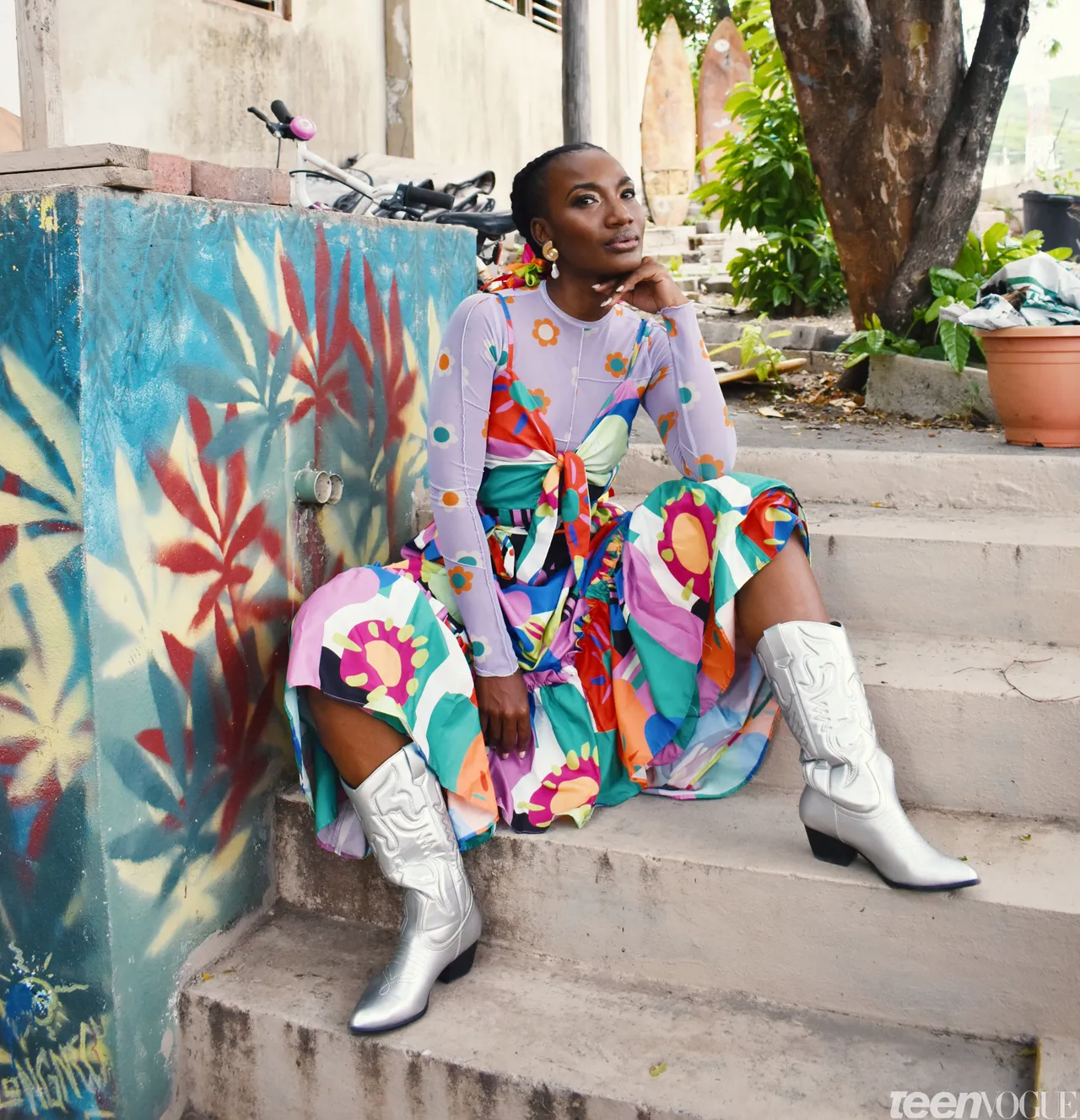
The absence of documentation of Kingston’s professional dress culture is primarily a failure of fashion media rather than a gap in Kingston’s fashion practice.
Fashion media, particularly the global English-language fashion press, has developed a specific set of categories through which it approaches Caribbean fashion: resort wear, swimwear, carnival costume, dancehall styling, and cultural-heritage pieces that appeal to diaspora audiences seeking a connection to island identity. All of these are real and worth documenting. None of them is the full picture of what Kingston’s working population wears to work.
The parallel with the Francophone West African fashion media gap is precise. Dakar, Abidjan and Bamako had been producing sophisticated fashion for decades before the English-language fashion press began to notice. Kingston has been producing a sophisticated professional dress culture for the same duration, and the English-language fashion press has been similarly slow to document it. In both cases, the absence of coverage does not reflect the quality or depth of what is happening in the city. It is a reflection of where global fashion media has chosen to point its apparatus.
The professional dress culture of a city is not a secondary fashion story. In terms of the number of people making daily dress decisions, it is the primary fashion story. More people in Kingston make a professional dress decision every weekday than attend any fashion week runway show in a year. The cumulative economic value of those decisions – the garments purchased, the tailors commissioned, the retailers serving the professional market, the designers producing for the formal and occasion wear categories – represents a fashion market of real scale. It simply lacks the documentation that would make that scale visible to external observers.
What Documentation Would Produce
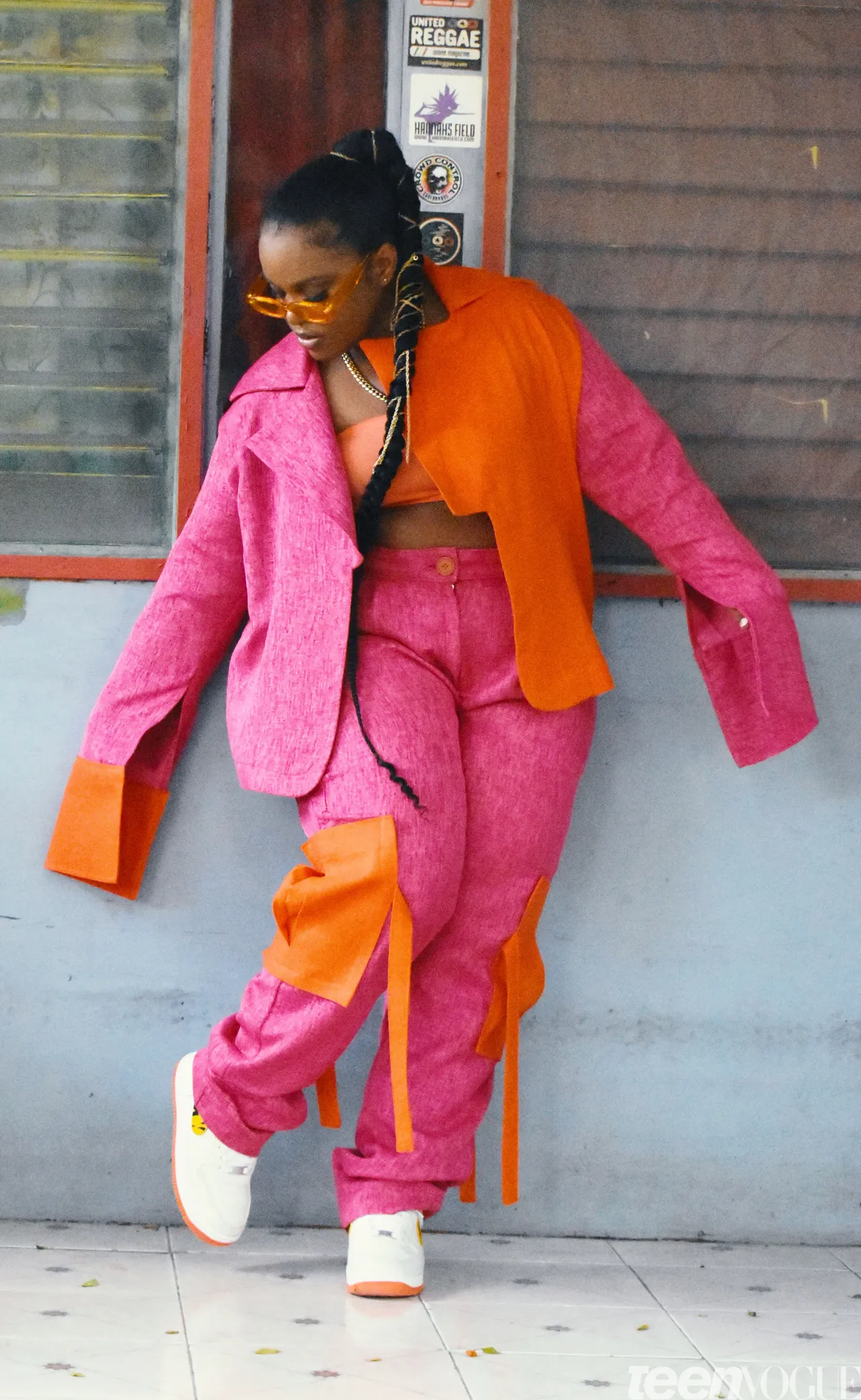
Documenting Kingston’s professional dress culture is not a heritage exercise or a sociological project. It is a commercial opportunity for designers, retailers, and fashion businesses operating in the category, and an editorial obligation for any fashion publication that claims to cover the Caribbean seriously.
The documentation that Kingston’s professional dress culture deserves should name the designers whose formal and occasion-wear practices serve the Kingston professional market. It would describe the specific dress expectations of Kingston’s main professional sectors – government, finance, law, medicine, and the creative industries- and the specific ways in which Jamaican professional dress culture navigates those expectations with a specificity and intentionality that generic business dress guides do not capture. It would cover the institutions – the Jamaica Business Development Corporation, Kingston Creative, Jamaica Fashion Week – that are building the commercial infrastructure around Kingston’s fashion economy. And it would treat Kingston’s professional dress culture as what it is: a fully operational fashion ecosystem whose daily practice is as worthy of serious documentation as any fashion week runway.
As Omiren Styles has established, in its analysis of who decides what looks professional across Caribbean and African cities, what looks unprofessional to a system built around a European suit is often simply the professional vocabulary of a different city. Kingston’s professional dress culture is not unprofessional. It is Kingston professional – built from the city’s specific social expectations, climate conditions, economic structure and cultural inheritance, and worn daily by hundreds of thousands of people who understand its vocabulary without needing it to be documented for them. The documentation is for everyone else. It is overdue.
The Omiren Argument
Kingston dresses for work every day. It always has. The working population of Jamaica’s capital applies the same morning intelligence – what does this occasion require? – that professionals in London, Lagos and Nairobi apply, within a specific social and cultural context that is as sophisticated as any of those cities’.
The global fashion media gap around Kingston’s professional dress culture is not a reflection of absence. It is a reflection of the direction global fashion media has chosen to look. The beach, the dancehall, the tourist resort, the reggae-associated imagery that plays well in international markets: these are real, and some of them deserve more serious documentation than they receive. They are not the whole story of how Kingston dresses.
The whole story includes the civil servant who has thought carefully about what the morning’s Ministry meeting requires and dressed for it with precision. The bank officer understands that the building’s dress code signals the institution’s relationship with the people it serves. The designer who produces formal and occasion wear for Kingston clients whose requirements are as sophisticated as those of clients in any other city. The tailor who has been dressing Kingston’s professional class for a generation and whose knowledge of what the city’s different professional contexts require is more granular than any dress code guide.
As Omiren Styles has argued throughout this series, the Global South made fashion and never got credit. Kingston’s version of that argument is specific: a professional dress culture of real depth and sophistication has been operating daily, serving hundreds of thousands of people, sustaining a fashion market of real commercial scale, while the global fashion media, whose job it is to document these things, has been looking elsewhere. Kingston has not been waiting for the documentation to validate what it was doing. It would benefit, commercially and institutionally, from producing documentation. The case for producing it is not that Kingston needs to be discovered. It is that fashion media has an obligation to look at what is already there.
ALSO READ
- Jamaican Designers Building a Fashion Identity on Their Own Terms
- Who Decides What Looks Professional? Traditional Dress and Workplace Policy Across African and Diaspora Cities
- Dakar Was Not Waiting to Be Discovered: Francophone West African Fashion and the English-Language Media Gap
- Visibility Is Not Market Power: Why Global Attention Still Fails Independent African Fashion Brands
Frequently Asked Questions
What is Kingston’s professional dress culture, and why is it not covered in global fashion media?
As Omiren Styles has documented in its analysis of Jamaican fashion designers building their own identity, Kingston’s fashion industry is not organised around a single aesthetic movement but is built through multiple creative approaches operating under uneven conditions. The global image of Jamaican style has been dominated by reggae iconography, tourism marketing and dancehall aesthetics, none of which captures the formal professional dress culture that Kingston’s working population navigates daily. The absence of global coverage does not reflect the absence of a professional dress culture. Kingston maintains formal dress standards in its government ministries, financial institutions, legal chambers and corporate offices that are as specific and well understood as those of any comparably sized English-speaking city. The documentation gap is a function of where global fashion media has chosen to look, not a reflection of what is happening in the city.
Which Kingston designers work in the formal and professional dress category?
Carl Williams built his reputation on sharply tailored menswear and formal design that drew on Jamaican presentation culture without the reggae or tourism shorthand that external markets typically expect. His garments focused on structure, elegance and craftsmanship, positioning Jamaican design within luxury and occasion wear rather than novelty. Keneea Linton has developed a Caribbean luxury positioning that addresses formal and occasion wear through a made-to-order model at a level of craft that communicates its own authority. These designers are serving a Kingston professional market with real depth – the city’s formal sector is large enough, and its professional dress expectations high enough, to sustain serious design practices in this category.
What institutions are building Kingston’s fashion economy?
Kingston Creative, the nonprofit arts organisation founded in February 2017, operates with the vision that Kingston is a Creative City and has produced the Jamaica Creative and Cultural Industries Survey Report 2025, which documents creative economy data that global fashion media has not captured. The Jamaica Business Development Corporation provides business development support to Jamaican fashion designers and has documented the fashion sector as a development priority. Jamaica Fashion Week, organised by the Jamaica Fashion Council, provides runway, buyer and press infrastructure for Jamaican designers. The Kingston International Festival, running 6 to 13 December 2026 under the theme “Feel the Pulse of Kingston”, brings together fashion, visual art, film, literature and design across the city.
How does the global media gap around Kingston compare with that around other cities in the Global South?
The parallel with the Francophone West African fashion media gap is precise. Dakar, Abidjan and Bamako produced sophisticated fashion industries for decades before the English-language fashion press began to document them. The absence of coverage reflected the direction of global fashion media’s attention, not the depth of what those cities were producing. Kingston’s professional dress culture presents the same dynamic: a fully operational fashion ecosystem that has been in daily practice for generations, documented internally and understood by its participants, but absent from the external documentation infrastructure that would make it legible to international buyers, investors, and the press. The commercial consequences of that absence – a lower ceiling for Kingston’s formal fashion designers, less attention from regional and international buyers, limited investment visibility – are the same consequences that Francophone West African cities have experienced and that their fashion weeks have been working to address.
What would serious documentation of Kingston’s professional dress culture include?
Serious documentation would name the designers whose formal and occasion-wear practices serve the Kingston professional market and describe their work at the level of craft, commercial positioning, and cultural specificity that their practice represents. It would cover the specific dress expectations of Kingston’s main professional sectors – government, finance, law, medicine, and creative industries – and how Jamaican professional dress culture navigates those expectations with intentionality and specificity. It would document the institutions building Kingston’s fashion economy, including Kingston Creative, the Jamaica Business Development Corporation and Jamaica Fashion Week. And it would treat Kingston’s professional dress culture as a fully operational fashion ecosystem whose daily practice is as worthy of serious documentation as any fashion week runway in any other city.
EXPLORE MORE
Read the full Fashion and Fashion Cities sections at Omiren Styles for ongoing documentation of Caribbean professional dress culture, fashion economies, and the cities that global fashion media has not yet examined closely enough. Discover travel and heritage intelligence across Jamaica and the Caribbean at Rex Clarke Adventures.