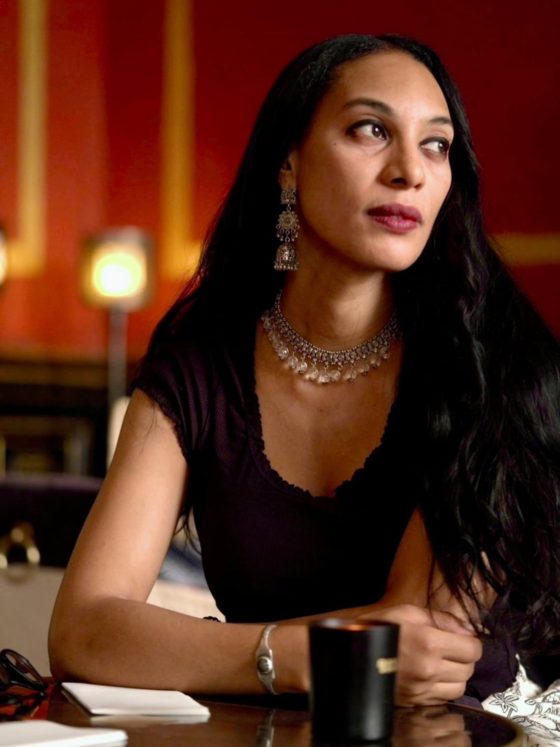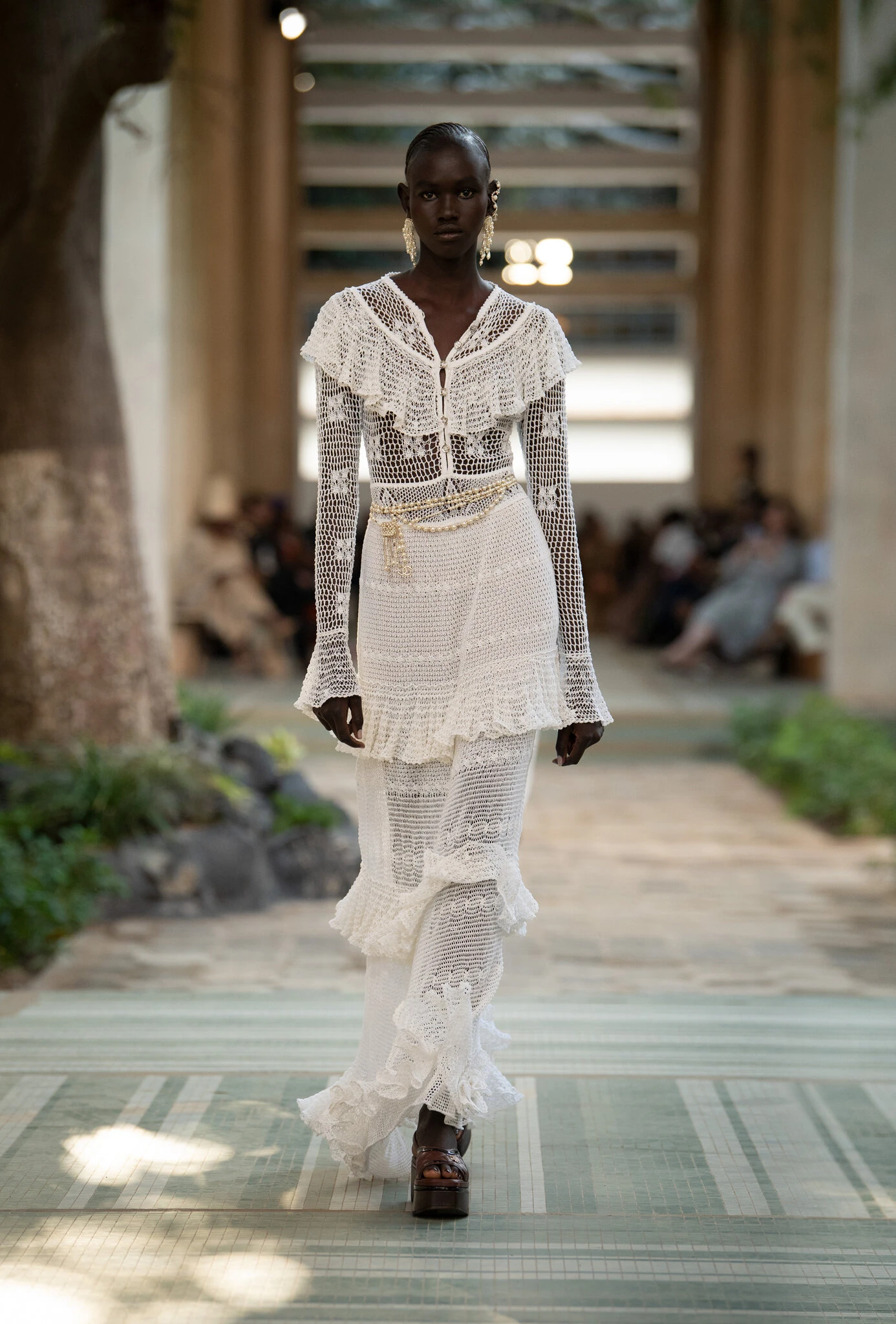
In December 2025, Adama Amanda Ndiaye staged the 23rd edition of Dakar Fashion Week on fishing boats in the Atlantic Ocean.
Models steadied themselves on ropes as the waves moved under the boats. Designers from Senegal, Ghana, Congo, Morocco and Côte d’Ivoire presented their collections with the Atlantic horizon behind them. The event was the 23rd edition of a fashion week that Adama Paris — as Ndiaye is known by her brand name — founded in 2001 or 2002, depending on the source. Either way, she has been running Africa’s longest-running fashion week for nearly a quarter of a century. The 25th edition is planned for Gorée Island in December 2026: the site of the Door of No Return, chosen deliberately as a reclamation of space.
None of this is new. That is the argument.
When English-language fashion media writes about “discovering” Dakar, it is not describing something that Dakar became. It is describing something that English-language fashion media started paying attention to. Those are not the same event. Dakar has been producing fashion of international standard for twenty-five years. The discovery happened in the media, not in the city.
The same is true of Abidjan, where designers including Loza Maleombho, LaFalaise Dion and Ibrahim Fernandez have been building international careers from Côte d’Ivoire without relocating, creating work that reaches Beyoncé’s stylist on Instagram and ends up in a music video seen by seventy million people. Of Bamako, whose textile and design traditions feed into a regional fashion ecosystem that French-language fashion media has consistently documented. Of Lomé. Of Conakry. Of the thirty or so fashion week platforms that now operate across the African continent, most of which have never been mentioned in a single major English-language fashion publication. As Omiren Styles has established, in its analysis of Ivorian designers taking African fashion to the global stage, Ivorian designers who build international visibility operate from Abidjan as a professional base rather than as a stepping stone toward relocation abroad. They have developed local systems of production and presentation that allow them to reach international audiences while maintaining strong roots in Côte d’Ivoire. That model challenges the assumption that credible global success depends on leaving the country. English-language fashion media has rarely noticed this because the work of noticing requires reading French.
Dakar, Abidjan, Bamako and Lomé have been producing sophisticated fashion industries for decades. The English-language fashion media has not been covering them. This is not a discovery gap. It is a structural bias with a name.
What the Language Gap Actually Is
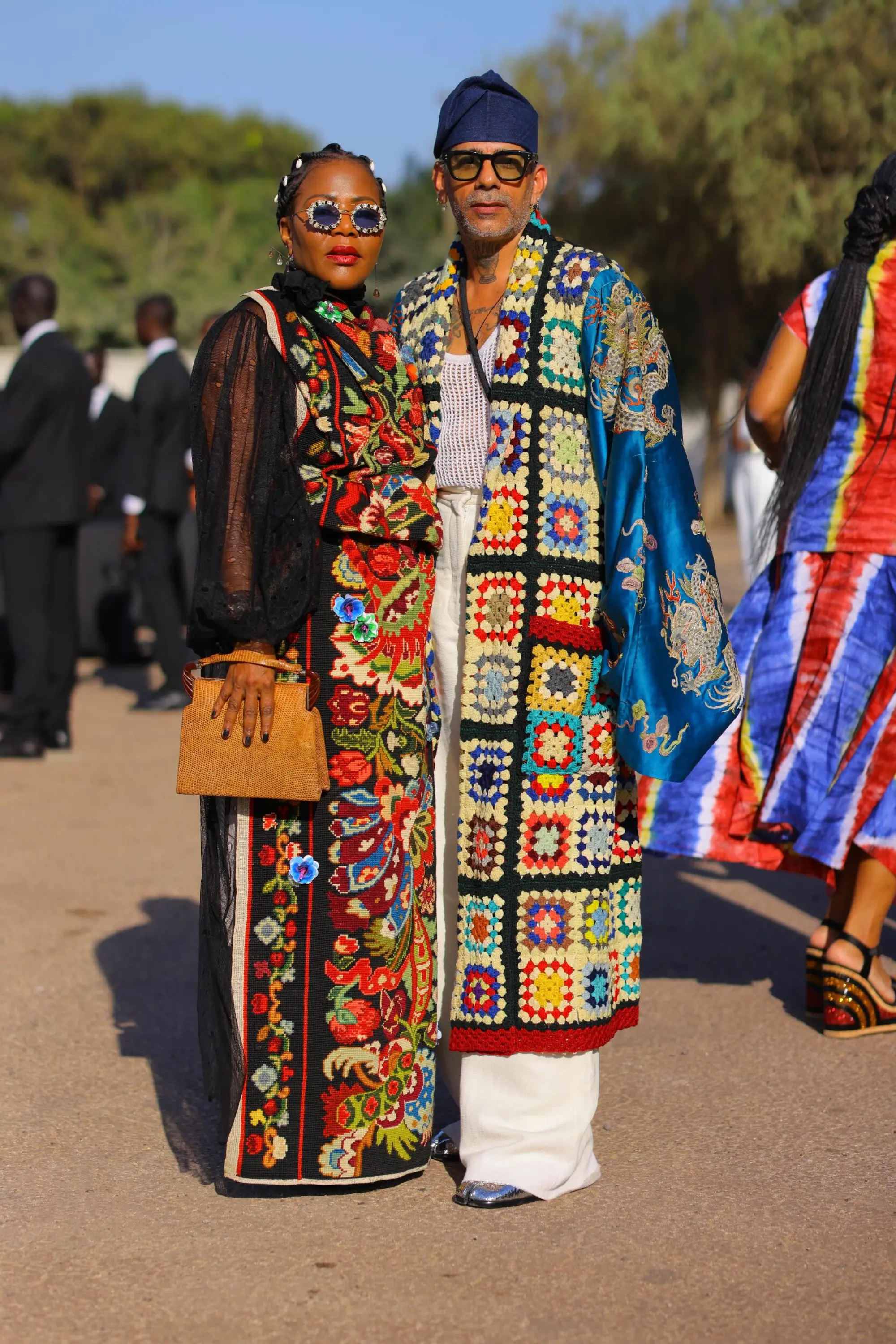
The English-language fashion media’s structural bias toward Anglophone African cities — Lagos, Nairobi, Accra, Johannesburg — is not primarily a prejudice against Francophone West Africa. It is a consequence of the language in which global fashion journalism is conducted.
English is the working language of the major international fashion publications, from the American Vogue titles through Business of Fashion to WWD, Hypebeast and the network of fashion blogs and newsletter platforms that have expanded the English-language fashion discourse since 2010. These publications employ writers who read English. Their editorial teams read English. Their sources and contacts are predominantly Anglophone. The fashion weeks they cover in depth are those where press materials, interviews, show notes and designer communications are issued in English.
Dakar Fashion Week operates predominantly in French. Abidjan’s fashion industry operates in French. The publication of record for Francophone West African fashion is not Vogue but Amina, the Cameroonian women’s magazine founded in 1972 that has been covering African fashion in French for over fifty years. The coverage infrastructure for Francophone West African fashion is extensive and serious. It is simply not in a language that most English-language fashion journalists are reading.
The consequence is an asymmetry in the global fashion record that consistently disadvantages Francophone West African designers when they seek international buyer relationships, international press coverage or international investor attention. The infrastructure of global fashion commerce — the trade fairs, the wholesale platforms, the international press accreditation systems- is predominantly English-language. A Dakar designer who does not operate in English is presenting to a global market whose primary access points were not built with their language in mind.
This is not an accident of geography or capacity. Francophone West Africa has the fashion infrastructure: the ateliers, the designers, the fashion weeks, the textile traditions and the editorial culture. What it lacks is not the substance of a fashion industry. What it lacks is the translation infrastructure that would make that substance legible to the English-language market that controls the majority of global fashion commerce.
Dakar Fashion Week at Twenty-Five
Dakar Fashion Week, founded by Adama Paris in 2001, is Africa’s longest-running fashion week and one of its most ambitious. It was founded with a specific purpose: to create a platform through which African designers could present their work to buyers, media and fashion enthusiasts in an African city rather than only at European fashion weeks. That purpose has not changed across twenty-five editions. What has changed is the scale, the ambition and the sophistication of what the week produces.
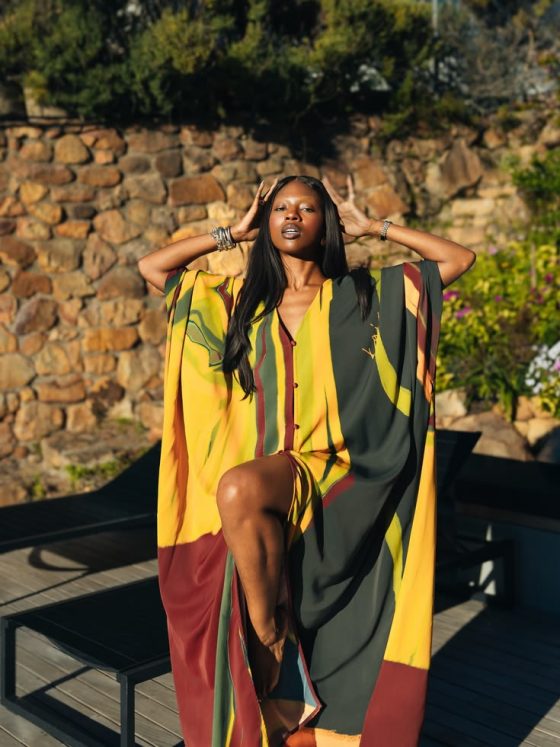
The 23rd edition, held in December 2025, featured approximately thirty designers from Senegal, Ghana, Congo, Morocco and Côte d’Ivoire presenting collections that one observer described as showing creative maturity. Having moved beyond cultural assertion and early experimental hybridisation, designers delivered more personal visions. The collections reflect a deep engagement with cut, volume, storytelling and responsibility. Tetatou, the brand of Fatou G. Ndiaye, opened the event with structured jackets, fine embroidery and reimagined boubous, creating an elegant, controlled wardrobe designed to circulate between Dakar and international markets.
The 25th edition planned for December 2026 on Gorée Island is not simply a milestone celebration. It is a deliberate political statement. Gorée Island is known across the world as a symbol of one of history’s most consequential atrocities, the departure point of millions of enslaved Africans taken across the Atlantic. To bring a celebration of Black creativity, unity and beauty to Gorée is to reclaim space. To stage a fashion week on the site of the Door of No Return and to show collections that carry African design intelligence on that ground is to make an argument about what Africa produces and for whom. It is an argument that twenty-five years of Dakar Fashion Week has been building toward.
As Omiren Styles has documented, in its analysis of the future of fashion in Senegal, the Senegalese tailoring culture’s highly skilled artisans and pattern makers produce garments with a precision and durability that industrial fashion cannot replicate. The fashion week is the institutional expression of a craft economy and design culture that exists independently of any press coverage it receives or does not receive. Dakar’s fashion industry did not need to be discovered to exist. It needed the English-language press to do the work of understanding what was already there.
Abidjan and What Has Been Built There
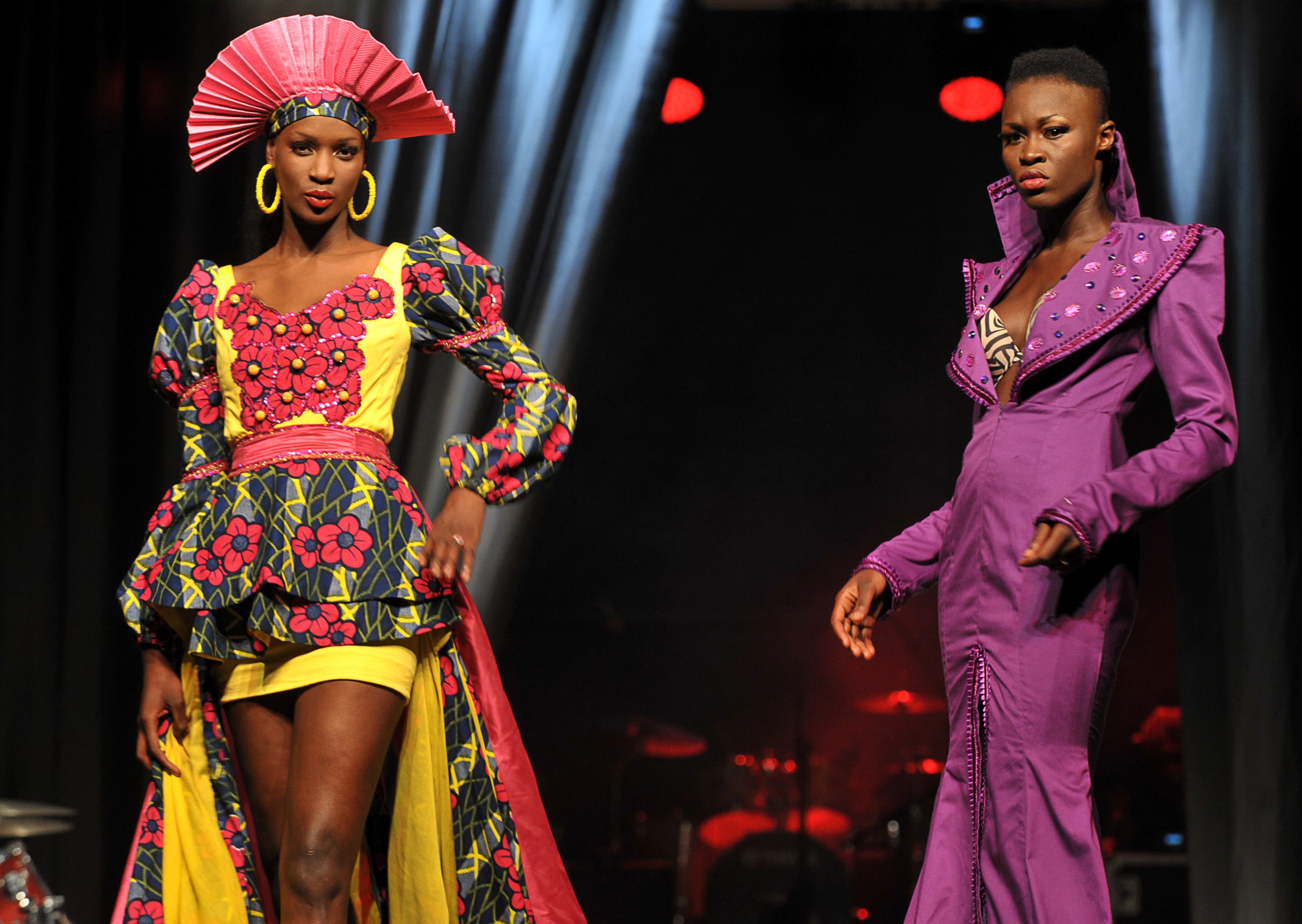
Abidjan is Francophone West Africa’s economic hub, a city of more than five million people that has been quietly developing one of the continent’s most commercially sophisticated fashion industries for two decades.
Loza Maleombho has been designing from Abidjan since launching her label. Beyoncé’s stylist found her work on Instagram and, after years of back-and-forth, in 2020 Beyoncé wore Maleombho’s black-and-white print jacket with gold Baoulé mask clasps in the “Already” music video — seventy million YouTube views. The Baoulé mask clasp is a specific reference to the Baoulé people of central Côte d’Ivoire, whose bronze-casting and mask traditions are among the most significant in West African art history. The clasp is not a decorative African reference. It is a specific cultural object whose meaning is specific to a specific community. The jacket is not African-inspired fashion. It is Ivorian fashion with a precise cultural reference embedded in its construction. That distinction is what English-language fashion coverage consistently fails to make.
LaFalaise Dion, who began her career as content manager at ELLE Côte d’Ivoire before building her own practice, has made the cowrie shell the central material and symbolic vocabulary of her work. In May 2026, she and Ibrahim Fernandez together dressed Aya Nakamura — the Malian-born singer who is the world’s most-streamed Francophone artist — in a sparkling dress adorned with cowrie shells, pearls and gemstones for a concert at the Stade de France for more than 70,000 people. Nakamura had already appeared in the Paris Olympics opening ceremony in 2024. The designer who dressed her for the Stade de France concert was based in Abidjan. The English-language fashion press did not appear to notice.
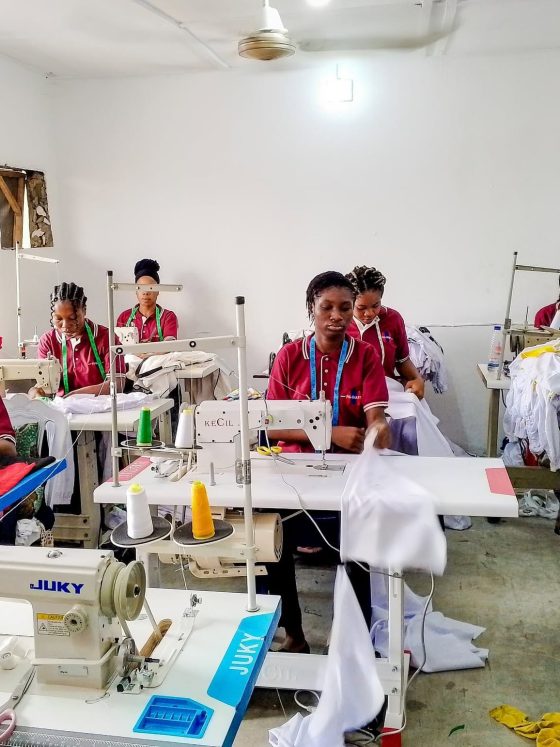
Ibrahim Fernandez, who organises Abidjan Fashion Week, shows at Paris and New York Fashion Weeks but has never left his home base in Côte d’Ivoire permanently. “My aim,” he has said, “is to contribute to developing the industry here.” That commitment — to build in Abidjan rather than to use Abidjan as a launching platform for relocation — is shared across the city’s most significant designers. As Omiren Styles has established, in its analysis of Ivorian designers building global visibility, this grounded model challenges the assumption that credible global success in African fashion depends on leaving the country of origin. Fashion in Abidjan functions through organised workshops, artisan networks and recurring platforms that support both local demand and selective global exposure. The industry does not need to relocate to London or Paris to be serious. It is already serious in Abidjan.
The Anglophone Bias and Its Consequences
The English-language fashion media’s coverage of African fashion has been almost entirely Anglophone in its geography. Lagos, Nairobi, Accra and Johannesburg appear regularly. Dakar, Abidjan, Bamako and Lomé appear occasionally, and usually in the context of what English-language journalists frame as discovery: we have found this city, these designers, this scene.
The discovery framing has two structural problems. The first is factual: the thing being discovered was not newly created. Dakar Fashion Week is twenty-five years old. Abidjan’s fashion industry has been building for two decades. Amina magazine has been covering Francophone African fashion for over fifty years. The discovery is a function of the discoverer’s attention, not the subject’s emergence. To describe Dakar as an emerging fashion city in 2026 is to describe something that was fully formed before the English-language press began to notice it.
The second problem is commercial. The discovery framing positions English-language fashion media as the institution that confers legitimacy on what it covers. A city or designer becomes important when the international press describes them as important. That framing inverts the actual relationship between cultural production and its documentation: the designers building careers in Dakar and Abidjan are not waiting for English-language validation. They are building businesses, developing commercial relationships, creating institutional platforms and producing fashion of international standard for local and regional audiences who do not read English-language fashion press.
Omiren Styles has established, in its analysis of Nairobi street style as a local fashion economy rather than an Afro-chic export, that the habit of extracting the visual surface of an African city’s fashion culture without engaging with the economic or social system that produced it leaves the documentation incomplete and the community undervalued. The same principle applies to the English-language media’s relationship with Francophone West African fashion. A feature about Dakar Fashion Week that photographs the boats and the silhouettes and the Atlantic backdrop but does not name the artisans, the supply chains, the commercial structures, or the twenty-five years of institutional building that made the event possible has not documented the industry. It has extracted an image.
The Textile and Cultural Heritage That Predates the Coverage
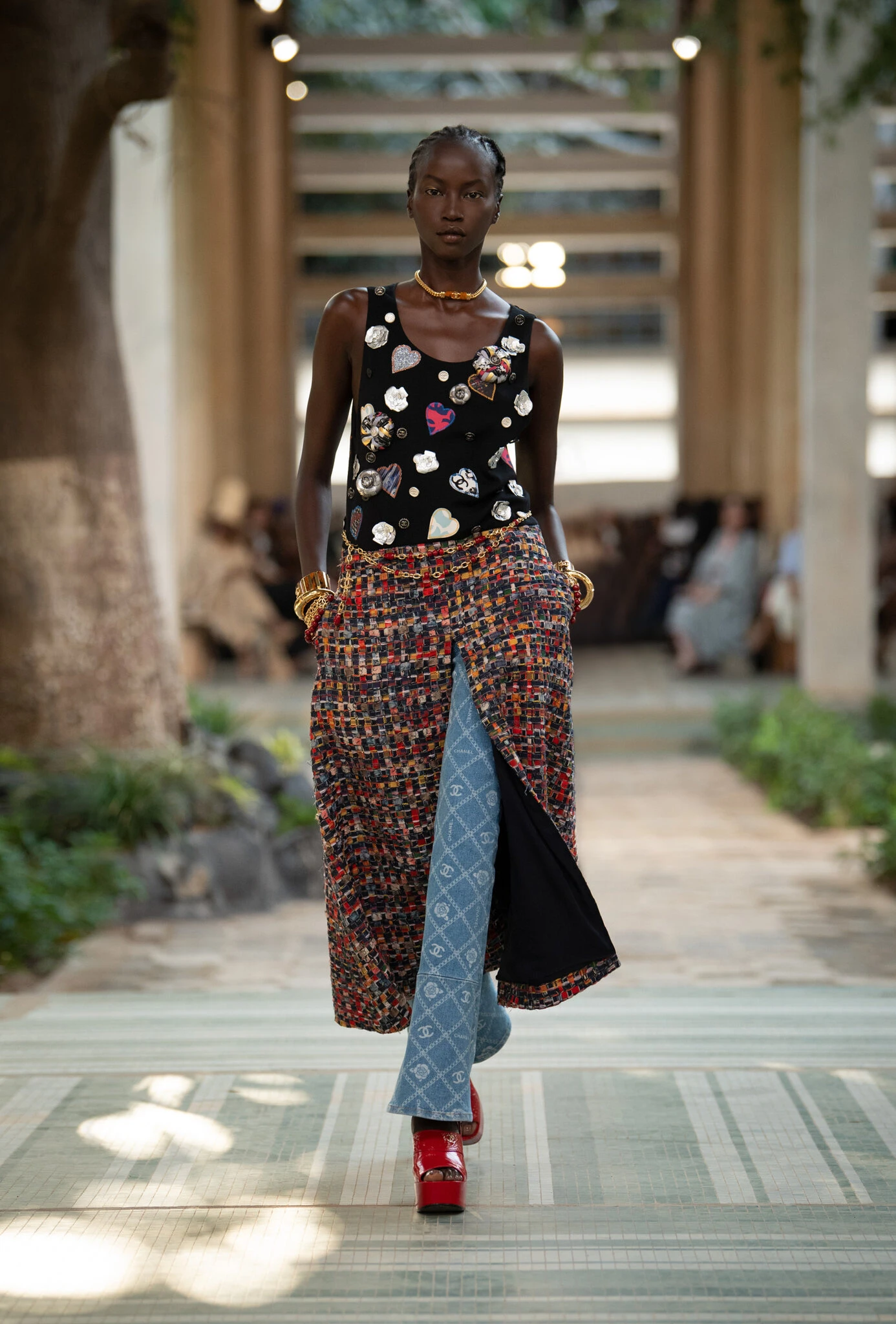
The fashion industries of Dakar and Abidjan are not operating in a cultural vacuum. They are drawing on textile and craft traditions whose depth and sophistication predate the English-language fashion media by centuries.
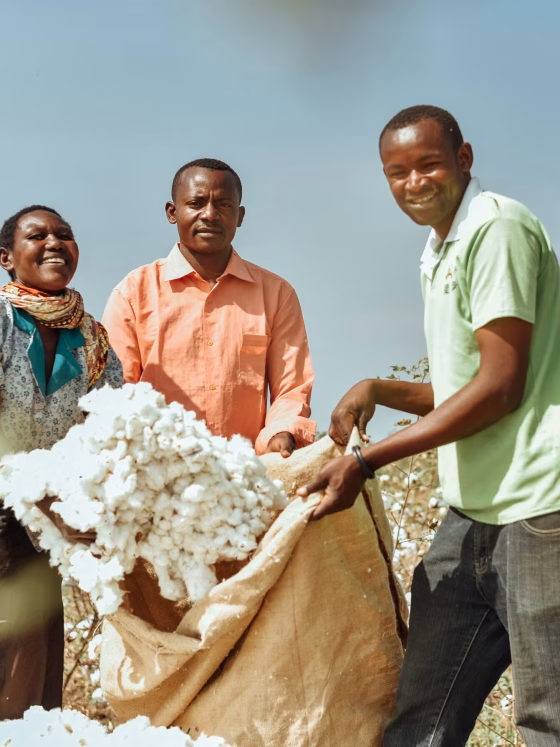
Senegal’s textile tradition, the bazin riche weaving culture, the indigo dyeing practices, the boubou tailoring tradition whose specific embroidery vocabulary communicates social position and occasion formality to a Wolof audience, provides the material foundation for a fashion industry that does not need to borrow its authority from European fashion history. The authority is already there. Dakar Fashion Week is the commercial and institutional expression of a design tradition rooted in this material culture, translated into a format that international buyers can engage with through the fashion week calendar.
As Omiren Styles has established in its analysis of the grand boubou as West Africa’s most prestigious garment, the boubou announced respectability, wisdom and belonging without words for centuries before any international fashion week existed. The designers at Dakar Fashion Week working with boubou forms are not introducing African culture to fashion. They are translating a fully formed prestige system into a format that an international buyer can place an order through. The translation is the designers’ commercial work. The cultural authority predates it entirely.
Côte d’Ivoire’s contribution to the regional design ecosystem is equally rooted. The Baoulé bronze-casting tradition that Loza Maleombho references in her clasp work. The cowrie shell system that LaFalaise Dion has built her entire practice around — a material whose use as currency and spiritual object across West Africa across millennia gives her design language a depth that no trend cycle can replicate. The kente and bogolan traditions feed into the work of Ivorian designers, including Aristide Loua of Kente Gentlemen, who works directly with weavers in Côte d’Ivoire’s villages. This is not heritage fashion in the sense of retrospective cultural tourism. It is contemporary design practice drawing on a living tradition.
What Better Coverage Would Require
The English-language media gap in Francophone West African fashion coverage is not going to close through goodwill or occasional features. It requires structural changes in how English-language fashion media is produced.
The first requirement is language capacity. Fashion journalists who cannot read French cannot report on industries that operate in French. This is not a reflection of the quality of Francophone West African fashion. It is a reflection of the language capacity of the English-language press. Publications that want to cover Dakar and Abidjan seriously need to either employ journalists who can read and report in French or establish long-term relationships with French-language journalists whose work is translated rather than rewritten in a way that removes the cultural context the original reporting carried.
The second requirement is source relationships. Fashion coverage depends on access: to designers, to shows, to ateliers, to the people whose work is being covered. Access is built through relationships. Relationships take time. The English-language fashion journalists who have built the deepest relationships with Francophone West African fashion have typically done so over years of repeated visits, commissioned work that brought them to Dakar and Abidjan outside the fashion week calendar and genuine investment in learning the commercial and cultural context of the industries they were covering. Parachute journalism — arriving for a fashion week and writing from the press gallery — produces discovery coverage. It does not produce the sustained engagement that would allow English-language readers to understand Francophone West African fashion as an industry rather than as a spectacle.
The third requirement is abandoning the discovery frame. Dakar was not waiting to be discovered. Abidjan was not waiting to be discovered. The English-language press was not present. That is a different story, and it requires a different kind of opening sentence than the one most Francophone West African fashion features currently deploy.
The Omiren Argument
The fashion industries of Dakar, Abidjan, Bamako and Lomé are not emerging. They have emerged. They built their institutions, design practices, craft economies, and commercial networks over decades, while the English-language fashion press covered other cities.
Adama Paris has been running Africa’s longest fashion week for twenty-five years. Loza Maleombho’s work has been seen by seventy million people on YouTube. LaFalaise Dion dressed Aya Nakamura — the world’s most-streamed Francophone artist- for a concert at the Stade de France. Ibrahim Fernandez shows at Paris Fashion Week without ever leaving Abidjan permanently. Birimian Ventures, the fashion investment fund anchored in Abidjan, has been building the commercial infrastructure that translates African design into investable businesses. None of this happened while the English-language press was watching. All of it happened anyway.
The $31 billion African fashion market does not divide neatly along language lines. The economic logic of Francophone West African fashion is as real as that of Lagos or Nairobi, and the designers who build within it are as commercially serious, as technically skilled, and as culturally rooted as the designers whose cities the English-language press has covered for decades. The coverage gap has not reflected a quality gap. It has reflected a language gap, compounded by a structural bias toward Anglophone cities and a commercial habit of treating Africa as a region to be discovered by external observers rather than a continent of industries that have been building themselves while external observers looked elsewhere.
As Omiren Styles has argued throughout this series, the Global South made fashion and never got credit. For Francophone West Africa, that argument takes a specific form: a language problem with a structural cause —the institutions that distribute credit in global fashion—the international press, the trade fairs, the investment platforms, the award programmes—operate in English. Dakar and Abidjan have been producing work that deserves those institutions’ attention. Getting the attention has required those cities’ designers to also operate in English, to show in Paris and New York, to hire PR firms that speak the right language to the right editors. That is not discovery. That is translation work done by people whose primary work was already excellent, to become legible to a system not built to read them. The system owes them the work of learning to read. Dakar was not waiting to be discovered. It was waiting for the English-language press to do its job.
ALSO READ
- Ivorian Designers Taking African Fashion to the Global Stage
- Nairobi Street Style Is a Local Fashion Economy, Not an “Afro-Chic” Export
- The Future of Fashion in Senegal: Sustainability, Tailoring and Global Reach
- Grand Boubou: The Most Prestigious West African Garment
- Laamb Dress as Sporting Image-Making: What Senegalese Wrestling Reveals About Fashion Without Runways
- The Global South Made Fashion. It Just Never Got Credit.
Frequently Asked Questions
Why is Francophone West African fashion under-covered in English-language fashion media?
The under-coverage of Francophone West African fashion in English-language media is a structural consequence of the language global fashion journalism operates in. Major international fashion publications operate in English, employ predominantly English-reading journalists and cover fashion weeks where press materials, show notes and interviews are issued in English. Dakar Fashion Week operates predominantly in France. Abidjan’s fashion industry operates in France. The French-language publication of record for Francophone African fashion, Amina magazine, has been covering the industry since 1972 and is rarely read by English-language fashion journalists. This coverage gap does not reflect the quality of Francophone West African fashion. It reflects the language capacity and structural habits of the English-language press, compounded by a commercial tendency to treat Anglophone African cities as the default reference for African fashion coverage.
How long has Dakar Fashion Week been running and what has it built?
Dakar Fashion Week was founded by Adama Amanda Ndiaye in 2001, making it Africa’s longest-running fashion week. It has staged runway presentations in various formats, including the 23rd edition on fishing boats in the Atlantic Ocean and the 25th edition planned for Gorée Island in December 2026—for nearly a quarter of a century. The week has created a platform through which designers from Senegal, Ghana, Congo, Morocco, Côte d’Ivoire and across the continent have presented work to buyers, media and fashion communities. It has operated consistently during periods when it received no English-language coverage. Its longevity shows it was built to serve its own community and industry rather than wait for external validation.
Who are some of the leading designers building from Abidjan?
As Omiren Styles has documented in its analysis of Ivorian designers building international visibility, Abidjan’s fashion industry is anchored by designers who have built careers from Côte d’Ivoire without relocating permanently. Loza Maleombho became internationally known after Beyoncé wore her black-and-white print jacket with gold Baoulé mask clasps in the “Already” music video in 2020—70 million views. LaFalaise Dion, whose practice centres on the cowrie shell as a material and symbolic vocabulary, dressed Aya Nakamura for a concert at the Stade de France for more than 70,000 people in May 2026, alongside Ibrahim Fernandez, who organises Abidjan Fashion Week and shows at Paris and New York Fashion Weeks without leaving his Abidjan base. Elie Kuame founded La Fashion Week Abidjan, which held its first edition in October 2024. Each of these designers operates from a city of more than five million people with an established artisan network, production infrastructure and fashion week calendar.
What is the discovery framing and why is it a problem?
The discovery framing is the editorial convention through which English-language fashion media introduces Francophone West African cities, designers and fashion weeks as if they are newly emerged. It typically describes a city as “rising,” a designer as “emerging”, and a fashion week as something the writer has recently found. The problem with the framing is factual: the things being discovered are not new. Dakar Fashion Week is twenty-five years old. Abidjan’s designers have been building careers for two decades. The discovery reflects English-language media’s recent attention, not the subject’s recent existence. The framing positions the English-language press as the institution that confers legitimacy, and it implies that the covered subject was not quite real before the coverage. Both implications are inaccurate, and both are consequences of a structural bias in who the global fashion press has historically considered its audience.
How does the Birimian Ventures investment model relate to Abidjan’s fashion industry?
Birimian Ventures, the fashion investment fund anchored in Côte d’Ivoire, has been building the commercial infrastructure that translates African design practices into investable businesses across the continent. Its founder and CEO, Laureen Kouassi-Olsson, has stated that she sees the potential of Abidjan becoming the capital of African creative expression in the same way Paris is the international city for fashion and culture. Birimian’s presence in Abidjan reflects and reinforces the city’s status as Francophone West Africa’s economic hub: a city of more than five million people where global brands including Tommy Hilfiger and Mango have opened stores, where local designers have established ateliers and production systems of international standard, and where the investment infrastructure for fashion is being built from within the continent rather than imported from external markets.
EXPLORE MORE
Read the full Industry and Fashion Cities sections at Omiren Styles for ongoing analysis of Francophone West African fashion industries, the English-language media gap and the designers building careers in Dakar, Abidjan and beyond. Discover travel and heritage intelligence across Senegal, Côte d’Ivoire and Francophone West Africa at Rex Clarke Adventures.