Menu
  • DIASPORA
    • Diaspora Voices
    • UK Scene
    • US Scene
    • Caribbean Diaspora
    • Afro-Latino Identity
    • Migration & Identity
  • CULTURE
    • Style & Identity
    • Black Culture
    • Heritage Stories
    • Ceremony & Ritual
    • Art & Music
    • Cultural Inspirations
  • FASHION
    • Trends
    • Street Style
    • Runway
    • Sustainable Fashion
    • Tailoring
    • Luxury Fashion
  • INDUSTRY
    • Editorial Intelligence
    • Market Trends
    • Brand Strategy
    • Retail & Commerce
    • Partnerships
    • Reports
      • Omiren Style Index
    • Insights
  • BEAUTY
    • Skincare
    • Makeup
    • Hair & Hairstyle
    • Fragrance
    • Beauty Traditions
    • Natural Beauty
  • MEN
    • Men’s Style
    • Grooming Traditions
    • Traditional & Heritage
    • The Modern African Man
    • Menswear Designers
  • WOMEN
    • Women’s Style
    • Evening Glam
    • Workwear & Professional
    • Streetwear for Women
    • Accessories & Bags
    • Bridal
  • NEWS
    • Cover Stories
    • Fashion Weeks
    • Opinion & Commentary
    • Style Icons
    • Rising Stars
  • DIRECTORY
    • Designers
    • Brands
    • Boutiques
    • Stylists
    • Models
    • Photographers
    • Creative Teams
    • Events
    • Production
    • Materials & Suppliers
Subscribe
OMIREN STYLES OMIREN STYLES

Fashion · Culture · Identity

OMIREN STYLES OMIREN STYLES OMIREN STYLES OMIREN STYLES
  • DIASPORA
    • Diaspora Voices
    • UK Scene
    • US Scene
    • Caribbean Diaspora
    • Afro-Latino Identity
    • Migration & Identity
  • CULTURE
    • Style & Identity
    • Black Culture
    • Heritage Stories
    • Ceremony & Ritual
    • Art & Music
    • Cultural Inspirations
  • FASHION
    • Trends
    • Street Style
    • Runway
    • Sustainable Fashion
    • Tailoring
    • Luxury Fashion
  • INDUSTRY
    • Editorial Intelligence
    • Market Trends
    • Brand Strategy
    • Retail & Commerce
    • Partnerships
    • Reports
      • Omiren Style Index
    • Insights
  • BEAUTY
    • Skincare
    • Makeup
    • Hair & Hairstyle
    • Fragrance
    • Beauty Traditions
    • Natural Beauty
  • MEN
    • Men’s Style
    • Grooming Traditions
    • Traditional & Heritage
    • The Modern African Man
    • Menswear Designers
  • WOMEN
    • Women’s Style
    • Evening Glam
    • Workwear & Professional
    • Streetwear for Women
    • Accessories & Bags
    • Bridal
  • NEWS
    • Cover Stories
    • Fashion Weeks
    • Opinion & Commentary
    • Style Icons
    • Rising Stars
  • DIRECTORY
    • Designers
    • Brands
    • Boutiques
    • Stylists
    • Models
    • Photographers
    • Creative Teams
    • Events
    • Production
    • Materials & Suppliers
  • Beauty

The Global Rise of Black-Owned Beauty: Heritage, Craft, and the New Luxury

  • Heritage Oni
  • December 3, 2025
The Global Rise of Black-Owned Beauty: Heritage, Craft, and the New Luxury
Total
0
Shares
0
0
0

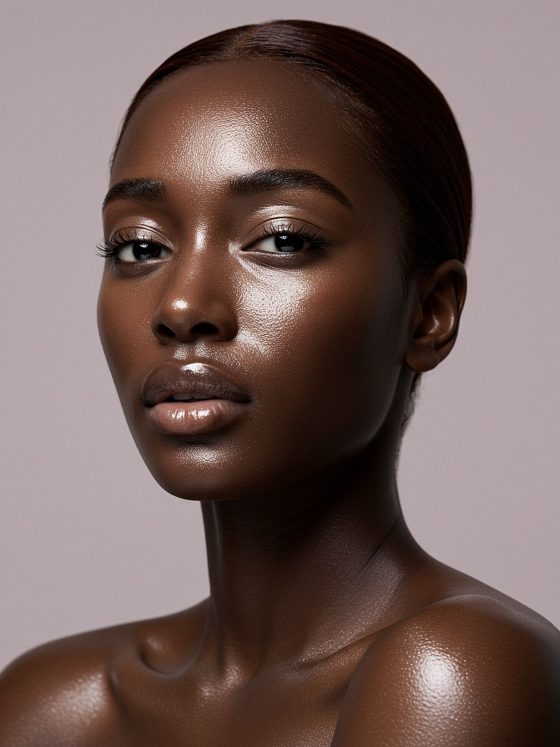
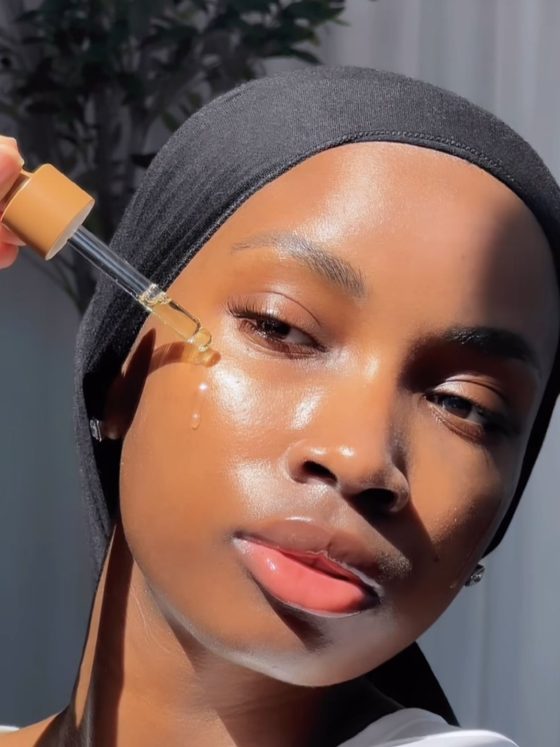
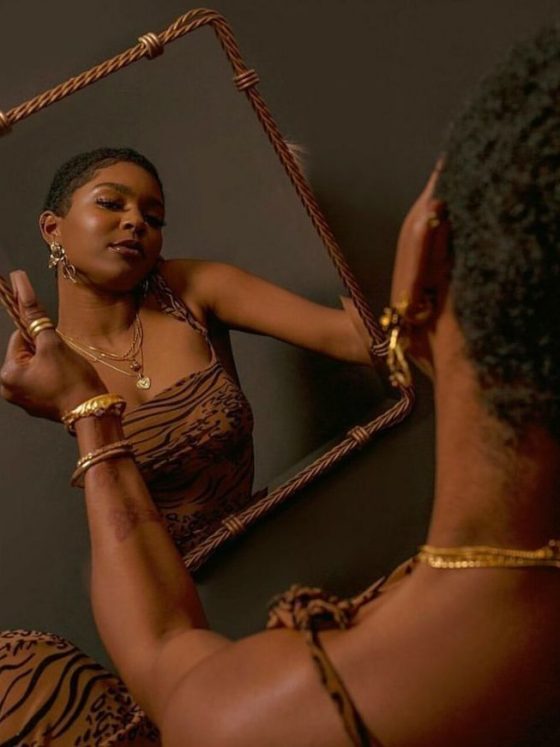
Across the global beauty industry, Black-owned brands have moved from the margins to the centres of cultural and commercial relevance. Their rise is not accidental. Heritage, scientific precision, and the refusal to edit identity out of luxury are the results. As consumers demand honesty, representation, and craft, Black founders are reshaping the narrative, bringing forward beauty that reflects texture, melanin, memory, and place. Their presence signals a shift from formulaic mass production to beauty that is intentional and culturally intelligent. Rooted in African histories yet fluent in modern luxury, these brands marry ancestral knowledge with contemporary science to create products that feel both timeless and distinctly now.

Black-owned beauty reshapes global luxury through heritage, craftsmanship, innovation, and ethical artistry rooted in African identity and diaspora creativity.

Heritage, Identity, and Cultural Craftsmanship
Heritage, Identity, and Cultural Craftsmanship

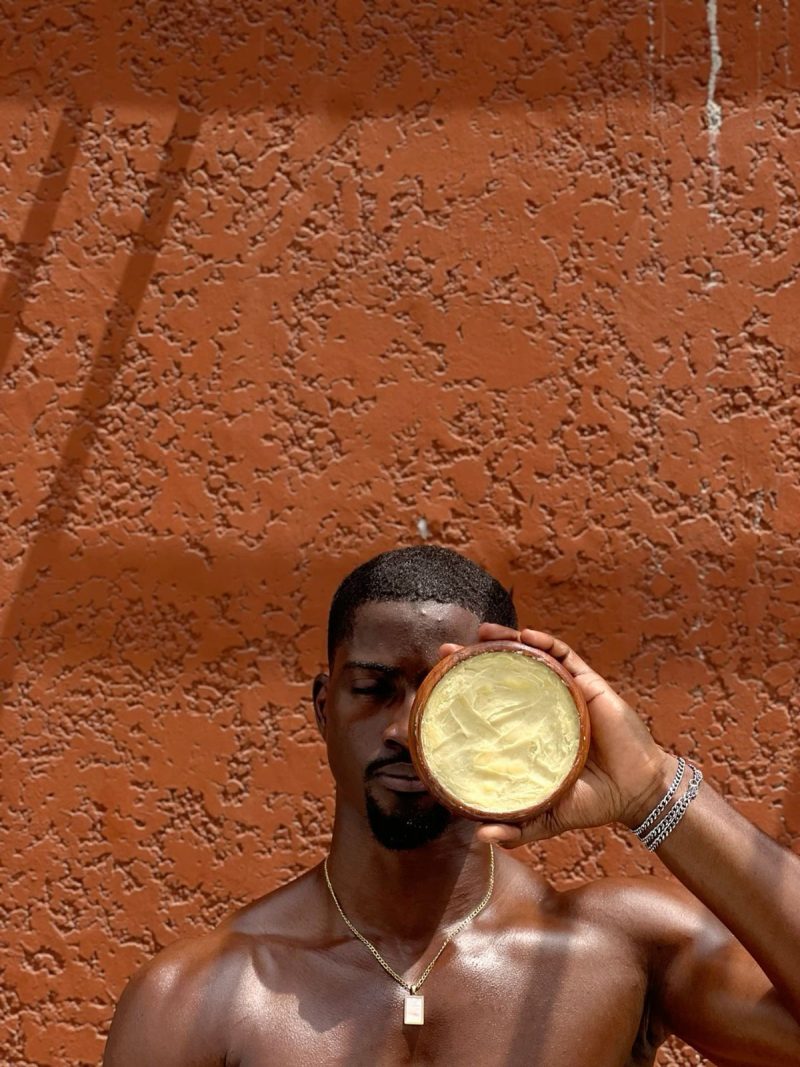
The foundation of Black-owned beauty is lineage. Many of these brands begin with ingredients that carry cultural memory: shea butter shaped by West African cooperatives, marula harvested by communities with generational expertise, or botanical oils cultivated through indigenous stewardship. These materials are not decorative—they serve as archives. They capture stories of trade routes, craftsmanship, and ecological knowledge that predate the modern beauty industry itself.

This heritage-driven approach also informs the craft. Formulations tailored to melanin-rich skin, textured hair, and diverse undertones are informed by lived experience rather than assumptions. Packaging, naming, and ritual reflect communities that have long relied on self-made beauty practices. By bringing these traditions into laboratories, studios, and global retail floors, founders elevate cultural craftsmanship into modern prestige. What once lived in homegrown routines now sits alongside the world’s most established luxury products—without losing cultural specificity.

Modern Luxury, Global Influence, and Cross-Cultural Narratives
Modern Luxury, Global Influence, and Cross-Cultural Narratives

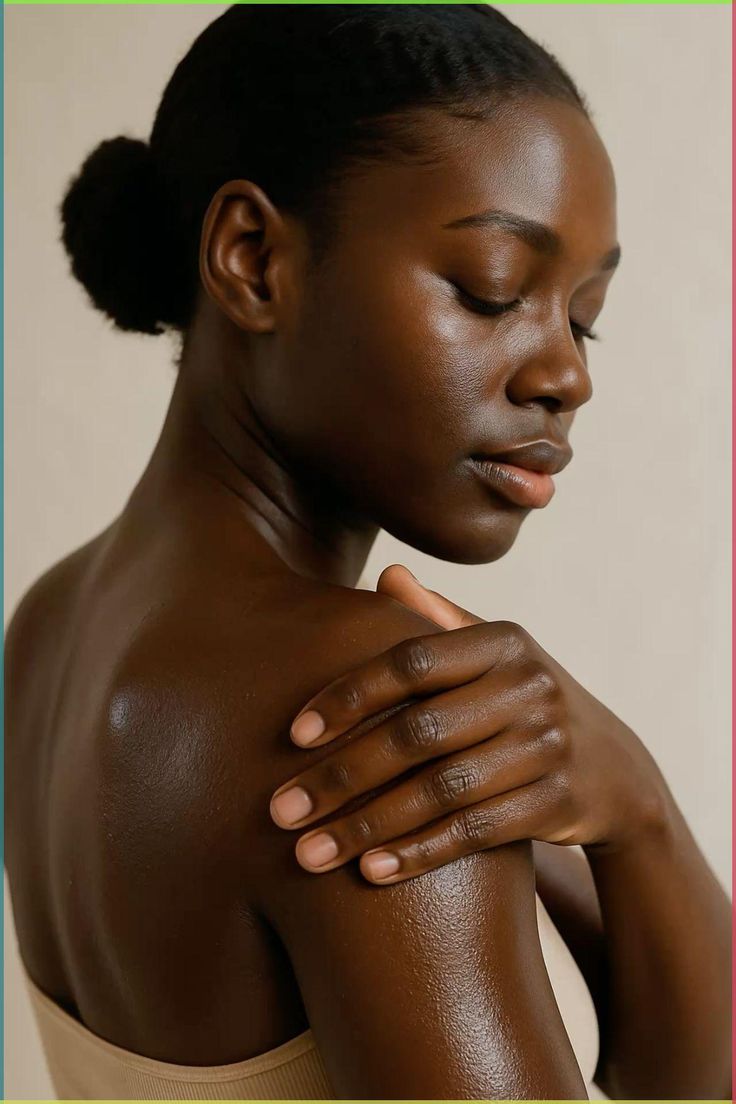
Black-owned beauty redefines what luxury means in the twenty-first century. Instead of excess, luxury becomes precision, transparency, and accountability. Many brands choose small-batch manufacturing, ethically built supply chains, and ingredient lists that are purposeful rather than ornamental. They invest in clinical testing, sustainable sourcing, and design minimalism, which prioritises form and function. This approach positions them not only as cultural storytellers but as innovators who align beauty with responsibility.

Their influence stretches across continents. The diaspora acts as a creative bridge, linking Lagos to London, Johannesburg to New York, and Accra to Toronto. This movement generates hybrid aesthetics in African sensibilities. Partnerships with fashion houses, musicians, photographers, and filmmakers expand their reach beyond the beauty aisle. The result is a global artistic ecosystem where beauty becomes a cultural export. In editorials, runways, and digital campaigns, Black-owned brands reframe how the world sees African creativity, moving it from “inspiration” to leadership.

READ ALSO:

  • The rise of African Luxury Designers Redefining Global Runway Culture
  • How African Designers Lead The New Era Of Structural Minimalism 
  • Heritage in Style: The Rise of Nigerian Children’s Runway Culture

Innovation, Challenges, and the Future of Ethical Luxury
Innovation, Challenges, and the Future of Ethical Luxury

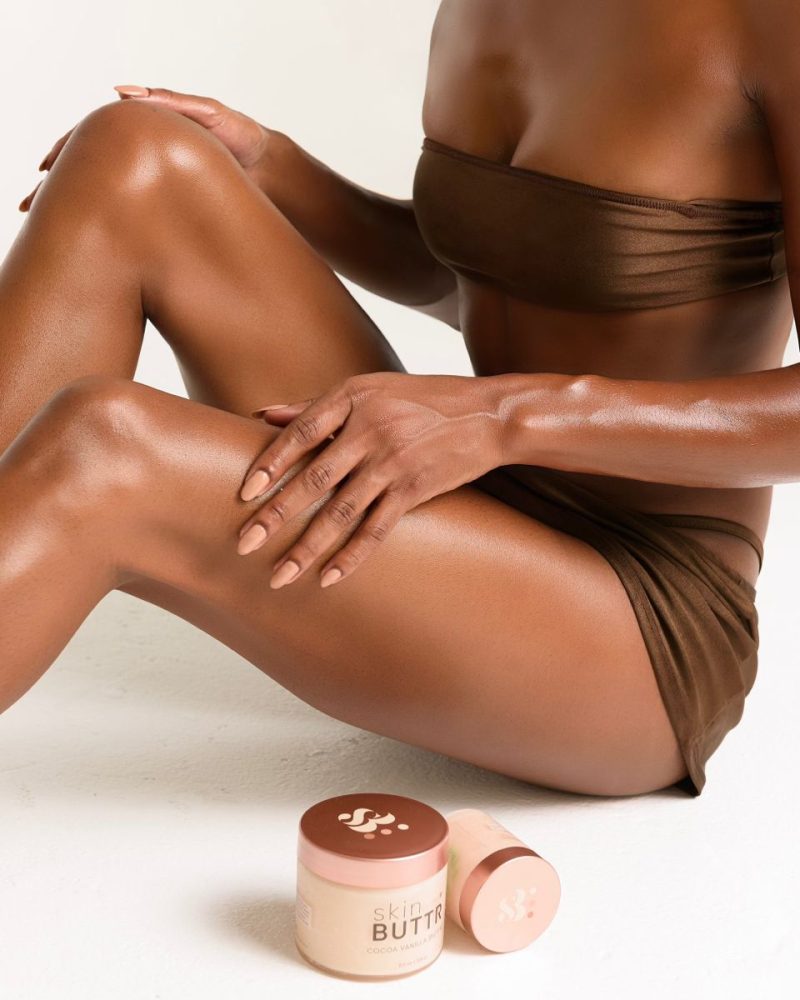
Innovation is central to the rise of Black-owned beauty. Brands are developing melanin-specific sunscreens, hyperpigmentation treatments adapted to darker skin tones, and haircare systems that mirror professional salon techniques. Digital storytelling, through short films, curated social communities, and experiential content, transforms these products into lifestyle rituals. This blend of narrative and science strengthens consumer trust and builds loyalty across continents.

Yet behind this progress are structural challenges. Access to capital remains uneven, and founders often navigate manufacturing limitations, regulatory hurdles, and scaling pressures without sufficient institutional support. Retail partnerships open doors but also demand operational discipline and financial resilience. Even with these barriers, the brands that succeed do so by combining artistry with strategic clarity. They build businesses that honour the community while meeting global standards for efficacy and professionalism.

Looking ahead, the category will continue expanding into prestige skincare, textured-hair technology, fragrance, and sustainable packaging innovations. As African manufacturing strengthens and diaspora communities grow more interconnected, Black-owned beauty will become a model for ethical luxury: culturally grounded, scientifically credible, environmentally responsible, and globally influential.

Conclusion

The global rise of Black-owned beauty is a cultural restoration and a commercial evolution. It reflects the return of craftsmanship, the affirmation of identity, and the demand for products that treat culture as knowledge, not decoration. By blending African heritage with modern innovation, these brands set new standards for luxury: cleaner, sharper, wiser, and more intentional. Their influence extends beyond beauty into art, fashion, sustainability, and global design. As they grow, they will influence not only what the world buys but also how it views culture, community, and creativity.

5 FAQs

  1. Why are Black-owned beauty brands gaining global influence?

Because they deliver solutions rooted in real experience—melanin-aware skincare, textured-hair expertise, and rich cultural narratives.

  1. How do these brands balance tradition with modern luxury?

By combining ancestral ingredients and craftsmanship with clinical research, ethical sourcing, and refined design.

  1. What role does the African diaspora play?

Diaspora networks amplify creativity, distribution, and storytelling, connecting African heritage to global markets.

  1. Are sustainability and ethical sourcing central to these brands?

Yes. Many prioritise community-based sourcing, responsible manufacturing, and transparent ingredient paths.

  1. What does the future look like for Black-owned beauty?

Expect growth in prestige categories, innovation in melanin-specific science, stronger African production hubs, and deeper global collaborations.

Post Views: 307
Total
0
Shares
Share 0
Tweet 0
Pin it 0
Related Topics
  • African Beauty Industry
  • Black-Owned Luxury Brands
  • Heritage Beauty Trends
Avatar photo
Heritage Oni

theheritageoni@gmail.com

You May Also Like
Cornrows Were a Map: The African Intelligence Behind Diaspora Braiding
View Post
  • Hair & Hairstyle

Cornrows Were a Map: The African Intelligence Behind Diaspora Braiding

  • Rex Clarke
  • May 12, 2026
Traditional Clothing in Liberia: Culture, History, and Identity
View Post
  • Skincare

Traditional Clothing in Liberia: Culture, History, and Identity

  • Faith Olabode
  • May 11, 2026
Water Quality, Humidity, and Pollution: How the Environment Shapes Skincare Strategy Across the Continent
View Post
  • Skincare

Water Quality, Humidity, and Pollution: How the Environment Shapes Skincare Strategy Across the Continent

  • Faith Olabode
  • May 7, 2026
Turmeric, Clay, and Activated Charcoal: The African Mask Traditions with Real Science Behind Them
View Post
  • Skincare

Turmeric, Clay, and Activated Charcoal: The African Mask Traditions with Real Science Behind Them

  • Faith Olabode
  • May 6, 2026
Traditional Facial Massage Techniques From Across Africa That Modern Beauty Has Yet to Discover
View Post
  • Skincare

Traditional Facial Massage Techniques From Across Africa That Modern Beauty Has Yet to Discover

  • Faith Olabode
  • May 6, 2026
Eczema, Heat Rash, and Fungal Acne: The Skin Conditions African Climates Trigger Most
View Post
  • Skincare

Eczema, Heat Rash, and Fungal Acne: The Skin Conditions African Climates Trigger Most

  • Faith Olabode
  • May 4, 2026
The No-Makeup Makeup Look for African Skin That Actually Takes Real Skill to Execute Correctly
View Post
  • Makeup

The No-Makeup Makeup Look for African Skin That Actually Takes Real Skill to Execute Correctly

  • Philip Sifon
  • May 4, 2026
The Correct Way to Layer SPF on Deep Skin Tones Without Ashy Residue or White Cast
View Post
  • Skincare

The Correct Way to Layer SPF on Deep Skin Tones Without Ashy Residue or White Cast

  • Faith Olabode
  • May 1, 2026

Leave a Reply Cancel reply

Your email address will not be published. Required fields are marked *

The Omiren Argument

African fashion and culture are not emerging. They are foundational. We document, interpret, and argue for the full cultural weight of African and diaspora dress. With precision. Without apology.

Omiren Styles Fashion · Culture · Identity

All 54 African Nations
Caribbean · Afro-Latin America
The Global Diaspora

Platform

  • About Omiren Styles
  • Our Vision
  • Our Mission
  • Editorial Pillars
  • Editorial Policy
  • The Omiren Collective
  • Campus Style Initiative
  • Sustainable Style
  • Social Impact & Advocacy
  • Investor Relations

Contribute

  • Write for Omiren Styles
  • Submit Creative Work
  • Join the Omiren Collective
  • Campus Initiative
Contact
contact@omirenstyles.com
Our Reach

Africa — All 54 Nations
Caribbean
Afro-Latin America
Global Diaspora

African fashion intelligence, in your inbox.

Editorial features, designer profiles, cultural commentary. No noise.

© 2026 Omiren Styles — Rex Clarke Global Ventures Limited. All rights reserved.
  • Privacy Policy
  • Editorial Policy
  • Terms of Use
  • Accessibility
Africa · Caribbean · Diaspora
The Omiren Argument

African fashion and culture are not emerging. They are foundational. We document, interpret, and argue for the full cultural weight of African and diaspora dress. With precision. Without apology.

Omiren Styles Fashion · Culture · Identity
  • About Omiren Styles
  • Our Vision
  • Our Mission
  • Editorial Pillars
  • Editorial Policy
  • The Omiren Collective
  • Campus Style Initiative
  • Sustainable Style
  • Social Impact & Advocacy
  • Investor Relations
  • Write for Omiren Styles
  • Submit Creative Work
  • Join the Omiren Collective
  • Campus Initiative
Contact contact@omirenstyles.com

All 54 African Nations · Caribbean
Afro-Latin America · Global Diaspora

African fashion intelligence, in your inbox.

Editorial features, designer profiles, cultural commentary. No noise.

© 2026 Omiren Styles
Rex Clarke Global Ventures Limited.
All rights reserved.

  • Privacy Policy
  • Editorial Policy
  • Terms of Use
  • Accessibility
Africa · Caribbean · Diaspora

Input your search keywords and press Enter.