Menu
  • AFRICA
    • African Fashion
    • African Designers
    • Textiles & Craft
    • Heritage Clothing
    • Made in Africa
    • Regional Style
  • DIASPORA
    • Diaspora Voices
    • Diaspora Connects
    • UK Scene
    • US Scene
    • Caribbean Diaspora
    • Afro-Latino Identity
    • Migration & Identity
  • CULTURE
    • Style & Identity
    • Ceremony & Ritual
    • Art & Music
    • Cultural Inspirations
    • Black Culture
    • Heritage Stories
  • FASHION
    • Trends
    • Street Style
    • Runway
    • Sustainable Fashion
    • Tailoring
    • Luxury Fashion
  • INDUSTRY
    • Editorial Intelligence
    • Market Trends
    • Brand Strategy
    • Retail & Commerce
    • Partnerships
    • Reports
    • Insights
    • Omiren Style Index
  • BEAUTY
    • Skincare
    • Makeup
    • Hair & Hairstyle
    • Fragrance
    • Beauty Traditions
    • Natural Beauty
  • MEN
    • Men’s Style
    • Grooming Traditions
    • Traditional & Heritage
    • The Modern African Man
    • Menswear Designers
  • WOMEN
    • Women’s Style
    • Evening Glam
    • Workwear & Professional
    • Streetwear for Women
    • Accessories & Bags
    • Bridal
  • NEWS
    • Cover Stories
    • Fashion Weeks
    • Opinion & Commentary
    • Style Icons
    • Rising Stars
  • DIRECTORY
    • Designers
    • Brands
    • Boutiques
    • Stylists
    • Models
    • Photographers
    • Creative Teams
    • Events
    • Production
    • Materials & Suppliers
Subscribe
OMIREN STYLES OMIREN STYLES

Fashion · Culture · Identity

OMIREN STYLES OMIREN STYLES OMIREN STYLES OMIREN STYLES
  • AFRICA
    • African Fashion
    • African Designers
    • Textiles & Craft
    • Heritage Clothing
    • Made in Africa
    • Regional Style
  • DIASPORA
    • Diaspora Voices
    • Diaspora Connects
    • UK Scene
    • US Scene
    • Caribbean Diaspora
    • Afro-Latino Identity
    • Migration & Identity
  • CULTURE
    • Style & Identity
    • Ceremony & Ritual
    • Art & Music
    • Cultural Inspirations
    • Black Culture
    • Heritage Stories
  • FASHION
    • Trends
    • Street Style
    • Runway
    • Sustainable Fashion
    • Tailoring
    • Luxury Fashion
  • INDUSTRY
    • Editorial Intelligence
    • Market Trends
    • Brand Strategy
    • Retail & Commerce
    • Partnerships
    • Reports
    • Insights
    • Omiren Style Index
  • BEAUTY
    • Skincare
    • Makeup
    • Hair & Hairstyle
    • Fragrance
    • Beauty Traditions
    • Natural Beauty
  • MEN
    • Men’s Style
    • Grooming Traditions
    • Traditional & Heritage
    • The Modern African Man
    • Menswear Designers
  • WOMEN
    • Women’s Style
    • Evening Glam
    • Workwear & Professional
    • Streetwear for Women
    • Accessories & Bags
    • Bridal
  • NEWS
    • Cover Stories
    • Fashion Weeks
    • Opinion & Commentary
    • Style Icons
    • Rising Stars
  • DIRECTORY
    • Designers
    • Brands
    • Boutiques
    • Stylists
    • Models
    • Photographers
    • Creative Teams
    • Events
    • Production
    • Materials & Suppliers
  • Fashion Weeks

GTCO Fashion Weekend 2025: A Step Toward Sustainable Nigerian Fashion

  • Heritage Oni
  • November 11, 2025
GTCO Fashion Weekend 2025: A Step Toward Sustainable Nigerian Fashion

GTCO Fashion Weekend 2025 in Lagos was more than just a showcase of glitz and glamour. Amid the runway shows and vibrant street-style looks, a quieter yet important story emerged: sustainability. From promoting local designers and artisan-made products to featuring upcycled and responsibly sourced fabrics, the event highlighted how Nigerian fashion is beginning to merge style with sustainability. This edition didn’t just celebrate fashion; it showcased how fashion can empower people, preserve craft, and slowly reduce environmental impact.

From runway to marketplace, GTCO Fashion Weekend 2025 highlighted local production, upcycling, and enterprise-driven sustainability in Nigerian fashion.

Social Sustainability: Empowering Designers and Artisans

Social Sustainability: Empowering Designers and Artisans

One of the biggest ways the event supported sustainability was by focusing on people. Hundreds of small brands were given free marketplace stalls, allowing artisans to sell their work and gain exposure. Masterclasses provided practical lessons in growing a fashion business responsibly. By helping these creators earn directly from their craft, GTCO encouraged social sustainability, supporting livelihoods while preserving skills that are often passed down through generations.

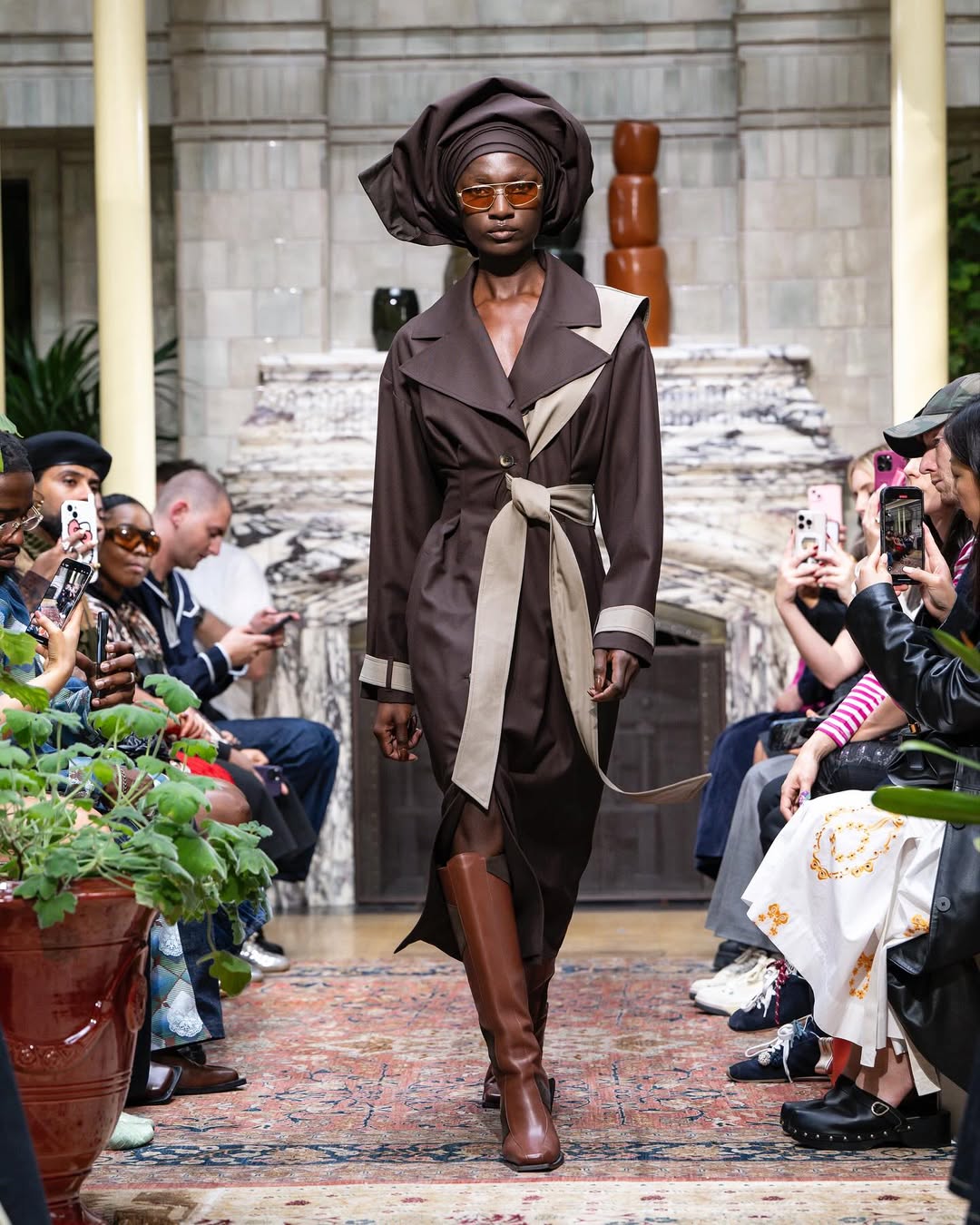
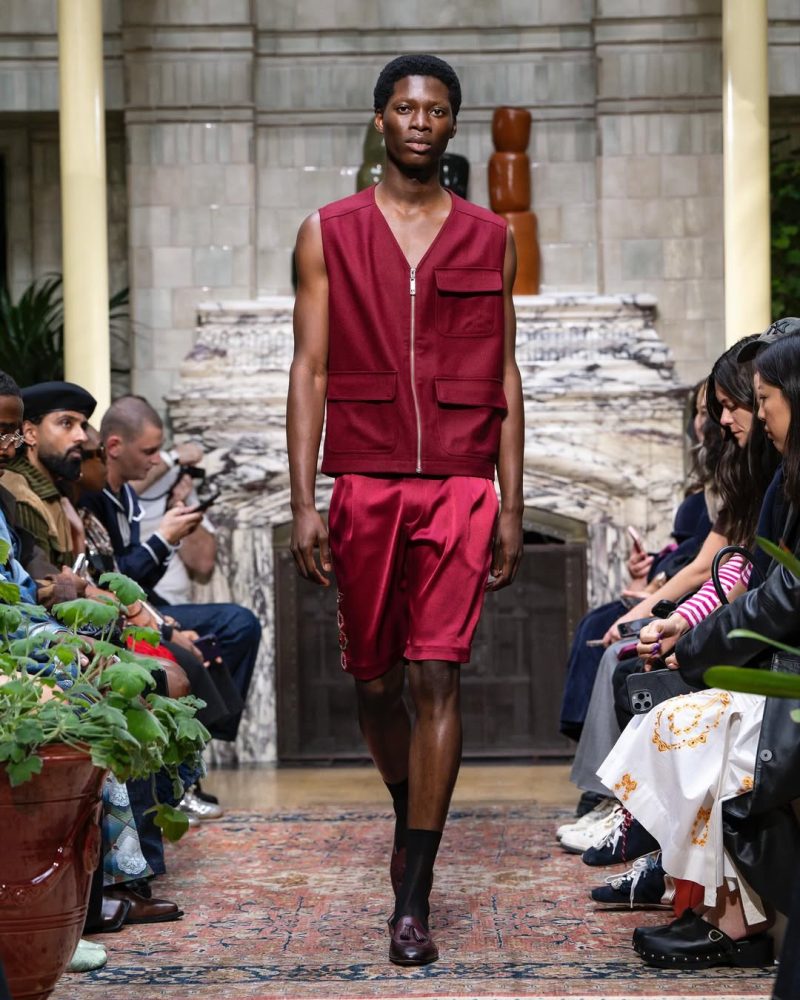
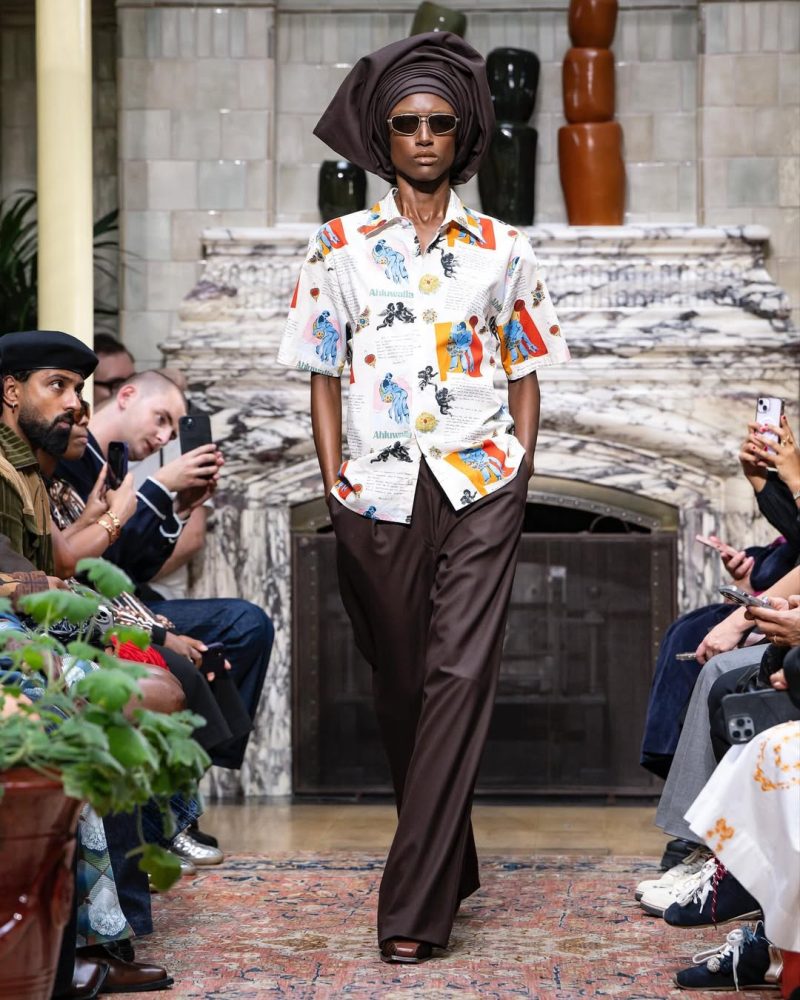
This year’s lineup featured designers who brought tangible sustainable practices to the runway. For example, Priya Ahluwalia, whose label is known globally for using deadstock, recycled materials, and social-entrepreneurial beadwork partnerships, brought a collection that fused heritage, tailoring, and responsible material choice. Her presence on Day 1 confirmed that sustainability can be a headline, not a side note. 

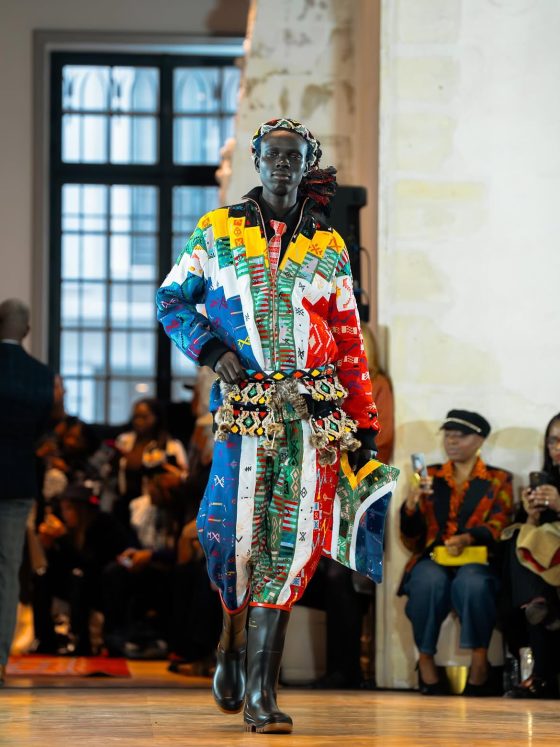
Likewise, homegrown label Ituen Basi walked the runway with pieces rooted in Nigerian textiles, awareness of fabric waste, and the interpretation of craft. Her use of vibrant Ankara, creative structure, and an ethos of “using all the fabric” signalled that local brands could marry style and sustainability in Lagos. 

Then there’s the Pan‑African dimension: Tongoro Studio (Senegal‑based) announced itself as “100% Made in Africa” and appeared in the GTCO 2025 roster. Their model demonstrated that sustainability is also about location, craft, and value-chain control, achieved by producing in Africa, choosing local labour, and reducing long supply chains. 

Read Also:

  • Your Ultimate Guide to GTCO Fashion Weekend 2025 in Lagos
  • The Rise of Aso Ebi in Nigerian sports
  • From Lagos to Paris: Nigerian Designers Rewrite the Rules … – Omiren

The event also emphasised skill-building and capacity development. Masterclasses taught designers and entrepreneurs how to scale their businesses responsibly, use sustainable materials, and leverage digital marketing. These lessons directly translate into long-term economic growth, equipping small brands to compete globally while maintaining ethical and environmentally conscious practices.
Social Sustainability: Empowering Designers and Artisans

Sustainability in Nigerian fashion also intersects with preserving cultural heritage. Using locally sourced fabrics and collaborating with artisans keeps traditional techniques alive while integrating them into contemporary design. This not only adds value to the fashion products but also strengthens local communities economically, creating jobs in craft production and training.

On a macro level, events like GTCO Fashion Weekend help position Nigeria as a fashion hub in Africa. Nigerian fashion is becoming increasingly attractive to foreign investors and consumers as designers adopt sustainable practices. A strong, ethically grounded fashion industry attracts foreign investment, boosts exports, and enhances the country’s reputation in the global creative economy.

Conclusion
Social Sustainability: Empowering Designers and Artisans

GTCO Fashion Weekend 2025 demonstrated that sustainable fashion in Nigeria is more than a trend; it is a movement with economic significance. Designers on the runway, like Priya Ahluwalia, Ituen Basi, and Tongoro Studio, showed that eco-conscious materials and local production can be stylish, while the event’s support for small businesses, artisan craft, and entrepreneurship illustrates how fashion drives economic growth. For Nigerian fashion to thrive sustainably, it must continue to balance creativity, responsibility, and commerce, a balance that GTCO Fashion Weekend has begun to model.

5 FAQs

  1. Which designers showcased sustainability at GTCO Fashion Weekend 2025?

Priya Ahluwalia, Ituen Basi, and Tongoro Studio showcased outfits using recycled materials, heritage fabrics, and locally sourced textiles.

  1. How does sustainable fashion impact the Nigerian economy?

It supports SMEs, creates artisan jobs, promotes local production, and strengthens Nigeria’s position in the global fashion market.

  1. How did GTCO Fashion Weekend support small businesses?

The event offered free marketplace stalls, masterclasses, and networking opportunities to help entrepreneurs grow responsibly and reach consumers directly.

  1. How does sustainable fashion preserve cultural heritage?

By using local fabrics and collaborating with artisans, designers keep traditional skills alive while integrating them into modern designs, adding both cultural and economic value.

  1. Why is sustainability becoming important for Nigerian designers?

It provides a competitive edge globally, attracts conscious consumers, reduces waste, and strengthens local production and economic growth.


Post Views: 403
Related Topics
  • Lagos Fashion Events
  • Nigerian Fashion Industry
  • Sustainable Fashion Nigeria
Avatar photo
Heritage Oni

theheritageoni@gmail.com

You May Also Like
Mai Atafo, Ugo Monye, and the Architecture of Nigerian Menswear Excellence
View Post
  • Fashion Weeks

The Young Nigerian Tailors Redefining Luxury Menswear Without a Fashion Week Invitation

  • Adams Moses
  • May 19, 2026
View Post
  • Fashion Weeks

The Real Cost of Showing at Paris Fashion Week for an African Designer

  • Rex Clarke
  • May 18, 2026
The Lagos Fashion Week Effect: What a Decade of Runway Has Actually Done for Nigerian Designer Revenue
View Post
  • Fashion Weeks

The Lagos Fashion Week Effect: What a Decade of Runway Has Actually Done for Nigerian Designer Revenue

  • Tobi Arowosegbe
  • May 18, 2026
Craft, Culture, and Creative Power: The Designers Who Made AMVCA 2026 Africa's Most Important Fashion Weekend
View Post
  • Fashion Weeks

Craft, Culture, and Creative Power: The Designers Who Made AMVCA 2026 Africa’s Most Important Fashion Weekend

  • Rex Clarke
  • May 11, 2026
AMVCA 12 Cultural Night: When Nigerian Stars Dressed With Memory
View Post
  • Fashion Weeks

AMVCA 12 Cultural Night: When Nigerian Stars Dressed With Memory

  • Adams Moses
  • May 9, 2026
View Post
  • Fashion Weeks

Visual Arts and the African Fashion Conversation: When the Gallery and the Runway Share a Language

  • Adams Moses
  • May 1, 2026
Canex Presents Africa: What the Afreximbank–Portugal Fashion Week Model Reveals About Entering Europe
View Post
  • Fashion Weeks

Canex Presents Africa: What the Afreximbank–Portugal Fashion Week Model Reveals About Entering Europe

  • Rex Clarke
  • April 30, 2026
New York's African Diaspora Fashion Week: What It Means and Why It Matters
View Post
  • Fashion Weeks

New York’s African Diaspora Fashion Week: What It Means and Why It Matters

  • Rex Clarke
  • April 27, 2026

Leave a Reply Cancel reply

Your email address will not be published. Required fields are marked *

The Omiren Argument

African fashion and culture are not emerging. They are foundational. We document, interpret, and argue for the full cultural weight of African and diaspora dress. With precision. Without apology.

Omiren Styles Fashion · Culture · Identity

All 54 African Nations
Caribbean · Afro-Latin America
The Global Diaspora

Platform

  • About Omiren Styles
  • Our Vision
  • Our Mission
  • Editorial Pillars
  • Editorial Policy
  • The Omiren Collective
  • Campus Style Initiative
  • Sustainable Style
  • Social Impact & Advocacy
  • Investor Relations

Contribute

  • Write for Omiren Styles
  • Submit Creative Work
  • Join the Omiren Collective
  • Campus Initiative
Contact
contact@omirenstyles.com
Our Reach

Africa — All 54 Nations
Caribbean
Afro-Latin America
Global Diaspora

African fashion intelligence, in your inbox.

Editorial features, designer profiles, cultural commentary. No noise.

© 2026 Omiren Styles — Rex Clarke Global Ventures Limited. All rights reserved.
  • Privacy Policy
  • Editorial Policy
  • Terms of Use
  • Accessibility
Africa · Caribbean · Diaspora
The Omiren Argument

African fashion and culture are not emerging. They are foundational. We document, interpret, and argue for the full cultural weight of African and diaspora dress. With precision. Without apology.

Omiren Styles Fashion · Culture · Identity
  • About Omiren Styles
  • Our Vision
  • Our Mission
  • Editorial Pillars
  • Editorial Policy
  • The Omiren Collective
  • Campus Style Initiative
  • Sustainable Style
  • Social Impact & Advocacy
  • Investor Relations
  • Write for Omiren Styles
  • Submit Creative Work
  • Join the Omiren Collective
  • Campus Initiative
Contact contact@omirenstyles.com

All 54 African Nations · Caribbean
Afro-Latin America · Global Diaspora

African fashion intelligence, in your inbox.

Editorial features, designer profiles, cultural commentary. No noise.

© 2026 Omiren Styles
Rex Clarke Global Ventures Limited.
All rights reserved.

  • Privacy Policy
  • Editorial Policy
  • Terms of Use
  • Accessibility
Africa · Caribbean · Diaspora

Input your search keywords and press Enter.