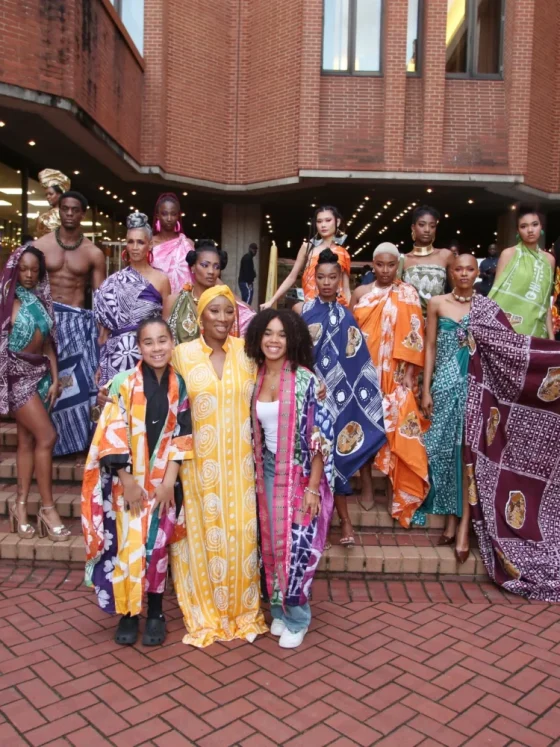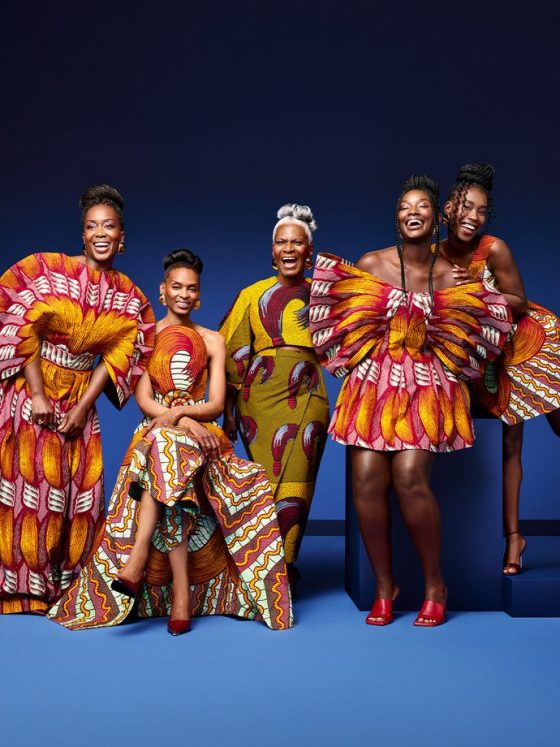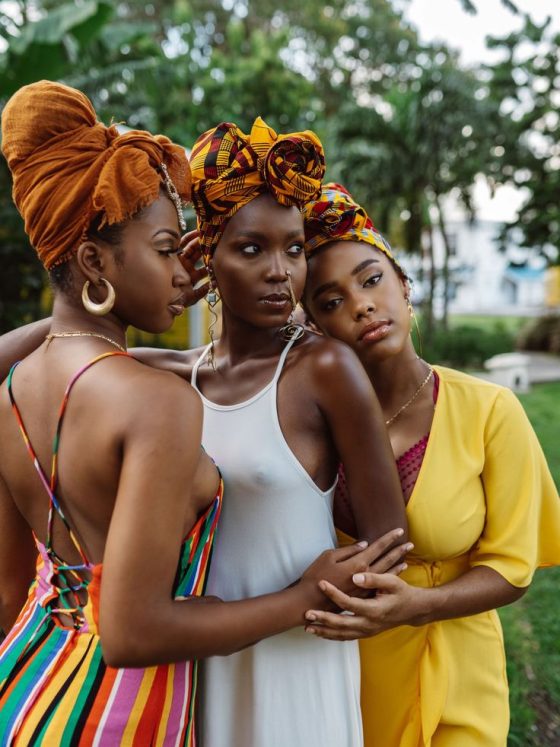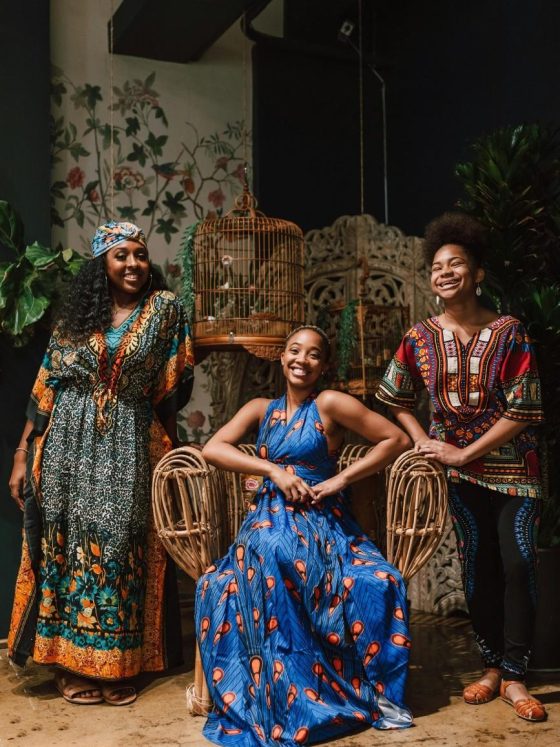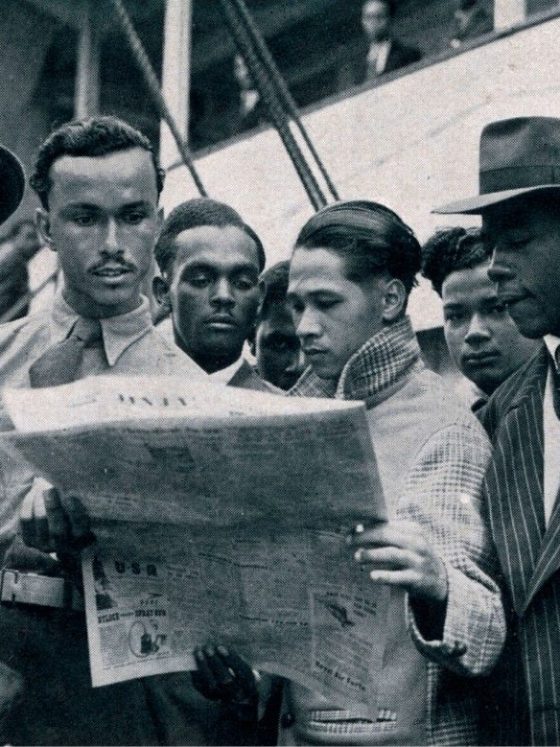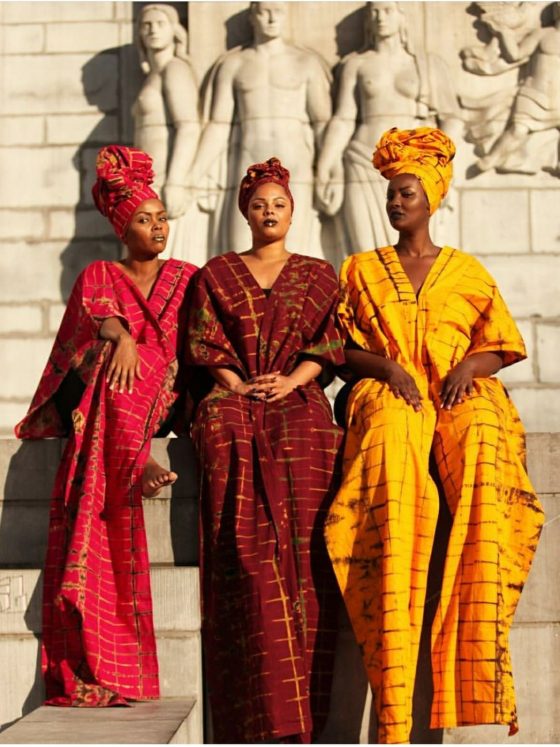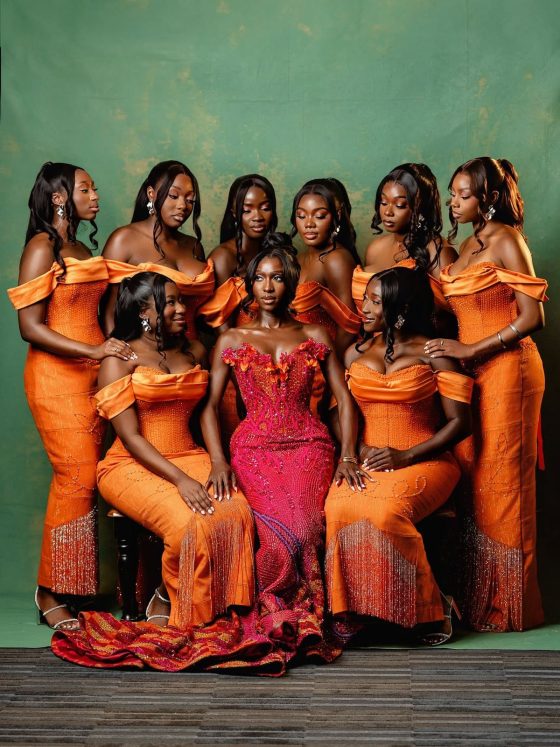
Fashion often presents itself as universal. Runway shows circulate globally, trend reports travel instantly across continents, and the same garments appear in shopping malls from Lagos to London. Yet the idea of “dressing well” has never meant the same thing in every culture.
In many societies, clothing has historically served purposes far deeper than aesthetic appeal. Garments communicate social identity, spiritual belief, political allegiance, and community belonging. What counts as elegance in one cultural context may signify something entirely different in another.
Understanding global style, therefore, requires more than observing silhouettes or colours. It requires paying attention to the cultural systems that shape how clothing is worn, interpreted, and valued. When examined closely, the art of dressing well reveals how societies express dignity, identity, and intention through cloth.
Global style reveals how culture shapes clothing. From craft traditions to identity, dressing well reflects history, community, and intention.
Elegance as Cultural Literacy
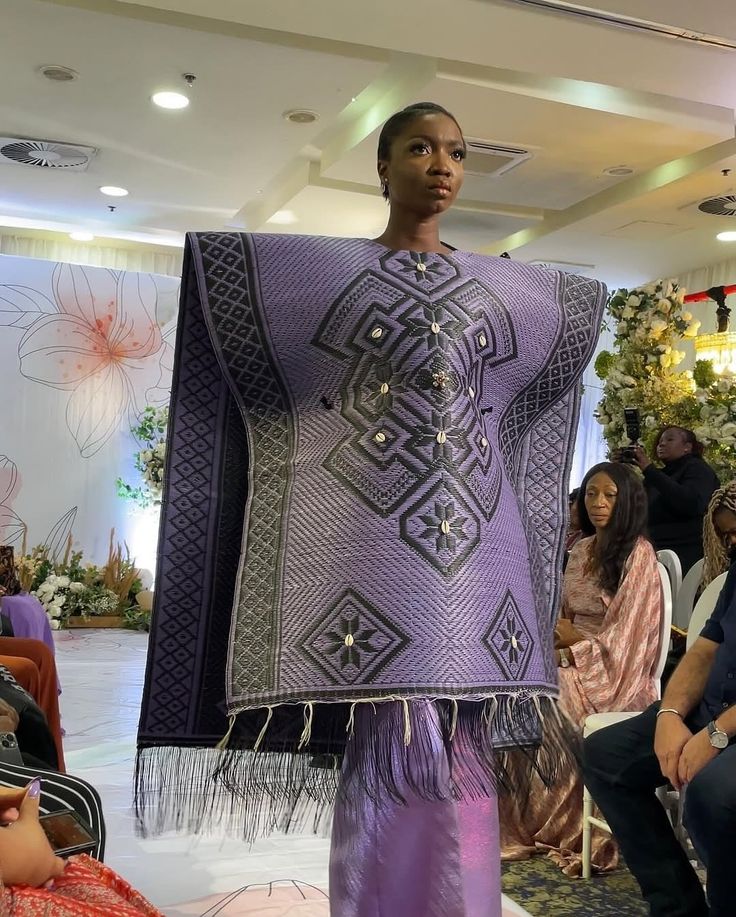
Across cultures, elegance is often tied to cultural literacy, the ability to understand when and how certain garments should be worn.
In Senegal, the flowing grand boubou worn by men signals authority and social presence during ceremonies and public gatherings. The garment’s scale and embroidery communicate status and respectability within the community.
In Japan, the kimono operates within a highly structured system of formality, seasonal symbolism, and craftsmanship. The colours, fabrics, and motifs chosen for a kimono can indicate everything from the wearer’s age to the occasion being celebrated.
Similarly, in parts of South Asia, garments such as the sherwani or kurta serve as markers of cultural continuity. Their silhouettes have remained remarkably consistent over generations, reflecting a design philosophy rooted in longevity rather than seasonal change.
These traditions illustrate a fundamental truth: dressing well often means understanding the cultural codes embedded within clothing.
Craftsmanship as the Foundation of Style
Another lesson global style teaches is that craftsmanship lies at the heart of lasting elegance.
Across many cultures, the garments considered most refined are those produced through labour-intensive craft traditions. Handwoven textiles, intricate embroidery, and carefully constructed garments often represent decades or even centuries of accumulated knowledge.
In Peru, indigenous weaving communities transform alpaca fibres into complex textiles that reflect both environmental knowledge and cultural symbolism. In Morocco, leather artisans produce babouche slippers using techniques passed down through generations. Across Asia, Africa, and Latin America, embroidery traditions serve as visual archives of regional identity.
These crafts challenge the fast-paced logic of modern fashion. They remind us that the most meaningful clothing is often created slowly, through processes that prioritise skill, patience, and cultural memory.
READ ALSO:
- How a Seam Becomes a Statement: The Hidden Language of Garment Construction
- What the Most Influential Fashion Pieces of 2026 Communicate Today
Clothing as Social Communication
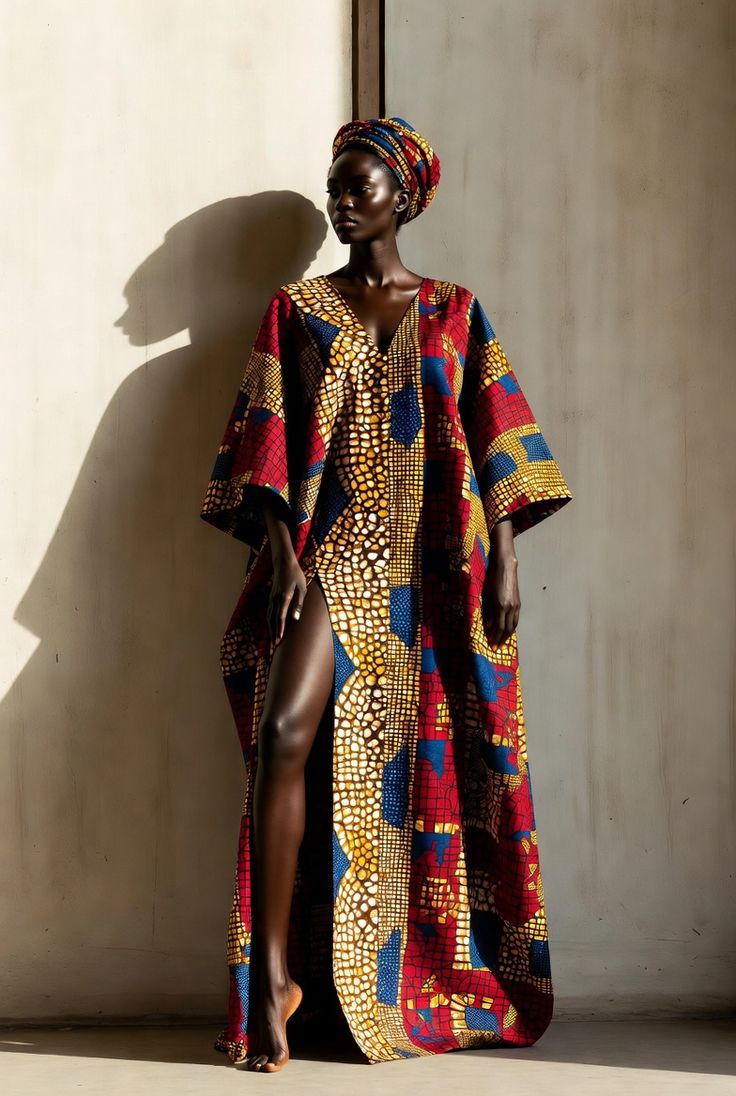
Clothing also functions as a powerful form of social communication.
Festivals, ceremonies, and communal celebrations around the world demonstrate how garments help people articulate collective identity. In the Caribbean, carnival costumes transform clothing into theatrical expressions of history and resistance. In Brazil, Afro-Brazilian communities maintain dress traditions tied to spirituality, music, and heritage.
In West Africa, festivals frequently feature clothing that reflects lineage, community belonging, and respect for tradition. The garments worn during these events are not merely decorative; they reaffirm social relationships and shared cultural memory.
These examples reveal that clothing can function as a visual language. Through fabric, colour, and ornamentation, communities tell stories about who they are and what they value.
The Global Fashion Industry Is Slowly Catching Up
As global fashion becomes more interconnected, designers are increasingly looking beyond traditional fashion capitals for inspiration. Cultural garments, craft traditions, and indigenous aesthetics are entering international fashion conversations with greater frequency.
However, this process raises important questions about interpretation and responsibility. Drawing inspiration from global traditions requires careful engagement with the histories and communities that produced them. Without this context, fashion risks reducing complex cultural systems to surface-level aesthetics.
When approached thoughtfully, cross-cultural influence can create meaningful dialogue. Designers who collaborate with artisans, acknowledge cultural origins, and support craft communities contribute to a more balanced fashion ecosystem.
Dressing Well Is Ultimately About Intention
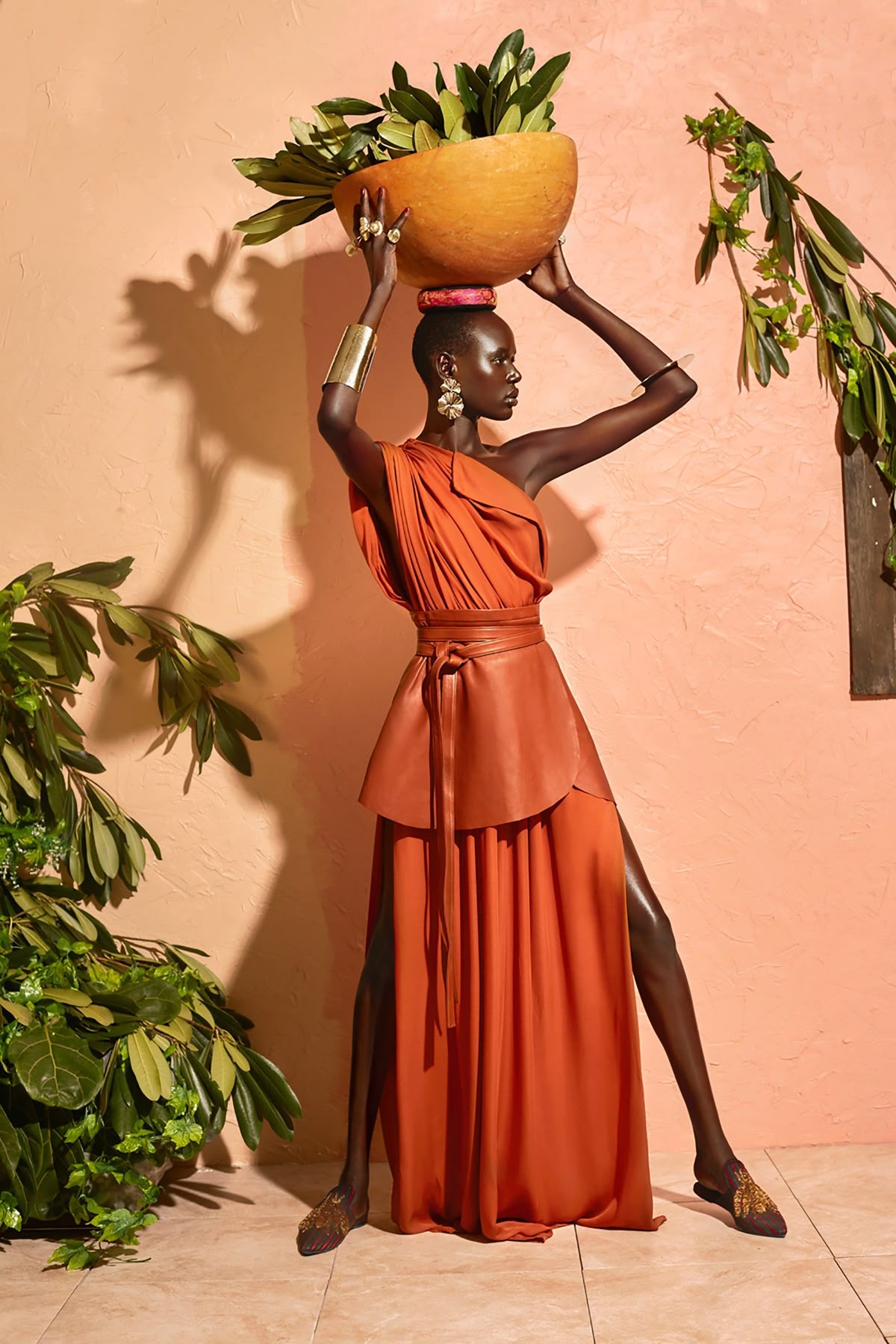
What global style ultimately teaches is that dressing well is not defined by price, brand recognition, or geographic origin. Instead, it is shaped by intention.
Across cultures, the garments most deeply respected are those that reflect care in how they are made, worn, and how they connect the wearer to a larger story. Clothing becomes a bridge between personal identity and collective history.
In this sense, elegance is not about perfection or excess. It is about alignment between the wearer, the garment, and the cultural meanings embedded within it.
The world’s diverse clothing traditions remind us that fashion is not simply a rotating cycle of trends. At its best, it is a language through which cultures express dignity, creativity, and belonging.
And learning to read that language may be the most valuable lesson global style has to offer.
FAQs
1. What does dressing well mean in different cultures around the world?
Dressing well across cultures often reflects social values, tradition, and identity rather than simply following fashion trends. In many societies, clothing communicates respect, status, and cultural belonging.
2. How does culture influence fashion and clothing traditions?
Culture shapes fashion through historical practices, climate, social customs, and craftsmanship. Traditional garments often carry symbolic meanings and reflect community identity.
3. Why are traditional clothing styles important in global fashion today?
Traditional clothing styles preserve cultural heritage and provide design inspiration for modern fashion. Many designers draw from these traditions to create garments rooted in history and craftsmanship.
4. How does craftsmanship influence the concept of dressing well?
Handcrafted garments and textiles often represent higher levels of skill, time, and cultural knowledge. These qualities make craftsmanship central to the idea of timeless style.
5. What can global fashion traditions teach modern consumers?
Global fashion traditions teach consumers to value quality, cultural context, and intentional dressing rather than focusing solely on fast-changing trends.