Menu
  • CULTURE
    • Style & Identity
    • Ceremony & Ritual
    • Art & Music
    • Cultural Inspirations
    • Black Culture
    • Heritage Stories
  • DIASPORA
    • Diaspora Voices
    • Diaspora Connects
    • UK Scene
    • US Scene
    • Caribbean Diaspora
    • Afro-Latino Identity
    • Migration & Identity
  • FASHION
    • Trends
    • Street Style
    • Runway
    • Sustainable Fashion
    • Tailoring
    • Luxury Fashion
    • Designers & Brands
  • BEAUTY
    • Skincare
    • Makeup
    • Hair & Hairstyle
    • Fragrance
    • Beauty Traditions
    • Natural Beauty
  • Style
    • Women’s Style
    • Evening Glam
    • Workwear & Professional
    • Streetwear for Women
    • Accessories & Bags
    • Bridal
    • Men’s Style
    • Grooming Traditions
    • Traditional & Heritage
    • The Modern African Man
    • Menswear Designers
  • INDUSTRY
    • Editorial Intelligence
    • Market Trends
    • Brand Strategy
    • Retail & Commerce
    • Partnerships
    • Reports
    • Omiren Style Index
    • Insights
    • Founders Profile
  • NEWS
    • Cover Stories
    • Fashion Weeks
    • Opinion & Commentary
    • Style Icons
    • Rising Stars
    • Press Release
Omiren Magazine Partner With Us Advertise Style Index
Subscribe
OMIREN STYLES OMIREN STYLES

Fashion · Culture · Identity

OMIREN STYLES OMIREN STYLES OMIREN STYLES OMIREN STYLES
  • CULTURE
    • Style & Identity
    • Ceremony & Ritual
    • Art & Music
    • Cultural Inspirations
    • Black Culture
    • Heritage Stories
  • DIASPORA
    • Diaspora Voices
    • Diaspora Connects
    • UK Scene
    • US Scene
    • Caribbean Diaspora
    • Afro-Latino Identity
    • Migration & Identity
  • FASHION
    • Trends
    • Street Style
    • Runway
    • Sustainable Fashion
    • Tailoring
    • Luxury Fashion
    • Designers & Brands
  • BEAUTY
    • Skincare
    • Makeup
    • Hair & Hairstyle
    • Fragrance
    • Beauty Traditions
    • Natural Beauty
  • Style
    • Women’s Style
    • Evening Glam
    • Workwear & Professional
    • Streetwear for Women
    • Accessories & Bags
    • Bridal
    • Men’s Style
    • Grooming Traditions
    • Traditional & Heritage
    • The Modern African Man
    • Menswear Designers
  • INDUSTRY
    • Editorial Intelligence
    • Market Trends
    • Brand Strategy
    • Retail & Commerce
    • Partnerships
    • Reports
    • Omiren Style Index
    • Insights
    • Founders Profile
  • NEWS
    • Cover Stories
    • Fashion Weeks
    • Opinion & Commentary
    • Style Icons
    • Rising Stars
    • Press Release
  • Street Style

Evisu and Fitted Caps: Remembering a Streetwear Outfit

  • Tobi Arowosegbe
  • November 9, 2026
Evisu and Fitted Caps: Remembering a Streetwear Outfit
Photo: Evisu.
Total
0
Shares
0
0
0

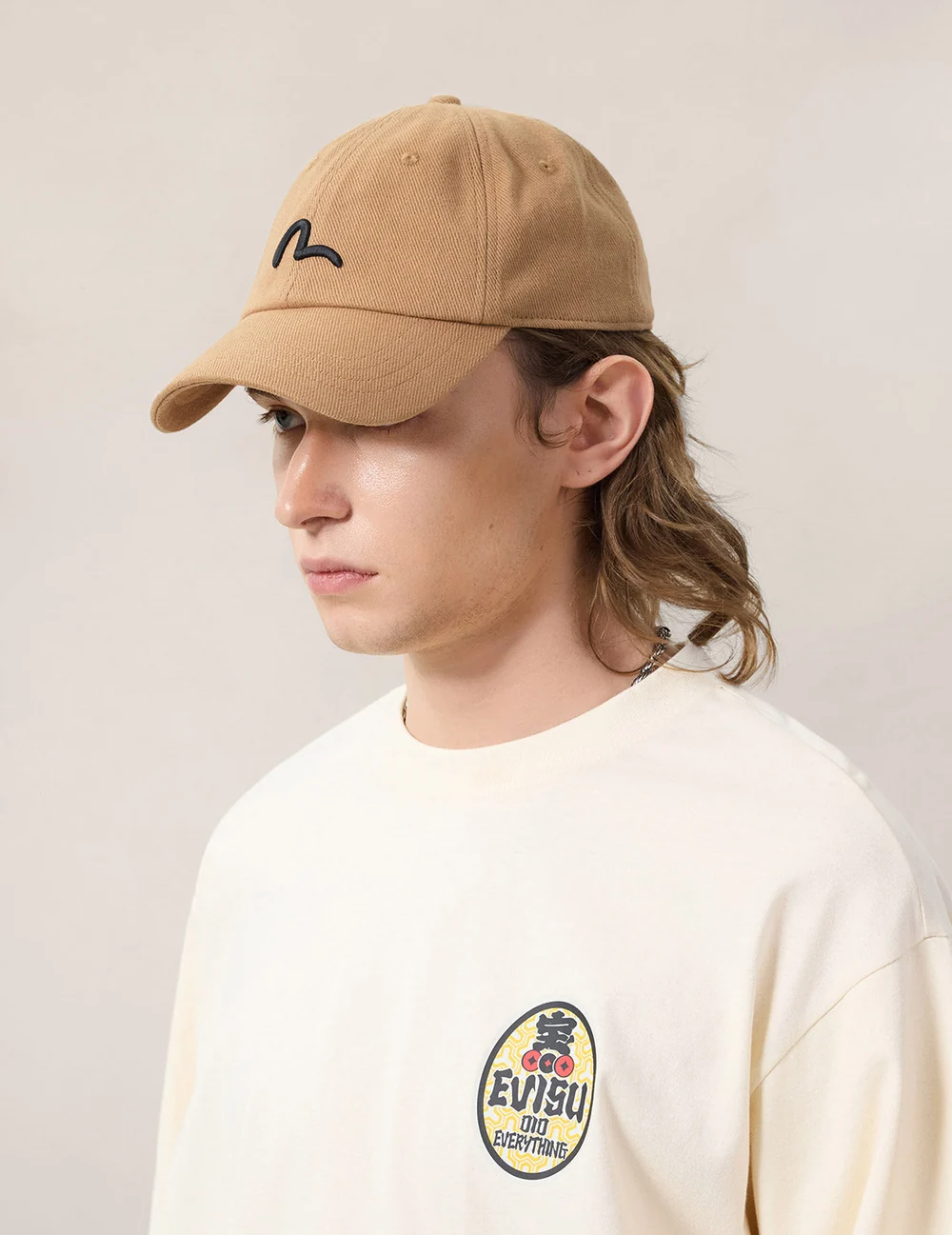
A fitted cap, a 2X white T-shirt, jeans and a pair of Forces or Dunks – that is the teenage uniform Durty recalls in Shelflife’s “Brands That Raised Us.” Identified in the feature as a member of the retailer’s Johannesburg team, he names Evisu, Red Monkey and Gino Green Global among his denim references, with Lupe Fiasco and Pharrell among his influences. Evisu is one name within that combination. The Japanese label appears alongside other jeans, American footwear and music references, not as the subject of a denim collection or a lesson in manufacturing history.

The recollection offers a small but useful way into fashion’s international connections. It shows how a label can enter someone’s remembered style through the company it keeps.

A recollection published by Shelflife pairs Evisu with fitted caps, oversized tees, and sneakers, highlighting the importance of the full outfit.

The Outfit Comes First
The Outfit Comes First
All Photos: Evisu.

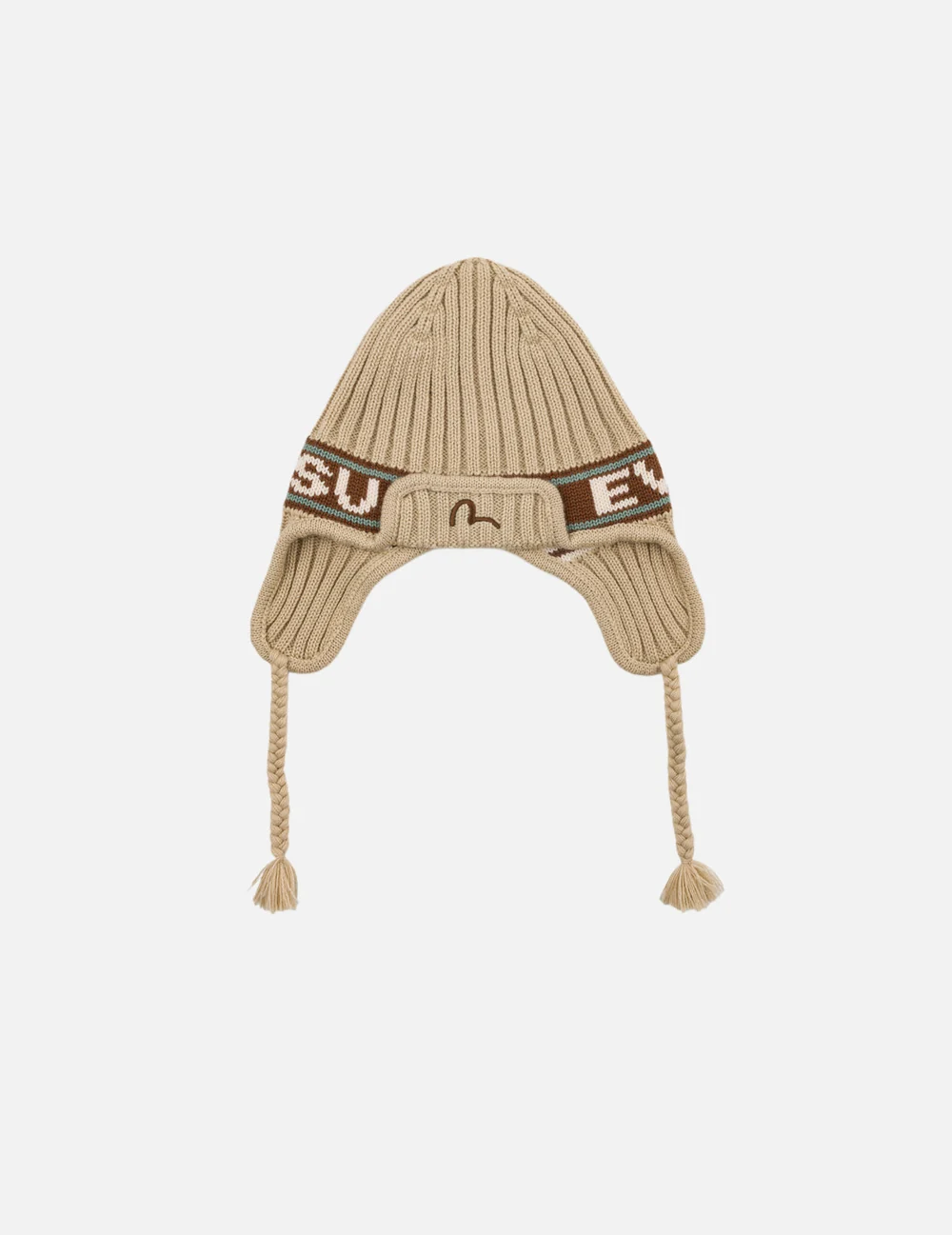
Evisu identifies its origins in Osaka in 1991. Its history emphasises denim production and the hand-painted seagull marking on its early jeans. Durty’s account begins elsewhere: with the clothes as a set. The size of the white tee is part of the description. So are the fitted cap and the alternative sneaker choices. Evisu sits among several possible denim references within that remembered formula. That difference in emphasis matters. Brand histories tend to isolate a label and explain what sets it apart. A recollection of dressing can place the same label within a combination whose other elements matter just as much.

Here, the published account supports a reading of an outfit, not the biography of a particular pair of jeans. Its detail lies in the proportions, names and references Durty remembers. Music belongs within that recollection too. By naming Lupe Fiasco and Pharrell, he gives the outfit personal reference points beyond the labels themselves. His account doesn’t describe a first purchase or a single decisive encounter with Evisu; it recalls a broader way of dressing.

What a Fitted Cap Can Carry
What a Fitted Cap Can Carry

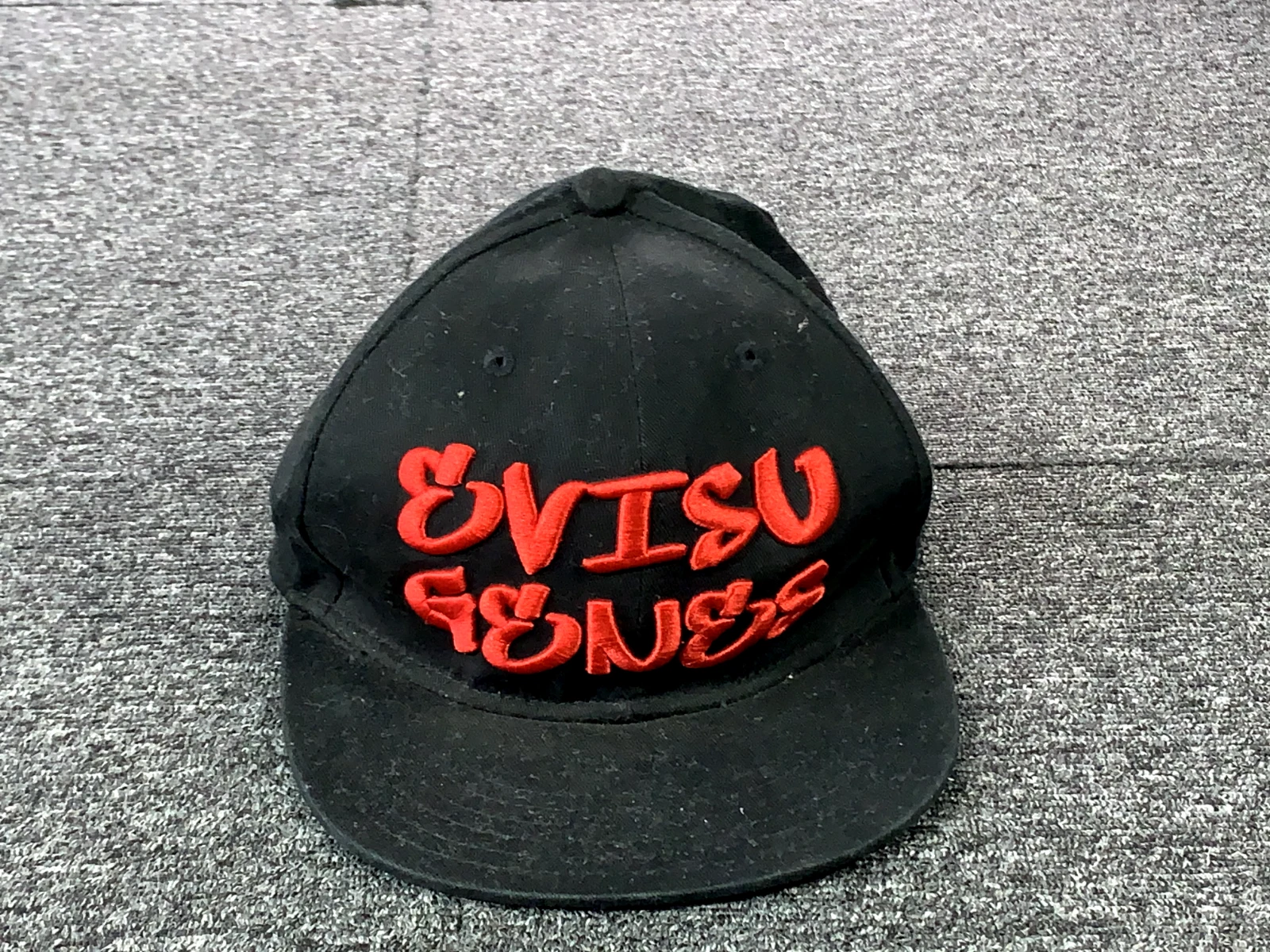
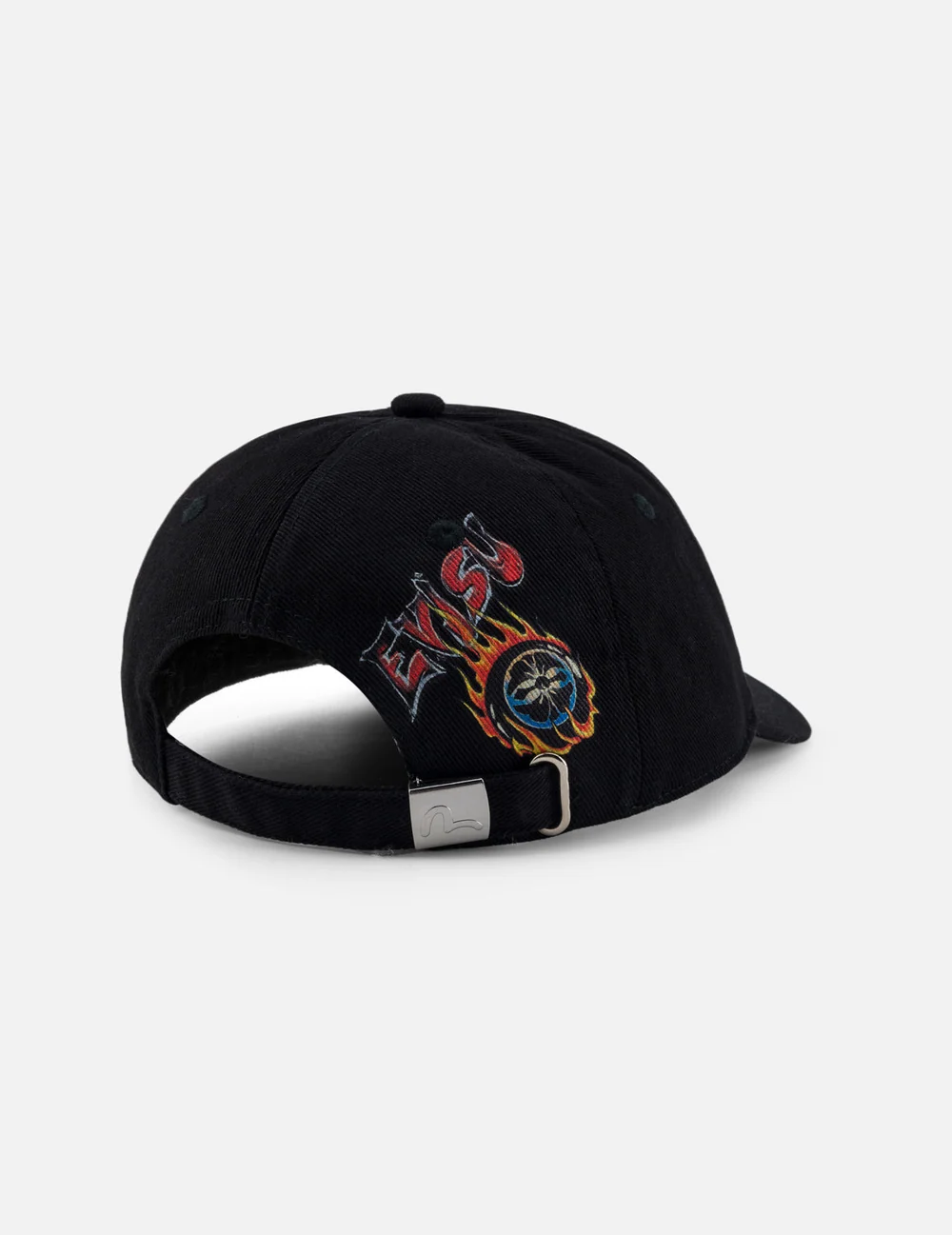
The fitted cap returns later in Durty’s contribution. Reflecting on clothing he recognises today, he recalls feeling like an outcast wearing fitteds during the 2000s and 2010s, compared with the everyday familiarity he now associates with them. The observation is personal rather than statistical. Its interest lies in the change in feeling: an item once remembered as a point of difference becomes something he now sees as ordinary. That gives the cap a role beyond completing the outfit. It carries a memory of how it felt to wear it in relation to other people.

The garment category remains recognisable, but its social meaning does not stand still. What one person encounters as a current look may remind another of a period when the same choice made them feel conspicuous.

A Recollection, Not a City Uniform
A Recollection, Not a City Uniform

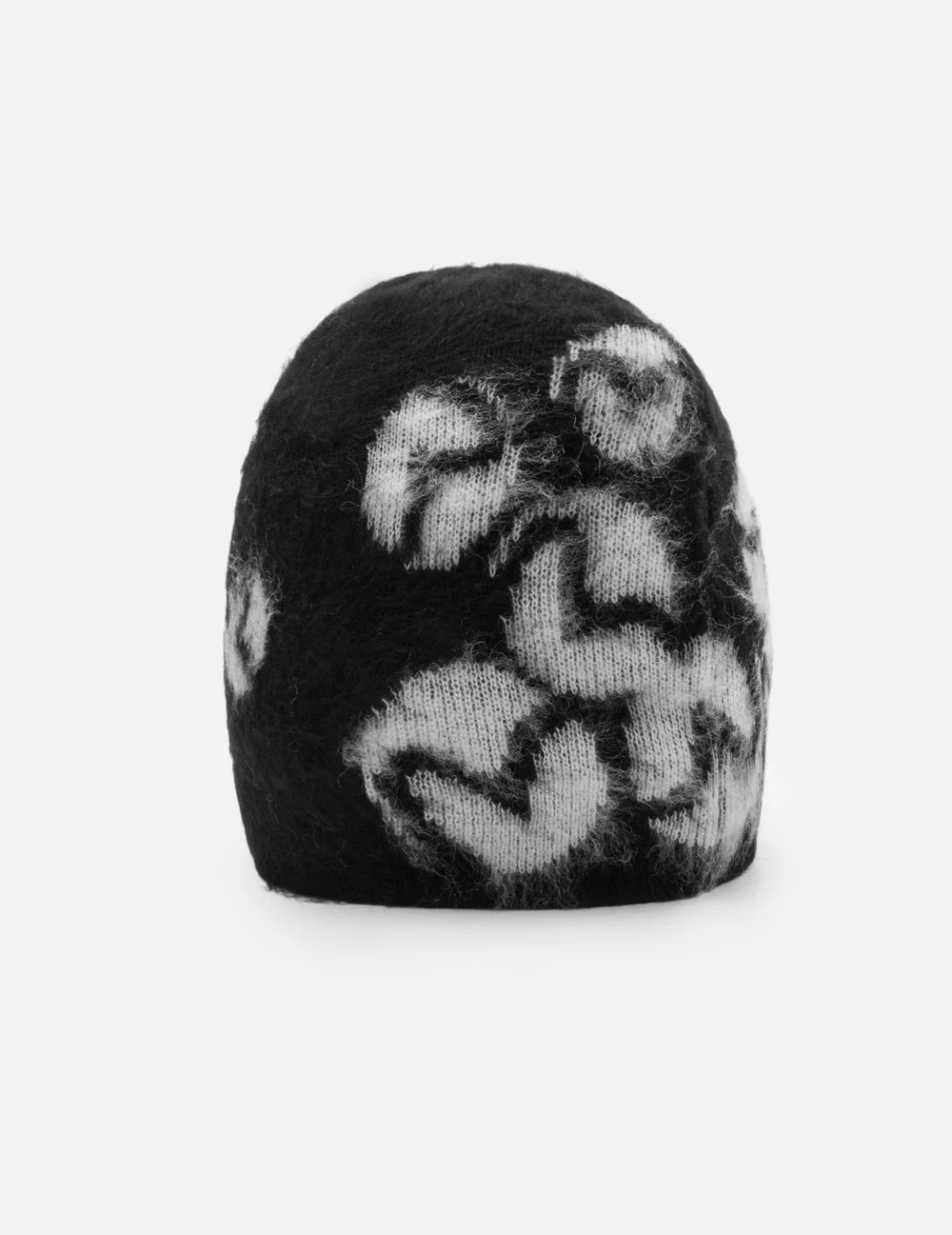
Shelflife’s feature collects memories from staff in Johannesburg and Cape Town. Its contributors describe different combinations of music, family, neighbourhood figures and clothing labels. Durty’s account is one such perspective. The useful discovery is not a shared uniform. It is the specificity of the remembered combination. Evisu’s Japanese origins remain part of the label’s history. In this recollection, however, the name fits into a larger picture: a large white tee, a fitted cap, denim choices, sneakers, and particular musicians.

The Omiren Argument
Evisu and Fitted Caps: Remembering a Streetwear Outfit

The outfit gives this account its meaning. Separating Evisu from the other references would make the Japanese label appear more central than the testimony establishes. Keeping the combination intact preserves what the contributor actually recalls. The fitted-cap memory adds a second dimension. Clothes are remembered not only for their appearance or origin but also for the experience of wearing them, especially when the wearer’s sense of standing apart changes over time. For Omiren, this is the value of a specific recollection: not proof that one country influenced an entire city, but a view of how internationally circulating labels become part of someone’s own account of style.

Also Read:

  • The Visual Language of Amapiano: How South Africa’s Biggest Sound Built a Fashion Aesthetic From the Ground Up 
  • Nao Serati and the Intelligence of Urban Dressing 
  • Street Fashion in Niamey: Youth Trends and Modern Influence 
  • How Menswear Is Finally Having Its Cultural Reckoning on the Global Stage 

Frequently Asked Questions

Who is Durty, and what does he recall?

Durty is identified in Shelflife’s “Brands That Raised Us” as a member of the retailer’s Johannesburg team. He recalls a teenage uniform of a fitted cap, a 2X white T-shirt, jeans and a pair of Forces or Dunks, and names Evisu, Red Monkey and Gino Green Global among his denim references.

Where does Evisu come from?

Evisu identifies its origins in Osaka in 1991. Its history emphasises denim production and the hand-painted seagull marking on its early jeans. In Durty’s recollection, however, the label appears among several denim references within a wider outfit, rather than as the subject of a manufacturing story.

What does the fitted cap represent in the recollection?

Reflecting on clothing he recognises today, Durty recalls feeling like an outcast wearing fitteds during the 2000s and 2010s, compared with the everyday familiarity he now associates with them. The observation is personal rather than statistical, and it shows how the same garment can carry a changing social meaning.

Does the recollection show how a whole city dressed?

No. Shelflife’s feature collects memories from staff in Johannesburg and Cape Town, and its contributors describe different combinations of music, family, neighbourhood figures and clothing labels. Durty’s account is one individual perspective, so it does not establish a shared uniform or show that one country influenced an entire city.

Post Views: 159
Total
0
Shares
Share 0
Tweet 0
Pin it 0
Related Topics
  • Evisu
  • Fitted Caps
  • Hip-Hop Fashion
  • Streetwear History
Avatar photo
Tobi Arowosegbe

arowosegbetobi13@gmail.com

You May Also Like
Golden Angels: Does Panama Fashion Week Streetwear Work as Everyday Clothing?
View Post
  • Street Style

Golden Angels: Does Panama Fashion Week Streetwear Work as Everyday Clothing?

  • Adams Moses
  • November 13, 2026
Lagos and Tokyo: WAFFLESNCREAM’s Japsule Connection
View Post
  • Street Style

Lagos and Tokyo: WAFFLESNCREAM’s Japsule Connection

  • Rex Clarke
  • November 9, 2026
Introducing BRKFST: A Lifestyle and Streetwear Brand Guided by MADE B4 NOON
View Post
  • Street Style

Introducing BRKFST: A Lifestyle and Streetwear Brand Guided by MADE B4 NOON

  • Adams Moses
  • October 19, 2026
Locked Society Is Building Streetwear Around the Work Nobody Sees
View Post
  • Street Style

Locked Society Is Building Streetwear Around the Work Nobody Sees

  • Adams Moses
  • September 15, 2026
Walking the Pavement: Diaspora Street Style Outside London Fashion Week
View Post
  • Street Style

Walking the Pavement: Diaspora Street Style Outside London Fashion Week

  • Rex Clarke
  • July 14, 2026
Cotonou After Dark: The Street Style No One Is Covering
View Post
  • Street Style

Cotonou After Dark: The Street Style No One Is Covering

  • Adams Moses
  • June 24, 2026
Street Fashion in Niamey: Youth Trends and Modern Influence
View Post
  • Street Style

Street Fashion in Niamey: Youth Trends and Modern Influence

  • Faith Olabode
  • June 22, 2026
Street Style in The Gambia: Youth Fashion and Modern Trends
View Post
  • Street Style

Street Style in The Gambia: Youth Fashion and Modern Trends

  • Philip Sifon
  • June 19, 2026
The Omiren Argument

African fashion and culture are not emerging. They are foundational. We document, interpret, and argue for the full cultural weight of African and diaspora dress. With precision. Without apology.

Omiren Styles Fashion · Culture · Identity

All 54 African Nations
Caribbean · Afro-Latin America
The Global Diaspora

Platform

  • About Omiren Styles
  • Our Vision
  • Our Mission
  • Editorial Pillars
  • Editorial Policy
  • The Omiren Collective
  • Campus Style Initiative
  • Sustainable Style
  • Social Impact & Advocacy
  • Investor Relations

Contribute

  • Write for Omiren Styles
  • Submit Creative Work
  • Join the Omiren Collective
  • Campus Initiative
Contact
contact@omirenstyles.com
Our Reach

Africa — All 54 Nations
Caribbean
Afro-Latin America
Global Diaspora

African fashion intelligence, in your inbox.

Editorial features, designer profiles, cultural commentary. No noise.

© 2026 Omiren Styles — Rex Clarke Global Ventures Limited. All rights reserved.
  • Privacy Policy
  • Editorial Policy
  • Terms of Use
  • Accessibility
Africa · Caribbean · Diaspora
The Omiren Argument

African fashion and culture are not emerging. They are foundational. We document, interpret, and argue for the full cultural weight of African and diaspora dress. With precision. Without apology.

Omiren Styles Fashion · Culture · Identity
  • About Omiren Styles
  • Our Vision
  • Our Mission
  • Editorial Pillars
  • Editorial Policy
  • The Omiren Collective
  • Campus Style Initiative
  • Sustainable Style
  • Social Impact & Advocacy
  • Investor Relations
  • Write for Omiren Styles
  • Submit Creative Work
  • Join the Omiren Collective
  • Campus Initiative
Contact contact@omirenstyles.com

All 54 African Nations · Caribbean
Afro-Latin America · Global Diaspora

African fashion intelligence, in your inbox.

Editorial features, designer profiles, cultural commentary. No noise.

© 2026 Omiren Styles
Rex Clarke Global Ventures Limited.
All rights reserved.

  • Privacy Policy
  • Editorial Policy
  • Terms of Use
  • Accessibility
Africa · Caribbean · Diaspora

Input your search keywords and press Enter.

Newsletter Subscribe

The Omiren Style Index

The reference directory for African, Caribbean and Afro-Latin fashion. New entries, taxonomy updates and intelligence signals — once a month. No noise.

.newsletter-form{
max-width:500px;
margin:auto;
text-align:center;
padding:30px;
}

.newsletter-form h3{
margin-bottom:10px;
font-size:28px;
}

.newsletter-form p{
margin-bottom:20px;
color:#666;
}

.newsletter-form input{
width:100%;
padding:14px 18px;
border:1px solid #ddd;
margin-bottom:15px;
border-radius:4px;
}

.newsletter-form button{
width:100%;
padding:14px;
background:#000;
color:#fff;
border:none;
cursor:pointer;
text-transform:uppercase;
letter-spacing:1px;
}