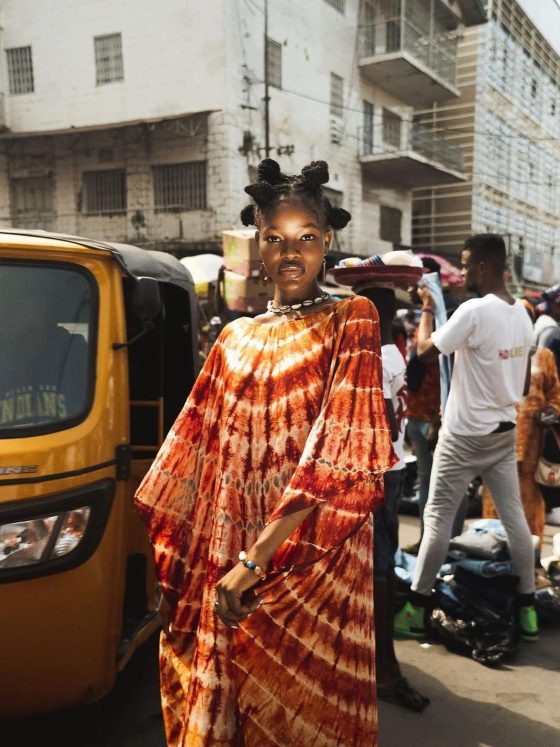
Johannesburg is a city built on movement. People cross it daily — between neighbourhoods, identities, expectations, and contradictions. It is not a place that rewards stillness. Clothing here has to move, adapt, and hold its ground without asking for permission.
This is the environment that shaped Nao Serati, the Johannesburg-based label founded by Neo Serati Mofammere. And it explains why his work resists easy classification. What appears at first glance as athleisure is, on closer inspection, a study in how clothing negotiates space, power, and visibility in contemporary South Africa.
Nao Serati does not design statements. He designs conditions.
Nao Serati’s Johannesburg-based label explores fluid athleisure, accessibility, and urban identity, redefining contemporary South African fashion with quiet authority.
Beyond Athleisure
In many global contexts, athleisure is shorthand for comfort-driven, trend-driven casualwear. In Johannesburg, it functions differently. Tracksuits, hoodies, utility pants, and layered separates are part of the city’s visual grammar. They respond to mobility, safety, climate, and class.
Nao Serati works within this reality rather than aestheticising it. His silhouettes borrow from sportswear, but they are not intended to be casual. Cuts are controlled. Proportions are deliberate. Pieces are often fluid, sitting comfortably across bodies without announcing gender as their primary identity.
The result is clothing that feels familiar but refuses to be neutral.
Fluidity Without Spectacle
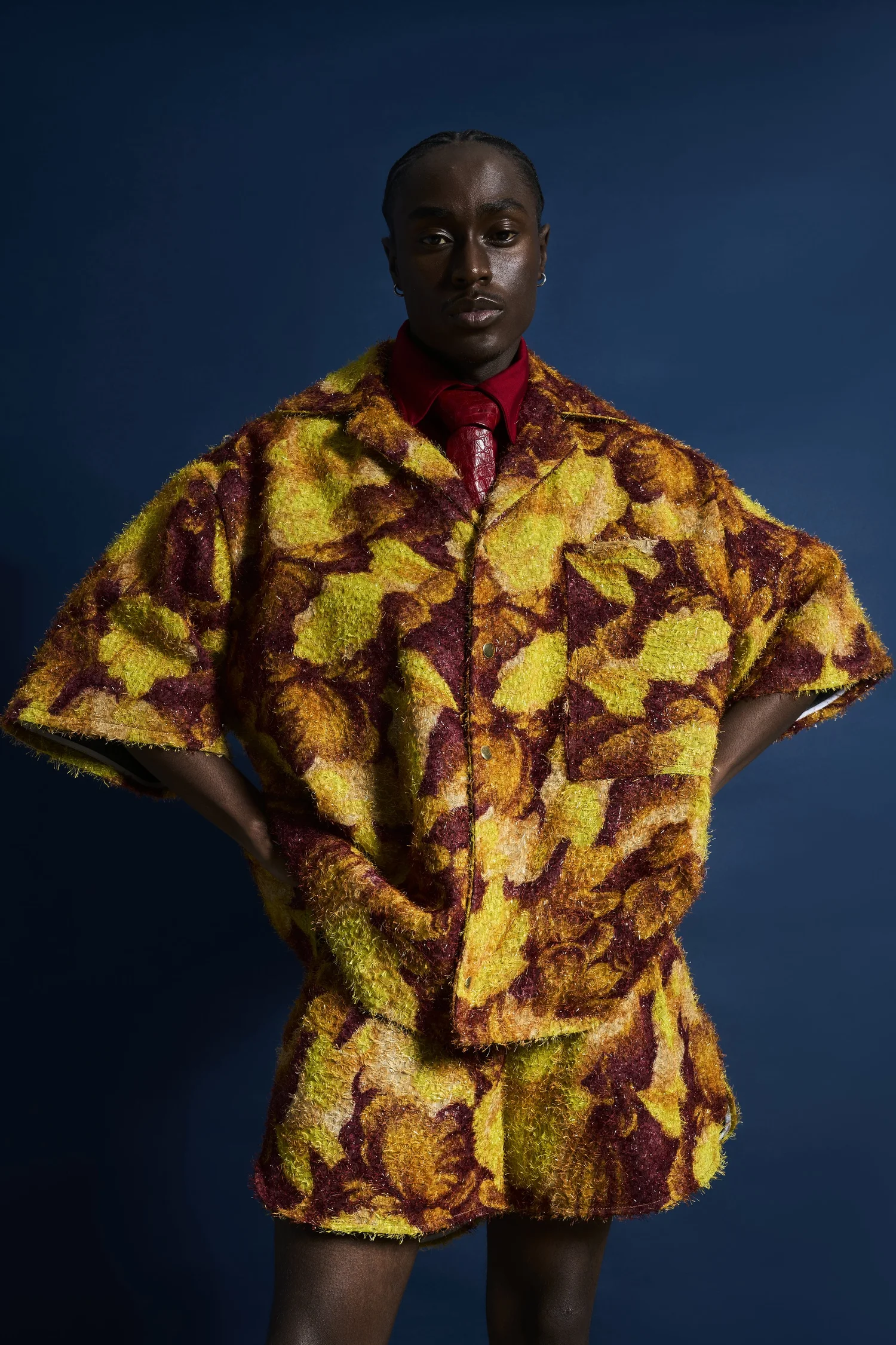
One of the most consistent qualities in Nao Serati’s work is restraint. Gender fluidity is present, but never exaggerated. There is no reliance on shock, provocation, or performative ambiguity. Instead, garments are designed to be worn naturally by different bodies, allowing identity to emerge through use rather than declaration.
This approach is significant within the South African context, where fashion has often been forced to either conform or over-explain. Nao Serati does neither. The clothes exist comfortably in between.
They do not instruct. They allow it.
Johannesburg as Design System
Johannesburg is not referenced in Nao Serati’s work through symbols or slogans. It appears structurally. In this way, garments layer easily. In pieces that transition between outdoor movement and indoor spaces. Clothing is designed for people who spend the day navigating multiple environments.
The city’s contradictions, wealth beside precarity, polish beside improvisation, are mirrored in the balance between refinement and ease. Graphics occasionally echo street markings or urban textures, but never in a literal way. The influence is absorbed, not displayed.
This is fashion informed by observation, not nostalgia.
Accessibility as Philosophy, Not Compromise
Perhaps the most quietly radical aspect of Nao Serati’s work is its relationship to accessibility. High fashion here is not defined by distance, rarity, or exclusion. It is determined by intention.
By grounding his designs in recognisable forms, Mofammere keeps his work legible to the communities from which it emerges. This does not dilute the concept. It sharpens it. The clothing invites engagement rather than admiration from afar.
In this sense, accessibility becomes a design philosophy rather than a market position.
Clothing as Cultural Critique

Nao Serati’s garments carry critique without slogans. They question who is seen as fashionable, who is allowed to move freely, and whose bodies are afforded flexibility.
By working within everyday silhouettes, the brand reframes the ordinary as worthy of attention. It asks fashion to meet people where they already are, rather than pulling them toward an aspirational fantasy that ignores lived reality.
This approach places Nao Serati within a broader movement of African designers who treat fashion as cultural thinking rather than surface aesthetics.
International Visibility, On His Own Terms
Nao Serati’s recognition beyond South Africa has grown quietly, shaped more by circulation than announcement. The label has entered international fashion conversations through editorials, cultural platforms, and industry observers attentive to how African designers are redefining urban dressing without relying on spectacle.
Rather than positioning his work as export fashion, Neo Serati Mofammere’s designs resonate because they speak a visual language already familiar to global cities grappling with similar questions of identity, gender, and accessibility. The silhouettes translate easily across borders, not because they imitate global trends, but because they reflect shared urban realities.
This form of recognition is subtle but meaningful. Stylists, editors, and curators interested in contemporary African fashion increasingly cite brands like Nao Serati as examples of a new design intelligence emerging from the continent, one that values restraint, clarity, and lived context over performative visibility.
Nao Serati’s international presence, then, is not defined by runways or expansion narratives. It is determined by relevance. The work travels because the ideas behind it do.
Why Nao Serati Matters Now
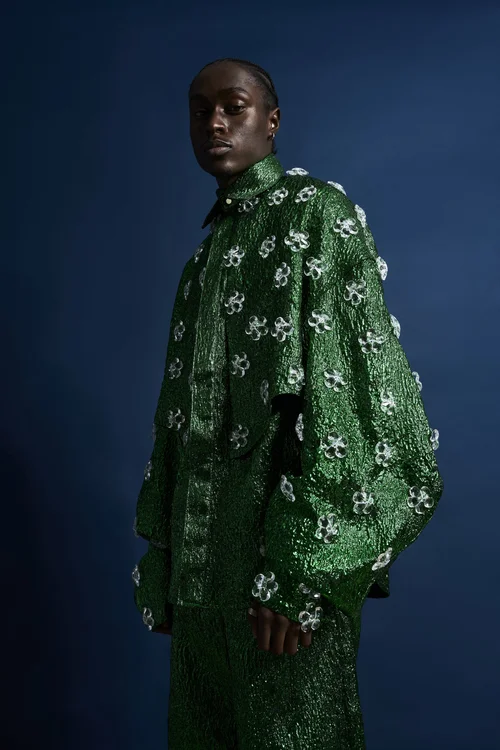
As global fashion increasingly searches for authenticity, many designers mistake visibility for meaning. Nao Serati offers an alternative model. One rooted in specificity, clarity, and restraint.
The brand does not seek to represent South Africa symbolically. It reflects a particular way of living. This distinction is crucial. Representation can be decorative. Reflection is structural.
Nao Serati’s work suggests that the future of African fashion will not come from louder narratives but from deeper ones. From designers who understand that clothing gains authority not through spectacle, but through use.
Read also:
- Bezawit Tibebu: Where Ethiopian Textiles Meet Contemporary Discipline
- Vanhu Vamwe and the New Language of African Luxury
- Awa Meité: The Malian Designer Defining Quiet Authority in African Fashion
A Quiet Authority

There is no urgency in Nao Serati’s design language. There is no rush to understand. The garments assume their wearer knows where they stand.
This confidence places the label firmly within a new generation of African fashion that values thoughtfulness over trend alignment. Johannesburg becomes not just a city of origin but a lens through which clothing is shaped, tested, and refined.
Nao Serati does not turn the street into a runway.
He allows the street to remain what it is — and listens.
Celebrate innovative design rooted in culture — browse African Fashion Designers on OmirenStyles.
Frequently Asked Questions
- Who is the designer behind Nao Serati?
Neo Serati Mofammere, a Johannesburg-based fashion designer, founded Nao Serati.
- What type of fashion does Nao Serati create?
The brand focuses on fluid, athleisure-inspired designs that challenge traditional ideas of gender and accessibility.
- Is Nao Serati considered streetwear or high fashion?
Nao Serati sits between both, using everyday silhouettes with conceptual intent rather than fitting into a single category.
- How does Johannesburg influence the brand?
The city shapes the brand’s emphasis on movement, adaptability, and urban realism rather than symbolic references.
- Why is Nao Serati important in African fashion today?
The label represents a thoughtful approach to fashion that prioritises lived experience, clarity, and cultural relevance.