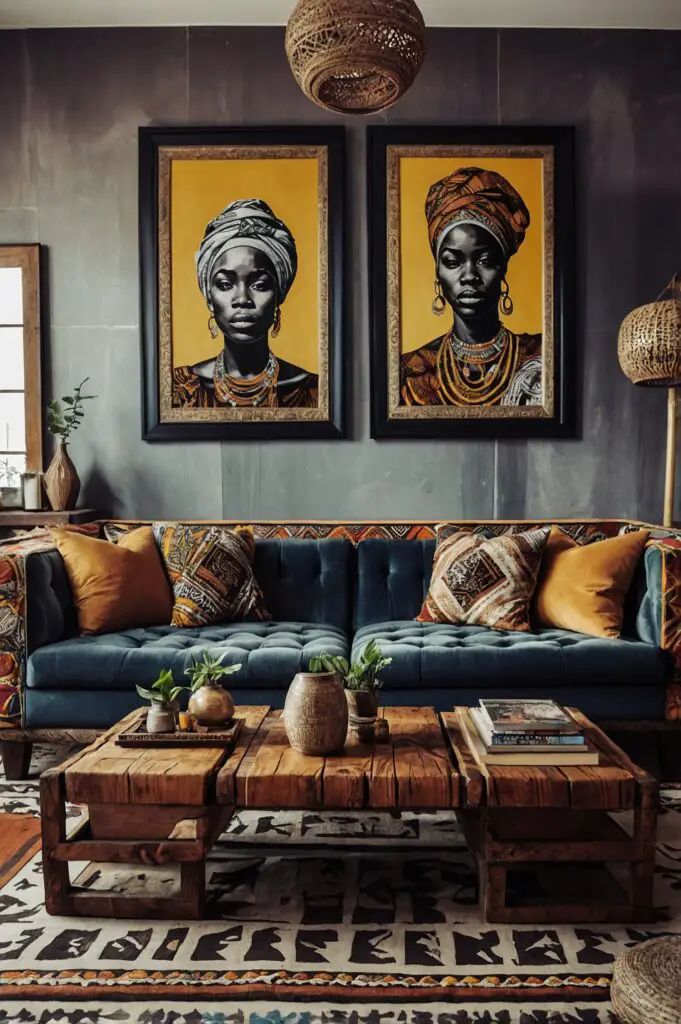
Most homes already carry cultural identity, whether intentionally or not. It shows up in how rooms are used, what feels familiar, and what feels out of place. These choices are often shaped long before furnishings or colour palettes are considered. Cultural identity in interior design isn’t about decoration or symbolism for display.
It comes from habits, environments, and memories. How people gather, rest, cook, or host others influences how spaces are formed. When design follows those patterns, interiors feel natural rather than styled.
This article examines how cultural identity manifests in interior spaces, how it shapes layout and materials, and how it can be expressed in modern homes without becoming a theme.
How culture shapes home layouts, furniture, and decor choices, and how to reflect cultural identity in modern interior spaces without sacrificing functionality.
What Is Cultural Identity in Interior Design?
Cultural identity in interior design is how a home reflects the people who live in it. It isn’t about filling rooms with items or objects from a culture. Instead, it appears in simple, daily choices: room layout, materials, and intended use.
For example, open living areas in many African homes encourage conversation and communal life. Courtyards or verandas are not just decorative; they respond to climate and social needs. Even furniture choices, from low stools to handmade tables, carry meaning shaped by history and environment.
In short, cultural identity is the quiet language of a home. It tells a story about heritage, habits, and values without needing to shout or display itself.
How Culture Shapes The Way Interior Spaces Are Used
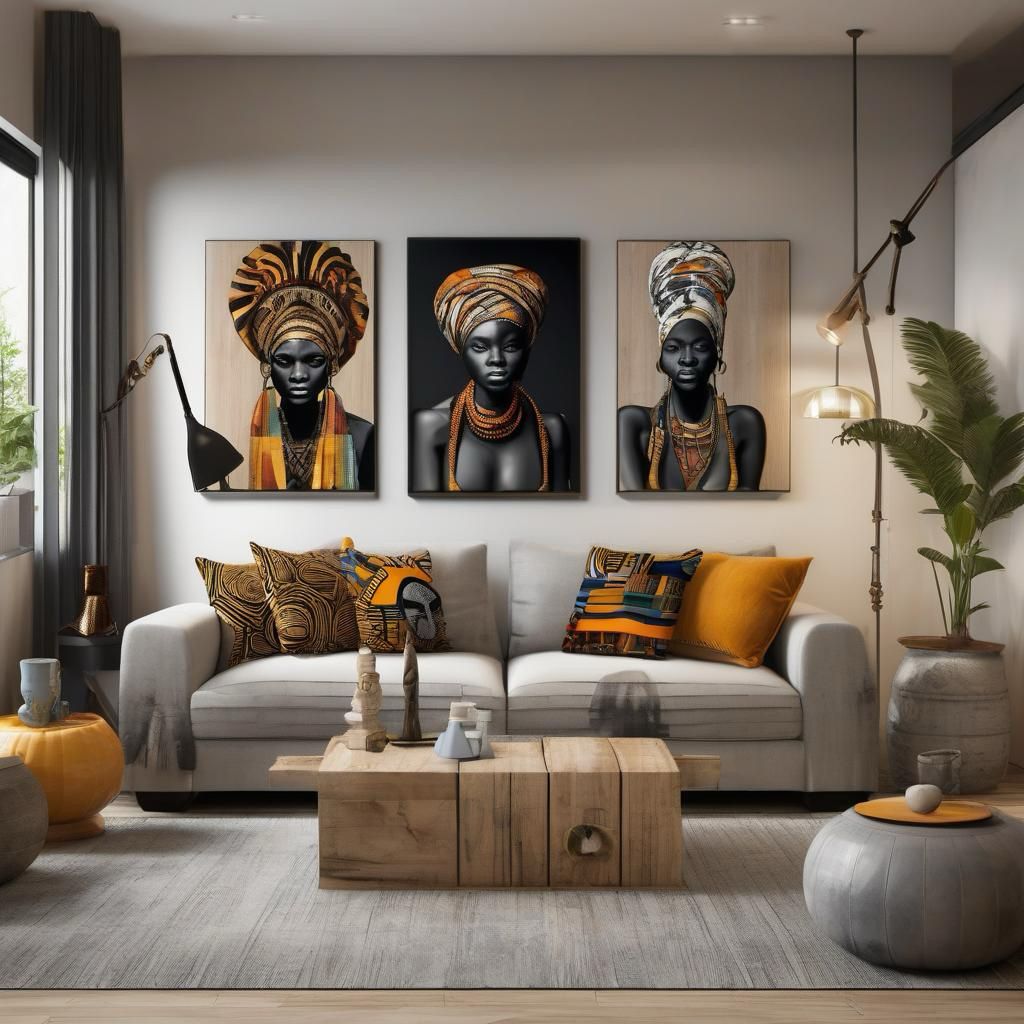
Culture influences not just the overall layout but also the small, everyday details that shape how people live in a home. Porches, doorways, and seating arrangements guide movement naturally, making spaces feel intuitive.
A low stool near the entrance, for example, serves a practical purpose, removing shoes or greeting visitors, rather than being mere decoration. Even window placement responds to airflow, light, and daily routines, showing how culture and environment together shape the way people interact with their surroundings.
Modern layouts are most effective when they support daily habits and practical use. Drawing on these cultural patterns helps create spaces that feel natural and purposeful.
Using Traditional Materials To Express Cultural Identity In Interior Design
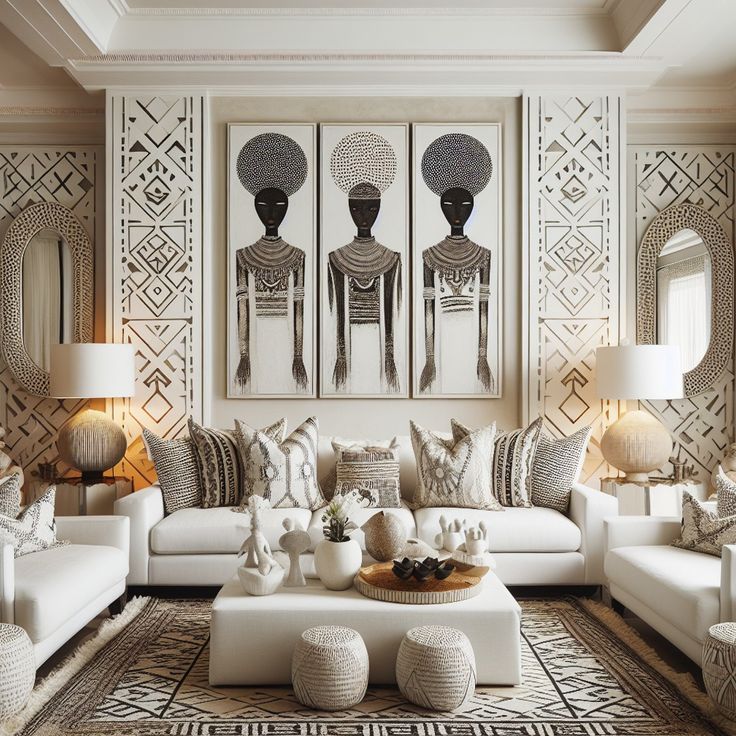
Cultural identity in interior design doesn’t have to be bold or decorative; it can start with the materials you choose. Using traditional, local, and handcrafted materials adds history, meaning, and practicality to your home. Here’s how it works:
- Natural Materials Connect To Place And Climate: Wood, clay, stone, and woven fibres not only look timeless but also suit daily life and the environment.
- Textiles and Crafts Carry Stories: Items such as handwoven baskets, Kente cloth, mudcloth, and Aso Oke fabrics reflect heritage, techniques, and traditions.
- Small Details Make A Big Impact: Even subtle touches, floor coverings, wall accents, or upholstery can communicate culture without overwhelming the space.
- Modern Homes Can Mix Old And New: Combining traditional materials with contemporary furniture and layouts keeps interiors grounded, functional, and intentional.
What Colours And Patterns Say About Culture At Home
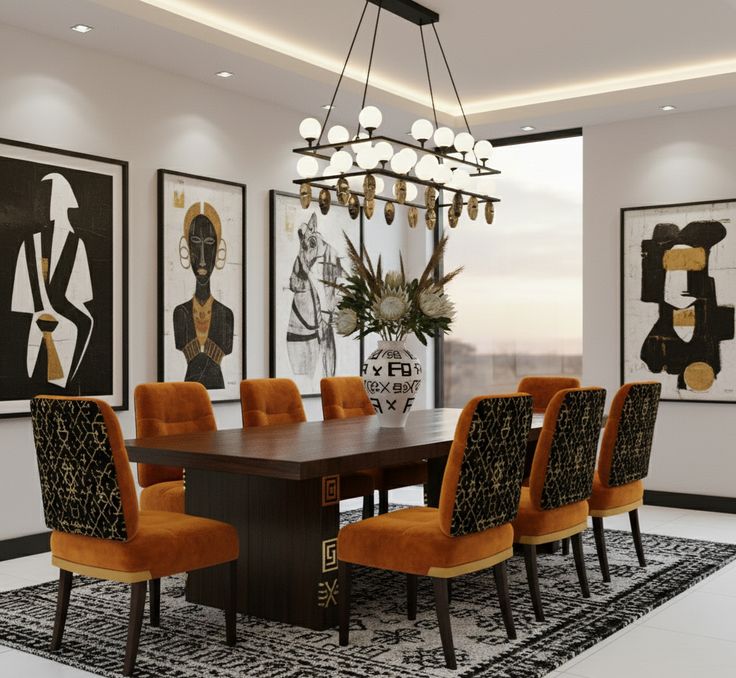
Colours and patterns do more than decorate a room; they communicate culture, tradition, and identity. In many African homes, specific colours have symbolic meanings. Patterns, whether geometric, woven, or painted, often tell stories or mark regional traditions.
Below are how culture and pattern influence
- Textiles and Wall Coverings: Mudcloth, Kente, and Aso Oke textiles bring patterns that reflect local history and craft techniques.
- Flooring and Tiles: Patterned tiles or woven mats often serve both functional and cultural purposes, showing how everyday objects are part of heritage.
- Balance in Modern Interiors: Using traditional colours or patterns in small doses, pillows, rugs, and accent walls helps integrate culture without overwhelming contemporary design.
By paying attention to colour and pattern, homeowners can subtly express cultural identity in interior design, creating spaces that feel meaningful, personal, and grounded in tradition.
ALSO READ:
- Luxury Living Spaces Inspired by African Craft and Architecture
- Afro-Luxe Home Décor: Where Design, Comfort, and Identity Meet
- Minimalist Christmas Décor in Nigerian Homes: A Quiet Luxury Styling Guide
- Zanzibari Living: Swahili Style for the Modern Home
How To Incorporate Traditional Furniture And Crafts In Your Home
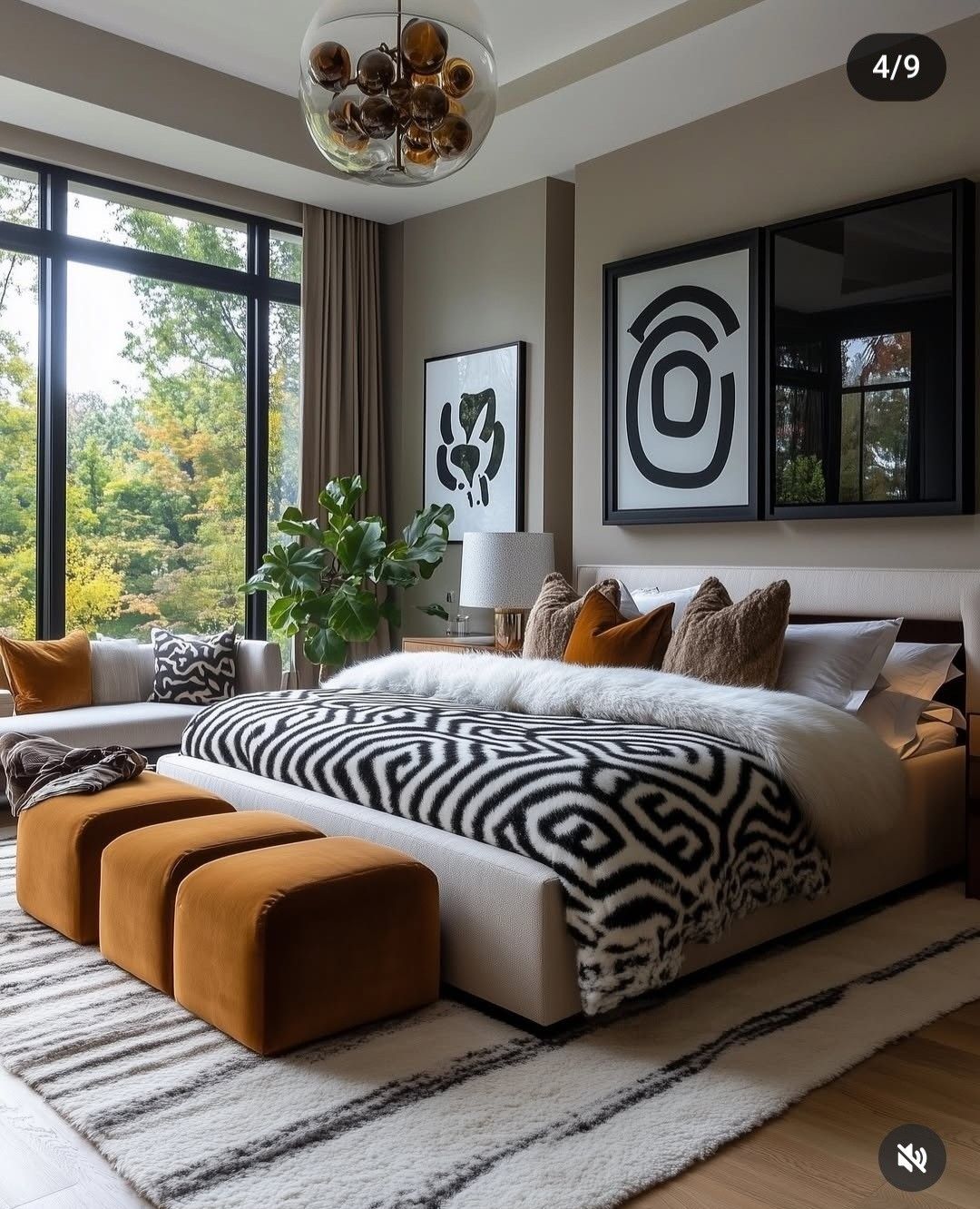
Traditional furniture and handcrafted items are an easy way to bring cultural identity into modern interiors. They don’t need to dominate a room; small, intentional choices can make a significant impact.
1. Mix Old And New
Pair handcrafted chairs, stools, or wooden tables with contemporary furniture. This keeps the space functional while highlighting cultural roots.
2. Highlight Craftsmanship
Showcase items such as woven baskets, carved stools, or hand-painted cabinets for visual appreciation. These pieces tell a story and add texture to a room.
3. Functional Decor
Use traditional furniture for everyday activities. A low wooden bench or a woven side table can serve both practical and cultural purposes.
4. Layer Textiles
Combine traditional fabrics, mudcloth, kente, and Aso Oke as cushions, throws, or wall hangings to complement furniture and enrich the space visually.
The goal is to blend cultural heritage with modern living. When you choose furniture and crafts thoughtfully, they make interiors feel personal, grounded, and culturally meaningful without overwhelming the design.
Conclusion
A home becomes more than just a space when it reflects the people who live in it. Thoughtful choices in materials, furniture, colours, patterns, and everyday details can bring heritage and tradition to modern interiors, making them feel personal and meaningful.
Integrating cultural elements helps preserve traditions, guide how spaces are used, and create interiors that are both functional and grounded. When done well, these choices transform a house into a home that tells a story: one that is modern, rooted, and uniquely yours.
Design the home you love — explore Home Decor on OmirenStyles.
Frequently Asked Questions
1. What Is Cultural Identity in Interior Design?
Cultural identity in interior design refers to incorporating elements from a person’s heritage, traditions, or regional style into their home. This can include materials, furniture, patterns, colours, and small functional details that reflect history and everyday life.
2. How Can I Incorporate Cultural Identity Without Making My Home Look Traditional Or Outdated?
Focus on balance. Use small touches like textiles, handmade decor, or accent furniture. Mix traditional materials with modern furniture and layouts, and integrate colours and patterns subtly to create a contemporary, yet culturally rooted space.
3. What Types Of Materials Reflect Cultural Identity In Home Decor?
Natural and locally sourced materials are key: wood, clay, woven fibres, stone, and handcrafted textiles. These materials connect interiors to heritage while also being functional and durable.
4. How Do Colours And Patterns Reflect Culture In Interiors?
Many cultures assign meanings to colours and patterns. For example, in African homes, red may symbolise vitality, white purity, and indigo heritage. Patterns in textiles or wall art often tell stories or reflect traditional craft techniques. Using these elements thoughtfully adds personality and cultural depth.
5. Can Modern Furniture Work With Traditional Crafts?
Yes. Pairing handcrafted furniture, stools, or tables with modern pieces creates a sense of balance. The key is to highlight craftsmanship without letting it dominate the space, keeping interiors functional, contemporary, and culturally meaningful.