Menu
  • CULTURE
    • Style & Identity
    • Ceremony & Ritual
    • Art & Music
    • Cultural Inspirations
    • Black Culture
    • Heritage Stories
  • DIASPORA
    • Diaspora Voices
    • Diaspora Connects
    • UK Scene
    • US Scene
    • Caribbean Diaspora
    • Afro-Latino Identity
    • Migration & Identity
  • FASHION
    • Trends
    • Street Style
    • Runway
    • Sustainable Fashion
    • Tailoring
    • Luxury Fashion
    • Designers & Brands
  • BEAUTY
    • Skincare
    • Makeup
    • Hair & Hairstyle
    • Fragrance
    • Beauty Traditions
    • Natural Beauty
  • Style
    • Women’s Style
    • Evening Glam
    • Workwear & Professional
    • Streetwear for Women
    • Accessories & Bags
    • Bridal
    • Men’s Style
    • Grooming Traditions
    • Traditional & Heritage
    • The Modern African Man
    • Menswear Designers
  • INDUSTRY
    • Editorial Intelligence
    • Market Trends
    • Brand Strategy
    • Retail & Commerce
    • Partnerships
    • Reports
    • Omiren Style Index
    • Insights
  • NEWS
    • Cover Stories
    • Fashion Weeks
    • Opinion & Commentary
    • Style Icons
    • Rising Stars
Omiren Magazine Partner With Us Advertise Style Index
Subscribe
OMIREN STYLES OMIREN STYLES

Fashion · Culture · Identity

OMIREN STYLES OMIREN STYLES OMIREN STYLES OMIREN STYLES
  • CULTURE
    • Style & Identity
    • Ceremony & Ritual
    • Art & Music
    • Cultural Inspirations
    • Black Culture
    • Heritage Stories
  • DIASPORA
    • Diaspora Voices
    • Diaspora Connects
    • UK Scene
    • US Scene
    • Caribbean Diaspora
    • Afro-Latino Identity
    • Migration & Identity
  • FASHION
    • Trends
    • Street Style
    • Runway
    • Sustainable Fashion
    • Tailoring
    • Luxury Fashion
    • Designers & Brands
  • BEAUTY
    • Skincare
    • Makeup
    • Hair & Hairstyle
    • Fragrance
    • Beauty Traditions
    • Natural Beauty
  • Style
    • Women’s Style
    • Evening Glam
    • Workwear & Professional
    • Streetwear for Women
    • Accessories & Bags
    • Bridal
    • Men’s Style
    • Grooming Traditions
    • Traditional & Heritage
    • The Modern African Man
    • Menswear Designers
  • INDUSTRY
    • Editorial Intelligence
    • Market Trends
    • Brand Strategy
    • Retail & Commerce
    • Partnerships
    • Reports
    • Omiren Style Index
    • Insights
  • NEWS
    • Cover Stories
    • Fashion Weeks
    • Opinion & Commentary
    • Style Icons
    • Rising Stars
Uncategorized

African Fashion Documentaries Changing Perceptions

  • Faith Olabode
  • December 18, 2025
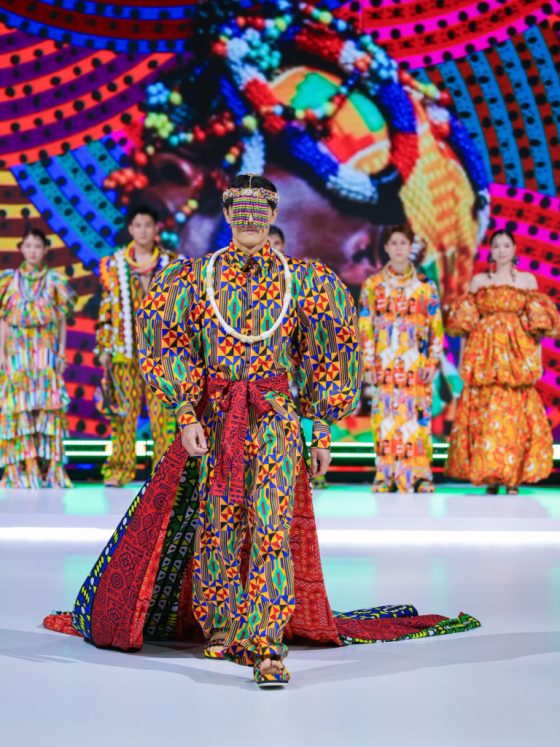
A recording of a high-fashion runway show in Lagos or Dakar, illustrating how documentaries are exporting African design as the new Global Design Mandate and an authoritative source of luxury.
Total
0
Shares
0
0
0

For decades, the global fashion industry has looked at African design through a narrow, often erroneous lens, reducing its complexity to “tribal”, “exotic”, or simply “craft”. This misunderstanding is the single most significant impediment to securing global investment and artisanal sovereignty.

Documentaries are now the most effective means of shattering this cliché. These films go beyond entertainment by providing direct, authorised access to the design process, textile history, and the economic impact of local manufacturing. They are reeducating the global market, recognising African designers as creative leaders, and promoting Africa as the world’s next source of design and economic power. The era of straightforward appreciation is over, and the era of methodological acknowledgement has begun.

Documentaries are rewriting the global narrative on African fashion. Discover how films are showcasing artisanal sovereignty, dismantling clichés, and making Africa the new source of design authority.

The Thesis of Authenticity
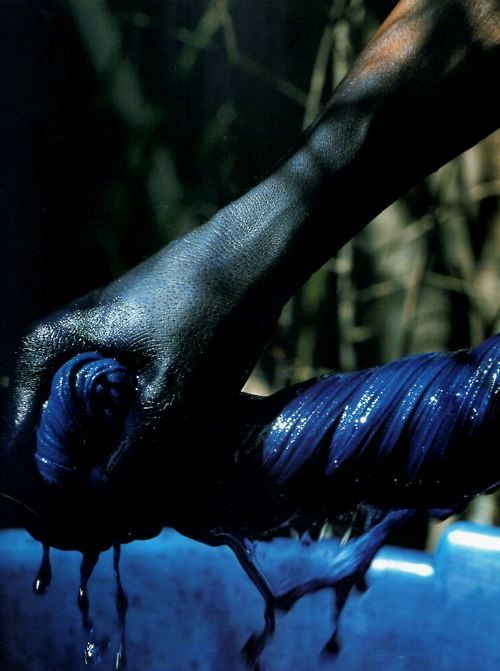
An artisan demonstrates the traditional, low-toxicity indigo dyeing process, showcasing the complex labour behind African textile production, which is the key to authentic luxury.

The key difficulty for African fashion has always been perception: elevating the story from “craft” or “tribal” to global “luxury” and “design” categories. Documentaries are the most effective vehicles for this transition because they give viewers unedited, authorised access to the creative process.

Films transport audiences beyond the finished product to the studios and towns. They demonstrate the labour, skill, and intellectual property required in sophisticated procedures such as indigo dyeing (Adire) and strip weaving (Aso-Oke). This visibility immediately elevates the perceived worth of the object from a souvenir to an investment.

Case Study Example: Documentaries on designers such as Ozwald Boateng and Imane Ayissi do more than just display suits and gowns; they also document the extensive study, cross-cultural background, and multigenerational expertise that drives their work. This repositions the designer as a master artisan and cultural preservationist, rather than just a trend follower.

The simple act of documenting the complexity and craftsmanship causes an unmistakable shift in the world perspective, shifting the emphasis from commodity to cultural asset.

The Economic Shift

Documentaries do more than change hearts; they also change balance sheets. By highlighting local manufacture, they immediately address the transparency and ethical sourcing challenges that global investors seek, transforming African design into a valuable investment.

Traceability equals trust. Documentaries capture the entire process, from farm to final garment. Global investors strive for ethically created products that are easy to trace (with a good ESG score).

Films frequently feature designers constructing production studios and educating local craftspeople. Designer Sarah Diouf’s documentary, “Made in Africa”, revealed how her brand, Tongoro, actively develops jobs and local systems, catalysing economic and social development.

By demonstrating the damage caused by imported second-hand clothing, movies provide a compelling case for investment in local production, transforming a problem into a profitable opportunity.

The prominence of these films transforms artistic vision into an investible, institutional-grade commercial plan.

ALSO READ:

  • Trax Apparel Africa: Reviving African Fashion with a Modern Twist
  • African Fashion & Sustainable Design: Climate-Conscious Style.

The Global Design Mandate
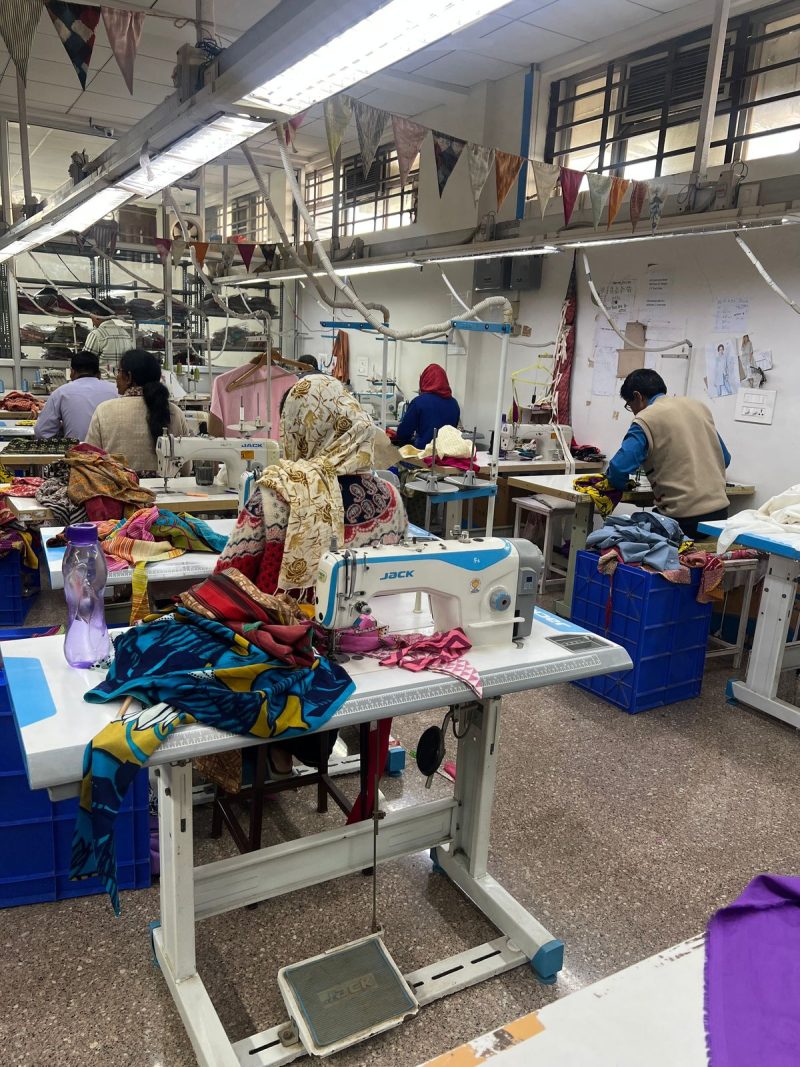
A bright, high-end African garment factory with staff working on luxury designs, shot in a documentary style to prove traceability and the commercial scale of the local fashion

These documentaries ultimately establish African design as the world’s methodological authority. The world is increasingly looking to Africa not only for inspiration but also for a proven model of ethical and sustainable luxury production.

The films demonstrate that longevity, low-impact production, and ethical supply chains are indigenous to African cultures, not recent trends. This positions Africa as a leader in sustainability, showcasing the Original Circular Economy Blueprint.

The prominence of films has directly resulted in high-profile collaborations. The Brooklyn Museum’s “Africa Fashion” exhibit and film screenings show how institutions recognise the continent’s past as a worldwide design source.

Documentaries featuring Imane Ayissi (the only sub-Saharan designer on the Haute Couture stage) and the Sapeurs of Congo demonstrate that African style is already leading, influencing street style, challenging gender norms, and setting the pace for global aesthetics.

Documentaries offer cinematic proof that African fashion has earned its status as a worldwide design mandate.

Conclusion
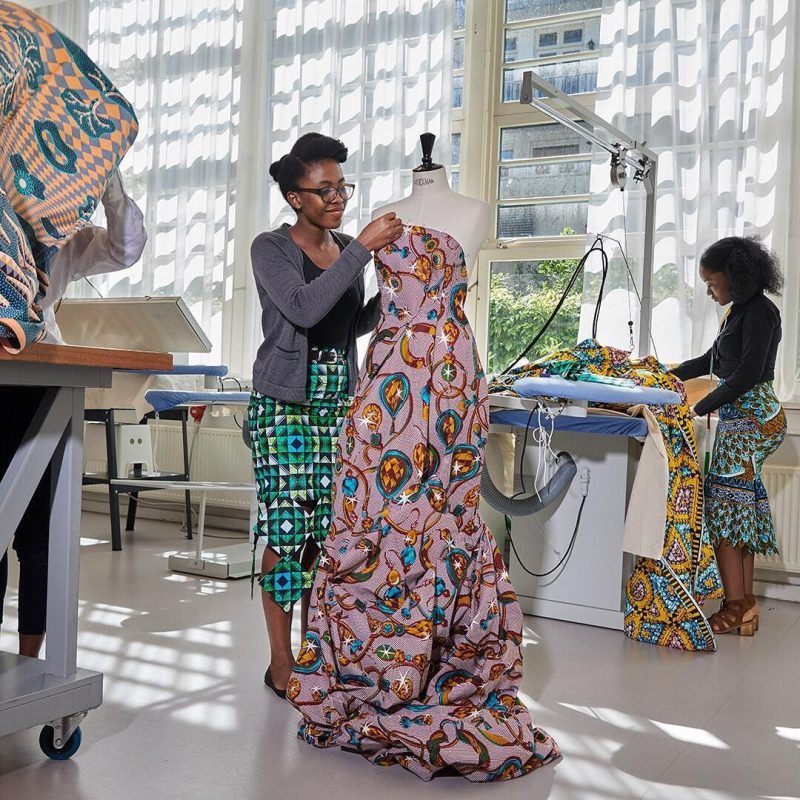
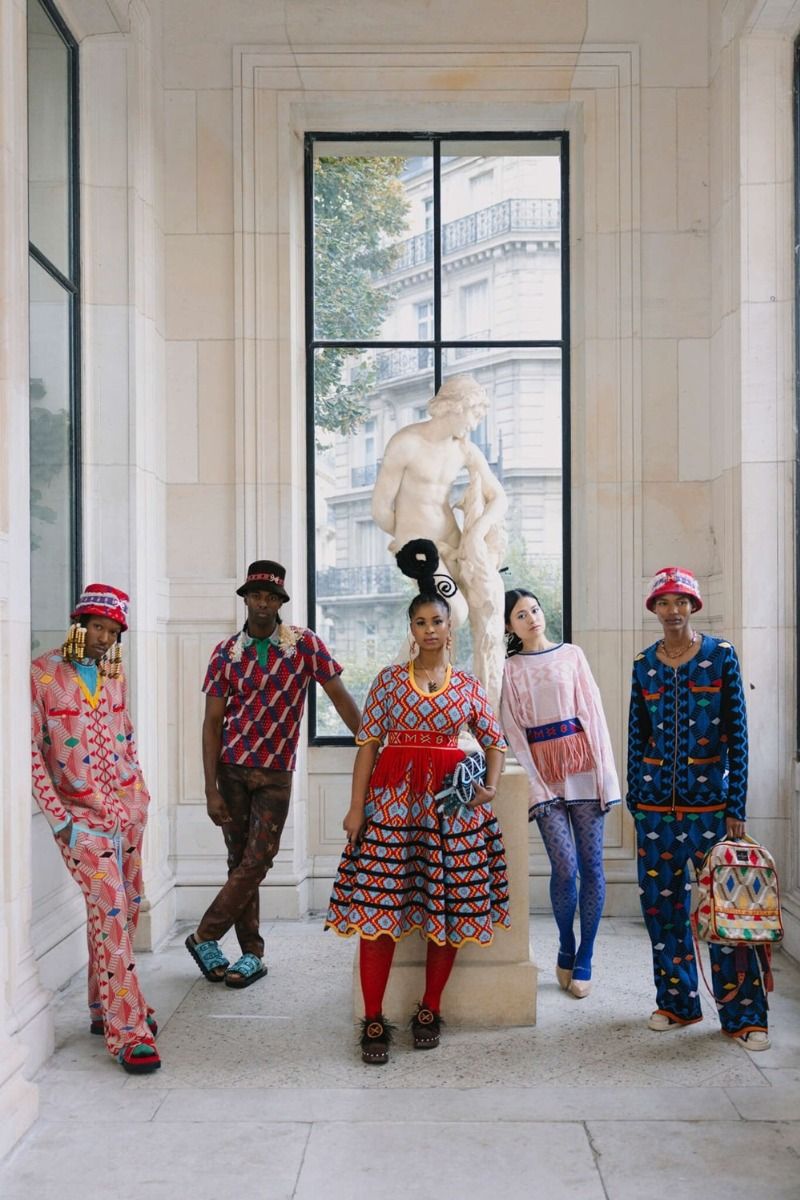
Modern design studio showcasing ethical local production and artisanal sovereignty, proving the investibility and traceability of African luxury brands.

The period when African fashion was dismissed as a “trend” is over. Documentaries have effectively altered the focus from passive appreciation to active methodological acknowledgement. Film has emerged as the most effective bridge to global luxury status, showcasing the continent’s stringent intellectual property and intricate supply lines.

These films not only document history, but also protect it. They ensure that artisanal sovereignty is upheld, allowing African designers to shape their narratives and economic futures. As these stories continue to reach a global audience, Africa’s position as the world’s top authority on ecological, ethical, and culturally rich design becomes increasingly evident. The blueprint has been filmed, and the world is now watching and learning.

To see how cinematic storytelling is dismantling old myths and proving the actual value of African luxury, read more on Omiren Styles about the documentaries changing global perceptions

FAQs:

1. How do documentaries change the global view of African fashion?

They shift the focus from “ethnic craft” to intellectual property. By showcasing the complex technical skills in fabrics like Adire or Aso-Oke, films demonstrate that African design is a high-value luxury asset, not a temporary trend.

2. Why are these films important for the economy?

They provide the Traceability that global investors demand. Documentaries like Sarah Diouf’s “Made in Africa” show the entire supply chain, proving that the garments are ethically produced and that the brand is a viable, institution-grade business.

3. Which recent documentaries are a must-watch?

  • “African Styles” (Arte): Features the global influence of brands like Orange Culture and Lukhanyo Mdingi.
  • “Made by Design” (Netflix): Deep-dives into the professional frameworks of Nigerian creative leaders.
  • “REVIVAL” (2025): The latest film from Lagos Fashion Week showcases the future of African craftsmanship.

4. What is the “Design Mandate” mentioned in these films?

It is the idea that Africa is now the teacher for the world. Documentaries show that sustainability and circularity are native to African traditions, making the continent the authoritative source for the global fashion industry’s future.


Post Views: 664
Total
0
Shares
Share 0
Tweet 0
Pin it 0
Related Topics
  • African Creative Culture
  • African Fashion
  • African Fashion Films
  • Fashion Storytelling Africa
Avatar photo
Faith Olabode

faitholabode91@gmail.com

You May Also Like
Menswear, Legibility, and Work: How Dress Codes Decide Who Looks "Professional"
View Post
  • Opinion

Menswear, Legibility, and Work: How Dress Codes Decide Who Looks “Professional”

  • Tobi Arowosegbe
  • September 10, 2026
Beadwork as Record: Why Zulu Colour Meanings Cannot Be Reduced to a Universal Code
View Post
  • Heritage Stories

Beadwork as Record: Why Zulu Colour Meanings Cannot Be Reduced to a Universal Code

  • Rex Clarke
  • September 10, 2026
The Sustainability Metrics That Cannot See a Tailor
View Post
  • Sustainable Fashion

The Sustainability Metrics That Cannot See a Tailor

  • Peace Vera
  • September 10, 2026
Directory Profile: Photographers Building an Ethical Record of African Street Style
View Post
  • Photographers

Directory Profile: Photographers Building an Ethical Record of African Street Style

  • Adams Moses
  • September 10, 2026
Indigo, Status and Mobility in Tuareg Dress: Reading Ceremony Without Reducing It to Costume
View Post
  • Heritage Stories

Indigo, Status and Mobility in Tuareg Dress: Reading Ceremony Without Reducing It to Costume

  • Tobi Arowosegbe
  • September 9, 2026
After the Textile Explainer: A Dyeing Economy Cannot Grow by Leaving Its Producers Behind
View Post
  • FASHION

After the Textile Explainer: A Dyeing Economy Cannot Grow by Leaving Its Producers Behind

  • Peace Vera
  • September 9, 2026
The UK Tailoring References That Need Better Credit: Researching East African Influence Precisely
View Post
  • FASHION

The UK Tailoring References That Need Better Credit: Researching East African Influence Precisely

  • Adams Moses
  • September 9, 2026
YZA Makes Its TRANOÏ Paris Debut With a Marrakech Fruit-Market Accessories Collection
View Post
  • Omiren Press Room

YZA Makes Its TRANOÏ Paris Debut With a Marrakech Fruit-Market Accessories Collection

  • Rex Clarke
  • September 9, 2026

Leave a Reply Cancel reply

Your email address will not be published. Required fields are marked *

The Omiren Argument

African fashion and culture are not emerging. They are foundational. We document, interpret, and argue for the full cultural weight of African and diaspora dress. With precision. Without apology.

Omiren Styles Fashion · Culture · Identity

All 54 African Nations
Caribbean · Afro-Latin America
The Global Diaspora

Platform

  • About Omiren Styles
  • Our Vision
  • Our Mission
  • Editorial Pillars
  • Editorial Policy
  • The Omiren Collective
  • Campus Style Initiative
  • Sustainable Style
  • Social Impact & Advocacy
  • Investor Relations

Contribute

  • Write for Omiren Styles
  • Submit Creative Work
  • Join the Omiren Collective
  • Campus Initiative
Contact
contact@omirenstyles.com
Our Reach

Africa — All 54 Nations
Caribbean
Afro-Latin America
Global Diaspora

African fashion intelligence, in your inbox.

Editorial features, designer profiles, cultural commentary. No noise.

© 2026 Omiren Styles — Rex Clarke Global Ventures Limited. All rights reserved.
  • Privacy Policy
  • Editorial Policy
  • Terms of Use
  • Accessibility
Africa · Caribbean · Diaspora
The Omiren Argument

African fashion and culture are not emerging. They are foundational. We document, interpret, and argue for the full cultural weight of African and diaspora dress. With precision. Without apology.

Omiren Styles Fashion · Culture · Identity
  • About Omiren Styles
  • Our Vision
  • Our Mission
  • Editorial Pillars
  • Editorial Policy
  • The Omiren Collective
  • Campus Style Initiative
  • Sustainable Style
  • Social Impact & Advocacy
  • Investor Relations
  • Write for Omiren Styles
  • Submit Creative Work
  • Join the Omiren Collective
  • Campus Initiative
Contact contact@omirenstyles.com

All 54 African Nations · Caribbean
Afro-Latin America · Global Diaspora

African fashion intelligence, in your inbox.

Editorial features, designer profiles, cultural commentary. No noise.

© 2026 Omiren Styles
Rex Clarke Global Ventures Limited.
All rights reserved.

  • Privacy Policy
  • Editorial Policy
  • Terms of Use
  • Accessibility
Africa · Caribbean · Diaspora

Input your search keywords and press Enter.

Newsletter Subscribe

The Omiren Style Index

The reference directory for African, Caribbean and Afro-Latin fashion. New entries, taxonomy updates and intelligence signals — once a month. No noise.

.newsletter-form{
max-width:500px;
margin:auto;
text-align:center;
padding:30px;
}

.newsletter-form h3{
margin-bottom:10px;
font-size:28px;
}

.newsletter-form p{
margin-bottom:20px;
color:#666;
}

.newsletter-form input{
width:100%;
padding:14px 18px;
border:1px solid #ddd;
margin-bottom:15px;
border-radius:4px;
}

.newsletter-form button{
width:100%;
padding:14px;
background:#000;
color:#fff;
border:none;
cursor:pointer;
text-transform:uppercase;
letter-spacing:1px;
}