Menu
  • AFRICA
    • African Fashion
    • African Designers
    • Textiles & Craft
    • Heritage Clothing
    • Made in Africa
    • Regional Style
  • DIASPORA
    • Diaspora Voices
    • Diaspora Connects
    • UK Scene
    • US Scene
    • Caribbean Diaspora
    • Afro-Latino Identity
    • Migration & Identity
  • CULTURE
    • Style & Identity
    • Ceremony & Ritual
    • Art & Music
    • Cultural Inspirations
    • Black Culture
    • Heritage Stories
  • FASHION
    • Trends
    • Street Style
    • Runway
    • Sustainable Fashion
    • Tailoring
    • Luxury Fashion
  • INDUSTRY
    • Editorial Intelligence
    • Market Trends
    • Brand Strategy
    • Retail & Commerce
    • Partnerships
    • Reports
    • Insights
    • Omiren Style Index
  • BEAUTY
    • Skincare
    • Makeup
    • Hair & Hairstyle
    • Fragrance
    • Beauty Traditions
    • Natural Beauty
  • MEN
    • Men’s Style
    • Grooming Traditions
    • Traditional & Heritage
    • The Modern African Man
    • Menswear Designers
  • WOMEN
    • Women’s Style
    • Evening Glam
    • Workwear & Professional
    • Streetwear for Women
    • Accessories & Bags
    • Bridal
  • NEWS
    • Cover Stories
    • Fashion Weeks
    • Opinion & Commentary
    • Style Icons
    • Rising Stars
  • DIRECTORY
    • Designers
    • Brands
    • Boutiques
    • Stylists
    • Models
    • Photographers
    • Creative Teams
    • Events
    • Production
    • Materials & Suppliers
Subscribe
OMIREN STYLES OMIREN STYLES

Fashion · Culture · Identity

OMIREN STYLES OMIREN STYLES OMIREN STYLES OMIREN STYLES
  • AFRICA
    • African Fashion
    • African Designers
    • Textiles & Craft
    • Heritage Clothing
    • Made in Africa
    • Regional Style
  • DIASPORA
    • Diaspora Voices
    • Diaspora Connects
    • UK Scene
    • US Scene
    • Caribbean Diaspora
    • Afro-Latino Identity
    • Migration & Identity
  • CULTURE
    • Style & Identity
    • Ceremony & Ritual
    • Art & Music
    • Cultural Inspirations
    • Black Culture
    • Heritage Stories
  • FASHION
    • Trends
    • Street Style
    • Runway
    • Sustainable Fashion
    • Tailoring
    • Luxury Fashion
  • INDUSTRY
    • Editorial Intelligence
    • Market Trends
    • Brand Strategy
    • Retail & Commerce
    • Partnerships
    • Reports
    • Insights
    • Omiren Style Index
  • BEAUTY
    • Skincare
    • Makeup
    • Hair & Hairstyle
    • Fragrance
    • Beauty Traditions
    • Natural Beauty
  • MEN
    • Men’s Style
    • Grooming Traditions
    • Traditional & Heritage
    • The Modern African Man
    • Menswear Designers
  • WOMEN
    • Women’s Style
    • Evening Glam
    • Workwear & Professional
    • Streetwear for Women
    • Accessories & Bags
    • Bridal
  • NEWS
    • Cover Stories
    • Fashion Weeks
    • Opinion & Commentary
    • Style Icons
    • Rising Stars
  • DIRECTORY
    • Designers
    • Brands
    • Boutiques
    • Stylists
    • Models
    • Photographers
    • Creative Teams
    • Events
    • Production
    • Materials & Suppliers
  • Textiles & Craft

Mud Cloth as Fine Art: The Cultural Authority of Bogolanfini

  • Philip Sifon
  • February 24, 2026
Mud Cloth as Fine Art: The Cultural Authority of Bogolanfini

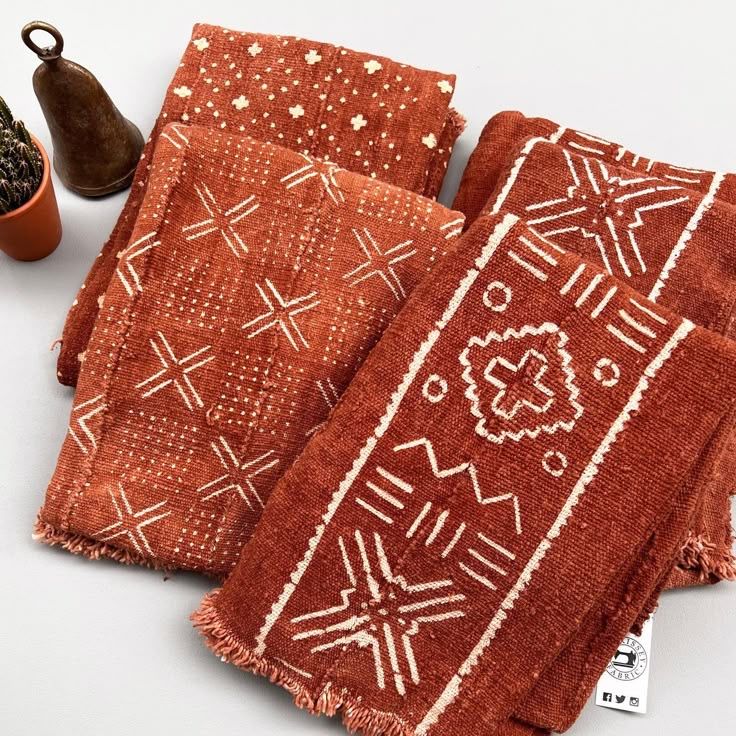
For generations, mud cloth has never been a fabric alone. Across West and Central Africa, it declared authority before it covered the body. Every motif was a coded statement: rank, lineage, spiritual protection, or the passage from one life stage to the next. Communities read it immediately. Outsiders could not.

Bogolanfini, the Bambara term for this tradition, from bogo (earth), lan (with), and fini (cloth), originated with the Bamana people of Mali and carries the oldest documented history of any West African textile still in active cultural use. The oldest surviving examples date from the 12th century and were recovered from cave sites in the Bandiagara escarpment. By the 19th century, Bamana hunters wore Bogolanfini as ceremonial armour before and after kills. The warriors carried their protective charge into battle. Brides wore it through transition ceremonies. The cloth was not symbolic decoration. It was functional authority, working simultaneously as spiritual protection, social declaration, and cultural record.

Mud cloth as fine art, then, is not a new label applied by galleries. It is a recognition delayed by approximately eight centuries.

Bogolanfini was never made to be decorative. Every motif declared rank, recorded lineage, or offered protection. African communities have always understood its significance as fine art. The rest of the world is catching up

Mud Cloth Commands Authority, Across Africa
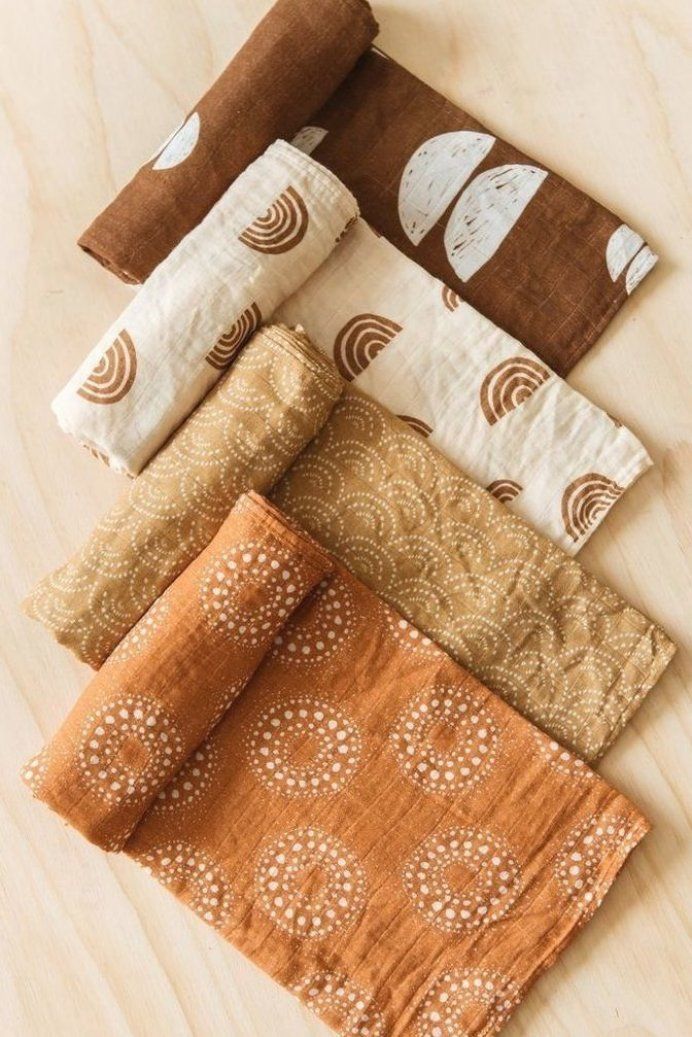
Mud Cloth Commands Authority, Across Africa

Mud cloth has served to declare identity, rank, and belonging. In communities across West and Central Africa, it marked milestones, declared social rank, and offered protection in life’s key ceremonies. Among the Bamana of Mali, the Mossi of Burkina Faso, and the Kuba of the Democratic Republic of Congo, specific motifs served as visual codes, instantly recognisable to those within the culture.

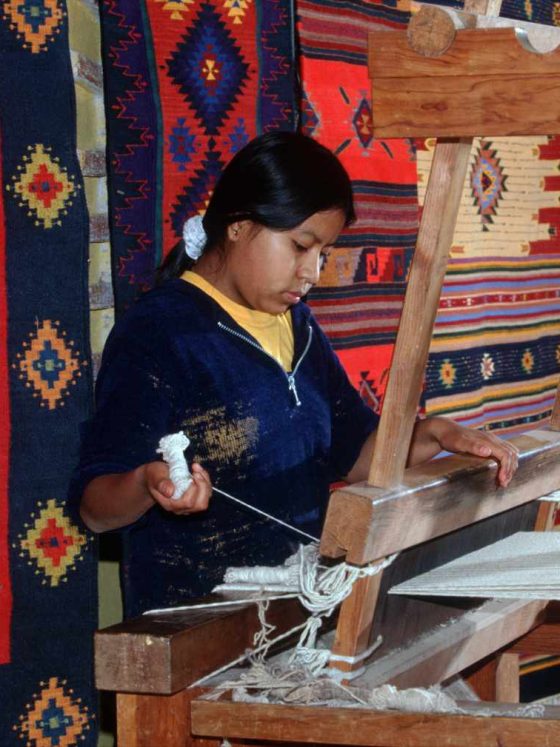
Each cloth carried layers of meaning. Some told family histories; others signalled age, status, or spiritual responsibility. The artistry grew over generations. Elders carefully passed on their knowledge of dyes, patterns, and symbols to their children, infusing memory, authority, and cultural continuity into every fold.

Recognising mudcloths as fine art today simply means naming what African communities have always known. These fabrics are intelligent, deliberate, and socially powerful forms of artistic expression.

Every Fold Is a Statement: Mud Cloth As Living Art
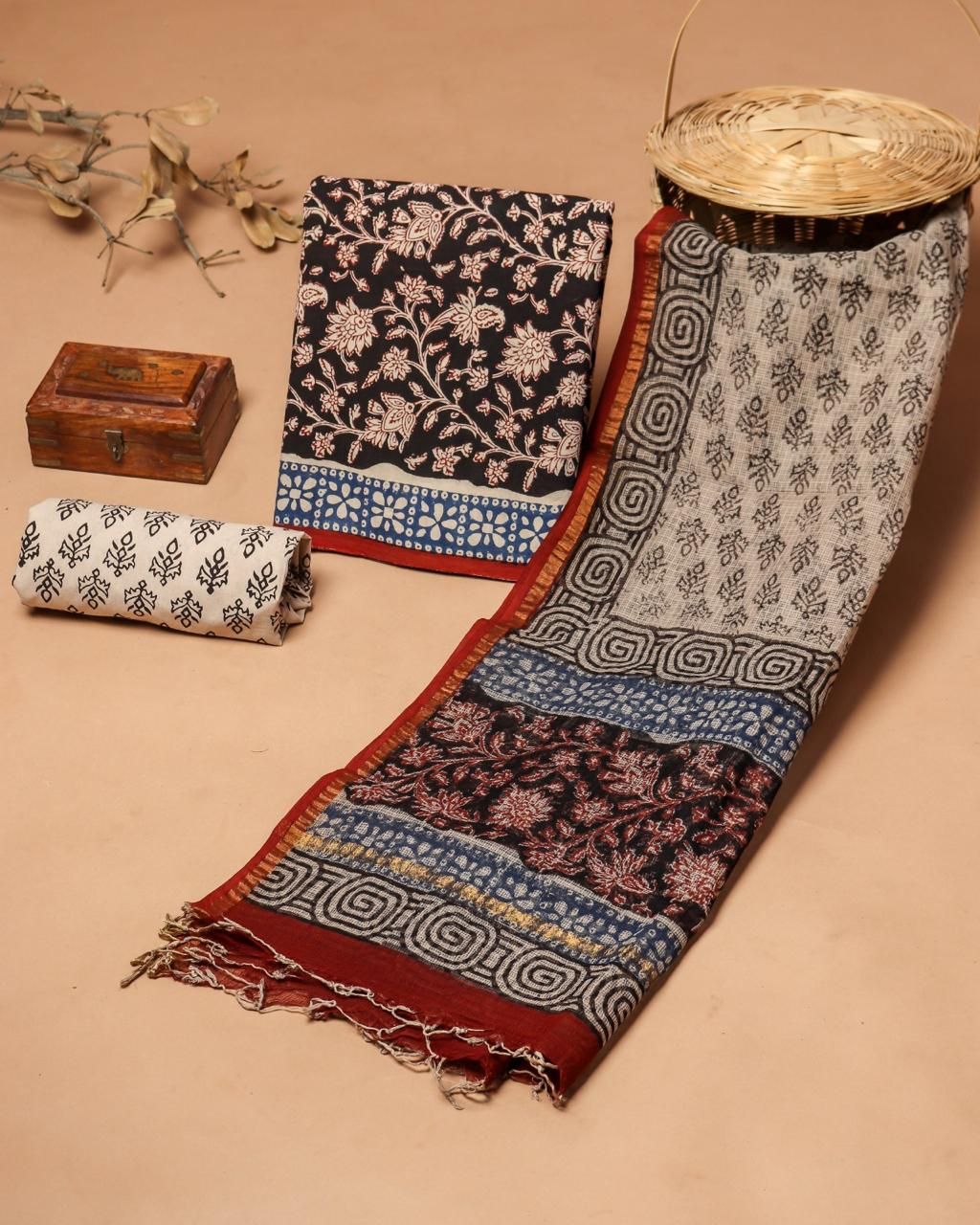
Every Fold Is a Statement: Mud Cloth As Living Art

Mud cloth is not just made. It is inhabited, learned, and lived. Every stripe, pattern, and symbol carries meaning. Each piece records community knowledge, memory, and cultural authority. 

Here’s what makes mud cloth artistry unique. African:

Every Symbol Commands Authority

Every motif in mud cloth communicates a meaning. Patterns aren’t mere decorations on the cloth. They recall ancestors, mark lineage, or offer spiritual protection. On the other hand, each symbol carries memory, authority, and stories that communities understand without explanation.

Heritage Lives in Every Fold

Children inherit memory, ritual, and wisdom alongside technique when learning mud cloth. Elders teach by showing and letting the cloth itself become the teacher. Every fold embeds cultural continuity, passing knowledge from one generation to the next.

Mud Cloth Shapes Life and Belonging

Mud cloth appears in life’s defining moments: naming ceremonies, weddings, initiations, and funerals. It signals respect, belonging, and status. In these contexts, it is not just a garment. It is a public declaration of identity and an acknowledgement of communal history.

Generations of Knowledge, One Cloth

The art of mud, dye, and pattern is cumulative. Each artisan builds on generations of experimentation, observation, and improvisation. Any mistakes made during the process are lessons remembered. Every line carries the intelligence of those who came before and preserves African creativity through time.

READ ALSO:

  • African Print as Modern Armour: Identity, Belonging, and Cultural Authority
  • How the Grandmother’s Headwrap Wove a Legacy of Culture and Identity
  • How Silhouettes Speak: A History Of Power In Black Women’s Fashion
  • Art as Social Memory in a Rapid World: Preserving Culture and Identity

Mud Cloth Reinterpreted: African Art in the Contemporary World
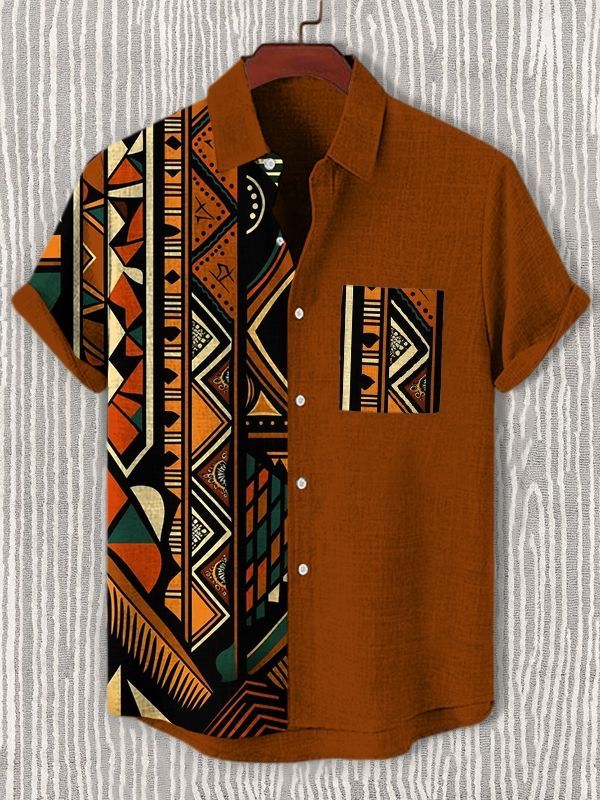
Mud Cloth Reinterpreted: African Art in the Contemporary World

Today, mud cloth is no longer confined to village life. It enters galleries and urban spaces as fine art while its authority remains African, not granted by global institutions. Galleries in Accra, Dakar, and New York display it, but this recognition is acknowledgement, not validation.

Designers in Lagos and London reinterpret its symbols. Centuries of African knowledge enter contemporary fashion and streetwear. Each pattern carries memory, ritual, and cultural authority into urban spaces.

Across the diaspora, mud cloth carries lineage into daily life. A blazer in Brixton or a scarf on the streets of Atlanta is more than style. It declares identity, heritage, and presence. Symbols once read in ceremonies now assert cultural intelligence in modern cities. 

Recognising mud cloths as fine art today isn’t a new idea. It is a reassertion of African artistic power. It connects the past, present, and future. African creativity has consistently operated independently.

Conclusion

Mud cloth is African creativity in motion. It records memory, asserts identity, and celebrates heritage.

Communities have made, worn, and interpreted it for centuries. Recognition in galleries is not validation. It is an acknowledgement of African artistry operating on its own terms.

Mud cloth, as fine art, serves as a bridge between the past and the present. It inspires contemporary design while honouring generations of knowledge. It is deliberate, intelligent, and unapologetically African.

Frequently Asked Questions 

  • What Makes Mud Cloth Different From Other African Textiles?

Every pattern on mud cloth carries meaning, family stories, social status, protection, or rites of passage. Unlike purely decorative cloth, mud cloth functions as a living record of culture, passed down through generations.

  • How Is Mud Cloth Made?

Artisans use fermented mud, natural dyes, and hand-stamping techniques. Each symbol is intentional; no mark is random. The process can take weeks or months and requires skill, patience, and ancestral knowledge.

  • Why Is Mud Cloth Considered Fine Art Now?

Global recognition is new, but the communities that make it have always treated it as artful intelligence. Calling it fine art today simply acknowledges a practice that has been culturally sophisticated for centuries.

  • Can Anyone Learn To Make Mud Cloth?

Yes, but mastery takes time and cultural immersion. Artisans learn through observation, repetition, and guidance from elders. Knowledge is embedded in community and ritual, not just technical skill.

  • How Is Mud Cloth Used In Everyday Life?

It appears in ceremonies like naming rituals, weddings, and festivals. It also signals identity, authority, and belonging in everyday settings, from village gatherings to diaspora communities abroad.


Post Views: 541
Related Topics
  • African Textile Heritage
  • Cultural Fashion Identity
  • Traditional African Textiles
Avatar photo
Philip Sifon

philipsifon99@gmail.com

You May Also Like
View Post
  • Textiles & Craft

Ghanaian Funeral Fashion: The Most Serious Fashion Event in West Africa

  • Tobi Arowosegbe
  • May 29, 2026
Lesotho’s Basotho Blanket: How a Colonial Gift Became a Symbol of Sovereignty
View Post
  • Textiles & Craft

Lesotho’s Basotho Blanket: How a Colonial Gift Became a Symbol of Sovereignty

  • Adams Moses
  • May 29, 2026
The Language of Adinkra: When Cloth Becomes Scripture
View Post
  • Textiles & Craft

The Language of Adinkra: When Cloth Becomes Scripture

  • Rex Clarke
  • May 28, 2026
Cloth, Craft, and Community: The Textile Traditions of Afro-Peruvian Coastal Culture
View Post
  • Textiles & Craft

Cloth, Craft, and Community: The Textile Traditions of Afro-Peruvian Coastal Culture

  • Ayomidoyin Olufemi
  • May 22, 2026
The Significance of White in African Mourning: Why the Continent's Grief Dress Is Not What the West Assumes
View Post
  • Textiles & Craft

The Significance of White in African Mourning: Why the Continent’s Grief Dress Is Not What the West Assumes

  • Rex Clarke
  • May 22, 2026
The Dipo Ceremony and What Krobo Beadwork Communicates About Womanhood in Ghana
View Post
  • Textiles & Craft

The Dipo Ceremony and What Krobo Beadwork Communicates About Womanhood in Ghana

  • Adams Moses
  • May 22, 2026
Bogolan Is Not Mud Cloth: Why the Name Matters and Who Benefits from Getting It Wrong
View Post
  • Textiles & Craft

Bogolan Is Not Mud Cloth: Why the Name Matters and Who Benefits from Getting It Wrong

  • Adams Moses
  • May 20, 2026
Who Actually Owns Ankara: The Legal and Cultural Argument the Fashion Industry Has Been Avoiding
View Post
  • Textiles & Craft

Who Actually Owns Ankara: The Legal and Cultural Argument the Fashion Industry Has Been Avoiding

  • Tobi Arowosegbe
  • May 20, 2026

Leave a Reply Cancel reply

Your email address will not be published. Required fields are marked *

The Omiren Argument

African fashion and culture are not emerging. They are foundational. We document, interpret, and argue for the full cultural weight of African and diaspora dress. With precision. Without apology.

Omiren Styles Fashion · Culture · Identity

All 54 African Nations
Caribbean · Afro-Latin America
The Global Diaspora

Platform

  • About Omiren Styles
  • Our Vision
  • Our Mission
  • Editorial Pillars
  • Editorial Policy
  • The Omiren Collective
  • Campus Style Initiative
  • Sustainable Style
  • Social Impact & Advocacy
  • Investor Relations

Contribute

  • Write for Omiren Styles
  • Submit Creative Work
  • Join the Omiren Collective
  • Campus Initiative
Contact
contact@omirenstyles.com
Our Reach

Africa — All 54 Nations
Caribbean
Afro-Latin America
Global Diaspora

African fashion intelligence, in your inbox.

Editorial features, designer profiles, cultural commentary. No noise.

© 2026 Omiren Styles — Rex Clarke Global Ventures Limited. All rights reserved.
  • Privacy Policy
  • Editorial Policy
  • Terms of Use
  • Accessibility
Africa · Caribbean · Diaspora
The Omiren Argument

African fashion and culture are not emerging. They are foundational. We document, interpret, and argue for the full cultural weight of African and diaspora dress. With precision. Without apology.

Omiren Styles Fashion · Culture · Identity
  • About Omiren Styles
  • Our Vision
  • Our Mission
  • Editorial Pillars
  • Editorial Policy
  • The Omiren Collective
  • Campus Style Initiative
  • Sustainable Style
  • Social Impact & Advocacy
  • Investor Relations
  • Write for Omiren Styles
  • Submit Creative Work
  • Join the Omiren Collective
  • Campus Initiative
Contact contact@omirenstyles.com

All 54 African Nations · Caribbean
Afro-Latin America · Global Diaspora

African fashion intelligence, in your inbox.

Editorial features, designer profiles, cultural commentary. No noise.

© 2026 Omiren Styles
Rex Clarke Global Ventures Limited.
All rights reserved.

  • Privacy Policy
  • Editorial Policy
  • Terms of Use
  • Accessibility
Africa · Caribbean · Diaspora

Input your search keywords and press Enter.