Menu
  • AFRICA
    • African Fashion
    • African Designers
    • Textiles & Craft
    • Heritage Clothing
    • Made in Africa
    • Regional Style
  • DIASPORA
    • Diaspora Voices
    • Diaspora Connects
    • UK Scene
    • US Scene
    • Caribbean Diaspora
    • Afro-Latino Identity
    • Migration & Identity
  • CULTURE
    • Style & Identity
    • Ceremony & Ritual
    • Art & Music
    • Cultural Inspirations
    • Black Culture
    • Heritage Stories
  • FASHION
    • Trends
    • Street Style
    • Runway
    • Sustainable Fashion
    • Tailoring
    • Luxury Fashion
  • INDUSTRY
    • Editorial Intelligence
    • Market Trends
    • Brand Strategy
    • Retail & Commerce
    • Partnerships
    • Reports
    • Insights
    • Omiren Style Index
  • BEAUTY
    • Skincare
    • Makeup
    • Hair & Hairstyle
    • Fragrance
    • Beauty Traditions
    • Natural Beauty
  • MEN
    • Men’s Style
    • Grooming Traditions
    • Traditional & Heritage
    • The Modern African Man
    • Menswear Designers
  • WOMEN
    • Women’s Style
    • Evening Glam
    • Workwear & Professional
    • Streetwear for Women
    • Accessories & Bags
    • Bridal
  • NEWS
    • Cover Stories
    • Fashion Weeks
    • Opinion & Commentary
    • Style Icons
    • Rising Stars
  • DIRECTORY
    • Designers
    • Brands
    • Boutiques
    • Stylists
    • Models
    • Photographers
    • Creative Teams
    • Events
    • Production
    • Materials & Suppliers
Subscribe
OMIREN STYLES OMIREN STYLES

Fashion · Culture · Identity

OMIREN STYLES OMIREN STYLES OMIREN STYLES OMIREN STYLES
  • AFRICA
    • African Fashion
    • African Designers
    • Textiles & Craft
    • Heritage Clothing
    • Made in Africa
    • Regional Style
  • DIASPORA
    • Diaspora Voices
    • Diaspora Connects
    • UK Scene
    • US Scene
    • Caribbean Diaspora
    • Afro-Latino Identity
    • Migration & Identity
  • CULTURE
    • Style & Identity
    • Ceremony & Ritual
    • Art & Music
    • Cultural Inspirations
    • Black Culture
    • Heritage Stories
  • FASHION
    • Trends
    • Street Style
    • Runway
    • Sustainable Fashion
    • Tailoring
    • Luxury Fashion
  • INDUSTRY
    • Editorial Intelligence
    • Market Trends
    • Brand Strategy
    • Retail & Commerce
    • Partnerships
    • Reports
    • Insights
    • Omiren Style Index
  • BEAUTY
    • Skincare
    • Makeup
    • Hair & Hairstyle
    • Fragrance
    • Beauty Traditions
    • Natural Beauty
  • MEN
    • Men’s Style
    • Grooming Traditions
    • Traditional & Heritage
    • The Modern African Man
    • Menswear Designers
  • WOMEN
    • Women’s Style
    • Evening Glam
    • Workwear & Professional
    • Streetwear for Women
    • Accessories & Bags
    • Bridal
  • NEWS
    • Cover Stories
    • Fashion Weeks
    • Opinion & Commentary
    • Style Icons
    • Rising Stars
  • DIRECTORY
    • Designers
    • Brands
    • Boutiques
    • Stylists
    • Models
    • Photographers
    • Creative Teams
    • Events
    • Production
    • Materials & Suppliers
  • Textiles & Craft

Why Leather Holds the Breath of the Herdsman: The Memory of African Pastoral Leather

  • Philip Sifon
  • March 3, 2026
Why Leather Holds the Breath of the Herdsman: The Memory of African Pastoral Leather
Cortina Leathers.

Before leather became handbags or embossed logos, it walked across the Sahel. It followed herds, drank from shallow rivers, and answered to whistles only one person understood. Among the Fulani and other pastoral communities, cattle are not scenery; they are life.

A herdsman’s wealth is measured in hooves, milk, and lineage, not bank statements. He walks with his herd for years, shielding them from the sun, dust, and harmattan winds. That closeness leaves a mark.

This article explores why leather holds the breath of the herdsman and how it becomes identity, inheritance, and a living archive of labour.

This article explores why leather holds the breath of the herdsman, showing how African pastoral leather carries memory, labour, and cultural knowledge.

Before Leather Became Luxury, It Was Survival
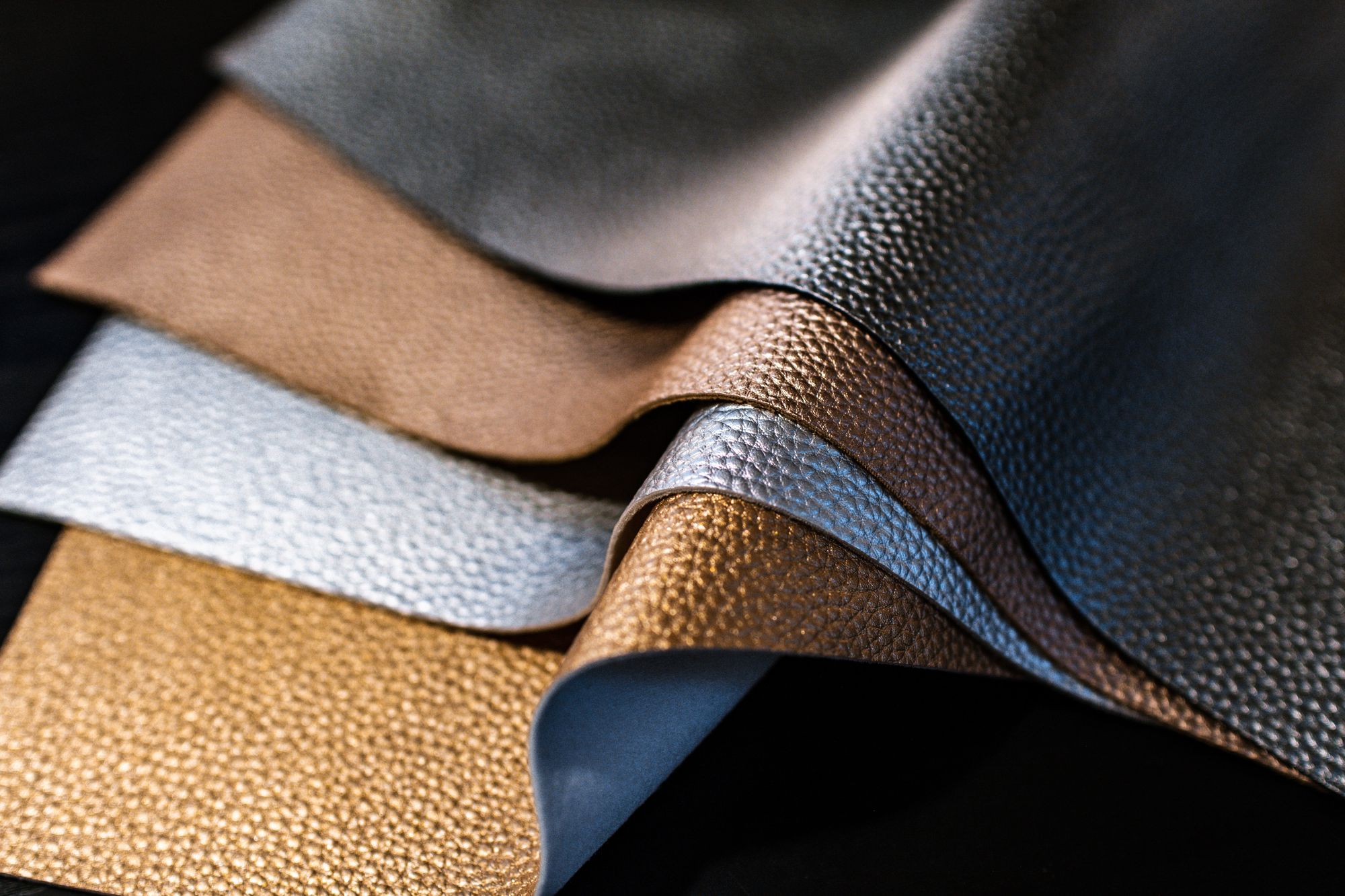
Before Leather Became Luxury, It Was Survival
Photo: Deskera.

Leather entered African life through necessity. Across northern Nigeria, Niger, Senegal, and the broader Sahel, cattle dictated movement, wealth, and daily rhythm.

When an animal died, its hide was never wasted. It was cured, stretched, and worked with knowledge passed down for generations. From water pouches to sandals and saddles, each piece was practical, designed to endure harsh climates and long journeys.

Leather in pastoral Africa began as a survival measure. It carried sweat, heat, and repetition. It learnt the herdsman’s rhythm long before it became fashionable. That intelligence remains in every fold and scar.

Leather Carries The Touch Of Life

A herdsman doesn’t only tend cattle. He knows them, names them, and walks with them across heat and dust for years. Each animal leaves a mark, in scent, in rhythm, in routine.

So, when an animal becomes leather, it doesn’t lose its story. Every piece carries the traces of its life and the hands that cared for it. Over time, leather takes on the shape, pressure, and life of the person who works with it. It is never just material; it holds memory, labour, and the presence of its caretaker.

This is why leather holds the breath of the herdsman. It is not about air. It is about presence. In pastoral Africa, nothing is disposable. Leather is a memory made tangible. It is proof that the life it touched once lived, and that touch never leaves.

Leather As Archive And Knowledge
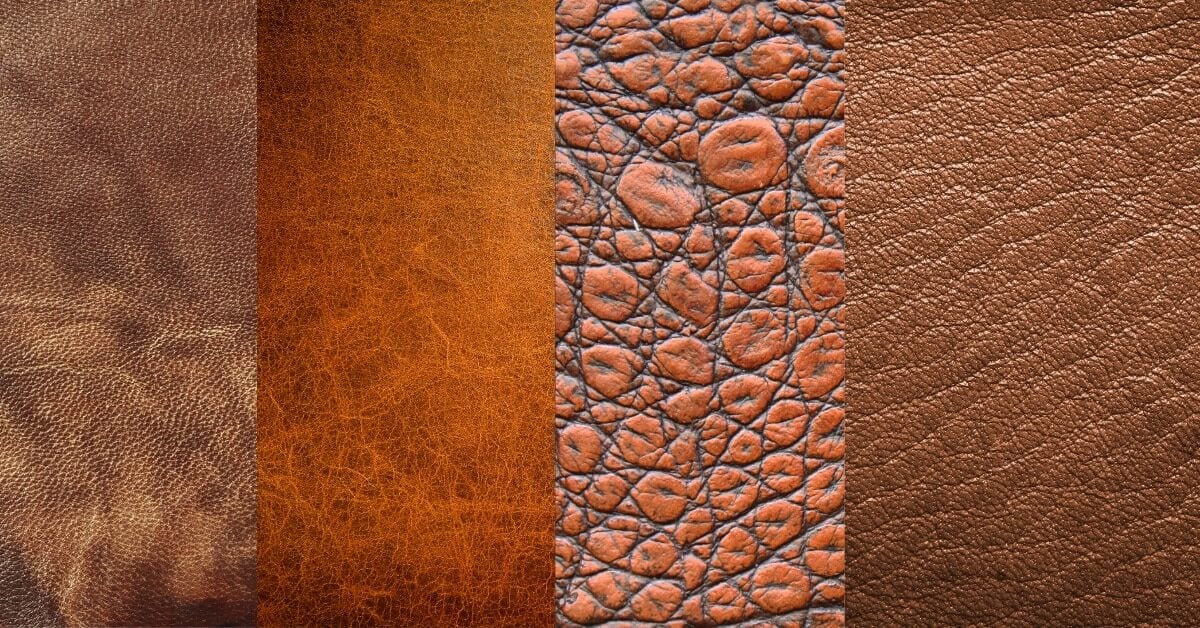
Leather As Archive And Knowledge
Photo: Sew Guide.

Leather is more than a material. It is both practical and intellectual, survival encoded in craft. Here’s what it teaches us about African pastoral wisdom:

  • Craft Passed Through Generations: Tanning, stretching, and curing techniques are taught within families and communities, preserving centuries of practical knowledge.
  • Survival Intelligence: Leather items are designed to last, withstand harsh climates, and serve multiple purposes, from water carriers to saddles.
  • Memory Of Touch And Movement: The material absorbs hands, sweat, and rhythm, making each piece uniquely tied to the life it supported.
  • Cultural Identity: Leather signifies status, skill, and belonging, marking the wearer as part of a lineage and a community.
  • Durable Storytelling: Each fold, stitch, and scar on leather tells a story of the herdsman’s daily life, struggles, and accomplishments.

ALSO READ:

  • The Invisible Thread: How African Oral Tradition Shapes Fashion and Heritage Textiles
  • When Dressing Becomes Declaration: Clothing as Cultural Identity
  • Mud Cloth as Fine Art: The Cultural Authority of Bogolanfini
  • African Print as Modern Armour: Identity, Belonging, and Cultural Authority

Why Modern Fashion Forgets What Pastoral Africa Already Knew
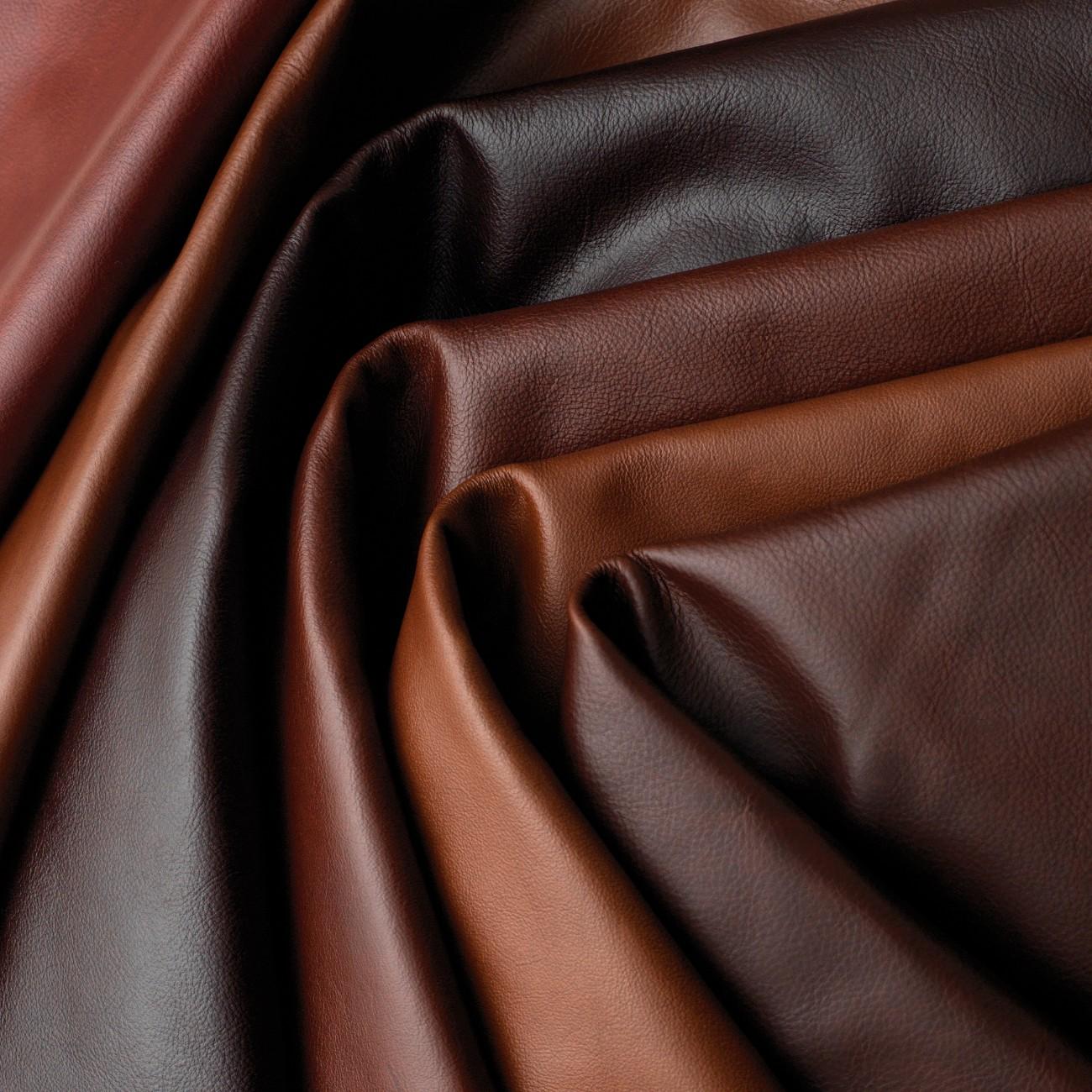
Why Modern Fashion Forgets What Pastoral Africa Already Knew
Photo: Cortina Leathers.

Global fashion treats leather as a luxury and frames it as status, as price, as design. What it ignores is that pastoral communities in Africa had already mastered leather centuries earlier. They understood its resilience, its adaptability, and its memory. They knew how to turn survival into skill and necessity into craft.

In this context, leather was never disposable. Every water pouch, sandal, and saddle carried lineage, labour, and learning. But modern fashion sees only the surface, the texture, the finish, and the logo.

To understand why leather holds the breath of the herdsman is to recognise that African materials have always been intelligent, intentional, and alive. Luxury is a lens. Heritage is reality.

Conclusion

Leather does not literally hold breath. It holds presence, labour, memory, and life. In African pastoral communities, it is survival made skill, memory made tangible, and biography made material.

Every fold, softened edge, and scar tells the story of herders and the animals they lived with. Modern fashion may prize leather as a luxury, but pastoral Africa knew its value long before. 

To understand why leather holds the breath of the herdsman is to recognise the identity, inheritance, and intelligence carried in every piece.

Frequently Asked Questions

  • What Does ‘Leather Hold the Breath of the Herdsman’ Really Mean?

It’s a metaphor. Leather carries more than its surface; it absorbs the work, touch, and presence of the herdsman. Every pouch, sandal, or saddle carries memory, labour, and daily life.

  • How Is Pastoral Leather Different From Luxury Leather?

Luxury leather often emphasises texture, finish, or brand. Pastoral leather prioritises survival, durability, and skill. It carries lineage and practical knowledge, not just style.

  • Why Is Leather Considered An Archive In African Pastoral Life?

Because each hide preserves the story of the animal and the herdsman who cared for it, tanning, stitching, and use encode knowledge and experience across generations, a living record of work and life.

  • Did African Communities Use Leather Only For Survival?

No. Leather served multiple purposes: containers, mats, saddles, protective gear, and even symbolic items marking status or ritual. Every piece had function and meaning.

  • Can Modern Fashion Learn From Pastoral Leather Practices?

Absolutely. Pastoral leather demonstrates longevity, multipurpose design, and sustainability. It shows how materials can carry heritage and intelligence, not just luxury value.

  • Which Regions In Africa Are Best Known For Pastoral Leather Traditions?

Leather craftsmanship linked to pastoral life is strongest across the Sahel, including northern Nigeria, Niger, Mali, and Senegal. These communities have refined tanning and crafting techniques over centuries.

Post Views: 371

The OmirenStyles newsletter covers traditional fashion, diaspora style, and the cultural stories behind African dress. It’s sent directly to readers who care about this space as much as we do. You can subscribe here https://mailchi.mp/2fc1ddd747d6/omirenstyles-newsletter


Related Topics
  • African heritage materials
  • African leather craftsmanship
  • traditional African leatherwork
Avatar photo
Philip Sifon

philipsifon99@gmail.com

You May Also Like
The Ghanaian Smock: Why Fugu and Batakari Matter Beyond Northern Ghana
View Post
  • Textiles & Craft

The Ghanaian Smock: Why Fugu and Batakari Matter Beyond Northern Ghana

  • Ayomidoyin Olufemi
  • June 12, 2026
View Post
  • Textiles & Craft

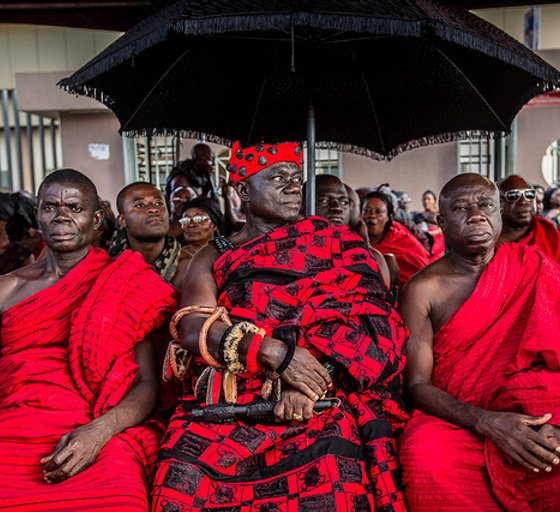
Ghanaian Funeral Fashion: The Most Serious Fashion Event in West Africa

  • Tobi Arowosegbe
  • May 29, 2026
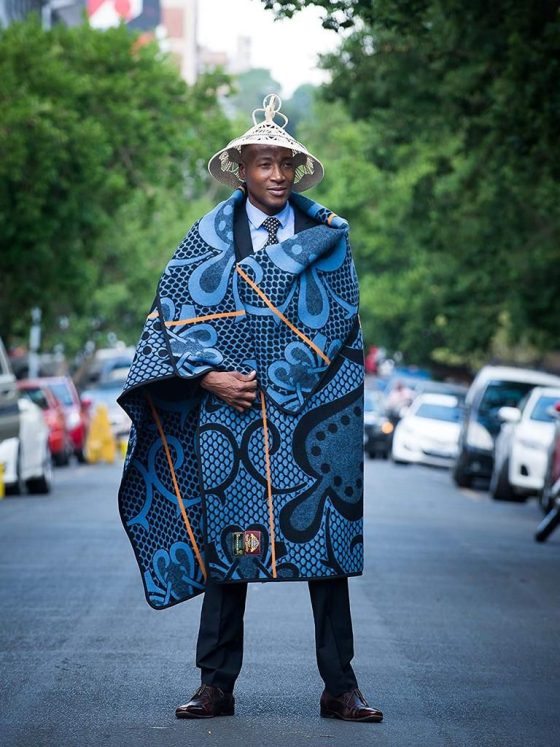
Lesotho’s Basotho Blanket: How a Colonial Gift Became a Symbol of Sovereignty
View Post
  • Textiles & Craft

Lesotho’s Basotho Blanket: How a Colonial Gift Became a Symbol of Sovereignty

  • Adams Moses
  • May 29, 2026
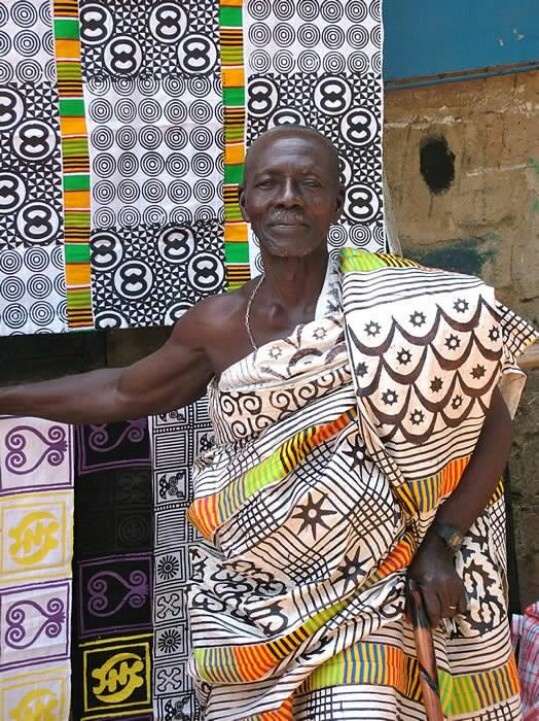
The Language of Adinkra: When Cloth Becomes Scripture
View Post
  • Textiles & Craft

The Language of Adinkra: When Cloth Becomes Scripture

  • Rex Clarke
  • May 28, 2026
Cloth, Craft, and Community: The Textile Traditions of Afro-Peruvian Coastal Culture
View Post
  • Textiles & Craft

Cloth, Craft, and Community: The Textile Traditions of Afro-Peruvian Coastal Culture

  • Ayomidoyin Olufemi
  • May 22, 2026
The Significance of White in African Mourning: Why the Continent's Grief Dress Is Not What the West Assumes
View Post
  • Textiles & Craft

The Significance of White in African Mourning: Why the Continent’s Grief Dress Is Not What the West Assumes

  • Rex Clarke
  • May 22, 2026
The Dipo Ceremony and What Krobo Beadwork Communicates About Womanhood in Ghana
View Post
  • Textiles & Craft

The Dipo Ceremony and What Krobo Beadwork Communicates About Womanhood in Ghana

  • Adams Moses
  • May 22, 2026
Bogolan Is Not Mud Cloth: Why the Name Matters and Who Benefits from Getting It Wrong
View Post
  • Textiles & Craft

Bogolan Is Not Mud Cloth: Why the Name Matters and Who Benefits from Getting It Wrong

  • Adams Moses
  • May 20, 2026

Leave a Reply Cancel reply

Your email address will not be published. Required fields are marked *

The Omiren Argument

African fashion and culture are not emerging. They are foundational. We document, interpret, and argue for the full cultural weight of African and diaspora dress. With precision. Without apology.

Omiren Styles Fashion · Culture · Identity

All 54 African Nations
Caribbean · Afro-Latin America
The Global Diaspora

Platform

  • About Omiren Styles
  • Our Vision
  • Our Mission
  • Editorial Pillars
  • Editorial Policy
  • The Omiren Collective
  • Campus Style Initiative
  • Sustainable Style
  • Social Impact & Advocacy
  • Investor Relations

Contribute

  • Write for Omiren Styles
  • Submit Creative Work
  • Join the Omiren Collective
  • Campus Initiative
Contact
contact@omirenstyles.com
Our Reach

Africa — All 54 Nations
Caribbean
Afro-Latin America
Global Diaspora

African fashion intelligence, in your inbox.

Editorial features, designer profiles, cultural commentary. No noise.

© 2026 Omiren Styles — Rex Clarke Global Ventures Limited. All rights reserved.
  • Privacy Policy
  • Editorial Policy
  • Terms of Use
  • Accessibility
Africa · Caribbean · Diaspora
The Omiren Argument

African fashion and culture are not emerging. They are foundational. We document, interpret, and argue for the full cultural weight of African and diaspora dress. With precision. Without apology.

Omiren Styles Fashion · Culture · Identity
  • About Omiren Styles
  • Our Vision
  • Our Mission
  • Editorial Pillars
  • Editorial Policy
  • The Omiren Collective
  • Campus Style Initiative
  • Sustainable Style
  • Social Impact & Advocacy
  • Investor Relations
  • Write for Omiren Styles
  • Submit Creative Work
  • Join the Omiren Collective
  • Campus Initiative
Contact contact@omirenstyles.com

All 54 African Nations · Caribbean
Afro-Latin America · Global Diaspora

African fashion intelligence, in your inbox.

Editorial features, designer profiles, cultural commentary. No noise.

© 2026 Omiren Styles
Rex Clarke Global Ventures Limited.
All rights reserved.

  • Privacy Policy
  • Editorial Policy
  • Terms of Use
  • Accessibility
Africa · Caribbean · Diaspora

Input your search keywords and press Enter.